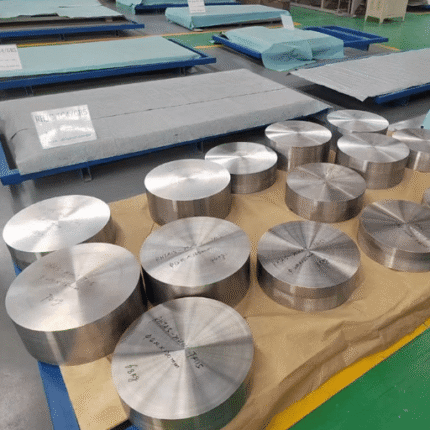
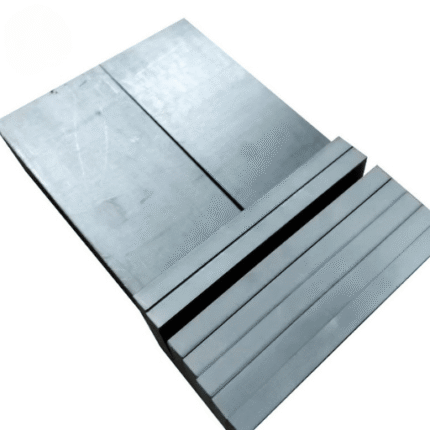
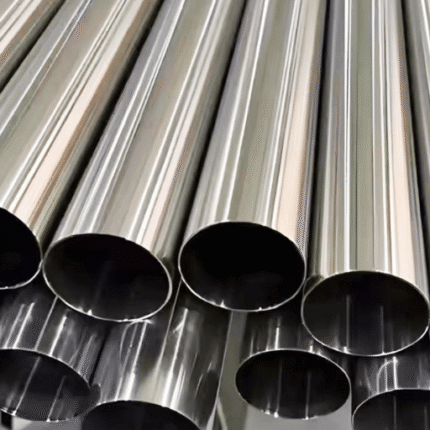
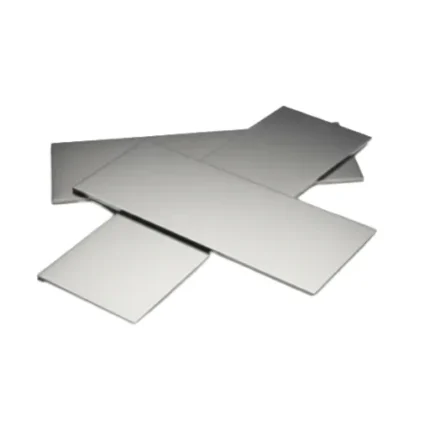
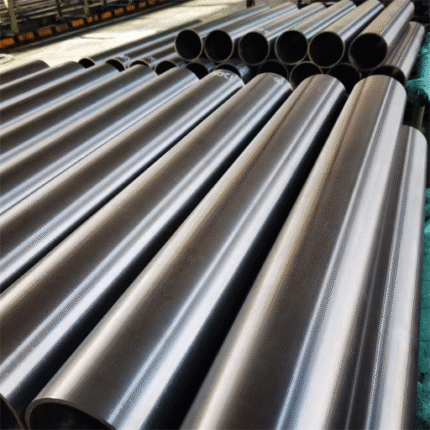
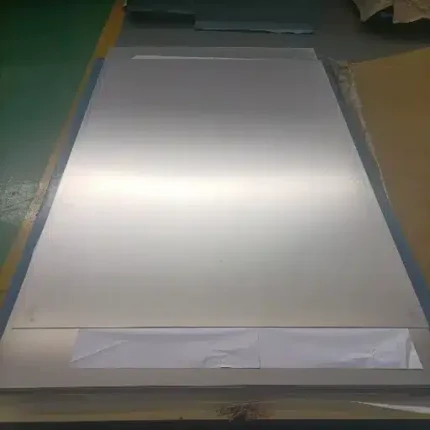
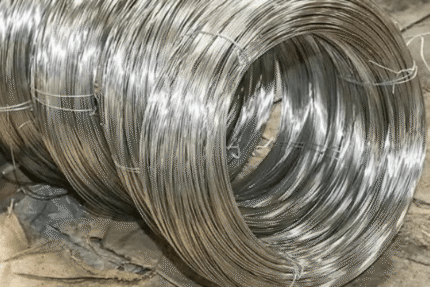
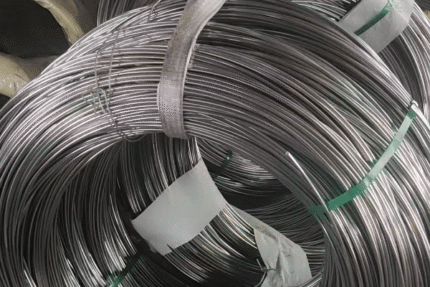
High Standard Stainless Steel With Strict Inspection


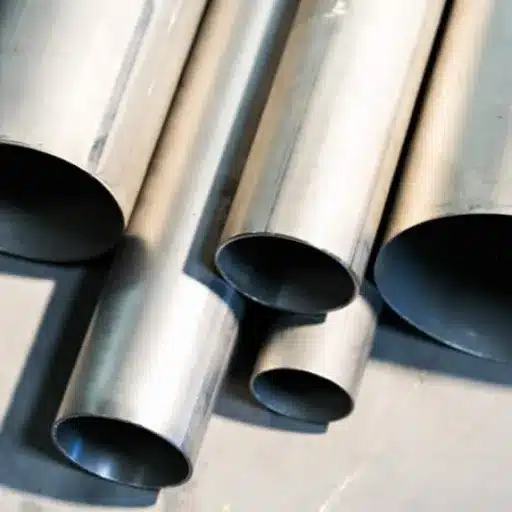
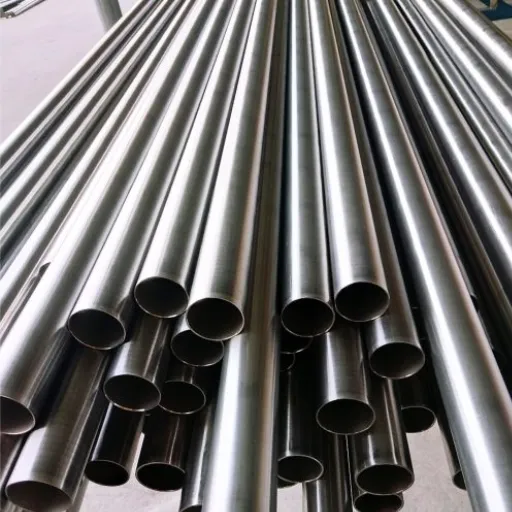
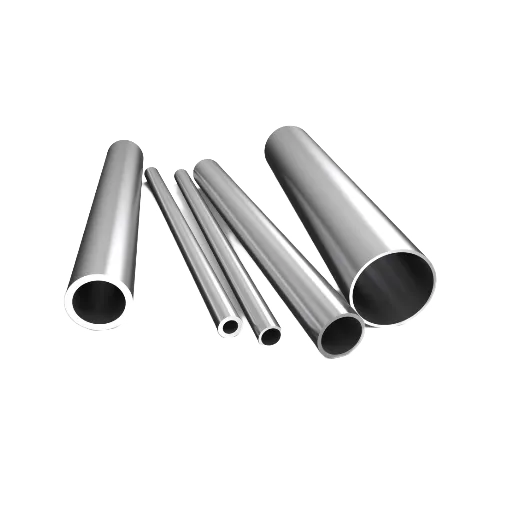

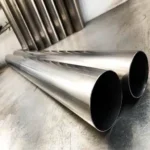
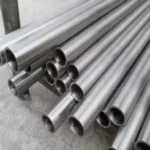
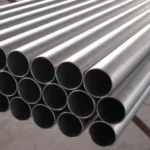
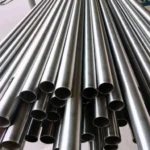

Titanium Tubes
Extrusion and Piercing The process begins with the extrusion of titanium billets, which are heated and forced through a die to create hollow tubes. Piercing techniques are employed to achieve the required inner diameters while maintaining material integrity and ensuring uniform wall thickness. Cold Rolling and Drawing To refine the mechanical properties and achieve exact […]
Description


Overview of Titanium Tubes
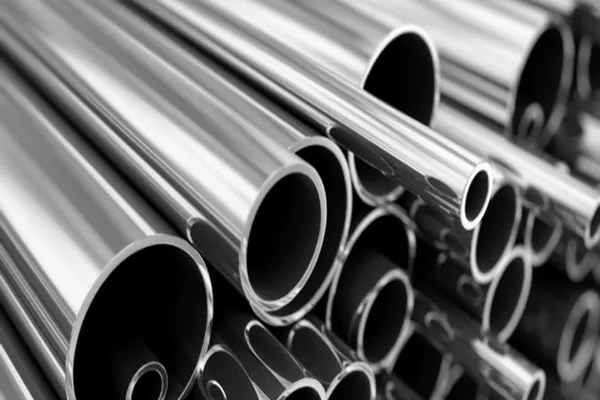
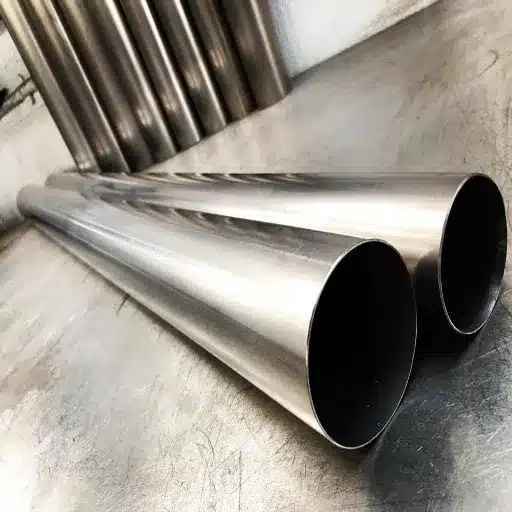
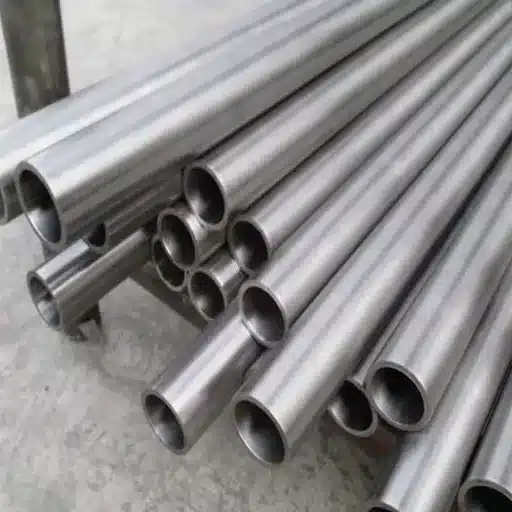
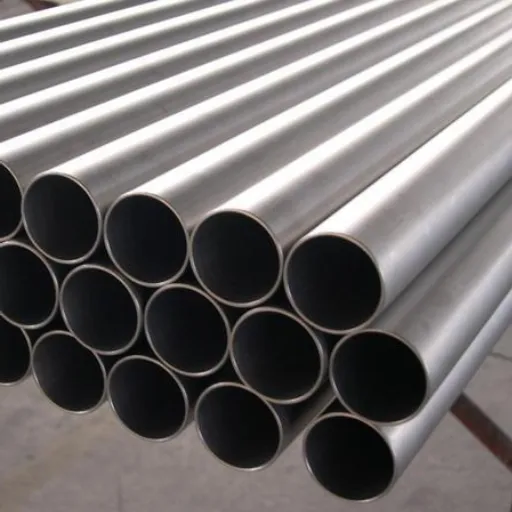
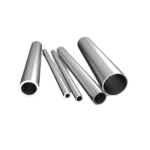
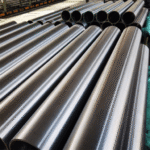
Titanium tubes are cylindrical structures primarily made from titanium or its alloys, and they come in various forms, including seamless and welded. The seamless titanium tubes are produced through extrusion or rotary piercing, ensuring a consistent wall thickness and superior strength. In contrast, welded tubes are manufactured by rolling and welding titanium sheets, offering flexibility in wall thickness and diameter. The selection of titanium tube products often depends on the specific requirements, such as working pressure, temperature resistance, and quality control standards, making them indispensable in industries like aerospace and heat exchangers.
Exploring Common Titanium Alloy Grades
Understanding the properties of different titanium alloys is essential for selecting the optimal material for your specific engineering application.
Titanium Grade 5 (TC4 / Ti-6Al-4V)
Recognized as the most commonly used titanium alloy, Grade 5 combines high strength, excellent corrosion resistance, and good weldability. Its superior mechanical performance under elevated temperatures makes it ideal for aerospace structures, engine components, and high-performance motorsports assemblies.
Outstanding strength-to-weight ratio supports advanced engineering designs.Maintains structural integrity in high-temperature and high-stress environments.Reliable weldability allows for complex fabrication and assembly.
Titanium Grade 9 (TA9)
Grade 9 offers a balance between the strength of Grade 5 and the formability of commercially pure titanium. Its medium strength and excellent corrosion resistance lend versatility, making it a preferred choice for aerospace hydraulic tubing, sporting goods, and marine applications where moderate strength and high corrosion resistance are required.
Superior formability ensures ease of fabrication for intricate tube shapes.Excellent corrosion resistance extends service life in marine and chemical environments.Optimal for weight-sensitive applications requiring moderate strength and flexibility.
Titanium Grade 15 (TA15)
Characterized by higher aluminum content, Grade 15 provides increased strength and improved high-temperature properties compared to standard grades. This alloy is well-suited for demanding aerospace and industrial applications that require a combination of strength, toughness, and thermal stability in aggressive environments.
Elevated strength supports structural integrity in high-stress environments.Enhanced high-temperature performance ensures reliability during thermal cycling.Excellent toughness and ductility allow for complex fabrication and resistance to fracture.
Titanium Tubes – Technical Specifications and Parameters
| Specification | Details |
|---|---|
| Material | Grade 2 Titanium, Grade 5 Titanium |
| Type | Seamless Titanium Tubes, Welded Tubes |
| Outside Diameter (OD) | Range from 1.2mm to larger sizes |
| Wall Thickness | Varies based on application |
| Corrosion Resistance | Excellent, suitable for harsh environments |
| Strength-to-Weight Ratio | High, making it suitable for aerospace applications |
| Manufacturing Process | Seamless and welded techniques available |
| Applications | Medical implants, heat exchangers, exhaust tubing, industrial tubing |
| Quality Control | ISO certified processes to ensure high-quality titanium tubing |
| Available Titanium | Various titanium grades and alloys for different industries |
Manufacturing Processes for Titanium Tubes
A comprehensive understanding of titanium tube manufacturing processes ensures the highest standards of quality and performance for critical applications.

Extrusion and Piercing
The process begins with the extrusion of titanium billets, which are heated and forced through a die to create hollow tubes. Piercing techniques are employed to achieve the required inner diameters while maintaining material integrity and ensuring uniform wall thickness.

Cold Rolling and Drawing
To refine the mechanical properties and achieve exact dimensional specifications, tubes undergo cold rolling and drawing. These processes reduce the tube size incrementally, improve surface finish, and enhance strength through controlled plastic deformation.

Annealing and Heat Treatment
Titanium tubes are subjected to precise annealing and heat treatment cycles to relieve internal stresses accumulated during forming. This step optimizes the microstructure, improves ductility, and ensures consistent performance across various grades and applications.

Precision Cutting and Quality Inspection
Following forming and heat treatment, tubes are cut to length using high-accuracy equipment. Comprehensive quality inspections, including dimensional checks, non-destructive testing, and surface analysis, are performed to verify compliance with strict industry and project specifications.
Properties of Titanium Tubes
Titanium tubes are chosen by engineers and industry professionals for their outstanding material characteristics, which contribute to the success of advanced applications across many sectors.
Superior Strength-to-Weight Ratio
Titanium tubes provide remarkable mechanical strength while maintaining a fraction of the weight compared to traditional metals. This balance is especially critical in aerospace and motorsports where reducing mass without sacrificing structural integrity is essential.
High Temperature Stability
Titanium tubes retain their mechanical and structural properties even when subjected to elevated temperatures. This thermal stability makes them ideal for applications in engine systems, heat exchangers, and chemical reactors where thermal stress is a concern.

Excellent Corrosion Resistance
One of titanium’s most notable features is its ability to withstand harsh environments, including exposure to seawater, industrial chemicals, and chlorides. This exceptional resistance ensures long service life and reliability in demanding conditions.
Biocompatibility and Non-Toxicity
Due to their inert and non-reactive nature, titanium tubes are widely used in medical devices and implants. Their biocompatibility means they do not elicit adverse immune responses, making them a trusted material in surgical and clinical settings.
Key Application Scenarios for Titanium Tubes
Aerospace Structural and Hydraulic Systems
Titanium tubes are integral in the aerospace sector, where their combination of high strength-to-weight ratio and corrosion resistance supports lighter airframes and resilient hydraulic lines. They help improve fuel efficiency and extend service intervals in both commercial and defense aviation.
Advanced Medical Implantation and Instrumentation
In the medical field, titanium tubes are widely used for surgical implants, prosthetics, and precision instruments. Their exceptional biocompatibility helps minimize rejection risks and supports safe, long-term placement in the human body, enhancing patient outcomes.
Industrial Chemical Processing and Heat Exchange
For chemical processing plants, titanium tubes enable cost-effective, long-term operation in highly corrosive environments. Their ability to withstand aggressive chemicals and high temperatures reduces maintenance needs and enhances equipment reliability in heat exchangers and process piping.
What Our Clients Say
“Our organization relies on titanium tubes for mission-critical aerospace projects. The quality and consistency exceed industry benchmarks, supporting our engineering goals with confidence.”

Dr. Michael Carter
Senior Materials Engineer
“The corrosion resistance and durable performance of these titanium tubes have significantly reduced maintenance costs in our chemical processing operations. Their technical team provides prompt, professional support throughout every project stage.”

Emily Zhang
Operations Director

Why Choose Our Titanium Tubes
Our titanium tubes are engineered to deliver unmatched performance and reliability, meeting the highest standards in engineering, manufacturing, and quality control.
Industry-Leading Expertise: Our team applies advanced knowledge and decades of experience to deliver optimal solutions for complex engineering challenges in critical applications.Rigorous Quality Assurance: Each tube undergoes comprehensive inspection and testing to ensure consistent dimensional accuracy, superior mechanical properties, and defect-free performance.Extensive Material Selection: We provide a full range of titanium grades and product forms, enabling precise matches for unique requirements in various demanding industries.Responsive Technical Support: Our technical specialists offer expert guidance from material selection through project completion, ensuring smooth integration and problem resolution for every client.Proven Global Performance: Trusted by industry leaders worldwide, our titanium tubes consistently deliver reliable performance in aerospace, medical, industrial, and chemical environments.
Our Latest Blogs

Alloy 625 Severe Sour Gas Service: Complete Guide
Alloy 625 is the default nickel-based alloy for severe sour gas service, qualified under NACE MR0175/ISO 15156 for all H2S…

Super 13Cr Stainless Steel: CO2 & Sour Service Guide
Super 13Cr stainless steel is a low-carbon, nickel- and molybdenum-strengthened martensitic grade (UNS S41425, S41426, S41427) built to outlast conventional…

Inconel 718 vs 725 vs 925: The Complete Selection Guide
Inconel 718, 725, and 925 are all age-hardenable nickel alloys, but each is built for a different job. Choose Inconel…

Duplex Stainless Steel Sour Service: 2205 vs 2507 Limits
Yes, duplex stainless steel sour service is practical and proven, but only within defined NACE MR0175/ISO 15156 limits. Standard duplex…

What Is Sour Service? H2S Environments Explained
Sour service is oil and gas equipment exposure to hydrogen sulfide (H2S) that can crack steel and other alloys. Under…

Sulfide Stress Cracking: Hardness Limits & Prevention
Sulfide stress cracking (SSC) is a form of hydrogen embrittlement that occurs when high-hardness steel under tensile stress is exposed…

NACE MR0175/ISO 15156 Explained: Sour Service Guide
NACE MR0175/ISO 15156 is the international standard that governs metallic materials for oil and gas production environments containing hydrogen sulfide…

How to Select Corrosion-Resistant Alloys for Sour Service
To select a corrosion-resistant alloy for sour service, characterize the environment first, classify sour severity by H2S partial pressure, screen…
Frequently Asked Questions
What are the main advantages of titanium tubes compared to other metal tubes?
Titanium tubes offer exceptional strength-to-weight ratio, corrosion resistance, longevity, and biocompatibility, making them superior for specialized and demanding applications.
What industries commonly use titanium tubing?
Key users include aerospace, medical, motorsports, chemical processing, marine, and industrial sectors due to titanium’s unique mechanical and chemical properties.
Do you offer both standard and custom sizes for titanium tubes?
Yes, we supply a comprehensive range of standard dimensions and provide custom fabrication services to meet specific project requirements.
What grades of titanium are available for tubing?
We stock and fabricate tubes in commercially pure grades, as well as popular alloys such as Grade 5 (Ti-6Al-4V), Grade 9 (Ti-3Al-2.5V), and Grade 15.
How do I select the right titanium tube grade for my application?
Our technical specialists provide expert consultation based on your application’s mechanical, chemical, and regulatory requirements to ensure optimal material selection.
Can titanium tubes be welded and formed?
Titanium exhibits excellent formability and weldability, but these processes require specialized techniques and expertise to maintain material integrity.
What is the typical lead time for titanium tubing orders?
Standard sizes are often available for immediate shipment. Custom orders depend on complexity and quantity, and lead times are confirmed during quotation.
What surface finishes are available for titanium tubes?
We offer various surface finishes including mill finish, polished, and custom finishing to meet particular performance and aesthetic requirements.
Shipping and Delivery