High Standard Stainless Steel With Strict Inspection



Stellite Alloys: Wear-Resistant Cobalt Alloys Guide

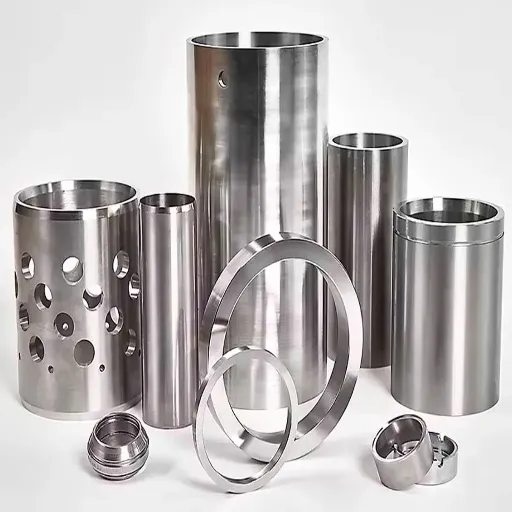
Stellite alloys are a rare group of cobalt-based alloys that have become very prestigious due to their extraordinary wear resistance and durability. Seriously high in hardening capacity, these alloys are used in aerospace, automobile, and power sectors. But what is it that makes Stellite alloys so dependable and best able to render performance on such a scale? This guide will rend off the properties, applications, and benefits of Stellite alloys that make them so favored in highly demanding environments. Engineers, manufacturers, or curious minds about innovative materials will benefit from this blog post vis-a-vis wear-resistant cobalt alloys.
Introduction to Stellite Alloys
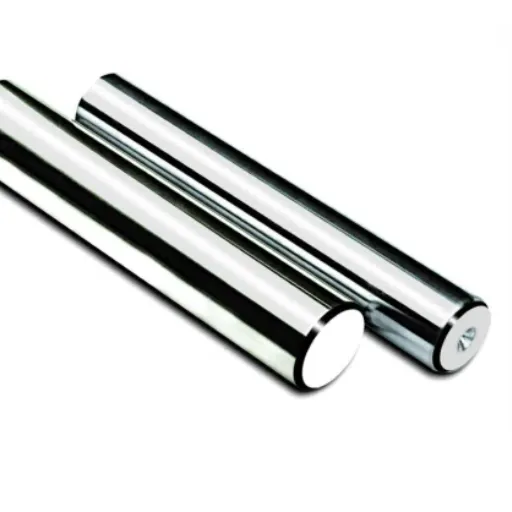
What are Stellite Alloys?
Stellite alloys are a class of cobalt-based alloys known for their exceptional wear resistance and corrosion resistance, being able to perform under the harsh conditions in which industrial processes occur. These alloys were originally developed for industrial applications and contain cobalt in combination with other alloying elements such as chromium, tungsten, and molybdenum to form a material capable of withstanding very intense mechanical and environmental stresses.
One other property of Stellite alloys that characterize them is that they are hard and tough, even at high temperatures. Such properties make them useful for environments in which components are exposed to continuous wear and thermal cycling. Common applications include cutting tool tips, valve seats, and turbine blades, where resistance to abrasion, erosion, and high-temperature oxidation is required in the material. Stellite’s inherent toughness guarantees a longer working life for components made of this alloy, thereby reducing the frequency of replacements.
Furthermore, such a Stellite is unaffected by moisture, acts corrosive when in contact with acids, wet, dry, or otherwise corrosive, so it is quite versatile. Hence, it is considered indispensable across industries, such as aero, automotive, and energy generation. Generally, the Stellite alloys can be classified as materials that are meant for the most severe cases where the highest performance must be ensured in difficult environments.
Chemical Composition of Stellite Alloys
Stellite alloys are primarily cobalt-based alloys. The cobalt content ranges from 40 to 70 percent by weight, depending on the grade. This amount of cobalt bestows Stellite with properties for high strength and corrosion resistance, even at high temperatures.
Key Alloying Elements:
- Chromium (25-35%): Confers corrosion resistance via the formation of an oxide layer on the surface of the alloy
- Tungsten and Molybdenum: Impart hardness and resistance to plastic deformation
- Carbon: Vital for carbide formation and hence for superior wear resistance
- Iron, Nickel: Present in varying amounts depending upon the formulation used
These precisely balanced elements offer a broad-range of customizability to the Stellite alloys, which are then further tailored to suit given industrial applications, for working optimally under harsh conditions.
Mechanical Properties of Stellite
Stellite alloys are praised for their ability to impart superior mechanical properties, which makes them valuable in all-demanding industrial applications. Among the deciding characteristics is their high hardness, which helps result in effective resistance against wear, even in extreme conditions. This comes in as a life-saving factor in environments where components face abrasive or erosive forces.
Secondly, Stellite is endowed with tensile strength and toughness at an extraordinary level into themselves in order to maintain their integrity inside mechanical facilities even with greater stress attempting to cause them deformation or failure. These Stellite alloys possess mechanical properties even when it is high temperature, making them fit for working inside a heat-intensive atmosphere such as in gas turbines, engine components, and industrial cutting tools.
The corrosion resistance property further increases the mechanical value of Stellite. Being a great form of corrosion resistance against oxidation and chemical degradation, Stellite alloys owe this property mostly to the composition of cobalt and chromium within the alloy, which itself forms a protective oxide layer on the surface. When taken together, these mechanical properties assure that Stellite alloys deliver exceptionally well in severe conditions, thus being a very important material in critical industrial usages.
Types of Stellite Alloys
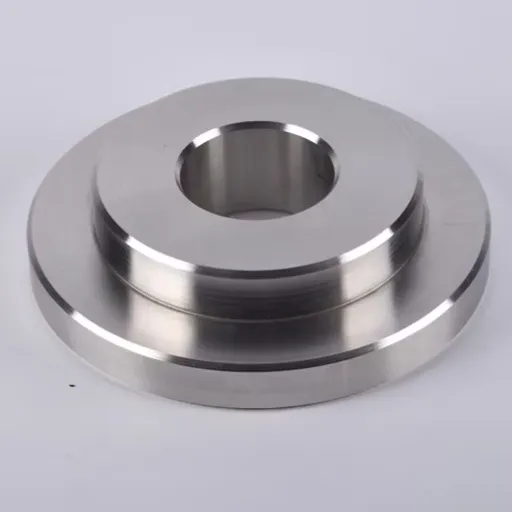
Stellite 1: Features and Applications
Stellite 1 is a cobalt-based alloy famous for being hard and highly resistant to wear, preferably used in industries where components have to withstand harsh operating environments. It possesses a high concentration of chromium, carbon, tungsten, and cobalt, thus providing it wear, abrasion, and corrosion resistance. The alloy has a hardness maximum when compared to some of the hard industrial materials, generally falling in the 50-60 range of Rockwell C (HRC). So it is preferred when environments and components are constantly being rubbed or subjected to high pressure.
Major Applications of Stellite 1:
- Cutting tools requiring exceptional edge retention
- Valve seats in high-pressure environments
- Pump parts exposed to abrasive media
- Dies and other critical mechanical parts
- Oil and gas industry high-pressure valve assemblies
- Power plants and aerospace applications
Additional advantages attached to Stellite 1 are its ability to produce strong bonds with base materials when being applied as coatings by welding or thermal spraying. This versatility aids in its wide application as it provides companies with a cheap option for the reinforcement of equipment components as opposed to making equipment totally out of solid Stellite. With improvements ever continuing on coating and manufacturing methods, Stellite 1 remains to the crown jewel among materials needed in engineering applications requiring outstanding ability to resist wear and endure hostile operation conditions.
Stellite 6: Mechanical Properties and Uses
Stellite 6 is one of the best-known cobalt-chromium alloys for its engineering brilliance, putting up with adverse conditions. When wear resistance is a primary consideration, Stellite 6 stands out as it does so highly elevated temperatures and corrosive environments. Hence, it got widely used in all sectors of engineering in energy production, aerospace, and chemical process industries. The Stellite 6 alloy’s basic composition, heavily alloyed with carbon, tungsten, and molybdenum, helps components withstand abrasive and erosive stresses and allows a long functioning life of components that have to endure tough mechanical stresses.
⚡ Key Performance Characteristics:
- Melting Temperature: Above 2400°F (1315°C)
- Hardness Range: 35-45 HRC (varies with manufacturing method)
- Outstanding resistance to metal-on-metal contact
- Excellent toughness during thermal cycling
Stellite 6 is applied to most critical applications like gas turbines, valve seats, cutting tools, and industrial bearings. It is mostly used as a cladding where its properties are imparted to the surface area of less wear-resistant substrates. This approach decreases production costs by giving the very high strength of Stellite 6 at the surface level and the edibility of cheaper base materials. Its versatility and well-proven reliability in several sectors ensure that it remains a solution in engineering problems whenever demands require extra durability and corrosion resistance.
Stellite 12 and Stellite 21: Comparisons and Benefits
Stellite 12 provides a better resistance to wear and tear, while Stellite 21 has an excellent resistance to corrosion and toughness; differing accordingly in their applications.
Properties of Stellite Alloys
Wear Resistance in Stellite Alloys
Stellite alloys have always been synonymous with extraordinary wear resistance, which has invariably earned them the status of materials that find their applications where durability is required. This greater wear resistance arises essentially because of the special chemistry of the alloys that generally include cobalt as the base metal that is strengthened by chromium, tungsten, or molybdenum. These elements give rise to hard carbide particles in the alloy microstructure that provide the abrasive force against being sustained and material degradation with respect to time.
One such major advantage of Stellite alloys is their usefulness in high-temperature corrosive environments, and hence their suitability for use in aerospace, energy, and manufacturing. For instance, Stellite 6 gives resistance to galling with the hardness much appreciated in tools for cutting and seats for valves. By contrast, Stellite 12 with higher tungsten content resists extreme wear better in sliding applications. The basis of wear resistance in these alloys is not only hard H but also the capacity of tungsten to retain structural integrity under thermal stresses that would otherwise cause deformation or fracturing.
When Stellite alloys were tested against other wear-resistant materials, they invariably performed better, whether in laboratory simulation or real-world application. Named long service life and fewer maintenance cycles as other reasons for recommending Stellite over traditional alloys. The wear performance data attest to the value of these materials in instances where reliability equals operational efficiency and safety.
Corrosion Resistance of Cobalt-Based Alloys
Alloys based on cobalt, including Stellite, are highly resistant to corrosion and thus are appropriate for challenging environments. These alloys resist corrosion because they contain a high amount of chromium that gets oxidized, forming a passive oxide layer on its surface. This layer then offers protection to whatever lies beneath it from further oxidation. Also, cobalt imparts considerable stability and strength to the alloy during corrosion, particularly at elevated temperatures and in particularly aggressive chemicals.
🛡️ Superior Corrosion Protection Against:
- Pitting and crevice corrosion
- Stress corrosion cracking
- Seawater and marine environments
- Acidic chemical exposure
- High-pressure and high-acidity conditions
For example, in oil and gas production, valves, pumps, and drilling tools manufactured out of cobalt-base alloys could counter acid attack even at high pressures and acidity. This resistance provides for operational efficiency while cutting down on operational costs in terms of repairs and replacements as the equipment seldom needs any. With its mechanical strength and corrosion resistance, cobalt-base alloys continue to occupy the favored position when engineers design equipment that needs to be durable under the harshest conditions.
High-Temperature Performance of Stellite Alloys
Considered one of the premium materials in industrial application, these materials never fail when subjected to hostile environments. Made of cobalt, chromium, and tungsten-alloy, they retain their strength and hardness at higher temperature resisting deformation and wear. In these cases, it is also good to consider Stellite alloys because they find applications in aerospace, power generation, and metalworking industries where components are subjected to severe heat and stress.
Another key feature of Stellite alloys is that they resist oxidation and thermal fatigue to afford long-term reliability under cyclic heating and cooling conditions. In operating conditions, such as high-temperature gas turbine and engine components, Stellite’s stability under heat contributes strongly to enhance efficiency and operational life. Further, a low coefficient of thermal expansion would reduce any chance of dimensional alteration during any exposure to heat, thus guaranteeing the precision required for applications of great importance.
In recent times, the materials science has enhanced the high-temperature resistance characteristic of Stellite alloys even further. By developing the elemental constitution and considering adoption of a range of recent technologies such as powder metallurgy and additive manufacturing, engineers have managed to improve the microstructural stability and hence thermal resistance of these alloys. Such improvements are evidence of the advancements Stellite is making as it attempts to serve up-to-date industrial technology demands.
Applications of Stellite Alloys
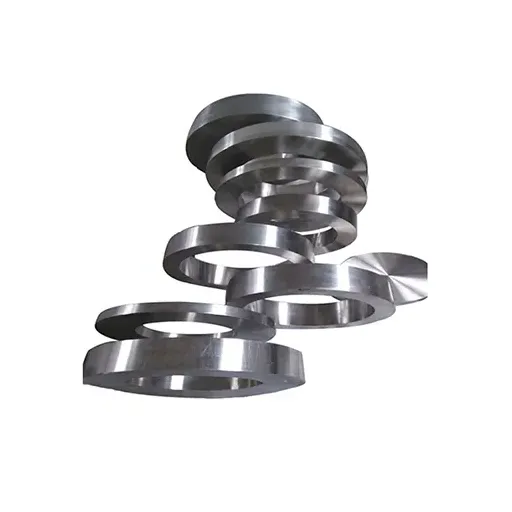
Stellite Alloys in Aerospace Industry
Being Stellite alloys bring almost everything good to the aerospace world, they do have critical properties like high wear resistance, corrosion resistance, and resistance to extreme temperatures. Hence, they become indispensable in production areas where high serviceability is required.
✈️ Key Aerospace Applications:
1. Turbine Blades
The temperature-resistant and oxidizing properties of Stellite alloys make them highly suited for turbine blades operating inside jet engines. These blades get extremely hot and are stressed during operations, so their survival is thanks to the thermal stability of Stellite.
2. Valve Seats and Guides
Proper wear resistance makes Stellite suitable for manufacturing valve seats and guides for aircraft engines. These affect good sealing under high pressure and smooth operation under high pressure.
3. Fuel Nozzles
Fuel nozzle components act in constant friction and heat, so the strength and anti-galling properties of Stellite alloys prove beneficial to ensure account of steady fuel delivery and performance.
4. Exhaust Components
Exhaust system components have significant exposure to heat and corrosive gases. Stellite alloys are used in these components to prevent deterioration and ensure long-term functionality.
5. Landing Gear Articulations
Due to the severe mechanical stresses imparted to these components during takeoff and landing, the articulating joints are often Stellite-coated to provide wear-resistance and to ensure a reliable service life.
The capability to withstand the most severe conditions places Stellite alloys among the essential materials that enable advances in aerospace engineering.
Medical Applications of Stellite Alloys
Being a superior alloy material with applications in medicine, Stellite alloys bestow exceptional properties of biocompatibility, corrosion resistance, and wear resistance on materials made from them. On a higher track of medical usage, due to the very properties mentioned, Stellite alloys find their applications in stress-prone instances and long-life span requirements. Five prominent medical applications of Stellite alloys are discussed below:
🏥 Medical Applications Overview:
1. Orthopedic Implants
Treated by various Stellite alloys, hip and knee replacements are produced. Because of their wear resistance, they ensure the implants live longer and are thus rarely replaced. Extended implant-life studies suggest that implants made of Stellite alloy can stay in use for more than 15-20 years under regular conditions.
2. Dental Prosthetics
For dental crowns, bridges, and inlays, Stellite alloys are employed mainly for strength and corrosion resistance vis-à-vis oral fluids. They impart enough structural rigidity to allow their use over a lengthy period.
3. Surgical Instruments
Fine surgical tools, like scalpels and forceps, are made of Stellite alloys, which can withstand sterilization cycles repeated over and over without degradation or loss of sharpness.
4. Heart Valves
Another important application of Stellite alloys lies within the artificial heart valve realm. Corrosion-resistant and biocompatible, they ensure reliable operation in constant contact with blood and other bodily fluids.
5. Spinal Implants
Stellite is being used in spinal implants or fixation devices to provide lasting durability and strength to patients with spinal surgeries. The strength of the alloy in such applications allows proper load-bearing.
Stellite alloys, due to their versatility and durability, continue to be of utmost importance in upgrading medical technology to improve the quality of life for a vast number of patients around the globe.
Power Generation: Advantages of Stellite Alloys
The Stellite alloys have strategically been necessary in the power generation industry where they are able to outperform in extreme environments. These alloys possess properties that lend themselves very well to being utilized in a multitude of applications in this sector. A brief explanation of the economic advantages of the Stellite alloys:
⚡ Key Advantages in Power Generation:
Considerable Wear Resistance
Stellite alloys exhibit remarkable ability to resist wear and tear under severe conditions. Such a property guarantees the longevity of critical components like turbine blades and valve seats used in our power plants.
Outstanding Corrosion Resistance
Stellite alloys find their potential use in environments where corrosion and such kind of menace makes them unsuitable, for example, power plant boilers, heat exchangers, etc., in order to ensure low maintenance cost and high performance.
Thermal Stability
These alloys withstand strength and do not lose their structure even in high-temperatures. Due to this, they are best applied in the high-temperature materials of gas turbines and steam generators.
Resistance to Oxidation
With high resistance to oxidation, Stellite alloys prevent material degradation due to high degrees of oxygen and heat exposure, thereby guaranteeing reliability in power-generation systems.
Low Friction
The alloys have low friction coefficients, reducing mechanical wear and energy loss in rotating and moving components and hence increasing the efficiency of power generation machinery.
Therefore, these properties enable Stellite alloys to meet the demanding conditions of power generation, providing performance reliability, and reducing downtime of critical functions.
Advancements in Stellite Alloy Manufacturing
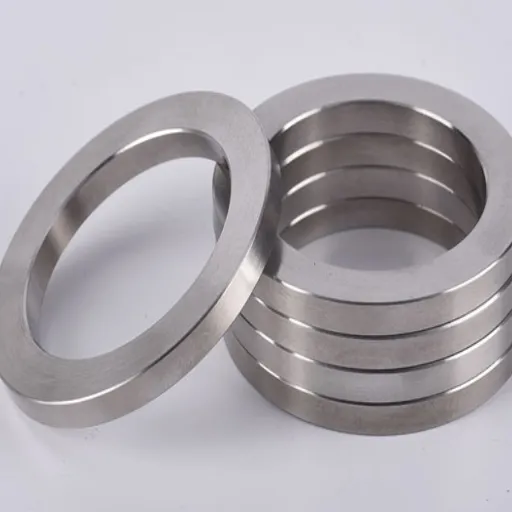
Innovations in Production Techniques for Stellite Alloys
Recently, the advancements in the manufacturing of Stellite alloys have focused on the efficiencies and precisions of the production processes. Among the more modern technologies, additive manufacturing or 3D printing has opened new avenues for producing these alloys. This allows excessive design and complex geometry with very minimal material wastage, which is critical, considering the highly expensive cobalt-based materials.
🔬 Modern Production Technologies:
- Additive Manufacturing (3D Printing): Enables complex geometries with minimal material wastage
- Advanced Powder Metallurgy: Stringent control of particle size distribution for enhanced properties
- Vacuum Induction Melting (VIM): Reduces impurities and creates more consistent alloy compositions
- Optimized Sintering Techniques: Achieves superior mechanical and wear resistance properties
These innovative production methods are seen as enhancements to those already listed above regarding the other characteristics of Stellite alloys and also lead to improvements in environmental technology by using less energy and generating less waste of raw material. Thus, they have also gone a long way in setting new standards for employing Stellite alloys in demanding industrial applications such as aerospace, power generation, and medical devices.
Sustainability Efforts in Stellite Alloy Manufacturing
The manufacturing approaches for Stellite alloys have accordingly undergone modifications to ensure sustainability with quality and performance intact. One important development is the initiation of recycling programs aiming to reclaim cobalt and certain other important materials from end-of-life components, which thus reduces the demand for virgin raw materials. This is because the origin of raw materials is often dirtier with an energy-intensive method of extraction.
♻️ Sustainability Initiatives:
- Recycling programs for cobalt and key materials from end-of-life components
- Energy-efficient processes like vacuum induction melting
- Integration of renewable energy sources (solar, wind) in manufacturing facilities
- Digital technologies (AI, predictive analytics) for resource optimization
- Waste reduction at each production stage
Marketing combined with manufacturing creates the perception that a company has integrated sustainability into its business practice. In reality, these combined efforts are contributing toward more circular and environmentally friendly manufacturing systems, thus paving the way for such conduct to be adopted on a greater scale in other metallurgical sectors.
Emerging Applications of Stellite Alloys
Stellite alloys are attempting diverse novel applications, thanks to their exceptional wear-resistance, corrosion resistance, and high-temperature resistance. Such characteristics are of paramount importance to industries such as aerospace, oil and gas, and medical technology. For example, Stellite alloys are commonly applied in turbine engines within aerospace, where the ability of such materials to stand extreme heat and stress is critical. Likewise, oil and gas sectors apply such alloys in valve seats, pump parts, and drill bits to ensure performance under abrasive and corrosive environments.
🚀 Emerging Industry Applications:
- Renewable Energy Systems: Wind turbines and geothermal drilling machines requiring extreme durability
- Medical Technology: Surgical tools and dental implants with biocompatibility
- Oil and Gas: Advanced valve seats, pump components, and drill bits
- Aerospace: Next-generation turbine engines and high-stress components
Moreover, Stellite alloys are making their way into renewable energy systems. For example, they are used for components in wind turbines and geothermal drilling machines that demand utmost durability and resistance against harsh environmental conditions. Each new application opens more doors for these alloys, strengthening their versatility and importance in both conventional and emerging industries. Being able to witness their growing application is an example of the creative advances being made to propel the metallurgical field forward.
References
- Portland State University – Stellite Superalloy Powder Deposition on 7075 Aluminum Alloy
This study explores the use of Stellite 6 superalloy coatings on aluminum alloys using the HVOF thermal spray process. - University of Texas – Integrated Hardfacing of Stellite-6
This document provides an in-depth analysis of Stellite-6, the most common Stellite alloy, and its desirable properties for industrial applications. - University of Barcelona – Comparison of Stellite Coatings on Low Carbon Steel
This research focuses on the tribological behavior of Stellite alloys and their surface properties, including the formation of hcp layers. - Click here to read more.
Frequently Asked Questions (FAQ)
Q: What are stellite alloys?
A: Stellite alloys consist of cobalt-chromium alloys that stand resistant against wear. They are made with the objective of compromising on hardness and toughness, so these alloys excel in snap-fit, welding, and joining applications in ultra-severe conditions.
Q: What are the main characteristics of stellite alloys?
A: Stellite alloys resist extremely high temperatures and aggressive chemical environments. They also have high carbon content, which provides them with strength and durability in high-temperature conditions.
Q: In what industries do they find use?
A: Stellite alloys find use in a host of industries, including aerospace, automotive, and medical. Moreover, the tool materials with very high wear resistance in their manufacturing processes are paid for by unusual high wear resistance in their processing enabling cutting.
Q: How do stellite alloys compare with the others?
A: When put against other materials, stellite alloys resist wear and corrosion to the maximum. Being non-magnetic and corrosion-resistant gives them the edge in hostile environments.
Q: How does such a high melting point matter for stellite alloys?
A: The extremely high melting point of stellite alloys allows them to stay intact and operate in applications that require high temperatures, substantially contributing to their ability to endure extreme thermal conditions.
Q: Are there different types of stellite alloys?
A: Indeed, several types and variations of the stellite alloys exist. Almost all stellite alloys contain nickel to larger or lesser extents, which further improves their mechanical and chemical properties.
Q: What are some of the applications of stellite alloys?
A: Stellite alloy applications include artificial hip joints, manufacturing of cutting tools, and forming of dies for high-durability and tool-wear resistance. Thus, they are basically highly stressed applications.
Q: How do stellite alloys resist tool wear?
A: Stellite alloys have excellent wear resistance properties that reduce the number of times such tools have to be replaced during cutting operations. In times when efficiency in manufacturing is utmost for a company, it is very important to keep this working.
Q: Where does Kennametal fit within developments of stellite alloys?
A: Kennametal involves itself in producing and advancing stellite alloys, focusing on improving materials for better wear resistance and performance in different industrial applications.