


Blog
Ultimate Guide to Stainless Steel Grades and Applications

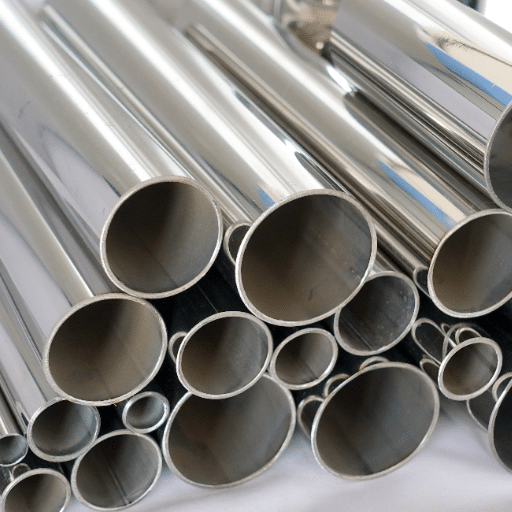
Without a doubt, stainless steel is one of the most versatile and popular materials in contemporary industry, thanks to its strength, toughness, and corrosion resistance. When towering buildings, sophisticated medical equipment, or premium kitchen appliances are involved in a project, choosing the appropriate stainless steel grades is essential to prevent subpar performance and degradation. Hundreds among all these grades number altogether more than one and a half, including quite different features and uses – doctors attach instruments, including screw drivers. Still, they are made of stainless steel and have specific required dimensions. For example, stainless steel type F is applied to the angles of the crew services, limited or cutlery tea. To make this challenge less accosting, these features shall be taken into account, the abrasives themselves a plentiful of myths surrounding the stainless steel Swords.
Upon finishing this reading, you will be able to choose the best appropriate type and stainless steel grades for the work or project you are undertaking, using information derived herein.
What is Stainless Steel?
Stainless steel is an alloy primarily composed of iron, chromium, and other elements such as nickel and molybdenum, and it is resistant to corrosion. The addition of chromium in a quantity of at least 10.5% is responsible for the main characteristic of stainless steel, which is the resistance to rust and staining. This happens because chromium forms a skinny, invisible layer on the surface, preventing the metal from coming into contact with oxygen and moisture. The material’s characteristics, such as high strength, long life, and low maintenance, make it the first choice across industries like construction, medical, and food processing.
Definition and Key Characteristics
Stainless steel is an iron-based alloy characterized by a minimum of 10.5% chromium, which causes a self-repairing chromium oxide layer to be produced on the surface. This layer effectively protects the metal substrate from corrosion by keeping oxygen and moisture away from the metal base. Besides chromium, nickel, molybdenum, and titanium, nitrogen is commonly used as an alloying element to improve properties such as strength, ductility, and resistance to pitting and crevice corrosion.
In line with industry reports, stainless steel is divided into five main categories based on metallurgical composition—ferritic, austenitic, martensitic, duplex, and precipitation-hardening. For example, austenitic stainless steel (series 300 grades) is the leading class, accounting for about 70% of global stainless steel production due to its high corrosion resistance and flexibility. The usual chromium content is 16% to 26%, and that of nickel is 6% to 22%, with grades 304 and 316 being the most common.
World stainless steel production totaled around 58.9 million metric tons in 2022, a sign of its indispensable use across sectors. Its applications are ubiquitous, for instance, from the construction industry to the production of precision medical tools and devices, the latter being due to its biocompatible and non-reactive characteristics. Moreover, nickel- and molybdenum-rich stainless steel grades are widely used in marine and chemical processing industries, where their resistance to saline and acidic conditions is the primary reason.
Unique Properties of Stainless Steel
- Corrosion Resistance
Various agents cause rusting and corrosion; however, they cannot attack stainless steel because of the chromium present in its manufacture, which leads to the formation of a passive oxide layer on the surface. Consequently, the thin oxide layer formed, which is the crux of the stainless steel’s resistance, is now impervious to oxidation, and this is very much so even in the worst conditions possible. For instance, stainless steel with at least 10.5% chromium content is guaranteed to last for a long time, even in high-humidity or saline environments.
- Strength and Durability
Among the features people find attractive in stainless steel is its high tensile strength, which makes it suitable for applications that subject it to significant stress. Stain, for instance, steel types made from austenitic steel can even exceed 600 MPa, which is the unit of pressure called megapascal, when talking about tensile strength, thus allowing the use of steel in construction, transportation, and heavy machinery that require strict quality control.
- Heat Resistance
Many kinds of steel have heat tolerances varying by hundreds of degrees Celsius, but for the steels 310 and 309, it is 1,100 degrees Celsius (2,012 degrees Fahrenheit), and, furthermore, they retain their mechanical integrity and oxidation resistance. This thermal property of the mentioned grades makes them suitable for construction in applications such as industrial furnaces, exhaust systems, and high-temperature environments, to name a few.
- Hygienic and Non-Reactive Properties
The non-reactive surfaces of stainless steel, which do not support bacterial growth or contamination, are the main reasons for its use in food processing, medical instruments, and pharmaceuticals. In critical applications where contamination through reaction with the product is to be avoided, the material’s chemical inertness helps it resist acidic or alkaline substances, thereby preserving the integrity of the product.
- Recyclability and Environmental Sustainability
When we talk about recycling rates, which range from 80% to 90%, stainless steel is one of the materials with the least environmental impact. The fact that steel can be melted down and reused without losing its original properties is an excellent contribution to the environment, aligns with global sustainability goals, and, at the same time, minimizes the extraction of new resources.
Chemical Composition of Stainless Steel
Stainless steel is an alloy that is so adaptable that it can be widely used for different purposes. The primary elements in its composition are iron, carbon, and chromium, with the latter accounting for at least 10.5% of the alloy’s mass, giving it outstanding corrosion resistance and a prolonged service life. The chromium addition process involves forming a passive chromium oxide coating on the steel surface, thereby protecting it from rust and oxidation. Other than chromium, the composition of stainless steel might also include nickel, molybdenum, and manganese, and the presence of each will depend on the particular grade of the alloy and the purpose it is meant to serve.
- Chromium (Cr): The alloy’s chromium content can range from 10.5% to 30%, forming a stable oxide barrier that provides corrosion resistance by covering the material’s surface. The more chromium there is in the alloy the more it will resist environmental conditions that are harsh, such as marine or acidic.
- Nickel (Ni): Usually, the amount of nickel in austenitic grades (8-12%) is what stabilizes the structure of the steel, making it non-magnetic and creating the right conditions for proper welding. In addition, nickel enhances ductility, toughness, and thermal expansion resistance.
- Carbon (C): The carbon content in stainless steel depends on the grade and can be as low as
- Molybdenum (Mo): Mo is an alloying element that, when present in amounts of up to 3% in grade 316 steel, will decisively contribute to the resistance against pitting, crevice corrosion, and high-temperature environments.
- Manganese (Mn): Its function is to bolster the steel’s tensile strength and toughness, while the steel’s resistance to wear and impact is also improved. It will also assist in deoxidation during melting and can serve as a substitute for nickel in less costly grades.
- Silicon (Si): Usually, the percentage is 1%-2%, which is comparatively low but still sufficient to improve resistance to oxidation at high temperatures and increase the strength of the alloy.
- Nitrogen (N): Present in duplex and austenitic stainless steels, nitrogen increases mechanical strength, pitting resistance, and weldability.
- Other Trace Elements: Elements such as titanium (Ti), copper (Cu), niobium (Nb), and vanadium (V) are included in specialized grades to achieve specific physical and chemical properties, such as enhanced resistance to precipitation or increased formability.
The chemical composition of stainless steel is the main criterion for its classification into grades and types, wherein the most prominent types are austenitic (300 series), ferritic (400 series), martensitic, duplex, and precipitation-hardening stainless steels. For instance, Type 304 stainless steel, one of the most widely used grades, is composed of 18% chromium and 8% nickel. In comparison, Type 316 contains 16% chromium, 10% nickel, and 2% molybdenum, allowing it to be used in even more aggressive environments.
The progress in the field of alloy development is still ongoing and every time it is one step further for the stainless steel makers to reach the ultimate combination of mechanical and corrosion-resistant properties. In addition, with knowledge of each element’s role in the chemical composition, the steel can be tailored for a wide range of applications, including medical instruments, aerospace components, marine structures, and food processing equipment.
Understanding Stainless Steel Grades
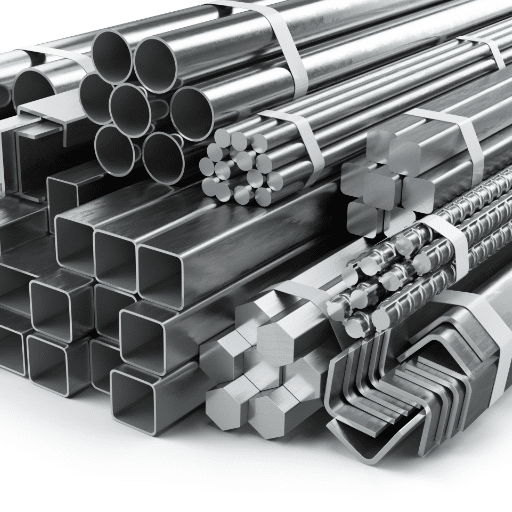
Stainless steel grades are classified by their chemical composition and mechanical properties, with each grade specifically designed to meet application requirements. The most common grades can be grouped into austenitic, ferritic, martensitic, duplex, and precipitation-hardening stainless steels.
Austenitic Stainless Steels
The majority of stainless steel production, about 70%, is made up of austenitic stainless steels such as Grades 304 and 316. The 304 grade is made up of roughly 18% chromium and 8% nickel, which together give the steel incomparable resistance to corrosion and at the same time, versatility, thus making it suitable for kitchenware and automotive trim applications. In contrast, Grade 316 contains 2-3% molybdenum, which further increases the steel’s resistance to pitting in chloride-rich environments such as seawater. Austenitic steels are characterized by their excellent ductility and weldability, and they retain their properties over a wide temperature range.
Ferritic Stainless Steels
Ferritic grades, such as 430 and 409, are defined by their high chromium content (12-27%) and very low carbon levels. These alloys are magnetic, which means they are moderate in corrosion resistance, thus suitable for applications where lower ductility is tolerable, for instance, in exhaust systems and architectural trims. They are not as formable as austenitic steels. Still, at the same time, ferritic grades are cheaper and have lower nickel content, making them the economically preferred choice in areas with unstable nickel prices.
Martensitic Stainless Steels
The martensitic stainless steels include Grades 410 and 440C, which are engineered for high-strength applications. They have moderate amounts of chromium (11-17%) and more carbon than other grades, which enable hardening and increase the steel’s wear resistance. Cutlery, surgical instruments, and turbine blades are typical applications for these steels; however, they exhibit lower corrosion resistance than austenitic and ferritic grades.
Duplex Stainless Steels
Duplex stainless steels, such as 2205 and 2507, are a perfect blend of austenitic and ferritic structures. They exhibit extraordinary strength, the best resistance to stress-corrosion cracking, and top performance even in highly corrosive environments. These alloys with about 22-25% chromium, 4-7% nickel, and 2-3% molybdenum are found in the most critical places, like chemical, offshore, and desalination plants.
Precipitation-Hardening Stainless Steels
17-4 PH type of precipitation-hardening stainless steels are intended for very demanding applications where high strength and, therefore, exceptional mechanical properties are required. These alloys are made by adding certain elements, such as copper and aluminum, which allow them to attain not only high tensile strength but also toughness after undergoing specific heat treatment. Typical applications include aerospace components, gears, and high-performance industrial machinery.
Comparative Data Table
|
Stainless Steel Grade |
Composition (%) |
Key Properties |
Common Applications |
|---|---|---|---|
|
304 |
18 Cr, 8 Ni |
Excellent corrosion resistance and versatility |
Kitchenware, food processing, and architecture |
|
316 |
16 Cr, 10 Ni, 2 Mo |
Superior pitting resistance in chloride environments |
Marine structures, medical equipment, and chemical tanks |
|
430 |
17 Cr |
Moderate corrosion resistance, cost-effective |
Automotive trims, exhaust components |
|
410 |
12 Cr |
High strength, moderate corrosion resistance |
Cutlery, turbine blades, surgical instruments |
|
2205 |
22 Cr, 5 Ni, 3 Mo |
High strength, excellent stress corrosion resistance |
Desalination, chemical processing, offshore platforms |
|
17-4 PH |
15 Cr, 4 Ni, Copper |
Outstanding strength, heat treatable |
Aerospace parts, industrial machinery |
By understanding the crucial distinctions and applications of these grades, engineers and designers can select the optimal stainless steel to meet specific performance requirements and environmental conditions.
Classification of Stainless Steel Grades
Stainless steel is classified into five principal families based on the base metal, microstructure, and properties. Below is a classification of each kind:
1. Austenitic Stainless Steels
These types of stainless steel are the most commonly used; they account for roughly 70% of total stainless steel production worldwide. The most important characteristics of these steels are their face-centered cubic structure and their high chromium (16-26%) and nickel (6-22%) composition, which confer excellent corrosion resistance and good mechanical properties.
Key Grades:
304 (18-8 Steel):
Composition: 18% Chromium, 8% Nickel
Properties:
Very good weldability and formability
Good resistance to oxidation and corrosion
Applications:
Food processing equipment, kitchenware, and chemical containers
316:
Composition: 16–18% Chromium, 10–14% Nickel, 2–3% Molybdenum
Properties:
Greater corrosion resistance, particularly to chlorides
Higher strength at elevated temperatures
Applications:
Marine environments, medical implants, and chemical processing
2. Ferritic Stainless Steels
Ferritic stainless steels, unlike austenitic stainless steels, are magnetic and have a body-centered cubic structure. The chromium content in these steels ranges from 10.5% to 27%, and they are characterized by a low carbon content, which gives them resistance to stress corrosion cracking; however, they have lower ductility than austenitic steels.
Key Grades:
430:
Composition: 16–18% Chromium
Properties:
Resistance to oxidation and mild corrosion is fair
Applications:
Automotive trims, exhaust systems, appliance components
409:
Composition: 10.5–11.75% Chromium
Properties:
Very good thermal conductivity and oxidation resistance are the main characteristics of this alloy
Applications:
Mufflers, catalytic converters, heat exchangers
3. Martensitic Stainless Steels
These steels are characterized by their high strength and hardness which are the results of their heat treatment being an operable option. Their usual chromium content is 12–18%, which means less corrosion resistance but, in return, excellent wear resistance.
Key Grades:
410:
Composition: 11.5–13.5% Chromium
Properties:
Toughness and sturdiness
Resistant to corrosion to a moderate degree
Applications:
Valve parts, surgical instruments, turbine blades
420:
Composition: 12–14% Chromium
Properties:
Greater hardness and resistance to wear
Applications:
Cutlery, precise surgical tools, pump shafts
4. Duplex Stainless Steels
Duplex steels lie at the middle of the austenitic and ferritic phases and thus they get the best of both worlds with respect to the properties: high strength and better corrosion resistance than the majority of the austenitic and ferritic grades combined. Their composition is the following: roughly 18–28% Chromium and 4.5–8% Nickel, plus molybdenum and nitrogen.
Key Grades:
2205 Duplex:
Composition: 22% Chromium, 5% Nickel, 3% Molybdenum
Properties:
Very good resistance to pitting and stress corrosion
High strength and durability
Applications:
Desalination plants, chemical processing, oil and gas applications
2507 Super Duplex:
Composition: 25% Chromium, 7% Nickel, 4% Molybdenum
Properties:
Perfect performance against very severe corrosion and erosion
Applications:
Offshore platforms, marine industries, heat exchangers
5. Precipitation-Hardening (PH) Stainless Steels
The current types of PH stainless steels are those that can be heat-treated to achieve the highest strength and toughness. They are usually composed of chromium, nickel, and other elements such as copper or aluminum.
Key Grades:
17-4 PH:
Composition: 15% Chromium, 4% Nickel, Copper
Properties:
Very good strength and resistance to corrosion
High machinability and heat treatable
Applications:
Aerospace components, industrial molds, nuclear reactors
15-5 PH:
Composition: 15% Chromium, 5% Nickel
Properties:
Excellent resistance to corrosion and fatigue strength
Applications:
High-pressure valves, gears, engine parts
Summary of Key Characteristics
|
Family |
Primary Elements |
Strength |
Corrosion Resistance |
Typical Applications |
|---|---|---|---|---|
|
Austenitic |
Chromium, Nickel |
Moderate/High |
Excellent |
Food processing, marine equipment |
|
Ferritic |
Chromium |
Moderate |
Good |
Automotive, industrial parts |
|
Martensitic |
Chromium |
High |
Moderate |
Cutlery, turbines, surgical tools |
|
Duplex |
Chromium, Nickel, Molybdenum |
Very High |
Excellent |
Desalination, offshore platforms |
|
Precipitation-Hardening |
Chromium, Nickel, Copper |
Very High |
Good/Excellent |
Aerospace, nuclear reactors |
By categorizing stainless steels into these five distinct groups, engineers can effectively align material selection with specific performance criteria and environmental challenges.
Overview of Common Stainless Steel Grades
Stainless steel grades are categorized by factors such as chemical composition, physical properties, and specific uses. The following is a comprehensive breakdown of the frequently used stainless steel grades:
1. 304 Stainless Steel
- Composition: Consists of roughly 18% Chromium and 8% Nickel.
- Corrosion Resistance: The very classic and general idea when talking about more or less having no corrosion at all in a serious range of environments.
- Mechanical Properties:
- Tensile Strength: ~515 MPa
- Yield Strength: ~205 MPa
- Applications:
- Food processing equipment
- Kitchen utensils
- Chemical containers
- Notes: One of the best multipurpose and commonly purchased stainless steel grades which is mainly because of its cost-effectiveness and durability.
2. 316 Stainless Steel
- Composition: Has 16% to 18% Chromium, 10% to 14% Nickel, and 2% to 3% Molybdenum.
- Corrosion Resistance: Much better than 304, especially in chloride and saline areas.
- Mechanical Properties:
- Tensile Strength: ~579 MPa
- Yield Strength: ~290 MPa
- Applications:
- Marine equipment
- Pharmaceuticals
- Medical instruments
- Chemical storage
- Notes: Molybdenum addition improves the resistance to pitting and crevice corrosion.
3. 430 Stainless Steel
- Composition: Made up of 16% to 18% Chromium and no Nickel.
- Corrosion Resistance: Moderate, adequate for use in areas where corrosion is less of a concern.
- Mechanical Properties:
- Tensile Strength: ~450 MPa
- Yield Strength: ~275 MPa
- Applications:
- Automotive trim
- Appliance components
- Decorative features
- Notes: A cheaper choice that is still quite good in terms of forming properties but with less corrosion resistance than austenitic grades like 304 that are more expensive.
4. 2205 Duplex Stainless Steel
- Composition: Mixes about 22% Chromium, 5% to 6% Nickel, and 3% Molybdenum.
- Corrosion Resistance: Extraordinary, mainly against stress cracking due to corrosion and problems related to chlorides.
- Mechanical Properties:
- Tensile Strength: ~620 MPa
- Yield Strength: ~450 MPa
- Applications:
- Oil and gas pipelines
- Heat exchangers
- Desalination plants
- Notes: Manages to have a perfect combination of cost, corrosion resistance, and high strength for severe industrial applications.
5. 17-4 PH (Precipitation Hardening) Stainless Steel
- Composition: Contains around 17% Chromium, 4% Nickel, and Cu components.
- Corrosion Resistance: Fair overall, but with great resistance in slightly corrosive atmospheres.
- Mechanical Properties:
- Tensile Strength (after heat treatment): ~1170 MPa
- Yield Strength (after heat treatment): ~1050 MPa
- Applications:
- Aerospace parts
- Nuclear reactor systems
- High-performance industrial machinery
- Notes: The metal can be made stronger and harder by heat treatment, and at the same time, toughness will not be lost.
6. 310 Stainless Steel
- Composition: Very high amounts of Chromium (24% to 26%) and Nickel (19% to 22%).
- Corrosion Resistance: Excellent protection against the oxidation of metals in the case of high-temperature conditions
- Mechanical Properties:
- Tensile Strength: ~520 MPa
- Yield Strength: ~205 MPa
- Applications:
- Furnaces
- Heat treatment equipment
- Thermal processing systems
- Notes: A special grade capable of withstanding extreme temperatures.
The engineers and material designers who are familiar with the diverse properties and applications of these stainless steels will be able to select with great confidence the right one to guarantee optimal performance under the corresponding industrial and environmental conditions.
Key Properties of Different Stainless Steel Grades
The table below showcases a comprehensive comparison of the properties and features of stainless steel grades that are commonly used, thus providing a technical input for the selection of materials and design processes:
- Grade 304 Stainless Steel:
- Composition:
- Chromium: 18-20%
- Nickel: 8-10.5%
- Mechanical Properties:
- Ultimate Tensile Strength: ~505 MPa
- Yield Strength: ~215 MPa
- Corrosion Resistance:
- Excellent resistance to corrosion from factors such as oxidation and acidic environments.
- Applications:
- Domestic appliances, food and beverage-processing, chemical storage and building facades.
- Notes:
- Most popular and very adaptable, works well in both indoor and outdoor environments.
- Grade 316 Stainless Steel:
- Composition:
- Chromium: 16-18%
- Nickel: 10-14%
- Molybdenum: 2-3%
- Mechanical Properties:
- Ultimate Tensile Strength: ~515 MPa
- Yield Strength: ~240 MPa
- Corrosion Resistance:
- Resistance to crevice and pitting corrosion, particularly in environments with a high concentration of chlorides is the main corrosion resistance property.
- Applications:
- Equipment for the sea, surgical tools and chemical processing plants.
- Notes:
- Sustainability under severe chemical and saline conditions has been increased.
- Grade 430 Stainless Steel:
- Composition:
- Chromium: ~16-18%
- Nickel: Almost none (or even none at all)
- Mechanical Properties:
- Ultimate Tensile Strength: ~450 MPa
- Yield Strength: ~280 MPa
- Corrosion Resistance:
- Moderate, mainly in mild environmental exposures.
- Applications:
- Car accessories, washing machines, and artistic uses.
- Notes:
- A ferritic grade with excellent formability compared to austenitic grades.
- Grade 410 Stainless Steel:
- Composition:
- Chromium: 11.5-13.5%
- Nickel: almost none
- Mechanical Properties:
- Ultimate Tensile Strength: ~440 MPa
- Yield Strength: ~275 MPa
- Corrosion Resistance:
- Moderate, with the risk of rust depending on the environmental conditions.
- Applications:
- Knives, scissors, and the blades of compressors.
- Notes:
- A martensitic grade with significantly high hardness and wear resistance post-heat treatment.
- Grade 2205 Duplex Stainless Steel:
- Composition:
- Chromium: 22-23%
- Nickel: 4.5-6.5%
- Molybdenum: 3-3.5%
- Mechanical Properties:
- Ultimate Tensile Strength: ~620 MPa
- Yield Strength: ~450 MPa
- Corrosion Resistance:
- The highest resistance to stress corrosion cracking and fatigue.
- Applications:
- Chemical tankers, oil and gas pipelines and structural elements in harsh environments.
- Notes:
- The best traits of austenitic and ferritic grades are combined, yet strength remains excellent.
Stainless Steel Families
Stainless steel is mainly divided into five families, distinguished by their chemical composition, crystal structure, and mechanical properties. The following are a comprehensive discussion of these families, including their features and possible uses:
1. Austenitic Stainless Steel
- Composition:
- Very high percentages of chromium (16-26%) and nickel (6-22%).
- Carbon, at times, is no more than 0.08%.
- Properties:
- Superior resistance to corrosion in a vast assortment of environments.
- Not an iron-based metal, but somewhat plastic.
- Also stable microstructure makes it good for welding.
- Keeps strength and hardness even at very low temperatures.
- Examples of Grades:
- 304 and 316 (the most widely used grades).
- The 316L variant has better resistance to pitting than 316.
- Applications:
- Equipment for processing food, tanks for storing chemicals, facades made of architectural steel, and surgical instruments.
2. Ferritic Stainless Steel
- Composition:
- Chromium content ranging from 10.5-30%.
- No nickel or very low amounts of it.
- Properties:
- Iron-based metal that is good at resisting corrosion, particularly when it is chloride environments.
- Not so easy to weld and has lower toughness than austenitic steels.
- Still, it is cost-effective due to its low nickel content.
- Examples of Grades:
- 430 and 409.
- Grade 430 is highly sought after and recommended for decorative and automotive trims due to its polishability.
- Applications:
- Automotive exhaust systems, industrial washing machines, and kitchen appliances.
3. Martensitic Stainless Steel
- Composition:
- Moderate levels of chromium (12-18%) along with low levels of carbon.
- Some grades may contain nickel as a supplement.
- Properties:
- Very strong, hard, and wear-resistant after heat treatment.
- Not as resistant to corrosion as austenitic or ferritic steels, but still has moderate resistance.
- Magnetic and less ductile.
- Examples of Grades:
- 410 and 420.
- Usually heat-treated to be strong.
- Applications:
- Cutlery, surgical instruments, turbine blades, and industrial blades.
4. Duplex Stainless Steel
- Composition:
- Double phase of austenitic and ferritic, with chromium content of 18-28%.
- Generally, 4-8% nickel and 0.5-4% molybdenum are present.
- Properties:
- Extreme and high fatigue resistance.
- Better resistance to stress corrosion cracking and pitting than austenitic steels.
- Weldability is more than that of ferritic grades but less than that of austenitic grades.
- Examples of Grades:
- 2205 and 2507 (super duplex variant).
- Applications:
- Offshore oil and gas platforms, and chemical processing equipment, and heat exchangers.
5. Precipitation-Hardening Stainless Steel
- Composition:
- Aluminum, copper, and niobium are among the additions causing precipitation-hardening effects.
- The chromium content is 15-17%, with 3-7% nickel.
- Properties:
- High strength from the heat treatment process.
- Corrosion resistance is good; however, it is not as good as austenitic grades.
- Still, holds excellent mechanical properties under high temperatures.
- Examples of Grades:
- 17-4 PH (most famous grade).
- Applications:
- Aerospace components, injection molding dies, and high-performance shafts.
- Notes:
Considering factors such as environmental conditions, required mechanical properties, fabrication processes, and cost, stainless steel family selection is determined for each application. Specific grades have been specifically designed for particular industries and will continue to advance through materials science research.
Austenitic Stainless Steel
The austenitic grade of stainless steel is the most preferred one, it occupies around 70% share of the entire worldwide steel production. It is their high chromium (16-26%) and nickel (6-22%) content that mainly separates them from the other categories and makes them the most reliable and best-performing metals mechanically across various temperature conditions. The combination of elements allows the formation of an austenitic microstructure that is non-magnetic and has very high ductility, a key advantage for forming and machining.
Key Properties:
- Corrosion Resistance: Austenitic stainless steels are highly resistant to harsh conditions, where they not only resist oxidation but also withstand acids, alkalis, and salts. The case in point is grade 316, which is commonly used in marine applications due to its molybdenum content, which enhances corrosion resistance.
- Temperature Performance: The combination of grades such as 304 and 310 provides excellent thermal resistance, making them suitable for both cryogenic applications and high-temperature applications up to 1150°C (2100°F).
- Formability and Weldability: The mentioned group of steels is very ductile and weldable, allowing them to be used in complex fabrication work. The cold-working process is quite easy on them, and the result is a strong yet corrosion-resistant material that is even stronger due to hardening.
Applications:
Austenitic stainless steels are dominant in a variety of industries, including the Food and Beverage Industry. The 304-grade and others are well-suited for the marine environment, as they are the best materials for food processing and storage tanks. These do not just confer germ-free tanks and processing equipment but are also corrosion-resistant.
- Medical Sector: High-grade steels like 316L are used in the production of surgical tools, implants, and medical devices due to their compatibility with the human body.
- Automotive and Aerospace: The specialized austenitic grades are now in use for high-stress components, exhaust systems, and high-performance parts, among others.
- Chemical Processing: Grades 316 and 317 are used in chemical processing due to their resistance to aggressive chemicals and saline environments.
Latest Advancements:
It is research and development in materials science that has led to the creation of new austenitic grades with improved features. Here are a few:
- Low-Nickel Grades: These are grades where corrosion resistance remains and nickel is used to a lesser extent, providing cost-saving options.
- Improved High-Strength Alloys: One approach is to produce austenitic grades with higher tensile strength, which are used in combination with light materials to withstand extreme, rigorous conditions, especially in aerospace applications.
- High-Performance Steels: Super-austenitic steels, such as 904L, are specifically designed for corrosive environments and aggressive chemical exposure and exhibit remarkable resistance to chloride ions.
Data Overview:
|
Property |
304 Stainless Steel |
316 Stainless Steel |
310 Stainless Steel |
|---|---|---|---|
|
Chromium Content (%) |
18-20 |
16-18 |
24-26 |
|
Nickel Content (%) |
8-11 |
10-14 |
19-22 |
|
Yield Strength (MPa) |
205 |
240 |
215 |
|
Tensile Strength (MPa) |
515-720 |
515-670 |
515-760 |
|
Max Operating Temp (°C) |
870 |
870 |
1150 |
These properties highlight the diverse capabilities of austenitic stainless steels and their adaptability to a range of high-performance applications.
Ferritic Stainless Steel
Ferritic stainless steels are mainly iron-chromium alloys with the body-centered cubic (BCC) crystal structure being their main characteristic. Their chromium content is usually 10.5%-30%, while their nickel content is very low, which is why they are a cheaper option than austenitic grades in some applications. Ferritic grades are recognized for their remarkable corrosion resistance, especially in chloride-rich environments, due to their high chromium content. They also have a greater resistance to stress corrosion cracking than austenitic stainless steels.
Properties of Common Ferritic Grades
|
Property |
430 Stainless Steel |
409 Stainless Steel |
446 Stainless Steel |
|---|---|---|---|
|
Chromium Content (%) |
16-18 |
10.5-11.75 |
23-30 |
|
Nickel Content (%) |
≤ 0.75 |
≤ 0.5 |
≤ 0.25 |
|
Carbon Content (%) |
≤ 0.12 |
≤ 0.08 |
≤ 0.20 |
|
Yield Strength (MPa) |
275 |
200-280 |
275-345 |
|
Tensile Strength (MPa) |
450-600 |
415-540 |
480-670 |
|
Elongation at Break (%) |
22-30 |
20-30 |
20-25 |
|
Max Operating Temp (°C) |
815 |
675-870 |
980-1150 |
Key Features and Applications
Magnetic Properties: The ferritic stainless steels are magnetic which is a plus when it comes to applications that require magnetism, unlike the completely non-magnetic austenitic grades.
Thermal Expansion: The ferritic grades have the lowest coefficient of thermal expansion, which makes them thermally stable in high-temperature applications.
Corrosion Resistance:
- Grade 430 offers good resistance to mildly corrosive environments and is often used in kitchen appliances and automotive trim.
- Grade 446 offers exceptional resistance to burring and most forms of scaling at high temperatures, allowing its use in furnace and heat exchanger systems.
- Cost-Efficiency: The low nickel content of ferritic stainless steels makes them cost-effectiv,e particularly when the volatility of nickel price is in the market.
The features and the extensive use to which they have been put are a testament to the versatility of ferritic stainless steels. They are still used in industrial and consumer applications, though with some limitations, such as lower ductility, which is not a problem with austenitic grades, where corrosion resistance, thermal stability, and cost-effectiveness are the key factors.
Martensitic Stainless Steel
Martensitic stainless steel is a class of steel characterized by very high strength and hardness and moderate corrosion resistance. These steels possess a body-centered tetragonal (BCT) crystal structure, which forms when the steel is rapidly cooled or quenched during heat treatment. The corrosion resistance has been ensured by the addition of chromium (which commonly ranges from 11% to 17%) and the carbon content (which can range from 0.1% to more than 1.2%), which makes the steel hard and wear-resistant.
Properties and Characteristics
- Mechanical Strength and Hardness
The tensile strength of martensitic stainless steels can reach 1,200 MPa (megapascals) or higher, depending on the grade and heat treatment. The hardness can range from 60 HRC (Rockwell Hardness Scale), making these steels suitable for applications that demand excellent durability.
- Corrosion Resistance
Martensitic stainless steels are not as corrosion-resistant as austenitic or ferritic grades, however, when suitably treated, they can still protect against oxidation and mild environmental conditions—grades such as 420 and 440C that are high in chromium show better resistance to staining and pitting.
- Heat Treatment
Heat treatment is used to enhance the hardenability of martensitic stainless steels by combining austenitizing, quenching, and tempering. This heat treatment cycle provides full control over mechanical properties and helps produce steel for specific applications.
- Magnetic Properties
Martensitic steels inherit their strong magnetic characteristics from their ferritic origin; thus, these steels can be employed in sectors that require the use of magnetic materials.
- Common Grades and Applications
Martensitic grades are categorized into AISI (American Iron and Steel Institute) series, such as 410, 420, and 440C, which are among the most popular. These grades have typical and widely varied applications in industries that need high wear resistance and moderate corrosion protection:
- Grade 410: Preferred for turbine blades, bolts, and cutlery due to its strength and corrosion resistance.
- Grade 420 (“surgical steel”): The grade is often employed in manufacturing surgical instruments, scissors, and knives because of its surface quality and hard nature.
- Grade 440C: The grade is tough and thus highly resistant to wear; hence, it is indispensable in good-quality tool manufacturing, bearings, and high-precision instruments.
- Data on Martensitic Steel Usage
Usage of martensitic stainless steel is indicated by the most recent industry data which not only marks its adaptability but also its growing demand:
Production and Market Trends
As per the market reports, the rise of the global martensitic stainless steel market is estimated to be at a rate of about 6% during the period from 2023 to 2030. The main reasons for this growth are the gradual application of steel in automotive parts, medical devices, and precision instruments.
Performance Metrics
Tempered martensitic stainless steels (such as 420 and 440C) have been reported to produce wear rates as low as 2×10^ (-4) mm³/Nm in controlled abrasion tests, indicating their durability even in high-friction environments.
Limitations and Challenges
Martensitic steels are not without their downsides. In particular, the high carbon content, which increases hardness, may adversely affect weldability and toughness, especially at lower temperatures. Besides, the best corrosion resistance will only be achieved with perfect heat treatment and surface finishing.
Martensitic stainless steel is considered an indispensable material for specific applications where strength, precision, and wear resistance are the most essential properties. Further research on alloy composition and heat treatment would continue to increase their applications, confirming their place in high-performance engineering and production.
Duplex and Precipitation-Hardening Stainless Steel
Duplex Stainless Steel
Duplex stainless steels are a family of stainless steels with a mixed microstructure of approximately equal parts austenite and ferrite. The existence of a dual-phase structure results to high strength combined with excellent corrosion resistance, especially in chloride-rich surroundings such as the sea and chemical processing industries. Furthermore, they resist stress-corrosion cracking better than austenitic steels.
Duplex Stainless Steel Grades:
– UNS S31803 (2205): Enormous power and resistance to corrosion, perfect for the oil and gas extraction industry.
– UNS S32750 (2507): Alloying is increased to the maximum to give the best quality of resistance to pitting and mechanical properties.
– UNS S32205 (a modified form of 2205): Better behavior in the presence of chloride.
– UNS S32101 (LDX 2101): A less expensive duplex grade that still offers decent mechanical strength.
– UNS S32760 (ZERON 100): Complete resistance to seawater and the most aggressive chemicals.
Precipitation-Hardening Stainless Steel
Precipitation-hardening stainless steels, or PH steels, are steels that undergo heat treatment to achieve their high strength. The base alloy contains aluminum, copper, and niobium as the main constituents, which are responsible for the precipitation process that produces fine particles, thereby hardening the alloy. PH steels offer very high tensile strength and moderate corrosion resistance; therefore, they can be used in the aerospace, automotive, and tooling industries.
Precipitation-Hardening Stainless Steel Grades:
– 17-4PH (UNS S17400): The most popular PH grade, utilized for making components that are strong and resistant to corrosion.
– 15-5PH (UNS S15500): Toughness is better than that in 17-4PH, often used in aerospace parts.
– 13-8Mo (UNS S13800): The strongest, toughest PH grade for the most demanding applications.
– 17-7PH (UNS S17700): Extremely good at preserving strength and shape even at high temperatures.
– Custom 465 (UNS S46500): The ultimate PH grade with the best resistance to corrosion and the highest strength ever achieved.
This list of duplex and precipitation-hardening stainless steels demonstrates the importance of achieving the right balance between mechanical performance and corrosion resistance to meet the requirements of high-performance industrial applications.
Applications of Stainless Steel
Stainless steel has a wide range of applications across several industries, thanks to its exceptional combination of strength, corrosion resistance, and versatility. The following are the five main sectors:
- Aerospace
In aerospace, stainless steel is a standard material for landing gear, fasteners, and critical parts, where it is used in grades such as Custom 465 and 17-4PH. These grades provide an unusual combination of strength and lightness, as well as high fatigue resistance.
- Medical
Stainless steel is very often used to make surgical instruments, implants, and hospital equipment due to its biocompatibility and its ability to be sterilized. For example, the low carbon content and resistance to both corrosion and pitting in medical environments make 316L a very popular grade for use in these applications.
- Construction
Stainless steel has been the backbone of architectural projects, with applications including, but not limited to, cladding, roofing, and support structures throughout the modern era. Duplex grades such as 2205 are used for their ability to withstand harsh conditions and at the same time have great yield strength and corrosion resistance; they are often placed in marine or polluted urban locations.
- Energy and Power Generation
Stainless steel is a necessity in the power generation field, including the thermal, nuclear, and renewable energy sectors, for parts exposed to extreme conditions. Grades like 304 and 321 are used for heat exchanger tubes, nuclear reactor components, and steam turbines due to their tolerance to high temperatures and pressure along with excellent performance.
- Food and Beverage Industry
The food and beverage processing industry’s reliance on stainless steel for equipment that are sanitary and easily processed includes, but is not limited to, vats, pipes, and cookware. Grades such as 304 and 316 are selected for their ease of cleaning, high corrosion resistance, and the elimination of chemical contamination in the processing environment.
These occurrences demonstrate the flexibility of stainless steel in meeting the stringent demands of different sectors while offering durability and reliability over time.
Construction and Architecture Applications
The use of stainless steel in the building and architecture fields is widespread owing to its outstanding combination of strength, aesthetics, and resistance to environmental factors. Its capability to survive harsh weather conditions, retain its physical properties and at the same time require very little upkeep makes it a popular material for various applications. The following are five main uses in this sector:
Roofing and Cladding
Stainless steel roofing and exterior cladding are frequently used on buildings mainly because of their corrosion resistance and modern, sleek appearance. The metal can last over 60 years in many cases as it is able to endure the harshest environments like acidic rain and salt-laden air from coastal regions.
Structural Components
Stainless steel is one of the most widely used materials in construction for structural applications such as weight-bearing frameworks, bridges, and support beams. Its incredible tensile strength also means that heavy structures can be built with less material. For instance, duplex stainless steels with tensile strengths of up to 800 MPa are often used to construct skyscrapers.
Handrails and Balustrades
The interior and exterior railings benefit from stainless steel’s wear-resistant properties and aesthetic appeal. Grade 316 is very popular for outdoor applications due to its superior resistance to chlorine and other corrosive agents.
Decorative Elements
Sculptures, façades, and other decorative elements are among the main applications of stainless steel. Material that can be glossy, mirror-like, polished, or uniquely patterned textured offers a wide range for modern and contemporary architectural styles.
Wastewater and Drainage Systems
In buildings, stainless steel is used for drainage systems, wastewater piping, and rainwater harvesting infrastructure due to its long lifespan and excellent corrosion resistance. Its non-permeable surface is key to hygienic, sustainable water management solutions.
Each of these applications is a testament to stainless steel’s ability to meet the stringent demands of construction and architecture, and it also offers long-term value and efficiency.
Food and Beverage Processing Applications
Stainless steel, the expensive but trusty material, has become the food and beverage processing industry’s best friend and dirty best friend due to its long life, low maintenance, hygiene, and resistance to staining. It is the only in-demand material in areas requiring high-quality, sanitary conditions because of its ability to withstand high temperatures and maintain the integrity of the structure. Here are the top five applications of stainless steel in food and beverage processing:
- Food Storage Tanks
In the food industry, stainless steel is the leading material for the building of tanks for liquid and semisolid food products, such as, milk, juice, wine, or sauces. The use of its non-reactive surface prevents stray elements from entering and ensures the food is safely preserved. About 70% of dairy product storage tanks are made of stainless steel due to its hygienic properties, according to reports.
- Conveyor Systems
Food processing plants rely on stainless steel conveyor belts to transfer food items during production. These belts can be cleaned easily and do not promote bacterial growth, thereby ensuring compliance with stringent health regulations. Stainless steel has been proven to extend conveyor system lifespan by 40% compared to other materials in a moisture-rich environment.
- Mixers and Blenders
In the manufacturing of sauces, batters, drink mixers, and blenders, stainless steel is often used. The smooth surface of stainless steel minimizes residue left by ingredients, facilitates efficient mixing, and reduces the risk of cross-contamination.
- Commercial Kitchen Equipment
Stainless steel is the go-to material for restaurant equipment and foodservice operations, including counters, sinks, cooking utensils, and refrigeration units. Its heat-resistant and non-porous properties make it perfect for the tough kitchen with lots of customers, which makes maintaining hygienic preparation standards easy.
- Processing Lines and Piping Systems
Stainless steel pipes are used to transfer liquids such as milk, wine, and beer during the processing of these products. These systems can withstand corrosion from acidic or alkaline food substances and can also withstand extreme high-pressure cleaning without deterioration. According to studies, stainless steel pipes cost less on maintenance by up to 25% during their lifespan when compared to other materials.
These applications show how stainless steel is vital in the food and beverage industry by providing quality, durability, and sanitation.
Medical and Pharmaceutical Equipment Applications
Stainless steel is the primary material in the medical and pharmaceutical sectors due to its exceptional hygienic properties, corrosion resistance, and durability. The non-porous surface of stainless steel prevents bacterial growth, hence it is one of the best materials for places where purity is a must. Below are the main applications found in these industries:
- Surgical Instruments
Not only scalpels but also forceps, scissors, and many other surgical instruments are made of stainless steel. Its good performance during sterilization cycles, either by autoclave or chemical methods, ensures reliability and a long life.
- Implantable Medical Devices
Stainless steel of medical grade, and in particular that of 316L, is to be found in joint replacements, arterial stents, and cardiac pacemaker components. Its strong compatibility with body tissues and toughness lessen the chances of that patient rejecting the implant or that implant failing inside the body.
- Pharmaceutical Manufacturing Equipment
Stainless steel containers, pipelines, and mixers are not confined to pharmaceuticals; they are also used in other industries where product quality must be maintained during the manufacturing process by preventing chemical reactions and keeping areas clean and free of contamination.
- Hospital Infrastructure
Stainless steel is the main material for beds, trolleys, and other hospital equipment, since it can be cleaned with ease, lasts long and it does not offer any help to the bacteria in their development thus the high hygiene standards are ensured.
- Medical Sterilization Devices
The manufacturers of autoclaves and other sterilization equipment call upon the services of stainless steel because of its capability to endure the most severe conditions of heat and pressure without losing its qualities and thus the uninterrupted sterilization of medical tools and devices is secured.
Stainless steel applications hint at its major role in meeting the strict safety and durability regulations and controlling environments characteristically required in the medical and pharmaceutical industries.
Factors to Consider When Choosing Stainless Steel
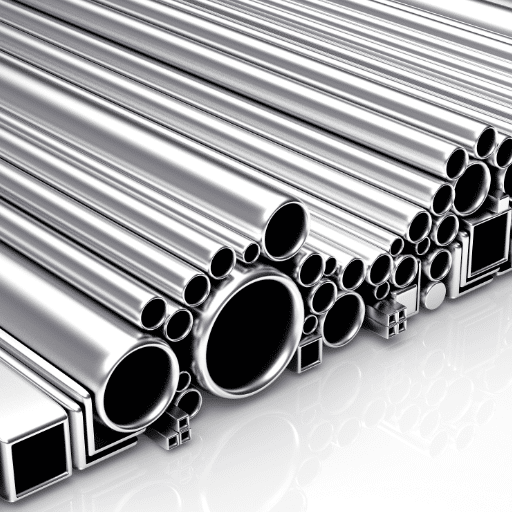
Choosing the right stainless steel grade for a particular project involves examining numerous technical and operational factors. Below are the five most important ones:
- Corrosion Resistance
Stainless steel’s resistance to corrosion depends mainly on its chromium content and any other alloying elements, such as molybdenum or nickel, that may be mixed in. In situations where saltwater or chemicals are present, grades such as 316, which have a higher molybdenum content, are preferred over 304 due to their better pitting resistance.
- Mechanical Properties
The mechanical properties of stainless steel, such as strength, ductility, and hardness, should be compatible with the stresses and requirements of the application. For instance, there is a duplex stainless steel that delivers the coexistence of high tensile strength and impact resistance making it applicable for structural uses under load.
- Heat Resistance
The performance and durability of stainless steel in high-surface-temperature applications are also with furnaces, boilers, or exhaust systems. But austenitic stainless steels like 310 or 321 can withstand it because of their alloy compositions, which is why they are instrumental in high-temperature environments.
- Fabrication Methods
When it comes to forming, welding, and machining stainless steel, the difficulty varies by grade. Among the grades, 304 and 316 are the most commonly used and highly formable. They are mainly found in the manufacturing sector that requires extensive fabrication. The rates of work hardening and the indexes of machinability should be considered to match the production techniques.
- Cost Efficiency and Lifecycle
Stainless steel’s initial price might be higher than that of other materials, but it usually lasts longer, requires less maintenance, and is ultimately cheaper when all factors are considered. The total lifetime cost, from purchase to eventual recycling, must be fully understood for projects sensitive to costs.
By analyzing these aspects, engineers, designers, and purchasing agents can select the appropriate grade and composition of stainless steel, thereby optimizing performance and investment for the specific application.
Corrosion Resistance Considerations
The main reason for stainless steel’s corrosion resistance is the formation of a passive chromium oxide layer on its surface, which shields it from environments containing heterogeneities such as moisture, oxygen, and various chemicals. While choosing a grade, I consider the exact environment the material will be subjected to—such as contact with chlorides or acids—and determine whether adding alloying elements like molybdenum or nickel can improve resistance. By osmosis of the operating environment and possible pressure a material is subjected to, I assure it gives the best durability and life span.
Strength and Durability Factors
Determining and prolonging the life of a material is done by combining its inherent properties and external forces. The following is an extensive list of five essential factors that greatly influence these properties:
Tensile Strength
The tensile strength is the measurement of the maximum tension of a material before it breaks when it is stretched. For instance, some high-strength steel alloys can have tensile strengths exceeding 1,000 MPa, making them suitable for applications requiring strong materials.
Yield Strength
Yield strength is the stress at which a material begins to yield and lose its original shape under applied stress. This parameter is very essential for structural materials as it determines the maximum load a material can take without permanently deforming. An instance is grade 50 structural steel, which usually has a minimum yield strength of 345 MPa.
Hardness
Hardness is the classification of how hard a material is to undergo surface unwanted changes like deformation, indentation, or scratching. Among the different hardness testing methods, such as Brinell and Rockwell, hard materials are found to be very useful for predicting resistance to wear in areas of use, such as the tooling industry for manufacturing or friction areas.
Fatigue Resistance
Fatigue resistance is characterized by a material that can go through cyclic loading without ever being considered a failure for a long time beyond its life. Aluminum alloys that are used in aircraft design and are often selected for their high fatigue resistance under the condition of stress being applied and released repeatedly.
Corrosion Resistance
Corrosion resistance specifies the degree to which a material can withstand the action of chemicals or electrochemicals or both, particularly in the case of harsh environments. For instance, 316-grade stainless steel is equipped with a special combination of chromium and molybdenum, which makes it highly resistant to pitting and crevice corrosion in marine and acidic environments.
Grasping these factors and their interactions means a thoughtful choice of materials can be done, where they would be perfectly fit for the industry to endure and rely on performance for the period required.
Temperature Resistance and Formability
The resistance to temperature and formability of the materials are very important factors when choosing industrial application materials. A material’s ability to perform in a harsh environment is by its resistance to heat. The same goes for formability, which determines how easily a material can be shaped or changed during manufacturing processes. Below are the five essential points about temperature resistance and formability:
Melting Point
Stainless steel and nickel alloys are among the materials with the highest melting points, typically exceeding 1,400°F (760°C). Thus, they can be used in applications with extreme heat, like furnace parts or jet engine components.
Thermal Expansion Coefficient
Materials such as high-alloy steels with low thermal expansion coefficients will not change much in size even during heating and cooling cycles. This will further reduce the possibility of deformation or fracture caused by the stress that is built-up.
Oxidation Resistance
Some alloys, for instance, the chromium-containing stainless steels, are developed for oxidation resistance at temperatures up to 2,100°F (1,150°C), thus, the surface degradation is prevented and the lifespan of the component is increased.
Work Hardening Rate
Materials with suitable work-hardening rates, such as austenitic stainless steels, can undergo easy forming and shaping during manufacturing without compromising strength and durability.
Creep Resistance
Long-term stress on high-quality nickel-based superalloy materials causes slow deformation, which is only possible because the materials can resist creep even at very high temperatures. Such applications would include power plants, for instance, that expose materials to intense heat for a prolonged period.
These specifications help engineers select qualified materials with excellent temperature resistance and good formability, thereby guaranteeing performance, efficiency, and longevity in demanding industrial environments.
Cost, Availability, and Environmental Impact
- Production Cost
The creation of metals that can withstand high temperatures, such as nickel-based superalloys, is expensive because complex extraction and processing, as well as alloying methods, are involved. For example, the price of nickel metal for aerospace alloys ranges from $20 to $50 per pound, depending on alloy composition and market conditions.
- Material Availability
Nickel, which is a crucial element in the development of high-temperature resistant alloys, is regarded as a non-renewable resource and its availability is limited. The world’s nickel output in 2022 was roughly 3.2 million metric tons, with Indonesia, the Philippines, and Russia as the main producers. Supply interruptions can directly affect the availability of the resource for industrial use.
- Energy Consumption
The extraction and processing of metals like nickel are highly energy-intensive, raising serious environmental issues. The smelting and alloying of nickel also result in high carbon emissions, and the nickel production process releases around 8 to 16 tons of CO2 for every ton of metal produced.
- Recyclability
A large number of premium alloys are said to be recyclable, which can alleviate some of the negative environmental impacts associated with their extraction and refining. Take, for example, that nickel has a recycling rate of up to 90%, which means it can be recycled completely, with little waste generated, thus promoting sustainable resource management and reducing overall production costs in the long run.
- Environmental Degradation
The extraction of primary materials such as nickel or chromium may cause trees to be cut down, animals’ living places to be destroyed, and the earth to become unfit for plants. Moreover, if not appropriately treated, waste from the processing plants can cause water and air pollution which further emphasizes the necessity for strong environmental protection measures in the production of materials.
References
- Unified Alloys
Stainless Steel Grades and Families: Explained
This source provides detailed explanations of stainless steel grades, their properties, and applications. - IQS Directory
Uses and Applications of Stainless Steel Grades
A comprehensive guide to the categories, applications, and types of stainless steel grades. - Shalco
Understanding Stainless Steel Grades: Types, Properties, and Applications
This blog offers an in-depth look at stainless steel grades, including austenitic, ferritic, martensitic, and duplex types.
Frequently Asked Questions (FAQ)
What are the different grades of stainless steel?
The classification of stainless steel grades primarily consists of austenitic, ferritic, martensitic, and duplex. 304 and 316 stainless steel are two grades that are known for their top-notch corrosion resistance and mechanical properties, among others. The excellent toughness and formability of austenitic grades are their significant advantages and hence they are widely used across many applications.
How does the alloy composition affect stainless steel applications?
The alloy composition determines the characteristics of stainless steel to a great extent and hence the resistance to corrosion, the strength, and the weldability of the material are the properties that will be affected the most. For example, the addition of chromium yields a product with good corrosion resistance; on the other hand, nickel makes it more ductile. Molybdenum is one of the components in 316, which makes the alloy resistant to chloride corrosion, and hence it can be used in environments such as the sea that are full of such corrosive agents.
What is the difference between 304 and 316 stainless steel?
304 stainless steel is an austenitic grade that has good corrosion resistance and weldability making it suitable for indoor applications. On the other hand, 316 stainless steel, with its molybdenum content, has the highest corrosion resistance and is thus used in heavy-duty applications, whereas the other is used in light-duty applications.
How do you choose the right stainless steel for your project?
The selection of the stainless steel grade depends on your requirements; the most important factors are the mechanical properties required, the level of corrosion resistance needed, and the type of application. The use of duplex stainless steel may be a suitable choice for applications that require high strength and corrosion resistance. For structural applications, 304 or 316 stainless steel may be recommended depending on the degree of exposure to corrosive elements.
What are the mechanical properties of stainless steel?
Stainless steel’s mechanical properties comprise its tensile strength, hardness, toughness, and ductility. These characteristics, however, differ according to the grade and the type of alloying elements used. For instance, austenitic grades typically have a very high ductility and the capability to be formed into different shapes, whereas martensitic grades provide greater hardness and strength but lower toughness.
What applications require different types of stainless steel?
The use of different types of stainless steel is necessary for various applications. For instance, 430 stainless steel, a ferritic grade, is frequently used in indoor applications that require good corrosion resistance but not to the same extent as in marine environments. On the other hand, 316 stainless steel is the material of choice for high-temperature and corrosive environments, such as chemical processing and marine applications.
How does work hardening affect the performance of stainless steel?
Work hardening is defined as the process where the strength and hardness of a stainless steel are increased due to mechanical deformation. This is especially true of austenitic stainless steels, which can gain significant strength through cold working. On the downside, ductility may be adversely affected, requiring a cautious approach in applications that demand formability.
What is the importance of weldability in stainless steel?
Weldability is a very important factor in stainless steel applications, as it measures the ease with which the material can be welded using arc-joint processes. 304 and 316 are the two grades that are most recognized for their excellent weldability in structural applications. On the other hand, some stainless steel grades may require preheating or specific techniques to achieve strong, defect-free joints.