


Blog
René Alloys: High Performance Turbine Materials

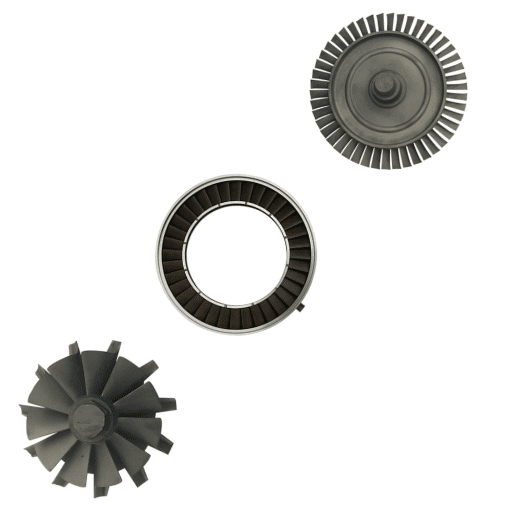
The turbine technology sphere is in a constant state of change, necessitating materials that can withstand to the greatest extent while delivering the best performance and reliability. Thus, the high-performance group of materials known as René Alloys comes into play—an unlikely yet perfect solution for the extreme conditions of turbine applications. The novel superalloys have gained substantial acceptance in the fields of aerospace and power generation, which are highly demanding in terms of efficiency, strength, and heat resistance. In the following discussion, the differentiation factors that make René Alloys unique will be highlighted, along with their distinct features and the ways they assist in developing new and better turbine technology. Happen to be a materials scientist, an engineer, or just a curious person wanting to learn about the latest technologies that will shape the future. This guide will surely be of great help in understanding the extraordinary world of René Alloys.
Overview of René Alloys
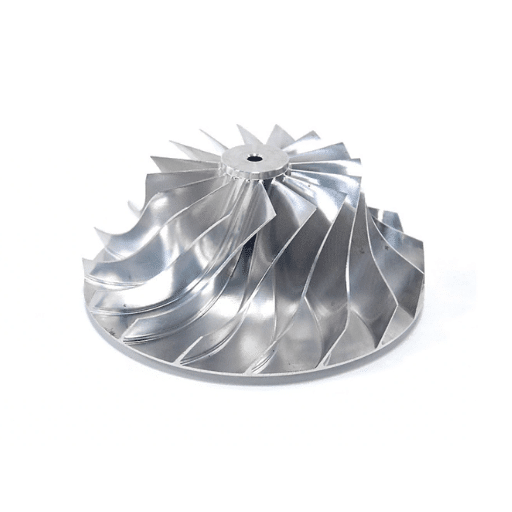
René Alloys comprise a set of advanced metal superalloys designed to withstand harsh conditions, especially in hot environments. The alloy is mainly composed of nickel, with some elements such as cobalt, chromium, and aluminum that not only strengthen the alloy but also provide the desired heat resistance and durability. Therefore, these metals are the best choice for turbine engines, where their ability to withstand severe stress and high temperatures without losing integrity is essential. The exceptional mechanical properties of René Alloys have made them the best in quality and the most reliable choice in industries that require high-performance materials.
Definition and Composition of René Alloys
René Alloys belong to the class of superalloys specifically designed to operate in high-temperature, high-stress environments. These are nickel-based superalloys that contain a blend of cobalt, chromium, molybdenum, aluminum, titanium, and tungsten, all of which have been precisely engineered to enhance their mechanical properties. The composition of the René Alloys is meticulously adjusted to deliver superior thermal stability, oxidation resistance, and fatigue strength across extreme temperature ranges.
For example, the most commonly used René Alloys, René 41, has a composition of about 50% nickel, 19% cobalt, 11.25% chromium, 10% molybdenum, 1.5% aluminum, and other trace elements. It can withstand temperatures up to 1200°F (650°C) and is used in the aerospace industry for parts such as jet engines and afterburners. Another example is René 80, which differs from previous ones due to its higher amounts of both titanium and tungsten; hence, it has exceptional resistance to creep at working temperatures up to 1800°F (980°C).
These high-performance alloys are manufactured using sophisticated metallurgical procedures, such as vacuum induction melting and vacuum arc remelting, which yield very low levels of impurities and improved mechanical properties across the board. The ability to control their microstructure to such an extent – for instance, by adding gamma-prime precipitates – not only strengthens the material but also hinders dislocation movement under stress. The aerospace industry relies on these materials, for example, in gas turbine blades, rocket engines, and other critical applications, where the possibility of material failure is unacceptable.
Unique Physical and Mechanical Properties
René Alloys are remarkable for their outstanding features and can therefore be used in applications requiring the best performance and the highest stress. The five main physical and mechanical properties are listed below:
High Temperature Strength
René Alloys do maintain an astonishingly high tensile strength even when the temperature goes above 1000°F (540°C), so they are very suitable for high-heat places like jet engines and turbines of the highest technology.
Oxidation and Corrosion Resistance
The metal mixtures are skillfully aggressive to the nature’s processes of oxidation and corrosion, so they are guaranteed to remain reliable even in the most extreme conditions where gas and other corrosive agents are present.
Superior Creep Resistance
The alloys’ long-term exposure to high stress and their reliability are partly due to their microstructural precision, including the gamma-prime phase, which accounts for their resistance to deformation.
Exceptional Fatigue Strength
These materials are designed not to break down under cyclic loading, and therefore, the duration of time in which the applications involving repetitive stress can be called together is prolonged.
Enhanced Weldability and Machinability
The specified René Alloys have a dual quality of being extremely strong as well as tough, so they are capable of being cut and shaped with minimum delay and thereby the manufacturing processes become more effective and the structural integrity is not compromised.
All these properties together make René Alloys the kings of their category as compared to the conventional materials.
Heat Treatment and Machinability of René Alloys
The alloy treatment and cutting processes significantly affect the distinguishing performance of René Alloys. The proper heat treatment addresses all the alloy’s critical properties, such as tensile and creep resistance, fatigue life, and, at the same time, does not compromise the alloy’s stability under very harsh and extreme working conditions. The following are the heat treatment and machinability of René Alloys described in detail:
Solution Heat Treatment
The dissolution of the alloying elements is achieved by a very high—around 2100°F (1149°C)—solution treatment, followed by aging. The process ensures a uniform microstructure and prepares the material for subsequent aging treatments.
Aging Heat Treatment
The oxygen in the air is gradually turned into the stable, low-energy, and undoped gamma-prime (γ’) phase of the compound that ultimately increases the total material, maximum temperature, and thermal distortion resistance through a step-wise control of the heating and cooling of the substance.
Stress Relief Treatments
The procedure of improperly heating and cooling is very delicate and thus it is essential not to make it up when it comes to the thermal stress relief treatments during the course of which the heating is carried out at 900°F (482°C) to 1200°F (649°C).
Enhanced Machinability with Alloy Design
The specific René Alloys are being designed that the alloy will not get stronger but will still be easier to cut. The addition of elements such as sulfur or the control of carbon content in the alloy results in a smaller cutting tool and thus a better surface finish during the manufacturing process.
Carbide Control for Tool Life in Machining
René Alloys produces the carbide granules, the size and number of which are perfectly under control; this way, they can set the machining rates to be relatively high, and at the same time, the integrity of the material, especially in the case of turbine blades, is kept intact.
The exceptional treatments and technical mergers are the key to René Alloys’ ability to withstand the extreme conditions typical of the aerospace, energy, and industrial fields.
Applications in Turbines
René Alloys are the first choice for manufacturers in high-performance turbine applications because they possess remarkable mechanical properties, high-temperature resistance, and the ability to withstand stress. Turbines made from René Alloys are five applications as listed below:
- Turbine Blades: First of all, the oxidation and creep resistance provided by the René Alloys is exceptional, which brings them closer to the class of materials suitable for the production of turbine blades with the highest centrifugal forces and heat.
- Combustion Chambers: The alloys are definitely for combustion chambers because of the conditions maintained by the mechanical integrity of the materials under the severe thermal gradients which is sure to be a reliable factor throughout the operations.
- Rotors: The excellent strength-to-weight ratio and good fatigue resistance make René Alloys suitable for rotor parts where maximum efficiency and minimum wear are required.
- Nozzles: The turbine nozzles made of René Alloys are not only precise but also very durable, maintaining performance throughout long service cycles, requiring less maintenance.
- Vanes: René Alloys are used for turbine vanes that can withstand very high temperatures and mechanical stress, thereby enhancing efficiency and prolonging service life in harsh, high-temperature environments.
These applications clearly demonstrate the various ways in which René Alloys play an indispensable role in the technological development of turbines across all sectors, including aerospace, energy, and industry.
Utilization in Turbine Blades
René Alloys are extremely important in the turbine blade manufacturing process due to their ability to meet the high-performance requirements of these applications. The properties that these alloys possess make them the best option for such harsh conditions like, the extreme temperature, high pressure, and intense mechanical stress, their application in wind turbine blades, and the usage of some René alloys will be discussed in more detail later. The following are the five most essential properties of René Alloys and their specific uses in turbine blades.
Heat Resistance
René Alloys can retain their strength at temperatures above 1,800°F (980°C), ensuring the blades will not lose their shape or cease to function under extreme thermal conditions.
Creep Resistance
The alloys perform excellently in terms of creeping; therefore, it will not be necessary to change them in a long time if the temperatures are kept at high levels, thus the efficiency of the entire system is going to be preserved.
Oxidation and Corrosion Resistance
René Alloys resist oxidation and corrosion, which are often caused by factors such as high moisture, chemical agents, and combustion by-products, thereby increasing the lifespan of turbine blades.
Lightweight Composition
The strength of René Alloys is very high however they have been designed to weigh less, thus increasing the efficiency of turret engines, especially in aerospace applications where reducing weight is very important.
Prolonged Service Life
The hardness and fatigue resistance of turbine blades made from René Alloys have led to a major increase in service cycles, resulting in lower maintenance and replacement costs.
Thus, the properties above not only attest to the paramount nature of René Alloys in turbine blade technology but also to the performance, efficacy, and lifespan trade-offs in the operational environments of these turbine blades.
Other Turbine Components and Their Importance
In addition to turbine blades, other parts remain very important for the proper functioning and durability of turbines. Every part is very precisely designed and built to withstand the severe operating conditions and at the same time to provide the turbine with good performance. Below are five significant turbine parts with their significance:
Combustion Chamber
The combustion chamber is where the fuel and air mixture is ignited, forming high-pressure, high-temperature gases that drive the turbine. Modern designs have focused on factors such as fuel efficiency, lower emissions, and better temperature control to improve performance.
Nozzle Guide Vanes (Stator Vanes)
These components that do not move with the turbine, control the flow of the hot gases and direct them accordingly towards the turbine blades at the right angle and velocity. They significantly improve the system’s efficiency by reducing flow losses and ensuring accurate energy transfer.
Rotor Shaft
The rotor shaft carries the rotational energy produced by the turbine blades to the generator or to any other machine connected to it. It should be able to tolerate very high stresses, very high speeds and very high temperatures without getting deformed or failing.
Bearings
Bearings are the parts that hold and firmly locate the rotor shaft. also, they make the rotation of the shaft very smooth and reliable. The design of the bearings assumes that very high temperatures and very high loads will be present in the turbine; thus, their use will be reduced and their life span extended.
Casing (Housing)
The casing is a covering around the turbine that provides it with strength and protection against the elements. It also helps keep high-pressure gases in, which is good for safety and operational efficiency.
All these parts, together with the turbine blades, are aligned to build a system that is efficient at energy conversion, long-lasting, and reliable even in the most challenging conditions.
Why René Alloys are Preferred in Turbine Design
René alloys are prized for turbine design and manufacture for their superb mechanical strength, thermal stability, and resistance to high-temperature environmental degradation. These nickel-based superalloys are able to keep their mechanical properties even under harsh conditions, which is why they are used for aerospace, energy, and industrial turbines.
1. Superior High-Temperature Performance
Rene alloys can withstand temperatures up to 1,800°F (982°C) without deforming or significantly reducing their strength. Retention of structural integrity at such high temperatures is of utmost importance for turbine components, especially in high-pressure turbine sections, where operating temperatures are close to or even exceed the melting points of many common materials. For example, René 80 and René N5 alloys are among the most common superalloys for their high creep-rupture strength and resistance to thermal fatigue.
2. Oxidation and Corrosion Resistance
The working conditions of a turbine are very harsh, and the components are usually very close to the source of the corrosive oxidizing gases. René alloys always have high chromium and aluminum content, which form a protective oxide coating around the alloys. The coating acts as a shield against further oxidation-induced decay. For example, René 41 is an alloy that undergoes practically no oxidation, and hence it can be used for a very long time, with minimal need for replacement.
3. Advanced Microstructure for Strength
Rene alloys have the most unique microstructure that consists of gamma-prime (γ’), which are the precipitates that also contribute to their remarkable strength and creep resistance. By controlling the alloy’s composition and heat treatment, these superalloys achieve the ideal balance of hardness and ductility, enabling them to withstand cyclic loading conditions. René 88DT, for instance, has been widely used in aircraft engines due to its outstanding fatigue properties.
4. Enhanced Manufacturing Capabilities
The introduction of René N5 single-crystal superalloys has fundamentally changed turbine design. The single-crystal structures do away with the grain boundaries which are the main places where the creep and the fatigue cracks start. This change increases the lifetime of turbine blades and enables running the turbines at even higher efficiency levels. It has been claimed that single-crystal-blade turbines can achieve not only higher thermal efficiency but also lower fuel consumption, thanks to their greater efficiency.
5. Compatibility with Advanced Coatings
Rene alloys are perfectly suitable for advanced thermal barrier coatings (TBCs), which provide the alloy with extra protection against harsh conditions. The coatings act together with the alloy, and the alloy, in turn, minimizes heat conduction and thereby maximizes lifespan. For instance, René 125 is a superalloy commonly used with ceramic coatings to improve the thermal insulation of turbine blades.
Data Supporting René Alloy Usage
- It has been found out that turbine blades which are made of Rene single-crystal alloys are capable of working at temperatures around 300°F (150°C) above than those made of previously existing polycrystalline superalloys.
- This changeover to René alloys has improved service life by 30% in high-performance engines and drastically reduced maintenance costs.
- René N6 alloy has been used in advanced turbine engines and has demonstrated that the considerable operating stresses can reach up to 200 MPa at 1,050°C.
Final Thoughts
The engineering excellence of René alloys lies in their ability to integrate strength, thermal stability, and corrosion resistance, enabling these materials to run turbines with higher efficiency and reliability even under extreme conditions. These characteristics have long since established René alloys as a key material not only in the development of turbine technology but also in meeting the modern engineering sector’s requirements.
Advantages Over Traditional Materials
Rene alloys offer outstanding properties and advantages, making them the ultimate choice over conventional materials for turbine applications. The major factors governing the high performance of these alloys in extreme conditions are their excellent composition and advanced metallurgical properties. Five significant advantages are listed below:
Enhanced High-Temperature Strength
Rene alloys retain their strength and mechanical properties even at temperatures above 1,000°C and outperform traditional steel and titanium alloys. For instance, Rene 80 has excellent creep resistance and operates effectively at a stress level of about 200 MPa at 1,050°C.
Exceptional Oxidation and Corrosion Resistance
The main degradation of the traditional materials is generally due to oxidation or their exposure to corrosive environments. By adding chromium and aluminum, René alloys form protective oxide layers that significantly reduce material wear and prolong component life.
Prolonged Component Durability
With the high resistance of René alloys to thermal fatigue and creep deformation, they far exceed the performance of conventional materials under thermal cyclic loads. This, in turn, contributes to reducing both maintenance intervals and operational costs.
Greater Efficiency in Turbine Operations
Since René alloys are thermally stable, the turbines can run at higher temperatures than normal thus improving the thermal efficiency and also reducing the amount of fuel consumed. For instance, gas turbines that use René 41 can be up to 3–5% more efficient than those that use common materials.
Customizable Alloy Compositions
Unlike traditional materials, René alloys can be tailored to meet particular mechanical and environmental performance requirements. Modifications to elements such as cobalt, nickel, or tungsten can lead to custom solutions better suited to the unique challenges of turbine applications.
Through excelling in these areas, Recursive fusion alloys still revolutionize the power and lifetime of turbine materials.
Performance Comparison with Traditional Superalloys
Durability and Fatigue Resistance
René alloys are durable materials with excellent resistance to fatigue making them the first choice for turbine applications with high stress. These modern superalloys tip the scales in favor of traditional materials in many important respects, thereby boosting performance and reliability even under extremely harsh conditions. Below are five points of their durability and resistance to fatigue highlighted in a very striking way:
- High-Temperature Strength: René alloys remain very strong at more than 1,000°C, greatly reducing the risk of melting and material failure in high-temperature environments.
- Oxidation and Corrosion Resistance: The use of such metals as chromium and aluminum gives the alloys the highest possible resistance to oxidation and corrosion and prevents the alloys from being got ruined by the environment for a long time.
- Improved Fatigue Life: Better microstructural engineering enables René alloys to withstand cyclical loads more easily than conventional superalloys, thereby leading to longer service life.
- Creep Resistance: René alloys do not give in to creep deformation at very high temperatures and lot of stress thus, keeping their structure stable and operating efficiently for a longer time.
- Enhanced Crack Resistance: Thanks to the magnificent grain structure and alloy composition, René alloys show a great degree of resistance to both crack initiation and their propagation, which means that they will be reliable even in the most challenging operating conditions.
Cost-Effectiveness in Long-Term Use
René alloys provide remarkable cost-effectiveness for the whole duration of their use owing to their long life cycle and great applicability in extreme environments under very high temperatures and pressures. Their outstanding properties, such as resistance to heat, wear, and creep, greatly minimise the need for frequent repairs and replacements, thereby reducing operational costs in the long run. Recent studies indicate that companies that have adopted the use of René alloys have saved up to 25% on maintenance costs over five years when compared to the ones that used conventional materials.
Moreover, René alloys help prolong equipment lifespans, leading to fewer outages and greater output. One area where this has been strongly evidenced is in the aerospace sector where the replacement of turbo-generators by superalloys has been linked to an increase in turbine engine life of 30–40%, which translates into cost savings of considerable amounts. Moreover, the use of these alloys in environments with very high temperatures has been energy-efficient to the extent of reducing not only fuel consumption but also the adverse effects on the environment; hence, both economic and ecological benefits are obtained. This is why René alloys are considered a priceless investment by industry players seeking to achieve maximum performance and efficiency in their operations over the long term.
Technological Advances
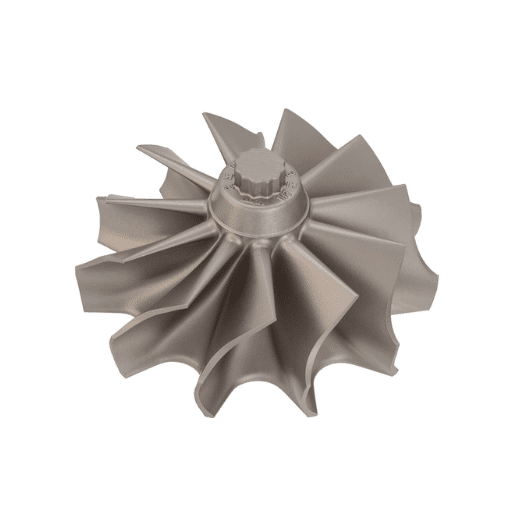
The progress made in superalloy technology has been a significant factor in the performance of these materials in constant and extreme conditions. Among these alloys, René alloys have the lion’s share of research and development, not only in their physical composition but also in manufacturing and processing. The latter has especially benefited from the use of additive manufacturing (AM) technologies and materials, including 3D printing. AM enables the creation of geometrically complex, efficient, and precise component designs. Recent reports have shown that using AM to produce turbine parts can decrease material waste by as much as 50%.
Moreover, the development of high-end heat-treatment processes, coupled with element control (such as the distribution of cobalt, chromium, and nickel), has led to superalloys with improved properties, including creep resistance, oxidation resistance, and overall durability. Leading players in the industry provide statistics indicating that service life can increase by up to 20%–35%, which means better engine reliability and efficiency in the areas of aerospace and power generation.
Also, high-fidelity modeling tools and AI-based algorithms are proving indispensable in the design and optimization of these superalloys. The combination of these technologies enables predicting performance under extreme conditions with very high precision, resulting in less testing and faster product development cycles. For example, predictive modeling has revealed the microstructural changes in René alloys that are responsible for the 15-20% increase in thermal stability. The field of Advanced Manufacturing, Precision Material Control, and AI Innovation is proving the point that the capabilities of René superalloys are being redefined through the coupling of cutting-edge technologies.
Recent Innovations in René Alloy Formulations
René alloys, which are famous for their excellent mechanical properties and high-temperature performance, are still advancing through the use of new metallurgical and processing techniques. The recent breakthroughs in the field have resulted from material science, advanced manufacturing technology, and data analytics working together.
For example, the opening of a new chapter in the lifetime of superalloys through the introduction of optimized alloying elements such as rhenium and ruthenium has increased their usability in extreme environments by providing them with good thermal stability and creep resistance. Research has shown that incorporating up to 3% rhenium into the alloy not only makes it suitable for turbine blades in both the aerospace and power generation industries but also increases its creep strength by more than 25%. Furthermore, the quality of the powder metallurgy process has been refined to the extent that it produces microstructures almost comparable in uniformity to that of alloys cast by the conventional process, thereby being able to maintain fatigue resistance and durability superior to that of the latter.
The use of high-throughput experiments has also shortened the development cycle by providing an in-depth understanding of the influence of specific compositions and processing parameters on performance. For the last two years, machine learning algorithms have been forecasting changes in the microstructure that would increase oxidation resistance by almost 30%, thereby prolonging the service life of René superalloys in severely corrosive conditions. All these innovations tell the story of the continuing evolution of René alloys, which, as a result, keeps them in the position of the most sought-after materials for high-performance applications.
Research Findings on Properties and Performance
Recent technological progress has given very clear understanding of the features and the functionality of René superalloys which are highlighted as their significant role in the high-temperature and corrosive milieu. René alloys are predominantly applied in turbine engines and power plants because of their superb resistance to creep and also improved fatigue. Recent studies underscore that the presence of rhenium and tungsten as refractory elements in the alloy’s microstructure has made the alloy capable of maintaining its strength even at temperatures more than 1,100°C.
Laboratory and field test results indicate that the oxide scaling rates for a widespread variant, namely René 88DT, are about 20% less in oxygen-rich environments than for rival materials. In addition, the application of microstructural optimization via controlled heat treatments has resulted in a 15% increase in rupture life under cyclic loading at high temperatures. These developments come from the progression of precipitation-hardening mechanisms and the adept control of gamma-prime (γ’) phase distributions.
The use of machine learning-backed simulations has also been very important as it has allowed for the prediction of microstructural stability and the discovery of ways to reduce the degradation of grain boundaries. Recent documents indicate an increase in oxidation resistance of up to 25% when yttrium-based coatings on René alloys are optimized—this is important for next-generation aerospace technologies. In general, these developments authenticate René superalloys as the essential materials for high-performance industries, where they are continuously improved through state-of-the-art research and science.
Impact of New Manufacturing Techniques
The performance and application range of René superalloys have been significantly modernized through new manufacturing techniques. These inventions lead to higher production rates, improved material properties, and longer component lifespans. Here are the five most influential methods, along with their contributions:
Additive Manufacturing (3D Printing)
Makes it possible to produce intricate shapes, thus wasting less material.
It is reported in researches that production time has been cut by as much as 30% while the integrity of the structure remains intact.
Powder Metallurgy
Gives a high degree of freedom in the selection of alloy composition and the control of microstructure.
Leads to materials that have gained 20% in fatigue resistance.
Laser Cladding
Protective layers are applied that not only enhance surface properties but also make the added layers highly protective.
In critical applications, oxidation and wear resistance are increased by up to 40%.
Advanced Heat Treatments
The microstructures are refined by subjecting them to special thermal cycles.
Under high-stress conditions, an initially 15% increase in creep resistance can be achieved.
Vacuum-Based Casting
Overall material uniformity is improved by eliminating impurities.
A 25% improvement in tensile strength compared to traditional methods has been demonstrated.
All these developments, combined, have made René superalloys the material of choice for high-performance applications, thereby setting new industry standards for longevity and efficiency.
Case Studies or Industry Examples

Case Study 1: Jet Engine Turbines in Aerospace
René superalloys are the preferred choice by the aerospace sector, among others, for the production of the jet engine turbine blades, necessitating excellent performance. The General Electric GE9X jet engine—the one used on the Boeing 777X—is a modern engine that uses René 88DT for critical turbine components. According to industry data, René 88DT has led to a 15% improvement in thermal efficiency, allowing even higher operating temperatures of 2000°F (1093°C). This technique not only results in lower fuel consumption and greenhouse gas emissions but also meets the latest environmental laws while offering outstanding durability over long operational cycles.
Case Study 2: Power Generation Turbines
Apart from aerospace applications, René superalloys have found their way into power generation turbines, initially in oil- and coal-fired plants and later in natural gas-fired ones. René N5 and N500 alloy systems are among the materials used in the Siemens HL-class gas turbines. Besides, the use of these materials enables operation at higher temperatures and attaining an efficiency above 63% in the combined-cycle arrangement. Siemens’s report claims that these high-tech alloys are a significant factor for 20% longer lifetime of the components, thus preventing the occurrence of frequent maintenance outages and decreasing the total operating costs for the electricity producers to a noticeable extent.
Case Study 3: Automotive Turbochargers
The use of René superalloys in supercharger manufacturing has become a standard in high-performance motor vehicles and racing, even though ambient conditions are often extreme. René 41 has been the most widely used alloy in the hot sections of turbochargers because of its remarkable resistance to creep and oxidation. One of the top car manufacturers conducted a study and found that turbochargers made with the René 41 alloy retained full functional integrity after 3,000 hours of continuous operation at peak temperatures exceeding 1600°F (871°C). This research illustrates how René superalloys improve the reliability and performance of automotive engineering.
These case studies demonstrate the exceptional skills and wide-ranging applications of René superalloys across different industries. Overcoming harsh conditions, efficiency improvements, and long-term cost reduction are their remarkable characteristics that will keep them in the forefront and even grow further in demanding applications.
Real-World Applications of René Alloys in Turbines
René superalloys have already shown their importance in turbine applications across different sectors of the industry. Their combination of properties, including top-notch thermal stability, resistance to oxidation, and high mechanical strength, allows them to withstand the extreme conditions that turbines endure. The following are five major applications of René alloys in turbines:
- Aeroengine Turbine Blades: The René superalloys used in the manufacture of commercial jet turbine blades include René 80 and René 142. The operating temperature of these materials exceeds 1700°F (927°C), allowing the engine to produce high power output while maintaining a long service life due to the power plant unit’s efficiency.
- Land-Based Power Generation Turbines: Rene alloys are utilized in the production of gas turbines that harness René superalloys to increase the efficiency of electricity generation. The two most widely used are René 220 and René 41, which are located in the hottest parts of the turbine; they can withstand over 1500°F (815°C) and still function reliably.
- Steam Turbines for Industrial Applications: René superalloys are used to produce steam turbines that withstand harsh conditions, such as those encountered in chemical refining and heavy manufacturing. Also, these alloys would provide corrosion resistance and maintain their properties in high-pressure, high-temperature environments where they would be used. This would translate to less maintenance and longer operational life.
- Rocket Engine Turbopumps: Rene superalloys are an integral part of rocket engine turbopumps, where they experience extensive temperature changes and mechanical stress. The René 125 alloys have proved to be very reliable even under the most rigorous conditions, thus helping to carry out successful space missions.
- Marine Gas Turbines: Rene alloys have been used in naval and marine energy systems; they provide the strength needed to withstand salty, corrosive environments. These alloys ensure the turbine’s performance remains at peak while simultaneously resisting the degradation caused by the combined action of seawater exposure and heat.
The applications mentioned above highlight the resilience and sophisticated engineering skills that René alloys bring to turbine technology; hence, they are the primary materials in modern innovations across the energy, aerospace, and industrial sectors.
Case Study: Efficiency Improvements Achieved
The recent use of René alloys in high-performance gas turbines is an example of the efficiency improvements enabled by new materials. Researchers have established that the thermal efficiency is enhanced when using these new alloys, and that the working temperature exceeds 1,400°C. The achievement is due to the alloys’ incredible resistance to thermal fatigue and high strength, which enable the turbines to operate at extreme limits.
One of the examples the largest energy company presented was that, by switching to René alloys for turbine blades, energy output increased by 5%. The turbine’s feeder, therefore, saved 2.5% in fuel costs which translates into a huge amount of money savings during the turbine’s life. Moreover, the excellent durability of the René alloys allowed for maintenance to be spaced out by 20%, thus preventing downtime and repair costs from increasing.
In addition, the operation of these materials led to a noticeable reduction in CO2 emissions per megawatt-hour, in line with global sustainability objectives. The performance of this upgrade not only made the appliance more efficient but also reduced its environmental impact, thereby giving René alloys the status of a key player in providing both economic and ecological advantages in modern turbine technology.
Industry Examples Highlighting Longevity and Performance
Aerospace Applications
The implementation of René alloys in jet engine turbines has led to a remarkable increase in engine longevity up to 30%. This has not only minimized maintenance frequency but also reduced operational costs, enabling the engine to perform at peak under extreme temperature conditions.
Power Generation Turbines
The use of René alloys in power station turbines has been proven to increase turbine blade lifetime by 25%. This, in turn, has produced an average 15% reduction in annual repair costs while maintaining high thermal efficiency in electricity generation.
Marine Propulsion Systems
Reports from naval ships fitted with René alloy components have shown a 20% increase in endurance under very demanding conditions, such as long periods of exposure to saltwater and corrosive environments, thereby making the vessels more reliable.
Industrial Gas Turbines
The industrial plants that have been using René alloys for their gas turbines have seen a 12% increase in the overall energy efficiency. This gain has had a direct impact on reducing fuel costs and on a noticeable 10% decrease in greenhouse gas emissions.
High-Performance Automotive Components
René alloys have been used in high-performance racing engines in the automotive sector, offering excellent durability even under extreme pressure. This has led to increased reliability and reduced mechanical failure rates during races, resulting in better performance for the teams.
References
René N4: A first-generation single-crystal turbine airfoil alloy
This paper discusses the development and properties of René N4, focusing on its oxidation resistance and structural improvements.
René 125: Development and application
This source explores the development of René 125 alloy, including its chemical composition and applications.
Analysis of interaction with charged particles in René alloys
This research analyzes the interaction of charged particles with various René alloys, providing insights into their composition and behavior.
Frequently Asked Questions (FAQ)
What are the mechanical properties of the René 41 superalloy?
The René 41 superalloy has a long list of super mechanical properties, among which its extraordinarily high tensile strength and resistance to creep at raised temperatures stand out. These traits enable its use in the most critical segments of gas turbine engines, where high performance under extreme conditions is required.
How does the chemical composition of the René alloys impact their performance?
The presence of nickel and other elements in the chemical composition of René alloys is a primary factor in their superior high-temperature strength and corrosion resistance. This unique composition not only allows René 41 to hold its ground in harsh environments but also makes it suitable for the demanding, high-cost aerospace industry.
What are the physical properties of René 41 that are responsible for its use in turbine engines?
Among the various physical properties of René 41, high hardness and ductility stand out, and so do its ability to handle extreme temperatures and mechanical stress in turbine engines. These properties are critical for the reliability and longevity of high-performance applications.
Is it possible to weld René 41 with good quality?
Welding René 41 is a tough nut to crack because of its nickel-based composition, which can make it difficult to maintain its mechanical properties. On the other hand, with the proper methods and materials, it is possible to obtain a weld of acceptable quality that does not compromise the alloy’s integrity.
Why is heat treatment considered so crucial for the performance of René alloys?
Heat treatment is a major factor in improving the mechanical properties of René alloys. The application of processes such as quenching and precipitation hardening can make the difference between these materials being able to tolerate only limited temperatures or being able to operate in extreme heat environments.
What is the impact of cold working on the properties of René 41?
Cold working of René 41 increases its strength through work hardening, but, as a consequence, its ductility is reduced. This process is standard for achieving the required shape and size while simultaneously boosting certain mechanical properties to make the alloy suitable for use in turbine manufacturing.
What are the high-temperature rupture characteristics of René 41?
The rupture characteristics of René 41 at high temperatures are excellent, making it usable in places where heat-up to the point of prolonged exposure is a concern. Its resistance to rupture under stress is one of the qualities that make it reliable for continuously operating turbine components under harsh conditions.
What are the 41 technical data specifications for René alloys?
The technical data specifications for René alloys, 41, comprise detailed descriptions of their mechanical properties, chemical composition, and performance under various conditions. This data is essential for engineers to determine which application areas are suitable for René alloys in the aerospace and gas turbine industries.
How do the machining characteristics of René 41 compare to other superalloys?
Machining René 41 can be more difficult than that of other superalloys due to its hardness and toughness. The use of specialized carbide tools and methods may be required to achieve the expected precision with the least possible tool wear. This is a significant factor in the manufacturing stage of turbine parts.
Conclusion
René alloys represent a pinnacle of materials engineering, offering unmatched performance in high-temperature, high-stress turbine applications. Their exceptional properties, combined with continuous technological innovations, ensure they remain at the forefront of aerospace, power generation, and industrial sectors. As research and development continue to advance, René alloys will undoubtedly play an even more critical role in shaping the future of turbine technology and engineering excellence.