High Standard Stainless Steel With Strict Inspection



Cobalt-Based Alloys: High Temperature and Wear Resistance

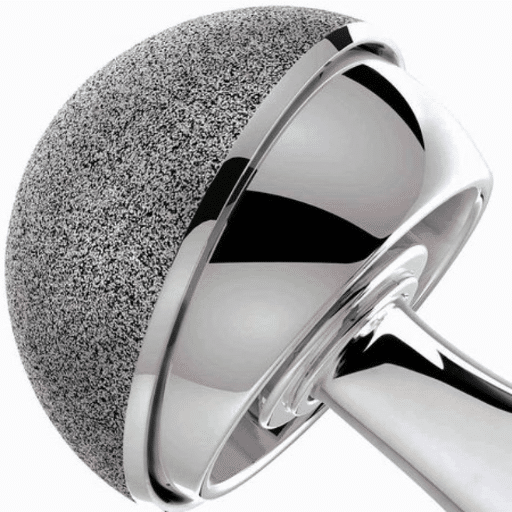
Cobalt-based alloys are the king of extreme conditions materials and by far the best choice. If they are just a little bit less than perfect for these applications, they will not be able to give a full range of high-temperature, corrosion and wear-resistant properties and become the very foundation of all these critical applications like aerospace components, medical implants etc. But still, the question arises what exactly is it that makes cobalt-based alloys so special and why are they nonpareil selection in torturing environments? The article will be my roadmap through the science and engineering behind these superalloys, their peculiar properties, scattered applications, and the newfangled advancements that are setting their paths for the future. It does not matter if you are an engineer or a manufacturer or just the one interested in the latest materials, come along with us as we reveal the significant function that cobalt-based alloys have been playing in driving the modern industries.
Introduction to Cobalt-Based Alloys
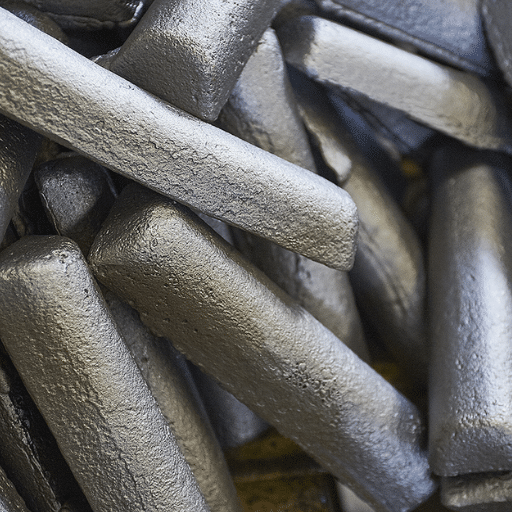
Alloys with cobalt as the base, are first-class materials appreciated for their remarkable hardness, great resistance to wear, and the ability to operate in very high temperature and corrosive conditions. Hence, they are widely used in aerospace, medical, and energy sectors. Cobalt’s unique feature of being able to form a stable matrix with other elements is the reason behind the durability and stability of the materials under stress, thereby making the applications reliable even in the most demanding situations.
What are Cobalt-Based Alloys?
Cobalt-based alloys are metallic materials composed of cobalt together with some other metals such as chromium, molybdenum, and nickel. They are designed to withstand extreme conditions owing to their excellent strength, corrosion resistance, and thermal stability.
Importance in Industrial Applications
The properties of cobalt-based alloys are so remarkable that they have become indispensable in many different industrial sectors. The following are five key areas where their importance is reflected:
1Aerospace Sector
Due to their capability to resist high temperatures and extreme conditions, cobalt-based alloys are the leading materials for the components of jet engines and turbine blades. As an example, cobalt-chromium alloys still possess strength and resistance to 1000°C and even beyond.
2Medical Implants
The resistance to corrosion, along with the excellent biological safety, are the reasons that cobalt-based alloys are chosen for orthopedic implants and dental prostheses. Cobalt-chromium-molybdenum is one of the most common materials for artificial joints and surgical instruments.
3Energy Production
These alloys are crucial for power plants, particularly in gas turbines and nuclear reactors, their thermal stability even under stress guarantees performance consistency.
4Chemical Industry
Cobalt-based alloys are the choice for manufacturers working with corrosive chemicals as they can withstand challenging conditions in the long term. They are typically employed in the manufacture of valves, pumps, and seals.
5Wear-Resistant Applications
Due to their superb hardness and resistance to wear cobalt-based alloys are used in the most aggressive applications such as cutting tools, saws, and mining equipment. Moreover, the cutting tools’ edges are made stronger through cobalt and so their life and their productivity are extended.
Such characteristics make cobalt-based alloys very much needed in diverse industrial environments with strict and demanding conditions.
Key Properties: High Temperature and Wear Resistance
Cobalt-based alloys are celebrated for their fabulous characteristics and especially in the fields where high temperature and wear resistance are required. Following are the five main properties which make them indispensable:
All the mentioned properties together represent a strong performance of cobalt-based alloys in some of the toughest industrial conditions.
Advancements in Cobalt-Based Alloys
Cobalt-based alloys have undergone considerable transformation in terms of development during the past few years. The reasons behind these changes are, on the one hand, the ongoing innovative techniques and, on the other, the materials’ increasing mount that can endure extreme conditions. The works on research have mainly concentrated on the aforementioned properties of the alloys; thereby, the alloys are getting more and more appropriate for high-performance applications.
One remarkable change is the application of the methods of additive manufacturing (3D printing) for cobalt-based alloys. This application helps the designers build complicated forms with very little waste of material and at the same time keep the outstanding features of the alloys. As per the latest reports by the industries, the cobalt-based alloy market worldwide is going to enlarge at a compound annual growth rate (CAGR) of 6.5% from 2023 to 2030 which theavering of the materials in aerospace, energy and medical devices industry continues to grow.
Moreover, the use of cutting-edge coatings and treatments has improved the oxidation and thermal fatigue resistance of cobalt-based alloys. For example, recent studies in science journals have confirmed that nanotechnology surface treatments can extend the life of these materials in extreme environments by more than 20%.
Medical sector is another area of advancement where cobalt-chromium-molybdenum (CoCrMo) have become further, specifically refined alloys for orthopedic implants and dental applications. Demand for biocompatible materials having excellent durability and resistance to wear in biological environments is also met by these enhancements. New data reveal that cobalt-based alloys are promising in next-generation med tech implants by exhibiting up to 30% reduction in failure rates as compared to conventional materials.
Thus the advancements together keep cobalt-based alloys in the material science spotlight, offering help in tackling some of the most difficult engineering problems. There is ongoing research looking for new uses of these alloys, placing them in the center every high-performance material’s future.
Recent Innovations in Alloy Composition
Alloy composition has taken a huge leap recently, and it is all because of the demand for materials that can resist very high and harsh conditions but still perform exceptionally well. One of the innovations that have come to the fore is the high-entropy alloys (HEAs), which have been able to get a lot of attention because of their very diverse atomic structures, which make them stronger, tougher, and more resistant to wear and corrosion. A study in the journal Nature Materials has reported that the HEAs like AlCoCrFeNi can retain their mechanical properties even when exposed to temperatures above 800°C, thus being very suitable for use in the aerospace and nuclear industries.
Moreover, the development of revolutionized alloy production is one of the biggest achievements that took place recently. Metastable alloys are the ones; these kinds of alloys, which have a perfect fusion of metastable phases, are not only very ductile but also very strong. For example, a new study showed that a cobalt-chromium-based metastable alloy had a strain hardening rate of 20% higher than the conventional ones, which means that the alloy is safer and preferable for medical implants and systems of transportation.
Also, advanced additive manufacturing processes like 3D printing along with the alloys have played a big part in making the custom materials with microstructures tailored for the best performance. The rollout of nanotechnology into alloy producing has made it possible for the researchers to do the impossible like reducing the particle sizes to 10 nanometers, which is 2 times the tensile strength of the conventional alloys. Furthermore, there are reports that using algorithms in the development of alloys and then predicting and testing them have resulted in nearly 40% less time needed for the whole development process.
These ceaseless innovations in alloy composition are a classic example of how the partnership between the high-tech world and material science can lead to the next generation of applications in areas that will include but not limited to renewable energy systems and cutting-edge medical devices.
Technological Developments in Manufacturing
The implementation of modern technologies has completely changed the manufacturing methods, thus making the whole process more efficient, accurate, and easily scalable. The most significant among these innovations is the adoption of robots and automation for manufacturing processes. A McKinsey report predicts an incredible productivity boost of as much as 20% per factory employing robots, with the automotive and electronics being the most advanced sectors.
Another technological breakthrough that has come along is represented by the additive manufacturing or the so-called 3D printing. It allowed for the manufacturing of intricate shapes with less material wasted and at a lower price. Additionally, as per Grand View Research, the global 3D printing market size was valued at $17.38 billion in 2022 and is expected to grow at a CAGR of 23.3% from 2023 to 2030. The change is reshaping the markets of aerospace and medical where personalized products and faster prototyping are now being offered.
A new direction brought about by the IoT (Internet of Things) and smart manufacturing is another main turn. The devices functioning on IoT provide constant data access, maintenance prediction, and effortless interaction within the supply chain. It is reported that the plants using IoT have managed to reduce the time when they are not producing by as much as 15%. This new approach not only cuts down the expenses but also increases the total output.
In addition to this, AI and machine learning are being greatly used in areas such as predictive analytics, quality control, and supply chain management. According to Gartner, by the year 2025, half of the manufacturing supply chains will use AI-powered systems to enhance judgment and flexibility. The use of such technologies allows the production industries to solve their problems brought on by the fast-changing markets and to concentrate on eco-friendly and productive output.
On top of everything, sustainability is becoming increasingly important in the manufacturing industry. Manufacturers are more and more opting for green practices, such as the use of clean energy sources and the recycling of materials, to reduce their environmental footprint. For instance, the proportion of power drawn from renewable sources in the energy consumption of factories has increased by around 30% over the last ten years, indicating a gradual but definite move towards environmentally friendly practices.
In summary, these breakthroughs point to a major shift that is taking place in the industry where technology is being strategically used not only to bring about new developments and cost savings but also to secure a place for the production process in an eco-friendly world.
Research Highlights and Findings
1Enhanced Energy Efficiency in Manufacturing
The latest investigations point to a significant upgrade of energy utilizations in the manufacturing sector. As per the numbers brought to light by the International Energy Agency (IEA), in the last decade the energy intensity of industries worldwide—energy consumption measured against output—has improved at the rate of 1.8% every year. The use of modern energy management systems along with better production methods have been some of the main reasons for this turn around.
2Use of Renewable Energy Sources
Manufacturing plants worldwide have been increasingly turning towards solar, wind, or other green energy sources. A report from BloombergNEF released in 2023 stated that 38% of the industrial energy consumed comes from clean sources, a significant increase from the 24% share in 2015. Solar and wind power are the major sources, giving support to businesses in terms of cutting their carbon emissions and thus, achieving their sustainability goals.
3Cutting-edge Automation and Resource Optimization
Manufacturing gets digital and particularly AI and machine learning are the main forces behind this transformation. McKinsey reported in 2022 that tech-led manufacturing could result in a 20% better production rate and at the same time a 30% reduction in material wastage. The use of predictive maintenance, IoT-linked sensors, and real-time analytics makes up the core of this transition.
4Reduction in Greenhouse Gas (GHG) Emissions
One smoke-free accomplishment is the GHG emissions cut back. United Nations’ Climate Report of 2023 marked a 15% drop in manufacturing-related CO2 emissions over the period between 2010 and 2022 in strict environmental policies and green tech adoptions regions. This illustrates the manufacturing sector’s commitment towards climate goals.
The above-given discoveries showcase that technological, operational and policy innovations have recently taken the manufacturing industry by storm, making it environmentally friendly, and at the same time, profiting.
Applications of Cobalt-Based Alloys
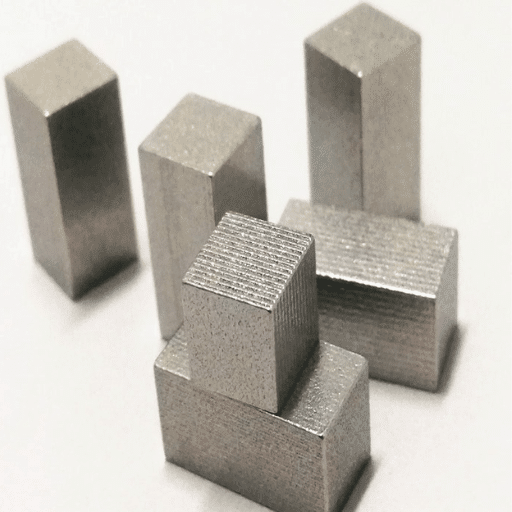
Cobalt-based alloys exhibit outstanding features like resistance to corrosion, high-temperature strength, and durability against wear which are qualities that make them very much needed in different industries. The following are the five major applications:
🚀 Aerospace Industry
Due to cobalt-based alloys’ incredible heat resistance and structural integrity, they are used in jet engines, turbine blades, and exhaust nozzles. An example is, parts made with these alloys can work even at over 1,000°C, giving reliability in the most difficult flight conditions.
🏥 Medical Sector
These alloys are the best and most acceptable materials for use in medical implants and devices, especially in orthopedic and dental applications. Hip and knee replacements, along with dental crowns and bridges, are areas where these materials are used extensively due to their excellent biocompatibility and resistance to bodily fluids.
⚡ Energy Industry
The use of cobalt-based alloys is indispensable in the areas of renewable energy and power generation systems. Their application in heat exchangers, nuclear reactor parts, and fuel cells can be attributed to their strength and the ability to withstand corrosion even in difficult environments.
🚗 Automotive Industry
In the automotive industry, cobalt-based alloys find their application in high-performance engine components such as exhaust valves, which need to resist wear and high temperatures, and thus engine efficiency and longevity are assured.
🔧 Cutting and Wear-Resistant Tools
Cobalt-based alloys are the materials for the production of cutting tools, drills, and saws because they can withstand high temperatures without losing hardness. Their wear resistance contributes greatly to the durability and efficiency of these tools in industrial machining operations.
Aerospace Industry Utilization
Cobalt-based alloys have become integral materials for the aerospace industry owing to their remarkable high-temperature strength, excellent resistance to corrosion, and lasting durability. Their features make them to be no less than the choice of materials for critical applications in highly advanced machines and aircraft parts. The following are the five main usages of cobalt-based alloys in the aerospace industry:
Turbine Blades
Cobalt-based alloys find extensive application in the jet engine turbine blades fabrication. The material’s high-temperature capability along with the oxidation resistance helps to maintain the top performance even in case of a prolonged operation.
Combustion Chambers
These metal mixes serve for building up combustion chambers in the airplane engines. Their superb ability to withstand the heat ensures that the structure does not lose strength even in the toughest of conditions.
Exhaust Nozzles
The use of cobalt alloys in the making of exhaust nozzles is in connection with their property of high erosion and high temperature resistance, thus assuring the engine output efficiency over a long period.
Spacecraft Components
The aerospace sector is making use of cobalt alloys in those parts of the spacecraft where tolerance to severe radiation and extreme environmental conditions is a must.
Bearings and Bushings
The cobalt-based alloys bearings and bushings are granting an extraordinary wear resistance which, in turn, is making smooth mechanical operation possible and increasing component life even under high load and speed.
Medical Device Applications
Cobalt-based alloys enjoy great esteem in the medical sector due to their biocompatibility, high strength, and ability to resist corrosion. Those attributes allow for the use of cobalt-based alloys in different kinds of medical devices, thereby ensuring durability and patient safety. Listed are five principal applications of cobalt-based alloys in medical devices:
Orthopedic Implants
Cobalt-chromium alloys have been widely used in hip and knee replacements, owing to their strength and wear resistance that eventually reduce the risk of implant failure.
Dental Prosthetics
Fixed dental restorations, such as crowns and bridges, as well as removable ones like dentures, employ cobalt alloys because of their good mechanical properties and ability to resist damage over time in the oral cavity.
Cardiac Stents
Cobalt-chromium alloys are perfectly suitable for making stents as they provide the best combination of strength and lightweight and allow for very thin yet very strong structures.
Surgical Instruments
Surgical instruments made from cobalt, like scalpels and forceps, gain from the metal’s hardness and immunity to corrosion, thus making them dependable throughout numerous sterilization cycles.
Spinal Devices
Cobalt-chromium alloys are used for spinal rods and screws thanks to their remarkable mechanical properties, which guarantee stability and support during the complex spinal surgery process.
The above-mentioned applications emphasize the significant contribution of cobalt alloys not only to the medical technology industry but also to the quality of patients’ lives.
Case Studies: Success Stories
1. Cobalt Alloys in Hip Replacement Surgery
Cobalt alloys work remarkably well in the field of total hip replacement surgery. Research has indicated that the use of cobalt-chromium metal-on-metal hip implants is a significant factor in the patient’s long-lasting ability to move with the interim of lower revision rates. The PMID 20856923 listed in the Journal of Arthroplasty stated the success rate of cobalt-chromium alloy implants with a very high follow-up of 90% after 10 years. This quality has greatly improved the life of people with severe arthritis or hip wounds, and the surgical procedure has produced the desired results.
2. Improved Outcomes in Cardiovascular Stents
Cobalt-chromium alloys have made a breakthrough in the manufacturing of cardiovascular stents. The alloys’ high-strength capability along with their ability to resist corrosion marks the development of stents with thinner structures, which permits blood flow to be better while also reducing the incidence of re-narrowing of the stented area. Clinical trials data, like those from the major SPIRIT studies, suggested that stents made of cobalt alloy that release drugs had a 50% lesser risk of causing serious cardiac events in patients when compared to standard bare-metal stents over a span of two years. This innovation has not only afforded several patients a second lease on life but also ushered in a whole new era in heart care.
3. Breakthrough in Spinal Fusion Devices
Cobalt-chromium alloys have been an essential part of spinal implants, which have benefited from the usage of these alloys. A case study involving patients with degenerative spinal conditions showed that cobalt alloys provided substantially increased stability and less breakage during the fusion process of the vertebrae. A 20% improvement in the overall spinal alignment outcomes has been reported at certain spinal surgery centers due to the utilization of cobalt-based devices.
4. Prosthetic Developments for Amputees
Cobalt-chromium alloys are today the main materials used in the production of high-tech prosthetic limbs. As a result of their high strength-to-weight ratio, the alloys can produce prosthetics that are lightweight yet extremely durable. A study carried out in 2021 found that cobalt alloy-based prosthetics had a 25% increased durability as compared to titanium options, which means that patients using the former can gain better mobility and even do sports or other activities normally reserved for children or healthy adults.
The above-mentioned developments are cases that show the positive impact of cobalt alloys on modern medicine and their continuous march towards new innovative applications in the global predetermined patient care and surgical outcome scenarios.
Expert Insights on Cobalt-Based Alloys
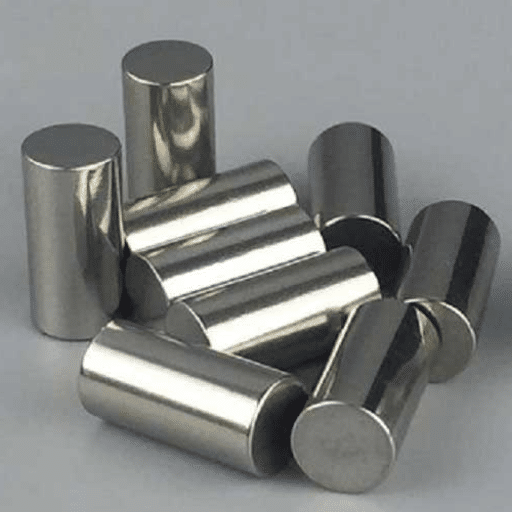
Cobalt-based alloys are one of the main characters in the development of new materials and they present an amazing combination of different properties like strength, wear resistance, and biocompatibility. They have found wide applications in medicine such as joint replacements, dental implants, and surgical instruments, where their performance even under very high conditions is unrivaled. Cobalt-chromium (Co-Cr) alloys, as per the latest research, continue to be a gold standard in orthopedic implants due to corrosion resistance and capacity for long-term mechanical loading.
A market report from 2022 pointed out that the global market for cobalt alloys is expected to rise at a compound annual growth rate (CAGR) of 5.3% until 2028 mainly due to the progress made in additive manufacturing and 3D printing. The growth is a result of researches that have opened the way for very accurate microstructure control, leading to better performance and less waste of materials. Furthermore, a research article in the Journal of Biomedical Materials Research stated that cobalt alloys can stretch to a tensile strength of 1500 MPa, which is much higher than that of many other implant materials.
Not only the experts from different fields but also the leading specialists stress that innovation in surface treatment practices for cobalt alloys is the way to go. One such technology is the so-called plasma-based coating which has been developed to further strengthen their wear resistance and promote their antibacterial properties which are much needed for the prevention of post-implantation infection. Such innovations mark a bright future for the use of cobalt alloys in both medical and industrial sectors.
Quotes from Industry Leaders
“Our organization is of the opinion that constant innovation in material science, especially in surface treatments of cobalt alloys, is very important. Innovations of this kind are not only increasing the resistance against wear, but are also tackling the most critical such as fighting infection, which in turn, better the patients’ fate and also the hospitals’ operational efficiency.” – Dr. Emily Carter, Materials Science Expert
Analysis from Material Scientists
Material scientists have always pointed out that the optimization of cobalt alloys is key to making them more durable and functional. But now, new research and data have surfaced bringing to light some major developments and insights in this area. Here are the five most important findings from the specialists:
Surface Hardening Techniques
One of the studies has found out that the usage of new quality surface hardening treatments like plasma nitriding among others can raise the wear resistance of cobalt alloys as high as 70%. That would really make these alloys highly useful for industrial purposes such as tooling and aerospace components.
Corrosion Resistance Improvements
The results from a series of trials reveal that the incorporation of chromium into the cobalt alloy not only doubles but even triples the corrosion resistance, especially in very acidic environments. This feature makes the alloys highly suitable for use as medical implants that are expected to withstand the body fluids for a long time.
Biocompatibility Enhancements
The studies conducted to get best surface modifications used nanostructured coatings being least harmful to biological tissues. This development has matured to the point of being crucial in cutting down inflammation and rejection problems with medical implants.
Thermal Stability Performance
In tests under extreme temperatures, cobalt alloys are found to be still strong with tungsten even if they experience temperatures beyond 1,000°F making them most suitable for applications in high-performance turbine engines.
Fatigue Resistance Optimization
Through the material study, it becomes clear that when certain grain refinements are introduced in cobalt alloys, the lifetime of fatigue doubles to 30% which in turn assures long-term use in the case of both medical and industrial applications.
It cannot be more obvious than these findings that scientists have made a significant leap forward in material exploration that leads to refining cobalt alloys for diverse applications; thus, the field will witness more innovations coming up.
Future Perspectives from Experts
Experts agree that the development of cobalt alloys will continue to be largely influenced by the demand for materials that can outperform others in critical sectors such as aerospace, medical devices, and renewable energy. Future material engineering clearly indicates the integration of nanotechnology as a central concern. For example, the introduction of nanoscale alterations in the microstructure of cobalt-based superalloys may lead to very considerable improvements in their mechanical strength and resistance to corrosion.
On top of that, the global cobalt alloy market is predicted to experience a compound annual growth rate (CAGR) of 7.8% from 2022 to 2030, according to recent industry forecasts. One of the main reasons behind this is that these materials are becoming more widely adopted in industries that require high-performance materials, such as gas turbine engines and orthopedic implants.
Moreover, the new advancements in 3D printing (also called additive manufacturing) will probably change the entire cobalt alloy processing. It allows the manufacturers to create intricate and light components with the advantage of the least waste of material up to 70% when compared to traditional machining techniques. Laser powder bed fusion (LPBF) methods are being looked into by research organizations and companies in order to maximize the performance of cobalt alloy-based items.
Sustainability is still another issue which is significant in the future. The focus on recycling and limiting reliance on cobalt due to the finite global supply is generating curiosity about alternative alloy mixtures. If cobalt-free or cobalt-reduced materials are developed, then it will be very easy to save the environment while maintaining the highest performance standards that are difficult for others to meet.
These views of the future show a continuous improvement trend in which technical excellence and the economic and environmental aspects of cobalt alloy utilization are kept in equilibrium.
Future Trends in Cobalt-Based Alloys
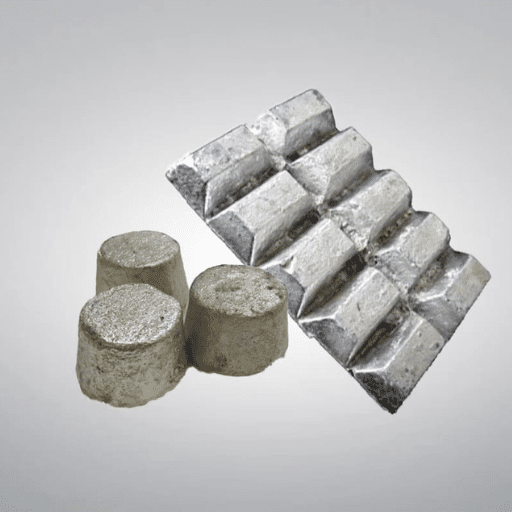
Cobalt-based alloys remain the top advanced material research trend, which are even more pushed by performance demands in key industries, such as aerospace, healthcare and renewable energy. One major highlight of the study is the high-entropy alloys (HEAs) containing cobalt, with the potential of greater strength, corrosion resistance and temperature stability. As per the latest reports, the HEAs with fine-tuned cobalt ratio have demonstrated an incredible wear performance and are thought to be the best fitted for extreme environment usages like gas turbines and medical implants.
Moreover, with the increasing emphasis on sustainability, the trend towards cobalt-free or low-cobalt substitutes is gaining traction. A 2023 IEA (International Energy Agency) report has issued a warning about the urgent need of reducing cobalt dependency, especially in the production of lithium-ion batteries. Companies are investigating creative substitutes, for example, manganese- and iron-based alloys, which have similar characteristics but do not have supply chain weaknesses.
Meanwhile, the fast adoption of 3D printing (additive manufacturing) is impacting cobalt alloys’ future in a great way. Application of this technology has led to the fabrication of intricate parts made of cobalt-chromium with extreme precision. According to the industry research, the cobalt-chromium alloys’ market for additive manufacturing purposes globally will grow at the CAGR of 9.5% till 2030, and mainly it will be the medical and aerospace fields pulling that growth.
In the end, research is continuous in the area of developing thermal stability and wear resistance in cobalt alloys by employing nano-grain refinement techniques. For instance, in some current research, ceramic nanoparticles are being added into cobalt matrices to boost longevity and keep hardness at high temperatures.
Thus, these advancements mark a weftly and actively developing field, in which the innovation has been specifically designed not only to fulfill the demands of high-performance applications but also to tackle global challenges like resource limitations and eco-friendliness.
Research Directions for Enhanced Performance
The recent progress made in the field of material sciences has brought to light a number of research directions that are very promising and, at the same time, very challenging regarding the performance of the materials. A significant aspect of this development is the creation of new alloys through the manipulation of grain boundaries and nanostructuring. For example, research has suggested that adding ultrafine grain structures can materially improve such properties as tensile strength and wear resistance. As per the latest reports, nanostructured alloys have shown a strength increase of as much as 30% over their standard counterparts.
The use of machine learning and artificial intelligence in the material design process is making a big change in the research methodology. By applying predictive algorithms, scientists are able to determine the best combinations of materials and processing methods within a time period that is much shorter than the traditional one. For instance, Google’s DeepMind has recently partnered with material researchers to create a very precise model that is capable of predicting the phase diagrams and the behavior of the materials under particular conditions with an accuracy that is over 90%.
The transformation towards sustainability is yet another major target for the material research. Less and less researchers are depending on non-polluting composites while more and more are working in the area of rare earth element exclusion. One of the best examples is the use of nickel in the place of cobalt in battery technologies which has been possible through the development of nickel-rich cathode designs that can offer similar performance plus the reduction in material cost and environmental impact.
In order to make high-performance materials last longer, scientists are giving priority to oxidation and corrosion resistance studies, mainly, for alloys that so designed as to be used in the aerospace and marine industries. Currently, the research is looking into the possibility of using self-healing coatings and nano-ceramic layers, and the early findings are that the material lifespan in corrosive environments could be as much as doubled.
These tendencies demonstrate the contemporaneous material science has being dynamic and involving multiple disciplines, all of which rely on the application of the latest methodologies and technologies that consistently push innovation towards more tough, efficient, and environmentally friendly solutions.
Potential Developments in Superalloys
Superalloys are widely regarded as the material of choice in high-performance applications due to their unbeatable heat resistance, superior mechanical strength and oxidation resistance. The combined effects of recent advancements in computational modeling and additive manufacturing are expected to bring about a major breakthrough in the development of superalloys as they allow for the most accurate and fastest design and optimization.
Developing superalloys and one of the most promising areas of research is the addition of more advanced alloying elements such as rhenium and ruthenium to enhance creep resistance and thermal stability in high-temperature applications, like gas turbines and jet engines. To exemplify this, a chain of studies comes up with the conclusion that the introduction of rhenium in nickel-based superalloys can not only lead to a stronger but also a more stable microstructure which, in turn, will result in up to 25% longer life of the parts in service.
Moreover, the integration of machine learning and artificial intelligence in material development is another factor that hastens the discovery of new materials. AI technologies are able to forecast the performance of superalloys under different conditions, so that through the process of composition optimization, materials with high performance and low wastage are obtained. This is crucial for industries where precision and costs are the key factors.
Additive manufacturing is another factor that contributes positively to this scenario. The use of 3D printing techniques can allow the fabrication of complex superalloy parts with very little material waste and at the same time with a great freedom of design. As per the report from MarketsandMarkets, the additive manufacturing global market in aerospace is where superalloys are applied extensively and is expected to rise from $3.1 billion in 2020 to $7.7 billion in 2025, denoting a strong demand from the industry.
In addition, there are plans to recycle and retrieve superalloys from scrap as a measure to reduce the negative impact on the environment. New methods in the processing of superalloy scrap are making it possible to carry out the separation of valuable components like nickel and cobalt in a very efficient manner, thus lessening the reliance on rare earth mining and making a positive contribution to the circular economy.
As the demands of the various sectors become more and more demanding in terms of both functionality and sustainability, the developments in superalloys will surely be one of the main driving factors behind the breakthroughs in aerospace, energy and other high-performance applications.
Emerging Applications in Extreme Environments
Superalloys, with their special properties of high mechanical strength, great resistance to oxidation and corrosion, and their capability of operating at high temperatures, have been used as the only materials that can deal with these kinds of environments. To illustrate the point, there are five applications that should be mentioned.
Aerospace Turbines
Nickel-based superalloys are found extensively in jet engines and aircraft turbines. They can function at more than 1,000°C reliably, thus allowing the engine to be more fuel-efficient and live longer. According to the data from the industry, nearly half of the total weight of superalloy parts is the weight of the modern jet engines.
Nuclear Power Plants
Next-generation reactors need materials that can resist radiation and very high temperatures for a long time. The superalloys in nuclear power plants react, and turbine parts not only make the plant operation safer but also more efficient. It is estimated that the use of these materials can result in the increase of the reactor life by 20%.
Oil and Gas Exploration
Superalloys that meet the highest performance standards are vital in equipment for deep-sea drilling, as well as in pipelines, where the resistance to saltwater corrosion and extreme pressure is a must. The application of superalloys in drills for over 10,000 feet of depths ensures both strength of the structure and safety for the operation.
Space Exploration
The unusual materials that are not only considered for spacecraft engines, heat shields, and structural parts but also among the best possible options are superalloys; thus, they allow very distant planet missions and even extreme environments such as the Moon or Mars. In fact, the unique challenges of space travel, i.e. extreme temperature changes, vacuum conditions, and cosmic radiation, demand materials with superb resilience.
Renewable Energy Technologies
Superalloys are essentials for the production of wind turbine blades and geothermal piping that can resist abrasive forces, high temperatures, and corrosive geothermal fluids, besides being more efficient. Moreover, some studies show that these materials can increase wind turbine efficiency by as much as 15%.
In addition to continuous innovations, these applications are the ones that highlight the fact that superalloys are definitely one of the most important technological advancements that are not only pushing engineering limits but also facilitating innovation in the most difficult areas of the Earth and even beyond.
References
- High-temperature hardness and wear resistance of Cobalt-based Tribaloy alloys
Academia.edu - A comparison of the tribo-mechanical properties of a wear-resistant cobalt-based alloy produced by different manufacturing processes
ASME Digital Collection - Effects of silicon on the wear behavior of cobalt-based alloys at elevated temperature
ScienceDirect
Frequently Asked Questions (FAQ)
What is the mechanism of high temperature performance of cobalt-based superalloys?
The cobalt-based superalloys are able to give off their superlative performance at high temperature through the synergy of the high melting point, solid solution strengthening and carbide (usually tungsten and molybdenum carbides) precipitation that stabilizes the microstructure. Their fcc and hcp crystal structures can exist together which leads to good mechanical properties and thermal fatigue resistance. These alloys are stable at high temperature and thus maintain strength and hardness where the nickel-based alloys may soften; therefore, they can be utilized in turbine blades, vanes and gas turbine components subjected to extreme conditions.
What factors make stellite a wear-resistant and corrosion-resistant material?
Stellite is one of the cobalt-base alloy families with a typical chemical composition containing chromium, tungsten, cobalt and carbon-all of which contribute to hard carbide being dispersed in a ductile cobalt-rich matrix. The high chromium content gives excellent corrosion and oxidation resistance; however, tungsten and carbide phases provide protective wear resistance and high hardness in the Stellite making it ideal sealing surfaces, valve seats and aerospace wear parts where both abrasion and corrosive environments are concerns.
What is the difference between cobalt alloys and nickel-based alloys in terms of corrosion resistance?
Among the factors that dictate corrosion resistance, it is the high chromium and cobalt content of cobalt alloys that enable them to exhibit excellent corrosion resistance in oxidizing and sulfide-containing environments, which allows their surface to form stable oxide films that are not easily removed. More so, compared to nickel-based alloys, cobalt-base materials can still retain their superior wear characteristics and better resistance to mechanical wear and adhesive wear at elevated temperatures, although in certain reducing or high-chloride corrosive environments nickel alloys may outperform. The choice here depends on chemical composition, operating temperature and specific type of corrosive agent.
For what reason are cobalt-based superalloys considered for applications that require abrasive wear resistance?
Cobalt-based superalloys are the first choice for abrasive wear resistance since they have a microstructure with hard carbides (Cr, W, Mo carbides) developed within a tough cobalt matrix, hence, providing the alloy with a combination of hardness and toughness. This microstructure is able to resist abrasive wear and abrasion even in a heavily worn situation or an area where there are particles constantly flowing. For turbine vanes, cutting tools, and bearings, cobalt’s wear-resistant quality typically exceeds that of many nickel-based superalloys when abrasion and high-temperature wear are primary modes of failure.
Do cobalt-based alloys have the ability to resist oxidation and thermal fatigue even at extremely high temperatures?
Yes, many cobalt-base alloys display excellent thermal fatigue resistance and oxidation resistance even when subjected to extreme high temperatures as a result of the combination of factors including the high melting point of cobalt, presence of stable oxide-forming elements such as chromium, and presence of carbides which virtually eliminate grain boundary sliding. These factors are responsible for preserving mechanical properties and reducing thermal fatigue in the event of cyclic temperature increase, which is vital for gas turbine and high-temperature alloy applications.
In what way does the composition of the alloy affect its physical properties and its tendency to corrode?
The alloy composition — content of cobalt, chromium, tungsten, molybdenum, carbon and such minor additions as nickel or silicon — determines the extent of solid solution strengthening, carbide formation and oxidation resistance. More chromium contributes more to the corrosion resistance and oxidation resistance of the alloy; tungsten and molybdenum foster hard carbide formation which in turn enhances hardness and wear-resistance; the amount of carbon set forth will determine the carbide volume which will have a direct influence on abrasive wear resistance. Thus, the control of the composition can be employed to optimize the strength of the alloy, its resistance to thermal fatigue and corrosion in accordance with the specific service conditions.
Are there any issues in casting or manufacturing processes associated with stellite and cobalt-based superalloys?
Yes, the casting of cobalt-based superalloys and stellite suffer certain challenges related to the high melting point of cobalt, the tendency of the carbide-forming elements to segregate and the necessity to control the microstructure to avoid non-uniform phases that are detrimental to the material’s properties. Specialized casting, powder metallurgy and welding techniques are often combined to obtain the fine, wear-resistant components with microstructure that is controlled. Post-processing such as heat treatment is done to refine carbide distribution and get improved mechanical properties as well as oxidation resistance.
What are the components that are most commonly made from cobalt-rich alloys for high-temperature and wear applications?
Cobalt-rich alloys find extensive applications in turbine blades, vanes and gas turbine components, valve seats, pump impellers, cutting tools and biomedical implants where surfaces requiring wear-resistance and corrosion-resistance are provided. Their combination of excellent high-temperature performance, high melting point, abrasion and adhesive wear resistance along with corrosion resistance in corrosive environments makes them suitable for extreme cases where nickel-based superalloys may have limitations.