High Standard Stainless Steel With Strict Inspection



Stellite 6 vs Stellite 12: Material Comparison for Corrosion and Wear Resistance

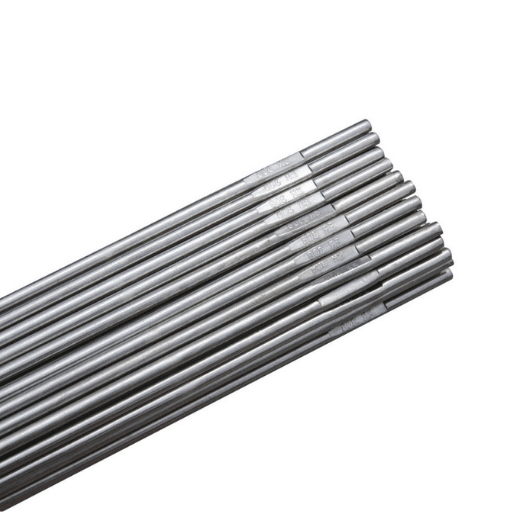
When talking about materials that are able to withstand and experience extremely harsh environments, Stellite 6 and Stellite 12 are definitely among the top choices. These alloys made of cobalt are famous for their remarkable resistance to both corrosion and wear, therefore they are used in different fields from aerospace to industrial manufacturing. However, the question is how to figure out which one to take for your particular purpose? The article here presents a thorough analysis of the differences and advantages of Stellite 6 and Stellite 12 by putting their performance under extreme conditions into perspective. If your goal is to slow down the wear in high-friction locations or to prevent corrosion that is a result of the use of aggressive chemicals, this guide will certainly shed some light on your way to making a good choice. Continue reading to learn which material fits best your operational difficulties and long-term plans.
Introduction to Stellite Alloys
Stellite all-oys are alloys made up of cobalt and are characterized by their amazing wear resistance and hardness. These licensed materials are known to be very stable under the harshest of conditions. The alloys last a long time because of their main components – cobalt, chromium, and tungsten – which make them very resistant to corrosion, heat, and mechanical stress. Stellite alloys, due to their wear resistance and long life, are widely used in various industrial applications such as aerospace, energy, and manufacturing, where the components are subjected to high temperatures or harsh chemical environments the use of Stellite alloys is also common where they are expected to last for a very long time and thus be the best performing materials, cutting down the costs of gradually replacing the machinery and tools.
What are Stellite Alloys?
The Stellite alloys are cobalt-based metal alloys of high-quality performance that are specifically manufactured for super wear resistance, high-temperature tolerance, and no corrosion making them a necessity in harsh industrial applications.
General Applications of Stellite Alloys
Stellite alloys, owing to their remarkable mechanical properties, as well as resistance to extreme conditions, have become the go-to material in various industries. Following are the foremost five applications of Stellite alloys:
1Aerospace Industry
Stellite alloys find application in the jet engine parts like turbine blades, valve seats, and bearings. Their high-temperature resistance and wear-proof property make them indispensable for the safety and performance needs of the aviation systems.
2Oil and Gas Sector
The oil and gas industry heavily depended on Stellite alloys for drill bits, valves, and mud pumps which can withstand abrasive conditions and avoid erosion due to high-pressure and corrosive environments.
3Power Generation
The power generation sector has been availing the services of Stellite alloys in power plants, especially in steam and gas turbines. The durability of turbine blades and combustion chambers, thanks to the heat resistance of Stellite, assures efficiency.
4Medical Devices
Stellite alloys find use in surgical tools, prosthetic parts, and dental applications within the biomedical field. Their biocompatibility and resistance to wear are the factors that ensure both patient and device safety over a long time.
5Metalworking and Cutting Tools
Stellite is a prevalent material choice for the production of cutting tools, saw blades, and dies. The hardness and wear resistance of the material are responsible for the precision and the long life of the cutting tools even in high-friction processes.
Overview of Stellite 6 and Stellite 12
Stellite 6 and Stellite 12 represent two types of cobalt-based alloys who have the same characteristics in some aspects like: they are very durable and are able to withstand very hard conditions, besides they are more than that—on the other hand—their compositions and properties are different. They are both widely used throughout the aerospace, oil and gas, automobile, and medical industries. The following is a comprehensive description of their properties and uses:
Stellite 6
Stellite 6 is the most frequently used alloy within the Stellite family. The major elements in its chemical formula are cobalt, tungsten, and chromium, alongside a tiny amount of carbon, which together produce an extraordinary level of toughness, hardness, and resistance to corrosion as a whole compound. The most remarkable point of Stellite 6 is its extraordinary wear resistance, particularly in situations with high temperatures and moderate friction levels.
Composition:
- Cobalt (Co): Major
- Chromium (Cr): ~28-32%
- Tungsten (W): ~4-6%
- Carbon (C): ~1%
- Other elements (e.g., Ni, Fe, Si): Minor parts
Hardness:
Ranging from 38 to 45 HRC (Rockwell Hardness) is the standard.
Applications:
- Commonly found in places such as valve seats, bearings, and pump components where the resistance properties to galling and wear are very important.
- Suitable for operations with processing the maximum temperature of 800°F (427°C) for a limited time only.
Key Features:
- Impressive resistance against seizing and galling.
- Ability to remain hard at high temperatures.
Stellite 12
Stellite 12 is an alloy with a higher carbon content than Stellite 6 and thus has higher wear and tear resistance consequently. The extra carbon in the composition is the main reason for its ability to withstand abrasion, and even if the conditions are fierce it is possible that it would perform well. Stellite 12 is thus a good candidate for the cutting process that is very precise and very harsh since its life span is extended with high-stress applications.
Composition:
- Cobalt (Co): Major
- Chromium (Cr): ~28-31%
- Tungsten (W): ~8-10%
- Carbon (C): ~1.8%
- Other elements (e.g., Ni, Fe, Si): Minor parts
Hardness:
Generally speaking, it is between 50 and 60 HRC (Rockwell Hardness) depending upon the heat treatment.
Applications:
- Usually, it is found in cutting tools, wear plates, and hardfacing applications.
- Turbine blades and industrial shear knives are some of the areas where it works wonderfully in high-heat and abrasive forces conditions.
Key Features:
- The alloy has very high resistance to wear and abrasion.
- It equals dimensional stability, hardness, and temperature resistance up to 1200°F (649°C).
Comparison Between Stellite 6 and Stellite 12
These two alloys each have their own strengths that are specifically aimed at different industries. Among the properties of Stellite 6 and Stellite 12, one usually chooses dependably the environmental factors of temperature, mechanical stress, and wear resistance.
Composition of Stellite 6 and Stellite 12
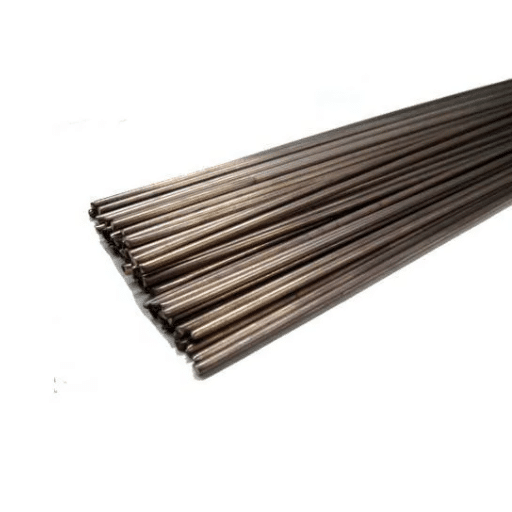
Stellite alloys are mostly made of cobalt and they have been developed with the main goal of very high wear and corrosion resistance, and heat strength. Stellite 6 and Stellite 12 contain some common elements but they have different chemical compositions that give the alloys unique properties for different uses. Here are their average chemical compositions in the table below:
Stellite 6 and Stellite 12: Their Key Differences
Carbon Content:
- Stellite 12, as mentioned above, is the one with the most carbon (1.4-2.4%) while Stellite 6 has the least (0.9-1.4%).
- More carbon means that Stellite 12 will be better than 6 in wear resistance, hardness and cutting ability; thus, it will be the application with most abrasive conditions.
Tungsten Content:
- Stellite 12 has a larger proportion of tungsten (8-9%) which results in harder material.
- Stellite 6 has somewhat lower tungsten content (5-6%) which gives a mix of good wear resistance and toughness properties.
Performance Outlook:
- Stellite 6 has the ability to adapt itself to various situations, it gives the best combination of toughness and resistance to wear less than that of the impact and sliding wear.
- Stellite 12, with harder material, is able to handle the most difficult applications which involve severe wear and high temperatures, such as cutting or shear blades.
Application Profile from Composition
Stellite 6:
Engine valves, seat rings, gears, wear plates, and bearings where moderate wear and corrosion resistance are required.
Stellite 12:
Cutting tools, shear blades, industrial kneaders, and surfaces exposed to aggressive abrasion and minimal impact.
THe specific chemical formulations of Stellite alloys are carefully designed to balance mechanical properties with the demands of their intended industrial applications. Knowing the precise composition and its impact on wear behavior is essential for selecting the appropriate alloy for particular operational challenges.
Chemical Composition
Stellite alloys are carefully made by mixing cobalt, chromium, tungsten, molybdenum, and carbon together. The specific grade determines whether the small amount of the other elements like iron, manganese, silicon, or nickel are added to improve the characteristics of the alloy even more.
Stellite 6, one of the most standard grades, usually has the following approximate composition:
- Cobalt (Co): ~58-63% (The main one, giving excellent corrosion resistance and high-temperature strength)
- Chromium (Cr): ~27-32% (Resistance to wear and oxidation is improved)
- Tungsten (W): ~4-6% (Hardness and resistance to wear are increased)
- Carbon (C): ~1-2% (Hard-carbide formation, which is essential for abrasion resistance, is aided)
- Iron (Fe), Silicon (Si), and other trace elements: may exist in very small amounts.
The composition of different grades of Stellite varies to satisfy particular industrial needs. For example:
Stellite 12 has a higher carbon content (~1.8%) than Stellite 6, which accounts for its greater abrasion resistance and reduced impact resistance.
Stellite 21, on the other hand, has 5% molybdenum and 0.25% carbon, which together give the alloy better ductility and toughness than that needed for applications with high impact forces.
Such alloys are made to survive the damaging effects of high-temperature, chemical, and mechanical wear. They might even sometimes surpass the performance of standard steel and nickel-based alloys. The properties of the material also opens doors for it to be used in very important applications like gas turbines, valve seats, cutting tools, and chemical processing equipment.
The perfect blend of elements in Stellite alloys demonstrates their potential for custom made, as they can still deliver the best performance even under extreme conditions.
Differences in Alloys
Stellite alloys are fundamentally distinguished from each other through their composition and properties, which are customized according to the industrial demand. The main thing that differentiates them is the difference in the amounts of cobalt, chromium, tungsten and carbon which change the hardness, wear resistance and corrosion resistance. For instance, Stellite 6, which is the family member most commonly used, provides a combination of wear and corrosion resistance, thus becoming the right choice for valve seats and cutting tools. In contrast, Stellite 12 has more carbon and hence harder it is, high performance in those applications where the demand is for wear resistance like saw teeth or bearing surfaces.
Consider the Rockwell Hardness Scale (HRC) which typically measures hardness levels as an example of the differences. Stellite 6 is found approximately 43 to 47 HRC in regular application, being quite flexible in the case of moderate wear and impact conditions. Containing more carbon, Stellite 12 has an HRC of 50 to 58 and thus is able to resist abrasive conditions.
In the chemical composition, the differences appear clearly. Stellite 6 has a total of chromium ranging between 27% and 32%, tungsten around 4% to 6%, and carbon about 1.2% to 1.8%; on the other hand, Stellite 12 has 28% to 34% chromium, almost 8% tungsten, and 1.8% to 2.4% carbon. It is like these differences in composition that the properties of the alloy are touching in the specific operating conditions.
Last but not least, the choice of alloy is dependent on the environmental conditions. Stellite 21, for example, has a blend of chromium and molybdenum that enables it to provide good corrosion resistance besides moderate wear resistance which makes it very suitable for the chemical processing and marine environments where resistance to pitting and crevice corrosion is very important. By knowing these differences, industries can choose the “Stellite” alloy that is perfect in terms of performance and life span.
Impact on Properties
The properties of Stellite alloys cover a wide spectrum and thus are compatible with very tough environments. Below we provide five crucial areas where the Stellite composition has a direct impact on its properties:
1. Wear Resistance
The wear resistance of Stellite alloys and their combination even under very high-stressed conditions is mainly due to the presence of cobalt and chromium in very high concentrations. As a result, they are broadly used in the making of tools, valve seats, and bearings. Extensive material loss is prevented by Stellite during sliding wear tests of longer duration, as proved by laboratory tests.
2. Corrosion Resistance
The perfect mixture of chromium and molybdenum in Stellite alloys not only provides good corrosion resistance but also effective protection against acidic or saline environments. To illustrate, Stellite 21 is characterized by its ability to resist pitting and crevice corrosion, which is a requirement for marine and chemical processing industries.
3. Hardness
The quality of hardness inherent in Stellite alloys contributes to the longevity of the material against heavy and abrasive loads. Stellite 6, for example, can achieve a hardness level of 40-45 HRC due to its carbide-rich microstructure among the various alloy types.
4. High-Temperature Performance
Stellite alloys do not lose their strength and wear-resistance characteristics even at high temperatures though their applications are in turbines, exhausts, and other places where heat is too high. They do not lose their important mechanical properties even at temperatures above 800°C (1472°F).
5. Toughness and Ductility
While being hard, some Stellite grades, for instance, Stellite 21, are so designed that they provide better toughness and moderate ductility. These characteristics make the material less susceptible to cracking or breaking due to impact, thus increasing the reliability of the mechanical systems.
All these attributes clearly signal the adaptability and superior performance of Stellite alloys, thus allowing them to be an irreplaceable material for different industrial applications.
Mechanical Properties Comparison
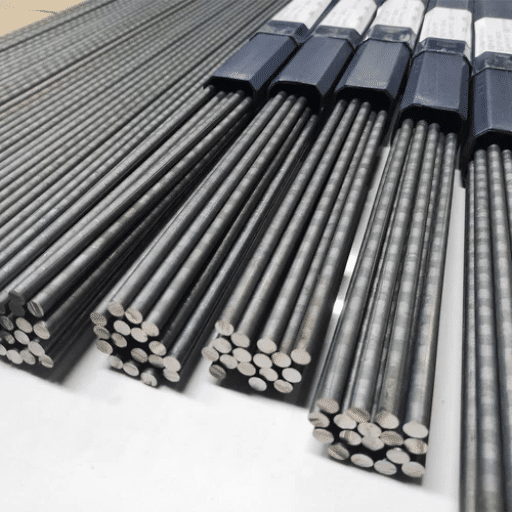
Hardness Levels
Stellite alloys have gained wide recognition because of their extraordinary hardness, which is one of the main characteristics contributing to their durability and resistance to wear. The hardness of Stellite materials is conventionally assigned values on the Rockwell C (HRC) scale, and these values differ according to the particular grade of the alloy. For example:
Stellite 6
Stellite 6’s hardness is usually in the range of 40 to 50 HRC, making it a preferred choice for the applications where hardness and toughness should be balanced.
Stellite 12
Stellite 12 has a hardness level that is even higher, between 50 to 55 HRC, thus making it the best choice for the environments subjected to extreme abrasion and wear.
Stellite 1
With the Stellite 1, which is probably the hardest grade attaining hardness up to 60 HRC, wear resistant property in highly abrasive and erosive conditions is provided to the fullest extent.
Compositions of the alloys including cobalt, chromium, and tungsten dictate the exact hardness of these materials. As an instance, the addition of tungsten and carbon raises the hardness levels considerably, whereas cobalt provides a wear-resistant high-temperature matrix that is stable.
The hard nature of Stellite indicates its broad range of applicability in industries like aerospace, energy, and mining where the component gets less harsh conditions but higher durability and performance through superior hardness. Moreover, the advancements in material science are regular and they are the reason that Stellite hardness and versatility continue to be optimized, in turn, keeping its critical applications alive.
Wear Resistance Analysis
The major factor contributing to Stellite’s extraordinary wear resistance is its cobalt-based metal mixture which also consists of chromium, tungsten, and molybdenum and forms a strong and durable matrix that can endure even the hardest of conditions. One of the most important factors for its performance is its ability to keep up very good resistance to galling, abrasion, and erosion, however, this comes with its drawback as it does not exceed 980°C (1800°F). Studies have shown that the material’s wear resistance is much higher than that of many standard alloys, thus it can be used in places where there is a lot of friction and mechanical stress.
Industry data has presented that Stellite-grade materials, through comparative testing, have the best wear rates as a standard. For instance, Stellite alloys were 50% less wear-prone than standard stainless steel alloys in erosion tests under high-temperature steam conditions. Besides, its capacity to generate a protective oxide layer during oxidative wear conditions gives an additional level of defense in prolonged use.
Cutting tools, valve seats, and turbine blades are some of the applications that hugely benefit from Stellite’s wear resistance. The aforementioned industries have been reporting material-related improved service life as well as decreased maintenance costs mostly because of the material’s capability to retain structural integrity for an extended period. The ongoing development of fine microstructures and coatings for Stellite products will guarantee further optimization of wear resistance especially in tough situations of intense heat and pressure.
Thermal Stability at High Temperatures
Stellite alloys are well-known for their remarkable thermal stability, which makes them trustworthy in high-temperature conditions. This property enables them to preserve their mechanical characteristics and to be less susceptible to deformation even in very harsh scenarios. Here are five important facts and figures that showcase Stellite’s thermal stability:
🔥 High Melting Point
The melting point of Stellite alloys lies in the range of 2,300°F to 2,600°F (1,260°C – 1,427°C), which grants them high resistance to melting or softening even in the most extreme heat.
💪 Creep Resistance
Stellite’s resistance to creep is still very good up to 1,500°F (815°C), and this gives the material great durability in harshest applications.
🛡️ Oxidation Resistance
The reign of heat from above does not bring about major metal loss where Stellite is. It even forms a protective oxide layer that keeps the surface intact during the process.
🏗️ Structural Stability
Stellite’s crystal-like microstructure does not allow thermal cycling to destroy it; consequently, the material performs uniformly under high-temperature fluctuations.
⚡ Hardness Retention
Stellite, even at high temperatures, retains its hardness, which is a key property in the manufacture of cutting tools and parts that are always in contact with heat and abrasives.
These properties combined, make Stellite the most preferred material in the industries that need reliable materials in extremely hot thermal conditions, e.g., aerospace, power generation, and manufacturing.
Typical Use Cases for Stellite 6 and Stellite 12
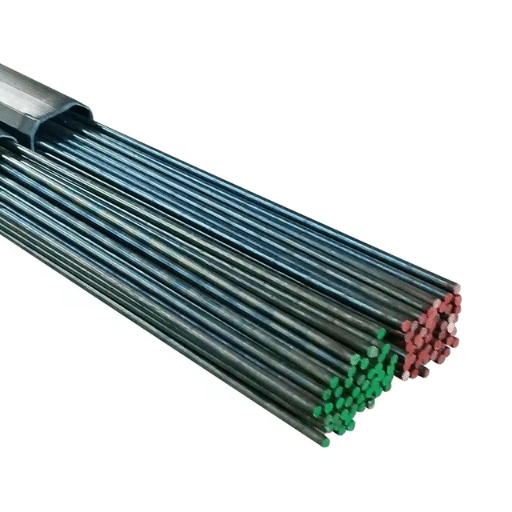
Industries Utilizing Stellite 6
Industries needing excellent wear and corrosion resistance, high temperature performance, and Above all Stellite 6 is a cobalt-based alloy that is widely used for these purposes. Besides, Stellite 6 possesses a combination of features that makes it suitable for various applications:
✈️ Aerospace Industry
The aerospace industry has to cope with the extreme conditions of temperature and wear. Stellite 6 lets this happen with the above-mentioned features. Amongst these are turbine engine components, namely blades and vanes, in which case everyday wear and tear in modern jet engines, for example, exceeds the incredible 1000°F (537°C). Therefore, Stellite 6 is more than capable.
⚡ Power Generation
Gas and steam turbine power plants, the main users of Stellite 6, combine this metal in the most critical components such as valve seats, bearings, and cutting edges. That is to say, this metal’s main feature is its reliable performance throughout a high-pressure and high-temperature condition. Research articles indicate that the lifespan of machines and equipment is largely prolonged by the use of Stellite-coated parts, which also results in the floor not being kept absent for maintenance for a shorter period.
🛢️ Oil and Gas Industry
The oil and gas industry depending on Stellite 6 for valve seats, drill bits, and cutting tools, which are all particularly subjected to abrasive environments. This industry would perhaps refer to the alloy’s durability as its virtue since, under tough drilling conditions, durability means less wear on the equipment.
⛏️ Mining Industry
In mining Stellite 6 is the alloy of choice for crusher jaws, excavator buckets, and cutting edges, to name but a few applications, where resistance to abrasion and impacts is paramount. Life studies demonstrate that even among high-performance materials machining components made of Stellite alloys can still outperform others by up to 400% in terms of tool life.
🍽️ Food Processing and Packaging
One of the uses of Stellite 6 is in the food processing industry, where it helps in prolonging the life of cutting and slicing tools. Occasionally, the industry requires strict adherence to cleanliness and sanitation codes, but the alloy’s corrosion resistance makes it only acceptable to be used in applications where water, oils, and other liquids are present.
🏥 Medical Equipment
Its compatibility with human tissue and resistance to galling make Stellite 6 a material of choice for surgical tools and implants, such as joint replacements, where wear and corrosion resistance are critical.
Overall, the industries utilizing Stellite 6 significantly benefit from its unmatched properties, extending the longevity and reliability of machinery and tools in high-stress environments. These sectors continue to see value through reduced operational costs and increased efficiency, making Stellite 6 indispensable to technical advancement and industrial growth.
Industries Utilizing Stellite 12
Stellite 12 is a cobalt-based alloy, just like Stellite 6, and its remarkable power is resistance to wear, oxidation, and keeping hardness hot. It is the most reliable and longest-lasting alloy in the very high stressed and heated industry. Besides, there are some of the important industries that take the advantage of Stellite 12:
1. Oil and Gas Industry
The oil and gas industry always has a need for tools and equipment that are left over in very difficult working conditions. The Stellite 12 is one of the materials used for drip coffee makers, flow control parts, and tools drilling due to its wear and erosion resistance. For example, Stellite 12 coatings greatly increase the life span of valves installed in high-pressure pipelines, thus, increasing the time between maintenance and decreasing the cost of valve replacement. Industry statistics show that Stellite 12 applied on critical parts can reduce the wear rate by as much as 50%, hence, guaranteeing the functionality of harsh environments.
2. Aerospace Industry
Stellite 12 is one of the key materials in aerospace, especially in the production of turbine blades, seals, and other components that operate at very high temperatures. The alloy’s capability to withstand thermal fatigue and oxidation is its shortcoming for the working of jet engines to be efficient and safe. Conection of Additive Manufacturing, lately, has made even more possible the getting a fine coating of Stellite 12 on aerospace parts that are complex, hence providing more durability and also being lightweight solutions for the aviation industry.
3. Power Generation Sector
When it comes to power plants, the case of steam turbines and nuclear power materials that can withstand wear is the most important. In such cases, Stellite 12 is applied to turbine tips, valve components, and pump impellers to prevent the erosion caused by the steam or water flow. Experimental studies show that Stellite 12 coated components can run for more than 30% longer compared to those made of standard materials, thus, preventing the power plant from being down and saving on repair costs.
4. Automotive and Heavy Machinery
The automotive and heavy machinery industries win the competition depending on engine components with Stellite 12, such as valve seats and seals, where holding up against high temperatures and mechanical loads is important. Its hardness assures that the components can run hard and fast not only for short intervals but even over the long haul without the need for major repair, thus doing the opposite of increasing fuel consumption and making the vehicle last longer.
In conclusion to the increased material performance requirements, Stellite 12 still remains an essential part of the industrial applications. Its chemical properties and adaptability favor the different industries to cut down the operational inefficiencies and increase the total productivity, thus, the versatility of this cobalt-based alloy in tackling some of the hardest engineering issues is again evidenced.
Preferred Scenarios for Each Alloy
🔥 High-Temperature Environments
Stellite 12 is an extremely powerful metal in the area of very high temperatures and is the best selection for turbine blades or exhaust valves where the material goes strong and hard up to 980°C (1800°F). It has excellent heat resistance and is even better than a lot of other alloys in there being able to withstand high temperatures continuously.
⚙️ Abrasion-Resistant Applications
Due to its phenomenal wear resistance, Stellite 12 is the go-to material in grinding and crushing applications where its presence adds up to a longer period of time. Maintenance is reduced greatly while the operational downtime is lessened by the company’s high durability.
💧 Corrosive and Chemical Environments
The alloy’s incredible resistance to corroding makes it to easily get the chemical processing industry, marine environments or oil and gas pipelines where the concern of the disappearance of chemical agents is a major factor.
🔗 Metal-to-Metal Wear Applications
Stellite 12’s low friction coefficient and high hardness level make it a very good choice for valve seats, bearings, and gears, where the contact between metals leads to gradual wear and tear due to the passage of time.
🛡️ Hardfacing for Surface Protection
This alloy is versatile in hardfacing to improve the surface properties of less durable base materials. Industries use it to coat tools, molds, and dies, resulting in extended part life for components subjected to repetitive stress or harsh conditions that are still operating.
Conclusion and Recommendations
Cobalt alloys, as mentioned, have more than one property and thus their application as well as using these characteristics for different purposes is possible. For example, the use of cobalt alloys is particularly important in the aerospace, healthcare, and energy production industries, which are the most critical ones. Moreover, one of the indications of studying cobalt alloys is that they are able to withstand very high temperatures (beyond 800°C) while still being able to perform like metals in certain applications such as turbine blades, exhaust valves, and orthopedic implants. Moreover, the modernization of metallurgical processes has opened the door for the great enhancement of the alloy properties adjusting accordingly for the respective environment.
Recommendations:
1. Advanced Research and Development
It is suggested that firms put their resources into the R&D to further develop the resistance to wear and corrosion of cobalt-based alloys which are mainly used in high-tech battery and hydrogen fuel cell applications as wood for the next generation.
2. Sustainability Efforts
The growing demand for cobalt in the different industries, the company should focus on recycling programs and the sourcing of alternative materials to lessen the dependence on limited natural resources that are mining. The recent studies show that the figure of recycled cobalt accounted for about 30% of the total industrial cobalt use in 2022, and this number can be increased with new recycling technologies.
3. Material Optimization for Cost-Efficiency
The direction of developing hybrid materials that combine cobalt with some cheaper metals might solve the cost issue. Moreover, new processes like powder metallurgy have considerable potential to produce lower-cost while still high-performance products.
4. Regular Maintenance and Monitoring
It is necessary to implement strong maintenance planning as well as the use of advanced monitoring systems in the case of the industries that have cobalt alloys in their operational equipment. Preventive maintenance can apparently prolong the life of components by 15-30% thus eventually minimizing the costs related to downtime and replacements.
If companies will do this properly they will be able to win the latest technological trends and thus the owling of the market trends as well as with the reliability, efficiency, and sustainability of operations based on the use of cobalt-based alloys.
Summary of Key Differences
Cobalt-based alloys are the materials of choice for various demanding industrial applications like turbine engines, medical implants, and industrial tools due to their wear, corrosion, and high-temperature resistance, which is far superior to those of the alternatives. Among the different materials, one of the main features is their remarkable mechanical strength and the capacity to remain intact at over 1,000°F, in contrast to many steel-based alloys that lose their properties in similar situations.
In recent times, it has been revealed that cobalt alloys are usually more resistant than nickel-based alloys in the aspect of oxidation and sulfidation, and the research indicates that the resistance of cobalt alloys to oxidation is up to 30% better than the nickel-based alloys in high-temperature environments. Moreover, in the medical field, cobalt-chromium alloys have established themselves as the go-to material for implants like artificial hips and knees due to their higher biocompatibility and wear resistance when compared to titanium alloys.
While economically cobalt-based alloys are generally more costly in the beginning, raw material expenses being the main reason—cobalt prices have recently been about $30 per pound at the end of 2023—their life span and efficiency in critical areas usually compensate for the first outlay. In addition, the move towards green practices has prompted the recycling of cobalt-based materials to be researched more, which may result in the future that is more economical and environmentally friendly.
By emphasizing these unique features and supporting them with practical advantages through systematic data and materials research, industries can make wise choices that fit their operational needs.
Choosing the Right Alloy Based on Application
Choosing the ideal alloy is not only a very important but also a rather difficult choice since it solely depends on the special needs of the application. Mechanical strength, corrosion resistance, stability at high temperatures, and ability to compete in the market are just some of the factors that require a careful and thoughtful decision. The factors below show the main points to consider for common applications:
1. Aerospace Industry
The aviation industry is looking for materials with an excellent combination of strengths and lightness and also offering high stability under extreme temperatures. Titanium alloys, such as Ti-6Al-4V, are consistently employed for their super mechanical properties and low density. Research indicates that titanium alloys can serve up to the temperature range of -150°C to 600°C, which means they can be used for jet engines and aircraft structures. In addition to that, cobalt-based superalloys like Haynes® 188 are selected for turbine blades based on their coupled strength in oxidation and thermal fatigue.
2. Automotive Industry
Car makers need to make trade-offs between endurance, price, and the reduction of the vehicle’s overall weight. Aluminum alloys such as 6061 and 7075 are being used most of the time to produce lightweight parts for vehicles like chassis and frames, consequently leading to better fuel economy. Studies show that the use of aluminum may cut down vehicle weight by as much as 40%, which means a 10% increase in fuel efficiency. Steel alloys such as AISI 4340, which have very high tensile strength and toughness, are the preferred choice for components that may experience high stress.
3. Medical Field
Biocompatible alloys are the mainstay of the medical field when it comes to implants and surgical instruments. Stainless steel 316L is the metal of choice because of its anti-corrosion property even in the human body. When it comes to high-quality implants, titanium alloys (e.g., Ti-6Al-4V ELI) under tissues are the best as they allow bone to attach without raising the tissue response. New research on cobalt-chromium alloys is coming up with a solution, particularly for joint replacements, as they demonstrate great wear resistance and long-life.
4. Energy Sector
Alloy selection for power generation in nuclear and renewable energy plants has to consider extremely harsh conditions. Nickel superalloys like Inconel® 718, for example, can keep their mechanical properties intact even at temperatures over 700°C which makes them widely used for turbines and heat exchangers. Moreover, alloy manufacturers like Hastelloy® that produce corrosion-resistant metals are also venturing into chemical processing industries where environmental conditions are very tough.
5. Marine and Offshore Applications
Marine sterilization alloys will not only be in contact with sea water but will also be subjected to very high pressures. Copper-nickel alloys (e.g., CuNi 90/10) are one of the most popular materials in the building and marine industries because of their property of not being corroded by seawater at all. It has been reported that the maintenance costs incurred by using these alloys throughout their life cyclemay be reduced by as much as 30% as compared to standard materials. Moreover, super duplex stainless steels, which have higher resistance to stress corrosion cracking, are perfect for offshore rigs and pipelines.
Future Trends in Stellite Alloys
An important trend in the future I anticipate for Stellite alloys is sustainability and efficiency more than ever in their manufacturing and applications. To the extent that the development of advanced casting and powder metallurgy techniques could lead to better mechanical properties and less waste during the production process. I also think that there will be a trend towards increasing their wear and corrosion resistance even more so to be able to have the technology that is just around the corner, like renewable energy systems and advanced aerospace components. All these changes would probably make Stellite alloys a necessary material and at the same time remain in the critical industries.
References
Impact Sliding Wear Behavior of Stellite 6 and Stellite 12 Hardfacings
This study explores the wear behavior of Stellite 6 and Stellite 12 under impact-sliding conditions, providing insights into their performance differences.
The Basics of Stellites in Machining Perspective
This paper analyzes the properties of various Stellite alloys, including Stellite 6 and Stellite 12, focusing on their machinability and material characteristics.
A Study on Laser Cladding of Stellite 6 by Conventional and High-Speed Laser Cladding Process
This research discusses the properties of Stellite 6, particularly its wear, corrosion, and erosion resistance, which are key factors in material comparison.
Frequently Asked Questions (FAQ)
How does corrosion performance compare when using stellite 6 versus stellite 12 for corrosion-prone applications?
Stellite 6 and stellite 12 are both cobalt-based alloys that have been specially created to resist wear and corrosion; among them, stellite 12 is the one that usually provides better corrosion resistance in lots of corrosive environments as it has more chromium and thus, better oxidation and corrosive attack resistance. For valve seats, coating, and components that come in contact with corrosive fluids, stellite 12 is the one that usually provides longer life, while stellite 6 is able to perform where corrosion is not so severe and excellent wear resistance is a must. Personal choice should, of course, take into account the specific corrosive medium, temperature, and the possible presence of the abrasive particles.
Can Kennametal Stellite products outperform other cobalt-based alloys in high-temperature wear?
Kennametal Stellite and associated Stellite™ products are practically famous for remaining hard and wear-resistant even at high temperatures; they are, in fact, oxidation resistant and mechanical property maintaining where nickel or tungsten carbide might soften. Under sliding wear and severe sliding wear conditions, the stellite alloys will usually outlast many conventional materials and even the standard steels and hardfacing materials will find their wear resistance and that of high-temperature oxidation inferior to stellite’s.
What are the high-temperature limits and properties at high temperatures for Stellite 6 and Stellite 12?
Both Stellite 6 and 12 give good oxidation and corrosion resistance and, in addition, they maintain hardness at elevated temperatures when compared to many alloys. Stellite 6 is made for excellent wear resistance at high temperatures plus toughness is retained, while Stellite 12 is more likely to provide better corrosion and thermal stability in selective environments. Their high-temperature handling ability makes them suitable for valve seats, trims, and parts that are subjected to thermal and mechanical stress, however the exact service temperature should be verified against the manufacturer’s data sheets and stellite 700-series alternatives if a higher-temperature capability is required.
How well do Stellite 6 and Stellite 12 weld when applied for hardfacing or weld repair?
The use of these alloys in welding processes is very common for hardfacing and weld overlays, and there are no reservations about doing so; however, it should be noted that in the case of welding stellite proper pre-heating, interpass temperature control, and possibly even matching filler wires are required to avoid cracking from the thermal stresses. Precision coatings are often applied using laser cladding or TIG overlay. Stellite 12 may be a little more forgiving in certain welding situations but if the recommended procedures are followed then good bonding, little dilution, and optimal protection of wear and corrosion will be achieved.
Is Stellite 21 or any other Stellite™ alloy a better option for the combined challenges of wear and corrosion compared to Stellite 6?
Stellite 21 and other Stellite™ variants have been developed for specialized applications. Stellite 21 usually has a higher degree of corrosion resistance and oxidation performance while still providing high wear protection and impact resistance. Compared to Stellite 6, some of these alloys may provide a different blending of carbides, chromium and cobalt content that could lead to the better resistance to the wear of all types, the environment’s and erosion. The choice between them will depend on whether the focus is on severe sliding, abrasive wear, or corrosive media.
When should I apply a Stellite coating compared to a bulk Stellite 700 series component for wear protection?
Stellite alloy coatings (hardfacing or laser cladding) are economical for restoring or protecting surfaces such as those of valve seats, cutting tools, and sliding components, thus providing excellent wear resistance while consuming less material. The stellite 700 Series refers to specialized bulk or weldable alloys tailored for specific temperature or wear-corrosion combinations; bulk components from the 700 series are appropriate when a full component must withstand extreme wear, high-temperature exposure, or impact wear. Coating is preferred for retrofitting and targeted protection; full alloy components are chosen for new parts where thickness and full-section properties are required.
How does Stellite 3 compare to Stellite 6 and 12 in terms of abrasion and high wear resistance?
Stellite 3 is another cobalt-based alloy that is designed for a specific wear mode and thus usually provides good abrasion and impact resistance with a different carbide distribution and cobalt matrix than Stellite 6 or 12. It may be more ductile and superior in impact-prone situations, while Stellite 6 and 12 might offer greater hardness and sliding wear resistance. For abrasive wear and high wear applications, the decision should be made based on whether abrasive wear, adhesive metal-to-metal wear, or impact wear is the dominant wear mode.