


Blog
Haynes 25 (L-605): Aerospace Cobalt Alloy

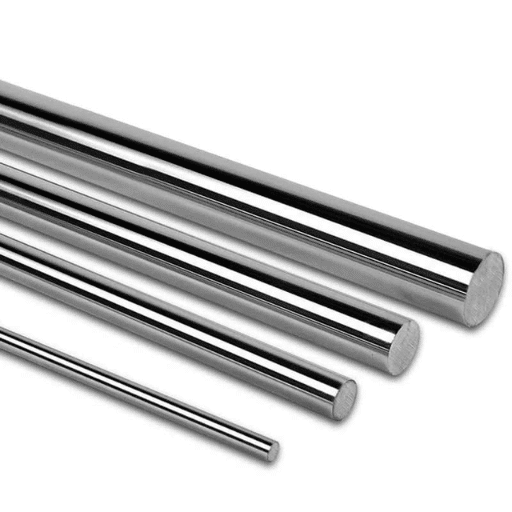
Haynes 25 (L-605) is an extraordinary cobalt alloy that has been widely used in the aerospace industry because of it’s great properties and performance. It is mainly known for its strength, high-temperature resistance and corrosion resistance which together allow this alloy to operate powerfully even in turbulent conditions such as small turbine engine components or large issues in aerospace hw. The blog post here delves into the alloy Haynes 25, showcasing its properties that are both big and small, involving the whole world of its users—engineers and manufacturers. Thus, whether you are an industry man or just a scientifically inquisitive person, coming along with us through this discussion will give you the engineering aspect as well as the alien side of this extraordinary alloy.
Introduction to Haynes 25 (L-605)
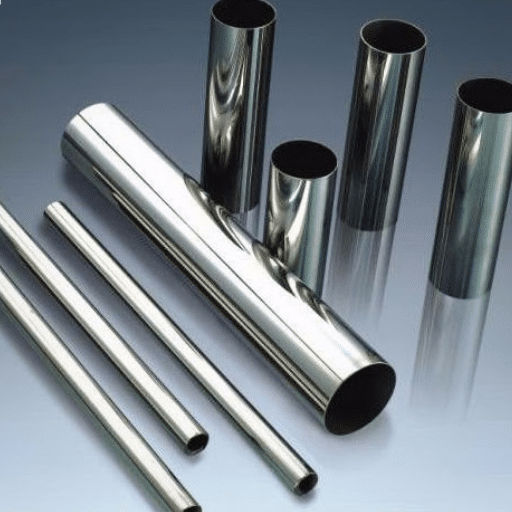
Haynes 25, or L-605, is a cobalt alloy that possesses exceptional properties such as strength, resistance to oxidation, and performance at high temperatures. It finds particular use in the most severe environments such as parts of jet engines, industrial gas turbines, and implants. The alloy can indeed hold its mechanical integrity even at a temperature of 1,800°F (982°C), which makes it a perfect fit for sectors that demand reliable and durable materials that can withstand intense heat and stress like, for example, the aerospace industry. Besides, its resistant nature to corrosion and wear adds to its worth in the critical applications.
What is Haynes 25?
Haynes 25, which is the same as L-605, is a superalloy based on cobalt that is famous for its outstanding properties such as strength, resistance to corrosion, and performance at high temperatures. It is often used in the aerospace, power generation, and medical sectors.
Composition of Alloy L-605
Haynes 25 (Alloy L-605) possesses a carefully balanced chemical composition which makes it an excellent performer even under extreme conditions. The principal components of the alloy are:
- Cobalt (Co): The percentage ranges from 50 to 55%, thereby forming the base of the alloy and offering excellent strength and resistance to corrosion.
- Chromium (Cr): The alloy contains the element at around 19 to 21% and the oxidation resistance is enhanced by chromium thus increasing the durability of the alloy at high temperatures.
- Nickel (Ni): Alloy consists of nickel at 9-11% which helps in overall corrosion resistance and improves the structure of the alloy.
- Tungsten (W): The percentage of tungsten in the alloy is 14-16% which means the alloy has strength and hardness at high temperatures.
- Iron (Fe): Iron is typically there in a quantity of 3% or less which means it is present in traces.
- Molybdenum (Mo): Molybdenum is present up to 1.5% and in small amounts, it acts to increase corrosion resistance.
- Carbon (C): The percentage is between 0.05 to 0.15% and carbon is a contributor to the carbides’ formation which increases wear resistance.
- Silicon (Si) and Manganese (Mn): Each of these elements is about 1.0-2.0% of the total and they play a role in oxidation resistance as well as the stability of the alloy in general.
Thus, this exact combination of elements makes Haynes 25 able to keep its strength and at the same time resist oxidation during cooling and heating phases making it a necessary material for heavy-duty applications.
Classification as a Cobalt Alloy
Haynes 25 is a cobalt-based alloy known for its remarkable ability to maintain its strength and oxidation resistance even at very high temperatures. This particular alloy, otherwise called L-605, is made up of a large portion of cobalt (Co) as the main component and contains also considerable amounts of chromium (Cr), tungsten (W), and nickel (Ni). These elements together make it a superior material for high-temperature and high-stress environments. The chemical composition of Haynes 25 as per recent reports is generally as listed below:
- Cobalt (Co): 50-55% range, which acts as the main metal.
- Chromium (Cr): nearly 20% giving the material a very good property of not only being oxidized but also being resistant to corrosion.
- Tungsten (W): about 13-15% which fortifies the alloy and provides its superior resistance to creeping.
- Nickel (Ni): approximately 10-15% which imparts the alloy its overall stability and toughness.
- Carbon (C), Silicon (Si), and Manganese (Mn): these elements are present in very little amounts and act as earlier mentioned in the areas of machinability, stability, and resistance to wear.
One of the major factors that contribute to its designation as a cobalt alloy is its capability of holding the highest tensile strength at the elevated temperature with the melting point at about 2370-2650°F (1300-1454°C). Haynes 25 is often applied in the most demanding applications like gas turbines, jet engines, and industrial furnaces, thanks to its superlative mechanical properties under extreme conditions.
In addition, the classification of the alloy is further supported by the fact that it can resist oxidation in the presence of 2000°F (1093°C),and its resistance to carburization and sulfidation in very harsh environments makes it a must-have in the aerospace and chemical processing industries. The latest developments in metallurgy keep on affirming its status as a high-performance cobalt alloy.
Properties and Benefits
High-Temperature Strength
The material still has its mechanical strength and structural integrity up to a temperature of 2000°F (1093°C) which makes it a very good choice for going to industrial furnaces and heat-resistant areas in the aerospace industry.
Exceptional Oxidation Resistance
The material shows an amazing resistance to oxidation, which does not allow the degradation of the material and the losing of its performance even under extreme thermal conditions.
Resistance to Carburization and Sulfidation
The plastic block is able to withstand reactions like the ones of the gasification of sulfur and carbon without losing its toughness which makes it suitable for the toughest chemical processing environments.
Corrosion Resistance
The product under consideration gives a good fight to corrosion and hence, wear and tear due to both acidic and humid conditions will not be able to shorten its service life.
Versatility in Applications
This cobalt alloy is a giant in terms of properties and reliability, therefore, it is used in many industries such as aerospace, energy, and chemical processing.
High-Temperature Strength
Cobalt alloys have become well-known for their great strength under high temperatures, which in turn makes them perfect for intensive heat performing conditions. The strength is a result of the alloy’s peculiar composition that consists of chromium, tungsten, and molybdenum, which contribute to excellent stability and oxidation resistance, among other benefits.
For instance, cobalt alloys have the ability to keep their mechanical properties even at the temperature of 1,400°F (760°C) and beyond. It is quite recent that some cobalt-based superalloys, including Haynes 188, have been known to show a tensile strength of more than 100 ksi (kilopounds per square inch) at the temperature of 1,200°F (649°C). Besides that, these materials are also very resistant to thermal fatigue and creep which are the main causes of failure in high-temperature applications.
Hence they are indispensable in the aerospace industry, where they are used in turbine blades, combustion chambers, and exhaust systems, and also in the energy production sector, where they are subjected to the heat of the gas turbines’ drastic thermal cycling. Not only do these properties provide the components with the necessary performance, but they also cut down on maintenance costs and prolong the lifespan of the components. The studies and use of cobalt alloys in the field of heat resistant materials continue to show that they are not only necessary but also very useful in engineering and manufacturing.
Oxidation Resistance
Undoubtedly, the unparalleled oxidation resistance property of cobalt alloys is the most important factor in their being preferred and in their being able to keep the high-temperature aesthetic character. Forming of this “resistant” layer of oxides that preserves the entire alloy thus avoiding the process of oxidation is the primary reason for the obtained oxidation resistance through alloying.
The following are five main points underlining the resistance of cobalt alloys to oxidation:
- Chromium Content: Chromium is one of the main alloying elements which promotes the formation of the stable and continuous protective layer of chromia (Cr₂O₃) while remarkably increasing the upgrade to oxidation.
- Alloying with Tungsten and Molybdenum: Tungsten and molybdenum not only improve the heat resistance of cobalt alloys but also retain the still excellent oxidation resistance even at above 1000°C.
- High Melting Point of Cobalt: Cobalt being the base element gives the alloy intrinsic stability at high temperatures thus making thermal oxidation a very ineffective method of going through the alloy.
- Resistance to Scaling: It is because of the smoothness of cobalt alloys that they are less prone to scaling under oxidizing conditions and thus the material loss due to oxidation is reduced.
- Microstructure Stability: The microstructure of cobalt alloys is optimized in such a way that oxidation at the grain boundaries does not take place to an extent that the resistance is reduced.
The traits listed above have combined to make cobalt alloys the number one choice in places where the performance has to be sustained in the face of high-temperature and oxidative environments.
Corrosion Resistance
Cobalt alloys are commonly acknowledged as the top choice when it comes to resistance against corrosion. Being very resistant to such media is their main feature and this is attributed to several factors:
- Chromium Content: The significant amount of chromium in cobalt alloys favours the generation of a barrier oxide layer that completely stops corrosive substances from getting through. The presence of this layer gives them increased life in high corrosion conditions.
- Calcium Coating on Metals: These alloys have very high resistance to pitting which is a type of corrosion localized in areas simply called ‘pits’ where the surface is usually not protected, and they also resist crevice corrosion which occurs when moisture is trapped in a crack. Moreover, the presence of chlorides and other halides will not affect their resistance to such localized corrosion.
- The time period that the cobalt alloys keep showing high pH values while still having the same properties and not experiencing a decrease in death by crucifixion in both sulfuric and alkaline solutions is quite remarkable.
- Unsung Hero: These materials resist stress corrosion cracking even in high-stress environments, making them suitable for critical applications where structural failure is unacceptable.
- Risk of galvanic corrosion is minimized due to the use of cobalt alloys along with other materials, thus ensuring their compatibility and longevity in complex systems.
The presence of each of these features manfests the strength and the trustworthiness of cobalt alloys in the face of corrosive surroundings, be it industrial machines, medical applications or extreme service conditions.
Applications in Aerospace
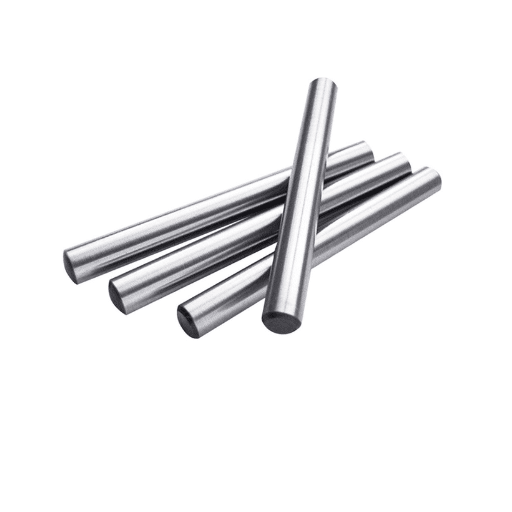
Cobalt alloys, thanks to their superb mechanical properties, high-temperature performance, and resistance to corrosion, are indispensable materials in the aerospace sector. The following five applications are the main ones for cobalt alloys in aerospace:
- Turbine Blades and Vanes: Cobalt alloys find their way in the production of turbine blades and vanes of jet engines. Their property of being able to endure very high temperatures along with resistance to oxidation guarantees reliable and good engine performance even under extreme conditions.
- Combustion Chambers: In the combustion chambers, these alloys are used owing to their foremost thermal stability and high-temperature corrosion resistance, thus making them a significant factor in the operational lifespan of the equipment.
- Exhaust Nozzles: The excellent mechanical properties and high fatigue resistance of cobalt alloys are helpful for their limit and non-usage in parts like exhaust nozzles, which are undergoing continuous thermal and mechanical stresses.
- Bearings for Aerospace Engines: Cobalt alloy-based bearings provide wear resistance and high load-up operation, thus giving a long-lasting and reliable performance in the aerospace engine.
- Seals and Fasteners: Cobalt alloys are the materials that are selected for seals and fasteners since they guarantee structural integrity and withstand harsh, high-stress aerospace conditions without deteriorating.
The application of cobalt alloys in these cases reveals their critical role in guaranteeing safety, performance, and longevity in the most sensitive aerospace systems.
Components Utilizing Haynes 25
Haynes 25, referred to as L-605, is another name for a cobalt-base superalloy that is considered to have a great number of properties that make it suitable for a wide range of applications. It has been one of the most important materials for a long time in the case of critical aerospace parts, where the combination of such properties plays an important role in the overall performance and longevity of the alloys in extreme environments. In the following, the critical parts offered as examples of Haynes 25 usage, along with supporting data:
Turbine Blades
Jet engine turbine blades are the parts that experience the most intense heat and pressure during the working process. Therefore, the application of Haynes 25 in this case is more than justified, as it can still hold its strength even when temperatures reach 1800°F (982°C). The other superlative quality of this alloy, that is, the oxidation resistance, proves invaluable in providing the blades with an operational life that is always longer than their counterparts’.
Combustor Liners
Combustor liners in aerospace engines are subjected to high temperatures and harsh environments for a long time. Haynes 25 is an option; it is the best when it has heat resistance and also the ability to endure in the case of oxidation and hot gas corrosion.
Afterburner Components
The thermal cycled severely conditioned turbine-like property of the alloy has really been a boon for the mechanical properties of the jets. In fact, this same property, when coupled with oxidation resistance, guarantees reliable performance and no breakdown of the parts even during prolonged periods of use.
Springs and Seals
You can find Haynes 25 in springs and seals production destined for high-temperature aerospace applications. The alloy, with an approximate room temperature tensile strength of 135 ksi (930 MPa), is capable of bearing large mechanical loads while still being able to return to its original shape after the load is removed and also being protected from creep and stress relaxation.
Fasteners
Fasteners made of Haynes 25 are the ones keeping the structure intact in terms of strength at high temperatures. Also, they have the best no ftuge resistance and overall performance in the most severe flying conditions exposed to corrosion during the operation.
The data in the material specification sheets indicate that Haynes 25 has a density of 9.13 g/cm³ and superb tensile features of a broad temperature range, which is one of the main reasons for the material’s use in the production of aircraft and space devices. One of its features is the ability to weld and machine, making it a versatile choice for the fast and accurate manufacturing processes.
All these features prove that Haynes 25 still holds the first place among the materials for durability and dependability for advanced aerospace systems.
Impact on Aircraft Performance
- Enhanced High-Temperature Strength:
Haynes 25 shows to be a good example of keeping its mechanical properties in extreme temperatures applications, which is a very important factor in the case of turbine blades and combustion chambers. For example, it can hold the tensile strength as high as 2000°F (1093°C), thus producing very reliable performance even in the case of prolonged use. - Corrosion Resistance:
The alloy performs so well that it is practically immune to oxidation and hot corrosion; these are the main environmental factors in the case of the high-temperature places. This durability is one of the reasons why it will take long before the engine parts will need to be replaced. - Fatigue Resistance:
The ability of the alloy to maintain its integrity even after being subjected to extreme mechanical loading many times over makes it perfect for such applications as the production of engine shafts and structural components. - Thermal Stability:
Haynes 25 does not suffer from the effects of thermal cycles; it helps to avoid thermal fatigue failures and to maintain the quality of performance throughout the lifespan of the aircraft. - Weight Optimization:
Even though the alloy has the density of 9.13 g/cm³, its properties result in the manufacturing of lighter yet very robust parts, which in turn lead to a greater fuel economy and overall improved aircraft performance.
Safety Enhancements with Haynes 25
Haynes 25, with its remarkable high-temperature oxidation and corrosion resistance, significantly increases the safety level in the aerospace sector by ensuring that crucial parts stay intact even under the most extreme operating conditions. Its high strength and long life affect the failure probability of parts in a positive way, while its consistent performance in thermal cycling environments allows for even longer life of parts, thus making a direct contribution to the safety of aircraft operation.
Comparison with Other Alloys
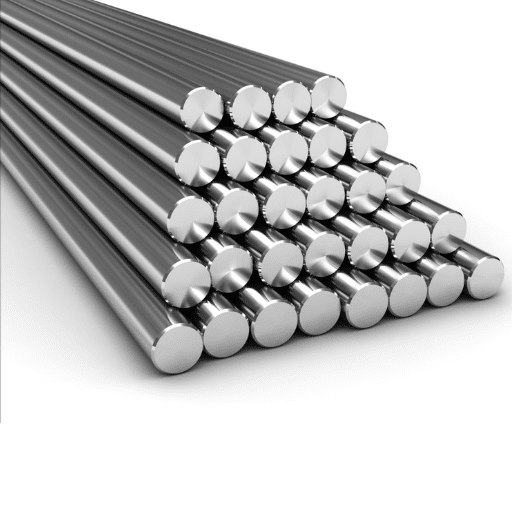
In the arena of high-performance alloys, Haynes 25 stands out with its unique features in important properties like high-temperature strength, oxidation resistance, and thermal stability. The following chart provides a comprehensive comparison with five such alloys which are widely used in the same applications:
Haynes 230
Strength: Disadvantage of slightly lower high-temperature strength when compared to Haynes 25.
Oxidation Resistance: Resistance is very good, but in certain environments, Haynes 25 has superiority.
Common Applications: Gas turbines, industrial heating components.
Notable Difference: The alloy has better formability but less thermal stability under cycling conditions.
Hastelloy X
Strength: The alloy conveys strong high-temperature performance but not as good as Haynes 25 in extreme conditions.
Oxidation Resistance: Resistance of good quality but Haynes 25 is the one which offers longer life in such atmospheres.
Common Applications: Combustion chambers, afterburners, and transition ducts.
Notable Difference: The alloy has greater ease of welding but a moderate reduction of toughness at elevated temperatures.
Waspaloy
Strength: This alloy has high strength, but its applications are limited to very specific high-stress conditions only.
Oxidation Resistance: Resistance is decent but less than Haynes 25 in long-term extreme heat exposure.
Common Applications: Jet engine components, turbine blades.
Notable Difference: Better creep resistance but the material is less compatible in corrosive environments.
INCONEL 718
Strength: The alloy has high-temperature strength which is adequate, however, prolonged heat would see Haynes 25 outdo the alloy.
Oxidation Resistance: Resistance is of moderate quality; it is still behind that of Haynes 25’s advanced protection.
Common Applications: Aerospace engines, nuclear reactor components.
Notable Difference: Weldability is excellent but the alloy is less suitable for ultra-high temperature applications.
Rene 41
Strength: The alloy has high-temperature strength which is comparable and can be used for high-stress applications.
Oxidation Resistance: At the same conditions, it is slightly lower than Haynes 25.
Common Applications: Turbine engines, afterburner components.
Notable Difference: The alloy is more suitable for some aerospace requirements and less effective in thermal cycling.
Conclusion: Even though other alloys have particular strengths in certain areas, the combination of high-temperature performance, corrosion resistance, and durability of Haynes 25 makes it the number one choice for critical aerospace applications. The material’s property of always keeping its integrity even in the harshest conditions is the factor that distinguishes it from the rest.
Haynes 25 vs. Other Cobalt Alloys
Haynes 25 vs. Nickel Alloys
Unique Advantages of Alloy L-605
- Outstanding High-Temperature Strength:
At elevated temperatures, Alloy L-605 shows the most extraordinary strength that comes out as the main advantage for its use in gas turbines and jet engines, etc., where the materials have to endure great heat. - Superior Oxidation Resistance:
That alloy has an amazing resistance to oxidation up to 2000°F (1093°C), which means excellent performance and longer life even in seriously hot thermal conditions. - Excellent Wear and Galling Resistance:
Alloy L-605 gives absolutely superb resistance against both wear and galling, which is really important when, for example, there are moving parts or if the atmosphere is abrasive. - Exceptional Corrosion Resistance:
This alloy is mostly recognized for its very high resistance to a wide range of corrosive environments including both oxidizing and reducing ones and thus may be used in both industrial and medical applications. - Versatility Across Industries:
The distinctive properties of Alloy L-605 make it a multi-industry material that can be used in aerospace, medical implants and electronics among others, thus, providing a long-lasting reliability even in demanding situations.
References
- Scientific.net:
The analysis of process parameters for turning cobalt-based super alloy Haynes 25/L 605 using design of experiment
Link to source - SSRN (Social Science Research Network):
Characterization of High Temperature Tensile Behaviors of Pulsed Fiber Laser Welding of Haynes 25 (L-605)
Link to source - OSTI (Office of Scientific and Technical Information):
Tensile and creep-rupture evaluation of a new heat of Haynes alloy 25
Link to source
Frequently Asked Questions (FAQ)
Can Haynes 25 (L-605) be welded and what are best practices?
Yes, Haynes 25 (L-605) can be welded with the right filler metals and welding techniques as it is a cobalt-nickel-chromium-tungsten alloy and can be used for TIG, plasma, or inert gas shielded welding. The weld preparation which involves cleaning the surfaces before welding, controlling the heat input, and carrying out the post-weld heat treatment if necessary are the factors that help retain the alloy’s high temperature strength and avoid room temperature ductility loss. Due to the tendency of alloy L605 (UNS R30605) to carbide precipitation and possible strain-age embrittlement in some cases, it is advisable to follow AMS specifications such as AMS 5537, AMS 5759, or AMS 5796 for welding and heat treatment. In the case of turbines and gas turbine components, it is advisable to use qualified weld procedures to ensure oxidation resistance and carburization resistance in service.
What is UNS R30605 / Haynes® 25 alloy and its primary composition?
UNS R30605, more popularly known as Haynes® 25 or L605 (alloy 25), is a cobalt-based alloy (cobalt-nickel-chromium-tungsten alloy) designed to provide a combination of superb high temperature strength and resistance to oxidation and corrosion. The composition comprises cobalt as the primary metal, with considerable nickel, chromium for oxidation resistance, and tungsten for high temperature strength and hardness characteristics. The chemistries contribute to alloy L605 being excellent in resisting carburization and metal galling thus making it fit for high-temperature applications up to 980°C (about 1800°F).
Where can I find a data sheet and key material properties for R30605?
You can get data sheet for R30605 (Haynes 25 / L605) from Haynes International, material suppliers, or standards organizations. The data sheet generally provides the mechanical properties including tensile strength, yield strength, and hardness in both annealed and cold worked conditions, the high temperature strength of up to 980°C (1800°F), the resistance to oxidation and carburization, the density, the thermal expansion, and the recommended heat treatments. Whenever you see references to AMS 5759, AMS 5796, and AMS 5537, it means those are the procurement and processing requirements you should follow and also check UNS R30605 or r30605 identifiers on the sheet for confirmation.
How does Haynes Alloy L605 perform in high temperature and combustion environments?
Haynes alloy L605,due to its being an excellent high temperature strength and oxidation-resistant material,is suitable for combustion and gas turbine applications such as military and commercial gas turbine components. The alloy loses good mechanical properties and resistance to many materials under high temperature but this has been documented to be up to 980°C. For continuous exposure up to 980°C (1800°F), consider design allowances and check AMS standards for component-specific requirements.
Are special filler metals or procedures required to weld UNS R30605 for turbine parts?
Filler metals that are compatible with the cobalt-nickel-chromium-tungsten chemical composition may be needed for weld turbine components made up of UNS R30605 in order to take care of corrosion and high-temperature strength issues. Use qualified welding consumables and follow procedure specifications such as AMS 5537 or AMS 5796 where applicable. Controlled preheat, interpass temperatures, and post-weld heat treatments lessen the chances of hot cracking and ensure retention of hardness characteristics in either the cold-worked or heat-treated condition. For critical gas turbine or combustion components, welding should be performed by certified welders under approved procedures.
What applications are quite suitable for Haynes 25 (alloy 25, L605)?
Haynes 25 is very much appropriate for the applications that demand substantial high-temperature strength and at the same time have good resistance to oxidation, carburization, and corrosive aqueous media. Typical applications are turbine blades, combustion liners, ball bearings and bearing races, seals, and aerospace components where high-temperature strength and oxidation resistance are crucial. Its beautiful resistance to metal galling and strong performance in hot, corrosive environments make it a preferred choice for gas turbine and military and commercial gas turbine applications.
How does cold working affect the properties and hardness characteristics of L605?
The strength and hardness characteristics of L605 increase when it is col-worked, and the cold-worked condition is often one of the strongest among the formable cobalt alloys. However, the significant cold work can bring about a reduced room temperature ductility and may also introduce residual stresses that would ultimately affect high temperature performance. It can be controlled cold working followed by thermal treatment to optimize strength with good resistance and reduce ductility loss. Always refer to the alloy data sheet and AMS specifications for setting of cold working limits and the recommended processing routes.
Conclusion
Haynes 25 (L-605) continues to prove itself as an exceptional cobalt-based superalloy in the aerospace industry and beyond. Its remarkable combination of high-temperature strength, oxidation resistance, and durability makes it an indispensable material for critical applications where performance and reliability are paramount.