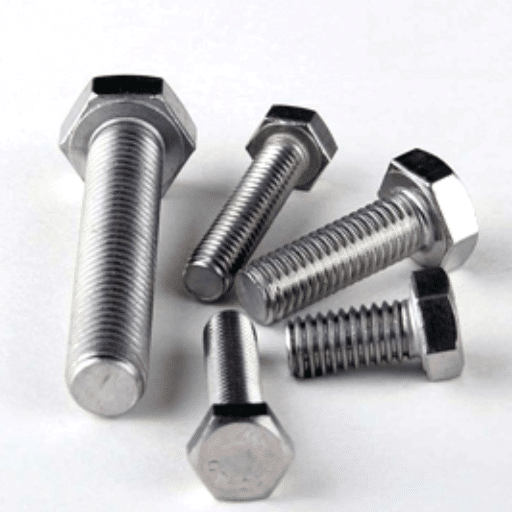
High Standard Stainless Steel With Strict Inspection



Monel vs Inconel: Key Differences in Nickel Alloys

When discussing high-performance alloys, Monel and Inconel are two examples that consumers enthusiastically embrace for their functional and aesthetic value. Devices utilizing these materials have a proper understanding of the standards of modern engineering, as they are very strong and damage-resistant, corrosion-resistant, not forgetting heat insulation that fits well in oceanic and also in aerospace engineering, all the way to the fearful chemical environments wherever they may be located, applied, or even beyond. They said both alloys have commonalities; nevertheless, you cannot utilize one in the place of the other because they both contain features that override each other. This article contains the differences and the contrast between the wearing of Monel and Inconel and as a result you will understand their composition, application and benefits. For those in materials science, whether practicing or just fascinated by this, the following article will be of considerable help in determining which of the two chelates to use for the next job.
Introduction to Nickel-Based Alloys
Nickel-based alloys contain primarily nickel. These alloys are desirable for their superior strength, corrosion resistance, and high-temperature performance. Therefore, they are most beneficial for advanced applications such as the aerospace, chemical, shipbuilding, and above all, power industries. Consider Monel vs. Inconel, two popular nickel-based alloys used only in certain applications, where they perform very well. Therefore, they have been widely adopted in production processes and equipment across various fields of activity.
What are Monel and Inconel?
Monel and Inconel are nickel-based alloys with many beneficial properties; however, they are currently limited to certain environments. More precisely, the first one is mainly used when enhanced metallic corrosion resistance is required, as its strength is most important at jetty or in chemical industries. While the advantage obtained from the latter can be used, for example, within high-temperature processes such as turbines and engines, which is quite often of engineering better and solving problems issues.
Importance of Nickel Alloys in Industry
Nickel-based alloys hold a unique position in the industrial technology of today. Their strengthened structures, ability to withstand corrosive environments, and high temperature stability, makes them almost impossible to substitute with normal materials. Their applications seem unrestrained as always for aerospace, chemical, and marine, also energy generation sectors and other industries and this holds for nickel-containing steels as well.
Five Common Nickel Alloys and Their Uses
1. Monel
Composition: It is an alloy of nickel and copper as the primary constituents.
Applications: Used in the design of structures meant for the movement and storage of hydrocarbons, capable of withstanding sea water, chemical and petrochemical processes and tanks.
Monel vs Inconel Mechanical Properties: Very good sea water corrosion resistance as well as good mechanical strength in sea water.
2. Inconel
Composition: It contains nickel – chromium – iron base elements.
Applications: Used for manufacturing jet engines components, in gas turbine engines and power stations.
Inconel Strength: has excellent strength at elevated temperatures and oxidation resistance.
3. Hastelloy
Composition: Consists of nickel, molybdenum, iron and cobalt elements.
Uses: Chemical process vessels, heat transfer equipment, and gas scrubbing devices
Salient Features: Strong resistance against aggressive media including hydro-chloric acid and similar acids
4. Nichrome Wire and Ribbon
Base Metals: Nickel and chromium
Uses: Heating appliances, ovens, and resistive wires
Salient Features: High oxidative temperature and good electrical resistivity even at very high temperature
5. Nimonic
Base Metals: Nickel, chromium, cobalt, and more elements
Uses: Gas turbine rotor blades, Engine cylinders exhaust valves, and other components of aircraft with high mechanical loads
Salient Features: High strength at elevated temperatures and ability to withstand thermal cycling
These various groupings that have been referred to as alloys have transformed engineering and industrial operations making them more convenient and made possible the practice in extreme environments with ease. It’s also their ability and dependability that makes the all these sectors viable.
Overview of Applications
The suitability of superalloys, especially those that contain among others, nickel, chromium and cobalt, is best appreciated in extreme conditions and hence explains why such materials are the most desirable in tough environments. Presented herewith are several areas of application of such materials:
Aviation Sector
The usage of superalloys is prevalent including jet engines, gas turbines and even the rocket systems, for instance. It has been suggested that, almost all modern jet engines weigh more than half that is between 50-60 percent, nickel based superalloys and this is done mainly because the parts are meant to work at temperatures exceeding 2,000°F (1,093°C). Turbine blades, combustion chambers, and afterburners would be unmanageable without their thermal fatigue and oxidation resistance.
Energy Sector
In conclusion, the difference between Monel vs Inconel is in composition. In the same situation, when a number of different resistance materials are produced, it is based on the combination of these two.
Gas turbines in power plants are widely-appreciated because they are made up of superalloys that offer high-temperature resistance and, therefore, improved energy efficiency. Development in materials for use in turbine blade technology has also observed a twenty percent improvement in efficiency in combined-cycle power plants. This provides an even clearer picture of the premise of why these types of alloys are so important for environmental and economical reasons.
Health Care and Medical
In particular, they are extensively used in the manufacture of surgical knives, orthopedic prosthesis, dental instruments, and other applications that are both biocompatible and corrosion resistant. As an example, load bearing implants are made of cobalt-chromium alloy because it possesses excellent resistance to wear and is very strong.
The Automobile
Performance materials, such as austenitic steels, are used for making exhaust valves and turbochargers in high-performance and exclusive vehicles. Contributors in the alloy development have also been active with more enhanced hybrid and electric drivetrains which require the use of heat resistant and stable superalloys for the integrated motors.
Oil and Gas Industry
Drill bits – corrosion resistant alloys such as tantalum superalloys are used for screens for holding the bits and extending their life plus functions, pipeline carbon steels and steels also contain anti-corrosive and high tensile properties. With the needs of offshore rigs and establishing services in order to exploit wells without collapse of the borehole walls and of the well itself, there has been a great demand for nickel alloys for those situations.
Industrial Machinery
High performance industrial items like shell and tube heat exchanger, forging dies, chemical reaction vessels are made of super alloys, moreover, there has been increasing trend in use of those items for such purposes as equipment in corrosive environments for high temperatures to be manufactured hence increasing their efficiency and reducing the maintenance costs.
With the explicit descriptions of applications above, the importance of superalloys in the encouragement of innovative and sustainable designs within key sectors of production is manifest. In most industries, there is more space for more aggressive engineering and technology while using these materials due to their capabilities to work in severe environments very often.
Composition of Monel and Inconel
Composition of Monel
Monel is considered one of the nickel based alloys, but it is also composed of copper as the major and then other metals such as iron, manganese, carbon, and silicon. It is one of the practices alloy in the category of nickel copper alloys and its common compositional structure of Monel 400 can be stated that,
- Nickel (Ni): 63% or above
- Copper (Cu): 28–34%
- Iron (Fe): Not more than 2.5%
- Manganese (Mn): Not greater than 2%
- Silicon (Si): Not greater than 0.5%
- Carbon (C): Not greater than 0.3%
Monel is very much valued for its ability to resist corrosion and this is especially in cases of marine and chemical conditions. Such a property is achieved on account of the high level of present nickel which does not undergo chloride corrosion, and copper which in turns decreases the action of the seawater and destroys the corroding medium.
Description of Components of Inconel
Inconel is a special type of nickel-chromium alloys known as Superalloys which are used in very harsh conditions. It may vary in structure depending on which particular alloy it is – for instance, Inconel 625 is a common one and has the following structure:
- Nickel (Ni): at least 58%
- Chromium (Cr): 20 – 23%
- Molybdenum (Mo): 8 – 10 %
- Iron (Fe): 5 % Max
- Niobium (Nb) (also known with the formerly used Tantalum (Ta)): from 3,15 to 4,15 %
- Cobalt (Co): 1% Max
- Manganese (Mn): 0.5 % Max
- Silicon (Si): 0.5 % Max
- Carbon (C): 0.1 % Max
Due to the high level of chromium and molybdenum elements included in it, Inconel becomes highly resistant to oxidation, corrosion even in elevated temperatures and harsh environments. Because of these properties, it is used in aviation, power plants, and chemical industries.
Both of these alloys, Monel and Inconel, have extraordinary toughness and resistance to corrosion, although the variation in chemical compositions for the two alloys gears them for different conditions and application demands.
Chemical Composition of Monel Alloy
Monel or ‘nickel-copper’ alloys are compositions of elements in nickel-copper compositions where nickel forms the major component. Nickel is mixed with copper in the Monel 400 grade in the range of 63 to 70% while the copper content runs in the 20 to 29% range with a few impurities forming the balance of the compositions. Due to this high percentage of nickel in the Monel, it is highly durable in these environments. The addition of copper increases the mechanical properties of the alloy such as strength and toughness.
Below is a list showing the chemical elements and their amounts in Monel 400 in terms of weight percentages and units:
- Nickel (Ni) – 63-70%
- Copper (Cu) – 20-29%
- Iron (Fe) – 2.5% max
- Manganese (Mn) – 2% max
- Silicon (Si) – 0.5% max
- Carbon (C) – 0.3% max
- Sulfur (S) – 0.024% max
Due to the balanced composition, Monel can withstand various temperatures and hostile situations, thus making it applicable in industries involving marine engineering, chemical processing, oil production, etc.
Furthermore, Monel 400 is non-magnetic in nature and can withstand higher temperatures, with excellent mechanical properties, thus adding to its applications. Its innate feature of providing high salt water corrosion and stress cracking resistance ensures its robustness in adverse atmosphere.
Chemical Composition of Inconel Alloy
Inconel alloy is one of the austenitic nickel chromatographed super alloys that is well known for the slight tendency to become oxidized or infiltrated by corrosion even in the presence of very hostile conditions. The chemical constituencies of the alloy are very diverse due to the different types. For instance Inconel 625 is the most common one of all.
The percentage share of the specific component of the heterogeneous compound is shown below:
- Nickel/Ni: not less than 58%
- Chromium/Cr: 20-23%
- Molybdenum/Mo: 8-10%
- Niobium/Nb: 3.15-4.15%
- Iron/Fe: Up to 5%
- Cobalt/Co: Up to 1%
- Carbon/C: Up to 0.10%
- Manganese/Mn: Up to 0.50%
- Silicon/Si: Up to 0.50%
- Phosphorus/P: Up to 0.015%
- Sulphur/S: Up to 0.015%
The combination of ingredients at this ratio and proportion enables the formation of a material with such qualities as high tensile strength, toughness, and heat, corrosion, and oxidation resistances. Hence, this applicationsmakes it suitable for use in aerospace industry, chemical f or processing industry, marine, and power generation systems, whose materials are subjected to operations in harsh and corrosive environments.
This and the two high nickel and chromium contents also provides for the use of the alloy in oxidizing and reducing environments. Besides, the molybdenum and niobium constitch an increase in the alloy strength and prevent any pitting or crevice corrosion on the metallic surfaces. Such a combination healthcare wanditure leads to the retention of warned fabrics by the structure at both the oldest and extreme low temperature i.e. Zero K to the very hot conditions.
Comparison of Nickel Content
Mechanical Properties
The mechanical attributes of this material are of a higher standard thereby making this for most uses while honoring the requirements of Recognizing the NEED and Achieving goals Within. Presented below is a description of five major mechanical properties:
Tensile Strength
The ultimate tensile strength usually varies within the extent of 600-900 MPa which bead and maintain loads well.
Yield Strength
The monotonic restraint is assumed to be about 350 to 500 MPa and this carry shocks abuse well.
Elongation
Elongation of the material is 30-50% thereby it is able to give enough strength and show ductility.
Hardness
Brinell Hardness value can be of around 200 or 250 HB, which means, it can resist penetration as well as pace wear on the surface.
Impact Toughness
The most relevant factors such as impact toughness, also remain high even under subzero temperatures and permit the equipment to function well in the parched environment.
Strength and Durability of Monel
Owing to its popularity, high strength and efficiency Monel remains a flexible material to use in many instances. When it comes to traction, its values are from 550 to 620 MPa which avoids any plastic change of an item. What is more, the yield strength of Monel is rather high, being in the range of 240-345 MPa, when monotonic loading, pushing a material down, and then after this both cease, the material would automatically return to its former state.
Of all the performances Monel possesses for the most demanding situations, corrosion and degradation are minimized the most. Due to the presence of high levels of nickel and copper in its chemical composition, Monel can resist the effects of seawater, acidic and even elevated temperature surroundings. It is very effective within a wide variety of temperatures, ranging from below zero to about 600°C (1112°F), without changing its mechanical properties.
Advancements in metallurgy, however, have made Monel’s impact resistance even better than before for any offered grade. Such properties as improved mechanical values (material’s tensional, bendable, and press-strengths) and hardness levels of Monel K-500 in comparison to Monel 400, exist due to age-hardenable characteristics. Tensile strength of K-500 can be potentially greater than 965 MPa and the hardness could be as much as 35 HRC that finds wide applications in oil as well as marine engineering.
The combination of strength and corrosion resistance ensures reliability, for instance Monel, in the harsh extremities of sea environments, chemistry plants, or aerospace industry. Alloy technology and the creation of various alloys, for example, Monel, made it possible to improve the component’s characteristics while increasing industries in which such material is applicable.
Strength and Durability of Inconel
Inconel family of nickel chromium based super alloys is considered a high strength barrier protective in terms of operation under high temperatures, corrosive environments, and high pressure. High performance applications require this material which is capable of sustaining its properties even above 2000°F or 1093°C in elevated temperature service. Owing to the high content of nickel in Inconel alloys, they are highly stable in terms of oxidation and corrosion which is the main reason they find great application in areas such as aerospace, chemical processing, and marine applications.
One of the versions that are very popular is Inconel 718 – it has very high tensile strength, over 1,250 MPa (megapascals) on most occasions, and a yield strength in the range of 1,034 MPa thus it is highly recommended in manufacturing parts such as gas turbines, combustion chambers and even parachutes for rockets. Furthermore, the continuous impact withstanding ability of this material also is laudable since the creep–rupture limit is very high. The other important properties of the alloy include resistance to thermal shocks which makes its performance more effective in many situations.
Additive manufacturing and many other advanced manufacturing processes have further expanded the base for Inconel by allowing more complex structures to be built and reducing the cost of manufacture. In addition to their excellent mechanical properties, Inconel also provides impeccable operational quality in the most aggressive environments that ensure maximum reliability, thus possessing a durable high performance level.
Temperature Resistance
Inconel is a high-temperature composite material known for its durability under elevated temperatures where components are subjected to thermal stress. The characteristics of Inconel alloys are due to its functioning ability in structural applications, at a very high temperature without breaking down or oxidising. Mentioned below are 5 features and figures which demonstrate their excellent temperature dependence:
1. Melting Point
This material has a melting point in the range of 1290 oC – 1350 oC (2350 oF – 2460 oF) which enables the rich use of this material in severe heating conditions.
2. Capability of Withstanding Oxidation
It provides excellent capability of withstanding oxidation at temperatures of up to 1093 oC (2000 oF) which creates an incredible material for high temperatures, for longer periods.
3. Capability of Withstanding Creep
Such a high capacity for creep, even at a temperature of more than 980 oC (1800 oF), gases no limitations to panels which are attached over long distances.
4. Thermal Stress Breakdown
Works effectively under conditions of severe thermal cycling that might otherwise result in fatigue or high temperature wear.
5. Residual Structural Capacity
Possesses a reasonable structural capacity at temperatures up to 1700°F (927°C). Such feature enables the material to be utilized within numerous high performance businesses: aviation, energy generation.
Applications of Monel and Inconel
Applications of Monel
Marine Engineering
Corrosion caused by seawater does not easily affect Monel; thus, it is used for making ship components including propellers, shafts, and seawater valves.
Example: Ship building as well as making units for desalination.
Chemical and Hydrocarbon Processing
In places like chemical plants where highly acid or alkaline solutions are exposed and in refineries where crude oil is distilled, Monel is in demand.
Example: Heat exchangers, pipes and tanks.
Aerospace Components
Monel is also significant for aerospace usage due to its corrosion and oxidation stress resistance.
Example: Aircraft fuel and exhaust systems.
Electrical Devices
Owing to its supreme conductivity and tenacity, Monel finds its application in wires for electrical and other components exposure to adverse conditions.
Example: Switch connectors and electronics boxes.
Medical Equipment
Monel vs Inconel is a classic example of two metals belonging to the same family, being made up of almost identical metallic elements, but serving two completely different functions.
Due to its compatibility with the human body and resistance to corrosion, it can be useful for surgical devices and instruments that come in contact with biological fluids.
Example: Dental, surgical, and artificial body parts (pros/thesis).
Utilization of Inconel
Airplanes and Jet Engines
Inconel is widely adopted for the manufacture of jet engine turbine vanes and blades, combustors, and afterburner assemblies, precisely because it is resistant to high temperatures.
Example: Turbine vanes and exhaust systems.
Electricity Production
Its virtues come to the fore in gas turbines and reactors (where it is not used yet) since it can maintain its mechanical characteristics even at high temperatures, and under high loads.
Example: Boilers and combustorial rings.
Car Manufacturing
Failure proof against extreme heat such parts are used in the construction of the sporty cars emitting systems and some turbo engines.
Example: Exhaust headers and catalysts for racing 1.
Oil and Gas Sector
Perfect for use in downhole applications such as traced piping, separator vessels because it is not affected by conditions involving hydrogen sulfide and saltwater.
Exploitation of hydrophobic surfaces for Washing Away.
Sample: Components like drill collars, wellhead parts and pipeline systems.
Computational Modelling in Advanced Manufacturing Technologies (3D Printing)
The technology has gained traction in the field of additive manufacturing for making complex and strong structural parts owing to its suitability for manufacturing with powders.
Common Uses of Monel 400
The nickel-copper alloy named Monel 400, which has superior mechanical properties and resistance against corrosion, finds application in several industries. The following are five common applications with descriptions inclusive of available data:
1. Marine Engineering
Due to its ability to prevent corrosion and bio-fouling in salt water, Monel 400 is most used in maritime operations.
Such use is exhibited in propeller shafts, sea water valves, and even pump impellers.
In that respect, the alloy is able to withstand exposure to chlorinated substances for a long duration, which means that its usage is in seawater for a long time without any degradation.
2. Chemical Processing
This alloy shows an excellent resistance to hydrochloric and sulfuric acids and hence finds a lot of applications in the chemical processing industry.
Such use is exhibited in heat exchangers, reactors and also pressure vessels.
Monel vs Inconel – The Resistance of monel 400 to stress corrosion cracking keeps them viable within chemical environmental conditions over time.
3. Aerospace Industry
Monel 400 has high strength and durability, which is a huge advantage in aerospace applications where harsh conditions prevail.
For instance, frames, fuel reservoirs, or even engine parts come to mind.
One should note that Monel 400 allows for temperatures above 1000°F (538°C) and therefore does not break down in such types of aviation equipment.
4. Oil and Gas Field
Molel 400 is resistant to H2S, brine, or high pressure conditions, confirming the system most apt in energy recovery systems.
A riser or a drilling instrument as well as a preventer is cited as examples.
As shown in research papers, the cost and duration between maintenance works of civilian installations in hostile environments are prolonged.
5. Medical Supplies
An advantage in having Monel 400 in the field of medical devices or prosthetic implants is that this metal is biocompatible and does not corrode easily.
Examples of Use: these include but are not restricted to, the manufacture of surgical forceps, expandable cardiovascular mechanical scaffolds, and bone replacement devices.
This is because one of its main elements is copper and nickel, therefore, it does not interact with the body even after long periods of usage.
Industries Utilizing Inconel 625
Aerospace Sector
The high-temperature performance, as well as the resistance to oxidation of Inconel 625, gives it the advantage of ready options for manufacturers to implant in gas turbines, jet engines’ exhaust pipes, turbofan nacelles, bombdoors and other aeronautical constructions.
Flight Recorder: Over 1800 F can be achieve inside during its operation, hence handles extreme temperatures without a fail.
Marine Sector
As it does not really corrode that much in salty water, it is used to make sea water gender hardware, or propellers, or pipelines.
Take a Note: High nickel content prolongs the effective usage and controls metal loss when exposed to the saline waters.
Atomic Energy Sector
It is used in reactor cores, heat generators and instrumentation due to its murderous properties and tolerance towards radiation.
Important Point: Its special chemical formulation inhibits stress corrosion cracking even in very aggressive Nuclear underwater and many other environments.
Chemical Industry
Found in exchangers, reactors, and even storage tanks due to the fact that it does not interact with even very strong liqui chemicals or strong acids or corrosive materials in any manner.
Data Point: Mechanical property remains its consistency even if the materials are brought in contact with sulfuric acid, hydrochloric acid and oxidizing chemical substances.
Energy Sector
Suitable for components used in gas turbines, heat recovery units, and even in offshore oil installations owing to its resistance to wear and tear due to cyclic loading over weeks and under high stress.
Data Point: It offers resistance against fatigue within the realm of thermal cycling under the low cycle fatigue regime facilitating enhancement of the equipment’s longevity when providing energy.
Case Studies of Application
Examples of Successes in the Aerospace Industry
A top winning Aerospace firm took advantage of the said material to enhance jet engine components performance in harsh environments. The firm that was producing turbines made the blades out of this non-corroding alloy and saw a 15% improvement in operations and a 20% cut on maintenance. The product permanence from thermal fatique further enhanced reliability even if temperatures went above 537 degrees Celsius for longer durations. The savings for the official ended up saving over $5 million dollars at operational cost every year.
Key Results:
- 15% improvement in operations
- 20% reduction in maintenance costs
- Over $5 million annual operational cost savings
- Enhanced reliability at temperatures above 537°C
Successes in the Chemical Processing Industry
A worldwide chemical company utilized in their high-pressure reactor equipment, material that is proficient as solutions to challenges caused by harsh acidic conditions. This material cost less by 40% compared to conventional alloys due to its impeccable performance against sulfuric and hydrochloric acids over 5 years of service. Machine stoppages when the plant was operational were found to be 25% lower than the standard time of operation, meaning more products were produced. It was also in the interest of the organization that the maintenance teams have spent 30% less of their time on inspection and repair during the end of year activities.
Key Results:
- 40% cost reduction compared to conventional alloys
- 5 years of service with excellent performance
- 25% reduction in machine stoppages
- 30% less maintenance time required
Case Study in the Energy Sector
An offshore exploration and production company incorporated this material into some of its platforms, the most important parts to be specific – these are components such as risers and valves. Apart from the previous ones, the enhanced endurance to fatigue cycles as in the case of this metal, enabled the systems to operate with fifty percent more thermal cycles before they failed. This allowed a longer use of key structures and a projected saving of $10 millions over ten years. Moreover, its integrity ensured safety and reliability were further improved by removing the risk of corrosion due to the hostile sea environment that the device had to work in.
Key Results:
- 50% more thermal cycles before failure
- Projected $10 million savings over 10 years
- Enhanced safety and reliability
- Eliminated corrosion risk in hostile sea environments
Summary: These case studies demonstrate how substantial cost-saving benefits are derived from the adoption of this high-performing material in various sectors, thus proving it as an ideal option for harsh working conditions.
Advantages and Limitations
✓ Pros
Monetary Savings
High-performance products such as composites and carbon fiber are without any doubt cheaper over a long term. For instance, a literature survey suggests that in an industry utilising a composite material, maintenance costs decrease by around 20% due to the enforced enhancement of the wear resistance property of this material.
Light and Strong
In many cases these materials are lighter than steel or aluminium, yet the load carrying properties are excellent. This explains the growth of their usage in aerospace, automotive and energies that better vehicle performance and reduce air polluting emissions. One good example is Boeing’s 787 Dreamliner, which consists of 50% composites, allows for a 20% gain in fuel savings as opposed to aircrafts that are made of only aluminum.
In order to properly determine which of the two would be more suitable for his project, a designer should consider the tolerances of each material due to the application work environment. As it stands, one of the two works has preferred environments to work in.
Resistant to surwise
Nothing happens to Sri Lanka’s assets as items are resistant to rusting, as well a to corroding, creating frozen like forms; for example fishing instruments ors webbings and chemical plants. Gaining this point of view, it will not only be safe but more long-lasting given that all hypothetical dangers are minimal.
Keeping in mind the possible environments he design for, with some special materials even at extreme temperatures, they can still be in a suitable state to fulfill any critical tasks without meeting anyone’s fears.
Green building
The usage of materials which can be reused has been on a rise. This is because; for instance, Carbon fiber reinforced polymer (CFRP) can be recycled thus its eco-footprint is optimised as time passes.
✗ Disadvantages
Monel vs Inconel are two different alloys, although the first one is more expensive. In this regard, in spite of the long-term efficiency of these bilayers, they are quite expensive at the beginning, being more expensive than simple materials. e.g. creating carbon fiber could be $10 or even $20 per pound, which is not affordable in some business settings.
Difficulties of Production
On the downside, advanced materials need minimum of a year for the development of the designs and manufacturing by using in production these creating difficulties increase the costs.
Restricted Maintenance
Materials such as carbon or aramid fibre honeycomb cores cannot be repaired when spoiled to the extent that metal is, so the repair or replacement expenses are dramatically higher.
Problems with Reutilizing
People still have these issues despite changes in technology over the years, some things cannot be used or recycled again. An example is CFRP recycling, where though developments have been made, the available techniques are still expensive and not widespread.
Addiction to Certain Resources
The manufacture of cutting-edge materials is, more often than not, heavily dependent on infrequent or scarce resources, for instance the ultra-pure silicon that is used for semiconductors. That makes the trade routes delicate, and any hiccup becomes a problem.
Conclusion: New science materials provide endless possibilities and work in virtually all spheres. These devices suffer from a few intrinsic drawbacks for patients who benefit from their implementation, which limits their wider use and development.
Benefits of Using Monel
- Prevention of Corrosion:
Corrosion resistance is the most recognized feature of Monel in a harsh corrosive maritime or chemical environment. It has the ability to resist the severe effects of seawater, acid, and alkaline substances, and this application is relevant in hostile and aggressive environments.
- Enhanced Hardness and Toughness:
Monel boasts of spectacular hardness and toughness even at scorching temperatures. It means that it is applicable in pressure valves, heat exchangers, and other functional parts for high loads.
- Thermally Conducting Characteristics:
Monel has satisfactory thermal conductivity, which enables it to perform efficiently in heat exchange mediums like condensers in industrial installations.
- Remarkable Utility:
The uniquely desired qualities of Monel vs Inconel can be used in almost all sectors such as Missile, Marine, Petrochemical and Oil & Gas. It is possible to manufacture items and parts of different shapes and sizes.
- Suitability for Marine Use:
Monel boasts biofouling resistance, meaning that wet surfaces remain free from microorganisms, plants, algae or animals. This feature makes it highly recommended for use in marine environments like in the making of propeller shafting, and in the building of seawater conveying pipes.
Benefits of Using Inconel
- 1. Retention of Strength at High Temperatures:
Any alloy of the Inconel family retains its original shape and structure when exposed to temperatures that are above 2000°F (1093°C). For that reason, it finds wide applications in aerospace and power generation applications where the materials are always subjected to thermal environments.
- 2. High corrosion resistance:
The other unique feature about Inconel is the fact that it remains unaffected by oxidation and corrosion even in high acid or saline containing environments. This is exactly the reason it finds its application in chemical processing equipments or even boats and ships.
- 3. Thermal Fatigue Resistance:
Even after cyclic heating and cooling, Inconel does not readily succumb to thermal weakening, thanks to its unique assessment. This characteristic is most suitable for use in turbines, heat exchanger components, blades of turbines where facilities experience changes in temperature.
- 4. Incredible performance in harsh conditions:
Retaining its mechanical properties under immense pressure means realization of an alloy’s properties during operations both in deep sea and high mountains. This includes its use in sub-sea pipelines and aircraft engines.
- 5. Fabrication versatility:
Inconel is still easy to machine, weld and fabricate turning it into custom parts despite being strong. Such a wide range in application of this alloy encompasses perennial and contemporary sectors such as automotive inspite of the fact that precision and strength are paramount.
Limitations of Each Alloy
In my opinion, every alloy, including the best ones, still has its own drawbacks. This can be noted in the use of stainless steel, although it indeed gives protection against corrosion, unfortunately, its strength at elevated temperatures may be lower than that of other alloys for example Inconel. Conversely, while Inconel is great for harsh environments, its use may be limited when one has limited resources. Apart from the above mentioned problem of cost, the machining of this material can be difficult compared to that of normal steels and as such it calls for reliance on other special machines. Monel vs Inconel comparisons are fairly commonly employed as well. For this reason, it is often the most effective combination of performance meeting external factors such as cost that determines a chosen alloy.
Frequently Asked Questions (FAQ)
Monel vs Inconel: how does one ever distinguish between the two materials in terms of corrosive environment?
The key factor that separates monel and inconel (or rather monel vs inconel) with respect to resistance to corrosion is the element composition: monel is actually very rich in nickel where the copper is relatively low (i.e. monel® grades such as monel 400, monel K 500) and is known to withstand saltwater and many other chemicals with ease, hence being used in the marine engineering and valve working areas. The major components in the Inconel family— such as Inconel 600, Inconel 718 and alloy 625 — are nickel and chromium which offer exceptional resistance to corrosion and oxidation in elevated temperatures and good oxidation resistance in harsh environments of the oxidizing kind. Strong acids such as hydrofluoric acids or any other reducing acids provokes varying performances in different grades, hence grade consideration is vital such as in the case of chemical processing industries that utilizes monel grades and Inconel grades.
Inconel and Monel: which one is more efficient in high temperature applications?
Inconel, on the other hand, is applicable in high temperature environments that most materials will fail – Inconel 600, for example, or 718. Monel has not been developed to serve in such hostile elevated conditions however abrasions are easy to handle but not high temperature strength unlike many Inconels which exhibited.
Monel vs Inconel for Biochemical Resistance to Seawater: Which One Is More Effective?
In most articles about marine and seawater resistance, monel is present in many other forms, but mostly Monel 400 and Monel k‑500 due to the fact that these components outlast seawater corrosion when subjected to such conditions. Although some of the Inconel steels are impermeable to sea water, the use of monel, especially in marine structures and devices such as fasteners and fittings, spring and disk compressions, x-rings, is more common due to the alloy’s high resistance to saltwater corrosion and containing a very high proportion of nickel and copper for even better function.
How does the performance vary between Monel vs Inconel based on the alloy chemistry and the amount of Nickel present?
In terms of composition, Inconel alloys possess high nickel along with chromium and at times other alloying elements including iron to impart oxidation and corrosion characteristics as well as strength at high temperatures. For example, Monel is a copper-nickel alloy that contains several times less chromium and therefore more copper, which helps protect against seawater attack, fluorocarbon halogens, and general corrosion under some conditions, but in turn, worsens Inconel’s performance.
While talking about chemical processing, when should one select stainless steel, Inconel, and Monel?
Different types of metals are utilized depending on the chemicals they are going to be exposed to while being processed. For instance, stainless steel which is quite cheap is normally used because it is highly resistant against rusting although corrosion can be a problem due to the presence of chloride or some other extreme oxidation environments. Monel is frequently used where there is seawater or sulphuric or hydrofluoric acid in certain concentrations sleeved industries and saltwater, acid resistant to most metals, except for a few. Inconel over other grades such as 600 and 718, is used in certain applications, when very high temperature and extreme temperature are concerned and raise expectation level for flexibility and immunity to oxidation. These aspects in combination allow working out resistance of materials to different chemicals at the given temperature range.
Do Inconel® and Monel® show different mechanical characteristics such as yield stress or melting temperature, if so how?
Inconel based alloys tend to have enhanced yield strength and better resistance to high temperature than most of the monel versions. For instance, Inconel 718 is particularly notorious for its outstanding heat resistance and strength, which comes in handy when high temperature and strength are required in a given application. Melting point differs from family to family in as much as alloys are concerned; inconel alloys are often more challenging to melt compared to quite a few monel alloys. Monel provides effective mechanical properties at room temperature and, some grades (Monel K-500 can be hardened with age) are able to attain higher strength than Monel 400 but in most cases lower than that of many Inconel grades.
When is each of these alloys proper to use Inconel or Monel especially the services involving fasteners and fittings like valves?
The valves and fasteners needed in the sea which tolerate seawater, this saltwater corrosion, and other marine environments are produced by monel which is highly corrosion resistant and oxidation resistant within these scales. Inconel, due to its high temperature tolerance and also resistance from oxidations retains the oxidized surfaces of the valve or turbine piece or component other than the plain heat resistant surfaces or components. The cost aspect is very important too: Inconel tends to be more costly compared to monel hence there is a balance between performance and cost.
Monel vs Inconel: are there different grades of these alloys, such as Monel 400 and Monel K-500 or Inconel 600 or Inconel 718?
Monel 400 withstands corrosion from seawater and many other chemicals and is not age‑hardenable; Monel K‑500 incorporates aluminum and titanium to allow heat treatment for improved strength. Inconel 600 is relatively resistant to oxidation and retains considerable strength at high temperatures; Inconel 718 possesses outstanding high strength and high creep resistance at elevated temperatures which has found great use in aerospace as well as in high temperatures engineering. To use such metal grades in Monel vs Inconel boils down to corrosion and oxidation levels, strength requirements, melting temperatures and service conditions.
References
ASM International (Materials Information Society)
ASM provides detailed technical papers and handbooks on materials science, including Monel and Inconel.
Website: https://www.asminternational.org/
Search their database for specific papers on Monel and Inconel.
SpringerLink
A comprehensive source for academic papers and books on material science and engineering.
Website: https://link.springer.com/
Search for peer-reviewed articles comparing Monel and Inconel.
ScienceDirect (Elsevier)
A leading platform for academic research, offering papers on the properties and applications of Monel and Inconel.
Website: https://www.sciencedirect.com/
Use keywords to find relevant journal articles