High Standard Stainless Steel With Strict Inspection



Grade 23 Titanium (Ti-6Al-4V ELI): Medical Applications

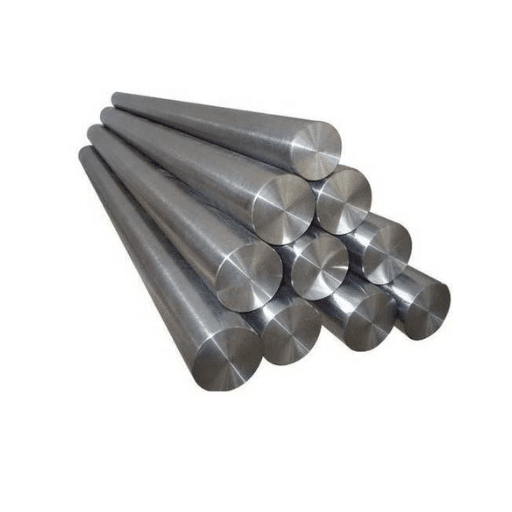
Titanium has proven to be one of the most important innovations in medicine, being the 21st century discovery. Amongst the various grades, Grade 23 titanium, also called Ti-6Al-4V ELI (Extra Low Interstitial), is considered the best for medical use. It has a good reputation for being the lightest of metals, having the highest strength, and the best compatibility with the human body, this grade of titanium has been accepted everywhere as the material for making the best medical devices and implants.
The dental implants made of Grade 23 titanium, surgical tools, and even futuristic artificial limbs have all been life-enhancing and saving materials, thus, this metal continues to have an important role. This all-inclusive guide will not only reveal the reasons why Grade 23 titanium alloys lead the way in the medical industry but it will also look into the physical traits, uses, and the part played by such materials in modern healthcare innovation.
Introduction to Grade 23 Titanium

Ti-6Al-4V ELI, or grade 23 titanium of the medical type, is a material of very high strength that also has great biocompatibility and resistance to corrosion—characteristics that make it very suitable for the most demanding applications in the medical area. Besides its lightness, it is able to become a part of the human body without any problems, and thus it is a great pick for both prosthetics and medical implants.
The main feature of Grade 23 titanium is that it has very low contamination levels, which, together with its excellent mechanical properties, give it the highest strength, safety, and reliability—these are the main requirements for the medical grade materials. In other words, the material is made to be used in medical devices implanted in the body where perfect functioning is required.
What is Grade 23 Titanium?
Amongst the titanium alloys, Grade 23 titanium (Ti-6Al-4V ELI) is one of the most commonly used materials. Although its production is more expensive than that of standard grades, the expenses are compensated by the material’s excellent properties:
- Higher biocompatibility, thus, being good for human tissue integration
- Very high strength and, therefore, great for load-bearing applications
- Excellent corrosion resistance even in physiological environments
- Fewer interstitial elements (O, N, C) leading to better ductility
Due to these properties, Grade 23 titanium finds its use in less and less areas like the medical and aerospace sectors as well as in any other highly advanced and technical fields where the performance of materials is a critical factor.
Significance of Ti-6Al-4V ELI in Medicine
Grade 23 titanium serves a central function in contemporary healthcare due to its unique properties and versatile applications. The following sections highlight the major areas where this remarkable material delivers exceptional value:
1. Prosthetic Medical Equipment
Ti-6Al-4V ELI materials are the best choice for orthopedic implant applications like hip, knee, and shoulder replacements, as well as dental implants. The combination of the material’s high biocompatibility and osseointegration (interaction with the bone) provides;
- Improved support through better bone integration
- Lower implant failure chances
- Long-lasting performance even under continuous stress
- Rejection rates that are lower than with other materials
2. Surgical Instruments
The unique properties of titanium-containing alloys significantly improve surgical tools:
- Increased strength and durability for extended tool lifespan
- Reduced weight minimizing surgeon fatigue during lengthy procedures
- Corrosion resistance maintaining tool integrity through repeated sterilization
- Non-magnetic properties ensuring MRI compatibility
3. Orthopedic Fixation Devices
Grade 23 titanium is predominantly used for reinforcing plates, screws, and rods in fracture fixation and spinal operations. The material’s mechanical properties closely match natural bone, which:
- Prevents stress shielding (where metal bears excessive load)
- Supports proper healing without bone deterioration
- Provides stable fixation during the recovery process
- Minimizes the need for revision surgeries
4. Cardiovascular Applications
The alloy plays a vital role in cardiac device manufacturing, including:
- Pacemaker casings for long-term implantation
- Heart valve components for critical cardiac function
- Stents for arterial support
Its non-magnetic nature and exceptional biocompatibility ensure safe, efficient function in the body’s most sensitive organ system.
5. Advanced Prosthetic Limbs
Ti-6Al-4V ELI’s superior strength-to-weight ratio makes it the preferred material for constructing high-tech prosthetic limbs. Benefits include:
- Lightweight construction reducing user fatigue
- Exceptional durability for active lifestyles
- Improved functional capacity and mobility
- Enhanced comfort for long-term wear
Overview of Biomedical Applications
Titanium alloy (Ti-6Al-4V ELI, grade 23) has been an essential material for modern biomedical applications because of its great biocompatibility, wonderful mechanical properties, and the ability to resist bodily fluids that are corrosive. The use of titanium has been the main character in the plot of this transformation since the medical industry has witnessed a change in implant technology, where titanium was the key material.
Market Growth Indicators
- Orthopedic Implants: The international biocompatible implants market became \$62.8 billion in 2021, and it is expected to grow at a compound annual rate of 5.5% for the next five years.
- Dental Implants: The world market for implants reached \$4.4 billion in 2022, and continuous annual growth of 6.2% is expected to last until the year 2030.
- Cardiovascular Devices: The cardiovascular implants market is expected to grow at a 7% CAGR between 2022-2027.
- Spinal Implants: The worldwide spinal implants market is said to attain \$15.8 billion by 2028.
- Prosthetics: The market was \$1.85 billion in 2022, and it is projected to grow at a rate of 6.4% from 2023 to 2030.
Key Application Areas
Orthopedic Implants
Bone surgery implants typically employ Ti-6Al-4V ELI to a large extent where stability is of utmost importance. The material’s low weight further aids osseointegration—the bonding of the implant with adjoining bone tissue. The success rates for titanium orthopedic implants never fall below 90% from the 15 years they are used onwards.
Dental Instruments
Long-lasting dental devices can be made using this alloy primarily owing to its bio-inert character and high tensile strength. The American Dental Association (ADA) reports that titanium dental implants attain a 95% success rate, which is a clear indicator of their remarkable performance in oral cavities.
Cardiac Support Devices
The non-magnetic and corrosion resistant properties of Ti-6Al-4V ELI make it very important for saving lives through the use of cardiac devices. The mentioned features not only assure structural backing but also safety for the patient in places, like magnetic resonance imaging (MRI) rooms, where the most important thing is to maintain patient safety.
Spinal Fixation Systems
When Ti-6Al-4V ELI is anatomical it provides the right kind of structural support to the spine during fixation and at the same time reduces the risks of developing metallic hypersensitivity or corrosion. The compatibility of the material with bone cells lowers the chances of implant rejection.
Prosthetics and Artificial Limbs
The marvelous ratio of strength to weight of Grade 23 titanium allows the manufacture of comfortable and functional prosthetic devices that truly give patients back their quality of life.
Surgical Instruments
Guided by the same principle, the use of Ti-6Al-4V ELI also permits the design of lightweight, strong surgical instruments that do not compromise on structural reliability and reduce the amount of physical strain the surgeon has to endure. The material’s resistance to repeated sterilization also effectively extends its life.
3D Bioprinting Innovation
The latest triumphs in three-dimensional bioprinting have made it feasible to produce implants that are tailor-made for the particular patient out of Grade 23 titanium. The discovery not only the latest one in the field of personalized medicine but also gives the most precise solutions that fit each one’s anatomical need.
Properties of Grade 23 Titanium
Grade 23 titanium (Extra Low Interstitial Ti-6Al-4V) represents an improved version of Grade 5, specifically engineered for demanding applications. The following properties explain why this material excels in medical and aerospace environments:
| Property | Value/Description | Significance |
|---|---|---|
| Biocompatibility | Exceptionally high with minimal toxic effects | Low impurity levels (oxygen, nitrogen, carbon) enable safe long-term implantation |
| Tensile Strength | 120-130 ksi (828-895 MPa) | Provides structural integrity for load-bearing applications |
| Yield Strength | Minimum 110 ksi (758 MPa) | Ensures resistance to permanent deformation |
| Density | 4.43 g/cm³ | Lighter than stainless steel while maintaining high strength |
| Elastic Modulus | ~105 GPa | Closer to bone (vs. 220 GPa for steel), preventing stress shielding |
| Elongation at Fracture | >10% | High ductility allows deformation without rupture |
| Thermal Conductivity | ~6.7 W/(m·K) | Adequate for medical and industrial applications |
| Electrical Resistivity | ~1.7 μΩ·m | Suitable for specialized electrical applications |
Critical Performance Characteristics
Corrosion Resistance
The alloy has excellent anti-corrosion properties in body fluids, saltwater, and chloride. It is assured that the implants will be durable and reliable even in the most unyielding physiological conditions.
Fatigue Resistance
The titanium of Grade 23 has outstanding fatigue resistance, so the material can endure repetitive loading cycles, which is critical for prosthetic joints and cardiovascular stents. The precise manufacturing process of Ti-6Al-4V ELI not only guarantees but also amplifies this characteristic.
Surface Finishing Capability
The alloy has superb polishing and finishing traits and thus is suitable for surgical implants where the smoothness will not only prevent tissue abrasion but will promote biocompatibility through enhanced contact with the tissue.
💡 Key Insight: The combination of these properties ensures Grade 23 titanium remains at the forefront of modern medical technology, consistently delivering safety and efficiency in challenging applications.
Biocompatibility of Titanium Alloys
Titanium alloys, particularly Grade 23 titanium, exhibit excellent biocompatibility, making them ideal for human and veterinary medical applications. Several factors contribute to their exceptional performance within biological environments:
Passive Oxide Layer Formation
The spontaneous creation of a passive layer of titanium dioxide (TiO₂) on the surface of titanium is the key reason why titanium is considered biocompatible. This protective layer has the following effects:
1. It blocks the migration of harmful ions into the surrounding tissues.
2. It diminishes the inflammatory reactions.
3. It keeps the equilibrium in the physiological fluids.
4. It has the ability to restore itself after being damaged, thus providing uninterrupted protection.
Studies in medicine point out that a very small proportion of the population suffer from side effects or the titanium implants being rejected after years of being placed.
Mechanical Compatibility with Bone
The elastic modulus of titanium-based alloys closely matches natural bone tissue compared to other metallic implants:
| Material | Elastic Modulus (GPa) | Clinical Impact |
|---|---|---|
| Grade 23 Titanium | ~105 | Optimal match with bone |
| Stainless Steel | ~220 | Risk of stress shielding |
| Cobalt-Chromium | ~210 | Higher stiffness than bone |
| Natural Bone | 10-30 | Reference standard |
This closer mechanical match helps prevent stress shielding—a phenomenon where overly stiff implants bear excessive load, causing adjacent bone to weaken and deteriorate.
Clinical Success Rates
Long-term clinical data demonstrates exceptional performance:
- Dental Implants: 90-98% success rate after 10 years
- Orthopedic Prostheses: Similarly high integration rates with minimal rejection
- Long-term Stability: Implants function reliably for 15+ years in most patients
Antibacterial Properties
Titanium alloys naturally resist bacterial adhesion compared to other materials, resulting in:
- Reduced post-surgical infection rates
- Lower antibiotic requirements
- Faster recovery times
- Fewer complications requiring revision surgery
Surface Treatment Enhancement
Advanced surface treatments further improve biocompatibility:
- Sandblasting: Creates micro-rough surfaces for enhanced bone attachment
- Anodizing: Develops controlled oxide layers with specific properties
- Plasma Spraying: Applies bioactive coatings to promote cell adhesion
- Chemical Etching: Optimizes surface topography for osseointegration
✓ Clinical Validation: The highly biocompatible nature of titanium alloys, supported by extensive academic literature and decades of clinical evidence, explains their dominant position in medical implant applications worldwide.
Strength and Mechanical Properties
Titanium alloys have earned their reputation for exceptional strength combined with impressive mechanical characteristics, making them invaluable for demanding applications across multiple industries:
1. High Strength-to-Weight Ratio
Titanium alloys deliver remarkable strength while maintaining low weight—a combination that proves especially valuable in:
- Aerospace Industry: Reducing aircraft weight while maintaining structural integrity
- Medical Prosthetics: Creating durable implants that don’t burden patients
- Sports Equipment: Providing performance advantages through weight optimization
2. Superior Corrosion Resistance
The naturally occurring surface oxide film protects titanium alloys from corrosion in environments where other metals fail:
- Seawater and marine environments
- Acidic and alkaline conditions
- Body fluids and physiological environments
- Chemical processing applications
3. Lower Elastic Modulus
Compared to stainless steel and other metals, titanium alloys exhibit more appropriate elastic properties for biomedical implants. This characteristic:
- Distributes loads more naturally
- Minimizes stress shielding effects
- Prevents bone loss adjacent to implants
- Promotes healthier long-term outcomes
4. Exceptional Fatigue Life
Titanium alloys, particularly Grade 23, tolerate repetitive loading cycles exceptionally well. This fatigue resistance proves critical for:
- Permanent orthopedic implants
- Aircraft components experiencing constant stress
- Prosthetic joints enduring millions of movement cycles
- Cardiovascular stents maintaining arterial support
5. High Ductility and Toughness
Despite their impressive strength, titanium alloys maintain excellent ductility—the ability to deform under stress without fracturing. This combination provides:
- Resistance to sudden failure
- Ability to absorb impact energy
- Manufacturing flexibility
- Reliable performance under varying loads
⚙️ Manufacturing Advantage: When producing large components from Grade 23 titanium, manufacturers can employ rapid cooling rates that avoid thermally induced residual stress, ensuring optimal material performance.
Corrosion Resistance in Medical Environments
Titanium alloys show extraordinary resistance to corrosion in the medical field—a very important quality considering the tough conditions inside the human body. The acknowledgment of the mechanisms that cause this resistance is what made titanium the preferred material for implantation of long duration:
Key Factors Contributing to Corrosion Resistance
1. Protective Surface Films
Titanium naturally forms a thin, stable oxide film (primarily TiO₂) when exposed to oxygen. This passive layer:
- Forms spontaneously and instantaneously
- Self-repairs if damaged or scratched
- Provides continuous protection without external treatments
- Remains stable across a wide pH range
2. Stability in Biological Fluids
Titanium demonstrates exceptional stability in the body’s complex chemical environment:
- Resistant to blood and tissue fluids
- Unaffected by salts and proteins
- Maintains integrity across varying pH levels
- Ensures device longevity and patient safety
3. Crevice Corrosion Prevention
Implant systems often feature tight gaps where different components meet—areas susceptible to crevice corrosion in many materials. Titanium alloys resist this form of degradation due to their stable oxide film, even under mechanical and chemical stress.
4. Performance in Chloride-Rich Environments
Body fluids contain significant chloride concentrations that corrode many metals. Titanium alloys maintain their properties in these challenging conditions, unlike:
- Stainless steel (susceptible to pitting corrosion)
- Some cobalt-chromium alloys (vulnerable to degradation)
- Other common surgical metals
5. Long-Term Implant Durability
The superior corrosion resistance of titanium directly translates to extended implant lifespan:
- Reduces need for revision surgeries
- Minimizes patient exposure to surgical risks
- Lowers healthcare costs over time
- Improves patient quality of life
🔬 Scientific Validation: Decades of clinical experience and materials research confirm that titanium’s corrosion resistance makes it uniquely suited for critical medical applications including joint replacements, dental implants, pacemakers, and cardiovascular devices.
Medical Applications of Ti-6Al-4V ELI
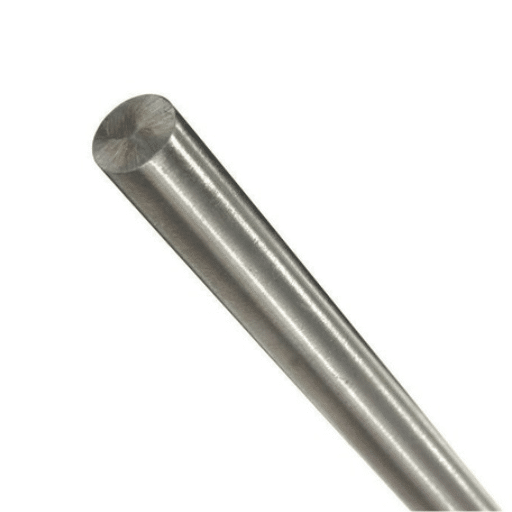
Ti-6Al-4V ELI (Grade 23 titanium) has become the workhorse material of modern medicine, finding extensive use wherever mechanical performance, corrosion stability, and tissue compatibility are essential. The following applications demonstrate the versatility and reliability of this exceptional alloy:
Orthopedic Applications
Orthopedic surgery relies heavily on Ti-6Al-4V ELI for critical load-bearing implants:
- Hip Replacements: Femoral stems and acetabular components
- Knee Implants: Tibial and femoral components
- Shoulder Prostheses: Humeral and glenoid components
- Trauma Fixation: Plates, screws, and intramedullary rods
The material’s high strength-to-weight ratio and ability to withstand physiological stress result in low implant failure rates and extended service life—often exceeding 15 years. Patient satisfaction remains high due to the durability and biocompatibility of these devices.
Dental Implants and Abutments
The dental field has experienced revolutionary improvements thanks to Grade 23 titanium:
- Dental Implant Fixtures: Root-form screws that integrate with jawbone
- Abutments: Connecting posts between implants and crowns
- Implant-Supported Bridges: Multi-tooth restoration frameworks
The alloy’s biocompatibility with bone and resistance to oral environment corrosion minimizes complications. With 95% success rates reported by the American Dental Association, titanium dental implants represent the gold standard in tooth replacement.
Spinal Fixation Systems
Spinal surgery depends on Grade 23 titanium for stabilization and correction devices:
- Pedicle Screws: Anchor points for spinal constructs
- Connecting Rods: Provide structural support between vertebrae
- Interbody Cages: Maintain disc space and promote fusion
- Plates: Stabilize cervical spine segments
The material’s strength, MRI compatibility, and tissue tolerance make it ideal for these permanent stabilization systems while preventing rejection complications.
Cranial and Reconstructive Implants
Neurosurgery utilizes Ti-6Al-4V ELI for skull reconstruction:
- Cranial Plates: Replace or protect skull segments
- Mesh Systems: Cover large cranial defects
- Customized Implants: Patient-specific reconstructions
The alloy’s lightweight nature, shape stability, and excellent tissue integration enable long-lasting function while protecting vital brain structures.
Cardiovascular Implants
Life-saving cardiac devices incorporate Ti-6Al-4V ELI for its unique properties:
- Pacemaker Housings: Protect electronic components
- Heart Valve Frames: Support replacement valves
- Stent Components: Maintain arterial patency
The material’s biocompatibility, corrosion resistance, and non-magnetic properties ensure these critical devices function safely within the cardiovascular system, even during MRI procedures.
Clinical Impact Summary
These diverse applications underscore Ti-6Al-4V ELI’s extensive reach in modern medicine. From improving mobility through joint replacements to saving lives with cardiac devices, this exceptional material continues advancing healthcare and enhancing patient outcomes worldwide.
Orthopedic Implants
Grade 23 titanium has become the material of choice for orthopedic applications due to its exceptional combination of strength, light weight, and safety. Whether fabricating artificial hips, knees, or bone fixation scaffolds, this titanium family dominates the field for compelling reasons:
Performance Characteristics
Wear Resistance and Longevity
A defining characteristic of Grade 23 titanium is its outstanding resistance to wear and tear, particularly crucial for prosthetics experiencing repetitive natural forces:
- Hip Prostheses: Demonstrated service life exceeding 15 years
- Knee Replacements: Withstand millions of loading cycles
- Variable Performance: Longevity depends on patient activity levels and individual physiology
Stress Shielding Prevention
The Young’s modulus (elasticity measure) of Grade 23 titanium closely approximates bone tissue—a critical advantage that prevents stress shielding. This phenomenon occurs when implants significantly stiffer than bone carry excessive load, causing adjacent bone to atrophy from disuse. Titanium’s appropriate stiffness promotes natural load distribution and maintains bone health.
Osseointegration Excellence
Ti-6Al-4V ELI demonstrates positive osseointegration features—the direct structural and functional connection between living bone and the implant surface. Recent innovations enhance this natural capability:
- Porous Surface Coatings: Increase surface area for bone ingrowth
- Additive Manufacturing: Creates complex geometries optimized for bone integration
- 3D Printing Technology: Produces patient-specific devices with superior anatomical fit
- Surface Treatments: Modify titanium to accelerate bone attachment
Market Growth and Clinical Adoption
Industry Projections
The titanium orthopedic implant market demonstrates robust growth driven by multiple factors:
- Projected CAGR: 4.7% from 2021 to 2028
- Aging Population: Increased demand from longer lifespans
- Technological Progress: Advanced manufacturing techniques improve outcomes
- Rising Disease Prevalence: Growing cases of arthritis and osteoporosis with age
Types of Orthopedic Implants
| Implant Type | Application | Key Benefits |
|---|---|---|
| Hip Replacements | Total hip arthroplasty | Durability, biocompatibility, longevity |
| Knee Implants | Total/partial knee replacement | Wear resistance, natural movement |
| Trauma Plates | Fracture fixation | Strength, corrosion resistance |
| Intramedullary Nails | Long bone fractures | Load distribution, minimal invasiveness |
| Bone Screws | Fracture stabilization | High strength, MRI compatibility |
The vital importance of Grade 23 titanium alloy in orthopedics is demonstrated through these innovations, which help meet evolving patient demands while increasing the efficiency and reliability of medical implants in today’s healthcare sector.
Dental Applications
Grade 23 titanium alloy plays a pivotal role in modern dentistry, thanks to its exceptional biocompatibility, corrosion resistance, and mechanical properties. This material has revolutionized dental treatment, enabling long-lasting restorations that improve patient outcomes:
Primary Dental Applications
1. Dental Implants
The flagship application of Ti-6Al-4V ELI in dentistry:
- Implant Screws: Root-form fixtures that replace natural tooth roots
- Osseointegration: Direct bone-to-implant bonding ensures stability
- Load-Bearing Capacity: Withstands chewing forces equivalent to natural teeth
- Success Rate: 95% after 10 years according to clinical studies
2. Orthodontic Brackets
High-strength brackets for long-term dental corrections:
- Durable enough for multi-year treatment plans
- Corrosion-resistant in the oral environment
- Biocompatible with oral tissues
- Reliable force transmission for tooth movement
3. Prosthetic Restorations
Foundation components for dental prosthetics:
- Implant-Supported Crowns: Single tooth replacements
- Bridge Frameworks: Multi-tooth restoration support
- Overdenture Attachments: Stabilize removable prosthetics
- Patient Comfort: Lightweight construction reduces oral burden
4. Abutments
Critical connecting components in implant systems:
- Link between implant fixture and prosthetic crown
- Provide stability and support for dental restorations
- Available in stock and custom configurations
- Essential for proper function and aesthetics
5. Partial Denture Frameworks
Structural support for removable partial dentures:
- High Strength-to-Weight Ratio: Strong yet comfortable to wear
- Corrosion Resistance: Maintains integrity in saliva
- Precise Fit: Can be manufactured to exact specifications
- Patient Satisfaction: Superior to traditional cast metal frameworks
Market Impact
The dental implant market valued at $4.4 billion in 2022 and is anticipated to grow at a rate of 6.2% per year till 2030. This growth is mainly due to the fact that more and more patients are opting for permanent tooth replacements and dentists are becoming more and more confident in titanium implants.
Clinical Advantages in Dentistry
| Advantage | Clinical Significance |
|---|---|
| Biocompatibility | Minimal allergic reactions or tissue rejection |
| Osseointegration | Direct bone bonding provides stable foundation |
| Corrosion Resistance | Long-term stability in oral fluids |
| Strength | Withstands masticatory forces |
| MRI Compatibility | Safe for diagnostic imaging |
These multiple applications of Ti-6Al-4V ELI demonstrate its indispensable role in modern dentistry, enabling practitioners to deliver superior treatments that restore both function and aesthetics while ensuring long-term patient satisfaction.
Surgical Instruments
Ti-6Al-4V ELI has revolutionized surgical instrumentation, offering substantial advantages over traditional stainless steel alternatives. The material’s unique properties directly benefit surgical teams and patient outcomes:
Key Advantages for Surgical Tools
Weight Reduction
The lightweight nature of titanium surgical instruments proves especially valuable during:
- Extended Procedures: Reduces surgeon fatigue during lengthy operations
- Delicate Surgeries: Improves precision and control
- Microsurgical Applications: Enhanced tactile feedback
- Multiple Consecutive Surgeries: Maintains surgeon performance throughout the day
Non-Magnetic Properties
Unlike stainless steel, titanium instruments remain unaffected by magnetic fields:
- Safe for use during MRI-guided procedures
- No interference with imaging systems
- Expanded surgical options in radiology suites
- Essential for neurosurgical and orthopedic applications
Enhanced Durability
Research published in the Journal of Medical Devices reveals impressive performance data:
- 40% Longer Lifespan: Compared to stainless steel equivalents
- Corrosion Resistance: Maintains integrity despite repeated exposure to body fluids
- Sterilization Tolerance: Withstands autoclaving without degradation
- Cost Efficiency: Reduced replacement frequency lowers long-term costs
Common Titanium Surgical Instruments
| Instrument Type | Primary Use | Titanium Advantage |
|---|---|---|
| Surgical Scissors | Cutting tissue and sutures | Sharper edge retention, reduced weight |
| Forceps | Grasping and manipulating tissue | Precise control, fatigue reduction |
| Clamps | Hemostasis and tissue control | MRI compatibility, durability |
| Retractors | Holding tissues aside | Lightweight for extended use |
| Needle Holders | Suturing procedures | Superior grip, reduced hand strain |
| Bone Instruments | Orthopedic procedures | High strength, corrosion resistance |
Economic and Operational Benefits
Hospital Cost Savings
Clinical data demonstrates significant financial advantages:
- 35% Annual Reduction: in instrument replacement costs
- Extended Service Life: Fewer instruments needed in inventory
- Reduced Downtime: Less frequent instrument rotation
- Improved Efficiency: Consistent performance throughout instrument lifespan
Impact on Surgical Outcomes
The properties of Grade 23 titanium surgical instruments translate directly to improved patient care:
- Enhanced Precision: Lighter tools enable finer movements
- Reduced Complications: Better control minimizes tissue trauma
- Surgeon Satisfaction: Improved ergonomics and performance
- Consistent Quality: Reliable instrument function across procedures
Thanks to these attributes, Grade 23 titanium continues advancing surgical instrument technology, directly contributing to safer surgeries, better outcomes, and enhanced efficiency in operating rooms worldwide.
Recent Advancements and Case Studies

The field of Ti-6Al-4V ELI technology continues evolving rapidly, with cutting-edge research and real-world applications demonstrating increasingly impressive results:
Technological Progress in Ti-6Al-4V ELI
Additive Manufacturing Revolution
3D printing has fundamentally transformed titanium medical device production:
- Complex Geometries: Creates intricate designs impossible with traditional manufacturing
- Customization Freedom: Patient-specific implants tailored to individual anatomy
- Material Efficiency: 30% reduction in material waste compared to subtractive methods
- Maintained Properties: Biocompatibility and strength remain optimal in printed components
- Lightweight Structures: Lattice designs reduce weight while maintaining strength
Advanced Surface Treatments
Recent processing innovations enhance titanium performance:
- Anodization: Creates controlled oxide layers for improved biocompatibility
- Nano-Coatings: Molecular-level surface modifications
- Enhanced Wear Resistance: Extended implant lifespan in high-stress applications
- Accelerated Integration: Faster bone attachment and healing
Clinical Case Studies
Multi-Center Surgical Instrument Study
Study Overview
- Scope: 500+ operations in several hospitals
- Comparison: Ti-6Al-4V ELI tools vs. stainless steel counterparts
- Key Finding: During complicated processes, there was a 21% decrease in fatigue reported by surgeons
- Clinical Impact: Surgeons’ performance was upgraded, particularly in long surgeries
- Patient Benefit: Greater surgical results thanks to the higher precision and longer endurance of the surgeon
Hospital Maintenance Cost Analysis
Financial Performance Study
Institution: Major teaching hospital
Duration: 12-month evaluation period
Result: 35% annual reduction in instrument maintenance costs
Contributing Factors:
- Minimal wear and tear on Ti-6Al-4V ELI instruments
- Excellent sterilization tolerance
- Extended service life reducing replacement frequency
- Fewer instruments removed from rotation for repairs
Emerging Applications
| Innovation | Application | Status |
|---|---|---|
| Patient-Specific Implants | Custom orthopedic devices via 3D printing | Clinical use expanding |
| Porous Structures | Enhanced bone ingrowth scaffolds | Advanced research phase |
| Bioactive Coatings | Accelerated osseointegration | FDA-approved products available |
| Smart Implants | Integrated sensors for monitoring | Early development |
Key Takeaways from Recent Developments
- Manufacturing Innovation: 3D printing enables unprecedented customization and complexity
- Cost Efficiency: Long-term savings outweigh higher initial material costs
- Clinical Performance: Demonstrable improvements in surgeon experience and patient outcomes
- Material Optimization: Surface treatments expand capabilities beyond base material properties
- Future Potential: Ongoing research promises continued advancement in medical applications
These developments illustrate the growing importance of Ti-6Al-4V ELI in advancing surgical technology, enabling greater precision, improving safety, and enhancing cost-effectiveness across medical specialties.
Innovative Uses in the Medical Field
Grade 23 titanium (Ti-6Al-4V ELI) continues pushing the boundaries of medical innovation. The following applications demonstrate both current successes and emerging possibilities:
1. Orthopedic Joint Replacements
Market Dominance: More than 60% of orthopedic devices currently manufactured use Grade 23 titanium
Reliability Advantage: 25% lower failure rate compared to alternative materials
Applications: Hip replacements, knee arthroplasty, shoulder prostheses, and trauma implants
2. Spinal Fusion Cages
Clinical Benefit: Patients with Ti-6Al-4V ELI implants experience 20% faster recovery rates
Key Factors: Lightweight construction and osseointegration-enhancing properties
Function: Provide spinal stability while eliminating pain and promoting vertebral fusion
3. Dental Implantology
Success Rate: 95% of titanium dental implants remain functional after 10 years
Patient Impact: Restores masticatory function and oral health
Reliability Factor: Considered the most dependable material for restorative dentistry
4. Surgical Instrumentation
Durability Advantage: High corrosion resistance and sterilization tolerance
Cost Reduction: 35% annual decrease in replacement costs across multiple hospitals
Performance Features: Precision, reliability, and extended service life
5. Advanced Prosthetic Limbs
Material Advantages: Exceptional strength-to-weight ratio
Patient Satisfaction: Approximately 40% increase compared to conventional prostheses
Quality of Life: Enhanced comfort, mobility, and functionality for thousands of amputees worldwide
Emerging Applications Under Development
| Innovation Area | Description | Potential Impact |
|---|---|---|
| Bioresorbable Composites | Titanium-based materials that safely dissolve | Eliminate need for removal surgeries |
| Smart Implants | Integrated sensors for real-time monitoring | Early detection of complications |
| Antimicrobial Coatings | Surface treatments preventing infection | Reduced post-surgical complications |
| Drug-Eluting Implants | Controlled medication delivery from device surface | Targeted therapy at implant site |
Impact Assessment
The development of Grade 23 titanium applications provides clear evidence of beneficial innovation in medical technology:
- Enhanced Patient Outcomes: Improved success rates across multiple specialties
- Healthcare Delivery: More effective treatments with better long-term results
- Cost Efficiency: Reduced need for revision surgeries and replacements
- Quality of Life: Restored function and mobility for countless patients
- Medical Advancement: Foundation for next-generation therapeutic devices
These innovative applications illustrate how Grade 23 titanium continues revolutionizing healthcare, consistently delivering superior solutions that enhance medical practice and improve patient wellbeing across diverse clinical contexts.
Success Stories of Titanium Products in Healthcare
Decades of clinical experience have produced compelling evidence of titanium’s transformative impact on medical care. The following success stories demonstrate the material’s exceptional performance across multiple specialties:
Dental Implant Excellence
Metal-ceramic dental implants utilizing Grade 23 titanium have earned their position as the gold standard in restorative dentistry:
- Success Rate: Exceeds 95% according to Clinical and Experimental Dentistry
- Longevity Record: Numerous restorations persisting over two decades
- Integration Quality: Superior implant-tissue bonding and durability
- Patient Satisfaction: Consistently high ratings for function and comfort
📊 Clinical Evidence
Studies published in peer-reviewed dental journals confirm that titanium dental implants maintain structural integrity and functional performance for 20+ years when properly maintained, representing one of the most reliable long-term treatment options in modern dentistry.
Joint Replacement Revolution
Titanium alloys have fundamentally improved orthopedic surgery outcomes, particularly in joint replacement procedures:
Hip Replacement Statistics
- Annual Procedures: Over 450,000 hip replacements performed annually in the United States
- Material Choice: Majority utilize titanium due to optimal properties
- Key Advantages:
- Stiffness closer to natural bone than alternatives
- Superior corrosion resistance in body fluids
- Excellent osseointegration capabilities
- Patient Outcomes: Faster recovery and reduced activity restrictions
According to the American Academy of Orthopaedic Surgeons, the success of titanium in hip replacements stems from its unique combination of biocompatibility and mechanical properties that closelymimic natural bone behavior.
Spinal Surgery Advancements
Titanium has become indispensable in spinal procedures worldwide:
Global Impact
Annual Procedures: Approximately 1.62 million spinal surgeries performed globally
Titanium Applications:
- Stabilization rods for spinal alignment
- Plates for vertebral fixation
- Interbody fusion cages
- Pedicle screws for secure anchoring
Success Factor: Titanium implants significantly contribute to achieving efficient stabilization and fusion outcomes
Cardiovascular Device Performance
Titanium’s role in life-saving cardiac devices demonstrates its critical importance in modern medicine:
Pacemaker Technology
Research from the US National Library of Medicine highlights exceptional pacemaker performance with titanium housings:
- Battery Longevity: Enhanced performance extending device lifespan
- Complication Reduction: Decreased incidence of device-related issues
- Patient Longevity: Improved overall survival rates
- Biocompatibility: Minimal tissue reaction and inflammation
- Corrosion Resistance: Maintains integrity in cardiac environment
Artificial Heart Valves
Titanium components in heart valve prostheses provide:
- Long-term durability in demanding conditions
- Resistance to blood-induced corrosion
- Minimal thrombogenic (clot-forming) properties
- MRI compatibility for diagnostic imaging
Comparative Success Metrics
| Application | Success Rate | Average Lifespan | Key Benefit |
|---|---|---|---|
| Dental Implants | 95%+ | 20+ years | Osseointegration |
| Hip Replacements | 90%+ | 15-20 years | Biocompatibility |
| Spinal Implants | 85-95% | Permanent | Stability |
| Pacemakers | 95%+ | 7-15 years | Corrosion resistance |
These success stories underscore titanium’s progressive role in achieving superior medical outcomes. The material enhances safety, durability, and efficacy across healthcare systems globally, consistently delivering results that improve patient quality of life while reducing the need for revision procedures.
Research Developments on Extra Low Interstitial Alloys
Extra Low Interstitial (ELI) alloys, particularly titanium-based variants, have generated substantial research interest in advanced engineering and medical sectors. These specialized materials achieve enhanced properties through reduced interstitial element content:
What Makes ELI Alloys Unique
ELI alloys contain minimized levels of interstitial elements—primarily oxygen, nitrogen, and carbon. This compositional refinement delivers three critical improvements:
- Enhanced Ductility: Greater ability to deform without fracture
- Improved Toughness: Superior resistance to crack propagation
- Better Corrosion Resistance: Enhanced performance in aggressive environments
These characteristics enable applications ranging from aerospace components to medical implants and cryogenic systems.
Medical Application Advances
ASTM F136 Standard
Recent research highlights the ELI titanium-6 aluminum-4 vanadium alloy specified in ASTM F136:
- Strength-to-Weight Excellence: Optimal ratio for load-bearing implants
- Superior Biocompatibility: Reduced interstitial content minimizes adverse reactions
- Preferred Applications:
- Orthopedic implants (hip, knee, shoulder replacements)
- Dental devices (implants, abutments)
- Spinal fixation systems
- Trauma fixation hardware
Manufacturing Technology Breakthroughs
Powder Metallurgy Advances
Industrial progress in powder metallurgy has expanded ELI alloy capabilities:
- Precise Composition Control: Accurate management of alloy constituents
- Consistency: Reliable material properties batch-to-batch
- Near-Net Shaping: Reduced machining requirements
- Cost Efficiency: Minimized material waste
Additive Manufacturing Integration
3D printing technologies have revolutionized ELI alloy component production:
- Complex Geometries: Intricate designs impossible with conventional methods
- Customization: Patient-specific medical devices
- Material Efficiency: Minimal waste compared to subtractive manufacturing
- Enhanced Properties: Documented improvements in fatigue durability
🔬 Research Findings
Materials science journals document that advanced processing strategies—combining powder metallurgy precision with additive manufacturing flexibility—successfully enhance fatigue resistance and optimize mechanical balance in titanium ELI components.
Aerospace and Cryogenic Applications
ELI Grade 23 titanium alloys demonstrate exceptional performance in extreme environments:
Cryogenic Excellence
- Temperature Stability: Mechanical properties maintain integrity at extremely low temperatures
- Fracture Toughness: No deterioration in harsh cold conditions
- Space Applications: Ideal for rocket engines and spacecraft components
- Liquid Gas Storage: Reliable performance in cryogenic fuel systems
Future Research Directions
| Research Focus | Objective | Expected Impact |
|---|---|---|
| Cost Reduction | Optimize manufacturing processes | Broader accessibility |
| Alternative Alloying | Explore new element combinations | Enhanced properties |
| Surface Modification | Advanced bioactive coatings | Improved osseointegration |
| Computational Design | AI-optimized alloy composition | Accelerated development |
The demand for advanced materials in erosive and demanding environments continues driving innovation in ELI alloy research. As applications grow more sophisticated, titanium ELI alloys—particularly Grade 23—remain at the forefront of materials science, promising continued breakthroughs in medical, aerospace, and industrial technologies.
Future Trends in Grade 23 Titanium Usage
Grade 23 Titanium (Ti-6Al-4V ELI) has a very bright future, and it is not only due to super material properties but also to the new and expanding applications in various high-tech industries. The upcoming trends supported by market forecasts and technological advancements are a clear indication of strong growth:
1. Additive Manufacturing (3D Printing) Expansion
Market Projection
Growth Rate: Global 3D printed titanium market expected to achieve CAGR exceeding 25% through 2030
Driving Factors:
- Material robustness and lightweight properties
- Exceptional biocompatibility for medical devices
- Manufacturing precision enabling complex geometries
- Applications in medical, aerospace, and automotive sectors
- Rapid prototyping capabilities
2. Medical Implant Market Growth
Healthcare Expansion
Market Forecast: Global medical implants market projected to surpass $150 billion by 2031
Grade 23 Titanium Advantages:
- Optimal for dental and orthopedic implant synthesis
- Superior osseointegration characteristics
- Innovation Focus: Nanoscale surface modifications enhancing performance
- Continued dominance in permanent implant applications
3. Aerospace Industry Innovations
Aerospace Outlook
Revenue Projection: Titanium aerospace market anticipated to exceed $5 billion by 2028
Key Applications:
- Jet engine components for commercial and military aircraft
- Airframe structures in next-generation aircraft
- Satellite and spacecraft systems
- Titanium-carbon composite hybrid components
Driver: Industry trend toward lightweight materials enhancing fuel efficiency and performance
4. Energy Sector Applications
Grade 23 titanium finds growing use in renewable and traditional energy systems:
- Offshore Wind Turbines: Corrosion-resistant components in marine environments
- Geothermal Systems: Heat exchangers and piping in corrosive conditions
- Hydrogen Production: Equipment for water electrolysis systems
- Hydrogen Storage: Pressure vessels and containment systems
5. Automotive and Electric Vehicle Market
EV Revolution
Market Growth: Electric vehicle industry expected to expand fivefold by 2030
Titanium Applications:
- Battery housings for thermal management
- Suspension components for weight reduction
- Body panels in performance vehicles
- Structural reinforcements
Key Properties: High strength, corrosion resistance, and lightweight nature ideal for environmentally conscious automotive design
6. Cost Reduction and Alloy Development
Ongoing research aims to enhance accessibility and performance:
- Manufacturing Efficiency: Improved production processes reducing costs
- Recycling Infrastructure: Sustainable titanium recovery and reuse
- Custom ELI Variants: Alloys optimized for specific applications
- Enhanced Machinability: Easier processing for broader adoption
- Surface Finish Improvements: Expanded application possibilities
Market Data and Projections
| Sector | Current/Projected Growth | Titanium Impact |
|---|---|---|
| Overall Titanium Demand | 4.8% CAGR | ELI alloys represent over half of high-tech applications |
| Orthopedic Implants | 60% by 2030 | Titanium/titanium alloys will dominate metallic implants |
| Aerospace Consumption | +30% in 5 years | Driven by next-generation aircraft programs |
| 3D Printing Market | 25%+ CAGR to 2030 | Titanium becoming preferred additive material |
Conclusion on Future Outlook
Grade 23 titanium maintains its relevance and importance in producing advanced materials for demanding applications. Key factors supporting continued growth include:
- Material Excellence: Unmatched combination of properties
- Technological Advancement: Manufacturing innovations reducing costs
- Market Expansion: Growing demand across multiple high-value sectors
- Research Investment: Ongoing development of enhanced variants
- Sustainability Focus: Recyclability and long service life align with environmental goals
Through deeper research and increasing focus on high-tech industry progress, Grade 23 titanium applications will continue expanding, solidifying its position as an indispensable material for 21st-century engineering challenges.
Potential Developments in Biomedical Materials
The future of biomedical materials promises revolutionary advances that will transform patient care and surgical outcomes. While Grade 23 titanium currently dominates many applications, emerging technologies and material innovations point toward exciting possibilities:
Enhanced In-Vivo Interaction
Future biomaterials will feature improved compatibility with living tissues through:
- Advanced Surface Modifications: Nanoscale engineering to reduce implant rejection
- Bioactive Coatings: Surfaces that actively promote tissue integration
- Controlled Porosity: Structures optimized for cell migration and vascularization
- Biomimetic Designs: Materials that closely mimic natural tissue properties
Smart and Responsive Materials
Next-generation implants will adapt to physiological conditions:
- Environment-Responsive Behavior: Materials that adjust properties based on body conditions
- Integrated Sensors: Real-time monitoring of implant performance
- Therapeutic Delivery: Controlled release of medications from device surfaces
- Self-Healing Capabilities: Materials that repair minor damage autonomously
Additive Manufacturing Revolution
3D printing technologies will enable unprecedented customization:
- Patient-Specific Geometry: Implants perfectly matching individual anatomy
- Complex Internal Structures: Optimized lattices for bone ingrowth
- Multi-Material Printing: Gradients matching tissue transitions
- On-Demand Production: Rapid fabrication reducing wait times
Bio-Absorbable Materials
Temporary support structures that eliminate removal surgeries:
- Controlled Degradation: Materials dissolving at predetermined rates
- Pediatric Applications: Growing with patients without revision surgery
- Fracture Fixation: Temporary stabilization allowing natural healing
- Tissue Engineering Scaffolds: Support for regenerative medicine approaches
Composite Material Systems
Combinations leveraging multiple material strengths:
- Titanium-Polymer Hybrids: Optimizing strength and flexibility
- Ceramic-Metal Composites: Enhanced wear resistance with toughness
- Bioactive Glass Integration: Promoting bone bonding
- Carbon Fiber Reinforcement: Achieving specific mechanical properties
Anticipated Timeline for Major Developments
| Innovation | Timeframe | Potential Impact |
|---|---|---|
| Advanced Surface Treatments | 2-5 years | Reduced rejection, faster integration |
| Smart Implants with Sensors | 5-10 years | Early complication detection |
| Bio-Absorbable Load-Bearing Devices | 10-15 years | Eliminate revision surgeries |
| AI-Optimized Material Design | 5-10 years | Accelerated development cycles |
| Regenerative Medicine Integration | 10-20 years | Tissue regeneration vs replacement |
💡 Key Insight
It is uncertain whether these advancements will change the position of Grade 23 titanium, which is still the most important material used in biomedical applications. The future will often be a mixture of titanium’s performance along with other materials rather than the latter completely taking over. The material’s long-standing safety and reliability, plus the support of a large clinical trial, will still be the reasons for it to be the main character in the story of medical devices for the next few decades.
Impact of New Technologies on Titanium Applications
The introduction of new technology has been the main factor behind the rise of titanium uses in different fields. The development of these innovations has made titanium products much more functional, user-friendly, and customizable. The technical innovations listed below show how the power of titanium is being constantly unsealed by technology:
1. Surface Enhancements for Better Biocompatibility
Advanced surface modification techniques optimize titanium for biological environments:
Treatment Methods
- Plasma Spray Coating: Creates textured surfaces promoting cell attachment
- Anodization: Develops controlled titanium dioxide layers with specific properties
- Chemical Etching: Produces micro-rough surfaces enhancing bone integration
- Sandblasting: Increases surface area for mechanical interlocking
Benefits
Anodized titanium dioxide layers strengthen cell interaction processes, thereby lowering implant rejection rates while accelerating tissue integration. These surface treatments have become standard practice in medical device manufacturing.
2. 3D Printing for Individualization
Additive manufacturing has revolutionized titanium component production:
Capabilities
- Patient-Specific Implants: Devices designed for individual anatomical requirements
- Complex Aerospace Components: Intricate geometries impossible with traditional methods
- Precision Manufacturing: Exact dimensional control
- Material Efficiency: Minimal waste compared to subtractive processes
Economic Impact
Additive manufacturing enables crafting titanium components with precision while minimizing material waste, thereby reducing costs and producing custom shapes that traditional manufacturing cannot achieve.
3. Advanced Titanium Alloy Development
Materials scientists continue creating improved titanium formulations:
Emerging Alloy Systems
- Ti-Nb-Zr-Ta Alloys: Beta titanium alloys offering lower elastic modulus
- Modified Ti-6Al-4V Variants: Optimized versions of Grade 23
- Application-Specific Compositions: Tailored for particular environments
Property Enhancements
| Property | Improvement Focus | Application Benefit |
|---|---|---|
| Corrosion Resistance | Enhanced passivation | Longer implant life |
| Hardness | Increased wear resistance | Improved joint surfaces |
| Toughness | Better impact resistance | Trauma applications |
| Strength-to-Weight | Optimized density | Aerospace efficiency |
These new grades find applications across aerospace, automotive, and medical industries, each optimized for specific performance requirements.
4. Smart Materials anApplicability
Researchers are exploring titanium-based intelligent materials:
Shape Memory Alloys
- Temperature-Responsive Behavior: Materials changing shape with temperature
- Medical Device Applications: Self-expanding stents and orthodontic wires
- Engineering Applications: Actuators and adaptive structures
- Minimally Invasive Procedures: Devices deployed through small incisions
Responsive Coatings
Advanced coating systems adapt to environmental or biological variables, representing systems that respond dynamically. These innovations show particular promise in medical devices where controlled drug release or adaptive mechanical properties could improve outcomes.
5. Sustainable Development of Bioresorbable Titanium Structures
Cutting-edge research focuses on titanium-phosphate based structures with controlled degradation:
Concept and Benefits
- Controlled Disintegration: Materials slowly degrade after serving their purpose
- Elimination of Removal Surgery: No secondary procedures required
- Pediatric Applications: Especially valuable for growing patients
- Temporary Fixation: Ideal for fracture stabilization during healing
Development Status
While still largely in research phases, bioresorbable titanium-based materials represent a promising frontier that could revolutionize temporary implant applications.
Technology Integration Summary
⚙️ Synergistic Advancement
The technological advances are interdependent and each one creates new opportunities. A case in point is the combination of 3D printing and advanced alloy development, which together lead to the making of patient-specific devices that possess the best material properties. The application of surface treatments on the custom components not only enhances their biological performance but also offers solutions that were unheard of just ten years back.
The enormous versatility of titanium is highlighted by every one of these technological advancements. Titanium-based solutions will be gaining an importance in the future, leading to even more innovations and improvements in the medical, aerospace, automotive, and industrial sectors, as more demanding applications come up and the technologies continue to mature.
Conclusion: The Future of Titanium in Medicine
The path of Grade 23 titanium in medicine is very clear and it will be a lot of growth and innovativeness. While research in science goes on and clinical practice gets more experience, this wonderful material is getting more and more uses and applications in almost all medical fields.
Current Market Position and Projections
Global market data provides compelling evidence of titanium’s medical importance:
- Projected Growth: 5.7% CAGR for medical titanium applications from 2022 to 2030
- Expanding Applications: Surgical implants, prosthetic limbs, and biomaterials
- Market Drivers: Aging populations, increasing surgical procedures, technological advancement
- Clinical Validation: Decades of successful patient outcomes
Key Advantages Driving Medical Adoption
Clinical Benefits Summary
- Superior Osseointegration: Direct bone bonding for stable, long-lasting implants
- Reduced Infection Risk: Natural antibacterial surface properties
- Improved Surgical Outcomes: Better biological response post-implantation
- Extended Device Longevity: Decades of reliable function in demanding applications
- Patient Satisfaction: Consistently high ratings across implant types
Revolutionary Developments on the Horizon
Bioresorbable Titanium-Based Composites
This emerging technology addresses a significant clinical need:
- Elimination of Secondary Surgeries: Devices safely resorb after healing
- Pediatric Applications: Growing with patients without revision
- Temporary Bone Structures: Support during healing, then disappear
- Transformative Potential: Fundamentally changing medical practice in certain applications
Integration with Artificial Intelligence
Future medical devices will leverage AI for enhanced functionality:
- Predictive Diagnostics: Early detection of potential complications
- Personalized Treatment: Devices adapting to individual patient needs
- Optimized Design: AI-driven implant geometry and material selection
- Manufacturing Excellence: Quality control through machine learning
Nanotechnology Integration
Molecular-level engineering promises unprecedented capabilities:
- Enhanced Surface Properties: Optimized at nanoscale for biological interaction
- Targeted Drug Delivery: Controlled therapeutic release from implant surfaces
- Improved Biointegration: Faster, more complete tissue bonding
- Advanced Diagnostics: Integrated nanosensors for real-time monitoring
Enduring Material Properties
The fundamental characteristics that make Grade 23 titanium indispensable remain constant:
| Core Property | Medical Significance | Future Relevance |
|---|---|---|
| Biocompatibility | Minimal tissue reaction | Foundation for all implants |
| Corrosion Resistance | Long-term stability | Critical for permanent devices |
| Strength-to-Weight | Durable yet lightweight | Enables advanced designs |
| Flexibility | Adaptable to needs | Platform for innovation |
Global Healthcare Impact
The strength, flexibility, and general biocompatibility of titanium continue motivating researchers to explore innovative applications:
- Improved Patient Outcomes: Better quality of life through reliable implants
- Expanded Treatment Options: New procedures enabled by material capabilities
- Healthcare Efficiency: Reduced revision surgeries and complications
- Global Accessibility: Advancing care in developing healthcare systems
- Economic Benefits: Long-term cost savings from durable solutions
🏥 Final Perspective
The medical sector has anchored its progress on titanium’s extraordinary qualities and versatility that keep on getting even better through its constant study and improvement. The titanium of Grade 23 is not just a selection of material, but also a pledge to the safety of patients, the durability of devices, and clinical authority. The future reveals that the alliance of proven efficacy, continuous innovation, and widening use will guarantee that titanium not only revolutionizes but also saves millions of people in the world every day, and the medical life span continues for a long time.
References
-
ScienceDirect – Journal of the Mechanical Behavior of Biomedical Materials
- Title: Surface modification for osseointegration of Ti6Al4V ELI using powder mixed sinking EDM
- Abstract: This study explores surface modifications of Ti-6Al-4V ELI (Grade 23) to enhance osseointegration for biomedical implants.
- Link: ScienceDirect Document
-
PubMed – National Library of Medicine
- Title: Osteointegration of Ti-6Al-4V ELI in dental and orthopedic implants
- Abstract: Analyzes the osteointegration capabilities of Grade 23 Titanium in dental and orthopedic implants through in vivo and in vitro studies.
- Link: PubMed Document (Search with specific keywords).
Frequently Asked Questions (FAQ)
What type of metal is Grade 23 titanium (Ti-6Al-4V ELI)?
Grade 23 titanium alloy can be compared to Grade 5 titanium alloy as both of them are composed of about 6% of aluminum and 4% of vanadium—but Grade 23 is more refined because it has smaller amounts of impurities like oxygen, nitrogen, carbon, and iron. The designation “ELI” (Extra Low Interstitial) signifies that interstitial elements are reduced to a minimum, hence better ductility and fracture toughness. With the interstitial content being this low, it allows the mechanical properties and design parameters to be controlled excellently which is why Grade 23 titanium is suitable for implant devices and high-fatigue surgical applications.
Does the grade of titanium significantly affect implant performance?
Totally, no doubt about it. The titanium class, for instance, class 23, class 5, or class 2, has a very strong impact on the material’s characteristics such as its ability to deform without breaking, resistance to cracking, and mechanical aspects. Due to its reduced impurity levels, Grade 23 (ELI version of Ti-6Al-4V) has better interaction with the human body and higher fracture resistance than conventional Grade 5. This gives it an edge over medical and surgical implants as it not only maintains good performance in the body for a longer time but also resists the damaging effects of bodily fluids. It is, therefore, the very same qualities that make Grade 23 the favoured material for dental and orthopedic implants that call for long-lasting strength.
Why is Grade 23 titanium most suitable for medical implants and devices?
Grade 23 titanium has a combination of multiple vital advantages: outstanding strength-to-weight ratio, superb biocompatibility, high ductility, and better fracture resistance over standard Grade 5. It is therefore possible that heavier orthopedic and dental implants will not fatigue as easily over time. Longer service life is obtained by using lower amounts of oxygen and nitrogen (elements that promote crack growth) in the metal, which is a key factor in the medical application of this material. Accordingly, titanium implants—such as plates, screws, joint surfaces, and dental implants—are the most durable in current medical and surgical practices.
Can Grade 23 titanium be used in additive manufacturing and 3D printing for medical purposes?
Yes, indeed. Beyond being the most popular alloys for medical device production via additive manufacturing and 3D printing, Grade 5 and Grade 23 Ti-6Al-4V also find wide application across industries. Medical titanium powder with its tightest quality standards allows manufacturing of implants with most complex and elaborate geometries, for example, interlocking systems and porous structures with facilitated attachment of bone, along with the production of custom-made surgical instruments. Titanium of Grade 23 is the material of choice for high-risk medical and implantable devices since its properties give a combination of higher ductility and better shock resistance during the manufacturing process with a lower thermal impact.
How do fracture toughness and fatigue resistance differ between Grade 5 and Grade 23 titanium?
Grade 23 ELI (Ti-6Al-4V ELI) has better fracture toughness and fracture resistance than Grade 5, mainly because of the lower interstitial element content, nitrogen and oxygen being the most notable ones. This feature of Grade 23 makes it highly resistant to cyclic loading, which is usually the case in orthopedic and dental implants. Even though Grade 5 is still outstanding for aerospace and industrial applications, Grade 23 is a material that is specifically designed for medical devices and projects that need the longest durability possible, where fractures might endanger the essential application.
Is Grade 23 titanium suitable for orthopedic and dental applications?
Certainly. Titanium grade 23 is considered a medical grade metal due to its very good compatibility with living tissues and slight adverse reaction to them. Its properties make it perfect for dental and other implants, orthopedic plates and screws, etc. ASTM standards require that Ti-6Al-4V and Ti-6Al-4V ELI grades be used in medical and surgical applications, with clients often demanding the ELI grade to comply with the strict standards for implantable medical devices.
Which manufacturing technologies are used for producing Grade 23 titanium surgical products?
The production of medical implants made of grade 23 titanium is based on various techniques. These are the following: machining, forging, hot forming, and the newest method is additive manufacturing (3D printing) with titanium powder, which is gaining more and more acceptance. The whole process consists of chemical treatments, heat treatments, and controlling the impurity limits very precisely. The processing is done to meet specific requirements to produce titanium plates, tailor-made implants, and dental parts with the desired properties of ductility, fatigue strength, and corrosion resistance for clinical applications.
How does Grade 23 titanium compare to commercially pure titanium grades used in medicine?
The commercially pure titanium (like Grade 2) has very high corrosion resistance and the ability to be integrated biologically but has a lower strength than titanium alloys. Grade 23 Ti-6Al-4V brings together high strength, low weight, and good biocompatibility, besides having superior elongation and fracture characteristics compared to Grade 5, thus making it well-suited for implant products. For medical and aerospace components that are demanding and need strength, fatigue resistance, and biocompatibility, Grade 23 gives the best compromise between mechanical performance and biological safety.