High Standard Stainless Steel With Strict Inspection



Commercially Pure Titanium Grades (1, 2, 3, 4): Understanding the Different Grades of Titanium

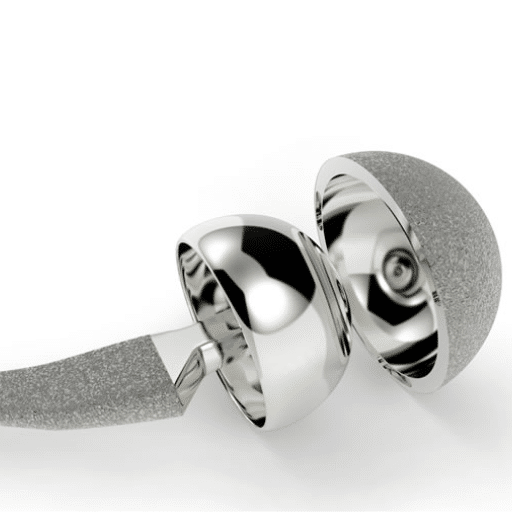
Titanium, the element, has been, and still is, the go-to material in various sectors due to its remarkable properties of high strength, corrosion resistance, and light weight. The purest forms of titanium, which are grades 1, 2, 3, and 4, are the most versatile among the titanium family and have their own characteristics that render them indispensable in different industries. What really sets these grades apart from each other, and how do you go about picking the one that is most suitable for your application?
This detailed guide to commercially pure titanium covers every aspect of the material, outlining the distinctions, benefits, and uses of each grade. If your field is aviation, medical, chemical processing, or industrial, knowing these grades will help you make informed decisions for your upcoming project.
Introduction to Commercially Pure Titanium
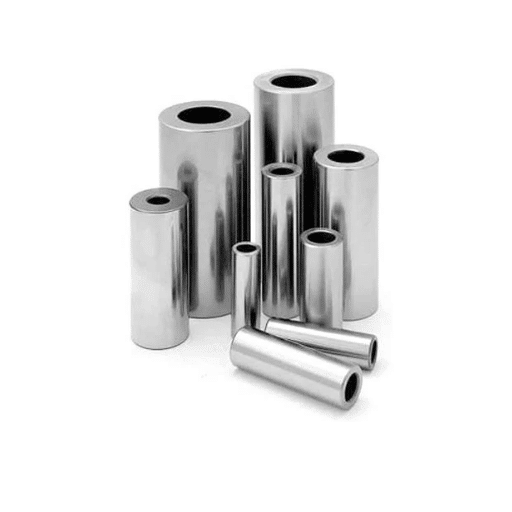
Commercially pure titanium contains minimal alloying element; at least 99% purity is required. By virtue of such purity, it exhibits properties such as excellent corrosion resistance, a high strength-to-weight ratio, and good biocompatibility. These virtues are why it is used as a core element across fields such as aerospace, medical devices, and industrial manufacturing.
The four grades of commercially pure titanium differ primarily in oxygen content, which in turn affects their strength and ductility. The range of compositions gives engineers and designers the opportunity to choose the best grade for their particular needs; thus, titanium of the commercial purity grade becomes very versatile and dependable even in the most uncompromising application areas.
Why Commercially Pure Titanium Matters
Due to its distinctive characteristics and versatility, commercially pure titanium is still the most in-demand metal for the industrial sector. The following are the five most essential characteristics that underlie its significance:
1. Exceptional Corrosion Resistance
Commercially pure titanium’s primary property is its high corrosion resistance, particularly in seawater and acidic environments. This feature has led to widespread adoption in the marine, chemical, and desalination industries. Surprisingly, the rate of titanium corrosion in seawater is as low as 0.00036 mm per year, demonstrating its remarkable resistance to degradation under harsh conditions.
2. Superior Strength-to-Weight Ratio
The exceptional strength-to-weight ratio of commercially pure titanium makes it a must-have in aerospace. It is the primary metal used in the manufacture of airframes and engines, where reducing weight without sacrificing durability is critical. This trait improves fuel economy and, thus, aircraft performance.
3. Biocompatibility
The biocompatibility of titanium has made it the first material choice in the medical field for implants and prosthetics. Its ability to naturally bond with human bones through osseointegration ensures not only patient safety but also implant durability, making it indispensable in the healthcare sector.
4. Thermal and Electrical Conductivity
Titanium is not as good as copper or aluminum for electrical and thermal conductivity, but it has fair properties. The combination of these properties with titanium’s strength and corrosion resistance makes it a valuable material for the power generation and heat exchanger sectors, where extreme-temperature durability is a requirement.
5. Environmental Sustainability
Titanium can be fully recycled, making it an environmentally friendly metal and a significant contribution to environmental sustainability. Its very low maintenance needs, outstanding longevity, and eco-friendly properties all point to it being a perfect choice for long-term use in a range of industries.
Applications of Pure Titanium Across Industries
Aerospace Industry
Along with other properties, titanium has the highest strength-to-weight ratio and other qualities it possesses that make it indispensable in the aerospace industry. Pure titanium is used primarily in the manufacture of aircraft frames, engine components, and landing gear, thereby reducing the overall weight of the aircraft and improving fuel efficiency.
Medical Field
Titanium has a wide range of medical applications due to its high biocompatibility and low toxicity. Among the main applications in the orthopedic field, we can find implants, dental implants and surgical instruments. The corrosion resistance of titanium keeps it in the body for a long time, making it the best metal for critical medical applications.
Marine Engineering
Marine applications prefer titanium to other metals because it does not corrode in seawater, unlike carbon steels and even stainless steels. The main application of titanium is in shipbuilding, propeller shafts and seawater desalination plants, which can thus operate for the longest possible time without any maintenance in the most demanding marine environments.
Chemical Processing Industry
Titanium is a must-have in the chemical industry for manufacturing and processing equipment such as heat exchangers, reactors, and storage tanks. The metal can withstand highly corrosive substances such as acids and chlorides, resulting in a long service life and safe, efficient operations.
Automotive Industry
The car uses a titanium alloy’s strength and light weight benefits, such as exhaust systems, connecting rods, and high-power engine parts. The combination of lightness and strength in titanium significantly improves vehicle performance and fuel economy.
Complete Overview of Titanium Grades
Titanium in various grades is available, each designed to meet specific industry requirements or applications. The grades of titanium are usually divided into two groups: commercially pure and alloyed. The following is a detailed guide that lists the grades most commonly applied:
Commercially Pure (CP) Titanium Grades
| Grade | Tensile Strength (MPa) | Yield Strength (MPa) | Elongation (%) | Primary Applications |
|---|---|---|---|---|
| Grade 1 | ~240 | ~140 | ~24 | Chemical processing, marine equipment |
| Grade 2 | ~345 | ~275 | ~20 | Heat exchangers, airplane parts |
| Grade 3 | ~450 | ~380 | ~18 | Aerospace, chemical processing |
| Grade 4 | ~550 | ~485 | ~15 | Medical implants, marine environments |
Popular Titanium Alloy Grades
| Grade | Tensile Strength (MPa) | Yield Strength (MPa) | Elongation (%) | Primary Applications |
|---|---|---|---|---|
| Grade 5 (Ti-6Al-4V) | ~900 | ~880 | ~10 | Aerospace, biomedical, automotive |
| Grade 9 (Ti-3Al-2.5V) | ~620 | ~483 | ~15 | Sports equipment, aerospace |
| Grade 23 (Ti-6Al-4V ELI) | ~860 | ~795 | ~15 | Surgical implants |
Selection Tip: The choice of titanium grade depends primarily on the strength, corrosion resistance, and formability requirements of your specific application. Understanding these differences ensures optimal material selection for your project.
Titanium Grade 1: The Most Ductile Choice
Titanium Grade 1 is considered the softest and most ductile of all titanium grades and as such it boasts outstanding corrosion resistance and also outstanding forming ability. The material consists mainly of titanium, with very small amounts of iron (Fe) and oxygen (O), with the oxygen content typically kept below 0.18%. The grade is classified as commercially pure titanium with a tensile strength of around 240 MPa (34.8 ksi) and a yield strength of approximately 170 MPa (24.6 ksi). The elongation at break is usually around 24-30% which indeed it one of the main reasons why it is classified as the most formable grade.
Key Properties of Titanium Grade 1
- ✓ Mechanical Strength: While being the softest titanium grade, it provides sufficient strength for numerous industrial and chemical operations.
- ✓ Density: Approximately 4.51 g/cm³, embodying titanium’s desirable lightweight properties.
- ✓ Exceptional Corrosion Resistance: Grade 1 is completely resistant to oxidizing and mildly reducing environments, making it ideal for marine applications, chemical processing equipment, and desalination plants.
- ✓ Thermal Conductivity: Comparatively less thermally conductive than alloyed grades, making it suitable for heat exchanger applications requiring efficient heat transfer.
- ✓ Outstanding Biocompatibility: Highly compatible with the human body, making it suitable for medical implants and devices without causing adverse reactions.
Primary Applications of Titanium Grade 1
Chemical Industry
Used extensively in piping systems, heat exchangers, and tanks handling corrosive chemicals.
Aerospace
Found in select non-structural aerospace components where corrosion resistance is most valuable.
Medical
Utilized in manufacturing surgical tools and equipment due to excellent biocompatibility.
Marine
Ideal for seawater service systems including desalination plants and shipboard piping, thanks to superior resistance to saltwater corrosion.
Energy Sector
Beneficial for geothermal and hydroelectric systems requiring resistance to erosive fluid handling effects.
Advantages of Using Titanium Grade 1
| Corrosion Resistance | Outstanding performance in hostile environments including seawater, chlorides, and acidic conditions, making it preferred for marine and chemical processing applications. |
| High Strength-to-Weight Ratio | Combines high strength with low density, ideal for applications where weight reduction is crucial, such as aerospace components and sports equipment. |
| Thermal Stability | Maintains mechanical properties at elevated temperatures, beneficial for heat exchangers, energy systems, and high-temperature industrial environments. |
| Superior Workability | Excellent ductility and machinability reduce production costs and increase fabrication efficiency for complex manufacturing processes. |
Comparison Note: While Grade 1 has less mechanical strength than Grade 5 and other grades, its high ductility and excellent corrosion resistance make it the right choice when flexibility and durability in challenging environments are prioritized.
Titanium Grade 2: The Industry Workhorse
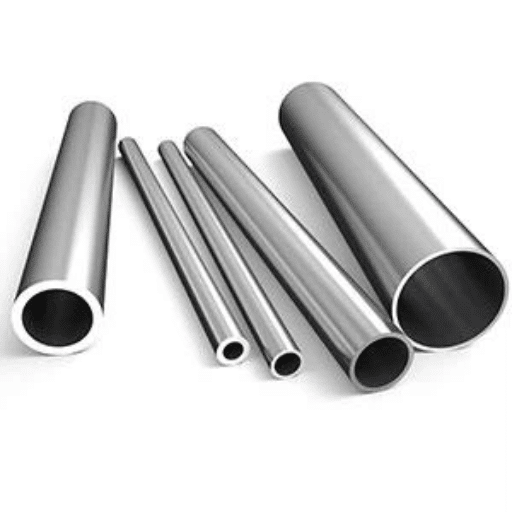
Titanium Grade 2 is a pure titanium alloy characterized by remarkable chemical resistance, ductility, and a high strength-to-weight ratio. It is commonly known as the “workhorse” among pure titanium grades, accepted across a wide range of applications owing to its property balance and ease of fabrication. The alloy consists of 99% titanium, with very low levels of interstitial elements such as oxygen, iron, and nitrogen that help maintain its remarkable physical and chemical properties.
Technical Specifications of Titanium Grade 2
| Property | Value |
|---|---|
| Tensile Strength | ~345 MPa (50,000 psi) |
| Yield Strength | ~275 MPa (40,000 psi) |
| Density | 4.51 g/cm³ |
| Melting Point | ~1,650°C (3,000°F) |
| Chemical Stability | Excellent in oxidizing and mildly reducing environments |
Key Properties of Titanium Grade 2
- High Strength-to-Weight Ratio: Significantly lighter than many other metals while maintaining excellent strength, making it crucial for aerospace and automotive industries.
- Exceptional Corrosion Resistance: Highly resistant to corrosion, particularly in environments containing seawater, chlorides, and acids, making it widely used in marine and chemical processing industries.
- Excellent Ductility: Despite its strength, remains sufficiently ductile to be formed into complex shapes without breaking.
- Outstanding Weldability: Maintains strength and integrity in welded joints, making it a preferred choice for construction and industrial manufacturing.
- Biocompatibility: Non-toxic and biocompatible, frequently applied in medical implants and tools, making it reliable and versatile for healthcare applications.
Primary Applications of Titanium Grade 2
🌊 Marine and Offshore Industries
Extensively used for seawater tubing, shipbuilding, and desalination plants due to its exceptional resistance to salty and corrosive marine environments.
⚗️ Chemical Processing
Primary material for heat exchangers, reactors, and piping systems due to its enormous resistance to chemicals and acids commonly used in chemical processing.
✈️ Aerospace Applications
Utilized in engine casings, airframes, and hydraulic systems, where its combination of lightness and strength delivers optimal performance.
⚕️ Medical Applications
Employed in medical devices, implants, prosthetics, and surgical instruments, ensuring patient safety and long-lasting performance due to excellent biocompatibility.
⚡ Power Generation
Applied in condenser tubes and turbine components where resistance to corrosion and low maintenance requirements are essential.
Benefits of Using Titanium Grade 2
- ✓ Excellent Formability: Highly pliable and easily takes on different forms, resulting in flexibility for manufacturing complex parts and custom components while maintaining required strength.
- ✓ Thermal Stability: Outstanding thermal stability allows use in high-temperature applications such as heat exchangers, condensers, and industrial equipment operating in elevated temperature settings.
- ✓ Extended Lifespan: Resistance to wear, corrosion, and mechanical stresses ensures reduced replacement frequency, delivering cost efficiency in construction, healthcare, and energy production sectors.
- ✓ Fuel Efficiency Impact: In aerospace applications, conservative titanium use can improve fuel efficiency by up to 10% while maintaining or enhancing performance levels.
Grade Comparison: Both Grade 1 and Grade 2 exhibit excellent corrosion resistance and low weight. However, Grade 2 offers higher tensile strength with a slight trade-off in ductility. Grade 1 is typically selected for applications that prioritize flexibility and softer materials, while Grade 2 is suited to applications requiring greater strength and durability.
Titanium Grade 3: The Balanced Performer
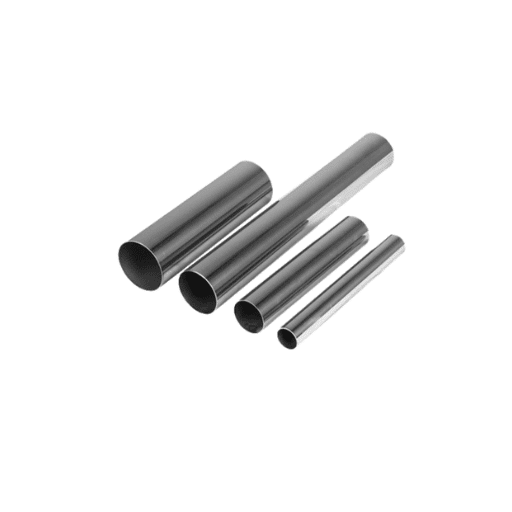
Titanium Grade 3 is pure titanium which has great corrosion resistance and high strength at the same time. It is stronger than Grade 2 and more ductile than Grade 4 in mechanical properties; thus, it is still classified as a middle-grade commercially pure titanium. This grade of titanium is the best choice for industries where the combination of toughness and formability is the main requirement.
Mechanical Properties of Titanium Grade 3
| Property | Specification |
|---|---|
| Ultimate Tensile Strength (UTS) | ~485 MPa (70 ksi) |
| Yield Strength (YS) | ~380 MPa (55 ksi) |
| Elongation at Break | ~20% |
| Density | 4.51 g/cm³ |
Key Characteristics of Titanium Grade 3
💪 High Strength
Offers significant tensile and yield strength (approximately 620 MPa or 90 ksi), making it suitable for demanding structural applications.
🛡️ Good Corrosion Resistance
Demonstrates excellent resistance to corrosion in oxidizing and mildly reducing environments, including seawater and various chemicals.
🔗 Excellent Weldability
Well-suited for welding processes, enabling easy fabrication of complex designs and applications.
📏 High Ductility
Retains remarkable ductility, allowing deformation without breaking—highly beneficial for forming and machining processes.
⚖️ Low Density
With a density of 4.51 g/cm³, provides an excellent strength-to-weight ratio for applications requiring lightweight yet durable materials.
Primary Applications of Titanium Grade 3
🔥 Heat ExchangersExtensively utilized in heat exchangers due to superior thermal conductivity and excellent corrosion resistance. Power industry, chemical processing plants, and desalination facilities commonly employ Grade 3 titanium. |
✈️ Aerospace Engine ComponentsFrequently used in jet engine parts, turbine blades, and other aircraft components requiring high strength, lightweight properties, and high-temperature resistance. |
⚗️ Chemical Processing EquipmentPrimary material for manufacturing tanks, piping, and reactors in chemical and petrochemical industries due to resistance to corrosive conditions. |
🚢 Marine ApplicationsValued in maritime sectors for resisting seawater corrosion. Used in shipbuilding, subsea pipelines, and marine fasteners. |
⚕️ Medical DevicesApplied in surgical implants, prosthetics, and medical equipment requiring long-term reliability and biocompatibility. Its durability makes it favorable for such critical applications. |
|
Benefits of Using Titanium Grade 3
- Exceptional Strength-to-Weight Ratio: To the right extent in the aerospace and automotive industries where weight and the associated properties are critical at the same time. It is excellent for lightweight applications because of its tensile strength of around 620 MPa along with a low density of 4.51 g/cm³, hence it beats lots of metals.
- Fantastic Resistance to Corrosion: The material resists corrosion even in the harshest conditions; for instance, it can be used in seawater, chloride-containing chemical processing, and offshore industries. By maintaining its dynamics in the presence of very harsh conditions it facilitates its usage in the marine, chemical, and offshore fields.
- Great Biocompatibility: Safe and widely used in the manufacturing of medical implants and prosthetics. Because it is nonreactive, when it comes into contact with living tissues and fluids, it will not cause any reactions.
- Thermal Resistance: Maintains excellent mechanical properties even at high temperatures, making it reliable for applications where thermal stress is continuous and high. It is used very much in heat exchangers and parts of aircraft engines that operate in hot areas.
- Durability Plus No Maintenance: The very high durability and resistance to fatigue and wear imply that the equipment will have a long life and require little maintenance, making it a cost-effective long-term solution for the power generation and industrial equipment manufacturing sectors.
Industry Standards and Specifications
Titanium Grade 3 is typically manufactured according to international industry standards including ASTM B265, AMS 4902, and DIN 17850. These standards ensure consistent quality and suitability for numerous industrial and technical applications, ensuring compatibility across sectors.
Comparison with Other Grades
Titanium Grade 3, compared to Grade 2, exhibits superior strength but offers slightly less ductility and formability. Hence, Grade 2 is the choice for complex designs, whereas Grade 3 is the option when high strength is the primary requirement.
For Titanium Grades 3 and 4, Grade 3 is weaker than Grade 4 but has greater forming and welding capability; thus, it is placed between Grades 2 and 4 in both strength and workability.
Titanium Grade 4: The Strongest Pure Titanium
Titanium Grade 4 is the most robust of the unalloyed titanium grades, but it still has very good corrosion resistance. It has a tensile strength of just over 550 MPa (80 ksi) and maintains excellent ductility and weldability, making it widely used across platforms for the most demanding applications.
Technical Data for Titanium Grade 4
| Property | Value |
|---|---|
| Tensile Strength | 550 MPa (80 ksi) |
| Yield Strength | 480 MPa (70 ksi) |
| Density | 4.51 g/cm³ |
| Melting Point | ~1660°C (3020°F) |
| Elongation | Maximum 15% |
| Corrosion Resistance | Excellent resistance to oxidation, saltwater, and chemicals |
Key Characteristics of Titanium Grade 4
- Corrosion Resistance: Among the strongest and most corrosion-resistant materials available, continuously used in the toughest applications including strong oxidizing agents, seawater, and most acidic conditions.
- Ductility: Maintains one of the highest ductility levels among commercially pure titanium grades, making it highly suitable for applications requiring forming and reshaping.
- Strength and Durability: Possesses an outstanding strength-to-weight ratio while being a long-lasting material in challenging environments.
Primary Applications of Titanium Grade 4
⚕️ Medical Applications
Extensively used in surgical implants, dental implants, and orthopedic hardware due to high strength and biocompatibility. Grade 4 titanium in plates, screws, and joint replacements ensures reliable performance inside the human body.
✈️ Aerospace and Defense
Utilized for manufacturing components requiring high mechanical strength without excess weight. Primary uses include airframe structures, engine components, and fasteners for critical assemblies.
🏭 Industrial Equipment
Material of choice in chemical process industries for heat exchangers, reactors, and pipes operating in corrosive environments. Its durability reduces maintenance costs and extends equipment life.
🌊 Marine Applications
Outstanding seawater corrosion resistance makes it ideal for offshore oil and gas extraction, underwater components, and desalination stations.
⚡ Power Generation
Employed in nuclear power plants and steam turbine components, where reliability under extreme conditions is expected.
Benefits of Using Titanium Grade 4
✓ Superior Strength-to-Weight RatioExcellent strength combined with low density makes it ideal for applications where both properties are essential requirements. |
✓ Outstanding Corrosion ProtectionProvides best-in-class protection against corrosion through oxidation resistance and rejection of saltwater and harsh chemicals, making it well-suited for marine, chemical-processing, and medical applications. |
✓ Excellent BiocompatibilityHighly biocompatible and preferred for medical and dental implants due to its capability to integrate with human tissues without adverse reactions. |
✓ Exceptional Tensile StrengthRemarkable tensile strength of up to 550 MPa (80 ksi) guarantees reliable performance even under extreme stress or demanding operating conditions. |
✓ High-Temperature StabilityMaintains properties at high temperatures due to melting point of approximately 1660°C (3020°F), making it suitable for both aerospace and high-temperature applications. |
Comparison with Other Titanium Grades
Performance Note: Grade 4 titanium exhibits the highest strength among the commercially pure grades (1-4). It is less ductile than Grades 1 and 2 but has more resistance to physical stress and chemical corrosion. The combination of its traits and broad applicability makes it suitable for both general and specialized use. Grade 4 exhibits the perfect balance of strength, corrosion resistance, and durability, making it widely sought after across industries.
Frequently Asked Questions (FAQ)
How does titanium Grade 5 compare to commercially pure titanium grades (1, 2, 3, 4)?
Titanium Grade 5 (Ti-6Al-4V) is an alloy of aluminum and vanadium, providing much higher strength and better corrosion resistance than the commercially pure 1-4 grades of titanium. Although the pure grades 1-4 are acknowledged for their good ductility, formability, and excellent corrosion resistance (especially Grades 1 and 2), Grade 5 stands out in terms of its strength and is often used in applications where the critical strength-to-weight ratio is needed, like in the aerospace industry and among high-performance medical implants. Choose Grade 5 when strength and fatigue resistance are more important than the need for the maximum formability.
What are the four grades of commercially pure titanium, and how do they differ?
CP (commercially pure) titanium is classified into four main classes (1, 2, 3, 4) according to standards such as ASTM, which account for interstitial content and precise chemical composition. The first grade is the softest, most ductile, highest in formability, and corrosion resistance. Second grade is the most widely used grade, offering a good combination of ductility, formability, and corrosion resistance—often referred to as the “workhorse” grade. The third grade is stronger than the first and the second grades. The fourth grade has the highest strength among all the pure grades and at the same time, it is quite resistant to corrosion. Usually, the grade selection is based on the required characteristics of strength, weldability, and corrosion resistance.
How do I select the right titanium grade for industrial uses like heat exchangers or chemical processing?
Consider the environment in which the titanium will be used, then select the grade having the necessary strength and balancing properties such as formability, weldability, and cost. Here is a simple guide for selection:
Grades 1 and 2: Mainly used in the chemical processing and heat exchangers because of their remarkable resistance to corrosion and biocompatibility
Grade 4: The strongest titanium, i.e., commercially pure titanium, and so, highest amongst all applications with increased strength or pressure ratings
Grades 5 or 23 (6Al-4V ELI): For aerospace or airframe parts that require high strength and low weight
Use ASTM specifications to determine the grade’s chemical composition and mechanical properties to meet your specific requirements.
What is the highest titanium grade for the CP series and related applications?
Titanium Grade 4 is the most robust in the series of commercially pure titanium grades; hence, it contains no alloys. The strength advantage granted by this property, and also granted by less corrosion resistance, permitted the use of these metals in the manufacture of strong yet light materials. Grade 4, however, is less ductile and more difficult to produce than its immediate counterparts Grade 1 and Grade 2, which in turn, makes them more toepositive for specific applications. For demanding aerospace or airframe applications requiring maximum strength, other alloy grades, such as 5 or 23 (Ti-6Al-4V ELI), can be used.
Is titanium Grade 5 suitable for biomedical and aerospace industries compared with CP titanium?
Titanium Grade 5 (Ti-6Al-4V) is a medical implant and aircraft parts manufacturing metal chosen for its superior strength, corrosion resistance, and good biocompatibility. It is essential to note that Titanium Grades 1 to 4, which are classified as CP (Commercial Pure), offer high corrosion resistance and are often used in chemical processing and energy transfer in machines. In contrast, Titanium Grade 5 provides even higher strength and endurance, which are required for aircraft structural parts, hardware, and weight-bearing implants. The choice is determined simply by whether one wants the characteristics of CP grades, such as ductility and formability, or the strength-to-weight ratio that Grade 5 provides.
What does “pure grade” or “unalloyed” titanium mean and why does it matter?
Titanium of the highest quality, or unalloyed titanium (CP titanium), refers to titanium containing very few alloying elements, and the differences between Grades 1-4 are frequently due to tiny fluctuations of interstitials in chemical composition like oxygen, nitrogen, and iron. These interstitials provide greater hardness but at the expense of ductility and formability. The purest grades are known for their outstanding corrosion resistance, and extremely high ductility (most notably for Grade 1), and good workability thus are the materials of choice for chemical processing, heat exchangers, and certain medical devices where corrosion resistance and biocompatibility are critical.
Summary: Choosing the Right Titanium Grade
Commercially pure titanium grades numbered 1 to 4 each have their unique advantages that are specifically suited to certain applications. Grade 1 has the highest degree of formability and ductility, Grade 2 is the most versatile and widely used, Grade 3 gives an even performance, and Grade 4 is the strongest of all the pure grades. Knowing this variety enables you to choose wisely between the materials with respect to performance, longevity, and cost efficiency for your particular application.
References
- “Characterization of functionally graded commercially pure titanium (CPTI) and titanium carbide (TiC) powders”
Source: Academia.edu
- “TIG Welding of Ti6Al4V Titanium alloy and Commercially Pure Titanium Sheets”
Source: Academia.edu
- “Mechanical properties, surface morphology and stability of a modified commercially pure high strength titanium alloy for dental implants”
Source: Academia.edu