High Standard Stainless Steel With Strict Inspection



Maraging Steel: Ultra-High Strength Low-Carbon Steel

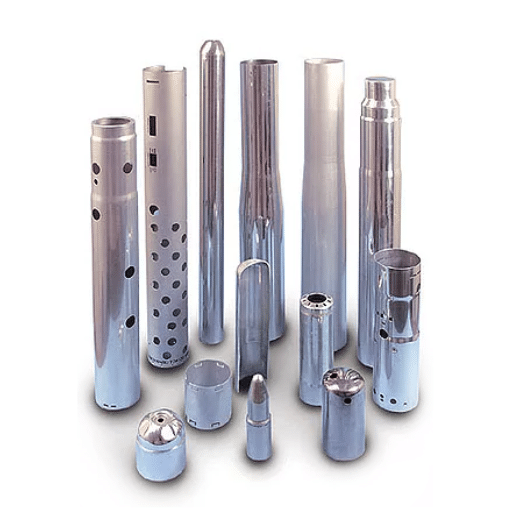
Introduction to Maraging Steel
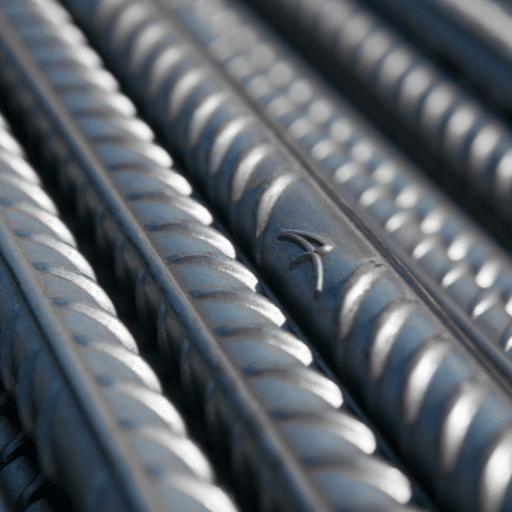
Maraging steel is advantageous primarily because it mitigates the drawbacks of other steel types through advanced, well-designed fabrication techniques. The principal and most active material used in the making of maraging steel alloys is iron with very little carbon content in it. Iron is the primary element in maraging steels, and nickel, cobalt, and molybdenum are the principal alloying elements used in their production; other elements may also be present. The unique thing about maraging steel is that instead of the aging process involving the formation of complex intermetallic compounds, as in the case of conventional steels, carbon is used. Such extraordinary traits characterize it and have made it an industry favorite for applications requiring the highest reliability and the longest life, such as the aerospace sector, tooling, and high-power applications.
Significance and Applications
Maraging steel is a remarkable material that provides an optimal combination of high strength, toughness, and ductility. Such properties are highly in demand worldwide; thus, one can hardly overstate the significance of maraging steel. Here are the top five applications, along with a comprehensive discussion on the deployment of each one:
1. Aerospace Industry
Maraging steel is among the most important materials in the aerospace industry, and its major applications include landing gear, drive shafts, and missile casings, all of which are core aircraft components. Aerial metal’s hardness under stress and heat is entirely consistent with its use in these critical areas. For example, maraging steel can achieve tensile strengths exceeding 2,400 MPa while maintaining excellent fracture toughness.
2. Tool and Die Production
Maraging steel is widely used in the production of high-performance tools, molds, and dies due to its dimensional stability and wear resistance. The quality of tool design and material selection extends tool service life; therefore, maraging steel is the appropriate option for plastic injection molds and die-casting tools under high-repetition, high-stress conditions.
3. Nuclear Industry
Maraging steel is radiation-resistant and does not interact with most chemicals; it has recently emerged as the most viable material for constructing centrifuge rotors for uranium enrichment and other nuclear applications. Such a working environment, which combines sensitivity with the need for safe and effective operations, is achieved.
4. Automotive Engineering
The automotive sector employs the use of maraging steel in manufacturing parts of high performance such as gears, shafts, and structural components for racing and sports cars. The metal’s low density combined with its high mechanical strength leads to enhanced vehicle performance and efficiency.
5. Sports Equipment
Maraging steel is not only a part of premium sports equipment like a golf club, fencing swords, and bicycle frames though, its presence is there based solely on its functionality. Its superior strength and fatigue resistance allow these products to bear tough usage and still maintain their performance, which, in turn, leads to longer, life-satisfying users.
The aforementioned applications demonstrate not only the versatility of maraging steel but also its strategic significance, as it has been and remains a key player in the development of modern technology and engineering solutions.
Overview of Maraging Steel Alloys
Maraging steel alloys are a distinct class of ultra-high-strength steels characterized by exceptional strength, toughness, and ductility. These alloys contain very little carbon (typically less than 0.03%) and achieve hardness through precipitation hardening, in which nickel, cobalt, molybdenum, and titanium are added. Together, these metals confer on maraging steels the remarkable property of providing an outstanding combination of toughness and strength, making them the preferred material for demanding applications.
Maraging steels typically achieve a high strength of approximately 1400 MPa (200 ksi) to more than 2400 MPa (350 ksi), depending on the alloying composition and heat treatment. For instance, the three types of maraging (250, 300, and 350) show the highest strength in a row with good toughness at the same time. The heat treatment is done by keeping the alloy at around 480°C (896°F) which creates the intermetallic compounds that are responsible for the remarkable enhancement of the alloy’s mechanical properties.
Furthermore, maraging steels are easy to machine in their annealed state, allowing precise machining before final hardening. Moreover, the materials exhibit excellent fatigue and stress-corrosion cracking resistance, thereby increasing their reliability in the harshest environments.
The latest advances in alloy design, as well as progress in additive manufacturing, have greatly expanded the range of applications for maraging steels, enabling producers to fabricate increasingly minute and custom-made shapes for specific use cases. They continue to be highly relevant in the advanced engineering and metallurgy fields and, at the same time, they are also the key factors that open up the talent pool for the performance and durability of modern materials science.
Characteristics of Maraging Steel
Maraging steel is a distinctive metal that provides exceptional properties which set it apart from other steel alloys. The five major characteristics defining maraging steel as given below:
- ✓ High Strength and ToughnessMaraging steel’s one of the most magnificent features is the high tensile strength it can reach, which sometimes can be as high as 2,000 MPa (290 ksi) along with a lot of toughness, thus making the steel perfect for high-pressure and critical use in aerospace and tooling.
- ✓ Superior HardnessMaraging steel is hard as a result of the aging heat treatment, and it also takes a long time to be worn or deformed, even under severe conditions.
- ✓ Excellent WeldabilityMaraging steel is a high-strength alloy but unlike many others, it provides excellent weldability and there is no risk of crack formation or loss of strength during welding.
- ✓ Dimensional StabilityMaraging steel has great dimensional stability that is why it cannot only preserve its shape but also its size even after being subjected to high temperatures or mechanical forces for long periods.
- ✓ Resistance to CorrosionIt is true that it does not match the corrosion resistance of stainless steel, yet some cobalt- and nickel-alloyed grades of maraging steel exhibit moderate corrosion resistance in various environments.
Definition and Composition of Maraging Steel
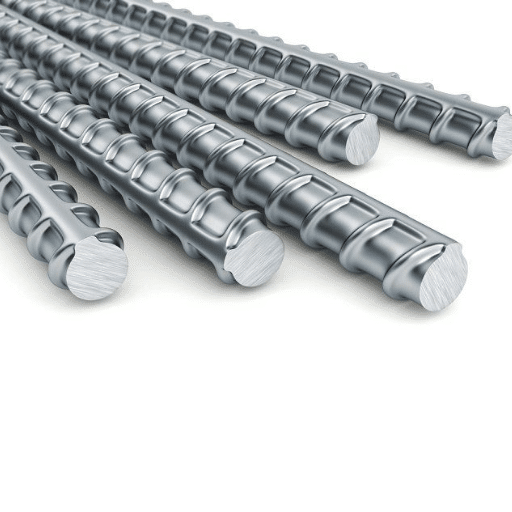
Maraging steel is an ultra-high-strength steel that possesses a very rare combination of all the three main characteristics: toughness, strength, and crack growth resistance. The term “maraging” relates to the process of aging the martensite, which is a heat treatment that enhances the material properties. Traditional carbon steels, which rely on carbon content for strength, are the opposite of maraging steel; the latter’s super-strength is achieved through heat treatment that causes the precipitation hardening of intermetallic compounds. This steel is applied in fields such as aerospace, tooling, and other high-performance industries.
Composition of Maraging Steel
Maraging steel mainly consists of the following elements:
- Iron (Fe): The main component, usually around 80-90% of the total alloy.
- Nickel (Ni): 15-25%, which gives the alloy strength and ductility.
- Cobalt (Co): Up to 12-15%, increases the strength and the thermal stability of the alloy.
- Molybdenum (Mo): Approximately 3-6%, contributing to the alloy’s strength and resistance to high temperature.
- Titanium (Ti): About 0.1-2%, which helps the precipitation of intermetallic compounds during the aging process.
- Aluminum (Al): Usually present in very small amounts.
- Carbon (C): A very small amount (less than 0.03%) is there to differentiate it from conventional carbon steels.
The tensile strength parameter determines the classification of maraging grades. Thus, Maraging 250 (with a tensile strength of ~250 ksi) and Maraging 300 (~300 ksi) are the two common variations used in high-end industries. These alloys exhibit surprisingly high tensile strength, reaching up to 2,070 MPa (300 ksi), and good ductility.
Key Characteristics
- Heat Treatment: Maraging steel is subjected to both solution treatment and aging in order to attain superior mechanical properties.
- Weldability: The steel’s low carbon content enables welds that are both strong and easy to produce, without the risk of brittleness.
- Low thermal expansion is essential for high-precision tools and components.
In conclusion, maraging steel is a material that can meet the strength, stability, and durability requirements of even the most rigorous applications.
Low-Carbon Content and Its Benefits
The ultralow-carbon content is the defining characteristic of maraging steel and is also the reason why it stands out among the other strong alloys. The unique combination of traits grants the material multiple significant benefits that allow its application in highly demanding environments. Below are the five main advantages of low-carbon content in maraging steel:
Improved Toughness
The absence of high carbon has majorly contributed to the nonoccurrence of brittleness, and thus even in the most adverse and extreme conditions maraging steel is very tough.
Enhanced Weldability
Welding of maraging steel is made simpler because of the low carbon content, which in turn results in the formation of lesser cracks or defects in the welded area.
Dimensional Stability
Low carbon plays a significant role in maintaining dimensional stability during heat treatment. Therefore, precision and uniformity in production are established.
Corrosion Resistance
The low-carbon matrix, along with the alloying elements, provides higher corrosion resistance, thereby making it suitable for use in environments prone to moisture or chemical exposure.
Ease of Machinability
Maraging steel can be made more ductile before aging. low-carbon content is the reason why it can be easily machined and fabricated into complex components.
Production Process of Maraging Steel
Maraging steel is created through a controlled procedure which is very potent. The process is broken down into steps in detail as follows:
Step 1: Melting and Alloying
The process is done in a manner where other elements like cobalt, molybdenum, and titanium are melted and along with heavy metals like iron and nickel the latter are also added. A vacuum induction furnace is generally used for this operation to minimize the impurities thus making the product homogeneous. The nickel percentage in maraging steel usually is 15-25% and the other elements are added in precise amounts so that the desired properties are achieved.
Step 2: Casting
The molten material will be cast into ingots or slabs. The casting process is strictly controlled to prevent quality discrepancies and to prevent segregation of the elements. Thus, the composition is uniform throughout the steel.
Step 3: Hot Rolling
The ingots are hot-rolled to further adjust their shape and size. This hot rolling stage reduces the material thickness to the required size and increases and the steel’s overall homogeneity.
Step 4: Solution Annealing
After hot-rolling, the alloy goes through the solution annealing process in which the temperature to which the steel is subjected lies between 815-900°C (1500-1650°F) and is above the recrystallization temperature. During this time, the alloying elements dissolve in the matrix, forming a soft, ductile material that can then be processed.
Step 5: Cold Rolling or Shaping
The material may be cold-rolled or shaped after annealing to achieve proper dimensions and a smooth finish. This process also aids in the enhancement of dimensional accuracy, especially with those parts which are required for aerospace and tooling applications.
Step 6: Aging Treatment
The aging process is the most critical step in the production of maraging steel. The steel is heat-treated at a lower temperature, typically between 480 and 500°C (896 and 932°F), for hours. During this period, the intermetallic compounds of the alloying elements are precipitated, thus a structure is formed that dramatically increases the strength and hardness of the steel and yet it remains ductile.
Step 7: Quality Testing and Finishing
Once maraging steel has undergone the processing line, it is subjected to a series of testing, such as tensile strength and hardness checks, so that its properties are at par with the unyielding industry standards. Sometimes, ultrasonic testing and X-ray inspection are used in conjunction to detect any internal defects. Finally, the steel is finished to meet the customer’s specifications.
Example Data from Production
- Yield Strength: The maraging steel yield strengths can go up to 2400 MPa (350 ksi) at the maximum, depending on the selected grade after aging.
- Applications: Maraging steel is used by the aerospace and tooling industries primarily because of its excellent mechanical properties, and more than 70% of total maraging steel production is allocated to these sectors.
- Recyclability: Maraging steel is 100% recyclable and thus closely linked to green manufacturing practices.
Advancements in additive manufacturing and powder metallurgy have also led to the emergence of more sophisticated methods for producing maraging steel for custom and advanced applications.
Manufacturing Techniques
The manufacturing process for maraging steel is a complex combination of the old and the new. It can be said that such a steel needs to be extremely careful at every stage so that its exceptional combination of strength and toughness will be delivered.
Primary Production Methods
Shaping the steel will be of high quality only if the method used is the vacuum induction melting (VIM) or the electroslag remelting (ESR). Melting techniques are largely responsible for the high purity levels, which in turn determine the material’s toughness and strength. In this pivotal phase, all substances and impurities that could cause the steel to perform poorly are removed systematically and under controlled conditions.
After melting and casting, the metal will undergo an aging heat treatment. The material is heated to approximately 480-500°C and held at that temperature for a specified period. The aging process causes the formation of intermetallic compounds in nickel, cobalt, and molybdenum, which enhance both the tensile strength and ductility of the steel. Tests carried out in the lab over and over again show that the maraging steels can get their ultimate tensile strengths to levels that go beyond 2000 MPa, therefore, they are perfect for high-performance applications.
Advanced Manufacturing Technologies
Additive Manufacturing (AM)
Additive manufacturing (AM) has significantly changed the production of maraging steel by enabling the fabrication of intricate shapes that conventional techniques cannot produce. Among AM processes, Laser Powder Bed Fusion (LPBF) is the most widely used due to its high accuracy, which builds each component from maraging steel powder layer by layer. Studies have found that the properties of parts produced by LPBF are comparable to those of traditional maraging steel, provided that they undergo the same post-processing.
Powder Metallurgy
This method is increasingly popular and involves sintering maraging steel powder particles. The success of this method relies heavily on the strict control of the particle size and composition throughout the process. Industry analyses predict growth in the usage of maraging steel powder globally, mainly due to the needs of aerospace and medical industries, which demand the components that are not only light and strong but also resistant to corrosion and wear.
With the introduction of such manufacturing innovations, the steel has not only been produced in a new way but also with less consumption of resources and widened the application of the steel in various industries.
Heat Treatment Process
The heat treatment of maraging steel is a critical factor in obtaining its superior mechanical properties. This process, which is strictly controlled, typically comprises three main phases that interact synergistically to develop the material’s high strength and toughness.
Three-Phase Heat Treatment Cycle
| Phase | Temperature Range | Duration | Purpose |
|---|---|---|---|
| Solution Annealing | 815°C to 900°C (1500°F to 1650°F) | Variable | Dissolve alloying elements into matrix, create uniform structure |
| Quenching | Rapid cooling (air/oil) | Minutes | Retain austenitic structure without carbon-based hardening |
| Aging | 480°C to 500°C (896°F to 932°F) | 3 to 6 hours | Form intermetallic compounds (Ni3Mo, Fe2Mo) for strength increase |
Detailed Phase Descriptions
- Solution Annealing:Steel is subjected to heating at high temperatures where the matrix completely dissolves the alloying elements. The resulting uniform structure becomes the base for the future strengthening phases.
- Quenching:Post-solution treatment, quick cooling with air or oil is done to keep the austenite structure. Unlike traditional steels, maraging steel hardness does not depend on carbon, thus the quenching is mainly a structure holding step.
- Aging:The final step is to heat the material to a moderate temperature to precipitate intermetallic compounds. The aging time, which is dictated by the desired quality and the alloy’s specific composition, significantly increases the material’s strength while maintaining excellent toughness.
Current Industry Data and Applications
Recent studies indicate that optimal heat treatment can increase ultimate tensile strength to over 2,000 MPa (290 ksi) while maintaining ductility. This unique combination of properties is what keeps making maraging steel along with other critical aerospace components like landing gear and missile casings, precision medical tooling, and powerful machines.
Recent Technological Advancements (2023)
- Advanced furnace systems provide precise control of thermal profiles, thereby minimizing material waste and ensuring consistent properties in the final product.
- New heat treatment methods have dramatically reduced processing time and energy demand.
- Laser-assisted heat treatment techniques are being explored to improve the efficiency of the aging process and facilitate industrial-scale-up.
All these sophisticated monitoring and control systems guarantee that maraging steel will still be the best option for highly demanding conditions since it gives the best combination of mechanical properties and still is really versatile across different industries.
Innovations in Production
The maraging steel production methods have undergone a major transformation that is aimed at improving quality, and strength while at the same time being environmentally friendly. These advancements can now be considered a bio-technical shift in the production of this remarkable material.
Revolutionary Production Technologies
Additive Manufacturing (3D Printing)
Both SLM and EBM enable the manufacture of highly complex geometries while minimizing material waste. Research published in Materials Today has shown that SLM users in the manufacturing sector have reduced production costs by nearly 20% and accelerated prototyping compared with conventional methods.
Energy-Efficient Heat Treatment
The leading firms in the industry are using advanced furnace technologies with precise temperature control not only to save energy but also to maintain quality. Today, vacuum furnaces are capable of saving up to 30% energy when compared with older models which in turn results in cost and environmental benefits.
Sustainable Alloy Recovery
Emerging recovery technologies have enabled the recovery of nickel, cobalt, and molybdenum from production waste. This not only lowers raw material costs but also contributes to environmentally friendly practices advocated worldwide.
The maraging steel industry, through these innovative trends, shows that it is devoted to supplying modern engineering requirements while coinciding with the global sustainability drive.
Properties and Benefits of Maraging Steel
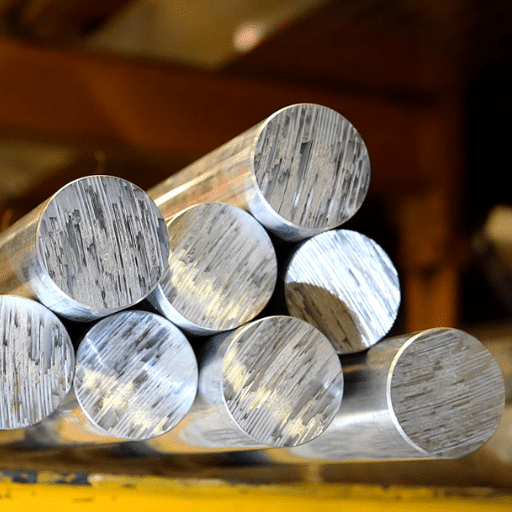
Maraging steel has earned widespread recognition for its exceptional properties, making it indispensable in demanding applications. The unique combination of properties sets this material apart from conventional high-strength steels.
Five Key Attributes and Advantages
1
High Strength
Maraging steel achieves tensile strengths of up to 2,000 MPa, making it well-suited for applications requiring exceptional durability and resistance to heavy loads.
2
Excellent Toughness
Despite its high strength, maraging steel exhibits remarkable toughness that resists cracking or breaking under adverse conditions. This rare combination makes it suitable for demanding applications.
3
Easy Machinability
The low carbon content facilitates straightforward machining before aging, simplifying manufacturing processes and enhancing versatility across different production applications.
4
Superior Weldability
Low carbon content enables excellent weldability, allowing complex assemblies and repairs without significantly compromising material integrity.
5
Resistance to Fatigue and Corrosion
Outstanding capability to withstand repeated stress cycles combined with good corrosion resistance makes maraging steel durable and reliable, particularly in aerospace and marine industries.
Industry Impact: These combined features establish maraging steel as one of the most sought-after materials for critical, high-performance engineering applications across multiple sectors.
Ultra-High Strength Attributes
Maraging steel exhibits exceptional strength characteristics due to the excellent alloying elements and the controlled aging process. It has a tensile strength of 1,400 to 2,400 MPa (about 200-350 ksi) making it one of the strongest materials in the industry.
Strength Development Mechanism
The heat-treatment process for aging results in intermetallic compounds containing nickel, molybdenum, and cobalt, which provide substantial improvements in mechanical properties, as one would expect in hot-rolled high-strength steel. Nevertheless, maraging steel is highly ductile and tough, to the point of being impact-resistant even under the most demanding conditions.
Aerospace Application Example
In aerospace applications, maraging steel parts are subjected to extreme forces but still, they don’t change their shapes. This means that the systems in which the material is used are safe and reliable. Its ability to perform at such a high level in adverse conditions gives it that very special role in safety-critical applications.
Unique Performance Characteristics
Maraging steel has been able to resist distortion during heat treatment when the lowest distortion is required; moreover, the property has been highly valued in the field of application engineering. In fact, maraging has been, and remains, a preferred material in aerospace, tooling, and automotive applications.
Critical Applications:
- Rocket motor cases: Withstand extreme pressures and temperatures during launch
- Landing gear: Support massive loads during aircraft takeoff and landing
- High-performance racing components: Deliver reliability under extreme mechanical stress
The material’s strength is further complemented by excellent weldability and machinability to an extent that intricate high-precision designs that other high-strength materials would not allow can be fabricated.
Future Developments
Materials science innovations continue to enhance the efficiency of maraging steels. The combination of hot-working methods with heat-treatment processes has not only strengthened the material but also made it the best option for emerging technologies such as space exploration and defense. Therefore, it won’t be easy to find another material stronger than maraging steel.
Durability and Corrosion Resistance
Maraging steel’s impressive durability and corrosion resistance make it indispensable in critical applications. The characteristics and quantitative values listed below provide evidence of the material’s ability to perform under very stringent conditions, as previously assumed.
Five Principal Performance Characteristics
| Property | Specification | Significance |
|---|---|---|
| High Tensile Strength | 1400 MPa to 2400+ MPa | Withstands powerful forces without deformation or failure |
| Crack Resistance | Superior microstructure | Excellent resistance to crack initiation and propagation |
| Corrosion Resistance | Moderate (enhanceable) | Can be improved with coatings for harsh moisture/saline environments |
| Longevity Under Stress | Excellent fatigue resistance | Maintains properties under cyclic loading, extending component life |
| Heat Treatment Stability | Minimal distortion | Ensures consistent performance in high-temperature applications |
Practical Performance Implications
In terms of corrosion resistance, maraging steels are not as good as stainless steel. Nevertheless, their resistance can be remarkably improved with the help of coatings or surface treatments, provided that they are used in harsh environments such as where there is a lot of moisture or salt, and the performance is optimized. One of the things that makes this material attractive is its toughness, which guarantees the stability of the mechanical properties even when subjected to fatigue loading. Consequently, there will be a longer period before the component is considered for replacement.
The remarkable stability during heat treatments significantly reduces the risk of warping or distortion, thus securing performance in high-temperature applications. The combination of these properties makes maraging steel a material particularly sought after in the aerospace, marine, and other demanding industrial sectors, where high reliability is a primary concern.
Machinability of Maraging Steel
One of the benefits of maraging steel is its superior machinability, which enables it to be manufactured with precision in various applications. The next listed reasons are the factors that the excellent workability and processing characteristics of maraging steels.
Key Machinability Factors
📏 Dimensional Accuracy
High dimensional accuracy is achieved by the minimal thermal deformations that occur during machining which makes it suitable for parts that need tight tolerances.
🔧 Tool Compatibility
It goes with standard tools and also with advanced CNC machines, thus providing a wide range of applications between industries.
⚙️ Minimal Tool Wear
The fine grain structure within the metal piece reduces wear on the cutting tools, thereby increasing tool life and decreasing the overall cost of machining.
🎯 Reduced Machining Stress
It produces almost no internal stresses during the machining process, thus making the finished parts having high performance stability and low distortion.
⚡ Speed Adaptability
Various cutting speeds can be used to machine it, thus giving flexibility and efficiency in the manufacturing process.
Industry Applications: Characteristics associated with the machinability of maraging steels have rendered it the material of choice in precision-demanding industries, namely aerospace and automotive manufacturing and tooling production.
Comparative Analysis of Maraging Steel
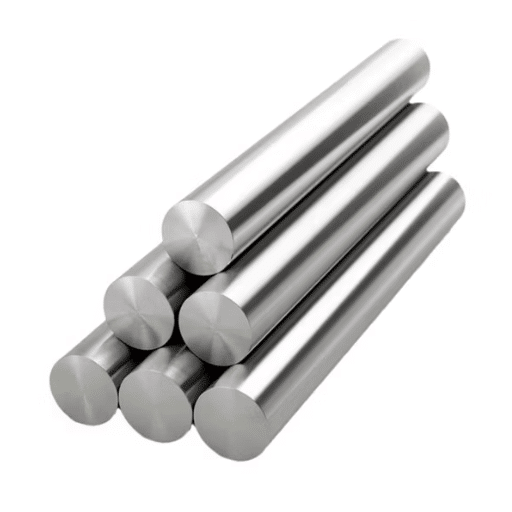
A thorough comparison is necessary to recognize where maraging steel stands regarding high-strength materials. The upcoming analysis will highlight the parameters and performance characteristics that have been compared.
Fundamental Parameters Overview
| Key Parameter | Details |
|---|---|
| Composition | Low-carbon, high nickel (15-25%), cobalt, molybdenum, titanium |
| Strength | Ultra-high tensile strength (up to 3.5 GPa) |
| Ductility | Retains ductility despite high strength |
| Corrosion Resistance | Moderate; can be enhanced with coatings |
| Applications | Aerospace, defense, tooling, sports equipment, healthcare |
| Heat Treatment | Aging at 480-500°C for precipitation hardening |
| Grades | 200, 250, 300, 350 (indicating tensile strength in ksi) |
| Processing Methods | Conventional and additive manufacturing |
| Cost | High due to alloying elements like nickel and cobalt |
| Unique Features | High weldability, minimal distortion during heat treatment |
Comparison with Other High-Strength Steels
Evaluating maraging steel against alternative high-strength steels requires examining multiple factors including tensile strength, ductility, cost, corrosion resistance, and processing capabilities. The following comprehensive comparison highlights five prominent steel types:
Maraging Steel (350, 300, 250, 200 Grades)
- Tensile Strength: 350 ksi maximum
- Ductility: High due to aging and precipitation hardening
- Corrosion Resistance: Intermediate
- Processing Methods: Both traditional and additive manufacturing feasible
- Cost: Very expensive due to nickel and cobalt content
- Unique Features: Negligible post-heat treatment distortion; excellent weldability
AISI 4340 Steel
- Tensile Strength: 260-280 ksi (heat treated)
- Ductility: Fair, maintains some flexibility under large loads
- Corrosion Resistance: Low to medium, typically requires additional coatings
- Processing Methods: Primarily conventional manufacturing
- Cost: Significantly lower than maraging steel
- Unique Features: Excellent toughness and wear resistance
300M Steel (Modified 4340)
- Tensile Strength: Up to 280 ksi
- Ductility: Very high, ideal for aerospace applications
- Corrosion Resistance: Moderate
- Processing Methods: Conventional with specialized heat treatment
- Cost: Moderate, higher than standard 4340
- Unique Features: Superior fatigue resistance and impact toughness
DUCOL W30 Steel
- Tensile Strength: Approximately 180-200 ksi
- Ductility: Excellent, especially for dynamic loading applications
- Corrosion Resistance: Moderate to good with proper surface treatment
- Processing Methods: Conventional manufacturing only
- Cost: Average
- Unique Features: Exceptional performance in extreme environments
HY-100 Steel
- Tensile Strength: Around 100 ksi
- Ductility: Fair, balanced strength-flexibility compromise
- Corrosion Resistance: Excellent in marine environments, particularly offshore
- Processing Methods: Conventional techniques only
- Cost: Moderate to high
- Unique Features: Specifically designed for submarine hulls; remarkable weldability
Comparative Summary
At the forefront of the competition is maraging steel, which exhibits ultra-high tensile strength, excellent weldability, and low distortion, thereby justifying its premium price in critical applications. On the other hand, AISI 4340 and 300M steels are considered affordable alternatives that provide customers with better value based on their differing performance requirements and financial constraints.
Distinctive Qualities of Maraging Steel Grades
Maraging steel is produced in various grades, each tailored to the requirements of a particular application. One reason it is important to understand the differences is to select the appropriate material.
Five Primary Distinguishing Properties
- Ultra-High Tensile Strength: The tensile strength between 2000 MPa and 2400 MPa make this steel suitable for very demanding applications like aerospace parts, precision tools, and the structure of a building.
- Very Tough and Ductile: A large amount of nickel gives the steels very high toughness and ductility, and even at their maximum strength, the steels are very reliable in high-stress situations.
- Excellent Weldability: Because of the low carbon content the welding process is easier and less deformation occurs during the manufacturing and assembling
- Superb Heat-Treating Properties: They can be heat-treated to the hardness needed by precipitation and no dimensional changes happen during aging, thus precision engineering tolerances are ensured.
- Resistance to Fatigue and Stress-Corrosion Cracking: Greater resistance to fatigue and stress-corrosion cracking makes these grades viable for the harshest environments, e.g., aerospace and nuclear industries.
While these attributes make maraging steel a strong contender for high-performance applications, the need to select the appropriate grade based on specific project requirements remains.
Grade Comparison: Maraging 250 vs. 300 vs. 350
| Parameter | Maraging 250 | Maraging 300 | Maraging 350 |
|---|---|---|---|
| Nickel Content | 17-19% | 18-19% | 18-19% |
| Cobalt Content | 7-8.5% | 8.5-9.5% | 11.5-12.5% |
| Molybdenum Content | 4.6-5.2% | 4.6-5.2% | 4.6-5.2% |
| Titanium Content | 0.3-0.5% | 0.5-0.8% | 1.3-1.6% |
| Tensile Strength | 1,724 MPa (250 ksi) | 2,068 MPa (300 ksi) | 2,413 MPa (350 ksi) |
| Hardness (HRC) | ~50 | ~54 | ~58 |
| Applications | Aerospace, tooling, defense | Aerospace, automotive, tooling | Aerospace, defense, extreme environments |
| Heat Treatment | Aging at 480-500°C | Aging at 480-500°C | Aging at 480-500°C |
| Corrosion Resistance | Moderate | Moderate | Moderate |
| Unique Features | High strength, good weldability | Crack resistance, high toughness | Extreme strength, temperature resistance |
Frequently Asked Questions (FAQ)
❓ What is maraging steel and how does it differ as a low-carbon metal?
Maraging steel is an extreme, low-carbon metal that has the remarkable quality of being very difficult to break and at the same time it has good ductility. The low carbon content of the steel prevents the formation of carbide crystals, which is the main factor that makes high-strength steels brittle, thus making it tougher, easier to weld, and less brittle than steels with higher strength.
❓ What grades of maraging steel are commonly used in demanding applications?
Grades 200, 250, 300, and 350 of maraging steel are the most common, classified by their hardness and compositional differences. These grades differ in their nickel, cobalt, molybdenum, and titanium contents. For instance, 300 maraging steel contains the highest nickel and cobalt content, thereby offering extremely high strength and excellent fracture resistance. Choosing the right one depends on the mechanical properties required like yield strength, ultimate tensile strength (usually measured in MPa or ksi, going up to around 350 ksi), and fatigue resistance.
❓ What role do nickel and cobalt play in maraging alloy mechanical properties?
Nickel supports the iron-nickel martensitic matrix, resulting in exceptionally high strength without carbon, while cobalt accelerates and refines the precipitation of the intermetallic compound that reinforces the steel. The trio of molybdenum and titanium, along with these elements, plays a big role in the determination of hardness, yield strength, tensile strength, and fracture toughness, resulting in a rare strength-toughness combination that is not found in other alloy steels.
❓ How does molybdenum contribute to ultra-high strength steel development?
Molybdenum is indispensable in the development of maraging steels for achieving strength, toughness, and hardenability. It stabilizes the aging process by forming intermetallic precipitates that do not redissolve; thus, it significantly increases the ultimate tensile strength and the resistance to crack propagation. The high molybdenum content not only increases fatigue resistance but also prevents the heat-affected zone from losing strength after welding.
❓ What heat treatment process produces maraging steel’s excellent mechanical properties?
The process can be divided into several stages: solution annealing (which yields a soft martensitic matrix), quenching to form martensite, and aging at moderate temperatures to form intermetallic compounds. Precipitation hardening accounts for the dramatic increases in hardness, yield strength, and tensile strength, while retaining high ductility and toughness. Precise control of annealing and aging cycles is essential for achieving the required mechanical properties.
❓ How do maraging steels’ mechanical properties and fracture toughness compare to other steels?
Maraging steels possess an unusual combination of ultra-high strength (very high yield and ultimate tensile strength) and at the same time they are relatively ductile when compared with conventional martensitic steels. They are also rigid and exhibit good resistance to crack propagation, making them suitable for applications requiring both strength and toughness. Hardness and fracture toughness are assigned according to the specific grade and treatment, with pre-aging providing the desired mechanical properties and being easier to machine.
❓ How does low carbon content affect welding and material performance?
The low carbon content provides a major advantage in weldability and at the same time decreases the risk of embrittlement in the heat-affected zone. The strength of maraging steel is derived from intermetallic precipitates rather than brittle carbides; therefore, welded parts can be treated again and re-welded to restore their strength. Nevertheless, during the welding process, there should be continuous monitoring in place to avoid the occurrence of excessive softening or the development of undesirable changes in the grain structure. The welding process typically yields joints with high strength.
❓ Where is maraging steel commonly utilized due to its exceptional properties?
Maraging steel is used in the sectors that demand the highest quality, such as aerospace (where ultra-high strength, excellent mechanical properties, and high fracture toughness are required), casings of rocket motors, high-performance tools, injection molds for plastic, and shafts and gears that need to be strong. The material has excellent properties, primarily due to its high content of elements (nickel, cobalt, molybdenum, titanium), its good machinability in the heat-treated condition, and its excellent strength during aging. These factors make it possible to produce high-performance, fatigue-resistant components economically.
References
- The Physical Metallurgy of Maraging Steels
Published by Sage Journals, this paper discusses the development and composition of maraging steels.
- Maraging Steels
Found in ASM International Handbooks, this source provides detailed insights into the production and applications of maraging steels.
- A Short Review on Ultra-High-Strength Maraging Steels and Future Perspectives
Published on SciELO, this paper reviews various aspects of maraging steels, including their properties and applications.
Conclusion
Maraging steel represents a pinnacle of metallurgical engineering, as it is the only material that combines the ultra-high strength, toughness, weldability, and machinability of other materials to the highest degree. Its unique properties have made it irreplaceable in the spectrum of high-performance and critical applications starting from aerospace components and going to precision tooling. Maraging steel’s versatility and reliability will likely keep it among the leading materials in materials science in the coming years, particularly as manufacturing technology continues to advance and sustainability remains a priority.