


Blog
Maraging Steel Heat Treatment Guide

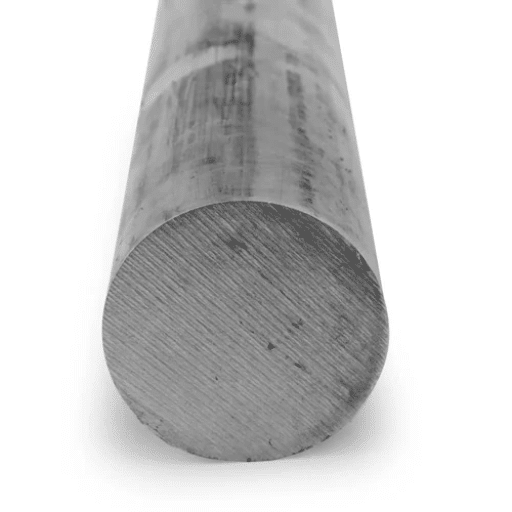
There are numerous materials with favorable properties for engineering and manufacturing, including maraging steel. This remarkable alloy is not only strong and tough, but it is also characterized by a combination of these properties that is quite rare to find in one material. Moreover, it is widely used in industries such as aerospace and tooling. The primary reason is the heat treatment process, which optimizes the properties of maraging steel. The text you are currently reading is a comprehensive introduction to the heat treatment of maraging steel, which imparts to the reader an understanding of how precise thermal processes enhance its mechanical properties. Whether you are an engineer, a metallurgist, or a curious materials scientist, this article will guide you through the fundamental techniques, key concerns, and the science of the process.
Introduction to Maraging Steel
Maraging steel is an alloy with very high tensile strength, mainly composed of iron and nickel, and also characterized by excellent toughness and ductility. It differs from conventional steel in that, rather than relying on carbon content, it derives its strength from a specific aging process. Thus, the steel becomes very crack- and deformation-resistant; therefore, it is suitable for aerospace, tooling, and high-performance engineering applications. Furthermore, its low carbon level grants it a good weldability which is yet another reason for its versatility in manufacturing and construction.
What is Maraging Steel?
Maraging steel is a low-carbon, high-strength alloy composed primarily of iron, nickel, and other metals, and it exhibits high hardness and toughness due to a heat-treatment process known as aging.
Common Applications of Maraging Steel
Aerospace Components
Maraging steel finds applications in the entire aerospace sector as a material with the best strength-to-weight ratio and the highest resistance to forming among all metals. It is primarily used in the manufacture of rocket motor casings, landing gear, and other critical components, where performance under extreme conditions is vital.
Tooling and Dies
Maraging steel, a material of choice due to its toughness and wear resistance, has been used to produce high-quality tooling, molding, and dies. To state the case, maraging steel is widely used in the production of plastic injection molds and metal stamping dies due to its durability and accuracy.
Nuclear and Defense Applications
Maraging steel has been a material whose properties, such as high-stress tolerance and excellent performance under adverse conditions, have driven the nuclear and defense industries. One of its applications is in the production of missile casings, penetrators, and providing military-grade equipment among others.
Automotive Racing
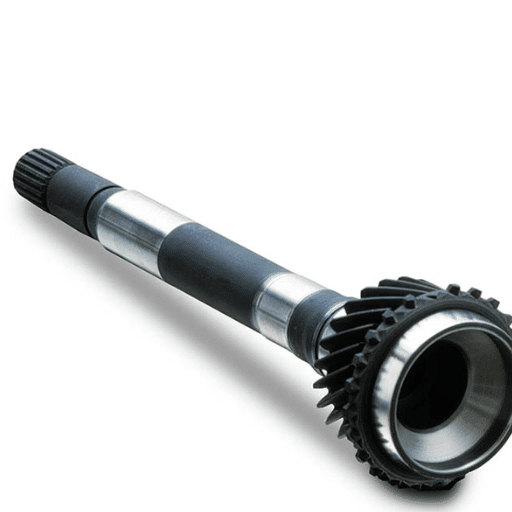
The application of maraging steel in the production of ultra-light, high-performance engines, shafts, gears, and other racing-car components most affected by lapping is based on its fatigue resistance. It enables the automobile to achieve its maximum potential under the most challenging conditions.
Additive Manufacturing
Maraging steel has become the most commonly used material for 3D printing parts that require high mechanical properties, and the alloy’s compatibility with 3D printing technology and excellent post-treatment workability make it popular for producing custom high-strength components.
Overview of Maraging 300 and Maraging 250
Maraging 300 and Maraging 250 are two of the most widely recognized grades of maraging steel, exhibiting properties such as strength, toughness, and weldability. They are considered nickel-iron alloys with additions of other alloying elements, such as cobalt, molybdenum, and titanium. Moreover, their properties can be attributed to the fact that they have a special low carbon content, together with an aging process that gives them the potential of use in areas such as space, tooling, and defense applications.
Maraging 300
Maraging 300 is one of the highest strength grades of the maraging steel family, with an ultimate tensile strength (UTS) of approximately 2060 MPa (300 ksi) and generally, a yield strength of around 1930-2000 MPa. It is also characterized by very good machinability before aging, and after heat treatment, it still has good properties. One of the main applications for this super alloy is in missile casings, dies, and other components that require both toughness and good wear resistance under high loads.
Key Properties of Maraging 300:
- Ultimate Tensile Strength (UTS): ~2,060 MPa (300 ksi)
- Yield Strength: ~1,930–2,000 MPa
- Elongation: ~5–12% (this is a sign of good toughness)
- Hardness: ~54–58 HRC after precipitation hardening
- Applications: Parts for aerospace, injection molding tools, and high-performance shafts
Maraging 250
Maraging 250, a high-performance grade, has slightly lower tensile strength than Maraging 300; nonetheless, it exhibits similar toughness, ductility, and weldability. This grade’s UTS is roughly 1750 MPa (250 ksi) and applications lie mainly in those areas where these characteristics are preferred over peak strength. Maraging 250 is a major driver in the tooling, aerospace, and shaft production.
Key Properties of Maraging 250:
- Ultimate Tensile Strength (UTS): ~1,750 MPa (250 ksi)
- Yield Strength: ~1,700–1,750 MPa
- Elongation: ~10–15%, giving excellent ductility
- Hardness: ~50–55 HRC after aging
- Applications: Aircraft components, lightweight structures, and industrial tooling
Comparing Maraging 300 and Maraging 250
Both grades are effective in conditions requiring high strength and wear resistance; however, Maraging 300 is selected for the highest tensile-strength applications, and Maraging 250 is employed when a trade-off between strength and improved ductility is needed. The aging process is similar for both grades, which means that the mechanical properties of both will improve due to the precipitation of particles.
These alloys remain the most reliable materials for critical engineering applications subjected to very high stresses, and they are the primary materials used in manufacturing for aerospace, defense, and other highly specialized industries.
Properties of Maraging Steel
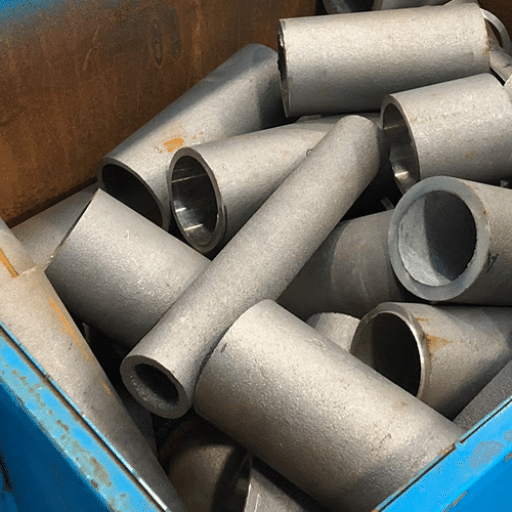
Maraging steel is considered a highly robust material with an extraordinary combination of properties rarely found in a single material. Among other factors, five primary characteristics are listed below that account for its widespread use across various sectors.
High Strength
Maraging steel is characterized by an ultimate strength typically exceeding 2000 MPa, attributable to its martensitic microstructure and subsequent aging treatment.
Excellent Toughness
Maraging steel, despite its high strength, is extremely tough and therefore does not crack under stress, which is why it can be used in very demanding structural applications.
Dimensional Stability
Parts made of maraging steel are not significantly distorted during heat treatment and this ensures precision in complicated components.
Good Weldability
Maraging steel is very easy to weld even without preheating, so the manufacturing welding process seems to be more straightforward.
Corrosion Resistance
Maraging steel may not be as corrosion-resistant as stainless steel. However, it still provides substantial corrosion resistance, especially when coated or treated to withstand harsher environments.
Mechanical Properties of Maraging Steel
Maraging steel is nothing but the material to be considered first when mechanical properties are of utmost importance. The five mechanical properties of maraging steel mentioned below are its characteristics that allow it to be used in hard applications.
High Strength
Depending on the specific grade and heat treatment, maraging steel can attain an ultimate tensile strength (UTS) of 1,400 to 2,400 MPa (200 to 350 ksi).
Excellent Toughness
Maraging steel, although very strong, has a superior property that allows it to absorb energy during impact and dynamic loading without deformation or crack formation.
Good Fatigue Resistance
Maraging steel is characterized by exceptional fatigue resistance, which is a significant advantage for parts regularly subjected to stress cycling, such as in aerospace and tooling; therefore, its use is recommended in these fields.
Low Thermal Expansion
It has a low coefficient of thermal expansion (around 10–11 µm/m°C), which is beneficial in controlling distortion due to temperature fluctuations.
High Hardness
Maraging steel attains a hardness of approximately 50-60 HRC after going through the aging process which increases the material’s resistance to wear and also its lifetime in extreme environments.
Comparison between Maraging 300 and Maraging 250
Advantages of Using Maraging Steel
Exceptional Strength and Toughness
Maraging steel exhibits exceptional properties, including a tensile strength of up to 2000 MPa for Maraging 300, along with unmatched toughness. So, it would undoubtedly be the right choice of material for high tension applications such as weapons and airplanes or, on the other hand, it could be used for building molds for plastic.
Superior Machinability in Solution Annealed State
Maraging steel getting softer during the solution heat treatment process totally makes it easy and quick to machine and then it becomes a very smooth cutting metal. This reduces tool wear and increases production output due to the steel’s machinability.
Resistance to Fatigue and Impact
Maraging steel’s durable, stable microstructure provides it with very high resistance to fatigue and impact; thus, it can be employed in components such as shafts and gears that undergo cyclic loading.
Dimensional Stability
Maraging steel has excellent dimensional accuracy owing to its low thermal expansion and the non-occurrence of transformation during heat treatment, hence it has minimal distortion during machining or when the temperature varies.
Long Service Life
Especially in the situation where the environment is demanding, the super wear resistance and the very high hardness (50–60 HRC after aging) can ensure the lifetime of the parts, hence the maintenance costs are minimized and the overall life cycle of the parts is improved.
The Significance of Heat Treatment
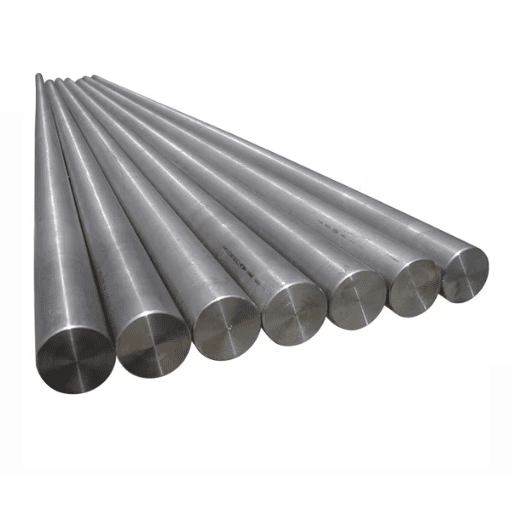
The heat treatment process is a key factor in modifying and improving the properties of maraging steel to meet the requirements of specific applications. The following are the five main reasons that demonstrate the need for heat treatment:
Upper Toughness
The aging process increases hardness; for maraging steel, it can reach as high as 60 HRC, thereby making it suitable for applications requiring durability and high wear resistance.
Strength Improvement
Heat treatment not only involves the specific conditions of temperature and cooling rate but also highly controlled conditions to induce precipitation hardening, resulting in notably higher tensile strength.
Dimension Accuracy
The distortion and dimensional alteration in the heat treatment process are to be minimized which is most important for the parts that have to undergo tight machining tolerances.
Stress Relieving
Heat treatment serves as a stress reliever for the material by relaxing residual stresses, thereby improving stability and reducing the risk of distortion or cracking during machining or under operational loads.
Properties to Order
One can set the material’s most rigid, hardest, and most ductile characteristics precisely for a particular industrial application by fine-tuning the heat-treatment parameters.
Heat treatment, therefore, is a necessary procedure in toughening maraging steel to achieve optimal performance in the most demanding environments.
How Heat Treatment Enhances Properties
Heat treatment plays a vital role in the performance and adaptability of maraging steel, for it very delicately modifies its internal structure. Here are five essential ways that heat treatment improves maraging steel properties:
Higher Hardness
Heat treatment hardens steel by bringing hardening elements, such as nickel and molybdenum, to the surface. Scientific records indicate that the hardness of maraging steel subjected to appropriate heat treatment can reach 50 HRC.
Greater Toughness
Well-controlled heat treatment gives a fine microstructure that corresponds to the strength and ductility combination, thus resulting in great toughness. This property renders the material suitable for aerospace applications and tooling subjected to heavy impact.
Stability of Dimensions
Heat treatment that eliminates internal stresses during aging also reduces distortion, thereby improving dimensional stability. This is particularly vital for equipment that must be accurate to very close tolerances.
Fatigue Resistance
The precipitation of intermetallic compounds during aging increases the steel’s microscopic strength, and overall fatigue resistance consequently improves substantially. The studies have shown that maraging steel fatigue limits can be raised by 25%-30% with the proper heat treatment.
Resistant to Corrosion
Heat treatment helps to achieve the ideal alloy distribution which, in turn, enhances the steel’s resistance to corrosion. The quality not only improves but also extends the service life of machinery components subjected to harsh industrial or marine environments.
All these features make maraging steel a material that is both versatile and reliable for the industries that require high-performance and long-lasting solutions under extreme conditions.
Impact on Mechanical Performance
The combination of maraging steel’s unique properties and its control over heat treatment results in a significant improvement in its mechanical properties. The five performance impacts are as follows in detail:
High Tensile Strength
Maraging steel can achieve tensile strengths of 2000-2400 MPa, depending on the applied heat treatment, making it an ideal material for high-strength applications.
Enhanced Toughness
The material’s metallurgical quality enables it to maintain toughness even at high strength, thereby reducing the risk of sudden failure in critical industries such as aircraft manufacturing and tool manufacturing.
Dimensional Accuracy
Maraging steel maintains an exceptional level of dimensional accuracy after heat treatment, with minimal change in its physical state, which is a crucial factor for the precision engineering and high-performance parts industries.
Fatigue Resistance
The property of fatigue resistance has been improved, so the material can go through loading cycles without breaking, thus it is very reliable and durable over a long time making it one of the materials of choice for the manufacture of gears and shafts.
Weldability
Maraging steel is a material that can be perfectly welded with no need for pre-heating or post-weld treatment which simplifies and speeds up assembly and manufacturing in the field of advanced industrial applications.
Recent Advancements in Heat Treatment Techniques
Maraging steel has undergone significant changes in the last few years, driven by advances in metalworking and precision engineering. Among the numerous advancements, the most remarkable is the synchronization of heat treatment with the production cycle in additive manufacturing (AM) processes. This approach enables the manufacturers to manage very precisely the microstructural changes that occur during the whole process, shortening the time involved and consequently improving the material properties.
Cryogenic Treatment Breakthrough
The alternative of cryogenic treatment, achieving the application of -300°F (-184°C) feeding in, and the remnant of the cryogenic freezing recovery process resulting in increased hardness and wear resistance of maraging steel. Several researchers reported the property of maraging steel being frozen to cryogenic temperatures up to -300°F (-184°C) leading to an increase in the compressive strength by 15% and the prolongation of the service life in aerospace and defense applications.
Gradient Heat Treatment Innovation
The technique of gradual heat treatment where different parts of a component are heated to separate desired levels is a new technique that has been developed. By treating a part with localized heating, engineers can specify the mechanical properties that are most affected, i.e., the reduction of one property occurs in the non-heated zone. Gradient heat treatment has been attributed a 30% increase in the fatigue resistance of turbine blades to metallurgical research.
Induction Heating Technology
Moreover, the technology has progressed with induction heating which has increased the efficiency and accuracy of heat treatment processes, making it easier to eliminate the energy wastage. By providing energy exactly where it is needed, this technology ensures no distortion of the parts, an even temperature distribution, and a reduction in total power consumption of nearly 20%.
The above-mentioned developments combined with modern thermal methods show that they have exceeded the limitations of material performance, the needs of the industry for high-stress applications are met, and thereby, the other applications being developed through the industry are to come.
Step-by-Step Heat Treatment Process
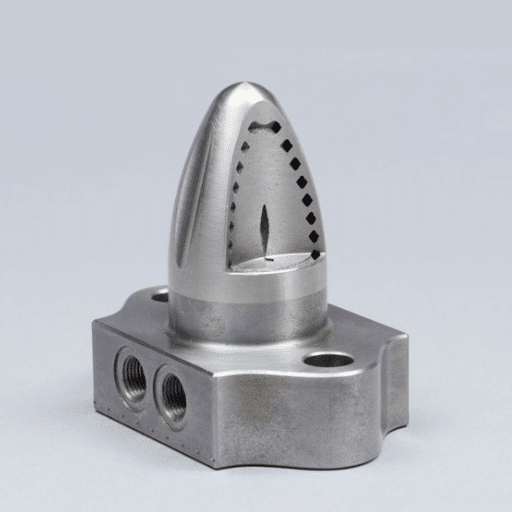
The procedure of heat treatment of maraging steel, which imparts the above-listed properties and many more, is very strenuous and hence unique. It contains a few meticulously regulated and demanding phases. The main stages of the process are briefly mentioned below:
1. Solution Annealing
Temperature Range: 820–870°C (1508–1598°F)
Duration: 1 to 3 hours
The maraging steel is subjected to heat treatment in this temperature range for a specified period. The high temperature ensures the total dissolution of all the alloying elements resulting in the creation of a single-phase structure with even distribution. The particles that were preciously formed are going to be dissolved and the microstructure will be made uniform, then rapid cooling will follow.
2. Rapid Cooling (Quenching)
After solution annealing, the steel undergoes rapid cooling, typically by air cooling or water quenching. The fast cooling of the material guarantees that martensitic structure will be the one that is formed. The soft, ductile martensitic structure is kept during this step. This process maintains the steel ductile and machine-friendly and at the same time easy to work with before the aging process.
3. Aging Treatment
Temperature Range: 480–510°C (896–950°F)
Duration: 2 to 6 hours (typically 3-6 hours)
The aging procedure for the freshly quenched metal is performed by lowering the temperature to a lower range for a couple of hours. The metal is again heated to this region so that the intermetallics like Ni3Mo and Fe2Mo are precipitated leading to the augmentation of hardness and strength. This step not only strengthens and hardens the steel by forming intermetallic compounds but also maintains high hardness. Hardness of maraging steel obtained after the aging process is within the range of 45 to 50 HRC (Rockwell C) which is the typical hardness of maraging steel.
4. Stress Relieving / Controlled Cooling
Stress-relieving treatments are performed after the aging step to eliminate residual stresses developed during quenching or machining. The material is cooled at a controlled rate where the residual stresses are relieved without changing the properties of the material. Stress relieving makes the part dimensionally stable and less likely to distort. The cooling helps maintain the dimensions and shape of the cooled material.
5. Testing and Verification
Hardness, tensile strength, and fatigue resistance are performed on the material after the treatment to ensure that it conforms to the specified requirements. The treatment is followed by rigorous testing to validate the properties achieved. The main tests are:
- Tensile strength: Usually more than 2000 MPa
- Elongation percentage: 2-8% depending on the alloy grade
- Hardness checks: Must meet design requirements
- Non-destructive testing (NDT): Ultrasonic or X-ray inspection to spot any existing internal defects
6. Optional Cryogenic Treatment
In special applications, cryogenic treatment may be employed to achieve additional benefits, including improved dimensional stability and wear resistance. This means lowering the material to -80°C to -196°C (-112°F to -321°F) in liquid nitrogen or other similar mediums and then slowly bringing it back up to prevent cracking.
A material’s yield strength can exceed 2000 MPa, depending on the alloy and the applied treatment parameters. Each of these steps plays a vital role in determining the final mechanical properties of maraging steel which can then be used in the areas of aerospace, tooling, and high-performance engineering, etc., because of its superiority in these areas.
Temperature and Time Parameters
The optimal treatment for maraging steel is precise control of temperature and time to achieve the required mechanical properties. The aging process is typically carried out at 480-500°C (896-932°F), depending on the alloy grade, and lasts approximately 3-6 hours. Regulated heating enables precipitation hardening, during which the intermetallics grow and their combined properties of strength and toughness improve.
Cryogenic Treatment Considerations
Just like the aging process, cryogenic treatment characteristics are of great importance. At the end of the first step of the aging process, the material receives a sub-zero treatment where the cooling is carried out using liquid nitrogen at -196°C (-321°F) for a duration of 12-24 hours depending on the thickness of the material and the application. This treatment both improves the steel and strengthens its molecular structure, thereby reducing residual stresses and improving part precision.
Heating and cooling rates are also very crucial in preventing thermal damage. The warm-up phase at the end of cryogenic treatment is carried out slowly so that the material does not get cracked due to temperature shocked. For high-performance applications, precise ovens and liquid nitrogen chambers are used to maintain exact parameters, while sophisticated sensors are employed to monitor and control uniformity throughout the process. The strict controls ensure that maraging steel consistently meets the high-performance standards required by even the most demanding industries.
CNC Machining Considerations Post-Treatment
When machining post-treated maraging steel, it’s necessary to carefully consider the factors that led to improvements in material properties and precision. The following are the five critical considerations for CNC machining after cryogenic or heat treatments:
1. Tool Selection and Wear
Extremely wear-resistant carbide or cubic boron nitride (CBN) cutting tools should be used for treating the hard maraging steel with very little wear of the tool occurring.
2. Cutting Speed and Feeds
The cutting speeds and feeds should be reduced to prevent overheating and, consequently, the material losing its integrity. The cutting speed range for the treated maraging steel is usually 50 to 90 SFM (Surface Feet per Minute), depending on the alloy grade and type of tooling.
3. Coolant Usage
A high-quality coolant with excellent heat dissipation characteristics must be used to maintain consistent machining performance. Flood cooling or mist cooling is recommended, so as to minimize the thermal accumulation at the cutting tool during a lengthy cut.
4. Surface Finish and Tolerances
Surface finish accuracy is highly significant in post-treatment processes, given the material’s use in industries that require highly accurate parts. Finishing techniques such as fine grinding or polishing can achieve tolerances of ±0.001 inch or better.
5. Machining Stress Management
Stress accumulation might occur during machining which could result in treated components being distorted. The company could either incorporate stress-relieving steps into the process or opt for light roughing cuts to address this issue and ensure that the specified dimensions are maintained.
With these factors in mind, it is recommended that manufacturers optimize their CNC machining operations to maximize the benefits of treated maraging steel parts.
Challenges in Heat Treating Maraging Steel
Heating maraging steel is a procedure that introduces numerous issues that directly affect both the range of performance and the material’s properties. The following points highlight the five most significant challenges that need to be addressed:
Controlled Heating and Cooling Cycles
Controlling temperature with utmost precision is a prerequisite for successful heat treatment. A modification in the heating or cooling rates might result in an uneven hardness or a partial phase transformation, which in turn, would negatively influence the material’s strength and ductility.
Overaging Susceptibility
Maraging steel subjected to prolonged high-temperature exposure may undergo overaging, characterized by the gradual reduction in mechanical properties (e.g., strength and toughness) until they reach a threshold. The problem can only be avoided through strict monitoring of the aging time and temperatures.
Dimensional Stability
At times, heat treatment may cause dimensional variations in steel due to residual stresses in the material. Variations may affect component tolerances, necessitating additional operations, such as grinding to the required tolerance.
Oxidation and Decarburization Risks
Up to a certain point, maraging steel during the heat-treating process is susceptible to oxidation and decarburization. If present, these surface defects will weaken the material; therefore, the heat treatment should be conducted in a sealed vacuum or an inert-gas atmosphere to prevent such reactions.
Microstructural Sensitivity
Microstructure is the determining factor for the properties of maraging steel; consequently, if heat treatment fails, the outcome will be harmful phases or inclusions, leading to brittleness or reduced corrosion resistance. Therefore, it is necessary to have very strict process controls and quality checks in place as the only recourse.
Confronting these challenges requires rigorous planning, precise temperature control, and the use of advanced methods that will ultimately lead to improved material performance after heat treatment.
Common Issues Faced During Heat Treatment
1
Distortion and Warping
If the heat treatment process is not evenly heated and cooled the steel will get distorted or warped. This will affect not only the dimensional accuracy of the final product but also the performance. Research indicates that particularly the complex-shaped components are most affected by this problem.
2
Thermal Cracking
Rapid changes in temperature during the quenching process, in particular, may induce thermal stresses to the point that cracks form. Statistics indicate that misapplied cooling rates account for approximately 60% of thermal cracking cases reported in certain manufacturing settings.
3
Decarburization
Leaving steel in an oxygen-containing or other reactive-gas environment at high temperatures causes decarburization, a process that reduces the carbon content of the steel surface. When surface hardness is significantly compromised, wear resistance may be substantially affected.
4
Incorrect Phase Transformation
Failure to achieve the required phase transformation due to insufficient heating or cooling time or temperature can result in the steel being softer or less ductile. A typical case is incomplete austenitization which may result in the presence of the ferrite phase, which is the one most prone to being soft.
5
Oxidation and Scaling
The surface of the steel piece may get oxidized during its heat treatment and this oxidation may result in scaling which would not only affect the aesthetics of the final product but also its functionality. One way to mitigate oxidation-related defects is to use controlled atmospheres during processing.
Impact of Improper Heat Treatment
The malpractice in heat treatment can cause significant damage to the material’s quality and performance. Five major effects below are given with their implications:
All the necessaries related to the heat treatment process to understand, control, and monitor it the way it is demanded by the prevention of the mentioned effects and the best performance of the material.
Best Practices to Overcome Challenges
I focus on the precision of environmental control during the heat treatment process to address issues related to heat treatment. The application of protective atmospheres or vacuum ovens is definitely part of the treatment cycle which is aimed at preventing the metal from oxidation and carbon loss. I rely on 100% process monitoring and continuous calibration of the equipment used in the heat treatment process to ensure and guarantee the expected product quality. Additionally, I ensure, through material selection and testing, that the desired mechanical properties are achieved as my priority in the heat treatment process. I will always be proactive in all these factors and this way, I will be able to work with the materials in a way that their performance will be maximized to their best.
Frequently Asked Questions (FAQ)
What is the process of heat treatment for steel parts to make maraging steel suitable for high-strength applications?
Maraging steel parts undergo solution annealing to produce precipitate distributions in the alloy, which is also the basis for aging heat (precipitation hardening), creating intermetallic precipitates that strengthen the already martensitic structure. The whole procedure starts with austenitizing/solution annealing to acquire a uniform low-carbon martensitic structure through rapid cooling, and then aging at 480–520°C (which varies in grades for instance 18Ni300/C250/C300) to attain the stage of maraging steel with ultra-high strength and incredible hardness that also retains good ductility and dimensional stability.
What is the procedure I should follow for post-processing steel parts so that they are ductile and resistant to fatigue?
Maraging steel parts, the main concern will be strength and toughness, and this will be achieved through controlling the solution annealing of temperature, time, and rapid cooling to create a carbide-free martensitic structure, and controlled aging treatment for production of fine intermetallic precipitates. Post-processing may include tempering-like aging, stress relief, and minimal machining in the annealed condition to prevent crack formation. The procedures mentioned above yield improved fracture toughness and fatigue resistance while maintaining the excellent mechanical properties of high-strength steels for aerospace components and engineering applications.
Are parts made by metal additive manufacturing such as SLM or DMLS treated to get high mechanical strength?
Yes, it’s the case. The SLM and DMLS parts made using maraging steel powder can be subjected to heat treatment which includes solution annealing for microstructure homogeneity followed by the aging stage where intermetallics of nickel and cobalt are created which are responsible for age-hardening. Because of the as-built residual stresses and the peculiar microstructures induced by layer-wise manufacturing, additional treatments, such as hot isostatic pressing (HIP) and precise aging schedules, are required to achieve 2000 MPa-class strength and optimal mechanical properties in complex geometries and functional parts.
How does the hardness and ductility of maraging steel produced through low-carbon grades change due to precipitation hardening?
Tension and hardness in low carbon content maraging steels are increased by precipitation hardening which creates intermetallic precipitates (iron-nickel martensite matrix with Ni, Co, Mo, Ti, Al intermetallics). Over-aging may lead to the ductility and toughness being gradually reduced, while the peak is reached with age treatment in the case of hardness and strength. Properly executed aging treatments yield a specified combination of ultra-high strength and retained ductility; schedules with optimized parameters produce high-strength steels with good fracture toughness and crack resistance for demanding applications such as aerospace components.
Are parts made of maraging steel resistant to corrosion and what is the role of heat treatment in this regard?
Unlike the corrosion-resistant stainless steels, maraging steels have only a slight collective resistance due to their low carbon and nickel high content. A heat treatment can easily switch the condition of the material through solution annealing: a homogeneous matrix is formed while aging may develop intermetallics that will vary corrosion rates locally. Nitriding, coating, or using stainless steels are some of the techniques that may be employed for the purpose of creating a corrosion-resistant layer. The corrosive environment and the alloy composition (nickel, cobalt, and molybdenum content) determine suitability for corrosive service.
What are the most common grades and specifications of steel parts used in the aerospace industry and the high-performance applications?
Among the common grades of maraging steel, 18Ni300 (also known as AMS 6514), C250, and C300. are the most widely used in aerospace standards such as AMS and ASTM. These inheritanceless, age-hardening alloys provide ultra-high strength and wear resistance for aircraft, tooling, and high-strength steel applications. Specifications involve annealing, heat treatment, hardness targets, tensile strength (often close to 2000 MPa), and dimensional stability requirements.
How does the martensitic microstructure and heat treatment-induced grain refinement boost the machinability and weldability of steel parts?
Maraging steel in the annealed condition is really soft and thus easy to machine because of its low-carbon martensitic structure before aging. The processes of grain refinement through solution annealing and controlled cooling are improved uniformity and mechanical properties. However, the ultra-high strength gained after aging limits machinability and makes welding more difficult; the welds may require post-weld solution annealing and re-aging to restore their properties and special precautions must be taken to prevent cracks and maintain the fracture toughness in welded joints.
What precautions and testing are recommended for steel parts after aging treatment to ensure dimensional stability and performance?
After aging treatment, evaluate dimensional stability, hardness, tensile strength, ductility, and fracture toughness through a combination of non-destructive and mechanical testing. Watch out for distortion, residual stresses, and potential over-aging. Conduct fatigue testing on critical parts as well as microstructural assessment (grain refinement, intermetallic precipitates) shall be performed. Abide by the standards (AMS, ASTM, ASM Handbook references) and consider the influence of environmental conditions and post-processing (machining, nitriding) in order to certify that functional parts comply with the demands of engineering applications.
References
- ScienceDirect: Heat treatment optimisation of 18% Ni maraging steel
- A detailed study on heat treatment processes for maraging steel using advanced technologies.
- PubMed Central (PMC): The Effect of a Two-Stage Heat-Treatment on Maraging Steels
- Discusses the impact of heat treatments on the properties of maraging steels.
- MDPI Materials: Effect of Heat Treatments on the Microstructure and Properties of Maraging Steels
- Explores the influence of aging and solution treatments on maraging steel.