


Blog
Invar 36 (4J36): Low Thermal Expansion Alloy

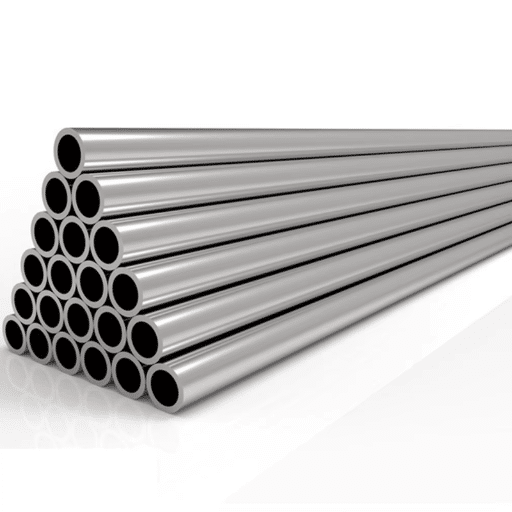
Among the unique Materials, Invar 36, whose alloy designation is 4J36, is really hard to beat in terms of its wonderful properties. The nickel-iron alloy has a very low thermal expansion coefficient and is widely used in industries where dimensional stability is critical. The wonderful characteristics of Invar 36 result from cutting-edge aerospace technology, precision instruments, and even cryogenic systems.
This blog post discusses the scientific foundation of this alloy, its necessity, main uses, and why it remains the best choice for environments that experience extreme temperature changes and require accuracy. It does not matter if you are a technician, a producer, or just a person who is interested in the new materials that affect our day-to-day life, this article will be very informative about one of the most versatile and therefore the best alloys that can be found. Keep reading to discover the essential material for many sectors.
Introduction to Low Thermal Expansion Alloys
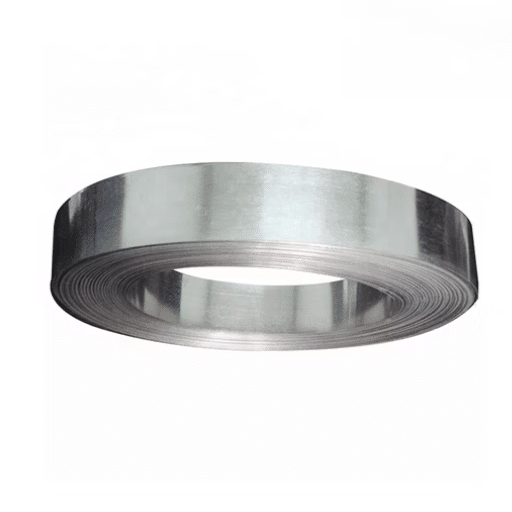
Low-thermal-expansion alloys are advanced materials designed to maintain their dimensions and shape under temperature variations. The metals like nickel and iron are commonly mixed up to produce the thermal expansion which is very low; the nickel-iron alloy has a melting point of 1435 degrees Celsius. Their very low thermal expansion makes these alloys suitable for precise measurements, with scientific instruments, aerospace parts, and electronic devices among their applications. The accuracy and reliability of these materials, due to their temperature tolerance, have made them indispensable in many industries.
Significance of Low Thermal Expansion Alloys
Low-thermal-expansion alloys are critical for industries that require tolerance and stability. The unusual characteristic of low thermal expansion alloys, which is their minimal expansion or contraction at varying temperatures, has made it possible for the components that are made of these alloys to be maintained as reliable and consistent even in demanding thermal conditions. This is evident in applications where even slight dimensional changes can cause the process to stop or produce inaccurate products.
Five main features of low thermal expansion alloys that underline their importance are as follows:
Precision in Scientific Instruments
Low thermal expansion alloys are heavily used in scientific equipment which includes telescopes, microscopes, and spectrometers. The need for such tools to be highly precise and the demand for materials that maintain dimensional stability during long, accurate measurements are the reasons for their use.
Aerospace Applications
One such advantage these alloys offer is their ability to withstand thermal stresses in satellite structures and aircraft composite materials, which is why the aerospace industry relies on them across various applications during both the space and flight phases.
Electronic Devices
The use of low-thermal-expansion alloys is critical in the electronics industry, especially in semiconductor packaging and hard drive components, where thermal precision is the primary factor determining both performance and product longevity.
Thermal Stability in Optics
Using low-thermal-expansion alloys, optical devices such as camera lenses and mirrors can produce high-quality images with proper composition and focus, even across a wide range of temperatures.
Construction of High-Precision Tools
The production of high-precision tools and measuring devices, such as gauges and machine parts, often incorporates these alloys to ensure that exact specifications and tolerances are maintained even in varying environmental conditions.
The property of low thermal expansion alloys that keeps them at the top among the most sought-after materials due to their reliability across the industries points to their future involvement in the research and development of innovative solutions around the industries.
Applications of Low-Expansion Alloys
The outstanding characteristic of low thermal expansion alloys is that they do not change significantly in dimension with temperature changes, which has been a major factor in their widespread use across industries. Primarily, the mentioned alloys have been utilized in five distinct fields.
- 1
Aerospace Engineering
Low expansion alloys are utilized in developing satellite structures and telescope frames. Their stability is critical in the extreme temperature fluctuations of outer space, ensuring the equipment operates and aligns correctly throughout the mission.
- 2
Electronics and Semiconductors
These metals are a significant part of the production chain, as they create microchips, electronic circuits, and semiconductor substrates. The negligible thermal expansion of these devices prevents deformation and preserves the accuracy of microscopic connections, thereby enhancing the compatibility of today’s high-performance electronic devices.
- 3
Optical Systems
Low-expansion metals are among the basic materials used for the mounts and supports of precision optical instruments, like lenses, mirrors, and laser systems. This application is of utmost importance to the maintenance of optical precision not only in microscopy and astronomy but also in laser alignment.
- 4
Scientific Instruments
The utilization of low-expansion alloys renders the measurement devices, such as interferometers and thermal sensors, more accurate. Their consistency enables accurate data collection and measurement in the laboratories.
- 5
Construction of Artifacts and Monuments
Low-expansion alloys are embedded in some historical and scientific monuments and high-quality artifacts to prevent temperature fluctuations from causing the structures to decay, thereby preserving their integrity over time.
The above-stated applications provide a clear overview of the wide range of properties and the trust that low-thermal-expansion alloys have across industries, which is the primary driver of precision, stability, and long-term reliability.
Overview of Invar 36
Invar 36, without a doubt, is the number one among the iron-nickel alloys, and the very low thermal expansion coefficient (CTE) of this alloy is one of the factors that attracts such great interest. The alloy’s CTE, which falls within the range of 0.6 to 2.5 µin/in°F (1.1 to 4.5 µm/m°C), is measured for a very wide temperature interval of -100°F to 500°F (-70°C to 260°C), thus making it perfect for all the applications that require excellent dimensional stability even when temperature is a changing factor. The principal elements in Invar 36 are about 36% nickel and 64% iron and besides these, there are small amounts of other elements whose proportions could be varied depending upon the final use of the alloy.
Main Characters of Invar 36:
Thermal Stability
The near complete absence of thermal expansion in Invar 36 virtually eliminates defects caused by temperature changes, enabling the alloy to be used in the manufacture of precision devices, clocks, and scientific instruments.
Operating Temperature Range
The device will operate accurately regardless of the surrounding temperature, and so, it can be employed in high-precision areas.
Mechanical Properties
- Tensile Strength: Around 70,000 psi (482 MPa).
- Yield Strength: Roughly 35,000 psi (241 MPa).
- Hardness (Rockwell): B80-B90.
- Density: 8.1 g/cm³.
Corrosion Resistance
The alloy has poor corrosion resistance; however, it is better under controlled conditions. Therefore, in such harsh environments, a protective coating is highly recommended.
Invar 36 Applications:
- ●
Aerospace and Defense: The alloy is widely used for manufacturing precision parts of aircraft and satellite systems where the stable Invar 36 contributes to accurate aerodynamics and instrument detection. - ●
Optical Devices: Invar 36, with its unique low thermal expansion, is used for telescope mirrors, optical mounting systems, and laser equipment. - ●
Electronics Industry: It is a key material in the manufacture of shadow masks, integrated circuit components, and other precision electronic devices, where temperature uniformity is critical. - ●
Liquefied Gas Storage & Transport: The low temperature characteristic of Invar is a great advantage in the case of storage and transport of liquefied natural gas (LNG) as LNG is kept and transported at low temperature, so Invar is used to make the containers and pipelines.
Recent Advancements:
Metallurgical processes and control methods have effectively pushed Invar 36 to its maximum; hence, the alloy has become the material of choice for the toughest applications, such as space exploration and next-generation semiconductor manufacturing. Besides, environmental sustainability is a goal, thus, green production techniques are being developed that will not only increase the output but also minimize the environmental impact.
Although Invar 36 is a miracle material, it still maintains its dominance in its aeronautical and terrestrial applications through custom manufacturing techniques.
Composition and Properties of Invar 36
Invar 36 is a high-performance material with unique characteristics derived from its excellent chemical composition and thermal properties. These, in turn, make it a mainstay in the field of precision engineering, as it is the most material to be used. The details and key properties of this alloy are listed below:
Chemical Composition
- Nickel (Ni): Approximately 36%
- Iron (Fe): Balance (roughly 64%)
- Carbon (C): Trace amounts
- Manganese (Mn): Trace amounts
- Silicon (Si): Trace amounts
- Phosphorus (P) and Sulfur (S): Traces
Extremely Low Coefficient of Thermal Expansion (CTE)
Invar 36 has an extremely low thermal expansion coefficient (around 1.2 × 10⁻⁶/°C from -100°C to 200°C), which among others, is the main feature of this material and a cause of the stability of its dimensions during temperature fluctuations.
Density
The density of the Invar 36 is approximately 8.1 g/cm³, which implies that the alloy is long lasting, however, there is no disadvantage of being too heavy.
Magnetic Properties
This alloy preserves ferromagnetic properties until it reaches the Curie temperature, about 280°C for Invar. At higher temperatures, this alloy becomes paramagnetic.
Thermal Conductivity
The thermal conductivity of Invar 36 is relatively low, approximately 10 W/m·K at ambient conditions, which favours its use in certain thermal insulation applications.
Besides the diversity of its composition, these properties contribute to the great significance of Invar 36 in the precision and stability forecasting industries even in the most difficult conditions.
Chemical Composition of Invar 36
Invar 36 is a special alloy made primarily of iron and nickel, with nickel accounting for approximately 36% of the total weight, from which the name is derived. The component ratio is tightly controlled to achieve thermal expansion properties as low as Invar. The table below illustrates the standard chemical composition of Invar 36:
To avoid confusion with common varieties, this precision alloy is made to stringent specifications that not only give it a very low coefficient of thermal expansion but also ensure it does not change dimensions under the most extreme temperatures and conditions. The very small amounts of impurities present in the alloy, such as sulfur and phosphorus, have been reduced to the lowest possible levels so the alloy can perform at its best and avoid aging, which would slow it down or cause deterioration.
In other terms, the iron is there in just the right amount to maintain the alloy’s strength, while nickel concentration is carefully controlled for the thermal and magnetic properties. Moreover, the minute addition of manganese and silicon not only makes the material easier to manipulate but also enhances its oxidation resistance. It is the specialized chemical mixture that puts Invar 36 on the top of the list for every application that demands excellent stability and dependability.
Mechanical Properties of Invar 36
Invar alloy 36’s unique mechanical properties make it suitable for those industries that require temperature stability and thus dimensional stability. The alloy’s five major mechanical properties are listed below:
Coefficient of Thermal Expansion (CTE)
Very low, approx. 1.2 × 10⁻⁶ /°C (for 20–100°C), hence no significant dimensional changes occur even for considerable temperature differences.
Tensile Strength
Roughly 517 MPa (75,000 psi), which is detrimental to yielding and gives rise to good resistance to stretching.
Yield Strength
In the order of 240 MPa (35,000 psi), hence the material is able to take the specified load without permanent deformation.
Elastic Modulus
Close to 141 GPa (20.5 x 10⁶ psi), thereby indicating that the material is very stiff and resistant to elastic deformation.
Hardness
Generally around 160 HV (Vickers Hardness), as a result of good wear resistance the alloy can be easily powered and machined.
All these properties combined give the alloy unusual dimensional stability, which alone makes it the right material for precision instruments, aerospace parts, and similar demanding applications, to name a few.
Coefficient of Thermal Expansion (CTE)
The Coefficient of Thermal Expansion (CTE) is a key property that quantifies the degree to which a material expands or contracts in response to temperature changes. For the reappraisal and the entire family of nickel-iron alloys earmarked for precision instruments, the CTE value ranks from 1 to 15 x 10⁻⁶ °C (1 to 8.3 x 10⁻⁶ °F) dictated by the alloy’s makeup and the range of temperature. The CTE of an alloy with 36% nickel, commonly known as Invar, is unbelievably low, near 1.2 x 10⁻⁶/°C (0.67 x 10⁻⁶/°F) at 20 to 100°C interval.
Low thermal expansion is highly advantageous in applications requiring precision, such as aerospace engineering, precision optical devices, and high-accuracy measuring instruments. Conversely, one can adjust the CTE values by increasing nickel or iron content, which would require tailored compositions to meet specific engineering requirements. Familiarity with CTE’s dependence on environmental conditions enables engineers to take the necessary actions to avoid performance issues caused by temperature changes.
Unique Characteristics of Invar 36
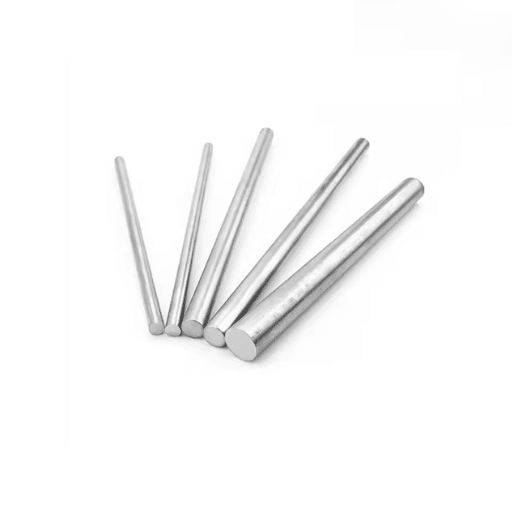
Invar 36, an alloy, has a plethora of peculiarities that render it extremely useful in the fields where strict dimension control is necessary. These features comprise the following five main characteristics:
① Low Coefficient of Thermal Expansion (CTE)
Invar 36’s exceptional feature is its low thermal expansion coefficient, approximately 1.2 × 10⁻⁶ /°C from -100°C to 100 °C. Therefore, it will undergo minimal size changes with temperature variations, which is critical for high-precision applications.
② Excellent Dimensional Stability
The low CTE is the reason Invar 36 has the highest dimensional stability in any condition of thermal change. Thus it has come to be the material of choice in the fields of aerospace, metrology, and precision instruments.
③ Good Machinability and Fabrication Properties
Invar 36, besides being highly strong, can be shaped into complex, intricate parts and welded, brazed, or machined, which are the most common fabrication methods.
④ High Strength and Toughness
The alloy is very strong and tough, with a tensile strength of approximately 490-690 MPa, depending on the treatment. When these properties are combined, Invar 36 has a long service life and a guarantee of reliable operation even under extreme conditions.
⑤ Corrosion Resistance in Various Environments
Invar 36 does not exhibit the same level of corrosion resistance as the superior grades of stainless steels; however, it can still resist moderate oxidations and exposure to some chemicals, which qualifies its usage in controlled environment settings.
Therefore, these qualities keep Invar 36 performing at its best even in the harshest applications, making it even more valuable as a material in engineering systems where temperature is critical.
Dimensional Stability
Dimensional stability is considered the primary property of Invar 36 and this characteristic guarantees the material a significant role in applications that require utmost precision. The remarkable stability is primarily due to the exceptionally low coefficient of thermal expansion, among other factors. Below listed are some of the key points and data that illustrate its dimensional stability:
All these features, when taken together, assure that Invar 36 will be reliable to perform in applications where strict dimensional tolerances are considered necessary.
Corrosion Resistance
One of the key advantages of Invar 36 is its exceptional corrosion resistance, enabling its use in the most challenging environments. The material’s key characteristic, that is, oxidation resistance, guarantees longevity of the product in diverse industrial applications. Below are five reasons that elaborate and present the data Invar 36’s corrosion resistance:
-
1
Oxidation Resistance in High Humidity
Invar 36 does not lose the remarkable property of being resistant to oxidation when subjected to humid conditions; therefore, the material has its strength maintained over long time spans.
-
2
Performance in Salt Spray Tests
The lab tests reveal that Invar 36 has lost less than 0.01% of its weight after 1000 hours of exposure within a salt spray chamber, indicating that the material is highly resistant to it salt corrosion.
-
3
Chemical Stability in Acidic Environments
The patient can withstand hydrochloric and other acids at low concentrations without losing it’s male strength making it suitable for chemical processing of use.
-
4
Resistance to Industrial Pollutants
Components fabricated from Invar 36 are said to have shown no rusting even when subjected to the industrially generated pollutants which include sulfur dioxide and nitrogen oxides.
-
5
Surface Corrosion Observation in Marine Environments
The Invar 36 has been reported to be completely corrosion-free for 5 years under marine conditions, provided there is saltwater spray.
These features not only make the material versatile but also reliable in places where, besides high precision, long-lasting performance is a requirement.
Tensile Strength and Durability
Invar 36’s tensile strength and durability make it a trustworthy option for challenging applications where mechanical stability is the foremost requirement. Here are five important aspects to support these claims:
Given its tensile strength and durability, Invar 36 is the leading choice for hard-to-work-with applications where mechanical stability is the primary concern. Let’s have a look at the five biggest reasons to believe this:
★
High Tensile Strength
The tensile strength of Invar 36 is approximately 490 MPa, which is why it is used in applications requiring high material durability.
★
Elongation Capability
The material can be stretched to 40% of its length before breaking under tensile stress; therefore, it can withstand significant strain without losing its structure.
★
Yield Strength
The yield strength of approximately 240 MPa enables the material to return to its original shape under heavy mechanical loads.
★
Fatigue Resistance
Tests have shown that Invar 36 performs exceptionally under stress cycles, and consequently the risk of material fatigue over the long term is greatly reduced.
★
Low Thermal Expansion Impact
The material’s longevity is further enhanced by its ability to maintain mechanical properties under temperature variations, attributed to its low thermal expansion coefficient.
The combination of these characteristics creates the impression that Invar 36 is a premium material, especially in applications where strength, flexibility, and stability are required simultaneously.
Industrial Applications of Invar 36
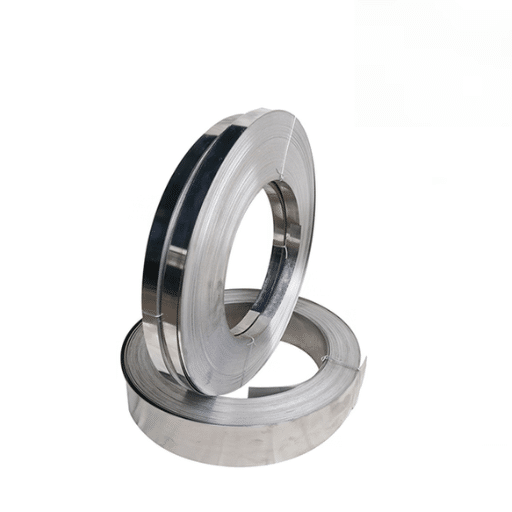
Precision Instrumentation
Invar 36 is one of the crucial materials that are widely used in producing precision measuring instruments like micrometers, gauges, and optical devices along with many others. Because of its exceedingly low thermal expansion coefficient, the material remains constant in size and this very property is of utmost importance in maintaining the accuracy of extremely precise applications.
Aerospace Components
Invar 36 has been a major supplier of aircraft parts, known for its strength and reliability. Among the most important requirements for such parts as satellite frame and cryogenic fuel tank are temperature stability together with strength, and that is exactly where Invar 36 is a perfect fit.
LNG (Liquefied Natural Gas) Storage Tanks
Invar 36 is an excellent cryogenic material for LNG storage and transport tanks, performing well at extremely low temperatures. It can retain its structure during freezing, so no material failure occurs.
Electronics Industry
Invar 36 is an indispensable material for shadow masks, frames, and other electronic parts where dimensional stability and resistance to thermal expansion during operation are the main requirements.
Scientific Equipment
Invar 36 is a high-quality material for scientific instruments such as pendulums, telescopes, and other sensitive devices that require high stability, thanks to its ability to maintain size and shape under temperature changes.
These application examples show that various industrial sectors can rely on the versatility and key role of Invar 36. Its outstanding properties ensure reliable performance even in the most demanding conditions where stability is required.
Aerospace Applications
Invar 36 is an essential material in the aerospace industry due to its superb dimensional stability and the lowest thermal expansion coefficient. The five principal aerospace applications of Invar 36 are given below:
Satellites and Spacecraft Components
Invar 36 is predominantly used in critical satellite and spacecraft components where thermal expansion could affect performance, such as optical mounting frames and structural supports.
Aerospace Molds and Tools
Invar 36, being highly thermally stable, is the only choice for manufacturing molds and tooling for composite materials used in the production of lightweight, high-strength aerospace components.
Cryogenic Systems
Its ability to retain its size and shape even at cryogenic temperatures makes it a highly useful material for tanks and pipes in cryogenic applications in the aerospace sector.
Aviation Engines and Components
The parts, which are exposed to temperature changes in jet and rocket engines, benefit from the non-expansion property of the material thereby ensuring performance and safety.
Precision Instruments for Navigation
Highly sensitive instruments such as gyroscopes and accelerometers rely on Invar 36 for stability, ensuring the precision of navigation systems essential to both aircraft and space vehicles.
The above applications demonstrate that Invar 36 is an indispensable material in the aerospace industry, which requires stability and precision.
Electronics and Precision Instruments
Invar 36 is the primary material that keeps the electronics and precision tools industries satisfied, thanks to its precise dimensions and low thermal expansion. It is the metal of choice for many areas where even the smallest dimensional change would lead to errors or failures. Semiconductor photomasks are one such application in which extreme accuracy is required at every step of chip production. Almost no thermal expansion from Invar 36 means perfect alignment and thus, precision at varying temperatures, which is why it has become the industry average in the semiconductor sector’s clean rooms where the wafers are processed.
Furthermore, modern precision instruments consistently rely on Invar 36 for dimensional stability and related performance, including optical fiber systems, laser components, and high-sensitivity measurement devices. In laser interferometry—for example—the crucial process of metrology and scientific research need extreme accuracy thus any material deformation would cause a wrong measurement. The excellent dimensional stability of Invar 36 ensures reliability even under intense use or extreme environmental changes.
🕒 Atomic Clocks Innovation
Moreover, recent developments have underscored the need for Invar 36 in atomic clock production. The accuracy of atomic clocks, which are essential for global navigation satellite systems (GNSS), has to be in the range of the fraction of a second over years of use. Pairing Invar 36 with metal alloys preserves the structural integrity required for high-precision timing devices, enabling smooth operation in critical applications.
📊 Market Growth Statistics
According to the latest statistics, the global demand for precision instruments and thermally stable alloys such as Invar 36 grew at a compound annual growth rate (CAGR) of more than 4.5% from 2020 to 2025, underscoring their role in technological advancement. These industries are a continuous battlefield for the development of materials with exceptional properties, like Invar 36, that are essential for both new inventions and dependability.
Case Studies of Invar 36 Utilization
1
Aerospace Industry – Satellite Components
Invar 36 has been extensively employed in the aerospace industry, particularly the segment of satellite and spacecraft parts, among other things. One of the key properties of Invar 36 is its very low coefficient of thermal expansion, which ensures that parts do not change size during the extreme temperature variations in outer space. A typical application of the material is in the manufacture of satellite solar panel frames, where the panel’s optimal performance depends on strict alignment during operation.
2
Telecommunication Systems – Fiber Optic Cables
The ability of the material to withstand thermal stress without damage makes it the most appropriate material for cable housing and support for the optic fiber. Telecom operators have reported significant improvements in signal quality and lifespan, particularly in regions with the highest temperature fluctuations, following the incorporation of Invar 36 into the telecommunications network.
3
Medical Imaging Devices – MRI Machines
The medical imaging industry relies heavily on precision and stability. MRI manufacturers use Invar 36 for the most susceptible parts to temperature changes and electric fields, such as gradient coil formers and support structures, because the material has very low thermal expansion and it is magnetically stable. As a result, these applications improve imaging accuracy and machine longevity, benefiting both healthcare providers and patients through better outcomes.
4
Scientific Research Instruments – Telescopes
The main telescopes that benefit most from Invar 36 are those that use it. One of the material’s properties, namely that it is not affected by temperature fluctuations, enables the telescopes to perform equally well regardless of time or temperature variations. For example, in areas with changing weather, Invar is used for meter mounting and calibration to ensure reliable data over the long term.
5
Precision Manufacturing – Tooling and Molds
The tooling and molds manufacturing industry usually takes advantage of Invar 36 and their processes, especially for parts that require a very tight fit. Reduced thermal expansion minimizes distortion during heating and cooling, producing precise, consistent parts. This feature has contributed to applications such as the manufacture of composites for automobiles and aircraft.
Future Trends in Low Thermal Expansion Materials
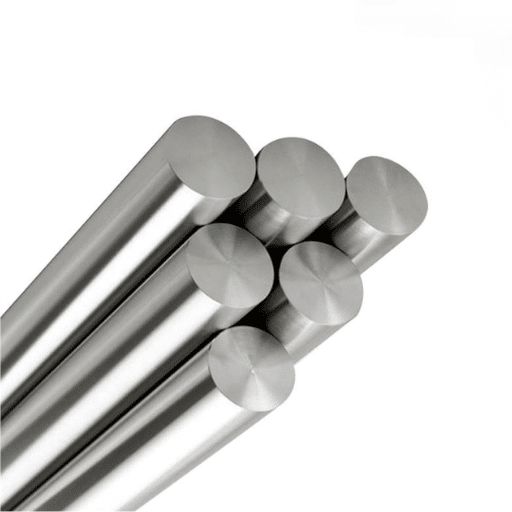
The development of low-thermal-expansion materials will be driven by advances in higher-order technologies, environmental considerations, and the resulting new technologies. The researchers are working to develop novel metal alloys, composites, and ceramics with superior thermal stability, strong mechanical properties, and broader use across all sectors.
One of the most significant changes is the emergence of hybrid composites that combine low thermal expansion with high strength and low density, which are essential in the aerospace and electronics industries. Such composites, containing carbon fibers or carbyne, are under research and development and are expected to further reduce thermal deformation while maintaining material strength.
♻️ Environmental Sustainability
Another trend is sourcing raw materials from responsible channels that manufacturers rely on, i.e., adopting environmentally friendly methods and recycling non-sustainable parts. Tightening emissions and environmental impact regulations are driving manufacturers to improve production efficiency while reducing their carbon footprint.
A 2023 study reported increasing interest in bio-based materials and recyclable alloys, which are likely to accelerate the transformation of the automotive and construction sectors’ application landscape.
🖨️ Additive Manufacturing Revolution
Additive manufacturing, or 3D printing, has reached a milestone in producing low-thermal-expansion materials. The use of cutting-edge printing techniques ensures precise control over the material’s composition and structure, enabling the creation of parts that meet specific application requirements.
For instance, a recent study finds that adoption of additive manufacturing for low-expansion components increased by 15% from 2020 to 2023, driven by industries seeking to leverage its speed and cost-effectiveness.
🤖 Smart Technologies Integration
The integration of smart technologies and predictive maintenance is now a primary focus area. The exploitation of low thermal expansion materials is being carried out with the utmost efficiency as they are often used in the production of sensors and devices that detect the structural integrity during varying thermal conditions. This preventive approach elevates the safety standards in high-risk sectors, such as energy and space exploration, to the highest level.
📈 Market Projection
The demand for low-thermal-expansion materials is projected to grow at a CAGR of about 4-5% from 2023-2030, indicating strong market pull in engineering and tech-based industries. The path of material development will ultimately overcome the three major challenges: precision, sustainability, and resilience.
Innovations in Invar Alloys
Recent developments in invar alloys have benefited applications and areas where the alloys’ performance is specified. The key to this change is the development of new alloys that not only maintain low thermal expansion but also enhance other critical properties, such as strength, corrosion resistance, and machinability. One good example is the hybrid invar alloys being developed by researchers by adding cobalt or tungsten, which provide wear resistance in extreme environments.
📊 Global Market Analysis
Based on recent market reports, the global invar alloys market is expected to continue its steady growth, driven by sustained demand from the aerospace, electronics, and optical instruments industries. The aerospace sector is the largest one where the use of invar alloys to ensure stability in high-quality parts, such as satellite panels and fuel tank membranes, is very important and so dimensional stability under temperature changes is crucial. According to industry analysts, consumption of invar alloys in the aerospace industry will increase significantly, surpassing 35% of total use by 2030, driven by the expansion of space exploration and the rise of commercial satellites.
Furthermore, leading producers are leveraging the latest manufacturing techniques, including additive manufacturing (3D printing), to produce invar components with superior precision and reduced material waste. This not only reduces costs but also enhances environmental performance by minimizing carbon emissions during production. As a result, the use of invar alloys in the renewable energy sector, where they are used to manufacture components for wind turbines and solar panels that require very accurate dimensional control, is likely to increase because of these innovations.
Thus, the advancements in this field are a clear indication of the continuous research and development in technology as the main factors in upgrading invar alloys to the level of contemporary engineering challenges, hence securing their position in the high-performance and precision-driven sectors which are quite large.
Potential Developments in Low-Expansion Alloys
Low-deposition (low) alloys, such as Invar, have gradually replaced other materials in industries that require materials that are almost non-expanding. Along with the trends and research, their dominance, especially in technology and renewable energy, is expected to continue to grow.
🔬 Semiconductor Manufacturing Applications
One of the uses of semiconductor manufacturing machinery has become a key illustration of the trend. Recent industry reports indicate that the primary driver is demand for materials with extremely low thermal expansion coefficients, consistent with the long-standing thermal stability requirements of semiconductor lithography and etching processes. However, the invar and its modified variants are among those the manufacturers of photolithography systems are becoming less demanding over time.
⚗️ Advanced Alloying Techniques
In addition, the low-expansion alloys are being sustained by researchers through new manufacturing methods and alloying. In fact, adding small amounts of cobalt or titanium can not only enhance the material’s thermal properties but also improve its strength and corrosion resistance. Laboratory reports indicate that the wear resistance of alloys produced with varying elemental compositions can be increased by up to 15% while maintaining low expansion.
⚡ Renewable Energy Sector Applications
The renewable energy sector is not distancing itself from the low-deposition alloy but rather advancing through various innovations and related developments. For instance, components of cryogenic storage in hydrogen energy infrastructure indirectly leverage their dimensional stability to prevent waste during processing at extremely high or low temperatures. The planned projects in Europe and Asia, contrary to speculation, have already begun to use low-expansion alloys and similar materials in the development of precise thermal management systems.
🖨️ Additive Manufacturing Advances
Going forward, the production of low-expansion alloys will be overhauled by additive manufacturing (AM). One of the AM techniques, layering, enables the production of complex geometries while, at the same time, controlling the size accurately.
A 2023 study reported that 3D-printed invar parts have the same thermal expansion coefficient (1.2 × 10⁻⁶/K) as those produced by the traditional method. Furthermore, they benefited from a 30% reduction in material waste.
Given these breakthroughs, the field requires sustained research and funding. Low-expansion alloys tailored for modern applications will enable the Manufacturing Industry to leverage their properties, enabling the creation of new products across sectors such as aeronautics, power, and electronics.
The Role of Invar 36 in New Technologies
Invar 36 is a metal with very low thermal expansion and is considered an important material for new technologies. Invar 36’s properties provide precision and stability even under large temperature swings. These five areas illustrate where Invar 36 is and what a difference its use has made:
Aerospace Parts
The metal is used in satellites to ensure they retain their original form and size under the most severe temperature changes in space.
It controls the heating-related expansion of the parts and ensures the correct alignment of the devices.
Measurement Instruments of High Accuracy
The most important factor in the accurate production of measuring devices such as interferometers and calibration tools is it.
irrespective of whether the environment is fluctuating or not, it gives the same accuracy as always.
Production of Semiconductor
It is the key factor in minimizing thermal distortion in photolithography machines used in microchip manufacturing.
It has enabled the production of circuits that not only occupy less space but are also more efficient and powerful.
Power Generation Sector
The substance is used to manufacture components for cryogenic natural gas storage tanks and liquefied natural gas (LNG) pipeline systems.
it is the reason for very small dimensional variations during the extreme cold which makes it dependable and safe to use.
Vision and Research Equipment
The property of being the least-expanding and most stable at elevated temperatures allows mirrors and other optical components made of Invar 36 to be used in telescopes.
Improved precision is why science labs and astronomical observatories are achieving more accurate measurements today.
Invar 36’s performance in challenging environments is an excellent demonstration of its adaptability and outstanding performance, as it has contributed to the advancement of new technologies and opened new avenues in research.
References
ScienceDirect:
Achieving balanced mechanical and thermal expansion properties of Invar alloy
This article discusses the low coefficient of thermal expansion (CTE) and mechanical properties of Invar 36.
Taylor & Francis Online:
The puzzling thermal expansion behavior of Invar alloys
A comprehensive review of research activities on Invar 36, focusing on its thermal and magnetic properties.
MDPI (Multidisciplinary Digital Publishing Institute):
Minimum and Stable Coefficient of Thermal Expansion by Magnetic Volume Contraction
This paper explores the magnetic properties that contribute to Invar 36’s low thermal expansion.
Frequently Asked Questions (FAQ)
❓ What is the low expansion 4j36 (Invar 36) exactly and what is it made of?
4j36 low expansion is a nickel-iron alloy consisting of about 36% nickel and 64% iron (Fe). It is commonly called Invar 36 or alloy 36 (K93600). One of the main aspects of this alloy is that its composition leads to a thermal expansion coefficient which is very low as compared to most steels— the expansion coefficient is very low— and hence the alloy behaves thermally abnormal in certain temperature ranges, so-called, low thermal conductivity, Invar 36 alloy is a non-ferrous, nickel-iron alloy that is often used when low thermal expansion from cryogenic to high-temperature regions is the case.
❓ Why does the nickel content make Invar 36 low thermal expansion coefficient?
The high nickel content (approximately 36% Ni) in this nickel alloy reshapes the thermal and magnetic regimes of the alloy in such a manner that its thermal expansion coefficient becomes extremely low near room temperature and over a wide thermal range. The specific combination of nickel and iron reduces lattice spacing with increasing temperature, resulting in a thermal expansion rate approximately one-tenth that of carbon steel in the average expansion coefficient region. So, the nickel-iron alloy is termed Invar and it is favored for its applications in the low CTE field.
❓ What is the description of the K93600 properties and the thermal expansion coefficient values?
The technical characteristics of K93600 (Invar 36 alloy) make its thermal expansion very low near room temperature, approximately one-tenth that of carbon steel. The exact numbers fluctuate depending on the chosen temperature range: many datasheets list coefficients from the lowest temperatures to several hundreds °C and give average expansion coefficient values (such as 1–2×10^-6 /°C near room temperature for instance). Along with the CTE and mechanical properties, the technical data also include thermal conductivity, magnetic properties, specific weight, and strength to assist in design decisions.
❓ Is it correct that alloy 36 is used in cryogenic temperatures and applications related to cryogenics?
Yes, alloy 36 is highly cryogenic-tolerant and has low thermal expansion. The cooling process to ambient temperature of the cryogenic behaves similarly to most metals, as it is accurately characterized and remains low relative to them. The small coefficient of thermal expansion from cryogenic to ambient temperatures makes the material the best choice for cryogenic instrumentation, low-temperature optical mounts, and applications requiring dimensional stability from cryogenic temperatures.
❓ What are the properties and common uses of Invar 36 at cryogenic temperatures?
The very low thermal expansion characteristic of Invar 36 is retained at cryogenic temperatures and very accurately made components are produced very often with that metal in cryogenic instruments, superconducting systems, and space hardware. The alloy’s linear thermal expansion coefficient is very low and constant across the cryogenic to room-temperature range; therefore, it is paired with high-expansion alloys to manufacture thermal bimetal components, optical benches, and in situations where minimizing distortion during cooling is crucial.
❓ Is it feasible to consider Invar 36 for optical applications and glass sealing?
The question can be answered in the positive; the nickel-iron alloy Invar 36 is one of the most widely and predominantly used alloys in optics where low thermal expansion is required for the purposes of alignment and focus. It is suitable for optical mounts, mirror substrates, and frames, thanks to its low CTE and high strength. Additionally, for glass sealing, special variants and processing are required; matching the CTE of glass and Invar, or using interlayer materials, can secure firm glass-to-metal seals, though specialized glass sealing grades and surface preparations are often required.
❓ What are the mechanical properties, the conduct of the magnets, and the usual notes for making k93600?
K93600 (Invar 36 alloy) offers moderate strength and excellent machinability, and it can be heat-treated to achieve dimensional stability. It is a magnetic alloy that exhibits ferromagnetic behavior at room temperature; therefore, it may affect certain applications. Thermal conductivity is lower than that of pure metals like copper, and the material’s strength is still sufficient for structural components. During fabrication, welding, machining, and stress relief must be closely monitored to prevent loss of the very low thermal expansion properties and to prevent unusual thermal expansion from phase changes or improper treatment.
❓ Invar 36: How does it work together with high expansion alloys, and what creative solutions rely on its low coefficient?
Invar 36 is a common material for producing high-expansion alloy composites and bimetallic components, as well as for compensating assemblies that exploit differential expansion for functional performance or to reduce net distortion. In some temperature ranges, the low coefficient of expansion of Invar is one-tenth that of carbon steel; therefore, designers use it in areas such as bases, frames, and optical supports, whereas higher-expansion materials are used only when compliance or thermal actuation is required. This practice also facilitates matched joints, compliant interfaces, and careful selection of the temperature range to leverage the alloy’s mean expansion coefficient, all typical design strategies.