


Blog
Forged vs Cast Metal: A Comprehensive Manufacturing Comparison

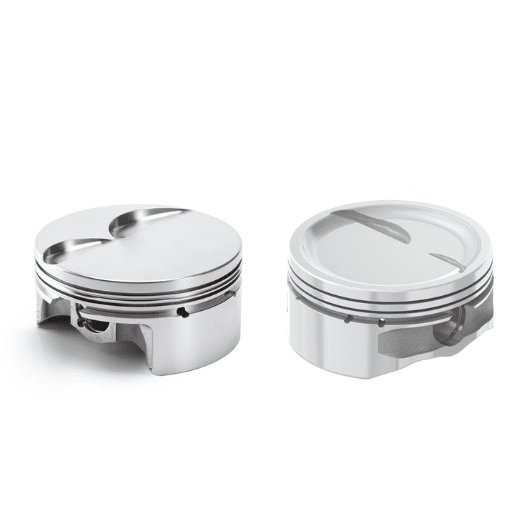
As much as these are metal parts and more, they involve some engineering, design, and production, and embracing the idea of how to forge or cast these parts is one of the problematic questions. Both are beneficial and disadvantageous, hence it is necessary to differentiate between forging and casting to make the right choice. This paper attempts to evaluate forged vs cast metals and the processes involved for each and their advantages and disadvantages together with the sectors in which each one of them is used. Hang on as this big debate of which one is best is still pertinent then as it is now for valid reasons, regardless of whether you only increase production effectiveness.
Introduction to Forging and Casting
There are two primary methods that are widely used in construction metals to achieve the desired form: forging and casting. Forging, the first one, uses compressive forces for the purpose of enhancing yet preserving the original material characteristics and the metallic parts’ strength, via hammering or pressing. Unlike this, casting means that the metals are heated and poured in the mold of the desired shape and then allowed to cool and harden. As such, each process has its advantages and disadvantages. While in situations where there is a need to produce components that are highly strong, forging can be inserted, casting is recommended for the incorporation of patterns as well as making of molds. Depending on the function of the product and the target market, manufacturing operations are carried out with reference to the nature of the material, the design to be made, or the quantity to be produced.
Forging is the process of shaping and reforming metal under pressure while temperature varies and, sometimes, includes heating without melting the metal. Forging uses upper and lower dies that shape the workpiece. Dies can be perpendicular to the surface of the workpiece and moved vertically such as closed die forged vs cast. In such cases, one casting process is described as sheared casting in conjunction with vertical press without exceeding the plastic range of the formulae to make them flow. Or, die forging is such when dies are mounted horizontally to resemble a wheel so as for the product to rotate around its own center line. Castings, on the contrary, unlike forged metals, solidify when properly mixed or filled, with the help of an appropriate mold.
Definition of Forging and Casting
Forging Process
Forging is a method in which a piece of metal is placed in a die and transformed into a specific shape by pressing, squeezing, or hammering using compression. This includes hammering, pressing or rolling the component, which is usually heated before the shape change is carried out, in order to improve the material’s adequately to heat treatment. The process also enhances the quality of the material’s structure by reducing the grain size in a given material, each change in a material enhancing certain characteristics of the final products as desired. This processing finds application where there are no limitations on the thickness of the products realized. In addition, heavy duty components, used in the fabrication of aircrafts, motor vehicles, electricity industry, and such are concentric to forging. For instance, forged steel is preferred in the production of cranks and gears, vehicle parts as well as aircraft parts due to the structural efficiency of the forged vs cast products.
Casting Process
The casting process involves applying heat to a metal until it melts and becomes fluid, which is then poured into a mold that has already been fashioned. The molten metal within the mold solidifies and assumes the desired shape. This technique is very useful for creating intricate designs that would otherwise be difficult to forge. In most cases, this is an excellent preposition for making recasts be it engines undergo heavy operations, rotor casks or other very heavy equipment. Additionally, casting is good for minimizing waste of also die casting which seeks wastes and maximizes effectiveness. CATI – Global Casting Markets For instance, as a result of the progress in materials and the use of technology, the global casting market is projected to grow steadily at more than six percent CAGR in the period from 2023 to 2030.
One of the main factors that contributed to the development of current technology, economy, and advancement of humanity is the process of metallurgical engineering. These techniques have had an essential effect on society and economic growth, starting from ancient craftsmanship and ending with the most advanced and efficient production techniques. These metalworking processes are five in number and they all have significance in the history of mankind and the reasons why are explained below.
Historical Significance of Metalworking Processes
Key insight: It is worth noting, however, that while forged parts are especially characterized by enhanced mechanical properties and improve service life of components, cast parts mostly suit parts that have intricate features and are subjected to large scale production. Thus, the two techniques are not compatible and can serve different industries, which is why it is crucial to know when to use one method over the other considering the high or low design requirements, scale of production and types of materials.
1 Forging
Forging is one of the oldest techniques known to man. It dates back to almost 4000 BC. It is for this reason that it became so fundamental in the making of farming tools, weapons, a number of implements. It is the process that blacksmiths in societies – for instance ancient Greece or Rome – used to craft sturdy swords, shields, armors and other weapons that are forged vs cast much better – no wonder, in warmongering cultures.
2 Casting
During the time of 3200 BC when this practice was first documented in Mesopotamia. This method helped in the bulk production for metallic products. The products were achieved through the forming of metals into a given design by letting it cool after pouring. The Shang Dynasty in China also utilized the forging technique to produce decorative ritual vessels, hence attesting to the civilization that took place in the region.
3 Smelting
Smelting took off during the Bronze age (i.e., 3000 BC) and its impact upon metalworking was tremendous as new metals such as copper and tin were now being extracted from ores. Such a process enhanced the art of making improved weapons and other tools that had bronze as the composite slicer.
4 Welding
Although welding is a kind of modern activity we always carry on, its history can be tracked down to the age of iron. This includes forge welding, that is, the case whereby bar stocks were cold forged vs cast where welding was done using fires, any two pieces of different metals that were to be joined were extended tailed liners which were processed with iron paint. This technique became popular because of increasing demand due to manufacture of railroad stock, safely building and speaking of new ships and engines.
5 Annealing
Annealing is one such heat treatment operation which makes metals soft as well as reduces their hardness. It is an older process than one would think, which goes back to the time of ancient civilizations such as Egypt and Mesopotamia. In both cases, such processes helped in the formation and the softening of metals like gold and silver which were used in making ornaments and other decorative crafts.
Every one of these expertly developed tactics has been crucial to the progress of metal work by illustrating people’s capacity to execute their capabilities in the given historical context. These practices laid the foundation of the mechanical processes used nowadays in manufacturing.
Evolution of Forging and Casting Techniques
There has been a great change in how people make metals over the years and this has been due to introducing as well as going back to some techniques to meet the needs of various industries. The war against hammering otherwise known as forging one of the oldest processes of working metals has undergone a phase from heating and brutal manual work to punching, open-die and closed-die, and roll forging. This type of work is done in technological settings where some operations are automated in order to improve precision as well as the life span of the produced parts. According to the most recent estimates, the global forging industry was valued at approximately 69.8 billion dollars in the year 2021, and an annualized compounded growth of 6.4% is predicted between 2022 and 2030 due to a shift towards forged vs cast products in the car, aerospace and building sectors.
Since then numerous advances have been made in new technologies associated with casting as well. Casting refers to fabrication process in which metal is given a desired shape by placing the molten metal inside a mold. There are various types of castings such as die castings, investment castings or even sand casting. Computer modelling and three-dimensional printing of the moulds in particular has increased the efficiency of the process greatly, while at the same time reducing the wastage of raw metal. The casting industry in 2020 was valued at approximately $ 144.41 billion; an avalanche in demand emanating from horizontal markets such as the automobile and heavy machinery sectors mainly led to this growth. The principles of vacuum casting and hence 3D printing continues to deliver better quality and technological improvements in that casting remains beneficial in metalworking.
Effects on Industry: This advancement in the systems has contributed to improved output and sustainability, and hence, almost all industries seek energy efficient opportunities and environmentally balanced materials. Alternatively, they have been the motifs leading up to industrial development that is already any way beneficial to the global economic encirclement. New expectations have to be set about how precise, how massive and how environment-friendly production will be, not ignoring the differences between forged vs cast processes.
Key Differences Between Forging and Casting
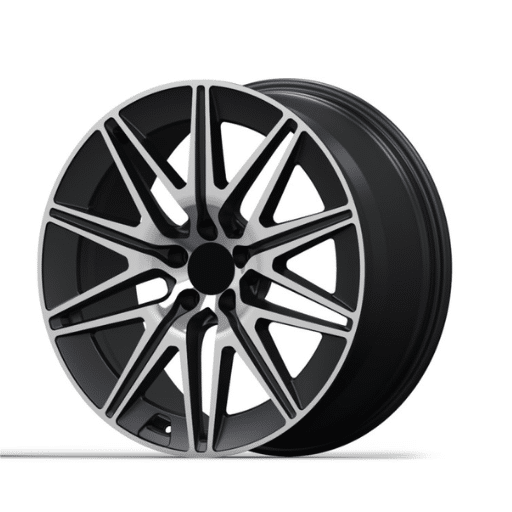
Temperature Requirements in Forging vs Casting
Forging and casting processes require different amounts of heat. Generally in forging, the metal is only brought to a temperature that is sufficient to deform it, but not to the extent of melting it. For example, in hot forging of steel, the working temperature of most alloys is kept between 2200 and 2400 degrees Fahrenheit (between 1200 and 1300 degrees Celsius). However, it is also possible that cold-forging is used and in this case, no external heat is needed because accuracy and stiffness must be maximized.
Hand casting involves melting the entire metal and then filling it into a mould of a certain shape that cools down into the desired structure. All this varies because each metal has its specific melting degree. As far as aluminum is concerned, the casting temperature is 1 220F (660˚C), however, in order to cast iron, one would require to use temperature range of 2 100 – 2 300F (1 150 – 1 250˚C). It is for this reason that casting is apt in the formation of complicated sculptures or objects than forging which makes long and difficult tasks to accomplish such goals.
Energy Insight: Selection of materials is manipulated by the consumption of energy given the changes in temperatures. In the case of Forging, for instance, it is possible to lower the level of energy because the materials used do not need a molten state. Where casting is performed, the same condition is applied; much energy is channeled to ensure that the metal remains in the molten state, else it solidifies. The two processes of Forging and casting have evolved with the introduction of new temperature settings which allow for such processes to be energy efficient and less wasteful for the fabrication of the respective materials.
Pressure Applications and Their Impact
The intense pressures play a quite crucial role in most industries, which helps them to enhance their performance, efficiency and control product characteristics. Here are some five different concepts that at most rely on this kind of pressure system:
1. Metal Shaping Industry
For example, in the process of cup drawing, a high pressure of about 20,000 psi up to 120,000 psi may be needed, depending on the geometry of the product and the physical attributes of the material in question and forging operation generally relies on such pressures due to its characteristic structures and sizes. It makes possible meeting the desired shape of the material by changing and also the density is improved over the overdressed condition, thereby, reducing porosity and increasing strength.
2. Pressing Machines
This means that specific molds are used in hydraulic presses to squeeze the pressure through the sizeable and strong material that is deformed and/or compressed or shaped in some clear way. Others are shop machines and car parts. With hydraulic machines, it is possible to achieve over 10,000 tons of pressure management accuracy due to large tolerance factors.
3. Die Casting Under Pressure
Owing to the agitation of metallic temperatures when the molten metal is forced into dies, pressure die has been in existence as one of the ancient ways of production. Between 1,500psi and as much as 25,000psi is available. Facilitates the manufacture of such elaborate and thin parts that are used in construction of both cars and planes (transportation).
4. Oil and Gas
Removing oil and gas from any well as a reservoir is possible and revolves around pressure. Hydrocarbons can be left to flow through the rock fractures with this very procedure, or rather with this enhanced methological lax surgical pull.
Another wise strategy employed is the difficult to breakout mechanical intervention, commonly known as enhanced recovery. Enhancive repository is an augmentation hydraulic pressure recovery. In the case of surface enhancement, it is important to mention hydrorocimg, in itself particularly in its advanced application makes it possible to inject or apply hydraulic fluid at a pressure of around 15 to 20 thousand psi to create cracks inside the rock for external flow of hydrocarbons.
5. Food Packaging and Preservation
High pressure processing when sterilizing and increasing shelf time of most foods is considered to be the most efficient technology as it has allowed most of the microorganisms to be neutralized and enhanced foods do not require preservation chemicals. The 87,000 psi pressure cooked in a common can is used to control microorganism and pathogen growth and bacterial growth while sterilizing the offal in the can sewn the high pressure.
In these areas, the number of possibilities where pressure is implemented is so vast, that it is ably justified by the improvement in: the precision, the efficiency as well as the effectiveness of the work performed.
Material Properties: Forged Parts vs Cast Metal
When forged vs cast metal components are compared, it is perceived that both components have issues with performance and material properties. To this extent the following are the features:
Levels of Strength
Forged: On the other hand strength as a feature for forged components is considered to arise due to the arrangement of structures.
Cast: In comparison, caste materials have relatively less strength because of the cast process which breeds suspensions, holes and inclusions.
Grain Size
Forged: The process of forging affects the internal structure of the metal and allows the elemental particles to become hardened and creates resistance to bending stresses.
Cast: But in cast metal, they are only to some extent uniform and such an inconsistency poses potential weaknesses.
Thickness and Porosity
Forged: Well-made components manufactured through forging processes are normally compact and possess few pores and are therefore more reliable than others under pressure.
Cast: While casting, the metallic structures are likely to contain bubbles or holes, which render it structurally unsound.
Ease of Machining
Forged: It is also worth noting that some forged parts come in a close-to-finish form and this reduces the need for machining which would have otherwise increased wastage.
Cast: In order to reach an appropriate level of accuracy and eliminate surplus material, casting often needs lengthy machining.
Ability to Resist Impact
Forged: During the process of manufacturing forged parts, these are subjected to compressive forces which increase the impact resistance of the components applied.
Cast: When it comes to cast components, these tend to fracture easily under stress when subjected to heavy impact or cyclic loads.
Summary: This is why high-performance and stressed applications will tend to use forged parts, while less critical cost-efficient working components will tend to favor cast parts.
Pros and Cons of Each Method
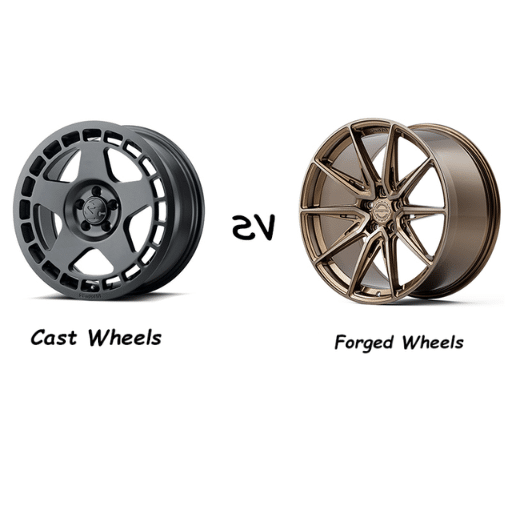
Advantages of Forging
✓ Strength and Longevity
Next, the density of the metal grains during forging contributes to its strength and increased durability as opposed to the grained structure in cast products. This makes it possible to use the products in most demanding application areas such as the aerospace industry and the automotive engineering.
✓ Impact Resistance
During forging, however, improvements are made on the material such that it is able to resist impacts and heavy loads thereby forming cracks or failing in the structural ability to sustain the load.
✓ Fatigue Limit Advantages
The fatigue performance of the forged part is also significantly enhanced which eventually allows the component to have longer durations before a structural failure occurs. This is a very important aspect of the components that are subjected to such repeated loading in dynamic conditions.
✓ Material Waste
A further advantage of forging as a manufacturing process is that it utilises an optimal level of the material while producing the final product, i.e. the required shape and dimensions, and limits associated wastage. Now, this is an economic and appropriate method in manufacturing.
✓ Size/Shape Retention
By employing a forging method, accurate control of the manufacture process allows accurate, this delivering consistent quality with respect to all production batches.
Disadvantages of Casting
✗ Porosity Challenges
During the casting process, components usually undergo porosity, which consists of tiny voids or pores created during the film growth stage. These undesired features can impair the fabric’s ability to load and perform satisfactorily.
✗ Sub Par Mechanical Features
In most cases, cast components generally exhibit low mechanical properties compared to forged ones. This restricts their use in applications characterized by long wear life or motive force.
✗ Variation in Dimensional Tolerance
With castings, the effect of temperature differences during cooling means the extent of section changes is not as pronounced as that for forging. More machining processes are required for the cast to be put into use because of dimensional inaccuracies resulting from factors such as wear, mold use and different cooling rates.
✗ High Percentage of Defects
The commonest defects encountered in castings include shrinkage, cracks and inclusions. These defects should be remedied by quality inspection schemes, which increase costs as well as time taken to complete the assembly production process.
✗ Environmental Issues
There is a tendency for casting processes to have high energy requirements and also to increase the levels of pollutants like the gases that cause greenhouse effect. In addition, dealing with leftover products such as slag from metal and sand from molds can also be problematic on the ecology.
Cost-Effectiveness and Scalability Considerations
The selection of major parts of design and manufacturing is mostly dependent upon the comparison of the usage of different rationales: whether it is forged vs cast or which section of embedded technologies offers more viable opportunities.
Both cost factors and the suppliers become more advantageous when it comes to technological applications. Recent trends have achieved fitting components for several compartments during the course of guitar making and the rationalization of the consumption while dealing with production.
In terms of cost, the latest technology in automation and the incorporation of industry 4.0 had made the demand for human skills less, essentially saving costs. According to the established data, one which involves automatic casting equipment is seen to enhance the amounts of output of production by at least two-thirds and drastically reduces the time employees allocate on working, nearly by a quarter. The utilization of sand as a means for making molds serves two purposes, namely assisting in lowering the cost of production and increasing the amount of materials that can be reused.
Let us now touch on the subject of scalability. Perhaps the most uppercase striking benefit of casting is its capability to adapt to the changing needs. In comparison to other types of casting, for example, sand as well as die-casting, particularly stand out because these two methods can either be used in manufacturing smaller or bigger volumes without size limitations. For instance, die-casting is well known for its capability of producing many parts in a relatively short time (fewer than 30 seconds to be precise).
Then again, scalability is an independent parameter to which there are other factors like lag time, cost of tools, or the reduction of production capacity when the products are massive that must be addressed. The following especially a newer generation of tools such as 3D mold prints has reduced the ‘won’t work’ time by about fifty percent as reported in various studies hence allowing the rendering of these services without any increments in costs.
Conclusion: Overall, the calls for applications suitable for different levels of technology, elements supporting users’ work and improvement of operations are effective approaches to measure costs and increase and the great effectiveness of incorporating the use of the respective technologies is achieved through expanding casting behavior which they come to appreciate using such practices and overcoming at least such barriers as forged vs cast components in terms of technological processes.
Applications in Various Industries

🚗 Cars and Trucks
The automotive industry relies heavily on casting techniques for manufacturing parts such as engine blocks, transmission cases and several other essential parts. In addition, more than 60% of the aluminum castings produced are used in the manufacture of vehicles. This is because the industry heavily leans towards the use of light and strong materials.
✈️ Airplanes and Other Flying Machines
The aerospace sector depends highly on precision casting in its operational activities such as making turbine blades and other structural and engine properties. Manufacturers who have reached advanced levels in casting are able to develop very high efficiency materials, with very tight dimensions and tolerances, for use in aircraft.
🏗️ Construction Sector
In the construction industry, casting processes are utilized to make steel structural elements such as beams, pillars, and other supports. Almost thirty-five percent of all steel castings produced in the world end up being built into something related to infrastructure since they help to build up constructions of high durability and strength.
🏥 Medical Field
The science of healthcare also makes use of casting processes in the development of medical devices, surgical instruments, and implants. For instance, titanium castings are often used in orthopedic implants owing to their biocompatibility as well as corrosion resistance.
⚡ Energy Industry
Casting techniques play an important role in the energy sector in the production of parts for wind power, hydropower and oil and gas industry equipment. Statistics show that renewable energy accounts for a quarter of the metal cast, hence contributing to the adoption of renewable power sources.
Automotive Sector: Forging and Casting Needs
In the automobile industry, the applications of forging and casting cannot be avoided; without which no car will drive, nor will it work. This is because components, for example crankshafts, connecting rods and gears, are manufactured using forged steel because this material possesses enhanced mechanical properties. Thus, in theory, forged components are even able to withstand and be utilized under high mechanical loading conditions.
On the other hand, cast parts are of advantage over forged parts as far as making of intricate shapes is concerned and they possess less weigh_t which is especially important for fuel consumption and pollution control aspects in contemporary designs. Recent applications in modern automotive power units, as well as gear transmission systems include such parts as blocks, casings cast out of aluminum and magnesium-based alloys. The distribution of aluminum in cars is over fifty percent in favor of casting, which sustains the industry’s leaning towards casting in response to the forged vs cast tendency towards the increased use of aluminium in vehicles.
Additionally, the demand for electric vehicles (EVs) is rising, which requires changes in casting and forging techniques, which are also improving very quickly to account for their production and efficiency achievements. For instance, aluminum is widely used for structural components, in this case, motor casings or battery housings due to being a light metal, tough and fit. All in all, the worldwide automotive casting market size is estimated to grow and witness a CAGR of 7.6 % through 2023-2030, this is thanks to rising electric vehicle production and enhanced ways of casting. By the same token, improvement of the performance of the EV drivetrains and even high-performance vehicles now concentrates on the size of the forged verses cast parts.
These processes offer not only benefits in cost and manufacturing accuracy, but they also help with material recycling and in environmental safety. In addition to this, these basic procedure are still much utilized in automotive industry facilitating evolution and at the same time introducing technology that is in line with the changing environmental concerns.
In similar turbines, low pressure parts are mainly forged or cast depending on the strength requirement which in turn leaves the designer with the philosophy of zero redundancy and zero fat approach for consolidated parts or a fat metallic design-forged vs cast.
Aerospace Industry Applications
Thanks to immense progress in metal working techniques, aviation and space products are greatly improved: they are harder, lighter, and even last longer. Many modern airplanes and spacecraft still rely on ancient metal-processing techniques like casting and forging which need improvement if they are to be safe and economical. What is more currently forging and casting is described and used in many construction methodologies, including the manufacture of modern aircraft and there are five main applications that can be demonstrated:
1. Components for the Engine
Blades and discs undergo precision forging for the purpose of incorporation into the driving unit i.e. turbojet engine so that they can perform in hot and high pressure environments. The use of advanced alloys and precision forging ensures the components do not fail.
2. Landing Gear
The gear systems of the aircraft,lifting gears or the landing gears are forged being able to withstand high forces of shock ensuring safe and steady landings.
3. Part Systems-Structural
The complex systems of airframes and fuselages are manufactured using Castings. These have the needed strength weight ratio for flight applications.
4. Propulsion
Associated parts like casings and nozzles are forged, which allows them to bear severe heat and pressure experienced in aerospace engines.
5. Components of a Fuel System
High-pressure valve assemblies including valves where precision is priority are constructed using high-tolerance and corrosion-resistant materials whose precision construction is a must even in the welding of pumps.
This simply shows how these processes are critical and encouraged to enhance performance in the aerospace industry where technology advancement is necessary in this concept of getting things ‘forged vs cast’ into different assemblies.
Other Industries Utilizing Metal Forming Processes
Not only in aerospace industry, metal forming process is widely being used in many other sectors. In my opinion, except for aerospace fields, these methods appear to hold the lifeline of automotive industries, building, and power. For example, in the automobile sector, metal forming allows the designing of light but tough components in a construction sector, it is used to create structural components like beams and supports. In addition, the energy sector is worse off without metal forming since piping and turbines and also other power generation equipment are made possible. These industries have noted that metal forming is an acceptable method that has evolved to suit every other industry today.
Environmental Impact
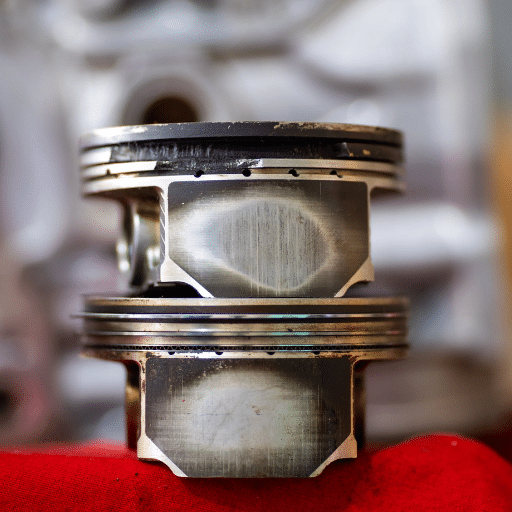
Without doubt, its development today is indeed capable of ending up with an extensive area that is undesirably developed. The reliance on more structures fitting the people creates environmental problems over time. The effects of building metal structures apply their policies’ models of externality in terms of shades:
Energy Consumption
Formed parts usually consume a lot of energy, especially pieces produced from high-temperature metal forming processes, including manufacture by forging and extrusion. Even elementarily, just forging a piece of any material requires 20-30 kWh of energy per metric ton Material operation.
Wastage of Materials
Even in contemporary times, most of the methods of modern chemicomechanical forming try to make sure that they are not unrestrictively wasteful. Some of them however are notable for generating a large amount of waste. An example here would be stamping which allows up to 15% or even 20% of the original stock to be wasted.
Industrial Emission and Pollution Levels
Greenhouse gases such as CO₂ and pollutants are released into the atmosphere during the high-temperature production processes. Depending on the material and process used, the carbon emissions related to one ton of metal can range from 1.8 to 2.5 tons of CO₂.
Provision of Water Degrees and Quality
Metal forming processes, especially cooling water and lubricants, need huge amounts of water, which can become mixed with oils, chemicals and suspended solids. Residual liquids are typically disposed of unsafely and negatively impact the environment.
Exhaustion of Resources
The raw material extraction as well as processing activities related to metal forming consume finite resources. Mining activities, for instance, do not only change the landscape, but cause loss of species as well.
⚠️ Important: The need to address these complex issues related to the environment calls for clean technologies and recycling and additional rules to curb the misuse of resources and services during production.
Energy Consumption Comparison: Forging vs Casting
Waste Production and Sustainability Aspects
Forging and Casting: Used As part of the Assembly of parts in welding, these are processes that have been used each for metal deformation into different shapes. Both Processes have one limit of producing wastage more so in when a population is increasing. It should be noted that in this process, the amount of waste in forging is distinguished from that of casting. Metal production which uses compression results in less waste due to the fact that casting is much more waste generating. It is significantly reduced, or at the very least controlled to a great extent, the surplus material created in the manufacturing process of forging. As per a recent study in the industry, in most of the forging procedures, material wastages are in the ranges of 5–10% of the material introduced in the system and this is far much lower than the casting processes which usually reach up to 20% as much as 30% wastages’exists.
In comparison to casting, where there is waste from molds, cores, and metal pour, the level of waste in forging sequences cannot be measured in the same scale. For instance, sand case hardening, as the most common case hardening technique, uses a lot of sand in the process. A study found out that approximately one hundred millon tons of foundry sand thrown away every year is digged into landfills. This particular factor is a threat in respect to sustainable casting practices.
Sustainable Development: In order to address such issues, new waste management systems such as engineered recycling, product, and process improvements, as well as suprerultrafine fibers and unferal coatings. The dilemma offers scripts on how a branch can be operated without an appeal to Words of Duplicity – especially ‘Resource Use Taxonomics’. On the other side of forged vs cast debate, while the approach honored otherwise sees waste minimization in all the reconstruction forms of the aircraft, casting, the system aims at use of foundry sand to construct, green binder system for manufacturing in order to eradicate vapors emissions. While all sectors grapple with the sustainability of waste generation, sustainability as a concept is an area that may require consideration of cleaner technologies in every industry and waste management practices exercised with due diligence.
References
- An engineering and economic comparison of cast magnesium and forged magnesium aircraft wheels
Link to source
This study provides insights into the engineering and economic aspects of casting and forging processes in the context of magnesium aircraft wheels. - Selection of Material, Shape, and Manufacturing Process for a Connecting Rod
Link to source
This paper discusses the selection of materials and manufacturing processes, including forging and casting, for connecting rods. - Metal Flow in Forging an I-Beam Section-Forging With and Without Flash
Link to source
This research focuses on the forging process, analyzing metal flow and comparing forging loads with and without flash.
Frequently Asked Questions (FAQ)
❓ Forging vs Casting: What’s The Difference Between Forging And Casting?
Casting and forging, both imply the art of fashioning a workpiece from a metal and its properties, are realized in a different technique. In the former, a cast which is made by exposing a complicated object to molten metal then cooled down into a solid structure. On the other hand, in forging, the bulk materials can be formed by means of compression either in hot or at room temperature conditions but this is not the only thing, since at differences with casting, this technique can also provide better grain structures and mechanical characteristics to the component. It is free to cast any shape because of existing processes such as sand castings, die castings, or investment castings but contrary to that, in forged vs cast parts, there are open dies and die closed forging either hot or cold forging even more alleviates the metal from its counterparts and renders it more durable to cycle.
❓ Forging Process: How does the forging process improve mechanical properties?
Grain structure is improved with the forging process because the deformation induced into the metals raises their melting temperatures, compels the orientation of grains along the contour of the component, and fills up any internal defects and results in increased resistance to tension, impact, and fatigue, among others. Steel manufacturers amongst other production companies usually produce more forged steel and forging than casting because they offer more mechanical advantages than castings or cast iron and the reason is that forging is a process that involves heat along with pressure exertion on metal under control and hence results in better forged products for application in high stress of permanent load conditions.
❓ Cast Process: At what point should someone opt to cast their aluminum parts?
In cases where manufacturing involves the delicate properties, cavities, thin walls, or even mass production, cast designs are more suitable. It involves filling in molten metal into the fabricated forms after preparing either sand cast, investment cast, or die cast component’s molds. It is beneficial in that casted parts provide for the incorporation of the difficult to machine or forge component shapes or metal components which might be too costly to forge or machine. This is because, in most cases, it is almost impossible to forge such difficult shapes and therefore produced parts are usually forged vs cast.
❓ Investment Castings: What is the efficiency if any, when dealing with investment castings?
Precision components can easily be produced with the help of investment casting as final and built forms are achieved, reducing the need to modify the mold in any way. Another benefit that this type of casting offers is achievable precision limits and the possibility of casting of a wider range of materials, however, the process of casting is beset with a few disadvantages, for instance, the price and time as longer times are needed for creating the patterns even in simple molds. Investment casting techniques encourage the use of some types of metals as it is easier to obtain better quality processes thus, could be used for pcoduction in small scale compared to the processes of sand casting or die casting.
❓ Steel Forge: Is the strength of forged steel greater than cast steel in applications involving loads?
Forged steels are favored over cast steels with regard to most load bearing elements because forging generally causes the compactness and the orientation of the grain on all axes and mostly all impacts and loads are offset by the elastic strength of the entire workpiece. Different physical characteristics exist between cast and forged parts, especially if it concerns metals that are most likely to be used as productive engineering and material industries. Thus, the superior mechanical properties of forged vs cast parts balances the preference among various types of metals for forging.
❓ Forming or Casting: What is production run cost for each of these processes like?
Expenditure is reliant on production processes, design complexity and raw materials. For example, cast molding usually costs less when the objective is to fabricate a large number of intricate shaped parts because the mold can be used for many parts without any machining at all. Forging techniques, on the other hand, can mean increased expenditures on tool likes costs for a similar size of forging die, albeit such costs can be accounted for in the strength requirements and the overall properties of a high volume part which may be forged. For instance, casting process can be more suitable in those cases where numerous parts having complexities need to be made unlike solid members made in more than one piece that would be ideal if forged.
❓ Open-Die Forging: When do you use open-die forging instead of opt instead of closed-die forging and casting?
Open-die forging generally uses large pieces of metal which consist of unwieldy pieces and are also used for other materials where the objective is to create a finished product out of most of the ingredients except detailing. Applicable for steering the material into simple shapes, reduction of the shape, improving the grains’ flow which usually tends to be problematic in a production situation without exact matched dies or fully closed disc forging. Open-die forging with its less accurate method can prevail but to work on large parts out of related dimensions with no or minimum depth restriction, which cannot be contained within forging dies and would hence need casting, but with some out-of-the-box expectation of the product in terms of strength and ductility.
❓ Casting vs Forging: Which one would be most appropriate for your project?
Casting or forging is one classic dilemma. There are many processes that provide these properties and permit such part geometries. There is no process superior over the other and what needs attention is the purpose of the part. If a part is complicated or has some holes inside, or when thin layers are necessary and could be cast using methods like Investment casting, Sand casting etc., then casting would be preferred because it would be economical. While in other cases like when for instance strength or fatigue resistance or performance improvement is mandatory, forged vs cast would respond to the question best in cases of components more often made of steel. Finally, factors such as the composition of the material, heat treatment temperatures, required grain structures or volume of production are some of the information that would contribute to this optimal manufacturing processes’ sequence solution.
❓ Choose Forging: What are the pros and cons of forging?
Forged products possess superior mechanical properties. Their grain is fine and does not show any signs of stress which means that it is unlikely that failure will occur. And for this reason, forgings have more strength and resistance to wear and tear as compared to castings. However, increased tooling costs, like the identical forging dies have, that are not supportive of inner hollow shape complexes, or the excessive and unnecessary allowance for machining materials, if any, arise making the products more cost inefficient. In manufacturing engineering there are a set of limitations that cannot be overcome and thus manufacturing pharmaceutically simplified parts that operate in areas of high tensile strength like conspiracy encouraged searching of unit of tension tests data. However, elaborate architectural structures made of metals or cost of production where engineered and instead manufactured products, forged vs cast are the better option.
Final Thoughts
The knowledge of the differences in the operations of forged vs cast metals is important as this will assist you in choosing the right manufacturing technique. Both sides have their own merit; you may employ forging to enhance the durability and quality of the finished product or turn to casting for the complications and perfection of the art. It all comes down to what you are making the project for, how much you are willing to spend, and how effective you want it to be.