High Standard Stainless Steel With Strict Inspection



Introduction to NACE MR0175/ISO 15156: Sour Service Materials

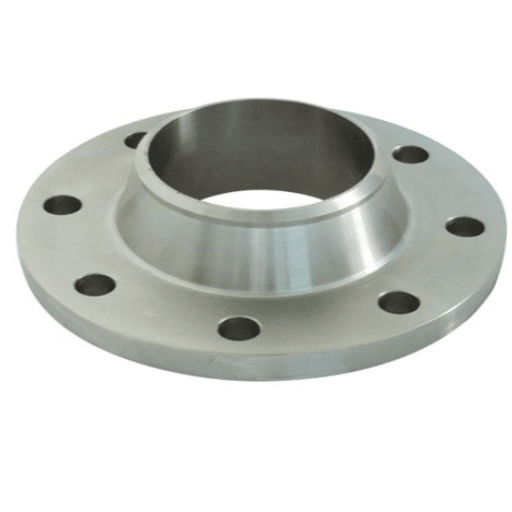
As a very important task, the oil and gas sector must first manage the risks associated with sour service environments. Hydrogen sulfide (H₂S), the main characteristic of such environments, has a considerable effect on materials, equipment, and safety of operations. In this context, NACE MR0175/ISO 15156 is the very situation—an internationally recognized standard providing detailed routes for selecting materials that best resist sulfide stress cracking and corrosion in harsh environments.
The current document articulates an in-depth review of the principal concepts of NACE MR0175/ISO 15156. The intent is to explore the importance of the standard, the materials it talks about, and its role in ensuring safety and reliability in sour gas applications over a long period. Thus, it does not matter whether you are a specialist struggling to meet compliance requirements or just a curious one wanting to learn more about engineering standards; this text will be a rich source of information on risk mitigation and the development of best practices for sour service operations.
Overview of NACE MR0175/ISO 15156 Standards
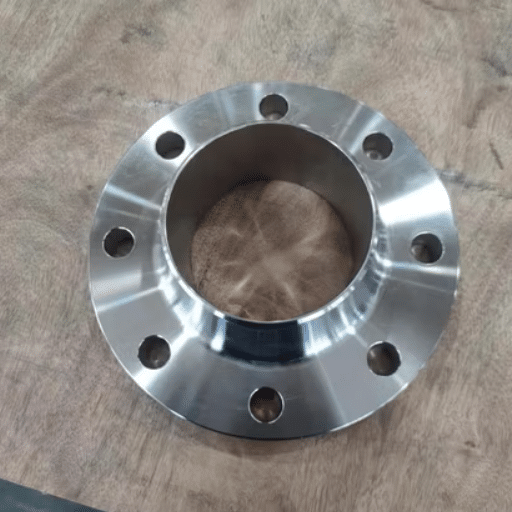
NACE MR0175/ISO 15156 is a worldwide standard that stipulates the conditions, materials, and environment for the drilling and production of the so-called sour oil, which is characterized by the presence of hydrogen sulfide (H₂S) gases. The primary goal of the standard is to prevent sulfide stress cracking (SSC) and other forms of corrosion that may damage metallic materials. Its application spans the entire life cycle of the material in the oil and gas industry, from extraction to storage. The main technical content of the standard is therefore spread across three parts, each dealing with carbon and low-alloy steels, stainless steels, or super alloys, respectively. Thus, NACE MR0175/ISO 15156 establishes not only the materials and environmental conditions for those materials, but also the safety, performance, and reliability required in the sour gas industry.
Definition and Purpose
NACE MR0175/ISO 15156 is a global standard which is recognized all over the world. It sets the rules for choosing and specifying materials for the use of hydrogen sulfide (H₂S) environments which are also called sour gas. NACE MR0175/ISO 15156 has the principal objective to save the metals in the oil and gas industry from sulfur-assisted cracking and from other types of hydrogen-induced damage caused by exposure to sour gas. Moreover, the specification remains an essential factor for achieving mechanical integrity, safety, and long-term reliability of plants and infrastructure in corrosive environments.
The standard is a living document–it is continuously revised to accommodate the technological advancements in materials and the availability of new field data, as per the recent announcements. NACE MR0175/ISO 15156 specifies the environmental limits for different materials unambiguously, such as the partial pressure of H₂S and pH, and determines the materials based on those operating conditions. For example, carbon steel is still largely accepted for the areas with less than 0.05 psi H₂S pressure, but in case of above mentioned severe conditions, more resistant materials like CRA (corrosion-resistant alloys) should be used.
The application of these standards across industries helps significantly minimize the risk of equipment operational failure, thereby improving safety and cutting costs. Besides, the standardization has become a basic demand in global oil and gas contracts thus underlining its role in the maintenance of industry compliance and sustainability.
Historical Context and Development
The standardization of the oil and gas industry regarding corrosion resistance has its roots in the 1950s; at that time, one of the major concerns was the durability and, of course, safety of the operations. The first materials that were used for these purposes were very rudimentary and thus quickly corroded which in turn caused frequent breakdowns and pollution of the environment. To solve this, there was a need for proper regulations and special materials developed for the purpose.
The American Petroleum Institute (API) and the National Association of Corrosion Engineers (NACE) were the first to establish the standards that applied to the whole industry. The NACE MR0175 standard is a case in point that was issued in the 1970s and it impacted materials used in new fields; that is, they had to be resistant to sulfide stress cracking. Over time, these norms not only absorbed new testing methods but also opened wide the doors to the use of high-tech materials such as duplex stainless steels and nickel-based alloys.
Market Insight: Recently, global market research reports that the anti-corrosion coating market for the oil and gas industry will be worth $15.2 billion by 2030, which is equivalent to a approximately 4.5% CAGR.
Such market growth is a sign for the adoption of the latest technologies and eco-friendly practices to continue unabated. Countries that are major oil and gas producers such as the USA, Saudi Arabia, and Russia have been constantly reviewing their drilling techniques and leveraging the latest global standards to go through the hardest areas such as deep-water and polar regions. Even now, materials science is on the right track to advancing coating technologies through nanotechnology that will be fit for next-generation corrosion-resistance applications.
The historical evolution of these standards not only mirrors technological development but also underscores the need for regulatory collaboration as a key driver of continuous improvement in the safety and sustainability of the industry.
Importance in Industry
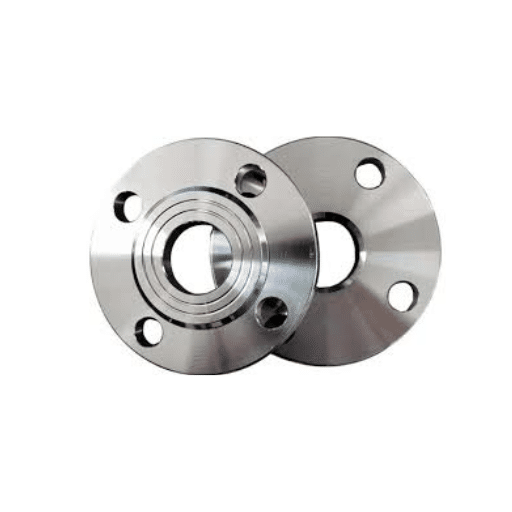
Corrosion resistance is a very important factor in different fields and usually the determining factor of the safety, the cost-effectiveness, and the operations’ lifespan. The following examples show the very great importance of this topic:
Oil and Gas Industry
Corrosion of pipelines and drilling equipment can bring about disastrous failures, the disruption of nature, and enormous financial losses. The oil and gas industry discloses that corrosion accounts for a remarkable figure of approximately $1.4 billion every year as a cost to the sector in the USA alone.
Construction and Infrastructure
Corrosion-resistant materials are absolutely necessary in the case of bridges, buildings, and other infrastructural projects. Structures that are harmed by corrosion need considerable repair done and also have the biggest safety problems that come with them. For instance, the yearly total for maintenance and repairs of bridges due to rust is estimated at around $8.3 billion worldwide.
Maritime and Shipping
The ships, the offshore platforms, and the ports belong to the firing spots of corrosion where the saline of marine environments is the main reason. The switch to advanced coatings and stainless materials would increase their lifespan a great deal and at the same time, it would reduce the costs as well as the time of repairs. It has been found out that the maritime sector is spending around $2.5 billion a year on corrosion-related issues.
Automotive and Transportation
Parts of cars that are free from corrosion guarantee no breakdown and are thus, safe, especially in areas where salt is used on the roads in winter. The auto industry is said to incur a cost of more than $15 billion a year because of repairs and the loss of the resale value of cars attributed to rust and corrosion.
Electronics and Aerospace
Corrosion in electronic devices and aerospace parts can lead to critical failures mainly in extreme operating conditions like space or high altitude. Advanced nanocoating has been a great help in improving equipment performance and reliability, cutting down maintenance cycles and thereby, increasing power efficiency.
The adoption of the latest cutting-edge corrosion resistance technologies in these main sectors is a clear indication of the technology’s role in facilitating safety, reducing economic losses, and making it possible to run the facilities and equipment for longer periods without interruption.
Applications in Oil and Gas Production
Corrosion resistance technologies are significant not only in the oil and gas but also in almost every industry, where the tools have to endure the toughest conditions continuously; for instance, approaching wells with very high salinity, high and low temperatures, and very high pressure. Below are five crucial applications that through the use of advanced corrosion-resistant solutions not only display but also reap the benefits of the modern technologies used in the sector:
1. Offshore Platforms
Offshore Platforms are places where saltwater spray plus high humidity are the everyday surroundings. Thus, they become very much susceptible to corrosion. In this case, protective coatings, such as epoxy and polyurethane coatings, along with cathodic protection systems come to the aid of the structural steel and the critical components.
2. Pipelines
The long run oil and gas pipelines are suffering from both external soil-induced corrosion and internal corrosion due to the fluids being transported. The combination of advanced internal liners with external polyethylene coatings results in a significant decrease in the probability of leaks and subsequently the life of pipelines is extended.
3. Storage Tanks
Crude oil and natural gas storage tanks are attacked by both internal and external corrosion. High-performance coatings and corrosion inhibitors are used to protect these tanks and thus their lift is increased while the maintenance frequency is decreased.
4. Drilling Equipment
Drill pipes and equipment are subjected to severe and rough conditions, with a good chance of being submerged in the event of offshore drilling. The usage of special corrosion-resistant alloys (CRAs) like duplex stainless steel and nickel-based alloys which was rare previously has become a common practice since it effectively smooths the drilling operations.
5. Refineries
In the refining plants, the fluids to be processed have very high acid content and chemical reactivity. The company uses corrosion-resistant materials like titanium and corrosion-inhibiting additives not only to guarantee the smooth running of the critical refining processes but also to enjoy the benefits of less downtime and repair costs.
These applications demonstrate the major role played by corrosion resistance technologies in allowing the oil and gas industry to continue operation that is safe, productive, and cost effective.
Impact on Material Selection in H2S-Containing Environments
The application of hydrogen sulfide (H2S) gas in the extraction of oil and gas is not without its drawbacks. Net and miniature together; this compound really difficult to detect and at the same time turns the whole area less secure for workers. Consequently, very careful selection of materials is required to get the needed characteristics of being durable, reliable, and safe throughout the whole period. The following are five key factors and data points that have a major impact on the selection of materials for H2S environments, one way or another:
Sulfide Stress Cracking (SSC) Resistance
The materials that come into contact with the H2S gas run the risk of experiencing sulphide stress cracking, which is characterized by a brittle and tough failure in a corrosive and tensile environment. Example Data: Treat Steel Coatings for Complete Protection of the Steel Structure typically apply various coatings and heat treatments in order to reduce their susceptibility to SSC.
Corrosion Fatigue Risk
The interaction of cyclic mechanical stresses and H2S is such that the material might lose its durability and consequently, get a premature failure. Example Data: Under such conditions, austenitic stainless steel is already a better option than ferritic steel.
Compatibility with Corrosion-Inhibiting Additives
The application of inhibitors in H2S environments can reduce the plant dissolution and that may react adversely with the materials. Example Data: Inhibitors are present and used all the time in the pipeline applications of Alloy 825 which is done on a large scale.
Temperature and Pressure Tolerance
The combined effect of very high temperature and pressure in H2S environments is to accelerate the corrosive reactions; thus the materials must possess very high strength. Example Data: At the same time and pressure, duplex stainless steels and nickel alloys can outperform regular carbon-steel grades.
Cost-Effectiveness and Longevity
In the case of large industrial operations, the issue of choosing low-priced alternatives versus high-priced long-lasting ones becomes a matter of great importance. The selection of high-grade alloy could eventually lead to direct savings due to decreased maintenance and replacement costs being offset. Example Data: Titanium Grade 2, one and the same, offers a great return on investment along with excellent corrosion resistance and low lifecycle costs.
Such factors indicate the complexity of material choice in H2S environments and, at the same time, suggest that the application of advanced engineering and rigorous analysis is an absolute must in order to ensure both the performance and safety being optimally balanced.
Key Requirements and Guidelines
Working with H2S necessitates the following of rules and standards that require the application of different sectors in order to guarantee safety, productivity, and long-term viability of operations. The points below, based on recent evidence and statistics, present the major requirements and recommended practices to be followed:
Material Selection
Selecting materials with the highest resistance to both corrosion and sulfide stress cracking (SSC) is of utmost importance. Currently, duplex stainless steels and Titanium Grade 5 alloys are the most preferred materials because of their strength and excellent resistance to H2S-related deterioration. A recent report claims that duplex steels can maintain their structural integrity even when subjected to a H2S partial pressure of 45 MPa in sour environments.
Use of Protective Coatings
Mainly through the use of advanced protective coatings and inhibitors the material performance will be improved. The research indicates that polymethacrylate-based coatings when applied to materials lessen the corrosion rate of the coated materials by 40% as compared to the uncoated ones.
Compliance with Industry Standards
Adherence to the standards such as NACE MR0175/ISO 15156 is not an option but a necessity. The code sets out the materials and practices that are immune to SSC in environments with sour gas thus allowing industries to completely avert maintenance and repair work of a ruinous nature.
Environmental Monitoring and Control
Always monitoring Environmental conditions pH levels, temperatures, and H2S concentrations is crucial for the operation’s safe run. A study from last year has shown that turning down H2S in the environment by 10 ppm can lead to a material degradation rate decrease of as much as 15%.
Lifecycle Cost Analysis
Full life cycle cost analysis is a prerequisite for decision-making that is both cost-effective and safe. For instance, although nickel-based alloys and other corrosion-resistant alloys (CRAs) are expensive, the initial outlay is offset taking into account an operating environment with a long service life as their total cost in such an environment gets greatly reduced.
Companies that manage to integrate all these rules and recommendations into the overall project design and operating processes will have an upper hand of engineering solutions and thus be able to make safety and efficiency their major concerns.
Material Compatibility in Sour Service
Sour service is a term that indicates the presence of hydrogen sulfide (H₂S) in the environment, and this can lead to several threats to the materials by the contribution of hydrogen-induced cracking (HIC), sulfide stress cracking (SSC), and stress corrosion cracking (SCC) to the durability problem, among others. The ability of the chosen materials to withstand the likely harmful situations and to provide through them safety, reliability, and, more so, the lifetime of the equipment in the sour spot area are the key factors in the development of the problem.
During their life cycle, the materials for sour service may undergo severe testing and from NACE MR0175/ISO 15156 as well as international standards’ demands, they will be more or less recommended materials that are corrosion-resistant alloys (CRAs) like duplex stainless steels, nickel-based metals (Alloy 625, Alloy 718), and specialized carbon steels. Research for example mentions that duplex stainless steels 2205 and 2507 resist H₂S cracking excellently and thus can be utilized for pipelines and pressure vessels in sour areas. In contrast, carbon steels are often enhanced with treatments or coatings for resistance and this is economically cheaper.
Industry Insight: Recent studies indicate the increasing use of CRAs in sour environment has not only improved the safety of operations but also decreased their maintenance costs in the long term. A case in point is the information given by the industry reports, which claim nickel-based alloys having almost imperceptible corrosion rates under high partial pressures of H₂S and chloride ions plus the elevated temperature regime. Also, these materials can sustain more than 10,000 psi of pressure and 400°F (204°C) of temperature,thus the protocols concerning deep-sea or high-pressure operations.
In addition, the heat treatment and the manufacturing processes can be the determining factors that show up in the material’s performance. For example, the controlled quenching and tempering of carbon steels make them able to resist SSC, while the very technology that is continuously improving welding operations also limits the risk of localized corrosion at joints. It is quite essential to have a consultation with material specialists during the design stage so that the selection can be tailored to the operational parameters of H₂S concentration, temperature, and chloride content.
When safe and reliable solutions are needed for sour service environments, they can be obtained through a trade-off among the selection of robust materials, the compliance with the industry standards, and the use of advanced manufacturing techniques.
Testing Procedures for NACE MR0175 Compliance
NACE MR0175 restrictions can only be applied to a certain material after going through a long process of testing which takes a lot of time and effort. The testing methods, as articulated in this standard, mainly focus on how to agree on the capability of materials to outlive times and not to be subject to any of the following: environments with hydrogen sulfide (H₂S) where there will be no sulfide stress cracking (SSC), stress corrosion cracking (SCC), or other localized corrosion.
1. Sulfide Stress Cracking (SSC) Testing
One of the principal tests done SSC is the testing to uphold compliance with NACE MR0175. Generally, tensile or proof rings are submerged in H₂S-saturated solutions while being under controlled laboratory conditions to carry out these tests. Studies have shown, for example, that the probability of SSC is exceedingly high in poisonous H₂S environments when the H₂S concentration exceeds 0.05 psi. The variables of such testing consist of the hardness of the solution, the temperature (the common ranges being between 22-80°C), and the stress level.
2. Hardness Testing
Hardness testing is unavoidable to make sure the material is able to withstand cracking. The recommendations say the hardness value of the carbon steel and alloy parts should be within certain limits (for example, the maximum hardness for carbon steels is 22 HRC). Regular hardness testing plays a crucial role in determining the eligibility of the material for sour service applications.
3. Stress Corrosion Cracking (SCC) Assessment
SCC testing determines the impact of tensile stress and corrosive environments on a material’s cracking resistance. Normally, modified autoclave setups with gases simulating sour conditions filled in them will be the case, and the samples placed in the gas. Industry reports suggest chloride concentration has a direct correlation with corrosion rates, and above 10,000 ppm, SCC becomes more common.
4. HIC and SSC Testing
The hydrogen-induced cracking (HIC) test investigates how materials take up hydrogen at sour conditions. For this test, small strips of the material are placed in an environment saturated with H₂S for up to 96 hours. The material is then checked for any internal cracks and blistering. This assay is part of the assessment process for pipelines and pressure vessels.
5. Laboratory Test Examples
For the latest research, high-pressure sour environment simulations (15 MPa H₂S/CO₂ mixtures at 80°C) were used for testing which confirmed the high resistance of nickel alloy components. The data also suggested that duplex stainless-steel grades (e.g., UNS S31803) with proper heat treatment can still be used under moderate sour conditions and perform very well.
6. Inspection and Quality Control
The standard NACE MR0175 is used to check that all the different parts of the equipment are in accordance with it by non-destructive testing (NDT) methods such as ultrasound and magnetic particle testing, which are done routine inspections. These tests are performed to detect any surface defects, inclusions, or flow lines that could become critical over the service period.
The combination of such specialized testing methods with stringent quality controls assures companies of NACE MR0175 compliance. This means that the materials and hardware will not only endure the integrity challenges posed by the corrosive conditions typical for sour service applications throughout their entire life span but will also minimize the occurrence of failures and the need for unsafe operations.
Challenges and Considerations
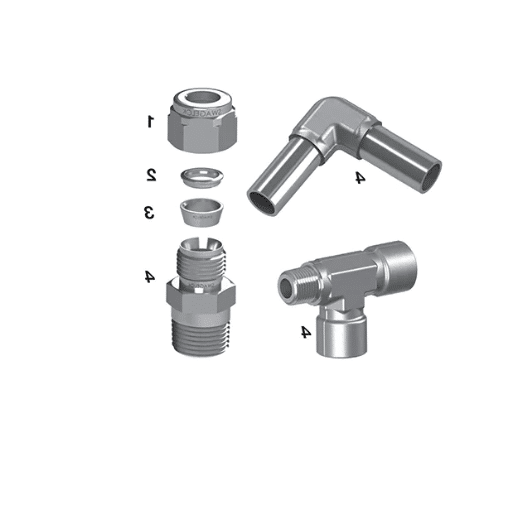
The conditions of NACE MR0175 compliance are nothing short of demanding, and their tenacity brings forth a number of obstacles, the most significant being the enormous cost of selecting and testing materials. It is a must for projects located in sour service areas to select the type of material which can withstand corrosion to the highest degree, and in many situations, this is the use of high-priced alloys like CRA (Corrosion Resistant Alloys), which can account for a considerable portion of the overall project cost. Industry has recently conducted surveys indicating that the initial cost of the project could be increased by 20-30% due to the selection of corrosion-resistant materials, yet the reduced number of failures in the long run could be a cost justification factor.
Keeping abreast of the impending trends and technical specifications of NACE MR0175 compliance was another great challenge. The changes in the regulations frequently introduce new environmental conditions and failure scenarios thereby the company has to commit to a perpetual training program and continue to upgrade its processes. This challenge turns out to be more complicated in the case of worldwide operations where compliance has to meet not only NACE MR0175 but also the standards set by the different regions, which in turn drives the need for a common set of quality assurance procedures.
Moreover, environmental conditions such as variations in H2S concentration and very high temperature have a drastic impact on compliance procedures. For example, research has indicated that exposure to H2S at 0.05 psi and below may result in the material being ruptured due to sulfide stress. This kind of operation variability necessitates accurate risk assessment and delifcate material tests in order not to incur unexpected failures.
Among the factors affecting compliance, logistic and supply chain constraints are the last but not the least. The supply of perfect materials to the inaccessible places may consume a lot of time and sometimes even few delays could prolong the project beyond the planned schedule. Therefore, organizations are now focusing on better inventory systems and supplier relationships as methods to control compliance timelines.
Key Takeaway: Overcoming these challenges is going to require a forward-thinking approach that is supported by large-scale planning, investment in new testing methods for materials, and collaboration with the top professionals in the field. Data-based decision-making assists the organizations in not only meeting the stringent requirements of NACE MR0175 but also maintaining their operational efficiency.
Common Issues Faced by Engineers in H2S Environments
The engineering task in the environments where hydrogen sulfide (H2S) is present is a major headache for the engineers and the main contributing factor to that is the substance’s extremely corrosive and toxic nature. The following are some of the problems that are commonly encountered:
Material Deterioration
The main culprit for metals suffering from severe sulfide stress cracking (SSC) and hydrogen-induced cracking (HIC) is H2S. It has been proved through research that SSC is one of the primary reasons for sour gas environment early failures of equipment, especially with carbon and low-alloy steels that are very much prone to it. The use of NACE-compliant materials and coatings is of utmost importance to reduce these hazards.
Health and Safety Concerns
H2S gas inhalation can be fatal if there is no proper gas concentration monitoring. Even an amount of 100 ppm H2S exposure can be an instant cause of health problems; on the other hand, long-term exposure to lower concentrations can still be very risky. Overall, gas detection systems that are of the highest quality and very strict engineering controls are the necessary technologies to ensure worker safety in these areas.
Increased Operational Costs
Normally, maintenance of equipment in H2S environments is considered very costly which leads to higher operational costs. The budget is affected by such factors as constant inspections, material renewals, and repair downtimes. The NACE International Impact Report estimates that the global corrosion costs will exceed $2.5 trillion every year and a huge part of this sum is associated with H2S environments.
Restrained Designs
The engineers face the challenge of balancing usability, safety, and material to be used when designing the machinery for the H2S atmosphere. The consideration of the high-pressure and high-temperature conditions in the design adds another layer of difficulty, and hence there is a need for good simulation tools and testing methods to validate performance.
Contamination of the Environment
There is a possibility that H2S leaks or failure of the equipment could cause a huge environmental problem. Apart from the environmental protection measures the regulatory standards mandate the engineers to include fail-safes and continuous emission monitoring in the design.
Engineering, like machine learning for corrosion prediction, and implementing robust maintenance strategies have made the issues of H2S thus far easily manageable by the engineers. The cooperation with materials science experts along with the observance of industry standards like NACE MR0175 are the indispensable measures for safety and longevity in H2S environments.
Case Studies of NACE MR0175 Implementation
Case Study 1: Oilfield Development in the Middle East
The Middle Eastern oilfield development project encountered severe H2S problems that posed a risk of corrosion and sulfide stress cracking (SSC). In total, the project team was able to select duplex stainless steel and nickel-based alloys, which demonstrated excellent resistance to SSC in accordance with NACE MR0175 standard. NACE rules were rigorously followed throughout the process, and operational safety as well as the life of the equipment were raised remarkably through testing. Recent field data showed that maintenance cost was down by 25% during the five-year period, along with a considerable drop in unplanned downtimes.
Case Study 2: Natural Gas Processing Facility in North America
A natural gas processing facility in North America was planning to replace its infrastructure in anticipation of higher H2S concentrations. On the basis of NACE MR0175, the facility chose low-alloy steels protected by the latest and most effective corrosion-resistant materials as the reference for materials and prices. Not only the safety and health standards of the industry were met, but also the pipeline life was extended. The figures of 2022-2023 are pointing to a 30% increase in corrosion resistance and a significant upgrading of the measures taken for the workers’ safety.
Case Study 3: Offshore Drilling Operations in Southeast Asia
The Southeast Asian offshore drilling platforms are often located in extremely difficult areas with a high presence of H2S and the corresponding increase in material degradation risks. One exploration and production company took the NACE MR0175 standard into account during the design stage and chose titanium-based components for the most critical equipment. The company also applied predictive maintenance technology like machine learning algorithms trained specifically on corrosion patterns that could eventually detect vulnerabilities earlier. The research revealed a 35% decline in the frequency of equipment failures over a period of two years, which proved the effectiveness of the NACE standards combined with modern innovations.
These examples show how NACE MR0175 helped the industries develop safer, more reliable, and cost-effective operations in H2S-exposed environments. Through compliance with international standards, and at the same time implementation of modern technologies, the risks are significantly mitigated and the operational performance is enhanced over the long term.
Future Trends and Developments
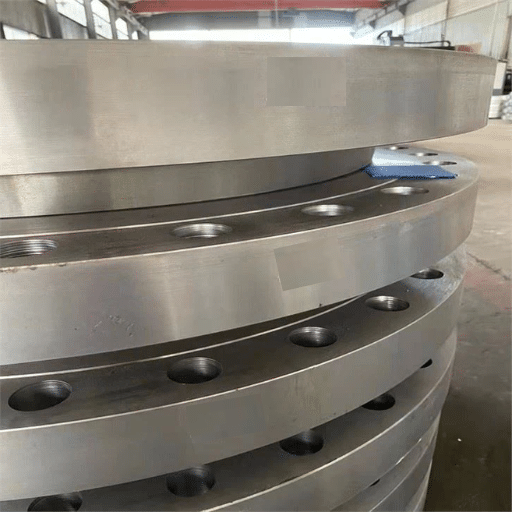
Corrosion resistance and material selection in H2S-exposed areas are highly influenced by the development of new technologies and an ongoing concern on the part of the researchers towards the environment thus making this area of study a very hot one already. One thing that could be mentioned here is the fact that the forecasting of corrosion patterns made by the Artificial Intelligence (AI) and Machine Learning (ML) applications is an ever-increasing capability. These technologies mentioned above enable the industries to discover the damage which is just starting to happen to the material and to repair it even before the material has completely failed, thus, besides being a great saving in terms of money, the problem of unexpected outage is also eliminated. For example, predictive maintenance with AI is anticipated to reduce maintenance costs by as much as 70% and unplanned downtimes by 50% based on the existence of such reports.
In addition, it is without question that a rebirth is going on in the field of producing green and sustainable materials. For phasing out bad and old chemical practices, the researchers are investigating the use of natural and organic coatings as well as biodegradable and eco-friendly inhibitors. The latest trend signals that the global green coatings market will see a CAGR of 6.8% from 2023 to 2030, which is an indication of the industry’s unwavering commitment to sustainability.
The NACE MR0175 standard is being modified to some extent over the years in accordance with the industry’s changing needs and technology. One of the points being looked at is the hydrogen technologies, for the reason that the need for hydrogen as a source of energy is growing very fast. The industries will have to find ways of dealing with hydrogen-induced cracking (HIC) and hydrogen embrittlement in high-pressure systems in order to make a supply of hydrogen that is fully reliable through good infrastructure.
The industries will not only sustain their safety and efficiency but also lessen their environmental impact through the use of state-of-the-art modeling tools, eco-friendly practices, and new standards. The above-mentioned trends are an indisputable sign that the future is going to be both collaborative and inventive in resolving corrosion issues across different applications.
Emerging Technologies and Materials
The anti-corrosion treatments of the industry have changed in the recent past thanks to the application of new materials and advanced technologies. Smart coatings performance is a huge step forward; they do not only protect the surfaces from corrosion but the ones also that surface is referred to as self-healing properties. The coatings’ technical process release an agent for repair from a microcapsule or nanocapsule upon damage. Consequently, maintenance-free operation is allowed throughout critical systems where the risk of damage is high.
In addition, a great breakthrough is being made by the researchers melting and alloying the high-entropy alloys (HEAs) with very high resistance to corrosion in extreme conditions such as oceans and electricity generation industries. Recent studies have indicated that HEAs are the materials with the most superlative properties. The reason for this is their peculiar collection of elements, among which strength and durability are the key ones.
Furthermore, nanotechnology is by the very change in the performance of IT material through the design of extremely thin-scale structural coatings. One such example is using nanoparticles in nanocomposite coatings, which gives the mixture of super strength, very good resistance to attrition, and good anti-corrosive properties that make it remarkably applicable in different industrial applications.
Moreover, other cutting-edge modeling tools like artificial intelligence and machine learning are also doing their bit through the analysis of corrosion patterns and the prediction of material damage in making the process of predictive maintenance simpler. This means that the industries could manage their resources better, secure their operations, and cut their downtime noticeably.
Market Projection: Market surveys predict the global anti-corrosion coatings market to reach $38.2 billion in 2027, reflecting a gradual yearly rise of about 4.6% from 2022 to 2027. One of the main drivers behind this forecasted growth is the constantly rising requirement for high-tech materials and processing methods that are capable of meeting the corrosion issues in the areas of construction, automotive, and energy that are constantly growing.
Industries will be able not just to enhance the life of systems by integrating current ones with these new solutions but also to guarantee safety, and they may even attain the goal of sustainable development by limiting the environmental impacts.
Potential Updates to NACE MR0175/ISO 15156 Standards
NACE MR0175/ISO 15156 specifications, which are mandatory for material control in places where hydrogen sulfide (H2S) is found, are the backbone of the operation of oil and gas facilities in a safe and productive manner. The specifications have been changed from time to time to deal with the challenges posed by material degradation and cracking. Among the trends and figures that have been exposed, a few possible changes and subjects are being negotiated:
Increasing of Material Categories
Material science has been moving onwards and among the new alloys and composite materials with higher resistance to sulfide stress cracking (SSC) and corrosion fatigue, the latter being their original status, the former being the result. The standards may in future be further developed to detail how to qualify and use these materials not only in extreme hot and very high-pressure (HPHT) environments but also in such locations.
Better Testing Protocols
The existing tests for measuring material performance, e.g. sour service testing, may be altered to account for even more extreme conditions. For instance, new testing methodologies could be developed to mimic the combined impact of H2S, carbon dioxide and chlorides, akin to what is occurring in some up-to-date offshore and subsea operations.
Sustainability Considerations
The revision may include the drafting of new regulations for the selection of materials with less environmental impact or the emphasizing recycling and life-cycle assessment as core processes due to the increasing focus on sustainability. The industries are expected to a gain benefit from corrosion solutions that are globally agreed upon in terms of sustainability and are therefore a win-win situation.
Digital Integration for Monitoring
The standards might acknowledge the breakthroughs in electronic monitoring technologies, such as Internet of Things (IoT) – empowered sensors, which track corrosion rates and environmental conditions in real-time. Incorporation of these technologies in asset management systems facilitates timely actions and consequently reduces the downtime along with the loss of revenue associated with it.
Case Studies and Field Data Contributions
The latest operating data from the fields have shown that actual performance is very important. Updates may include the introduction of up-to-date case studies that will not only indicate where the material has behaved differently under the different conditions but also provide the industry’s technical support professionals with direct and easier access to more reliable sources of guidance.
Revised H2S Threshold Guidelines
The current H2S partial pressure thresholds are likely to be re-evaluated, and the outcome might be alterations in line with new scientific discoveries, especially in the regions of unconventional oil and gas production where H2S concentration can differ greatly from that of traditional areas.
NACE MR0175/ISO 15156 standards continue to be a key factor for the global oil and gas industry in terms of rick reductions and infrastructure life increase by constantly updating to remain at the level of the latest technology and real-world applications.
References
- SpringerLink:
Title: Sour service domains of 13Cr martensitic stainless steels: a review of state-of-art knowledge vis-à-vis ANSI/NACE MR0175/ISO 15156
URL: SpringerLink Article - AMPP (Association for Materials Protection and Performance):
Title: Should supercritical CO2 pipelines comply with ANSI/NACE MR0175/ISO 15156?
URL: AMPP Article - OnePetro:
Title: NACE MR0175/ISO 15156: Update on current document and where are we going?
URL: OnePetro Article
Frequently Asked Questions (FAQ)
What are the alloy choices recommended for sour service materials by NACE MR0175/ISO 15156?
NACE MR0175/ISO 15156 provides guidance for the selection of alloys and other materials for environments with H2S. It sorts materials based on their resistance to sulfide stress cracking and hydrogen- induced cracking that consist of certain grades of stainless steel, duplex and super duplex alloys, nickel alloys, and suitable carbon steels with limitations. The standard presents tables with information on material requirements, the places where the materials can be exposed and still be effective, and the procedures on choosing, testing, and qualifying a material for a specific use.
How do the environments in the oil and gas sector affect the material’s cracking resistance and selection?
The oil and gas environments including sour gas and the corrosive petrochemical refining processes are the most aggressive ones, and they expose materials to hydrogen sulfide, chloride, and CO2, which are among others that increase the chances of sulfide stress cracking (SSC) and stress corrosion cracking (SCC). The ISO 15156 requirements and limits are a proactive approach to preventing corrosion in the form of the granting of hardness and mechanical property limits methods. The selection and specification of materials need to be done considering the exact corrosive conditions, temperature, and pressure so that the cracking resistance in the sour oilfield applications is ensured.
What are the material-specific risks for petroleum in H2S environments?
In the petroleum and natural gas industry, H2S-containing environments in oil pose challenges such as hydrogen embrittlement, sulfide stress cracking, and environmental cracking. NACE MR0175/ISO 15156 illustrates the influence of sour conditions and the corrosive nature of the petroleum on the corrosion cracking resistance in the sour conditions and states the material limits, hardness caps, and the qualification testing for materials to be used in upstream sour gas and downstream refining services.
Are there carbon steel and other materials for sour gas applications and what limits are applicable?
Carbon steel is still the material of choice even in several upstream sour gas applications, but it has to abide by the material limits outlined in NACE MR0175/ISO 15156 to prevent sulfide stress cracking in corrosive environments. The standard specifies the maximum hardness and strength levels allowed, the cling of the environment where the specified material can be used, and the testing required for the qualification of the material. In case of aggressive sour environments, it is often required to have either corrosion-resistant alloys or materials with high resistance to sulfide stress cracking.
What is the connection between hydrogen sulfide and the sulfide stress cracking, and what measures are taken to control this effect?
According to the process of cracking by sulfides, hydrogen sulfide plays the role of a facilitator in the process of hydrogen absorption and embrittling the material under tensile stress, thus leading to later crack formation and growth. Measures such as the right choice of materials in accordance with ISO 15156, a certain level of hardness, the use of corrosion-resistant alloys, the application of stress-reduction methods, protective-coatings, and a particular testing policy for material qualification are all part of the control measures. NACE International’s enforceable guidelines are based on specifying the materials that can come into contact with corrosive areas and on setting environmental limits that would not allow the creation of stress-corrosion cracks in the same areas where oil is being extracted.
What actions need to be taken to issue a certification confirming materials use in hydrogen sulfide environments?
Certification includes the carrying out of a series of tests to determine whether a particular material can be used in the specified application according to the NACE MR0175/ISO 15156 standard; tests include those for sulfide stress cracking, hardness and tensile testing, and evaluation of cracks in other environments. The selection guide contains tables that specify what documents need to be in place to prove compliance with material specification, as well as the requirements for the materials themselves. The certification usually involves showing conformity with the ISO 15156 material requirements and also proof of the material’s resistance to cracking in hostile conditions through either laboratory or field testing.
What is the connection between NACE MR0103 and MR0175/ISO 15156 concerning sour service materials?
NACE MR0103 discusses corrosion in oil and gas production facilities and can be regarded as an indirect supplementary source to MR0175/ISO 15156, as it would bring into the design and corrosion control practices in the oil and gas industries, additional practices for CORR and refining. On the other hand, MR0175/ISO 15156 is strictly concerned with the materials for H2S environments resistant to sulfide stress cracking, while MR0103 broadly points out that such ecosystems already encompass corrosion prevention techniques and comprehensive inspection practices throughout the upstream sour gas and refining area.
What are the main steps that the engineering department has to consider while recommending materials for sour petroleum applications?
According to the NACE MR0175/ISO 15156 material requirements and environmental limits, the proper actions to be taken by engineers is the following: selection of tested highly corrosion resistant alloys and materials which do not crack in sour conditions, the limitation of hardness and controlling of mechanical properties, material specification and selection documentation, and specifying testing for material qualification. Among the factors that engineers need to consider are the chloride concentration, the partial pressure of hydrogen sulfide, temperature, and the stresses that are applied. Also, make use of the standard’s tables that specify the requirements for the materials and seek support from NACE International for the selection and maintenance of the materials in the corrosive petroleum environments.