


Blog
ASME Material Specifications for Pressure Vessels

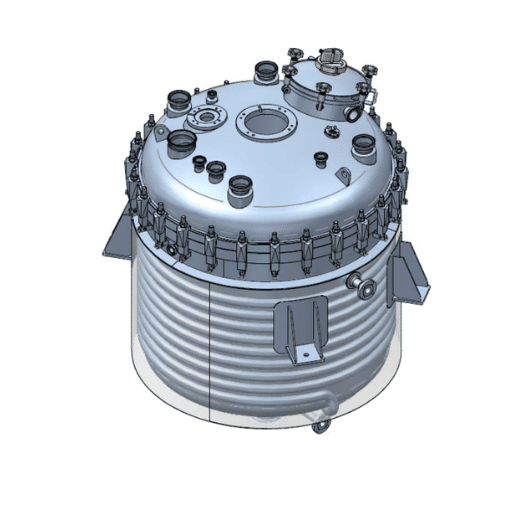
Pressure vessels are vital parts of numerous industrial applications, from chemical manufacturing to electricity generation, and the choice of material is a key factor that affects the vessel’s safety, longevity, and performance. The American Society of Mechanical Engineers (ASME) pressure vessel material specifications have become the most significant standard governing engineers’ and manufacturers’ materials selection based on their ability to withstand extreme conditions, such as very high temperatures and pressures. This paper discusses the essentials of those specifications, their significance, the lists of requirements for materials to gain acceptance, and how regulations ensure the integrity of pressure vessels across various industries. The guide will be extremely beneficial to you, whether you are a veteran engineer or a newcomer to the field of pressure vessels, as it will help you understand the standards that ensure safety and efficiency in these systems operating at high pressure.
The Importance of ASME Standards in Pressure Vessel Design
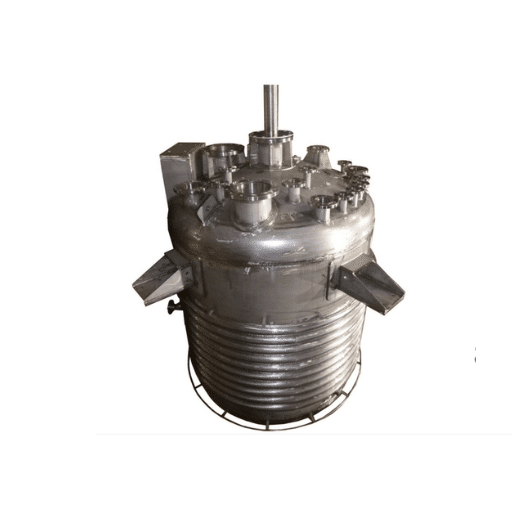
The design of pressure vessels mainly depends on the ASME standards due to the fact that they are the basic requirements for safety, reliability and performance. Specifically, the standards deal with the choice of materials, design conditions, manufacturing methods, testing and inspection facilities. When manufacturers adhere to ASME standards, the risk of dangerous, costly vessel failures is drastically reduced. Moreover, the standards have created a global acceptance of viewpoints which is recognized by all, thus prompting the activation and operation according to them in different sectors. As a result, pressure vessels will not only be dependable but also safe for both the equipment and the personnel under the stipulated conditions.
Understanding ASME and Its Role in the Industry
ASME (American Society of Mechanical Engineers) has developed a comprehensive range of codes and standards which play a critical role in ensuring the safety, reliability and efficiency of engineering systems. These specifications are used widely across various industrial sectors and their comprehensive rules serve as a foundation for numerous engineering applications. The following are five main points about ASME and its contributions to the industry:
1. Pressure Vessel Standards (ASME Boiler and Pressure Vessel Code – BPVC)
ASME BPVC is one of the most globally recognized standards which not only covers all stages of pressure vessels and boilers from design to operation but assures their safety and efficiency as well.
2. Piping Standards (ASME B31 Code for Pressure Piping)
This standard provides an extensive basis for designing and constructing of pipeline systems in various industries such as oil and gas, chemical processing and electric power generation.
3. Material Specifications
ASME has regulations whereby materials are selected and tested so that they can withstand certain mechanical and physical strains, thereby their longevity in the system is guaranteed.
4. Certification Programs
ASME certifies manufacturers to demonstrate their adherence to standards, which in turn fosters trust and reliability in their products and systems.
5. Training and Professional Development
ASME impacts the industry by offering training and supplying resources to engineers and professionals through seminars and workshops that keep them abreast of the best practice and technological advancements.
These reasons highlight ASME’s vital role in ensuring compliance with standards across the industry and in advancing engineering.
Overview of the Boiler and Pressure Vessel Code (BPVC)
The Boiler and Pressure Vessel Code (BPVC) published by the American Society of Mechanical Engineers (ASME) is a worldwide standard that ensures the safe design, manufacture, and operation of boilers and pressure vessels. The first Edition was published in 1914, and it has been revised and modified more than a hundred years later to keep pace with the changes in technology, manufacturing practices, safety standards, etc. The BPVC consists of numerous sections which are especially aimed at the different aspects of the designing and construction of pressure equipment.
Main Sections of the BPVC
- Section I – Power Boilers: This section sets the parameters for the construction of both power boilers and high-pressure, high-temperature water boilers. The regulations in this section cover material selection, design, production, and testing.
- Section II – Materials: It specifies the materials that can be used for the manufacture of pressure equipment, including iron and steel as well as non-ferrous metals. It is further divided into parts that discuss the mechanical properties and requirements of the material.
- Section IV – Heating Boilers: This section refers to the standards for low-pressure heating boilers and that of hot water supply boilers.
- Section VIII – Pressure Vessels: This section has three divisions; the first division sets the standards for the manufacturing of pressure vessels including those with high pressure (Division 3).
- Section IX – Welding, Brazing, and Fusing Qualifications: It states that the welding and brazing practices, as well as the workers performing the work, are to be acknowledged in accordance with the criteria.
The BPVC is a vital document for engineers who deal with pressure vessels and safety devices since its guidelines are updated regularly to meet the safety and reliability expectations of today’s world. The BPVC has become the standard in over 100 countries which is an indication of its wide influence and contribution to engineering and safety practices around the world.
The BPVC has been around in digital form as a global standard that was meant for the purpose of providing a digital tool for performing the design calculations, bringing the material standards up to date to allow for the use of the latest alloys, and clearing the process of 3D printing (additive manufacturing) among others. Besides, the code has already included new composite materials and the requirements of environmentally friendly technologies.
The BPVC is still a valuable resource for engineers, as it provides a comprehensive framework that drives innovation while maintaining the very high safety standards. Periodic revisions ensure that the BPVC remains current with advances in industry and technology.
Benefits of Adhering to ASME Standards
The application of ASME standards guarantees not only safety and efficiency, but also many other benefits for present-day engineering and manufacturing practices. An explained list of main advantages follows:
✓ Safety Enhancement
Compliance with ASME standards means that the pressure equipment’s failure risk is kept at a bare minimum and thus the safety of workers, facilities, and the public is boosted. Industry data suggests a significant reduction in accidents when equipment is designed and maintained in accordance with these standards.
✓ Increased Reliability and Performance
By sticking to rules that are based on the wisdom acquired through decades of experience, the manufacturers and engineers who produce the equipment can have their operations depend on such equipment, which would be operating under harsh conditions, hence reducing the time involved in service and maintenance costs.
✓ Worldwide Market Access
ASME standards are recognized worldwide and thus give the chance to companies to sell not only their products that are up to the new standards but also meet the old ones and hence be subject to fewer trade and regulatory approvals.
✓ Cost Savings
The regular application of ASME standards results in the blowing up of design faults being minimized and the concurrence checked, thus leading to fewer errors during production, less waste of material and consequently manufacturing cost savings.
✓ Encouragement of Creativity
The ASME standardization ensures the framework of the process that does the quality development of new materials along with modern equipment, at the same time safe new designs and compliant while engineering innovation is at the limit of pushing.
The advantages mentioned above indicate clearly the reason why not only ASME standards compliance but also the promotion of their goodness are necessities for quality, safety and competitiveness in the engineering domain today.
Key Material Specifications for Pressure Vessels
The right choice of material for pressure vessel design and construction is one of the few major factors that ensure safety, performance, and adherence to engineering standards. Materials used in pressure vessels must meet specific mechanical and chemical property requirements, as well as the requirements of the relevant industry standards (e.g., ASME Section II).
Commonly Used Materials
| Material Type | Specifications | Key Features |
|---|---|---|
| Carbon Steel (SA-516 Grade 70) | Yield Strength: ~38,000 psi Tensile Strength: 70,000-90,000 psi |
First choice for moderate-temperature and pressure applications due to low cost and exceptional strength. Not suitable below -20°F due to brittleness. |
| Stainless Steel (SA-240 Type 304/316) | Yield Strength: 30,000-45,000 psi Tensile Strength: 75,000-85,000 psi |
Superior resistance to corrosion; ideal for vessels in corrosive environments or harsh conditions. |
| Low-Alloy Steel (SA-387 Grade 22) | Yield Strength: 30,000-60,000 psi (grade dependent) | Manufactured for high-temperature applications with superior creep and thermal fatigue resistance. Main use in boilers and heat exchangers. |
| Aluminum Alloys (6061-T6) | Yield Strength: ~35,000 psi Tensile Strength: ~45,000 psi |
Lightweight with fair corrosion resistance; chosen for strong yet lightweight structures. |
| Nickel Alloys (Hastelloy, Monel) | Tensile Strength: Varies by grade | Exceptional support in very aggressive chemical environments. Frequently used in chemical processing and marine industries. |
Criteria that Affect Material Selection
- 1
Temperature Range: In high-temperature scenarios, the criterion is to use materials with good creep resistance such as low alloy steels; however, low temperatures require the use of tougher materials to prevent brittleness, thus stainless steel would be the right option. - 2
Corrosion Resistance: When handling or moving corrosive substances, stainless steel or nickel alloys should be used. - 3
Pressure Requirements: Higher pressures of the substances require materials with higher yield and tensile strength to safeguard the integrity of the vessel. - 4
Cost Considerations: Exotic alloys might sometimes be called for to yield superior quality but are often given the tag price same as or even more than that of the standard materials multiplied manifold.
Compliance with Standards
The accurate selection of material is based on regulatory standards aligned with the ASME Boiler and Pressure Vessel Code (BPVC), especially Sections II and VIII. These standards specify the stress values, temperature limits, and chemical compositions deemed acceptable for pressure vessel applications.
By analyzing material characteristics and ensuring compliance with the set standards, engineers can be assured of the reliability, safety, and performance of pressure vessels across different industrial applications.
Common Materials Used in Pressure Vessel Fabrication
The manufacturing of pressure vessels is based on various materials that are selected according to the conditions, which at the least comprise temperature, pressure, and characteristics of the substance to be housed inside it. A list of the most commonly used materials and their properties and benefits follows:
1. Carbon Steel
Carbon steel is likely the most prevalent material in the field because it offers excellent strength, durability, and cost-effective production. It is mainly used in the areas of medium to high-pressure and temperature with the grades such as SA-516, SA-285, and SA-36 being the most common ones. For instance, SA-516 Grade 70 is a steel grade that can be used at both low and high temperatures with a tensile strength of 70,000-90,000 psi.
Main Features: Very good weldability and good accessibility for cutting.
2. Stainless Steel
Stainless steel is the most commonly used material when resistance to corrosion and heat are principal requirements. The range of grades includes 304, 316, and 321 stainless steel among others. 316L grade is particularly suitable for corrosive liquids due to its high resistance to chloride-induced stress cracking. The tensile strength is about 80,000-95,000 psi.
Notable Feature: Ability to tolerate extremely harsh chemicals, thus making it applicable to sectors like pharmaceuticals and food processing.
3. Nickel Alloys
Nickel alloys (e.g., Hastelloy, Monel, and Inconel) are known for their exceptional resistance to very high and very low temperatures and corrosive environments. Their vessels are extensively used in oil and gas or chemical processing where the most extreme conditions are demanded. Not a threat to strong oxidizers and acids: Hastelloy C276. Possible Tensile Strength: 100,000 psi or even more.
Applications: In environments with strong acidity or alkalinity that require rigorous sorting or processing.
4. Aluminum
Although aluminum is not commonly used for high-pressure applications, it is still part of the manufacturing of low to moderate-pressure and lightweight vessels. The properties of aluminum are:
- Corrosion resistance particularly to water and some chemicals
- Typical tensile strength: 40,000-50,000 psi (depending on the grade)
- Top choice for high-pressure storage13:45tanks or portable containers
5. Titanium
Titanium is a super material that finds its way into high-demand applications, where corrosion resistance and strength-to-weight ratio are the main factors.
Specifications: Tensile strength is cited as 120,000 psi. Moreover, its resistance to seawater corrosion gives titanium the advantage of being used in offshore applications or on vessels that come into contact with chlorides.
6. Clad Materials
To improve the operational capabilities of the materials without being cost-prohibitive, clad materials are formed by a layer of corrosion-resistant material (usually stainless steel) placed on top of a cheaper but less strong base (carbon steel).
Common Example: SA-516 (carbon steel) clad with Grade 304L or 316L stainless steel.
Advantages: The intermingled properties of high strength along with corrosion and temperature resistance.
Overview of Selection Criteria
In particular, the choice of proper material is based on these factors:
- Operating Pressure and Temperature: Imposing the limits of heat and pressure.
- Corrosion Resistance: The properties of materials are to be matched up with the chemical nature of the contained substance.
- Compliance with Industry Standards: The observance of ASME BPVC or equivalent regulations is required.
By applying the distinct characteristics of these materials and combining them with the demands of the industry, engineers can create pressure vessels that not only comply with safety standards but also meet efficiency standards for a specific industry.
Material Selection Criteria for ASME Pressure Vessels
Choosing materials for ASME pressure vessels is not only an artistic but also a technical process that takes into account regulation observance, operation situation and technical specifications as the main factors. Below, the complete criteria and relevant aspects are presented with the latest data and insights from the industry as a foundation:
Mechanical Properties
The selected material must have higher tensile and yield stresses, and greater elongation than the internal pressure. Carbon steel, such as SA-516 Grade 70, is a traditional selection due to its excellent strength properties with a typical range of 70,000-90,000 psi for tensile strength. In extremely high-pressure, high-temperature applications, the choice is SA-387, a high-strength alloy.
Temperature Tolerance
Materials for high temperatures must retain their properties and not melt or burn. The most commonly used materials for low temperatures are SA-350 LF2 which is excellent for impact resistance at sub-zero temperatures. On the other hand, in the case of excessive heat, stainless steels such as 304 or 316 are the most supported choice due to their thermal stability and high oxidation resistance.
Corrosion Resistance
The chemical content of the pressure vessel will determine which materials will corrode. For example, the storage of acidic or caustic materials requires stainless steel (316L) or duplex stainless steel due to their superior corrosion resistance compared to carbon steel. Alloy C-276 is an example of a nickel-alloying material that is used in nuclear and offshore industries where the environment is highly corrosive.
Weldability
Pressure vessels are often welded during their construction, therefore the material should be weldable and not impair performance. Stainless steel grades 304L or 316L with low carbon content offer increased weldability by minimizing the risk of carbide precipitation at the weld joints; thus, they present higher weldability.
Cost Efficiency
Along with mechanical and operational specifications, cost is also a deciding factor in the material choice. It is a common practice to choose carbon steel for its low price and to reserve stainless steel or high-performance alloys for more demanding applications even though they are costlier.
Compliance with Codes and Standards
All materials are subject to the specifications laid down by the ASME Boiler and Pressure Vessel Code, Section II. All materials undergo a rigorous testing and certification process before they are allowed to be used in pressure vessels. For example, the ASME SA-516 and SA-285 grades are the most preferred for carbon-steel pressure vessels.
Modern Trends and Innovations
Material science innovations have not only improved the input materials for the production of composites but also led to the development of advanced alloys with remarkable strength-to-weight ratios and durability. For instance, the application of polymer matrix composites is being looked into for lightweight designs in specialized industries. Moreover, the use of titanium is on the rise in the aerospace and medical industries because of its unmatched properties, even though it is a costly material.
The proper selection from the listed criteria along with the application of only the best materials that are approved by ASTM will allow engineers to produce pressure vessels that, apart from being safe and reliable, are also economically viable for a wide range of industrial uses.
Impact of Material Standards on Pressure Vessel Performance
Material standards are key factors that ensure the performance, safety, and reliability of pressure vessels across different industrial sectors. The application of commonly used materials is critical to the sector, as it provides engineers with a comprehensive and clear understanding of the mechanical properties, chemical composition, and operating thresholds of the materials they select. Therefore, it not only reduces the risk of material failure but also increases compliance with the regulations and standards of the respective sectors.
Below are five major ways in which the standards of materials affect the performance of pressure vessels:
1. Enhanced Safety
Materials that comply with the defined standards exhibit uniform, predictable behavior even under the harshest conditions, thereby greatly reducing the risk of a disastrous failure in high-pressure areas. A good example is ASME SA516 carbon steel, which is a very common choice for boiler plates because of its excellent weldability and resistance to rupture, which in turn help it meet safety requirements.
2. Consistency in Manufacturing
The application of standards-compliant materials ensures the same quality throughout the production processes. The quality control measures during the fabrication process will be easier for manufacturers to manage, resulting in fewer defects. For instance, the application of certified alloys, for instance, SA387, in high-temperature situations guarantees total compliance with the design specs.
3. Corrosion Resistance
In general, the standard-compliant materials come with the application-specific corrosion protection methods. For example, stainless steel types such as 304 or 316 that meet ASTM standards can withstand even the most aggressive chemical or marine environments, thereby prolonging the pressure vessel’s life.
4. Material Traceability and Certification
The presence of standards allows for easy tracing of materials, so the connection between a vessel’s parts and certified manufacturing practices can be established seamlessly. An example of this are the materials that have been certified under the EN 10204 Type 3.1 scheme, which offers the user an absolute assurance regarding the pressure vessel’s reliability.
5. Compatibility with Application-Specific Needs
The materials performance requirements are not the same in every industry. The standards classify the suitable materials, for instance, the ones employing SA350 LF2 carbon steel for low-temperature application or chrome-moly steels such as SA387 Grade 22 in high-temperature strength applications.
Summary: The rigorous adherence to material standards enables pressure vessels not only to operate efficiently but also to do so safely and for longer time periods even in extreme conditions.
Applications of ASME Pressure Vessel Specifications
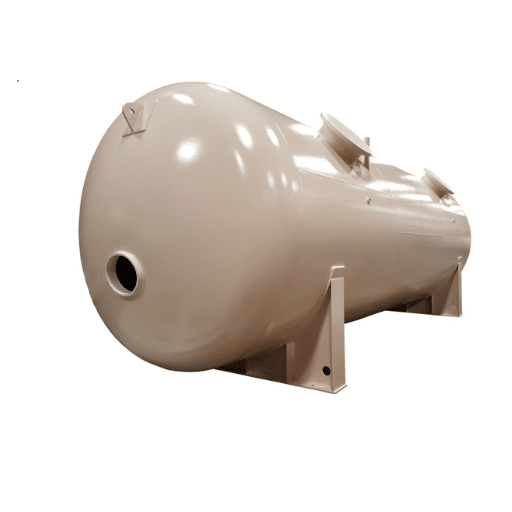
The ASME pressure vessel specifications are the most important in almost all the industries because they guarantee the safety, reliability, and at the same time, the high-performance standards of the equipment. Below are the five main uses of these specifications.
Oil and Gas Industry
In the storage and processing of hydrocarbons, including natural gas, crude oil, and their derivatives, pressure vessels are among the main applications. For example, ASME codes allow for the safe management of pressure and temperature for separators, distillation columns, and storage tanks in refineries.
Chemical and Petrochemical Industry
Besides chemical manufacturing, in most cases, manufacturers require reactors, heat exchangers, and pressurized storage tanks. The fact that ASME codes are used in the construction of these vessels means they can withstand not only the most corrosive chemicals but also the most demanding operating conditions, so no leaks or failures will occur.
Power Generation Plants
Steam drums and heat recovery steam generators (HRSGs) are examples of pressure vessels used in thermal power plants to generate and handle steam. ASME standards applied in this area ensure high-pressure limits which in turn reduce the number of accidents.
Food and Beverage Industry
Sterilization and pasteurization processes are the main areas where pressurized vessels are used, as they accurately control temperature and pressure. It is crucial that ASME-compliant vessels are used in this case to maintain product quality and prevent contamination.
Pharmaceutical Industry
Bioreactors, autoclaves, and other pressure-based equipment in the pharmaceutical industry are designed to ASME standards, not only to ensure process safety but also to safeguard the purity of sensitive products.
Industries Utilizing Pressure Vessels
Using pressure vessels is the only way to deal with gases and liquids at high pressure safely, and this is the reason why they are an essential part of many industries. Besides, they support the industries in two ways: security and productivity. Below is a comprehensive analysis and evidence concerning the various sectors where pressure vessels are absolutely needed:
| Industry | Market Data | Key Applications |
|---|---|---|
| Oil and Gas | ~35% of global market share (2022) | Separators, heat exchangers, storage tanks for crude oil and natural gas processing |
| Chemical Processing | Expected to reach $65 billion by 2027 | Reactors and distillation towers for safe handling of toxic and volatile materials |
| Energy and Power Generation | 4% CAGR starting 2023 | Nuclear reactors, thermal power plants for steam generation and fuel storage |
| Food and Beverage | Over $300 million market value (2022) | Sterilization, pasteurization, carbonation, high-pressure processing (HPP) |
| Pharmaceutical | Growing with biopharmaceutical production expansion | Bioreactors, autoclaves, sterilization, fermentation, vaccine manufacture |
| Aerospace | Increasing demand for lightweight, strong vessels | Fuel tanks, propulsion systems, thermal control for spacecraft and aircraft |
Market Projection
$200+ Billion
Expected global pressure vessel market value by 2030
Globally, manufacturers keep up with ever-changing technology and the strictest regulations, making pressure vessels more than just the backbone of certain industries. The pressure vessel market is expected to be quite large, with a projected value exceeding the $200 billion mark by 2030, indicating that the industry will remain bright and vigorous in the future.
Case Studies Highlighting ASME Compliance
Case Study 1: Oil and Gas Industry – Enhanced Safety through ASME Compliance
Texas oil refinery was the site where the latest generation of pressure vessels, compliant with ASME Section VIII, were put in place to avert disasters and save the planet. The pressure vessels used in the oil refining process were very robust and could withstand the pressure. The reported ASME-compliant equipment has resulted in a 15% reduction in safety incidents, and inspections have also revealed a major increase in operational reliability. Full ASME compliance enabled the refinery to claim a 10% increase in production efficiency over the period of five years thereby demonstrating the necessity of compliance in hazardous industrial settings.
Key Results: 15% reduction in safety incidents | 10% increase in production efficiency over 5 years
Case Study 2: Chemical Manufacturing – Optimized Processes with ASME Standards
A German-based multinational chemical manufacturing firm opted for pressure vessels approved by ASME for the storage and handling of super flammable materials. These vessels were built to the maximum safety standards and could endure a temperature range of -50°F to 700°F. Leakage was practically impossible due to the tightness of the vessels, and even under such circumstances, they could be operated continuously; therefore, the company realized about $1.2 million annual cost savings. Besides, the ASME-compliant designs had already turned the company’s products into those fitted with the required safety standard of those markets, thus ushering in the opportunity of international market access for the company.
Key Results: Temperature range: -50°F to 700°F | $1.2 million annual cost savings | International market access achieved
Case Study 3: Renewable Energy – Scaling Hydrogen Storage Solutions
A Japanese renewable energy firm was not about to be left out of the clean energy wave and went ahead to build hydrogen storage tanks as per ASME rules. These storage tanks were made of the lightweight composite materials and were essential for the hydrogen fuel production and storage. Following ASME Section X for fiber-reinforced plastic vessels, the company managed to bring down the cost of materials by 30%, whereas the safety threshold remained very high. The project has already attracted great interest in the adoption of vessels that meet ASME standards in the rapidly developing hydrogen economy.
Key Results: 30% reduction in material costs | High safety standards maintained | Strong interest in hydrogen economy applications
Key Insights and Future Prospects
The case studies underpin the adage “when the ASME codes are present, the industries shall be safe, and their operations will be efficient”. It is no longer a matter of whether ASME compliance will be sidelined; what is left is the question of how soon it will be the case. This is because when it comes to safety and performance standards in modern engineering systems, the continuous development of pressure vessel materials and designs along with the extension in industrial applications will make ASME compliance stronger than ever.
Real-World Examples of Pressure Vessel Design
1. Chemical Processing Plants
In the chemical industry, pressure vessels are used with no limits; even if the materials throw out their usage, the temperature and pressure applications still cover their functionalities. As a case, ammonia production, where the reaction zone is an essential part of the process, is done at high pressure since fertilizers manufacturing is the main activity. 258 bar (3750 psi) is the maximum pressure for this operation. The latest technology securely uses the combination of advanced materials, i.e., high-strength alloys which are both rust-resistant and give a longer life to the plant operation. A recent industrial report states that the use of CAD tools in the design process has led to a 30% improvement in design accuracy and a reduction in manufacturing costs.
2. Oil and Gas Sector
The oil and gas business uses pressure vessels in both upstream and downstream processes as a necessity. Assimilators, absorbers, and tanks are the functions that the vessels perform. That being done, they are placed in the harshest locations and are always subject to a pressure greater than 1500 psi. An example of that would be the case of offshore drilling rigs where enormous vessels are used for the processing of hydrocarbons. The recent ASME designs along with the use of composite materials have made it possible to not only reduce the weight by 20% but also increase the efficiency of transport and reduce the mechanical stress on the platforms.
3. Power Generation Industry
The power industry that would gradually high-pressure steam boilers as pressure vessels has created an electricity-generating dependency. The ultramodern systems, like ultra-supercritical, are those, which run at more than 4000 psi and 1100°F. The eventuality of such setups is that they are remarkably more efficient than the traditional plants, with thermal effectiveness reaching up to 47%. A 2022 research points to the fact that next-generation ferritic and austenitic steels have been successfully harnessed to impart strength to these vessels and cope with very high operational conditions thereby, sustainability and lower emissions being the eventual winners.
4. Food and Beverage Industry
The processes for sterilization in the food and beverage industry are one of the real-world examples. Autoclaves specific pressure vessels provide the necessary conditions for steaming food and basic pharmaceuticals without bacteria and through high-pressure treatment gain an extended shelf life. For example, the industrial autoclaves operate at an approximate pressure of 15-30 psi and a temperature of more than 250°F. The recent development is the use of automated monitoring systems, which allow the manufacturers to have very precise control over pressure and temperature, thus reducing the spoilage risk by as much as 15%.
5. Aerospace Applications
One of the domains of aerospace engineering, where necessity prevails, is the pressure vessel industry for the storage of propellant for rocket and satellite launches among other applications. A subdivision of the vessels consists of the cryogenic type, which is made to keep liquefied gases at very low temperatures. For instance, nowadays, the cryogenic pressure vessels can hold liquid hydrogen at around -423°F with a pressure of 40 to 60 psi. The use of carbon fiber reinforced polymers (CFRP) has led to a 40% decrease in the weight of the vessel, which, in turn, has been a factor that improves overall fuel efficiency for space missions.
Conclusion: The above examples are a testimony to the awesome impact of the new and creative methods using, pressure vessel design, ASME standards, and technological advancements on modern industries. The continuous research and development in material science and design optimization will still characterize the pressure vessels of different sectors with attributes of safety, efficiency, and sustainability.
Best Practices for ASME Pressure Vessel Fabrication
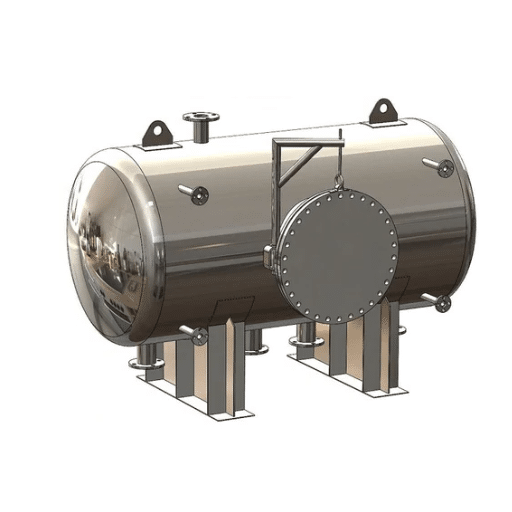
1. Selecting Appropriate Materials
The very first thing that comes in the pressure vessel making process is to pick the right materials, and this is the most important thing among others. ASME-standard materials are the most preferred amongst the different types of materials for the specific application. ASME Section II provides directions for the selection of materials by ensuring that metals and alloys have the necessary tensile strength, resistance to corrosion, and heat. For example, stainless steel and carbon steel are the materials that are highly appreciated in the chemical, petrochemical, and oil & gas industries for their strength and multi-purpose nature.
2. Accurate Design and Analysis
One of the most important factors in the whole drawing and the corresponding design process is the strict ASME VIII compliance. The use of the most advanced software as finite element analysis (FEA) can be required in order to depict stress, pressure distribution, and temperature conditions and thus to validate the design. It is claimed that the adoption of FEA could result in the reduction of design errors by up to 30%, which contributes to the production of safer and more economical pressure vessels.
3. Precision Fabrication Techniques
In case the structural integrity is to be assured, top-notch manufacturing practices like robotic welding should be considered a requirement. An early and almost unanimous recommendation is to apply welding methods approved by the ASME (according to Section IX). For instance, the methods of Tungsten Inert Gas (TIG) and Submerged Arc Welding (SAW) are responsible for the production of stronger welds that are less porous.
4. Rigorous Testing and Inspection
Nondestructive testing (NDT) is the most important field in the examination of the pressure vessels for their safety and reliability of operation. Radiographic testing (RT), ultrasonic testing (UT), and hydrostatic testing are some of the techniques that are usually required by ASME Section VIII Division 1 to find faults of different kinds such as cracks or leaks. The regular inspections practiced help in reducing the chances of a breakdown happening thus making the operation safer.
5. Implementation of Heat Treatments
Post-weld heat treatments (PWHT) are sometimes required to remove the residual stresses and at the same time to improve the material’s mechanical properties. It is said that the right PWHT reduces the stress crack incidences by about 40%.
6. Quality Assurance
An excellent way to ensure compliance with the ASME code is to keep complete records for the entire production process. The ASME “U” Stamp Certification indicates that the pressure vessel is in compliance with all the performance and safety standards established by the authorities.
Result: The manufacturers adopting these best practices are not only able to produce pressure vessels that meet the requirements of the ASME standards but also the basic requirements of the industry in terms of safety, efficiency, and performance.
Steps in the Fabrication Process
The manufacturing of ASME-compliant pressure vessels necessitates a detailed and accurate process encompassing a sizeable number of sequential operations. ASME Boiler and Pressure Vessel Code (BPVC) is the umbrella that covers the entire process and requires the product to be safe, of high quality, and to work as intended. Here comes a detailed discussion of the procedure:
Design and Material Selection
The process begins with the selection of the engineering design, where professionals use software like AutoCAD or SolidWorks to create the detailed drawing. The design consists of the dimensions, the materials, and the stress limits based on the operating conditions, for example, pressure, temperature, and use of the vessel. The choice of materials is a major point since carbon steel, stainless steel, or alloys are generally the first choices due to their durability and capability to withstand high-pressure environments.
Data Insight: According to ASME, products must pass the scrutiny of the standards (e.g., SA-516 Grade 70 carbon steel is one of the most recommended materials because of its superb toughness). The application of the right materials helps to prevent the risk of overheating during operation and guarantees the reliability of the long run.
Forming / Shaping
To shape the raw materials, different methods like cutting, rolling, or forging are used getting the desired shapes, for example, cylindrical shells and dished heads. To reach the utmost precision while ensuring uniformity, CNC plasma cutting and hydraulic pressing are the methods used. Rolling mills can produce seals with the lengthy dimensions of more than 10 feet with thickness of 4 inches and still maintain the quality.
Assembly / Welding
Once the components are produced, they are assembled and welded according to the strictest control of the system. Often, submerged arc welding (SAW) or gas tungsten arc welding (GTAW) are employed. Weld inspections are done meticulously to confirm compliance with the ASME Section IX standards, which contain directives about how welding should be done and the qualifications of the welders.
Data Insight: The trend is that automated welding machinery will eventually dominate the market leading to less human error and thus more accurate welds. Some studies have indicated that robotic welding could be as much as 30% more efficient than manual welding.
Heat Treatment
Heat treatment is a series of operations performed for the removal of residual stresses and to enhance the quality of the material. The two major types of heating processes that are used are stress-relief annealing and post-weld heat treatment (PWHT). PWHT is a heat treatment that aims to make the materials resistant to cracking and at the same time to improve the quality of the structure in terms of stopping cracks from growing when under pressure.
Non-Destructive Testing (NDT)
Nondestructive testing (NDT) is a means of checking the structural integrity of the vessel. The NDT methods include radiographic testing (RT) for quality assessment of welds, ultrasonic testing (UT) for internal flaw detection, and magnetic particle testing (MT) for surface defect detection.
Data Insight: In accordance with the industry data, the NDT method detects discontinuities as small as 1mm which are now regarded as microscopic fissures and this has the effect of putting the NDT method in a preventive role with regard to safety hazards during the normal operation.
Hydrostatic Testing
The final procedure in the non-destructive testing of an ASME-compliant pressure vessel is hydrostatic testing. It involves filling the vessel with either water or other non-compressible liquid and then raising the pressure to 1.5 times the maximum allowable working pressure (MAWP) to assure that it can withstand the stress of operation without breaking.
Final Inspection / Certification
The last step in the pressure vessel fabrication process is an Authorized Inspector (AI) who is ASME-certified and who conducts a thorough inspection. The vessel gets stamped with the “U” symbol signaling code compliance if it passes the tests and inspections, meaning it conforms to the required standards.
Data Insight: ASME claims that gaining the “U” Stamp not only boosts the pressure vessel’s attractiveness in the market but also makes it accessible to companies that consider the ASME standard as a safety and performance sign worldwide that is reliable and expected.
It is the manufacturers who continuously improve the quality and safety of their products through the implementation of these rigorous steps producing thus a reliable yet high-quality pressure vessel. Making use of the latest technology along with the ASME codes the manufacturers are assured of having produced equipment that is capable of meeting the existing industrial demand.
Quality Control Measures in Pressure Vessel Manufacturing
Quality control is crucial in the production of pressure vessels and will guarantee the product’s safety, longevity, and performance. The whole process of material selection starts with the manufacturers controlling that the steel or the alloys which are going to be used as raw materials are up to ASME standards in terms of strength, corrosion, and temperature resistance. During the whole production process, NDT methods like ultrasonic testing, radiographic testing, and magnetic particle inspection, among others, are permitted to be used in order to detect the imperfections or the nonuniform parts in the welds and materials without being destructive.
The dimensional inspections are another significant step that ensures the precision of the components’ specifications during the manufacturing process. CNC machines and laser measurement tools, which are automated systems, help to hold the required accuracy thus, the possibility of human error is minimized. Hydrostatic tests are also performed to certify the pressure vessel’s integrity. Vessels are subjected to 1.3 to 1.5 times their MAWP pressure levels according to the industry’s regulations, to make sure that they can safely endure the operating pressures.
Latest Technology in Quality Control
The latest technology reveal how quality control role has changed in recent years. The use of digital twin technology has been the mainstay in the production of pressure vessels where it has resulted in early detection of possible problems before mass production. Furthermore, AI-based analytics are helping the suppliers to better predict material fatigue; thus, the failure rate risk is reduced by up to 25%.
Key Statistic: Up to 25% reduction in failure rate risk through AI-based analytics
Lastly, being compliant with documentation and certifications is non-negotiable. Each pressure vessel is subjected to a thorough review process that ensures the acceptance of internationally recognized standards such as ASME Section VIII. These stringent quality control measures adopted by manufacturers of pressure vessels are not only a commitment to safety, reliability, and long-term usage in industrial application but also a promise to the industries that the products are going to serve.
Expert Insights on Material Handling and Safety Standards
“I think the right training, adherence to protocols, and the use of quality materials are the most important factors that influence material handling and the level of safety. The mere knowledge of all workers about safety practices and industry standards lowers the risks and enhances the output. In addition, regular checks and maintenance play a vital role in detecting issues and processing compliance. These measures really work together to create a safe and reliable working environment.”
Conclusion: The Significance of ASME Compliance
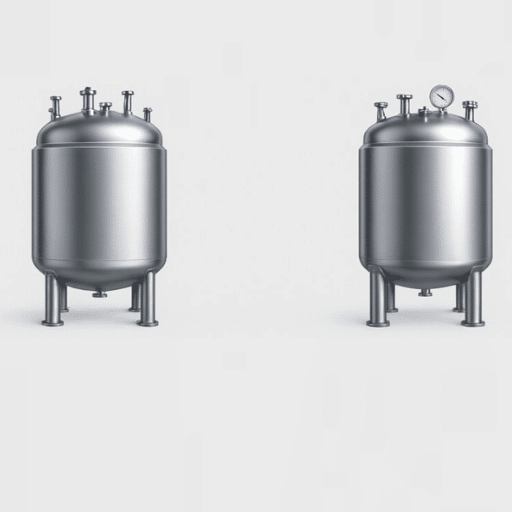
One of the significant pillars of the engineering industry that can be pointed out is the compliance with ASME. This compliance is so effective that it limits the accidental situations, breaks, and losses of engineering Projects to a minimum degree. The importance of compliance to ASME standards not only by the industry but also by the whole society through the standard of practice and the good. Additionally, the compliance to ASME standards is directly linked to the business’s functionality, and eventually, it lays down a reliability foundation for the whole industry. Below are the five main points that summarize the significance of ASME compliance in the industry:
Safety Assurance
The safety of a product during its complete life cycle is first imposed by applying the ASME standards to the design and installation of the system. For example, the manufacturer of pressure vessels is adhering to the ASME BPVC (Boiler and Pressure Vessel Code), thereby minimizing the risk of disastrous failures to a great extent.
Improved Reliability
The products that are made according to the ASME standard undergo a thorough testing and control of their quality. Thus, they are very reliable and easy to maintain at low costs during the entire lifecycle.
Global Acceptance
The specifications of ASME are accepted all over the world, thus providing a marketing advantage to the compliant products. The companies, in this way, can contest in the global market efficiently where ASME compliance is often a condition for entry.
Regulatory Compliance
ASME certification is very often needed for the devices like heat exchangers, pressurized piping, and pressure regulation systems in different regions, thus providing a seamless connection with the local and international regulations.
Enhanced Performance
ASME guidelines open up the way for the use of ingenious yet tried and tested engineering techniques for the system optimization. Doing this, the industry gets the solutions that are both efficient and effective.
All these features demonstrate ASME compliance’s key part in both the industrial excellence and human health and safety everywhere.
Summary of Key Takeaways
The standards set by ASME (the American Society of Mechanical Engineers) are of great importance for ensuring safety, efficiency, and reliability in the global industry. These will also be the good to very good for the handling and manufacturing of boilers, piping systems, and pressure vessels, as well as for facilitating the manifestation of mechanical failures. Below are the main points of the discussion with the latest data as a foundation.
-
Global Adoption and Compliance
More than 100 countries have adopted ASME standards, and that is what mainly has led to the worldwide unification of engineering practices. The latest reports from the industry state that more than 50% of the world’s organizations are following ASME codes in order to keep up with local and international regulations.
-
Enhanced Safety Measures
The ASME compliance level will lower the chances of accidents in the most critical systems. Researchers inform that companies which observe ASME standards have been experiencing about 35% drop in incidents due to equipment failures during the last decade, and this is a strong sign showing that the standard has been successfully minimizing the risk in the field of operation.
-
Economic Impact
ASME compliance has made quicker operations and obtained the industries from suffering failures, thus, saving them $ billions together per year. For instance, recent industrial audits have revealed that the compliance with such standards practices could lead to a reduction of up to 20% in the maintenance costs.
-
Sustainability Contributions
ASME Standards are the driving force behind the development of green technologies and energy-efficient machines. It is said that the application of the ASME-compliant setups might be one of the reasons for the lifting of even 15% of the total systems’ efficiencies, which is in full accord with the global sustainability targets.
-
Driving Technological Advancements
The continuous upgrading of the ASME standards is a good indication of the improvements in engineering techniques and the technology. One of the recent features of the new revisions is the inclusion of the digital transformation tools such as simulation software and IoT integration, which can be of great assistance to the industry in terms of modernization and obtaining higher performance levels.
These findings have reaffirmed the crucial impact of ASME in terms of safety, innovation, and economic benefits across a wide range of industrial applications.
Future Trends in ASME Standards and Pressure Vessel Design
The engineering of pressure vessels have gone through numerous trends and changes that greatly influenced by the trends in the industries, and thus the corresponding standards and technologies. The foremost trend that stands out is the application of smart technologies alongside IoT (Internet of Things) and the use of smart sensors in the pressure vessels. The technological innovations enabled by these devices facilitate the operators to monitor the pressure and temperature conditions, and the health status of the vessels through real-time data, thus the maintenance can be predicted and safety can be improved. An industrial IoT market global report released recently predicts a CAGR of 23.2% for the market from 2023 to 2030, thus indicating the growing use of connected technologies in the area of pressure vessel engineering.
Materials science has a great influence on the future of pressure vessels, and the latter is one of the factors leading to the former. Strength alloys and composite materials have the toughness to stand harsh conditions and are the main reasons for the aerospace and renewable energy sectors which are totally relying on them as a contributor to the area of performance and sustainability. For example, at the same time, the study of stainless-steel composites and carbon fiber-reinforced polymers is linked to the future use of pressure vessels in harsh environments for a longer period of time.
Regulatory-wise, ASME has been and is still in the process of updating and refining its standards in parallel with the challenges that technology has created. The environmental concern coupled with the hydrogen energy source’s cleaner aspect has resulted in the formation of new criteria for the safe design of hydrogen storage and transport vessels. Provisions that cater to the needs of the hydrogen economy have been included in the ASME Boiler and Pressure Vessel Code (BPVC) among others, and according to the market predictions, the segment which is expected to have $600 billion in market size by 2050, will be based on this very technology.
Digital Twin Technology
One of the critical components that are predicted to define the future of pressure vessels is the implementation of digital twin technology. The engineers are creating “virtual” pressure vessels from which they can apply stress situations and predict future performance without the time-consuming process of conducting physical tests. Thus the design of pressure vessels is less complicated, costs are reduced, and the time for compliance with ASME standards is shortened.
To summarize, the above-mentioned dynamic trends with safety, sustainability, and efficiency as the main concerns characterize the pressure vessels’ engineering. The industry is also prepared to meet the future demands of energy, manufacturing, and other sectors by combining state-of-the-art technologies and evolving ASME standards.
Final Thoughts on the Importance of Compliance
The ASME standards are not only requirement. Rather, compliance with these standards is one of the major factors that contribute to the safety, reliability, and performance of the pressure vessels in different sectors. The American Society of Mechanical Engineers (ASME) constantly and oftentimes revises its codes and standards, which in turn reflects the technological upgradations, the recent trends, and the inputs of the different industry experts. These companies will not only be deprived of costly legal actions but also will be able to ensure that their goods will be tension resistant in the operations, and consequently, the failure risks will be lessened.
Global pressure vessel market value expected by 2030
Compound Annual Growth Rate (CAGR) projection
A new trend has changed the statistics; compliance is still very important in the industries. According to a market analysis, the global demand for pressure vessels will reach up to $70 billion by the year 2030 and will expand at a CAGR of 5.7%. There is a huge increase of investment in the areas of renewable energy, nuclear, and chemical processing which are the primary reasons for the growth of the market as the demand for safe and compliant pressure vessels is becoming more and more essential. Non-compliance in such vital applications could turn out to be extremely costly in terms of production cease, safety problems, and loss of trust.
In addition, ASME standards compliance has opened up more avenues for innovation through the use of the latest technologies. To illustrate, additive manufacturing and the rigorous application of finite element analysis (FEA) techniques are among the innovations that have been developed in accordance with stringent standards, and the resulting products will be both effective and compliant with regard to the regulations. The only way that businesses can have a ‘live’ link to the best practices of the industry while being environmentally friendly and realizing their long-term operational goals is through a proactive approach to compliance.
References
ASME Boiler and Pressure Vessel Code (BPVC)
This is the official ASME resource for the design, manufacturing, and operation of boilers and pressure vessels.
Boiler and Pressure Vessel Code Brochure
A detailed PDF document from ASME outlining the requirements for pressure vessels, including material specifications.
Frequently Asked Questions (FAQ)
What is the ASME Boiler and Pressure Vessel (BPVC), and how does BPVC govern the pressure vessels’ design and materials?
The American Society of Mechanical Engineers (ASME) has defined various standards for pressure vessel manufacturing, among which the Boiler and Pressure Vessel Code (BPVC) is the most significant. The very stringent stipulations of the BPVC are meant to ensure that the pressure vessels will be safe and dependable for the processes they are designed for. The most important part of the code, ASME Section VIII, specifically sets forth requirements for the input and output of heat, the treatment of steels and alloys for their hardness, and the approval of the consumer’s choice of materials for safely storing liquids or gases at high pressure. The adherence to BPVC is done under the supervision of the American Society of Mechanical Engineers (ASME), hence, the manufacturers and designers are given the opportunity to get the ASME certifications.
How do standards for pressure vessels handle welding, fabrication, and the role of the fabricator?
The Boiler and Pressure Vessel Code (BPVC) lays down the specifics to the degree of welding, extent of qulaification of the welders (refer to Section IX), and the types of welding materials along with the jointing methods of seals for pressure vessel parts (i.e., the seal between the body and lid of a container). The code demands that the fabricator will work under the welding methods which are authorized, exhaustively test the welded parts for scrupulousness, and document every step of the pressure vessels’ production. The different points that the design and manufacture have come to an agreement on are the factors which assure that the parts of the vessels can withstand either the internal or external pressure, resist corrosion, and have the right mechanical strength for the intended pressure application.
Why is compliance to ASME vital for pressure vessels in the oil and gas and chemical processing industries?
The ASME compliant vessels are capable of handling even the most extreme situations met in the oil and gas and chemical sectors where the pressure and temperature, as well as the nature of the fluids involved, could lead to the vessels being subjected to or containing high-pressure gases, liquids and corrosive media. The public and environmental safety is guaranteed by the vessels with ASME certification which are provided to endure and built to endure high-pressure, high-temperature, and corrosive environments, thus the risk of failure is reduced.
What is the material selection and corrosion resistance requirement under ASME Section VIII for pressure vessel construction?
According to ASME Section VIII, the selection of materials is the most important factor when it comes to the construction of pressure vessels. The properties provided by the selected materials must be at least as good as the ones needed for the service that requires them. Apart from these, the maximum allowable stresses for the material must be based on the tests performed and the external factors such as pressure, temperature, and compatibility with the stored medium also need to be considered. The materials that are usually selected are carbon steels, stainless steels, and corrosion-resistant alloy steels that not only meet the psi and strength requirements but also provide long-term operational reliability.
How do the ASME code rules concerning pressure testing and the verification of pressure bearing vessels for working pressure?
The ASME code gives the necessary steps for both hydrostatic and pneumatic tests, the acceptance criteria, and the vessel that is to be documented as being able to withstand its design and working pressure. In most cases, the test pressures are set above the working pressure to demonstrate that the structure is solid. Furthermore, the code mandates that welds be subjected to inspection and non-destructive testing be carried out to ascertain the production of pressure vessels in compliance with BPVC and that they are capable of containing the pressurized medium safely.
What is the route for ASME certification and what is its role in the safe and proper manufacturing of pressure vessels?
To be ASME certified, a producer or owner/user has to fulfill the requirements of the BPVC, undergo inspection, install quality control procedures, and have their designs and production methods approved by an inspector accredited by ASME. The certification indicates that the design and construction of the pressure vessels meet ASME standards, which include process documentation, material traceability, and testing; thus, safety, reliability, and compliance with BPVC standards are guaranteed.
Which are the industries that use pressure vessels and in what way does the ASME code play a role in their design for particular applications?
Pressure vessels are employed in a wide range of industries including oil and gas, chemical processing, heat exchangers, storage tanks, and power generation, among others. The ASME code, along with other factors, will determine the type of materials and designs based on media (gas, liquid), temperature, pressure, and service conditions. Furthermore, codes and standards will cover fittings, vessel sections, resistance to external pressure, and high-pressure and temperature service requirements to guarantee that the vessels will not only work properly but also be safe in that specific application.
How do the BPVC standards and ASME code come into play on issues related to external pressure, fittings and safety in high-pressure vessels?
The BPVC standards cover the collapse calculations for external pressure, design of fittings, nozzle reinforcements, and installation of safety devices, relief systems, and so on. The ASME code demands that a survey be conducted to determine the vessels’ potential for withstanding internal or external pressures and that manufacture and design regulatory regimes be established for the safety of the pressurized media and the operation under high-pressure conditions while observing the highest standards of safety.