High Standard Stainless Steel With Strict Inspection



Metal Coating Methods: Plating and PVD


The selected coating method significantly affects metal surface durability and, in turn, enhances its visual appearance and functional performance. The automotive and electronics sectors benefit from two prevalent techniques, which include Plating and Physical Vapor Deposition, because both methods deliver distinct benefits. The article examines the differences between these two methods while determining which method works best for particular use cases. The blog post explores metal coatings through various processes which demonstrate their advantages and essential elements that should be considered during implementation. The guide provides essential knowledge to industry professionals and product designers and manufacturing enthusiasts who want to understand advanced technology.
Introduction to Metal Coating Methods
Metal coating methods are essential for enhancing the surface properties of metals which provide protection and durability together with improved functional capabilities. The two primary methods commonly used are electroplating and thermal spraying. The process of electroplating applies a metal layer onto a substrate through electrochemical methods which deliver both corrosion protection and an appealing design. Thermal spraying creates surface protective coatings through its process of heating materials which generates coatings that provide thick protective layers and optimal protection against wear. The two methods achieve successful outcomes yet the selection process needs to fulfill particular requirements which include environmental conditions and visual preferences and product specifications.
Importance of Choosing the Right Coating Method
The selection of an appropriate coating method proves essential because it determines how long a product will last and how well it will work and all its other abilities. The selection process needs to find the appropriate method because each method has its own specific function and it requires assessment of both environmental needs and material abilities and implementation needs. The selection of an appropriate coating method requires five important factors which demonstrate its critical role in the selection process.
Corrosion Resistance
The right coatings provide material protection against environmental dangers which include moisture and chemicals and salt. The use of zinc plating in industrial settings helps decrease corrosion rates by 75% when compared to untreated metals which demonstrate higher corrosion rates.
Wear and Abrasion Resistance
Thermal spray coatings enhance surface hardness which results in longer component lifespan during high-friction situations. The research demonstrates that wear-resistant coatings enable parts to achieve up to 50% longer operational lifespans.
Aesthetic Appeal
The application of powder coating and electroplating creates smooth product finishes which allow for color selection thus improving product visual appeal. This aspect holds significant value for industries that provide products to consumers especially in the automotive and electronics sectors.
Thermal and Electrical Insulation
The coatings which include ceramic and Teflon provide exceptional thermal insulation and electrical insulation properties which protect components from extreme temperatures and electrical currents.
Adherence to Standards and Regulations
The required coating specifications depend on the particular safety and environmental standards which different industries mandate. Food-grade coatings need to comply with either FDA or EU standards to ensure their safety for use in food processing environments.
Important Note: The selection process for coating alternatives demands thorough evaluation to fulfill both operational requirements and intended function. The use of an incorrect method results in product failures which occur sooner than expected while raising operational expenses and keeping products from working properly.
Core Differences Between Electroplating and PVD
In-depth Look at Plating
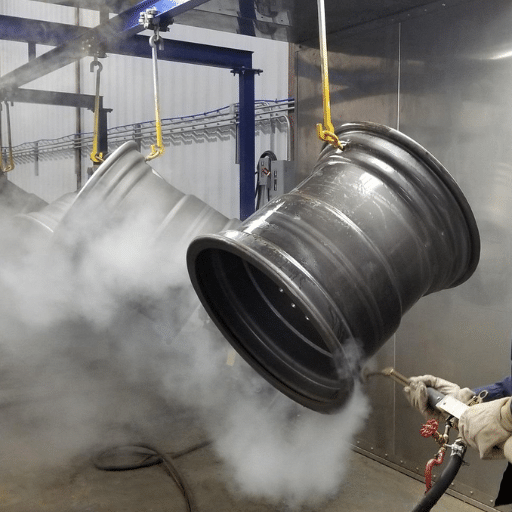
Plating serves as a method for finishing surfaces because it uses a metallic layer to cover base materials through the process of applying thin metal coatings. The process serves different functions across multiple industries that include automotive and aerospace and electronics and jewelry production. Plating aims to improve multiple characteristics which protect against corrosion and wear and enhance visual attractiveness and electrical conductivity. The next section presents vital details about various plating methods together with their practical applications and the related measurement data.
Common Plating Methods
Electroplating
Electroplating functions through an electric current which enables the reduction process of dissolved metal cations to create a thin metal layer that covers the substrate surface. The most common plating materials used in industry include nickel gold and chromium. The global electroplating market will reach a value of $15.9 billion by 2027 according to industry reports because it will experience a 3.1% compound annual growth rate from 2021 to 2027 which electronic and automotive applications will drive.
Electroless Plating
Electroless plating operates without needing an external power source, which differs from electroplating. The process creates metal deposits through chemical reduction when metal ions from the solution bond with the substrate surface. This method works best for complex shapes because it produces consistent coating results. Electroless nickel plating serves as the preferred method to improve corrosion protection for various applications. The oil and gas and aerospace and medical industries show increasing demand for electroless nickel plating according to market research data.
Chrome Plating
Chrome plating produces a highly reflective durable finish which industries commonly employ. The automotive industry uses this material to make vehicle parts, including bumpers and rims, because it provides exceptional protection against wear. Industries now prefer safer green alternatives to trivalent chromium plating because regulations prevent them from using hexavalent chromium which contains toxic materials.
Gold and Silver Plating
The electronics industry uses gold and silver for precious metal plating because these metals provide excellent electrical conductivity while the luxury goods industry uses these metals because of their attractive appearance. The electronics industry uses 80% of all industrial gold, with gold-plated connectors serving as vital parts that connect semiconductor devices and communication equipment.
Technological Innovations in Plating
Plating technology now enables scientists to create nanostructured plating and composite coatings through technological development. The new technology enables coating materials to achieve better performance through higher hardness levels and better thermal protection capabilities. The research data shows that nanostructured nickel coatings operate better than standard coatings because they provide 30% more resistance against wear.
Environmental and Regulatory Considerations
The plating industry needs to comply with stricter regulations which focus on controlling the use of dangerous materials such as hexavalent chromium and cyanide. To comply with environmental standards manufacturers are switching to eco-friendly plating methods which meet REACH requirements in the European Union and EPA regulations in the United States. The industry is increasingly adopting trivalent chromium plating which provides a safer and less toxic solution.
Key Applications and Future Trends
Plating performs essential functions in new technology development which creates electric vehicles and develops renewable energy sources. The need for specialized coatings will increase because they serve to improve both EV battery efficiency and solar panel performance. The reports predict that EV market growth will increase global plating industry revenues by more than 10% each year during the upcoming years.
The use of these methods together with current advancements in plating technology provides essential solutions that different industries need because it addresses both environmental challenges and performance requirements.
Overview of the Electroplating Process
The process of electroplating creates a metal layer on conductive surfaces through the application of electric current. The method provides multiple benefits because it protects against corrosion while making materials look better and increasing their strength. The procedure requires the cathode object which needs plating to be submerged together with the anode metal in an electrolyte solution that contains metal ions of the plating material. The application of electric current leads to solution metal ions being reduced which then attach to the object surface and create a consistent coating.
Recent advancements in electroplating technology focus on improving operational efficiency while promoting environmentally sustainable practices. For instance, researchers have been developing eco-friendly electrolytes to reduce harmful emissions and hazardous byproducts, addressing the environmental challenges of traditional methods. According to a 2023 research study by Mordor Intelligence, the global electroplating market will achieve a value of $16 billion by 2028 which will experience a compound annual growth rate (CAGR) of 3.5%. Industrial businesses in automotive, electronics, and renewable energy sectors drive the market growth.
The process supports the development of new technologies. High-performance electroplating creates uniform coatings which improve battery longevity and efficiency for electric vehicle (EV) battery production. Precision electroplating ensures solar panels achieve maximum energy conduction performance which results in increased potential power generation. The introduction of nano-coating techniques will lead to a complete transformation of electroplating practices which demonstrates their contemporary industrial value.
Economic studies show that electroplating has become an essential industrial process which supports both present-day industrial needs and demands for sustainable development.
Common Materials Used in Electroplating
Electroplating uses various metals to improve material characteristics based on specific requirements that determine the actual use of the base materials. The following list presents important electroplating materials together with their standard industrial uses.
Gold
Gold provides reliable electrical conductivity because it maintains aesthetic appeal while standing up against corrosion. The material serves as the main plating option for electrical connectors and components which are used in the electronics and telecommunications industries. Gold-plated contacts ensure reliable connectivity, even in harsh environments. According to market research data, gold electroplating demand in the electronics market reached over $1.5 billion during 2022.
Silver
Silver has gained recognition for its superior electrical conductivity and thermal performance which enables its use in electronics and solar panels and jewelry. The material gets used in electroplating to create better electrical connections while providing decorative finishing touches. Silver offers better cost efficiency than gold which results in its widespread usage for industrial plating operations that need extensive coverage.
Nickel
Nickel provides valuable properties to industrial applications because it demonstrates both corrosion resistance and durable hardness. The metal functions as a crucial component in both functional and aesthetic electroplating procedures which serve as the foundation for subsequent metal applications that include chrome. Nickel plating appears on automotive components, household devices, and aircraft parts. Industrial reports indicate that nickel electroplating accounts for approximately 25% of the global electroplating market.
Copper
Copper functions as a material with multiple uses because of its outstanding capacity to conduct electricity and heat. The material gets applied in circuit boards together with electrical wiring to boost electrical conductivity while protecting the system. The process of copper plating functions as a vital step in creating printed circuit boards which serve as essential components in all electronic devices.
Chrome (Chromium)
Chromium or chrome exhibits tight hardness characteristics together with strong corrosion defense properties and its reflective shiny appearance. The material serves various applications including automotive parts which include bumpers, manufacturing equipment, and decorative finishes. Mining companies and heavy equipment manufacturers use hard chrome plating to enhance equipment components which need to withstand severe operating conditions.
Zinc
Zinc serves as the primary material for preventing corrosion. Steel and iron materials receive zinc as a protective coating which creates an oxidation barrier that stops metal deterioration. The material serves as a dependable solution for equipment used outdoors together with automotive components and structural elements. The production of zinc leads to its use in corrosion protection which exceeds 75% of total worldwide output because it serves as a vital element in galvanized and electroplated materials.
Rhodium
Rhodium metal, which is both rare and valuable, provides a coating that reflects light and resists wear and corrosion. The material gets applied in jewelry and mirrors to enhance their visual appeal while increasing their lifespan. Rhodium-plated rings represent small-scale applications of the material which serves as a key component for high-value luxury items.
Electroplating processes show excellent flexibility through their ability to serve multiple industrial sectors which include electronics and automotive manufacturing and jewelry production and heavy machinery operation. The plated products require these materials because they provide essential characteristics needed to achieve their expected functionality while maintaining visual appeal and structural integrity.
Primary Industrial Applications of Plating
All industries depend on electroplating and various plating methods because these techniques improve product performance and create longer-lasting products while making products more visually appealing. The main industrial applications of plating include five different fields:
Electronics Industry
The electronics industry uses plating to apply gold and silver and nickel materials because these materials improve component conductivity and protect against corrosion and enhance soldering capability. Gold plating is extensively used for connectors which are required in high-performance devices. This process provides dependable and efficient performance for consumer electronic devices and medical devices and aerospace equipment.
Automotive Industry
Plating serves two purposes in automotive manufacturing because it protects components from wear and corrosion while providing an attractive appearance. The process of zinc plating provides bolts and nuts and fittings with improved durability. Chrome plating is also used extensively to create decorative finishes on trims and bumpers and wheel rims.
Jewelry and Fashion Accessories
Jewelry and accessories receive precious metal plating with gold and silver and rhodium to enhance their shine and protect against tarnishing and extend their usable life. Rhodium plating provides fine jewelry with a highly reflective coating which also offers protection.
Aerospace and Defense
Aerospace applications need materials with advanced performance capabilities. Plating processes such as cadmium or nickel plating protect components from corrosion and reduce friction while increasing their resistance to wear on fasteners and landing gear and turbine engines.
Medical Devices
Plating acts as an essential element in medical devices which need biocompatibility and durability to achieve proper functionality. Medical devices such as surgical instruments and implants and diagnostic devices use titanium and gold plating to enhance their performance. The coatings protect against wear and sterilization and bodily fluids.
Through its unique capabilities, Plating enables every industry to achieve performance standards while enhancing product quality.
Detailed Examination of Physical Vapor Deposition (PVD)
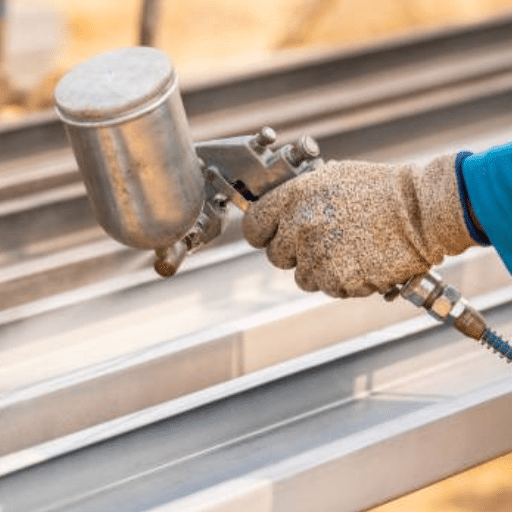
Physical Vapor Deposition (PVD) stands as a significant vacuum deposition method which finds industrial use across electronics and medical and aerospace and manufacturing sectors. The procedure begins with solid materials which must be turned into vapor during a vacuum process before they can create a lasting thin film on the surface of the targeted object. The process improves surface attributes through various enhancements which increase hardness and resistance against both wear and corrosion and create better visual aesthetics.
How PVD Works
The PVD process consists of three primary operational phases which take place during its execution.
- Vaporization: The target material needs to reach the gaseous state through methods that include electron beam heating or thermal evaporation or sputtering.
- Transport: The vaporized material travels through a high-vacuum space until it reaches the substrate which represents the object receiving the coating. The deposition process creates a surface that remains clean because all contaminants have been eliminated.
- Deposition: The substrate’s surface receives vapor which condenses to create a thin film that maintains uniform thickness. The film can range in thickness, typically from 0.25 to 5 microns, depending on the application and coating requirements.
Applications and Benefits of PVD
The adaptable properties of PVD coatings deliver substantial operational advantages to multiple industries which use the coating technology.
- Precision tools and cutting materials: PVD significantly increases hardness and extends the lifespan of precision tools such as drills and blades. PVD coatings provide a tool wear resistance improvement of 300% according to data.
- Aerospace components: PVD protects critical components against wear and oxidation, ensuring long-term durability in extreme environments.
- Consumer electronics: PVD coatings are used for decorating and protecting electronic devices by providing scratch and abrasion resistance.
- Medical devices: PVD coatings on surgical instruments and implants ensure biocompatibility and durability. PVD coatings that have been applied correctly provide devices with a 50% better corrosion resistance compared to non-coated devices according to studies.
Popular Materials Used in PVD
The PVD coating process utilizes these commonly used materials.
Titanium nitride (TiN) is known for its golden color and its extraordinary ability to resist wear.
Chromium nitride (CrN) offers complete protection against corrosion.
Aluminum titanium nitride (AlTiN) is widely used in applications which require high-temperature performance.
Zirconium nitride (ZrN) exists as a versatile material which serves both decorative and practical functions.
Market Trends and Future Outlook
The recent market reports show that the PVD market will experience a compound annual growth rate (CAGR) of 5.9% which will continue until 2030 because the automotive and aerospace and medical industries need high-performance coatings. The sustainable methods which support environmental protection will drive future growth for PVD technology because technological improvements will expand its areas of use.
The exceptional durability and surface enhancements of PVD technology have established it as a revolutionary industrial method which responds to current industrial demands.
Overview of the PVD Process
The method of Physical Vapor Deposition (PVD) operates as a vacuum-based coating technique which generates long-lasting and aesthetically pleasing and functionally efficient thin film coatings. The process starts with solid materials which turn into vapor that later applies to a specific surface to form a coating. The process uses sputtering and evaporation and arc vapor deposition as its methods to accomplish its goals.
PVD Process Steps
- Evaporation or Sputtering: A plasma state is created when high-temperature heating or focused electron beam or ion bombardment vaporizes or ejects source material.
- Vapor Transport: The vacuum chamber system operates through controlled conditions to move vaporized material.
- Deposition: A substrate receives vapor condensation which produces a coating that is both uniform and adheres to the surface.
PVD coatings achieve wide recognition because they provide exceptional hardness together with superior wear resistance and effective protection against corrosion. The three common coatings titanium nitride (TiN) and aluminum titanium nitride (AlTiN) and chromium nitride (CrN) offer different material properties for use in industrial settings.
Latest Data and Applications
The global PVD coating market will reach a market value of $29.4 billion by 2030 according to recent industry insights which show a growth rate of 5.9% CAGR. The trend of adopting green PVD technologies has become essential because it helps organizations meet their environmental targets while producing fewer dangerous materials when compared to conventional electroplating techniques.
- Automotive Industry: PVD coatings provide engine components and wheels and accessories with better wear resistance and improved visual appeal.
- Aerospace Sector: PVD-coated parts produce lightweight materials that enable better fuel efficiency and safety performance.
- Medical Field: Biocompatible coatings are used on surgical tools and implants to ensure longevity and reduce wear.
The recent advancements of PVD deposition technology have created better coating quality through improved deposition rates which establish PVD as a crucial technology for advanced manufacturing industries that operate globally.
Technical Advantages of PVD
PVD (Physical Vapor Deposition) offers multiple technical advantages that make it a preferred coating technology across various industries. The five main advantages of the system appear below.
High Durability and Hardness
PVD coatings create a substantial increase in surface hardness which allows materials to resist both wear and scratching and abrasive damage. The untreated materials reach a hardness level below 2000 HV Vickers Hardness while PVD coatings achieve hardness levels that exceed this threshold.
Superior Adhesion
The PVD process establishes a strong connection between the coating and substrate which reduces the possibility of both peeling and chipping. This adhesion property supports long-lasting performance in high-stress environments.
Improved Corrosion Resistance
PVD coatings create protective barriers which effectively safeguard materials from moisture and oxidation and harsh chemical substances to increase the lifespan of protected materials. Studies indicate that PVD-coated materials can withstand salt spray tests for over 500 hours without signs of corrosion.
Environmentally Friendly Process
PVD generates minimal waste while completely avoiding both hazardous materials and harmful chemicals which include hexavalent chromium through its coating process. This makes it an eco-friendly and sustainable choice for modern manufacturing.
Versatile Coating Applications
PVD technology enables coating deposition on metals and ceramics and polymers while offering a wide range of customizable colors and finishes. This versatility allows for tailored solutions across industries, from aesthetics to heavy-duty applications.
Common Industrial Applications of PVD
Aerospace Industry
The aerospace sector applies PVD coatings to protect essential aircraft components through improved material strength and operational capabilities. PVD technology provides turbine blades and engine parts and structural components with advanced protection against wear and corrosion which results in improved operational effectiveness and extended lifespan.
Medical Devices
Medical equipment and implants use PVD coatings because the coatings possess biocompatibility and non-toxic properties and provide better surface characteristics. PVD coating serves as the standard method for surgical instruments and stents and orthopedic implants because it guarantees accurate measurement and cleaning standards and product endurance.
Automotive Industry
The automotive industry uses PVD technology to produce car surfaces which combine visual appeal with long-lasting strength. The technology applies to headlight reflectors and decorative trims and engine components to deliver protection against wear which decreases the need for maintenance.
Cutting Tools and Industrial Equipment
PVD coatings serve as vital components which boost the operational capabilities and service life of cutting tools and drills and industrial machine parts. Hard surfaces which resist wear enable industrial operations to reach maximum efficiency while minimizing operational interruptions and equipment acquisition costs.
Consumer Electronics
The electronics industry uses PVD for both functional applications and decorative purposes. PVD coatings enhance the durability and visual appearance of smartphones and watches and other electronic devices while providing protection from scratches and wear.
Comparative Analysis: PVD vs Electroplating
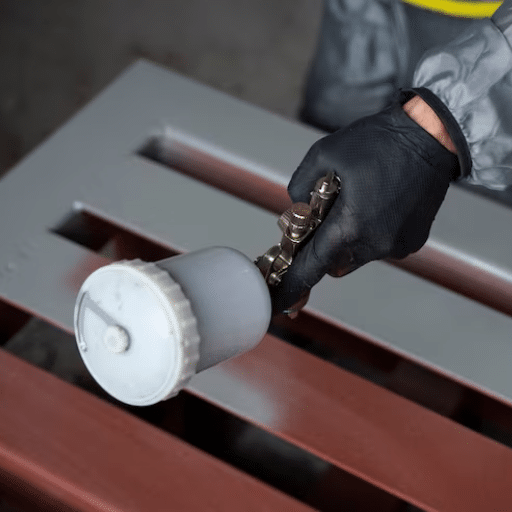
The two coating techniques PVD (Physical Vapor Deposition) and electroplating come with their own distinctive strengths and weaknesses. The following comparison assesses five main characteristics.
Coating Thickness
PVD: The method creates lightweight coatings which maintain exceptional strength throughout their operational life with a thickness range of 0.25 to 5 microns.
Electroplating: The method enables users to create coatings with a thickness between 2 and 10 microns which suits specific needs that require bulky materials.
Adhesion and Durability
PVD: The coating provides strong adhesion because its molecular connections create a protective layer which prevents wear and scratches.
Electroplating: The strength of adhesion between materials depends on how they are treated before they are applied to different substrate surfaces yet it falls short of PVD adhesion strength when exposed to demanding situations.
Environmental Impact
PVD: The method operates as an environmentally sustainable process because it generates minimal hazardous waste while using a dry manufacturing technique that avoids toxic chemicals.
Electroplating: The process produces numerous toxic waste materials and wastewater which need special handling methods to prevent environmental harm.
Material Compatibility
PVD: The technology enables coating applications on various materials which include metals and plastics and ceramics because it preserves their original material characteristics.
Electroplating: The technology only applies to conductive materials which prevents its use on non-metal surfaces.
Aesthetic and Functional Versatility
PVD: The technology produces high-quality surface finishes which come in different color choices and display consistent appearance while offering functional coatings that enhance durability and operational capabilities.
Electroplating: The process offers metallic surface coatings for aesthetic purposes but provides limited options to improve functionality in comparison to PVD.
This comparison demonstrates that while both processes have distinct benefits, PVD stands out in areas of durability, environmental friendliness, and versatility, making it increasingly favorable in modern industrial and consumer applications.
Durability Comparison
The two methods PVD and electroplating show substantial differences in their ability to withstand degradation over time. The PVD coatings show extreme durability because their advanced hardness and wear resistance properties allow them to perform successfully throughout extended times in difficult operating conditions. The following section displays five crucial durability features which will be demonstrated through a thorough comparison evaluation.
Conclusion: PVD shows better performance than other methods in creating long-lasting finishes for products that need to function at high levels throughout extended operational periods while requiring little upkeep.
Environmental Impact Considerations
Waste Production
The PVD coatings produce hazardous waste at a substantially lower rate than electroplating which leads to their production of more harmful waste. The electroplating process uses toxic chemical substances like cyanides and heavy metals, which results in heightened contamination hazards.
Lower Energy Consumption
The PVD process achieves superior energy efficiency because present-day vacuum technology improvements. The electroplating systems need extended power usage to keep their chemical baths under exact control, which causes them to use more energy.
Chemical Use
The PVD process uses metal vapor as its main processing material which generates low environmental impacts but electroplating needs chemical baths for its entire operational process. The materials show higher safety standards which decrease environmental contamination through their use.
Recyclable Materials
PVD coatings use recyclable target materials, making the process more sustainable. The electroplating process produces chemical waste materials which cannot be reused, thus increasing the burden on waste management systems.
Reduced Water Pollution
The PVD process operates without requiring water for chemical baths and rinsing processes, while electroplating creates water contamination through its discharge of contaminated water into natural environments.
Cost-Effectiveness and Aesthetic Finish
I consider PVD coatings to be a more affordable option which provides better visual appearance than electroplating. The PVD technology needs more money to set up but becomes more economical after some time because it cuts down on material costs and maintenance expenses while generating extremely small amounts of waste. The PVD process produces a durable finish which looks visually appealing, thus delivering both practical benefits and high-end design results.
References
PVD for Decorative Applications: A Review
Published by MDPI, this paper discusses the use of PVD in decorative applications, comparing it with traditional electroplating techniques.
Architecture of PVD Coatings for Metalcutting Applications: A Review
Available on ScienceDirect, this review explores the architecture and applications of PVD coatings, particularly in metal cutting.
Handbook of Physical Vapor Deposition (PVD) Processing
This comprehensive book provides an in-depth look at PVD processes, including their applications and advancements.
Frequently Asked Questions (FAQ)
Chemical differences between electroplating and PVD for metal finishing needs
The two metal finishing techniques electroplating and PVD use different chemical methods to achieve their results. Electroplating conducts metal deposition through an electrochemical process which needs a metal ion solution tank and a product which acts as both cathode and anode to produce metal layers which form when positive ions contact the negatively charged substrate; this method employs electrical current to develop metal layers which progressively increase in thickness. The PVD vacuum deposition method uses a process which vaporizes or ejects cathode material to create a thin pvd coated layer which condenses on the substrate through a vacuum system that operates with low chemical usage.
How do chemical adhesion and bonding differ between plating and PVD for metal finishing needs?
The two methods of metal finishing plating and PVD create different results because their chemical processes for bonding and adhesion operate through different mechanisms. Electroplating creates adhesion through chemical bonding or electrochemical bonding which depends on three factors: the substrate surface preparation, the chemistry in the solution tank, and the contact between the fixture and surfaces; bond strength decreases because of contaminants which create channels and crevices. The PVD method uses vacuum deposition parameters and sputter cleaning and ion bombardment with negative substrate bias to create its adhesion; ion plating and cathodic arc techniques use energetic bombardment to create better bonding between materials which need to be deposited.
Chemical factors that affect coating thickness and uniformity for metal finishing needs
The chemical properties which determine coating thickness and uniformity for metal finishing operations. The coating thickness in electroplating process depends on three factors: current density, time and electroplating technology; parts with heavy deposits need two things: extended time and higher current usage, which leads to unevenness problems that occur in complex part geometries and inside channels and crevices. PVD controls coating thickness through four factors: deposition rate and vacuum pressure and pump capacity and source power; sputter and evaporation rates determine the uniformity and micro-structure of the material, while rotation and fixtures enable better coating distribution on complicated parts.
Are there chemical or environmental concerns for plating and PVD that meet metal finishing needs?
The metal finishing requirements of plating and PVD processes show both chemical and environmental problems which need assessment. Electroplating creates chemical waste through three main sources: acidic or corrosive baths and spent tank solution which contains heavy metals and chemical disposal costs which create substantial expenses for treatment and disposal because the process needs to follow regulatory standards. PVD processes use vacuum deposition with vaporized metal to create environmental advantages because it eliminates the need for large chemical baths, but the process needs energy and thermal power which reaches 500 degrees Celsius for some operations and needs control of metal particulates and pump oil.
How does substrate conductivity and preparation influence chemical deposition for metal finishing needs?
The chemical deposition process for metal finishing applications depends on two factors: the electrical conductivity of the substrate and its surface preparation methods. The substrate needs to be conductive before electroplating can begin or it needs a strike layer to make it conductive; the three processes, preheating and degreasing and sputter cleaning require surface cleaning to make the deposit link successfully. The PVD method allows coating on non-conductive substrates, but requires special fixtures or conductive seed layers for successful execution; surface cleaning and preheating followed by sputter cleaning will improve nucleation and the resulting metallic layer quality.
Chemical role of ions, cathode and anode in electrochemical processes for metal finishing needs
The metal finishing process needs electrochemical procedures which describe the chemical functions of ions and cathodes and anodes. The electroplating process requires a metal ion solution which exists in the tank and the anode metal which dissolves and the bath solution; the current flow creates an attraction between positive ions and the negative pole which forms a deposit on the plating product. The control of ion concentration and anode composition through low-voltage operation determines the deposition characteristics of the material because it affects the material thickness and internal stress levels; inefficient control will cause micro features to lose their complete coverage.
Chemical explanations of sputter, arc, and thermal vaporize techniques used to meet metal finishing needs
The three metal finishing methods sputter, arc and thermal vaporization use distinct chemical processes to achieve their required results. The PVD method utilizes sputter deposition, which creates dynamic ion impacts that generate the sputter effect which allows material to form on the substrate. The method of evaporation uses thermal vaporize techniques to heat the cathode material in a vacuum until it vaporizes and then condenses as metallic layer; each method produces unique energy levels and bombardment patterns which create distinct microstructure results.
Chemical considerations for achieving corrosion resistance and desired coating performance for metal finishing needs
The process of selecting coating materials for metal finishing requires two essential factors: corrosion resistance and coating performance. The level of corrosion resistance depends on the three factors: metal layer selection and coating thickness and deposition method; higher electroplated layer thicknesses of nickel and chromium create effective barrier protection, but manufacturers must control the process to prevent any porosity. PVD coated noble metals or hard nitrides create superior protection against corrosion and wear through their thin but dense layers; the performance of these coatings depends on both their deposition uniformity and bond strength and their ability to form complete seals which protect against environmental attacks.