


Blog
Aluminum vs Stainless Steel Properties: Understanding the Differences and Applications

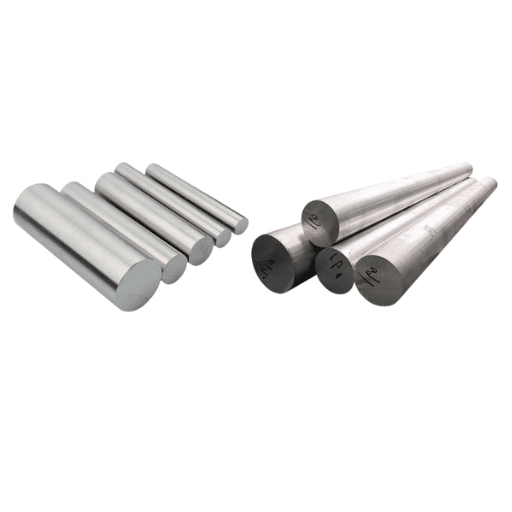
Your project needs material selection because you must learn about the differences between aluminum and stainless steel. The two metals serve multiple industrial applications because they possess distinct characteristics which define their respective usage domains. But which method helps you identify the most appropriate option for your requirements? The article analyzes how aluminum and stainless steel differ in fundamental properties, including strength, durability, corrosion resistance, weight, and versatility. The complete comparison will enable professionals and DIY enthusiasts to investigate all existing alternatives which will assist them in selecting the appropriate solution.
Introduction
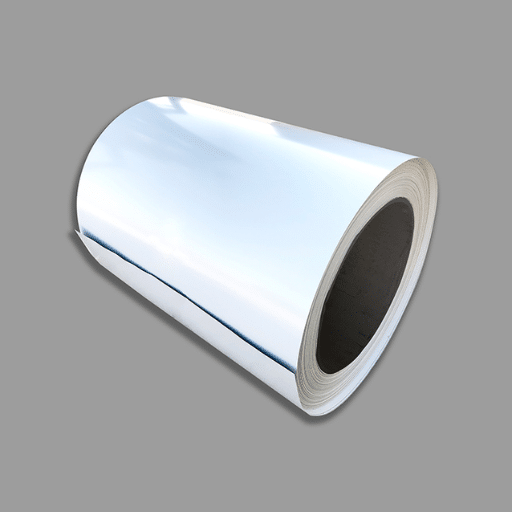
Your specific requirements will determine whether aluminum or stainless steel is the best choice. The lightweight properties of aluminum, together with its corrosion resistance and ease of handling, make it ideal for applications that require both lightweight and adaptable design solutions. The exceptional strength and longevity of stainless steel make it suitable for applications which demand materials that can endure extreme usage conditions. Material selection requires you to consider your preferred weights, required strength, and actual environmental conditions.
The Importance of Material Selection
Product success depends on the material choice that designers make for their project. The selection of inappropriate materials results in performance degradation and budget overruns and potential equipment breakdowns when used in actual situations. Material selection requires you to consider these five essential elements which exist as critical factors.
Mechanical Properties
The material needs to have strength, ductility, toughness, and hardness properties, which enable it to resist applied forces without experiencing any permanent changes.
Example Data: High-carbon steels often provide tensile strengths exceeding 1,200 MPa, while aluminum alloys typically range between 200-400 MPa.
Environmental Resistance
Materials that need to withstand harsh environmental conditions should show resistance against corrosion and oxidation and UV degradation.
Example Data: Stainless steel is renowned for its corrosion resistance, enduring in marine environments or high-humidity conditions for decades without significant degradation.
Temperature Tolerance
The required temperature range determines how well materials must perform in service without compromising structural integrity or creating safety hazards.
Example Data: Titanium alloys can withstand temperatures up to 600°C, while plastics like polyethylene are limited to operating temperatures under 100°C.
Cost and Availability
The performance assessment process requires organizations to evaluate all available high-performance materials, even if some premium materials do not suit their commercial needs.
Example Data: Steel typically costs $1- $2 per pound, while composite materials such as carbon fiber can cost $10 –$20 per pound.
Weight Considerations
The aerospace and automotive industries require lightweight materials because they directly affect fuel efficiency and performance.
Example Data: Aluminum has a density of 2.7 g/cm³, making it much lighter than steel, which has a density of 7.85 g/cm³. Decision makers use data analysis and relevant data to select materials which result in optimal product performance and maximum cost savings.
Overview of Aluminum and Stainless Steel
Manufacturing industries use aluminum and stainless steel because these materials offer distinct properties that enable them to meet multiple operational requirements. Engineers need to study material differences which include material properties plus material advantages and appropriate material usage.
Aluminum
Aluminum displays a lightweight property which results in a density measurement of approximately 2.7 g/cm³. The material demonstrates exceptional corrosion resistance while achieving high thermal and electrical conductivity and simple manufacturing through shaping and stretching. The material demonstrates non-magnetic and non-sparking attributes which enable its use in special applications.
The lightweight properties of aluminum give it an impressive strength-to-weight ratio which makes it the most appropriate material for use in aerospace and automotive and construction industries.
The total recovery of aluminum through recycling enables the material to maintain its original properties throughout the process. The energy required for aluminum recycling amounts to only 5 percent of the energy needed to create aluminum from its basic materials.
The primary production of aluminum occurs in aircraft components, automotive parts, beverage cans, window frames, and power lines manufacturing.
The tensile strength of a material depends on its alloy composition which results in a range between 70 and 700 MPa. The material melts at a temperature that approaches 660 degrees Celsius.
Stainless Steel
The minimum chromium content of 10.5 percent gives stainless steel its exceptional strength and durability which includes strong resistance to both corrosion and staining. The system delivers reliable performance across extreme temperature ranges while requiring minimal maintenance.
The different grades of stainless steel include 304, 316, and 430 to present various levels of corrosion resistance and mechanical properties, which serve different operational requirements.
Stainless steel possesses higher strength and weight than aluminum because its density equals 7.85 g/cm³. The material operates efficiently in strong environments where both power and accuracy are necessary.
Stainless steel functions as a fundamental element in kitchen appliances and medical instruments and architectural structures and industrial equipment and marine environments.
The tensile strength of a material depends on its grade which shows a range between 515 and 1300 MPa. The material melts at a temperature range between 1,375 and 1,530 degrees Celsius.
Comparative Summary
The production costs of aluminum products remain lower than those of stainless steel products because weight reduction requires materials and production processes which cost less.
Stainless steel offers better defense against particular environmental threats which include saltwater and industrial chemicals despite its higher weight than other materials. Aluminum provides superior protection against rust corrosion that occurs in typical weather conditions.
Aluminum performs optimally in situations that require lightweight materials which must also demonstrate high strength capabilities. The automotive and aerospace industries need strong lightweight components.
Stainless steel functions exceptionally well for applications that demand both durability and protection against extreme environmental conditions which include food processing facilities and marine equipment.
The two materials provide separate benefits which create opposing disadvantages. Each project needs its specific material selection based on usage needs and environmental characteristics and design requirements.
Side-by-Side Comparison of Key Properties
| Key Property | Aluminum | Stainless Steel |
|---|---|---|
| Weight | Lightweight | Heavier |
| Strength | Lower strength | Higher strength |
| Corrosion Resistance | Good, with coatings | Excellent, naturally |
| Thermal Conductivity | High | Low |
| Cost | Generally cheaper | More expensive |
| Workability | Easier to shape and weld | Harder to shape and weld |
| Durability | Less durable | Highly durable |
| Scratch Resistance | Prone to scratches | Scratch-resistant |
| Heat Resistance | Moderate | High |
| Applications | Lightweight projects | Heavy-duty projects |
Weight-to-Strength Ratio
The study of weight-to-strength ratios shows that aluminum is a better choice than stainless steel for lightweight applications because its weight-to-strength ratio is superior to that of stainless steel. Aluminum has a density of 2.7 g/cm³ which constitutes one-third of the stainless steel density that ranges from 7.5 to 8 g/cm³ depending on the different alloy compositions. Aluminum serves as a vital material for both aerospace and automotive industries because its weight-saving features provide significant operational benefits in those sectors.
The weight burden of stainless steel material gets compensated through its exceptional strength characteristics. The tensile strength of stainless steel can range from 400 to over 1000 MPa, depending on the specific grade, compared to aluminum alloys which generally have tensile strength values between 70 and 700 MPa. The 7000 series high-strength aluminum alloys achieve exceptional weight-to-strength ratios which exceed the performance of certain stainless steel alloys when compared through weight measurements.
The 6061 aluminum alloy structural component provides a much lighter option than stainless steel while still delivering sufficient strength requirements for various uses. Stainless steel serves as the preferred material for industrial applications that demand extreme durability because those fields require less consideration for weight and stainless steel offers superior strength with enhanced corrosion resistance.
The selection process between aluminum and stainless steel requires determination of optimal weight strength balance which depends on specific application requirements.
Corrosion Resistance
Understanding corrosion resistance between aluminum and stainless steel requires complete knowledge about their chemical properties combined with their capacity to withstand different environmental conditions.
Aluminum develops a protective aluminum oxide layer on its surface through natural oxidation which protects the metal from corrosion damage. The passivation layer provides aluminum with strong protection against rusting. Aluminum exhibits increased risk of pitting and crevice corrosion when it comes into contact with chloride-rich environments which are common in coastal and industrial locations.
Stainless steel achieves its corrosion resistance through the addition of chromium (at least 10.5%) to its composition. The chromium combines with oxygen to form a protective chromium oxide layer which creates an enduring self-repairing defensive shield. Stainless steel provides better protection against all corrosion types which include rust and oxidation because it maintains its defense abilities even in seawater conditions. The 316 stainless steel grade which contains molybdenum provides better protection against chloride damage compared to 304 stainless steel grade.
Key Data Comparing Corrosion Resistance
Aluminum:
- Passivation Layer Thickness: ~2-5 nanometers
- Suitable Environments: Low chloride exposure, non-acidic, low humidity conditions
- Vulnerabilities: Pitting in chloride-heavy environments, such as marine or chemical industries
Stainless Steel:
- Chromium Content for Corrosion Resistance: ≥10.5%
- Grade 304 Resistance Chart:
- Marine Conditions (Moderate Exposure): Moderate corrosion
- Industrial Conditions (Acidic/Corrosive): Minimal, depends on grade
- Grade 316 (with molybdenum): Suitable for high-salinity and industrial applications with superior chloride resistance
Both materials provide corrosion resistance capabilities yet stainless steel becomes the most suitable choice for situations that involve constant contact with corrosive substances. Aluminum remains a suitable option for less corrosive environments where its lightweight properties become essential.
Thermal Conductivity
The process of selecting materials which will be used for heat transfer applications requires thermal conductivity to be treated as an essential criterion for their selection. The following materials display their thermal conductivity capabilities through their respective data and details.
Aluminum
Thermal Conductivity: ~205 W/m·K
The exceptional thermal conductivity of aluminum makes it the preferred material choice for heat exchangers and cooling systems.
Stainless Steel (Grade 304)
Thermal Conductivity: ~16 W/m·K
Stainless steel exhibits much lower thermal conductivity than aluminum which makes it an unsuitable material for heat dissipation applications but an ideal choice for thermal insulation.
Copper
Thermal Conductivity: ~385 W/m·K
Copper functions as one of the most effective heat conducting materials which both electrical systems and heating systems use.
Brass
Thermal Conductivity: ~109 W/m·K
Brass functions as a decorative material with moderate thermal conductivity which makes it suitable for low-heat applications.
Titanium
Thermal Conductivity: ~22 W/m·K
Titanium exists as a material which possesses low thermal conductivity that makes it suitable for applications requiring heat resistance rather than heat transfer.
Material selection for any project should rely on its thermal management requirements and the thermal performance properties of each material.
Cost-Effectiveness
The selection of materials depends on their cost-effectiveness which becomes essential for projects that run on limited budgets and require large-scale production. The following table shows how five common materials compare in terms of cost-effectiveness.
| Material | Cost per Kilogram | Description |
|---|---|---|
| Aluminum | ~$2.50–$3.00 | Aluminum serves as an economical solution that provides lightweight strength and recycling benefits to applications that need high strength-to-weight ratios. |
| Steel | ~$0.50–$1.00 | Steel functions as an affordable material that construction and automotive and machinery industries use because of its widespread availability and durability. |
| Copper | ~$7.00–$9.00 | Although copper costs more than other materials its superior electrical and thermal conductivity makes it a worthwhile investment for wiring and electronics and heat exchange applications. |
| Brass | ~$5.00–$6.50 | Brass provides a cost-effective solution that meets performance needs for industries requiring both corrosion resistance and aesthetic appeal in plumbing fixtures and musical instruments. |
| Titanium | ~$30.00–$50.00 | The aerospace and medical industries find titanium suitable for demanding applications which require critical properties of strength and lightweight and biocompatibility despite its expensive price. |
Industries can enhance their operational efficiency through materials analysis while maintaining their financial constraints.
Aesthetic Finish
Materials establish their industrial application potential through their visual properties which create both aesthetic value and functional performance requirements. The following five materials are frequently selected for their outstanding visual characteristics:
Stainless Steel
The material has a polished shiny surface which does not lose its initial appearance because it does not undergo any tarnishing or corrosion. The material functions as a design element in modern architectural designs and kitchen appliances and jewelry products.
Brass
Brass displays a golden tint which gives it a sophisticated and warm appearance. The material serves as a common component in decorative objects and musical instruments and vintage-style hardware.
Copper
The material presents a special reddish-brown shade which transforms into a distinctive patina after a certain duration. The material enjoys popularity in the fields of interior design and roofing and artisanal craftwork.
Aluminum
The material displays a pure metallic appearance which complements modern architectural designs. The material is used in automotive parts and furniture items and electronic devices because of its light weight.
Gold
The metal is appreciated for its everlasting shine which remains intact throughout extended time periods. The material finds extensive usage in luxury timepieces and high-quality jewelry and premium decorative components.
The materials present both functional attributes and attractive appearances which make them suitable for use in projects that demand high visual standards.
Use Case Scenarios
Automotive Industry
Automakers in the automotive industry build vehicles which show improved appearance and performance by using modern materials like aluminum and stainless steel and carbon fiber. The usage of aluminum in vehicle construction enables manufacturers to create lighter vehicles which lead to enhanced fuel efficiency.
Data: The automotive industry reports that lightweight material usage will see a 7% annual increase until 2028.
Luxury Watches and Jewelry
Jewelry designers require gold and stainless steel because these metals form the backbone of high-end jewelry creation. Gold provides timeless elegance while stainless steel delivers strength and resistance against rust. The two materials project an image of refinement which lasts through time.
Data: The global market for luxury watches uses these materials as essential components which generated a market value of 27 billion dollars in 2021 and will grow at an annual rate of 5 percent.
Electronics
Electronics manufacturers select polished metals like stainless steel and anodized aluminum for their products because these materials deliver both visual appeal and operational strength. These materials are frequently used in the design of smartphones, laptops, and premium headphones.
Data: The majority of electronic devices which fall into the premium category use anodized aluminum because it provides strong yet light material characteristics.
Home Decor and Furniture
Modern home decor trends rely on materials such as stainless steel and anodized aluminum for their decorative needs. The metals provide modern architectural styles with a design option which combines minimalistic design and stylish appearance.
Data: Surveys show that 40% of contemporary home designs feature stainless steel accents, underscoring its popularity among homeowners.
Medical Equipment
The medical field uses stainless steel as an essential material for producing medical devices and surgical instruments because of its ability to resist corrosion and maintain sterility. The material protects medical workers while delivering precise data results through medical procedures.
Data: Stainless steel accounts for around 70% of all materials used in surgical instruments, particularly in scalpels, forceps, and needles.
When to Choose Aluminum
Aluminum serves as a lightweight and adaptable and corrosion-resistant material that manufacturers use for multiple industrial applications. The material excels in particular applications which require lightweight products that deliver energy efficiency and long-lasting performance. The following list presents complete reasons for selecting aluminum along with data that supports this decision.
Lightweight Nature
The weight of aluminum is one-third that of steel which makes it suitable for use in applications that need to reduce weight while maintaining their structural integrity.
Data: In the automotive industry, aluminum components can reduce vehicle weight by 40%, which results in better fuel efficiency and lower greenhouse gas emissions.
Corrosion Resistance
Aluminum develops a natural oxide layer on its surface which protects it from rust and corrosion. The material works well for outdoor applications and marine environments because of this property.
Data: Research indicates that aluminum structures need very little upkeep because they can last more than 40 years in extreme environments.
Energy Efficiency in Manufacturing
The aluminum production process requires less energy than most other metal production methods when recycling is taken into account. When aluminum gets recycled, it saves 95% of the energy needed to produce new aluminum.
Data: The worldwide recycling rate for aluminum cans has surpassed 70%, which demonstrates their environmental sustainability and their economic benefits.
High Thermal and Electrical Conductivity
Aluminum functions as a highly effective heat and electricity conductor which makes it suitable for use in heat exchangers and cookware and electrical transmission systems.
Data: About 8% of the total worldwide aluminum production serves power transmission purposes to deliver energy in a dependable and effective way.
Applications in Aerospace and Transportation
The aerospace and transportation sectors rely on aluminum because it provides a lightweight and durable and flexible material that meets their requirements.
Data: The current design of airplanes uses more than 50% of aluminum components which enables them to achieve optimal performance in terms of fuel consumption and cargo capacity.
Cost-Effectiveness
The initial expense of aluminum exceeds that of various materials, but its strength and recyclability and minimal upkeep expenses make it a budget-friendly choice throughout its entire lifespan.
Data: Companies found that aluminum structures need 20-30% less maintenance than steel buildings during their entire operational period.
Aluminum selection depends on the particular project requirements. The lightweight properties of aluminum combined with its energy-efficient recycling method make it an attractive solution for different industrial applications.
When to Choose Stainless Steel
Stainless steel provides an ideal material for projects that require strong and durable protection against tough environmental conditions. The material demonstrates its value for various uses that need dependable performance with little upkeep. The following five reasons demonstrate why people should select stainless steel, supported by specific details and research findings.
Corrosion Resistance
Stainless steel provides outstanding protection against corrosion in extremely corrosive conditions that exist in marine and chemical processing facilities.
Data: Data shows that stainless steel structures can last up to 50 years or more without significant degradation when properly maintained.
High Strength and Durability
Stainless steel exhibits its strength through its high tensile strength which makes it suitable for applications that deal with heavy loads and extreme environmental conditions.
Data: Research shows that stainless steel can handle stress levels above 400 MPa which makes it stronger than most materials.
Temperature Resistance
Stainless steel retains all of its mechanical characteristics throughout its entire operating temperature range which includes both extreme hot and extreme cold conditions.
Data: The 310S stainless steel grade can endure temperatures up to 1150°C which makes it suitable for usage in high-temperature settings.
Hygienic Properties
Stainless steel which has a non-porous surface provides superior hygiene because it stops bacteria growth and enables fast cleaning. This is the reason why it gets utilized throughout industries such as food processing, pharmaceuticals, and healthcare.
Data: Industry research shows that over 70% of commercial kitchens utilize stainless steel equipment as their primary material.
Aesthetic Appeal and Longevity
Stainless steel delivers a contemporary and polished design which maintains its original shine while preventing tarnishing and discoloration throughout the years. The material maintains its brightness without extensive maintenance, which makes it a preferred choice for decorative and architectural design.
Data: Architectural studies show that stainless steel maintains its appearance for several decades, which cuts down on the need for replacement and refinishing expenses.
Metal companies that want to achieve high performance and durability and require minimal upkeep should consider stainless steel for their operations.
Industry-Specific Recommendations
Construction and Architecture
Construction and architecture industries use stainless steel as an essential material because it possesses higher strength and protection against corrosion and attractive visual characteristics. Major infrastructure projects which include bridges and tall buildings benefit from stainless steel because it provides greater strength and requires lower maintenance costs. The research demonstrates that buildings which utilize stainless steel materials can operate for 50 years or more with only minimal maintenance needs.
Healthcare and Medical Devices
Medical tools and surgical instruments together with hospital equipment require stainless steel because it provides a non-porous surface which functions as an ideal material. The material protects against bacterial growth while its ability to be sterilized meets strict hygiene requirements. According to global healthcare standards stainless steel stands as one of the most commonly used materials in operating rooms and laboratories throughout the world.
Food Processing and Catering
The food and beverage industry uses stainless steel for producing kitchenware and storage tanks and processing equipment. The material protects against corrosion that occurs when it comes into contact with acidic and salty food products. Research shows that stainless steel usage in food preparation spaces helps maintain food safety by stopping materials from leaching and microorganisms from contaminating the food.
Automotive and Transportation
Stainless steel serves an increasing role in both automobiles and trains as it gets used for their structural parts and exhaust systems and decorative elements. The industries find stainless steel suitable because its lightweight property and wear resistance performance. The analysts predict that transportation will see increasing demand for stainless steel because it helps save energy and endures challenging environmental conditions for extended periods.
Energy and Power Generation
Stainless steel serves a critical function in the energy sector by protecting equipment which faces extreme temperature and high-pressure conditions that pipelines and reactors experience. High-strength stainless steel components provide advantages to renewable energy sources which include solar and wind systems. The data indicates that stainless steel usage provides energy systems with dependable performance and effective operation throughout their operational life.
Technical Specifications
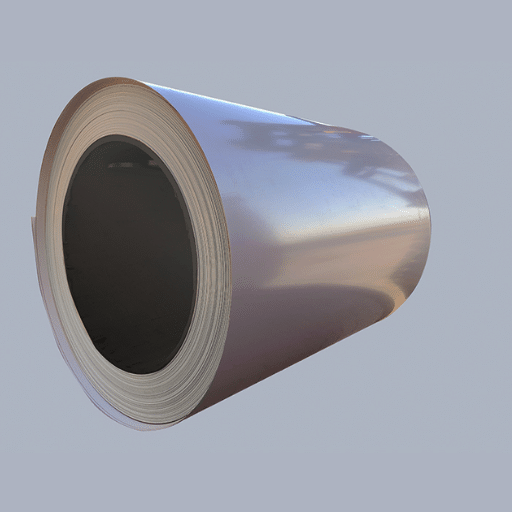
Stainless steel functions as a multipurpose material which offers advanced performance through its diverse technical properties that satisfy different industrial requirements. The present industry insights exist together with the detailed specifications that follow below.
Grades and Composition
The common grades of stainless steel include 304 grade, 316 grade and 430 grade. Stainless steel consists of iron together with at least 10.5 percent chromium and different amounts of nickel and molybdenum and carbon. The Grade 304 stainless steel composition includes approximately 18 percent chromium and 8 percent nickel which provides strong protection against corrosion whereas Grade 316 contains 2 to 3 percent molybdenum for better protection against chloride-based conditions.
Mechanical Properties
The tensile strength of 304 grade starts at 515 MPa and 316 grade reaches a maximum strength of 590 MPa. The material can withstand heavy loads without losing its structural form because of its high tensile strength.
The yield strength of materials usually begins at 205 MPa yet the specific alloying elements and thermal processing methods can cause variations in yield strength values.
The stainless steel material shows a 40 to 60 percent elongation which makes it more flexible while decreasing the probability of breakage.
Corrosion Resistance
The chromium oxide coating that develops on stainless steel surfaces protects the material from rust and corrosion damage. The 316 stainless steel grade provides outstanding protection against saltwater corrosion which makes it perfect for use in marine settings and offshore operations.
Thermal and Electrical Conductivity
The thermal conductivity of Grade 304 stainless steel measures approximately 16.2 W/m·K which results in its low thermal conductivity level. The material functions properly in spaces which need to block heat transfer.
The material conducts electricity at a level that falls below copper conductivity while its electrical conductivity stays at around 1.4 percent IACS.
Temperature Resistance
Most stainless steel grades maintain their strength when exposed to high temperatures up to 925°C because they can withstand oxidation until that point. The material functions perfectly in equipment used for heat exchangers and boilers and industrial furnaces.
Density and Weight
Stainless steel density varies between 7.8 g/cm³ and 8.0 g/cm³ depending on its specific grade. The material achieves a high strength-to-weight ratio because its combination of low density and strength.
Applications by Grade
304 stainless steel serves its common purpose in kitchen equipment and automotive components and architectural design. 316 stainless steel serves chemical processing and marine applications and medical equipment because it provides protection against pitting and crevice corrosion. 430 stainless steel gets used in decorative purposes for appliances and automotive trim because it offers both aesthetic appeal and basic corrosion protection. The technical specifications prove that stainless steel serves as the preferred material for various industrial purposes because its strength and durability and flexibility remain unmatched. The engineering of stainless steel to fulfill strict requirements gets demonstrated by data from ASTM and ISO material standards which serve as dependable sources.
Physical Properties Overview
Aluminum and stainless steel display different physical properties which produce separate material characteristics that make both metals suitable for different industrial uses.
1. Density and Weight:
Aluminum has a density of approximately 2.7 g/cm³ which makes it much lighter than stainless steel that has a density range between 7.5 to 8 g/cm³ depending on its alloy composition. The weight reduction benefits of aluminum make it the optimal material for use in industries that need to minimize weight such as aerospace and transportation.
2. Strength and Hardness:
Aluminum possesses a tensile strength that ranges from 70 MPa to 700 MPa depending on its alloy composition while some stainless steel grades reach tensile strengths that exceed 1000 MPa. Stainless steel materials exhibit higher hardness levels combined with greater resistance to deformation which enables their use in applications that require heavy load support and extended product durability.
3. Corrosion Resistance:
Aluminum develops a natural oxide layer that grants it moderate corrosion resistance that works best in environments with lower corrosive conditions. The chromium content in stainless steel exceeds 10.5% which enables the formation of a protective oxide layer that delivers superior corrosion resistance in extreme marine and industrial environments.
4. Thermal Conductivity:
The thermal conductivity of aluminum reaches approximately 237 W/mK which significantly surpasses the thermal conductivity range of stainless steel that exists between 15 W/mK and 25 W/mK depending on the particular stainless steel grade. The high thermal conductivity of aluminum makes it the preferred material for heat exchangers and systems that require direct heat dissipation.
5. Electrical Conductivity:
Aluminum serves as a highly effective electrical conductor which demonstrates 62% of copper electrical conductivity. Stainless steel shows low electrical conductivity which restricts its usage in electrical applications.
6. Melting Point:
Aluminum melts at approximately 660°C while stainless steel requires temperatures between 1400°C and 1450°C for melting. The processing of aluminum becomes more cost-effective because it requires less energy to process the material despite its unsuitability for high-temperature applications.
Aluminum demonstrates distinct advantages in areas where it performs at peak efficiency while stainless steel shows its best performance in different applications. The industry uses aluminum for applications that require lightweight materials with good thermal conduction and moderate corrosion resistance while stainless steel establishes itself as the preferred material for applications that require high strength and wear resistance under extreme conditions. The modern manufacturing process and design requirements depend on both materials because each material provides unique solutions for particular engineering problems.
Melting Point and Magnetism
The comparison of aluminum and stainless steel reveals two distinct differences between the two materials based on their melting points and magnetic characteristics. The following section presents a detailed comparison that identifies five essential points of comparison.
Melting Point of Aluminum
Aluminum has a low melting point of about 660°C (1220°F) which enables simple casting and shaping procedures. This property serves as the ideal solution for producing parts that require no protection against elevated temperature conditions.
Melting Point of Stainless Steel
Stainless steel exhibits a melting point that varies between 1370°C and 1510°C (2500°F and 2750°F) depending on its grade. The material’s properties make stainless steel applicable for use in environments with intense heat.
Magnetic Properties of Aluminum
Aluminum shows non-magnetic properties at standard environmental conditions. The material does not attract magnets which makes it suitable for use in situations that require protection against magnetic field disturbances.
Magnetic Properties of Stainless Steel
The magnetic properties of stainless steel vary according to its specific components. Austenitic stainless steels (e.g., 304 and 316 grades) are generally non-magnetic, while ferritic and martensitic stainless steels (e.g., 430 grade) are magnetic.
Industrial Considerations
Aluminum processing requires less energy because of its lower melting point yet this characteristic makes the material unsuitable for use in environments with extreme temperatures. The magnetic properties of stainless steel allow for flexible usage across various applications while its high melting point ensures it remains suitable for conditions that demand strength and thermal resistance.
The different materials show distinct physical characteristics which determine their application in multiple industries that include automotive aerospace and construction sectors.
Durability and Maintenance
Material selection for industrial applications requires assessment of materials performance to their maximum damage threshold and the needed maintenance requirements for their upkeep.
Aluminum Durability
Aluminum shows outstanding corrosion protection because its surface forms a protective oxide layer which develops naturally. This property makes it ideal for applications exposed to moisture or weathering, such as outdoor structures or marine environments. The soft nature of aluminum permits the development of scratches and dents which occur during heavy impacts and loads despite its corrosion resistance. The material’s mechanical performance will be limited because aluminum lacks the tensile strength required to withstand high-stress applications.
Stainless Steel Durability
Stainless steel outperforms all other materials because it possesses both outstanding strength and permanent durability. Its high tensile strength and hardness allow it to withstand heavy mechanical loads and resist deformation, making it suitable for structural applications and machinery. Stainless steel demonstrates improved corrosion resistance when it contains chromium and nickel because these elements help the metal endure extreme temperatures and acidic environments and saltwater conditions. Stainless steel’s increased weight can create difficulties for applications which require accurate control of their total mass.
Maintenance
Most locations require only small maintenance efforts to keep aluminum in good condition. The process of regular cleaning will effectively stop surface buildup and blemishes from occurring. The material requires anodizing or coating because the environment contains high salinity and extreme conditions to protect its surface.
Stainless steel requires minimal maintenance and is easy to keep clean, but it still needs periodic polishing to maintain its shiny surface. The material shows excellent resistance against rust and stains and corrosion, yet it can experience localized pitting corrosion when it comes into contact with chlorides. The situation requires maintenance through special cleaning products or protective measures.
Data Summary
- Stainless steel maintains a tensile strength of 1200 MPa while aluminum shows a range of 200-600 MPa depending on the specific alloy used.
- Aluminum is three times lighter than stainless steel because its density measures 2.7 g/cm³ while stainless steel has a density of 7.8 g/cm³.
- Both materials show excellent resistance to corrosion. However, aluminum materials work better for lightweight applications while stainless steel materials work better for applications that need to withstand extreme conditions.
The selection process for aluminum versus stainless steel material needs to consider three specific factors of the application which include durability weight and maintenance requirements.
Conclusion
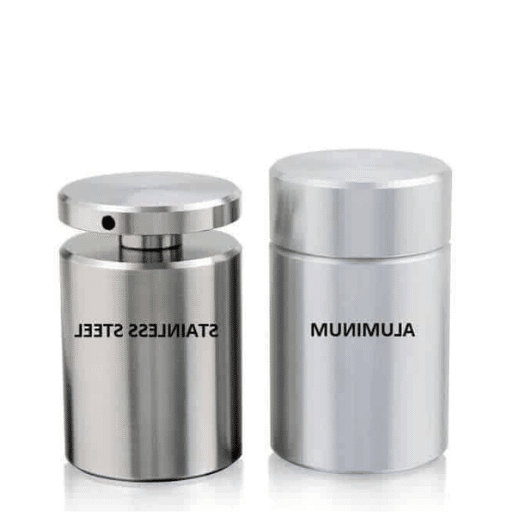
The best choice between aluminum and stainless steel depends on the assessment of both the application requirements and the environmental conditions. The density of aluminum which measures 2.7 g/cm³ makes the material much lighter than stainless steel, which makes aluminum suitable for aerospace, transportation, and other industries that require lightweight materials. The material becomes a strong candidate for marine applications because it can resist corrosion in moderate moisture and salt environments.
Stainless steel provides extra strength and durability to its applications because it has a density of 7.8 g/cm³. The material becomes necessary for applications that need to withstand extreme conditions, including industrial equipment, building structural systems, and medical devices, which must maintain their cleanliness and strength. The material gains additional flexibility from its capability to endure extreme temperatures and high-stress situations without losing its structural strength.
Aluminum has become more cost-efficient in various applications because its lightweight design facilitates easier machining and transportation. Stainless steel’s high initial cost gets offset by its capability to withstand difficult environments while requiring minimal maintenance during its extended period of usefulness. Material selection forms the primary basis for performance requirements and cost-efficient operations in both engineering and manufacturing fields which depend on the two selected materials.
Summary of Key Differences
The unique traits of stainless steel and aluminum become visible through three main factors which include their physical properties and operational capabilities and cost factors which separate the two metals.
Strength and Durability
Stainless Steel: The material exhibits outstanding strength which enables it to endure external forces making stainless steel suitable for all applications that require long-lasting performance. The material achieves tensile strength of approximately 72000 psi which enables its use in demanding fields such as building construction medical instrument production and industrial factory operations.
Aluminum: Aluminum exhibits lower tensile strength which varies between 13000 psi and 67000 psi depending on its specific alloy composition yet it contains lighter components that remain more convenient for usage. The material works best for products that require light weight such as aerospace components and transportation equipment and consumer goods.
Weight
Stainless Steel: Stainless steel weighs approximately 2.5 times more than aluminum because it has a denser material composition. The weight increase makes the material unsuitable for applications that need to be transportable.
Aluminum: The density of aluminum at 2.7 g/cm³ makes it more suitable than stainless steel which has a density of 7.8 g/cm³ for use in transportation systems and weight-sensitive structures.
Corrosion Resistance
Stainless Steel: The material contains chromium which creates a protective oxide layer that enables it to resist rusting and corrosion in extreme environmental conditions. The material functions best for shipbuilding operations and marine equipment production and outdoor construction projects.
Aluminum: Aluminum develops a protective oxide layer but it experiences higher rates of corrosion when exposed to environments containing saltwater or acids. Anodizing can improve its protective properties.
Cost-Effectiveness
Stainless Steel: The material incurs higher costs at first because of its production expenses yet it becomes economically viable because of its lengthy operational life and minimal upkeep requirements. The use of stainless steel in industrial projects leads to long-term savings through durability and reduced operational downtime.
Aluminum: The material comes with lower initial costs while its machining process becomes simpler which leads to decreased production expenses and better transportation efficiency because of its lightweight design.
Thermal and Electrical Conductivity
Stainless Steel: The material demonstrates reduced thermal and electrical conductivity which limits its applications to heat exchangers and electrical systems.
Aluminum: The metal demonstrates better thermal and electrical conductivity than other materials which makes it ideal for electrical wiring applications and heat sink production and air conditioning systems.
Environmental Impact
Stainless Steel: The steel material achieves high recyclability which enables new stainless steel production to use 80 to 90 percent of recycled materials. The product’s long lifespan decreases the need for new items which helps to protect the environment.
Aluminum: The material offers complete recyclability yet its production process requires less energy while its lightweight properties enable transportation industries to achieve better fuel efficiency which improves its environmental performance.
The current market analysis shows that aluminum demand exists in the aerospace and transportation industries because of its lightweight properties while stainless steel remains essential for medical and architectural and heavy industrial applications. The project requirements should determine the evaluation of three aspects which include performance and expenses and environmental impact to choose between these materials.
Material Selection Call to Action
Project managers should use aluminum and stainless steel as their material options which require them to assess both short-term expenses and operational efficiency and ecological impact throughout their product’s entire life cycle. Recent data from 2023 shows that the global aluminum market reached a valuation of over $150 billion with a projected annual growth rate CAGR of approximately 5.3% over the next decade. The stainless steel market will maintain a steady growth pattern which will increase at 6.2% annually because of rising demand from construction and automotive and renewable energy sectors.
Aluminum stands out as the ideal choice for lightweight applications because its strength-to-weight ratio exceeds all alternatives which aerospace and transportation and packaging sectors need. Stainless steel provides medical instruments and contemporary architectural designs and industrial equipment with advanced features because it combines excellent corrosion protection with long-term durability and attractive design elements.
The choice of material will determine your product’s environmental impact together with its cost performance throughout its entire life cycle. Research from sustainability studies highlights aluminum’s advantage in recyclability with nearly 75% of all aluminum produced still in use today due to effective recycling processes. Stainless steel reaches a recyclability rate of up to 90% which results in less waste while supporting initiatives that aim to create a circular economy.
We encourage you to carefully evaluate your project’s specifications assess environmental impacts and consult material experts to make an informed decision. Choose a solution that meets your performance needs and matches your financial constraints while promoting environmental sustainability. For further guidance and detailed analysis tailored to your needs contact our material selection experts today.
References
SLAC National Accelerator Laboratory
A technical note discussing aluminum and stainless steel properties in various conditions.
Academia.edu
A detailed comparison of various steel types, including stainless steel and aluminum, focusing on their applications and properties.
University of Akron – Honors Research Projects
A research project comparing materials, including aluminum and stainless steel, with insights into their mechanical and material properties.