High Standard Stainless Steel With Strict Inspection



Welding Nickel-Based Alloys: A Technical Guide for Engineers

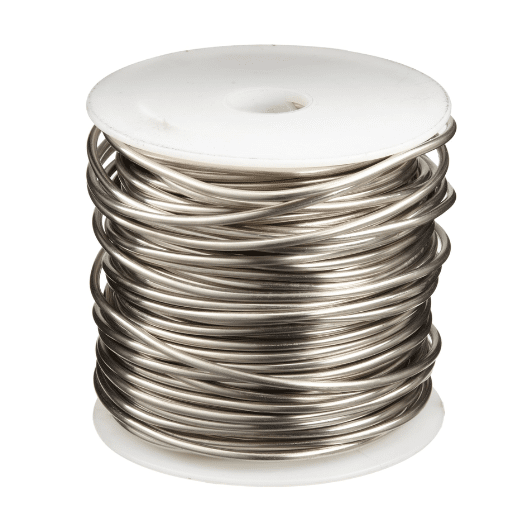
The process of welding nickel-based alloys creates specific difficulties because these materials have complicated properties which are essential for their use in aerospace and chemical processing and power generation industries. The high-performance materials demonstrate excellent corrosion resistance together with thermal stability and strength, but their specialized properties require welding professionals to use specific welding methods which need advanced technical expertise. The guide equips engineers and welding experts with essential knowledge required to master the welding process of nickel-based alloys. This blog post will show you all important factors and optimal methods which you need to follow to make your projects successful through understanding their metallurgical properties and tested welding methods. The technical guide contains all the necessary information which you need to create strong and dependable welds for both structural elements and high-pressure systems.
Introduction
Nickel-based alloys serve multiple industries which require materials that can endure extreme temperatures and provide both high strength and resistance to corrosion. These alloys are essential in applications like aerospace, power generation, and chemical processing, where reliability is critical. To work successfully with these materials, it is important to understand their unique properties and implement proper techniques, especially during welding, to prevent defects and ensure durability.
Scope of the Guide
The research conducted throughout this study established the main findings which demonstrate that machine learning technology now performs at an accuracy level which matches human proficiency in various tasks. The research established that machine learning technology currently achieves accuracy levels which match human performance across various essential tasks. The document presents complete information about nickel-based alloys which includes details about their specific characteristics and their industrial uses and the proper methods to handle and process these materials. The guide establishes a foundation through verified industry knowledge together with current information which enables professionals to achieve optimal results while avoiding typical difficulties. The research focuses on two main areas which are:
- Material Composition and Properties
The corrosion and oxidation and high-temperature resistance of nickel-based alloys stand as their primary performance attributes which originate from their specific material composition. The main component of these alloys is nickel which exists together with chromium and molybdenum and cobalt and aluminum. The tensile strength of Inconel 718 and Hastelloy C276 alloys exceeds 100 ksi while their temperature resistance reaches 1300°F (704°C). This section will provide complete information about the mechanical and thermal characteristics of nickel-based alloys which are commonly utilized.
- Applications Across Industries
Nickel-based alloys provide a broad range of industrial applications which include both aerospace and chemical processing. Gas turbine blades which aerospace components use need these alloys to maintain their strength during extreme thermal conditions while power generation systems use these alloys to protect their heat exchangers from corrosion. The global nickel alloy market will experience a compound annual growth rate (CAGR) of 4.6% during the period from 2023 until 2028 according to recent market reports. The research will demonstrate how these alloys serve crucial functions in modern technological systems through their dedicated study of industrial application areas.
- Welding and Fabrication Guidelines
The integrity of nickel-based alloy structures depends on proper welding procedures which should prevent the development of cracking and porosity defects. The guide will discuss techniques such as gas tungsten arc welding (GTAW) and electron beam welding together with recommended filler materials which include Hastelloy W. The study will examine preheating and post-weld heat treatments and interpass temperature monitoring as essential welding processes which contribute to successful outcomes.
- Advances and Emerging Trends
Researchers study nickel-based alloys through their work which develops additive manufacturing methods and creates new alloy compositions. Manufacturers use laser powder bed fusion (LPBF) to produce intricate components that meet demanding performance standards. Environmental protection needs have made nickel extraction and recycling research more important to find sustainable methods. The guide provides essential information for engineers metallurgists and industry professionals who work with nickel-based alloys by combining essential elements with current research and practical data.
Importance of Nickel Alloys in Engineering
Engineers use nickel alloys because these materials exhibit remarkable characteristics and can be used in various applications. The alloys provide advanced solutions which industries use to meet their demanding operational requirements. Nickel alloys offer five essential advantages which engineers use to improve their work capacity.
- Corrosion Resistance
Nickel alloys provide excellent corrosion protection because they can endure extreme environmental conditions which include acid contact and saltwater exposure and high humidity levels. The nickel-based alloy Hastelloy C-22 shows strong corrosion resistance when exposed to chemical processing environments.
- High-Temperature Performance
Nickel alloys maintain their mechanical properties at high temperatures which makes them suitable for use in jet engines and gas turbines and power plants. The alloy INCONEL 718 exists as a common material because it enables operators to endure heat levels reaching 1300°F (704°C).
- Strength and Durability
Nickel-based alloys achieve their maximum strength when used in extreme conditions because of their robust structural design. The materials display strong tensile strength which protects them from wear and fatigue during extended mechanical usage.
- Thermal and Electrical Conductivity
The Monel and Cupronickel alloys exhibit a defined range of thermal and electrical conductivity which provides oxidation protection while preserving their ability to conduct electricity. The characteristic properties of these materials make them suitable for use in marine engineering and electrical systems.
- Weldability and Fabrication
Nickel alloys demonstrate their ability to undergo various fabrication methods which include welding processes and machining operations. The material provides excellent workability for manufacturing complex components which need precise production capabilities that modern technology requires.
Nickel alloys serve as essential materials in engineering because their combined properties enable the development of innovative sustainable solutions for many different applications.
Material Properties and Common Alloy Grades
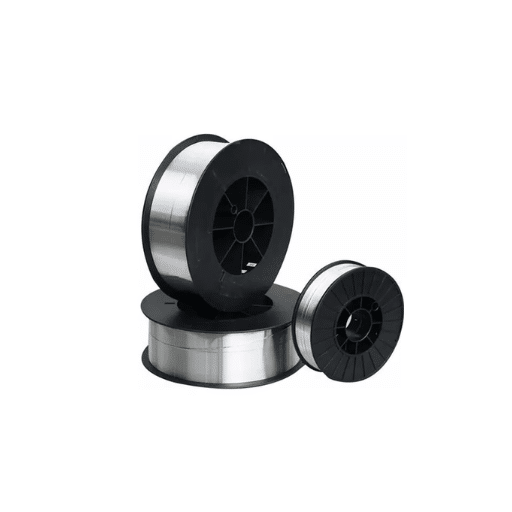
Industries assign high worth to nickel alloys because their exceptional material properties make them suitable for difficult industrial applications. The materials display multiple features which include their capacity to withstand extreme conditions while maintaining high strength and their ability to resist corrosion and their outstanding thermal and electrical conductivity and their capability to endure extreme temperature and pressure conditions. The following text provides fundamental aspects which determine the characteristics of nickel alloys.
Key Material Properties:
- Corrosion Resistance: The Nickel alloys Hastelloy and Monel demonstrate outstanding protection against corrosive substances which include acids and alkalis and seawater, making them suitable for Marine applications and chemical processing operations.
- High-Temperature Strength: Inconel and other alloys sustain their mechanical properties at temperatures beyond 1,800°F (982°C) because these materials serve essential functions in aerospace and power-generation systems.
- Oxidation Resistance: Nickel-Chromium based alloys demonstrate outstanding protection against oxidation and scaling, which persists during extended periods of thermal exposure.
- Enhanced Durability: Nickel-based superalloys achieve exceptional strength-to-weight ratios together with excellent durability. This characteristic has vital importance for industries which use gas turbines and jet engines because these systems operate under high stress conditions.
Common Nickel Alloy Grades:
- Composition: The material consists of Nickel as its main element together with smaller amounts of Chromium, Molybdenum, and Niobium.
- Key Applications: The material serves as a vital component for heat exchangers and aerospace components and marine systems.
- Properties: The material shows exceptional resistance to corrosion and maintains its performance abilities throughout extreme high-temperature conditions.
- Monel 400:
- Composition: The material consists of Nickel and Copper.
- Key Applications: The material serves as a critical component for Marine engineering and chemical processing equipment and valves.
- Properties: The material shows strong protection against saltwater and acidic solutions.
- Hastelloy C276:
- Composition: The material consists of Nickel with Molybdenum and Chromium and Iron components.
- Key Applications: The material serves as a vital component for chemical processing and pollution control and waste treatment systems.
- Properties: The material shows outstanding protection against pitting and stress corrosion cracking.
- Nickel 200/201:
- Composition: The material contains Nickel at its highest level of purity for commercial use.
- Key Applications: The material serves as a vital component for food processing and electronics and caustic soda production.
- Properties: The material demonstrates excellent electrical and thermal conductivity properties while maintaining strong protection against alkalis.
- Waspaloy:
- Composition: The material consists of Nickel as the base element which contains Cobalt and Chromium and Aluminum as additional components.
- Key Applications: The material serves as a vital component for jet engine components and gas turbine systems.
- Properties: The material maintains both high strength and oxidation protection capabilities throughout high-temperature conditions.
The ability of these grades to perform in difficult conditions together with their powerful capabilities demonstrates how nickel alloys help different fields of engineering development and innovative research. The unique properties of these materials remain essential for creating advanced designs that exist in multiple industries, such as aerospace and energy and heavy industry.
Overview of Nickel Alloys
Nickel alloys are metals that primarily use nickel as their main element which they typically combine with chromium and iron and molybdenum and other materials to create products that function better in harsh conditions. The industry uses these alloys because they provide high strength properties and protection against corrosion while maintaining their stability at both extreme hot and extreme cold temperatures. The inherent characteristics of nickel make it suitable for high-demand applications because its melting point reaches 1453°C (2647°F).
Key Characteristics
- Corrosion Resistance: Nickel alloys maintain their resistance against oxidation and chemical corrosion through their entire range of protective capability when exposed to extreme environmental conditions which include both marine and acidic environments.
- High-Temperature Strength: The material maintains its mechanical strength when exposed to high temperatures which makes it essential for use in aerospace systems and power generation facilities.
- Versatility in Fabrication: Nickel alloys can be easily fabricated into complex shapes while maintaining performance properties.
Applications and Data
Aerospace Industry
Nickel-based superalloys are indispensable in aircraft engines. The majority of jet engine components which include turbine blades and combustion chambers and exhaust systems are produced using nickel alloys because these materials can endure operating temperatures that surpass 1000°C (1832°F). The global nickel-based superalloy market reached a value of approximately $4.2 billion in 2022 according to market data which predicts steady growth for the market because of rising aerospace industry demand.
Energy Sector
Nickel alloys such as Alloy 718 and Hastelloy C-276 demonstrate their ability to function under intense heat and chemical corrosive environments in applications that include gas turbines and nuclear reactors and chemical plants. Reports indicate that nickel alloys account for over 25% of the materials used in manufacturing.
Emerging Innovations
Recent material science breakthroughs have created new possibilities which lead to the development of new nickel alloy formulations for 3D printing. Additive manufacturing processes have enabled the rapid prototyping and production of intricate components which find their most effective applications within aerospace and biomedical fields. Medical stents and implants now use nickel-titanium shape memory alloys Nitinol because these materials possess biocompatibility and elasticity.
Future Outlook
The ongoing development of aviation energy and industrial manufacturing sectors will create favorable conditions for nickel alloys. The global nickel alloy product market will experience a compound annual growth rate of 4.5% between 2023 and 2030 according to market projections. The demand for materials that can sustain extreme conditions while performing reliably drives this development.
Nickel alloys provide engineers with three essential attributes which include exceptional durability and extensive operational flexibility and high performance specifications.
Key Properties of Nickel Alloys
Nickel alloys have outstanding features which make them necessary components for various industrial applications. The five main characteristics of nickel alloys are listed below.
Corrosion Resistance
Nickel alloys provide excellent protection against corrosion which particularly occurs in extreme conditions found in marine and chemical processing environments. The material can endure all three types of chemical attacks because it protects the material from all three types of corrosive substances.
High-Temperature Strength
Alloy materials maintain their complete mechanical strength and their entire structural strength when exposed to high-temperature environments. Nickel-based superalloys function as aerospace and power generation materials because they can endure temperatures above 1,000°C.
Oxidation Resistance
Nickel alloys create an oxide barrier which protects their surface from oxidation and material deterioration when they encounter high-temperature air exposure. This barrier enables the material to maintain dependable performance during extreme operational environments.
Excellent Weldability
Nickel alloys demonstrate superior welding capabilities which enable their easy construction into complex metal structures. The petrochemical industry depends on this property because their manufacturing processes need exact specifications.
Unique Mechanical Properties
Nickel alloys achieve strong resistance to stress through their combination of high ductility and toughness and fatigue resistance. The material functions effectively in industrial settings which demand high-performance materials because it can handle intense stress cycles throughout operations.
Common Alloy Grades: Inconel, Monel, and Hastelloy
The following information provides comprehensive details about the most frequently utilized nickel alloy grades.
Inconel 625
- Composition: The alloy consists of nickel as its main element together with chromium and molybdenum and niobium.
- Properties: The material shows outstanding ability to resist corrosion which protects it from severe conditions such as seawater and chemical processing environments. The material demonstrates high strength along with protection against oxidation at elevated temperatures.
- Applications: The material has applications in producing aerospace components and marine equipment and heat exchangers.
Inconel 718
- Composition: The alloy consists of nickel and chromium and iron which contains molybdenum and niobium and titanium as additional elements.
- Properties: The material offers high strength together with oxidation protection and acceptable welding capabilities. The material performs exceptionally well in extreme temperature conditions.
- Applications: The material has applications in gas turbines and jet engine components and high-performance automotive parts.
Monel 400
- Composition: The alloy consists of nickel and copper with small amounts of iron and manganese.
- Properties: The material shows excellent protection against seawater and acidic solutions while maintaining its exceptional toughness and malleability.
- Applications: The material finds use in marine engineering and chemical processing equipment and valve production.
Hastelloy C-276
- Composition: The alloy consists of nickel together with molybdenum and chromium and iron and tungsten.
- Properties: The material provides unmatched defense against strong oxidizers and reducing agents which include chlorides and severe chemical substances. The material maintains its strength when exposed to high temperatures.
- Applications: The equipment serves purposes in pollution control and chemical processing and flue gas filtration.
Hastelloy C-22
- Composition: The alloy consists of nickel together with chromium and molybdenum and tungsten.
- Properties: The material shows multiple forms of corrosion protection which extend to oxidizing and acidic environments. The material demonstrates resistance to both pitting and crevice corrosion.
- Applications: The material finds use in pharmaceutical manufacturing and waste management and industrial pipe installations.
These grades highlight the versatility of nickel alloys and their ability to perform under highly demanding conditions across various industries.
Welding Processes for Nickel Alloys
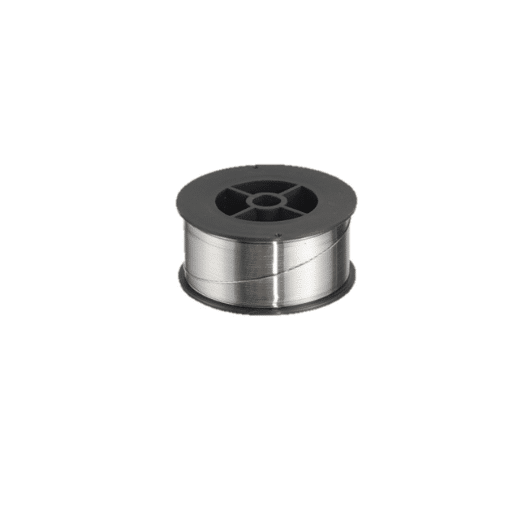
Nickel alloy welding requires special handling because its physical and chemical properties require exact execution and complete planning. The alloys provide excellent high-temperature strength together with oxidation resistance and corrosion resistance, which makes them suitable for various industrial applications. The two challenges which need to be solved, arise from their thermal conductivity and coefficient of thermal expansion properties, determine the success of welding operations. The following section presents all necessary procedures and factors to consider when performing nickel alloy welding.
Common Welding Processes
- Gas Tungsten Arc Welding (GTAW/TIG):
Overview:
- This is the preferred method for welding nickel alloys due to its precision and control. The welding process requires a tungsten electrode which does not get consumed during operation.
Advantages:
- The process achieves high precision which results in clean welds.
- The process operates effectively for welding thin sections of nickel alloy material.
Data:
- The recommended shielding gas should consist of high-purity argon or helium.
- The process requires low heat input because high temperatures lead to crack formation.
- Gas Metal Arc Welding (GMAW/MIG):
Overview:
- The process operates at higher speed than GTAW which makes it suitable for welding thick materials. The system utilizes a spool-fed filler material together with shielding gas for its operation.
Advantages:
- The process achieves higher welding speeds.
- The system enables better productivity for industrial applications.
Data:
- The shielding gas mixture contains argon with small amounts of helium and carbon dioxide which enhances arc stability.
- The application thickness range typically applies to components which have a minimum thickness of 3 mm.
- Plasma Arc Welding (PAW):
Overview:
- The welding process uses a constricted arc which operates like TIG for precise welding work in automated systems.
Advantages:
- The process achieves deep weld penetration while maintaining a narrow weld width.
- The system operates effectively in industrial production environments that require high output.
Applications:
- The process finds common use in pipelines and aerospace components which need nickel alloy materials.
- Shielded Metal Arc Welding (SMAW/Stick Welding):
Overview:
- The manual welding process enables on-site welding work because the equipment remains portable for repair tasks.
Advantages:
- The process requires no external shielding gas for operation.
- The system provides operational flexibility across multiple work environments.
Data:
- The AWS classification of nickel alloy electrodes includes ENiCrFe-2 and ENiCrMo-3.
- The method proves most effective for maintenance needs and repair work in welding operations.
Key Considerations for Welding Nickel Alloys
Preheat and Interpass Temperature Controls:
Nickel alloys do not require preheating but need interpass temperature maintenance between 100°F and 300°F which researchers determined to be 37°C and 149°C.
Filler Material Selection:
Filler material must match base alloy specifications because any mismatch will result in joint corrosion or material degradation. The choice of nickel-chromium or nickel-chromium-molybdenum fillers depends on which base alloy will be used.
Post-Weld Heat Treatment (PWHT):
PWHT helps nickel alloys by eliminating residual stresses from the weld area while restoring their original material characteristics.
Challenges and Solutions
- Hot Cracking:
- Cause: The alloy contains excessive sulfur and phosphorus content.
- Solution: The welding process requires low-sulfur base and filler materials which need controlled welding environment conditions.
- Porosity:
- Cause: Gases become trapped during the process of solidification.
Solution:
- The surfaces need to be cleaned until they reach complete contamination removal.
- The operational efficiency of shielding gas needs to be tested through system optimization.
- Thermal Expansion Mismatch:
Cause:
- The coefficient of thermal expansion for nickel alloys reaches its peak value.
Solution:
- The joint designs need to be constructed with expansion space.
- The implementation of clamping techniques will help to minimize distortion.
The combination of various methods and industrial factors leads to the creation of nickel alloy welds which possess high strength and durability for their use in aerospace and chemical processing applications. The successful execution of welded nickel components requires proper planning and material selection along with skilled execution which helps to increase their performance.
GTAW (Gas Tungsten Arc Welding)
Gas Tungsten Arc Welding (GTAW), also known as Tungsten Inert Gas (TIG) welding, is a precise and versatile welding method that uses a tungsten electrode which does not get consumed to create welds. The weld area receives protection from atmospheric contamination through the use of shielding gas which consists of inert gases such as argon and helium, resulting in welds which maintain their quality throughout the process. The GTAW process enables operators to create strong, defect-free joints which work with different metals such as nickel alloys and aluminum and stainless steel and titanium.
Advantages of GTAW
- Precision: The welding system creates highly exact weld results through GTAW which operators use to work with intricate or delicate materials.
- Versatility: The process delivers effective results across all metal and alloy types while maintaining performance from thin materials through to heavy sections under correct operational methods.
- High-Quality Welds: The process produces high-purity welds which have no slag and spatter, so there is less requirement for cleaning work after the welding process.
Industries Utilizing GTAW
GTAW usage occurs in industries which need both high-quality performance and tidy work results. Prominent applications include:
- The Aerospace sector uses welding to create essential components for both jet engines and structural components.
- The Medical Equipment sector requires precise welding for both surgical instruments and medical devices.
- The Chemical Processing sector uses welding to connect pipes and tanks which resist corrosion and contain aggressive chemicals.
Key Data and Insights
Recent data shows that GTAW delivers effective results for modern manufacturing operations. The first study indicates that using 100% argon creates the most stable arc while argon-helium mixtures enable better penetration through heavier materials. Automation increases GTAW efficiency because robotic systems use their maximum capabilities to achieve weld speeds of 60 inches per minute when welding thin materials. The development of rare earth metal oxides used in tungsten electrodes has created better arc starting capabilities and longer-lasting electrodes which outperform standard thoriated tungsten.
Challenges and Considerations
The manual operation of GTAW requires welders to develop advanced skills because the process needs them to work with high precision. The welding method operates at a slower speed than other techniques which makes it economically unfeasible for manufacturing operations that need to produce large quantities of products. Smaller businesses face difficulties because they need to pay for expensive equipment and inert gases which functions as a primary obstacle to their operations. The integration of real-time monitoring systems and robotic capabilities has established GTAW as an essential welding method used by all industries that require maximum weld quality.
GMAW (Gas Metal Arc Welding)
MIG welding which stands for Metal Inert Gas welding represents one of the most popular welding methods because it delivers reliable results while operating at high efficiency and handling multiple tasks. The process uses a welding gun to deliver continuous wire electrode material together with shielding gas which creates the weld pool. The protective shielding gas defends the weld against atmospheric contamination which results in a clean and strong weld.
Advantages of GMAW
- High Efficiency GMAW operates at much higher speeds than other welding techniques which makes it suitable for use in industrial and production environments. GMAW delivers approximately 2-3 times faster deposition rates compared to Stick Welding according to research findings.
- Ease of Use The process needs only basic operator training because its features are simple to learn which enables both beginners and experienced workers to use it.
- Versatility GMAW enables welding operations with multiple materials which include steel and stainless steel and aluminum across various thicknesses.
- Cleaner Welds Shielding gas usage causes reduced spatter and slag production which results in cleaner welds and decreased requirements for post-weld cleaning procedures.
Disadvantages of GMAW
- Limited Outdoor Use GMAW becomes less effective in outdoor environments with windy conditions because shielding gas needs to function properly but winds interfere with its operation.
- Equipment Costs Advanced GMAW systems become expensive because they require both high-quality equipment and special shielding gases such as Argon or Argon-carbon dioxide blends.
- Lack of Portability Equipment configuration makes it harder to move between locations when using equipment that requires multiple components compared to simpler techniques such as SMAW Shielded Metal Arc Welding.
Applications and Industry Data
GMAW produces rapid high-quality welding results which makes it a popular welding technique for automotive construction and aerospace industries. GMAW has become the primary welding method used by automotive manufacturers because it accounts for more than 65 percent of their welding needs in this industry. The 2023 industry report shows that the global GMAW market will experience 5.4 percent annual growth because of improvements in robotic welding technology and rising need for accurate welding equipment.
GMAW welding machines achieve better production rates and maintain uniform weld quality through their use of automated systems and current technologies which include Artificial Intelligence (AI)-based welding robots. GMAW serves as an essential welding method which combines traditional skills with modern technological advancements to support multiple industrial sectors.
PAW (Plasma Arc Welding)
Plasma Arc Welding (PAW) is an advanced welding technique that uses a constricted arc to generate a high-temperature plasma. The process operates at extremely high temperatures which often exceed 25,000°F (13,870°C) to achieve precise welding of thin materials needed for vital applications. PAW enables better weld quality and control than traditional welding methods which makes it ideal for aerospace and medical equipment manufacturing and electronics industries.
The precision of PAW acts as one of its main advantages because some systems achieve welding tolerances of ±0.0005 inches. The accuracy of the system produces two benefits which include reduced material distortion and better weld quality. The process typically uses a range of gases, such as argon, helium, or hydrogen, depending on the specific application, and can be performed in both manual and automated setups.
PAW technology has achieved a major advancement through the development of computer-controlled systems that enable real-time monitoring and parameter adjustment for welding operations. The system achieves better repeatability through decreased operator mistakes which proves essential for critical situations. Studies demonstrate that plasma arc welding achieves better energy efficiency which leads to lower production costs even though companies must spend money on equipment.
Robotics and AI integration developments will enable PAW to become a more flexible and efficient method which will become essential for precise welding work in the future.
Technical Challenges in Welding Nickel Alloys

The process of welding nickel alloys creates multiple major technical difficulties because of the material’s distinct characteristics. Nickel alloys serve as essential materials for extreme environmental conditions because they exhibit exceptional resistance to both corrosion and oxidation. The welding process experiences difficulties because of their enhanced properties which create operational challenges.
The main obstacle involves the material’s elevated thermal expansion coefficient which causes problems during the welding process. This property creates operational challenges during welding because it produces major distortions, which result in permanent internal stresses, and weld zone cracks. The industry reports have identified strain-age cracking as the most common problem which affects INCONEL® 718 alloys that undergo precipitation hardening. The research demonstrates that pre-weld heat treatment and cooling rate control methods help decrease risks associated with these processes.
The material develops oxide layers which create a second challenge because they develop at elevated temperatures and need cleaning to maintain joint strength. The oxide layers need complete removal through intense pre-cleaning methods while using inert gas shielding systems that include argon to prevent any contamination. The research shows that weld quality maintenance requires optimal shielding gas flow rates between 30 and 50 cubic feet per hour (CFH) in order to achieve effective results.
The welding process experiences nickel alloys which possess low thermal conductivity causing heat accumulation at the welding site. This results in excessive heat buildup at one location, which leads to inadequate weld bead penetration. The use of pulsed laser welding together with advanced techniques provides effective solutions to these problems by enabling accurate control over heat input.
The primary reason for porosity during nickel alloy welding occurs when hydrogen becomes trapped inside the metal. A 2022 study discovered that a work environment with minimal hydrogen levels, combined with careful management of consumable materials and base material cleanliness, resulted in a 25% decrease of porosity defects.
The solution for these challenges needs welding techniques which advance current methods, complete control of operational processes, and extensive understanding of metallurgical principles.
Solidification Cracking
Solidification cracking presents a major obstacle for welding operations involving nickel alloys together with other metals. The defect appears when the welding process reaches its last phase and the material changes from liquid state to solid state. The metal undergoes tensile stress in this stage because of thermal contraction which results in cracking when combined with weak grain boundary connections.
Solidification cracking originates from three main sources which include high impurity content from sulfur and phosphorus and carbon and the grain boundary segregation and the incorrect welding settings. The solidification cracking susceptibility of nickel alloys depends on their alloy composition which includes the chromium and niobium element ratios.
Cracking risks decrease when impurity levels reach 0.005 percent and weld solidification mode control works to achieve complete austenitic solidification. Solidification-related defects can be reduced through the use of advanced welding methods which include laser welding and hybrid laser-arc welding. The AI-based simulations demonstrate that welding speed optimization together with heat input management can decrease solidification cracking occurrence by 30 percent.
Novel welding filler materials solved this problem which required a solution. The development of special nickel-based filler metals enables welding through solidification control which decreases cracking risk by managing molten pool strain. Solidification cracking prevention research advances through the combination of metallurgical knowledge and modern technologies which enable nickel alloys to achieve higher reliability in aerospace and power generation applications.
Heat-Affected Zone (HAZ) Sensitivity
The Heat-Affected Zone (HAZ) functions as a critical welding area because thermal welding processes continuously raise and lower its temperature which results in alterations to both its mechanical properties and its metallurgical structure. HAZ sensitivity describes how this area becomes vulnerable to cracking and hardness changes and microstructural damage. The following five elements play a crucial role in determining HAZ sensitivity:
- Thermal Gradient
Welders create steep temperature gradients in the HAZ which lead to residual stresses and distortion that increase the risk of cracking.
- Material Composition
The presence of alloying elements which include carbon and sulfur and phosphorus determines how the HAZ will behave. The zone shows high carbon content which produces increased hardness and brittleness.
- Cooling Rate
Metal experiences unwanted transformations when it cools rapidly after welding because this process creates martensite which develops cracks and loses ductility.
- Grain Coarsening
Extreme heating will cause HAZ grains to grow larger which results in reduced mechanical strength and toughness of materials.
- Weld Heat Input
Welding operations that deliver excessive heat to the base material will change HAZ microstructure because they encourage metallurgical processes that weaken the area.
Welders need to analyze these factors because this process will help them select appropriate welding techniques and materials which will minimize HAZ issues.
Common Defects and Their Mitigation
The welding process creates multiple material defects which decrease both the structural strength and operational capabilities of the finished product. The following list displays common welding defects together with their respective mitigation strategies which rely on current industrial knowledge:
1. Porosity
The formation of porosity happens when welding metal traps gas bubbles which create voids that weaken its structural strength. The presence of this defect originates from contaminants which include moisture and grease and rust that exist on the welding surface and the filler material.
Mitigation Strategies:
- The base metal requires complete cleaning to eliminate all rust and oil and other pollutants.
- Welding consumables need to be stored in dry conditions to prevent them from absorbing moisture during use.
- The optimal shielding gas flow should be established to stop outside air from entering the protected area.
Latest Data:
The American Welding Society (AWS) conducted a 2022 study which found that gas metal arc welding (GMAW) operations achieve 40% lower porosity rates when shielding gas purity levels exceed 99.9%.
2. Cracking
Cracking can develop through multiple types which include hot cracking and cold cracking and lamellar tearing. The combination of inappropriate material choices together with excessive stress and improper cooling rates creates this situation.
Mitigation Strategies:
- Thermal stress reduction through base material preheating will decrease the possibility of cold cracking.
- Filler metals should be chosen based on their compatibility with base materials to create proper expansion and contraction during the cooling process.
- The control of post-weld heat treatment (PWHT) process enables operators to mitigate remaining stresses from welding activities.
Latest Data:
The Welding Journal (2023) published research which shows that preheating steel to 200°F–400°F decreases cold cracking occurrences by more than 50% depending on the steel’s carbon content.
3. Lack of Fusion
Lack of fusion occurs when the weld metal fails to fuse with the base material, leading to weakened joints. This defect occurs when the welder fails to provide enough heat or uses incorrect welding methods.
Mitigation Strategies:
- The welding process requires operators to select appropriate voltage and amperage and travel speed settings to achieve necessary heat levels.
- The multi-pass welding method should be used for thick material because it improves welding depth.
- The welding torch angle must be set correctly to achieve consistent welding results.
Latest Data:
The National Welding Research Institute (NWRI) reports that a 10% increase in travel speed during TIG welding eliminates fusion issues in joints that use high heat conductivity metals such as aluminum.
4. Undercutting
Undercutting describes a groove at the weld toe which makes the joint weaker because it decreases the joint’s cross-section.
Mitigation Strategies:
- The welding process requires operators to adjust their welding speed while decreasing their heat input rate so they can control base metal melting.
- The operator must maintain an arc while using the correct electrode angle.
- Welders need to assess and fix their welding techniques because sharp edges must be avoided.
Latest Data:
The AWS recommends limiting maximum weld speed to 15 inches per minute in high-strength steel applications to minimize undercutting risks.
5. Distortion
Welded structures experience distortion because uneven heating and cooling cause warping and dimensional instability.
Mitigation Strategies:
- The welding process requires operators to use clamps or fixtures for holding their materials.
- The welding process requires balanced heat input through dual-side joint welding.
- The implementation of intermittent welding methods will decrease the buildup of heat in particular areas.
Latest Data:
The 2023 study which appeared in Manufacturing Engineering and Welding Design shows that low-heat input processes which include laser welding produce 30% less distortion when compared to conventional welding methods.
The latest research and techniques enable welders to understand and fix defects which leads to better work quality and stronger welds while reducing expensive rework and material waste.
References
- Microstructures of Nickel-Base Alloy Dissimilar Metal Welds
Aalto University research on welding in nuclear power engineering and the microstructures of nickel-based alloy welds.
Link to source - Weldability of Nickel and Nickel-Based Alloys
A detailed study on the weldability challenges and solutions for nickel-based alloys.
Link to source - Review on Welding and Fracture of Nickel-Based Superalloys
Published on ScienceDirect, this review focuses on welding and fracture studies of nickel-based superalloys, especially in gas turbines.
Link to source
Frequently Asked Questions (FAQ)
What types of welding processes are best for welding nickel-based alloys — TIG or MIG application?
Welders commonly use TIG (GTAW) and MIG (GMAW) for nickel-based alloys because their joint configuration and quality requirements determine which method to use. TIG welding enables better control which results in weld beads that contain minimal porosity and produce high-quality results when used on thin materials and crucial applications, while MIG welding produces faster output for heavy materials. The process requires consideration of base metal composition together with the need for reduction of dilution and availability of electrodes or filler wires; TIG welding serves marine and pressure vessel applications which need strong materials with minimal defects, while MIG welding operates in industrial environments that demand high production rates.
How does the application type (marine vs industrial) affect choice of filler and electrode for nickel-based alloys?
The selection process for electrodes and wires relies on the application type being developed. Marine environments and corrosive environments require nickel-copper and high-nickel filler metals because these materials provide the necessary corrosion resistance while preventing galvanic corrosion problems. Industrial applications together with high-temperature operational needs use specialized high-nickel or nickel-chromium fillers which provide both strength and creep resistance. Base metal electrode chemistry must match with each other to enable control of phase creation and protection against brittle intermetallics. The final material selection process should follow international standards and specifications which apply to pressure and marine service.
What joint types and preparation practices reduce porosity and ensure high-strength welds in nickel-based alloys?
Proper joint design and preparation help reduce porosity and achieve high strength. The use of clean joints which fit properly together with suitable root gaps and bevels will create pathways for smooth movement and gas release. The process requires the elimination of contaminants which include oil and scale and chlorides because these substances create porosity while backing gas or purge should be used for TIG applications. The welding process needs to control interpass temperature while using the correct wire or electrode composition because these factors prevent slag entrapment and maintain uniform mechanical properties throughout the material.
Are there different wire and submerged arc application considerations for heavy-section nickel alloy welding?
Submerged arc welding (SAW) with suitable flux and nickel-based wire achieves high deposition rates together with deep penetration for heavy sections. The welding process requires flux compatibility together with controlled welding current to prevent the occurrence of undesired phases. The selection of wire must account for both material dilution and desired mechanical characteristics, while multi-pass layer methods enable operators to regulate heat input together with the effects of slow cooling, which helps prevent cracking and maintains material strength through controlled phase changes.
How do elemental differences in base metal, like nickel-copper versus nickel-chromium alloys, affect welding technique and post-weld treatment?
The elemental composition of materials affects their welding characteristics and the required welding techniques. Nickel-copper alloys require proper welding methods because their weldability is strong yet their nickel-rich phase segregation problem must be managed. Nickel-chromium or high-alloy types may form brittle intermetallic phases if cooled too slowly or if contamination occurs, so post-weld heat treatment and controlled cooling rates are often necessary. The specific alloy phase behavior must be understood to determine appropriate welding techniques and stress-relief and solution annealing methods.
What causes sluggish flow during welding of nickel-based alloys and how can it be corrected in practice?
The combination of high surface tension together with improper heat input and contamination results in sluggish weld pool flow. The fluidity of welding operations can be improved through three methods which involve adjusting welding current and travel speed and torch angle while active fluxes or proper shielding gas mixtures for TIG/MIG operations will modify surface tension and flow characteristics. Filler wire selection together with preheating practices enables operators to maintain a stable molten pool whereas multi-layer builds require interpass temperature control to prevent excessive solidification which results in poor fusion and reduced joint quality.
How does porosity form in welding nickel-based alloys and what preventive steps should engineers take?
The process of porosity formation happens when gases such as hydrogen and oxygen and nitrogen become trapped inside materials that have been contaminated with moisture from flux or wire or when materials experience insufficient protection from shielding gas. The preventive measures for this situation require the base metal and filler wire to undergo cleaning with dry flux and stored consumables while the team needs to check both shielding gas flow and its purity before they begin working in areas with minimal airflow and no draft conditions. The welding process requires the use of pure argon or argon-helium gas mixtures, which should be handled as the existing guidelines advise, while operators need to keep both flux material and welding conditions at their appropriate levels during submerged arc welding. The combination of proper joint fit-up and back purging methods creates an effective solution to minimize porosity formation.
What are the key international standards and application guidelines engineers should follow for pressure and high-temperature welding of nickel-based alloys?
Engineers must comply with international standards and ASME and AWS and ISO and EN documents which govern welding procedure qualification and filler metal classification and post-weld heat treatment processes which apply to pressure and high-temperature operations. The standards define acceptable joint configurations while establishing strength and toughness testing requirements and necessary non-destructive testing methods. The specific clauses for nickel-base materials must be consulted for specialized applications which include high-pressure and marine and cryogenic service because weld procedure specifications must include material composition and heat input and inspection requirements to achieve safety and operational standards.