


Blog
Stainless Steel Forging: Process and Material Selection

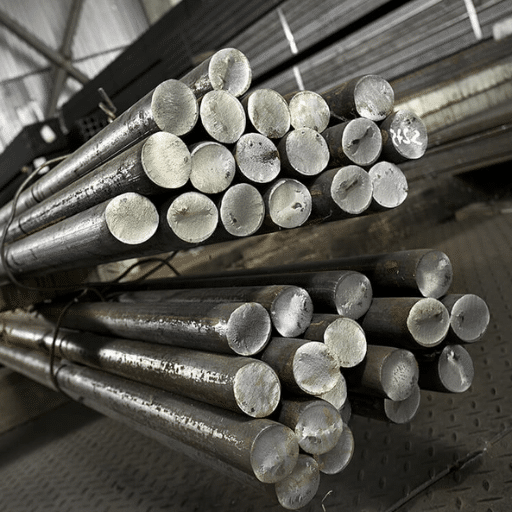
The process of stainless steel forging is crucial that it unites the three main properties of factories’ demanding usage – durability, versatility, and precision – in one single process. The strongest components for airplanes and even delicate parts for medical devices are all created through forging stainless steel. It is the 21st century manufacturing process and hence the focus of this article is the stainless steel forging process details and the factors that influence the selection of the appropriate stainless steel for any particular usage. If you happen to be an engineer with vast experience, a purchasing officer, or just somebody interested in knowing the making of high-quality parts, this reference will give you the knowledge of the techniques and selections of materials that are responsible for the necessity of stainless steel forging.
Introduction to Stainless Steel Forging
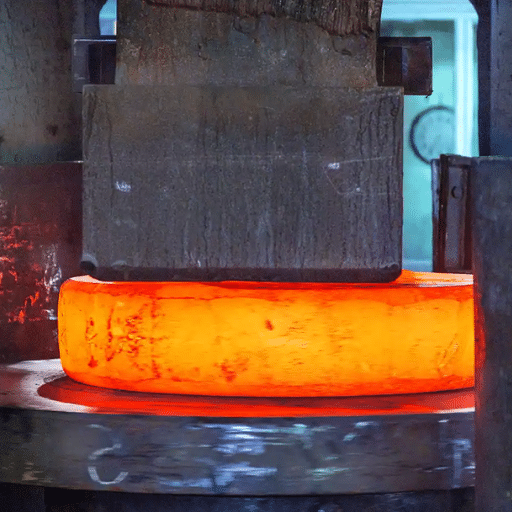
Stainless steel forging is one of the most significant and the most demanding manufacturing process. First, it is done by heating and then applying pressure to shape a femoral material into a robust, high-performance product. The process strengthens the material by increasing its hardness, resistance to abrasion, and overall structure. As a result, it becomes suitable for even the most demanding applications. Stainless steel forging is therefore the most common method used in the automotive, aerospace, and construction sectors because parts are reliable and perform at high levels according to the very strict standards of these sectors. Manufacturers can use the right quality of stainless steel together with the most precise forging techniques to produce over the lifespan of the product massive components that retain their sense of purpose through the application of corrosion resistance, thus opening a wide range of industrial needs.
What is Stainless Steel Forging?
The process of stainless steel forging refers to the making of stainless steel parts by the application of compressive forces like hammering or pressing, which results in strong and resistant-to-corrosion components suited for different industries.
Benefits of Forging Stainless Steel
The process of stainless steel forging brings several benefits along with it, which is why it has become the most popular option in many industrial sectors. To list, we have five major advantages:
1
Higher Strength and Durability
The strength and toughness of forged stainless steel parts are much higher than those of cast parts. The forging process transforms the steel’s grain structure being more refined and the material more ductile which allows to bear heavy loads and not to wear that fast consequently longer-lasting components are manufactured.
2
Less Prone to Corrosion
Stainless steel does not rust or corrode easily owing to the presence of chromium in it. Forging process not just maintains this quality but also extends further making the material suitable even in environments with high moisture, chemicals, and temperature variations.
3
Design and Size Flexibility
The manufacturing of components with exact shapes and sizes is possible through the forging process. This quality makes it perfect for producing complex parts, which are then matched to the specific industrial needs, thus, the resulting products have high performance and compatibility.
4
Higher Fatigue Resistance
The forged structure of stainless steel greatly increases its resistance to fatigue caused by cyclic loading. Such a condition makes it the preferred material for critical applications in the aerospace, automotive, and marine industries where reliability is paramount, thus, making its choice of applications widespread.
5
Economic Solution
Although forging seems to be expensive in terms of initial cost compared to other manufacturing methods, the long life and low maintenance of forged stainless steel components as well as reduced downtime due to less frequent replacements or repairs make it a cost-effective option in the long run.
Applications of Forged Stainless Steel Products
Forged stainless steel products are still the go-to material in different industries, owing to their properties such as high strength, corrosion resistance, and reliability. Below are the five major applications:
Aerospace Industry
The forged stainless steel parts are utilized in the aircraft engines, the landing gear, and the structural elements. The ability to endure exceptionally high temperatures and to be subjected to great stress makes them the safest and the most reliable parts in aviation.
Automotive Industry
Automotive parts such as transmission shafts, gears, and axles are made of forged stainless steel due to its durability, wear resistance, and thus prolonging the vehicles’ life and efficiency.
Marine Industry
Forged stainless steel is the material of choice for making propeller shafts, rudders, and marine hardware. It is the resistance to saltwater corrosion that makes it the best choice for challenging marine environments.
Oil and Gas Industry
Forged stainless steel is used for manufacturing high-pressure pipeline fittings, valves, and underwater equipment. Its strength and corrosion resistance properties make it indispensable in operations carried out in harsh and corrosive environments.
Power Generation
Forged stainless steel is used for the manufacture of turbine components, nuclear reactor parts, and other critical equipment in power plants. The material’s capability to function in extreme conditions guarantees the uninterrupted supply of energy.
The Forging Process
Forging, a type of manufacturing process, is one that involves metal shaping with the help of compressive forces. It is, in most cases, done at very high temperatures, which makes the metal easier to work with and lowers the chance of it breaking. The process of forging stainless steel has strict and accurate steps to follow to determine the material’s durability, performance, and the ability to withstand extreme situations. Below is an outline of the forging process:
The first thing that is done is to heat the stainless steel to its recrystallization temperature, which is between 1,900°F (1,040°C) and 2,400°F (1,315°C) depending on the grade of steel. The metal then becomes soft and easy to work with, yet takes a solid form which allows for efficient molding of the metal.
The heated material is forced under strong pressure by hammers, presses, or dies to be shaped. Open-die forging works best for large parts while closed-die forging provides precision for complex shapes. With modern machines, force amounts of over 50,000 tons can be applied, thus making it possible for there to be similar strength all through even the most stressed parts.
The forged metal is then cooled down slowly and carefully to ensure that the shape remains the same. Treatments like annealing, quenching, and tempering are applied after the forging process to improve the properties of the metal such as toughening, corrosion resistance, and tensile strength. For example, some grades of stainless steel after alloying have seen their tensile strength being raised to more than 100,000 psi.
Every single part is subjected to very strict inspection protocols that consist of ultrasonic testing, measuring the dimensions, and evaluating the hardness, among others. All these actions make sure that the final product is up to the mark as per the industrial requirements, and that it is defect-free.
Key Insight: Stainless steel when forged not only has its mechanical properties like strength and ductility increased but also with the help of grain flow becoming so much better, internal voids are reduced, hence making it suitable for critical applications in fields such as aerospace, oil and gas, and power generation. The recent market research indicates that the global forging market will be worth $131.4 billion by the year 2030, which naturally implies the ongoing demand for high-quality forged components.
Overview of the Forging Process
The forging process is a manufacturing method that reshapes metal with distributed compressive forces, usually produced by a hammer or a press. This method improves the strength of the metal by altering the metal’s microstructure and removing the defects inside the metal, thus making the forgings stronger and more powerful, respectively, than the cast or machined parts.
Various forging methods are modern-day categorized into three main types: open-die forging, closed-die forging, and seamless rolled ring forging. In open-die forging, the metal is forged between the dies which may be flat or contoured but they do not enclose the metal completely; this technique is usually applied to big parts. Closed-die forging, or impression-die forging, involves a pair of dies that completely encase the metal that is thus able to be the production of complex shapes with high accuracy and little wastage. Seamless rolled ring forging, with its process of drilling through a metallic solid and rolling, the creation of circular rings of strong metal, is an industry process for metal like oil and gas and aerospace that is continuously evolving.
As per the latest industrial statistics, the signature of automation and advanced technologies in forging has changed the picture of the process as more efficiency and consistency in the product have been the resulting benefits. The global market for forging is still rising, with the demand for lightweight and durable components in the fields of automotive, aerospace, and renewable energy being the major contributors. To illustrate, the strength-to-weight ratio of forged aluminum parts leads to the belief that they will dominate in the auto industry, thus supporting the efficiency and sustainability objectives of the car manufacturers. Moreover, Industry 4.0 solutions like sensor technology and real-time data monitoring are providing the home rule in the control of the forging process, which leads to more accuracy and less cost of production.
The use of advanced materials and techniques keeps going; hence, forgings are still one of the major processes that produce high-performance components for a great variety of critical applications.
Forging Temperature and Its Importance
The temperature used in the forging process is one of the most important factors that determine the quality, accuracy, and mechanical properties of the end product. The temperature of forging changes the characteristics of the metal like ductility, strength, and grain structure. To achieve the desired uniformity of deformation while eliminating the risks of defects like cracks or surface imperfections, it is vital to keep the right temperature. Below is a list of temperature in forging with detailed descriptions of its roles:
-
Material Ductility
With higher forging temperatures, metals are made more ductile and hence, the shaping process does not have to worry about breaking or cracking during the operation.
-
Grain Structure Control
The number of the grains is controlled with the maintaining of the proper temperature, and hence, the mechanical properties of the material like toughness and strength are improved.
-
Prevention of Defects
The defects associated with warping or internal stresses characterized by the forged part’s quality are eliminated by the maintenance of the desired temperatures.
-
Energy Efficiency
The correct temperature range not only the process becomes more efficient but also the consumption of energy is reduced as there is no need for excessive reheating.
-
Enhanced Mechanical Properties
The resulting forging components from heating to the right temperature feature superior strength, durability, and resistance to wear and fatigue thus, suitable for use in critical applications.
Conclusion: Precise control of forging temperature by the manufacturers can lead to high-quality parts that satisfy accurate specifications and also result in wastage and operational expenses being kept at minimum.
Types of Forging Techniques
The determination of properties, shape, and quality of the finished component are heavily reliant on the forging techniques. Listed below are the five most common techniques, each one tailored to certain applications and requirements.
Open-Die Forging
This technique is performed through the application of flat or uncomplicated dies that do not fully encase the workpiece. Open-die forging is best suited for oversized pieces and thus, it gives the freedom of considerable alteration, which is why it is suitable for producing shafts, cylinders, and custom shapes among others. The material is either worked by hand or by machine until the shape is right.
Closed-Die (Impression-Die) Forging
The process involves the stamping metal into a pair of dies having a pre-formed cavity, which results in very high accuracy and little material waste. The method is the main one for creating intricate shapes with great surface finish and dimensional accuracy, as in the case of automotive parts and gear components.
Cold Forging
Cold forging is performed at or near ambient temperatures and it is very efficient in the material’s hardness improvement through plastic deformation. The use of this technique is spread out widely among fasteners, bolts, and small precision parts production due to its Surface finish and high production rate offerings.
Press Forging
In press forging, continuous force is applied to contour the material. This method, unlike the hammer forging with its multiple strikes, guarantees even restructuring which benefits the internal grain and hence the mechanical properties. It is a practice generally associated with the manufacture of large or intricate parts that need high precision.
Roll Forging
The process of roll forging requires the metal to go through two cylindrical or semi-cylindrical rolls to be elongated while its cross-section is reduced. This method is suitable for the production of heaxle, tapered shaft, and leaf spring. Additionally, it leads to the uniformity of the mechanical properties as well as surface finishing.
Summary: The selection of any of these forging techniques is based on the type of material, the properties required, and the complexity of the component so that the production process is optimally planned.
Material Selection for Stainless Steel Forging
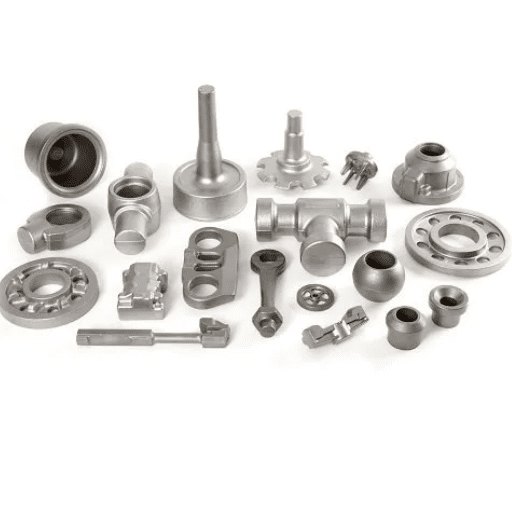
The selection of the right grade of stainless steel to be forged is of utmost importance as it is the only way to get the desired mechanical properties and at the same time, perform reliably, depending on the application, with the least possible failure through the entire production cycle (not failing in harsh environments, e.g., in foams or chemical processing). Stainless steel of 5 different types or grades: austenitic, ferritic, martensitic, duplex, and PH (precipitation-hardening) or hemostatic. Each of the five types has its own features, strengths, and limitations, and that is why the different types of stainless steel can be used for the same or different forging. An overview of the factors and data to be considered in the forging of stainless steel selection is given below:
Austenitic Stainless Steels (e.g., 304, 316)
Besides being very ductile, excellent corrosion resistance is one of the main features of these grades, which means they are suitable for environments like marine or chemical processing, etc., and the areas where they are used would be very harsh and have the utmost exposure. They are also non-magnetic and work well even in extremely low or high temperatures. To illustrate, the presence of molybdenum in 316 stainless steel increases its ability to resist pitting and crevice corrosion almost to that of 304 grade steel which is by far the most resistant steel.
Ferritic Stainless Steels (e.g., 430, 434)
The ferritic grades offer moderate corrosion resistance but are more economical than the austenitic grades. The automotive industry is one of the places where auditors (highly resistant to oxidation at high temperatures) are likely to be found, especially in the fittings and other applications. The lower nickel content in their composition makes these steels cheaper and at the same time, they have better thermal conductivity.
Martensitic Stainless Steels (e.g., 410, 420)
The grades in this category exhibit high strength and hardness after heat treatment, making them suitable for applications such as cutlery, surgical instruments, and high-strength fasteners. Martensitic grades of stainless steels cannot be classified simply as low strength because they have the resistance to wear that is twice the level of non-martensitic stainless steel like 304 and 316.
Duplex Stainless Steels (e.g., 2205)
Duplex stainless steels. Differentiating between austenitic and ferritic (the latter having a higher ductility), they combine the properties of these grades giving excellent tensile strength and corrosion resistance. They go through both oil and gas, chemical plants, and marine structural components.
Precipitation-Hardening (PH) Stainless Steels (e.g., 17-4 PH)
The PH grades give imposing mechanical properties via heat treatment, and at the same time, they have corrosion resistance. They are commonly used in the aerospace, nuclear, and medical sectors to produce components with high strength.
Data and Key Considerations for Stainless Steel Forging
Melting points and forging temperatures:
Austenitic grades: 1900–2200°F (1038–1204°C), ferritic grades: 1450–1750°F (788–955°C). Temperature control during forging must be precise to avoid defects and maintain the material’s integrity.
Corrosion Resistance:
Stainless steels alloyed with more chromium (Cr) and molybdenum (Mo), 316 or duplex 2205 for example, give the best resistance to pitting and oxidation.
Mechanical Properties:
Below is a table showing the main mechanical properties of popular stainless steel grades that are mostly used in forged:
Cost Efficiency:
The raw materials, especially nickel and molybdenum content, will be an important factor to consider in performance requirements.
Conclusion: Accurate material selection requires understanding these grades and the specific needs of the application, resulting in high-quality, strong, durable, and fit-for-purpose forged parts.
Common Stainless Steel Grades
Steel with a stainless finish is the general designation for various types of stainless steel, which are also identified by their compositions, mechanical properties, and specific applications. The following gives a detailed perspective that mirrors both cutting-edge industry data and the developments in material science:
304 Stainless Steel
Composition: The primary composition consists of 18-20% Chromium, 8-10.5% Nickel, and tiny percentages of Carbon, Manganese, and Silicon, and, in some cases, Molybdenum.
Mechanical properties are as follows:
- Tensile strength is around 515 MPa
- Yield strength is around 205 MPa
- Elongation at break is around 40%
Corrosion resistance: it has excellent resistance to oxidation and corrosion across a wide range of environments, including mildly acidic and marine environments.
Application: Due to its strength, workability, and low maintenance requirements, it is typically used in kitchens, piping, storage tanks, and architectural ornamentation.
316 Stainless Steel
Composition: The composition is almost the same as 304 but with 2-3% Molybdenum which greatly improves the corrosion resistance.
The following are Mechanical Properties:
- Tensile Strength: ~515 MPa
- Yield Strength: ~290 MPa
- Elongation at Break: ~50%
Corrosion Resistance: Very good, especially in environments rich in chlorides, which makes it suitable for marine and chemical processing applications.
Applications: the metal is notably used in marine hardware, medical implants, chemical containers, and high-performance piping systems.
410 Stainless Steel
Composition: The composition consists of primarily Chromium (~12%), lower Nickel content, and a larger Carbon percentage providing hardness.
Mechanical Properties:
- The tensile strength of the product is ~410-520 MPa
- Yield strength is ~275 MPa
- Elongation at Break is ~25%
Corrosion Resistance: it is limited compared to 300-series because it has a lower level of Chromium and Nickel. It is the best in mild atmospheric and non-corrosive environments.
Applications: it is perfect for cutlery, surgical instruments, screws, and bolts where hardness and wear resistance are main concerns.
17-4 PH Stainless Steel
Composition: A mixture of Chromium (~16.5-17.5%), Nickel (~3-5%), and small amounts of Copper and Niobium.
Mechanical Properties:
- The product’s tensile strength is ~860-1010 MPa
- The yield strength is ~725 MPa
- Elongation at Break is ~12%
Corrosion Resistance: it has high resistance to stress corrosion cracking and very good general corrosion resistance in moderate conditions.
Applications: it is used a lot in aerospace, chemical and petrochemical industries, and also for turbine blades and nuclear waste containers.
2205 Duplex Stainless Steel
Composition: A well-balanced mix of Austenitic and Ferritic steels with 22% Chromium, 5% Nickel, and 3% Molybdenum.
Mechanical Properties:
- Tensile Strength: ~620 MPa
- Yield Strength: ~450 MPa
- Elongation at Break: ~25%
Corrosion Resistance: The grade shows really high resistance, especially in cases of chloride-stress and high-temperature situations.
Applications: Heat exchangers, desalination plants, offshore oil platforms, and chemical process equipment all get to enjoy a long service life with 2205 grade.
Summary: The flexibility and performance of stainless steel stem from its ability to withstand diverse service environments. The right choice will guarantee efficiency in application, long life, and cost savings.
Properties of Different Stainless Steels
Different grades of stainless steel have unique characteristics suited to various industrial applications. Below are the comprehensive properties of five typical types of stainless steel:
Austenitic Stainless Steel (304 and 316)
Composition: High chromium and nickel content; while 316 steel includes molybdenum for enhanced resistance to corrosion.
Corrosion Resistance: Great in general atmospheric and moderate chloride environments.
Mechanical Properties:
- Yield Strength (0.2% Offset): ~215 MPa (304), ~240 MPa (316)
- Tensile Strength: ~505 MPa (304), ~515 MPa (316)
Applications: Food processing equipment, medical instruments, chemical storage tanks, and marine parts (316).
Ferritic Stainless Steel (430)
Composition: Low chromium content; very little nickel (approx. 17% chromium).
Corrosion Resistance: Average; mainly approved for non-aggressive environments.
Mechanical Properties:
- Yield Strength (0.2% Offset): ~275 MPa
- Tensile Strength: ~450 MPa
Applications: Car trims, household appliances, and building materials.
Duplex Stainless Steel (2205)
Composition: Equal amounts of austenitic and ferritic phases; consists of chromium, molybdenum, and nitrogen for strength.
Corrosion Resistance: Excellently resistant to chloride stress, pitting, and crevice corrosion.
Mechanical Properties:
- Yield Strength (0.2% Offset): ~450 MPa
- Tensile Strength: ~620 MPa
Applications: Heat exchangers, seawater-handling systems, and chemical processing equipment.
Martensitic Stainless Steel (410)
Composition: Medium amount of chromium, little to no nickel, and higher carbon for hardenability.
Corrosion Resistance: Good in low-corrosion places, less in aggressive ones.
Mechanical Properties:
- Yield Strength (0.2% Offset): ~275 MPa
- Tensile Strength: ~500 MPa if heat-treated
Applications: Silverware, surgical tools, and turbine blades.
Precipitation Hardening Stainless Steel (17-4 PH)
Composition: Chromium, nickel, and copper, plus aluminum or titanium for hardening.
Corrosion Resistance: Around the same as 304 in moderate environments.
Mechanical Properties:
- Yield Strength (0.2% Offset): ~1170 MPa (heat treatment applied)
- Tensile Strength: ~1310 MPa
Applications: Aerospace, chemical sectors, and high-performance mechanical parts.
Conclusion: Knowledge of these in-depth properties will help in selecting materials that are just right for the operations, taking strength, corrosion resistance, and cost-effectiveness into account.
Corrosion Resistance and Strength Considerations
Selecting the right materials for high-performance applications requires a thorough evaluation of their corrosion resistance and mechanical strength, the two most important factors in determining long-term reliability and efficiency. Below are five detailed considerations, together with data and explanations, that emphasize the interaction between corrosion resistance and strength:
1. Pitting Corrosion Resistance
Pitting Resistance Equivalent Number (PREN): Materials with higher PREN values, such as duplex stainless steels, exhibit excellent pitting resistance in chloride-rich environments. For instance, a duplex grade with PREN of 35-40 surpasses the standard 304 stainless steel (PREN ~19).
2. Stress Corrosion Cracking (SCC) Resistance
Super austenitic alloys and high-nickel alloys are among the materials that are absolutely resistant to SCC in chlorides or high-temperature areas. For example, Alloy 625 is very much resistant to SCC in marine and chemical plant operations.
3. Yield Strength vs. Corrosion
Raising a material’s yield strength through heat treatment or alloying can, at times, also lower its overall corrosion resistance. For instance, precipitation-hardened stainless steels, such as 17-4 PH, have high strength (~1170 MPa) but are prone to localized attack if not adequately monitored in corrosive environments.
4. Galvanic Corrosion Behavior
With the use of dissimilar metals together, galvanic corrosion cannot be avoided and it must be managed by ensuring proper selection and isolation using materials that have compatible electrochemical potentials. Pairing aluminum (anodic metal) with stainless steel is one example where insulation is needed to prevent rapid corrosion.
5. Temperature-Dependent Performance
At high temperatures titanium alloys are the only materials that surpass conventional stainless steels regarding both creep resistance and oxidation stability. However, in aggressive acids, corrosion rates increase when the temperature exceeds certain critical levels unless protective coatings or inhibitors are used.
Summary: Through systematic analysis of these considerations, engineers can optimally choose materials that establish a balance between structural integrity, long-term corrosion resistance and application-specific requirements.
Trends and Advancements in Stainless Steel Forging
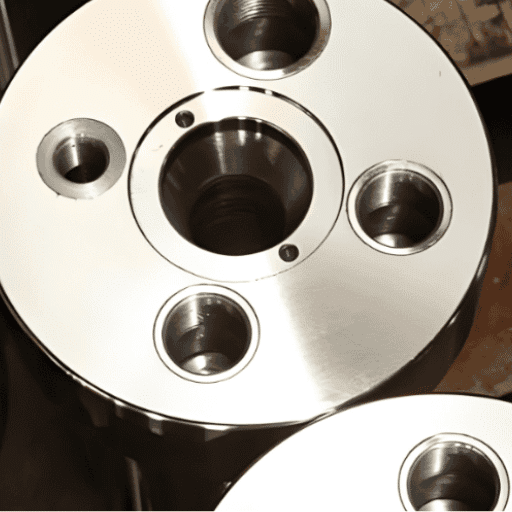
Recent technological innovations in stainless steel forging are mainly driven by the growing need for materials that can withstand extreme conditions without compromising efficiency or the environment. The combination of high-performance alloy compositions, precision forging techniques, and innovative computational mastering have changed the whole scenario of stainless steel usages among these developments.
1
High-Performance Alloy Development
The current studies have led to the development of duplex and super-austenitic grades with improved mechanical and corrosion-resistance properties. To illustrate, duplex stainless steels like the UNS S32205, for example, now have a yield strength which is around a couple of times higher than the yield strength of the traditional austenitic grades. What’s more, the new duplex stainless steel still exhibits resistance to stress corrosion cracking and related issues. Variations in the composition of the alloy also include using higher nitrogen, which leads to strong steel with good resistance to pitting.
2
Precision Forging Techniques
The development of isothermal and near-net-shape forging has advanced forging to new levels of precision. The new techniques enable the production of parts that are very close to the desired final shape thus reducing the waste of raw material as well as the cost and time for finishing. A recent survey shows that near-net shape forging can reduce material waste by nearly 30%. This not only dramatically improves the energy efficiency of the production process but also spreads the benefits widely.
3
Additive Forging Innovations
The combination of AM (additive manufacturing) and traditional forging is, without any doubt, a major technological development. Manufacturers can produce components with outstanding geometrical complexity and superior grain structures by using AM to produce complex preforms, then forging to impart suitable microstructural properties. There has been significant growth in the aerospace and medical sectors; for some applications, lead times have been reduced by up to 50%.
4
Advanced Simulation and Modeling
Today, advanced software is available to help optimize parameters such as temperature control, strain distribution, and grain refinement. Along with the software, the finite element analysis (FEA) and machine learning models enhance predictive capabilities, allowing manufacturers to eliminate the trial-and-error approach to high-cost, time-consuming processes. For instance, using FEA to predict die wear increased production efficiency by almost 20% compared to the usual methods.
5
Environmental and Sustainable Practices
Sustainability is increasingly becoming paramount for operations in stainless steel forging. The adoption of energy recovery systems, waste recycling, and eco-friendly lubricants is one of the eco-friendly practices gaining ground in forging processes. The practice of closed-loop production systems already used in forging has reduced CO2 emissions by 15% annually, thereby supporting global sustainability efforts.
Key Insight: The technologies discussed above are indicators of the industry’s continuously changing dynamics, its evolution through innovation, and the adoption of modern technical approaches. Engineers and manufacturers are therefore enabled to create parts that meet even the most complex and high-performance requirements by applying these trends. This indicates the durability of stainless steel forging sector, which will then be able to induce and continue to be the next best thing in industrial and technological breakthroughs.
Recent Innovations in Forging Technology
The recent improvements in forging technology have played a vital role in meeting the changing requirements of modern industries such as aerospace, automotive, and energy. One significant development is the use of computer-aided design and simulation methods during forging. These methods enable engineers not only to foresee the material’s change but also to select the best die and limit waste to a minimum, leading to improved productivity and lower costs. Some research shows that simulation-based forging can result in a 30% reduction in the time to market, thus, it has become an integral part of the modern-day manufacturing process.
In addition to the above, the use of high-performance alloys and hybrid composites is a significant innovation in the forging of new-age materials. The employment of superalloys in the aerospace sector is one such example where not only longevity, but also, better performance in the challenging environment is sought, and, on the other hand, hybrid materials which have both the inherent properties of being light and being strong, are competing with automakers that want to hit their fuel efficiency targets.
The introduction of automation and robotics has significantly changed the forging industry. Modern smart forging systems are composed of a combination of automated presses and robotic arms; thus, the precision and consistency in the production of large quantities with human participation are now at the minimum-error level. Recent studies indicate that automated forging processes can increase output by up to 25%, demonstrating their significant contribution to business expansion.
Moreover, eco-friendliness and sustainability have become major concerns in the forging industry. Further, energy-efficient induction heating systems have led to reduced energy use during the forging process. According to studies, the modern induction-based systems can save almost 50% energy compared to the old heating methods which are in line with the industry’s main aim of reducing carbon emissions and improving environmental performance.
The emergence of new technologies, such as AI and machine learning, will undoubtedly drive greater innovation in forging. AI-powered predictive maintenance is widely adopted to reduce the time machines are not producing parts, while real-time data analytics optimizes the process at every stage. These technological advancements signify the ever-changing path of technological development, driven by the growing demand for complex, high-performance parts across industries.
Industry Trends Influencing Material Selection
In the forging industry, material selection is primarily driven by new trends focused on performance, sustainability, and cost-efficiency. One of these trends that is making the most noise is shunning heavy materials in favor of light ones as more and more automotive and aerospace industries are taking up the cause of lightweight materials. For example, the demand for super aluminum alloys and ultra titanium has not only increased but is also expected to continue increasing with the global titanium market predicted to grow at a CAGR of 5.2% from 2023 to 2030 due to the gradual but certain shift of the design aspect towards the lightweight trend. The given materials, although lighter in weight, still possess the same strength and hence, to the extent of the weight cut, the fuel consumption and emissions are accordingly reduced.
The sustainability issue, on the other hand, is one of the most important points that are increasingly being considered in the industry. The environmental regulations that have been established and the goals of the world’s climate have made eco-friendly materials and recycling processes the most in demand and attractive. The recycled steel and other eco-friendly alloys are winning over more customers, as a 2022 report by the International Council on Materials Recycling projected a 12% increase in the use of recycled materials across all industrial sectors. This is in concert with the larger initiative to reduce carbon emissions and to instill circular-economy practices.
Moreover, the advent of digital technologies such as AI and machine learning in materials science is accelerating the discovery of suitable materials. To illustrate, the creative algorithms are now so accurate that they can predict how the material will perform even under the harshest conditions, which in turn aids in selecting the appropriate alloys based on the company’s operational requirements. This scenario is very much the case in sectors like energy and defense which are using high-performance materials that have to endure extreme conditions of stress and temperature.
These trends highlight a shift in thinking, where the choice of material means not only the best performance but also alignment with rapidly changing technological, environmental, and economic needs. If the forging industry adopts advanced technologies and keeps up with global standards, it will not only be able to meet modern engineering demands but also remain true to its sustainability promise.
Environmental Considerations in Forging
In my view, environmental factors in the hot metal working process, i.e. forging, are mainly focused on the reduction of energy usage, the minimization of waste production, and the use of eco-friendly materials and practices. By applying advanced technologies such as energy-efficient heating and precision forging, carbon emissions can be reduced while improving resource utilization. Also, recycling systems for scrap materials and compliance with regulatory standards are among the measures that would incorporate sustainability into the forging process, making it not only eco-friendly but also in line with global environmental priorities.
Practical Insights for Manufacturers and Engineers

Numerous advancements and strategies for sustainability in forging operations have been developed and they can be perfectly aligned with the environment. Recent industry data show that closed-die forging can be adopted, as it reduces material waste by 20% compared to the conventional open-die process. A recent study, published in 2023, reported that the use of energy-efficient induction heating furnaces could lead to 30% energy savings compared to standard gas-fired furnaces.
The incorporation of IoT (Internet of Things) devices and AI-driven monitoring systems into forging processes can enable real-time data collection and analysis, thereby enabling predictive maintenance and ultimately reducing downtime. As a result, operational efficiency can increase by 15%-25%, and total carbon emissions associated with production will be lower.
The use of alternative materials has been a critical insight, such as high-strength aluminum alloys or recycled metals, which are practically equivalent to virgin materials in terms of performance but have a 50%-60% lower environmental impact. Some sustainability research indicates that the world could reduce industrial waste by 45% by 2040 if the principles of the circular economy, such as remanufacturing and upcycling, are widely adopted.
Moreover, obtaining certification to international standards such as ISO 14001 for Environmental Management Systems provides manufacturers with a structured framework to evaluate, track, and improve their environmental performance. Partnering with other industry players and sharing sustainability metrics openly not only helps meet required standards but also builds trust with customers and partners.
Recommendation: The adoption of these evidence-based strategies will allow manufacturers and engineers not only to improve the efficiency and sustainability of the forging process but also to contribute to the global environmental challenge.
Choosing the Right Stainless Steel Grade
The choice of the right stainless steel grade is of utmost importance not only for meeting the specific application requirements but also for the longevity of the material and for optimizing performance. Stainless steels are grouped into five basic families—Austenitic, Ferritic, Martensitic, Duplex, and Precipitation-Hardening—each family with distinct characteristics and thereby being appropriate for different industrial uses. The most significant factors in determining the right grade still remain to be the material’s properties among others, which include corrosion resistance, temperature resistance, and the requirements for fabrication.
Austenitic Stainless Steels
Stainless steels of this type are the most popular and, as a result, account for the largest proportion (approx. 70%) of total world production. 304 and 316 are two grades that people frequently choose when in this category.
- 304 Stainless Steel is recognized for its superb corrosion resistance, ease of welding, and efficient use in many applications. Its application areas include kitchen equipment, chemical processing, and architectural uses.
- 316 Stainless Steel, which is alloyed with molybdenum, offers greater resistance to pitting and crevice corrosion, making it ideal for marine environments and industries that handle chlorides or acids.
Ferritic Stainless Steels
These steels share similar magnetic properties and are affordable. This group also includes Grade 430 and has good resistance to oxidation but it is less corrosion resistant than the austenitic grades. Hence, they cannot be used in extreme environments where austenitic grades could be encountered.
Martensitic Stainless Steels
This category includes grades such as 410 and 420, which offer a balance of hardness and limited corrosion resistance. These are being applied in high-strength areas like knives, turbine blades, and surgical instruments. On the other hand, Martensitic steels are usually less weldable and less corrosion-resistant than austenitic or duplex steels.
Duplex Stainless Steels
One example of a duplex grade is 2205, which offers a good balance between the acuteness of the high-strength properties of the austenitic and ferritic sides, along with excellent resistance to pitting and stress corrosion cracking. Because of this they are appropriate for such demanding industries as offshore oil and gas, petrochemical plants, and heat exchangers.
Precipitation-Hardening Stainless Steels
The 17-4 PH is a precipitation-hardening steel characterized by its ability to achieve extremely high strength through heat treatment. The aviation and defense industries most commonly use such steels.
Key Selection Criteria and Performance Data
When selecting a stainless steel grade, the following factors should be considered along with the corresponding data:
Corrosion Resistance
The Pitting Resistance Equivalent Number (PREN) is a widely accepted criterion for measuring pitting corrosion resistance. Figures like these can be provided as examples:
- 304 Stainless Steel has a PREN of about 18.
- 316 Stainless Steel has a PREN of over 23 due to its molybdenum content.
- Duplex 2205 can achieve a PREN of more than 35, providing much better performance in chloride-containing environments.
Mechanical Strength
The ratio of the ultimate tensile strength to yield strength varies significantly among the different grades. As an example:
- 304 and 316 have tensile strengths of approximately 510 MPa and 480 MPa, respectively.
- Duplex 2205 presents even higher tensile strength, the limit being often over 620 MPa hence providing greater usability in the case of structural applications.
Temperature Resistance
The A 310 and A 321 grades, among others, are designed to withstand high temperatures, sometimes above 1000°F, which is why they are good for heating exchangers, heating, and combustion chambers.
Fabrication Considerations
The austenitic grades, such as 304 and 316, are difficult to form or weld and require preheating and post-weld annealing to ensure strength and durability. In contrast, the grades such as 410 and 420 are easier to form and weld and do not require preheating or post-weld annealing.
Recommendation: By carefully scrutinizing the operational environment, application requirements, and material costs, engineers can select the most suitable stainless steel grade, which will consequently lead to longevity, increased functionality, and improved project efficiency. On top of that, the assurance that the quality and standards of the industry, like ASTM International for example, are being followed can also be found while sourcing from respected suppliers.
Meeting Forging Needs with the Right Techniques
Forging is a pivotal manufacturing process that inherently provides higher mechanical properties, including strength, toughness, and fatigue resistance. Choosing the right forging methods is of utmost importance to be able to satisfy specific operational needs and at the same time to not compromise material characteristics. Below is the information about the five most commonly employed forging techniques and their practical applications in detail:
1
Open-Die Forging
Open-die forging is done with flat or simply shaped dies that do not fully enclose the workpiece, and therefore, the process is flexible. This method is mainly used for the production of large components such as shafts or rings and produces good grain flow and material being of good quality. The technique is mostly used for low-volume production because it remains efficient.
2
Closed-Die Forging
Impression-die forging is another name for this process, which makes use of dies that completely cover the material, resulting in very detailed and precise shapes. Closed-die forging is suitable for mass production of complex parts, like those in the automotive industry. Material waste is decreased and dimensional precision is improved, however, the initial tooling investment cost is higher.
3
Seamless Rolled Ring Forging
This innovative approach entails the generation of a strong, round ring by making a hole in a big workpiece and rolling it into the right shapes. It possesses great strength and is generally applied for the manufacturing of aerospace, energy, and industrial, etc. components like blanks for gears and turbine rings.
4
Cold Forging
Cold forging is performed at around room temperature, and it results in the production of parts with outstanding surface textures and exact sizes no cutting operation is needed afterward. This process is widely used for making fasteners and other metal components for cars, and at the same time it increases the hardness of the material through ‘work hardening’ while maintaining the cost benefits.
5
Isothermal Forging
The key isothermal forging feature is keeping the die and material at the same temperature throughout the process. This method is particularly suited for forging high-performance alloys such as titanium and superalloys used in aerospace and medical applications. Isothermal forging results in a uniform grain size throughout the part; hence, fewer defects occur and the component’s overall reliability is increased.
Summary: The right forging method, combined with performance and project requirements, extracts the best from the material used and demonstrates the efficiency and quality of a production process that meets or even surpasses industry standards. Each technique offers unique benefits tailored to specific engineering needs.
Future Directions in Stainless Steel Forging
Technological, materials science and manufacturing strategy advances will provide the ultimate boost to the future of stainless steel forging. Below are five most essential directions that are driving the progress in this field:
Additive Manufacturing Integration
The integration of forging with additive manufacturing methods, including 3D printing, is being examined to improve accuracy and reduce material waste. According to studies, the use of hybrid manufacturing methods can reduce the time to produce parts by as much as 30%, enabling the production of complex shapes while maintaining the strength and durability of forged materials.
Advanced Simulation and Modeling Tools
The extensive use of advanced simulation and modeling tools, including computer-aided design and Finite Element Analysis (FEA), is being observed. These simulations make it possible to optimize production processes, foresee material’s behavior in extreme conditions, and reduce the number of defective products, which can lead to a whopping 20% increase in production cycle efficiency.
Sustainable and Energy-Efficient Processes
Sustainability, which is becoming increasingly important, is the main reason forging methods are becoming more environmentally friendly. One example is the use of high-efficiency induction heating, which can reduce energy consumption by about 15–25% compared to traditional heating methods, thus aligning the industry with carbon footprint reduction targets.
High-Performance Alloys and Superalloys
Aerospace, nuclear and medical industries are the prime sectors pushing the research for new stainless steel alloys. Such innovations include duplex and precipitation-hardened alloys with outstanding properties of corrosion resistance, thermal stability, and mechanical strength at very high and very low temperatures.
Automation and Smart Manufacturing
Stainless steel forging is undergoing a rapid, significant transformation driven by automation, including robots and smart manufacturing systems. Sensors connected via IoT and real-time monitoring not only enhance accuracy but also catch defects in the early stages and ensure that the quality is uniform. Manufacturers that have adopted these systems report labour cost reductions of up to 40% and a significant increase in operational precision.
Future Outlook: With the mentioned advancements in place, the stainless steel forging industry stands a good chance of becoming the most efficient, precise, and environmentally-friendly industry thereby satisfying the ever-changing needs of engineering applications globally.
References
- Optimization of industrial processes for forging of carbon and stainless steels
This paper discusses the forging process for stainless steel components and the criteria for material selection.
Read the article here - Forging of stainless steels
A comprehensive guide on forging methods, primary mill practices, and operations for stainless steels.
Read the article here - Prediction optimization of mechanical properties of ferrite stainless steels after forging treatment
This paper focuses on optimizing the mechanical properties of forged stainless steel using advanced techniques.
Read the article here