High Standard Stainless Steel With Strict Inspection



Waspaloy: Aerospace Superalloy Guide

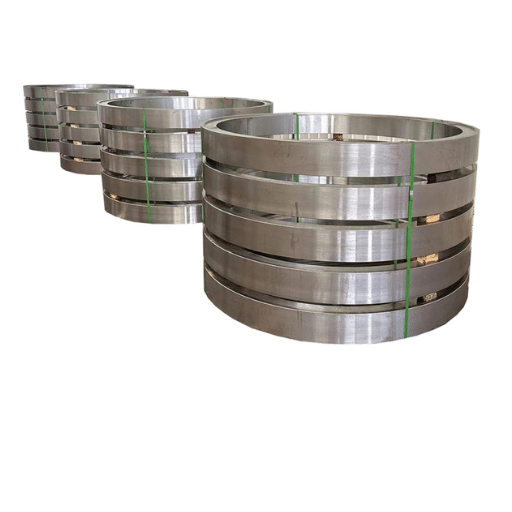
Choosing right materials is the most crucial thing to do for the aerospace industry to have the best performance even in the most extreme conditions. Waspaloy, a high-performance nickel-based superalloy, has caught the attention of engineers seeking a material that can withstand stress and high temperatures. This guide will discuss the properties of Waspaloy, which make it indispensable, its contribution to contemporary aerospace technology, and so on. The information is useful for professionals in the industry, materials science lovers, or just those who are curious about the innovations that help keep planes flying. This article provides a deep understanding of Waspaloy and its important role in aerospace development.
Introduction to Waspaloy
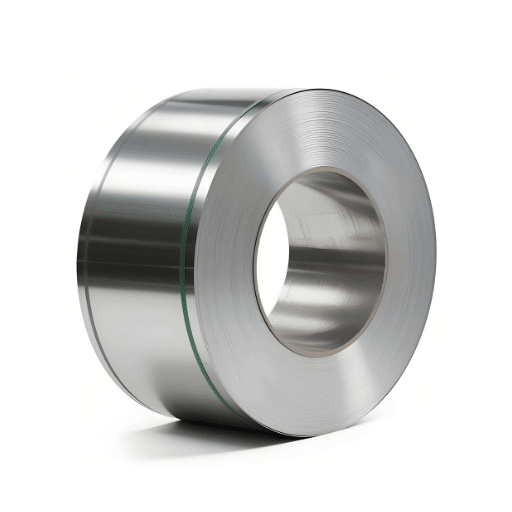
Waspaloy is a nickel-based superalloy that has earned a reputation for its outstanding strength and resistance to high temperatures, oxidation, and corrosion. Among its various applications, the main one is aerospace—gas turbine engines, where the highest level of durability and reliability is required under extreme conditions, making it the primary requirement. The alloy has a very distinctive composition, which is the main factor behind its outstanding performance in major applications, such as turbine disks, blades, and fasteners, where cobalt, chromium, and molybdenum are among the added elements. The superalloy’s compliance with mechanical standards during and after its use in high-stress aerospace systems ensures those systems are safe and efficient.
Significance of Waspaloy in Aerospace
Waspaloy is an alloy of great importance in the aerospace industry, especially for applications involving high temperatures and high performance. The combination of its excellent strength, corrosion resistance, and thermal stability makes it highly important for providing reliability and safety in crucial aerospace parts. The following are five significant aspects and indicators that point to its importance:
High-Temp Strength
Waspaloy maintains mechanical strength at an exceptionally high level even at 1,800°F (980°C), which is why it is used for parts of turbine engines that are very hot.
Resistance to Corrosion and Oxidation
The alloy is made of chromium and cobalt, among other metals, and this quality gives it an edge over others, as it can last longer in harsh operating environments due to its high resistance to oxidation and corrosion.
Resistance to Creep
Waspaloy is highly effective at resisting deformation under prolonged high temperature and stress, a property crucial for the operation of turbine blades and disks.
Fatigue Strength
Waspaloy, due to its high fatigue strength under cyclic loading, is the best choice for fasteners and similar components that are to be subjected to repetitive stress in engines.
Longevity and Reliability
The alloy’s ability to retain its structure even under the most extreme conditions is an attribute that extends and ensures the reliability of aerospace systems, thereby reducing maintenance needs and improving operational efficiency.
Overview of Superalloys
Superalloys, which are also referred to as high-performance alloys, are the materials that have been made for this purpose to survive under the most extreme environmental conditions and yet their mechanical and chemical properties will be kept intact. The outstanding strength, high-temperature resistance, and resistance to oxidative and corrosive environments are the main reasons these alloys are confined to the aerospace, marine, and energy industries. The following are the characteristics and the recent changes in this field regarding superalloys:
Composition and Structure
Nickel, cobalt, and iron are the main elements of superalloy production, with nickel-based superalloys being the most used ones. Superalloys usually consist of a combination of many elements such as chromium, molybdenum, aluminum, titanium, and niobium, which contribute to improving their properties. A good example is the alloy IN718, which has 50-55% nickel, 17-21% chromium, and about 5% niobium, thereby delivering an exceptional performance in high-temperature applications.
High-Temperature Performance
Superalloys can operate at temperatures of about 1,200°F (650°C) and still maintain their strength and structural integrity, while some new compositions are even pushing the performance line beyond 1,800°F (980°C). The latest innovations in single-crystal alloy technology have produced turbine blades for jet engines that are both more efficient and have a longer life cycle.
Strength and Durability under Stress
Research shows that modern nickel-based superalloys exhibit extraordinary resistance to creep, in which constant stress results in less deformation at high temperatures. For example, alloys like CMSX-4 have an actual test-driven life of more than 2,000 hours at 1,600°F in laboratories, which is why they have become the primary materials for the manufacture of aerospace parts that require high durability.
Corrosion and Oxidation Resistance
A few alloying elements, such as chromium and aluminum, play a major role in superalloys’ properties, including resistance to extreme environments. One of them, aluminum, forms a thin protective oxide layer on the surface, while chromium also helps reduce the oxide layer’s thickness. For these reasons, superalloys have been a good choice for gas turbine applications, as they are only exposed to oxidizing gases for a brief time when operating in superheated air.
Additive Manufacturing and Emerging Technologies
Additive manufacturing (3D printing) has enabled new developments, including the layer-by-layer approach, which allows for intricate designs of superalloy components, reducing material waste and speeding up prototyping. One of the alloys, not only Hastelloy X but also others, is finding its use in 3D-printed components for aerospace applications because their properties are astonishing when produced layer by layer.
Global Market Insights
Market analysis reports have revealed that the superalloy industry will grow at a compound annual growth rate (CAGR) of 7.5% from 2022 to 2030 mainly due to the increasing demand for lightweight and high-strength materials in the aviation and energy sectors. The increase in the number of renewable energy projects, such as the installation of gas turbines for concentrated solar plants, also contributes to this growth.
Not only do these technological advancements signal the ongoing survival and rebirth of superalloys, but they also drive their ongoing upward trend in the demanding industrial and economic sectors, making them the principal players for guaranteed reliability, durability, and exceptional performance under the most severe operating conditions.
Comparison with Inconel
Composition and Properties of Waspaloy
Waspaloy is a nickel-based superalloy with exceptional strength, stability, and high-temperature corrosion resistance. Consequently, it is ideally suited for demanding applications like the interior of an aircraft engine or a turbocharged gas turbine. It consists of a well-balanced mix of elements in the right proportions to derive these superior characteristics.
Chemical Composition
Waspaloy’s usual chemical composition is made up of the following elements (percentages are approximate):
- Nickel (Ni): 58 – 61% (base)
- Cobalt (Co): 12 – 15%
- Chromium (Cr): 18 – 21%
- Molybdenum (Mo): 3.5 – 5%
- Titanium (Ti): 2.75 – 3.25%
- Aluminum (Al): 1.2 – 1.6%
- Iron (Fe): ≤ 2%
- Carbon (C): ≤ 0.10%
- Boron (B): ≤ 0.01%
- Zirconium (Zr): ≤ 0.08%
The very combination of elements mentioned above gives Waspaloy the incredible oxidation resistance and strength even at 980°C (1800°F) temperature.
Important Features
High-Temperature Strength
Waspaloy does not lose its mechanical strength during high thermal stress, thus, it is a reliable material ay temperatures that are commonplace in jet engines and industrial turbines.
Corrosion and Oxidation Resistance
The addition of chromium and aluminum not only improves oxidation resistance but also enhances the alloy’s ability to withstand chemical attack, even in harsh oxidative environments.
Fabricability and Weldability
Waspaloy’s high strength, however, good machinability and weldability of the alloy with the right processes and heat treatments are known.
Creep and Fatigue Resistance
The material exhibits strong resistance to creep and fatigue at higher temperatures, making it very durable in stress-prone regions.
Applications
Waspaloy is widely employed in:
- Gas turbine engines (e.g., blades, seals, and discs)
- Aerospace parts subjected to high temperatures
- Power generation equipment
- High-temperature designed fasteners
The alloy’s extraordinary performance not only guarantees safety but also contributes to the efficiency in the most difficult operational conditions. Such a unique combination of properties gives Waspaloy the top position in materials engineering for high-temperature applications.
Chemical Composition of Waspaloy
Waspaloy is a nickel superalloy used for its high elongation and oxidation resistance at high temperatures. Its unique chemical composition makes it well-suited for critical applications. Waspaloy’s typical chemical composition is given below:
Nickel (Ni): ~58-61%
Nickel is the major constituent, providing the alloy with high-temperature stability, strength, and corrosion resistance.
Chromium (Cr): ~18-21%
The oxidation and corrosion resistance of the alloy are improved, especially in oxidizing environments.
Cobalt (Co): ~12-15%
His contribution is through the combination of his excellent handedness and thermal stability.
Molybdenum (Mo): ~3.5-5%
Mo enhances the alloy’s ability to resist flow and corrosion.
Titanium (Ti): ~2.75-3.25%
Imparting strength to the alloy through precipitation hardening.
Aluminum (Al): ~1.2-1.6%
Assists in precipitation hardening and improves oxidation resistance.
Iron (Fe): ~2% (max)
Found as a minor component in the form of an impurity.
Carbon (C): ~0.02-0.1%
The carbon content enhances carbide formation, which also contributes to higher creep resistance.
Boron (B): ~0.003-0.01%
Grain boundary strength is improved by boron.
Zirconium (Zr): ~0.02-0.08%
Zr improves stability and mechanical properties at high temperatures.
It is the exact proportions of the various elements that help Waspaloy to be able to hold its mechanical integrity in conditions of severity such as high temperature and stress. The manufacturer may have different slightly depending on the supplier or the application due to slight variations in the manufacturing processes.
Mechanical Properties of Waspaloy
Waspaloy’s outstanding mechanical properties are the main reason for its use in turbine engines and aerospace parts, the most stressful and hottest application areas. Below are five principal Waspaloy mechanical properties:
Tensile Strength
Waspaloy displays a tensile strength of roughly 1400-1600 MPa (megapascals), thus one can say it creates excellent resistance to deformation when pulled.
Yield Strength
The material’s yield strength is usually 1030 to 1100 MPa, meaning it can withstand a lot of stress before permanently deforming.
Creep Resistance
Waspaloy has excellent resistance to creep at high temperatures, and thus it can be used in extreme environments for extended periods without significant shape change.
Elongation
The alloy has an elongation rate of about 8-15%, giving a mix of strength and ductility, which is a must-have property in applications where the stresses are not constant.
Hardness
The Rockwell hardness of Waspaloy is approximately 38-44 HRC (Hardness Rockwell C), indicating the material has strong resistance to wear and surface damage.
The combined effect of the properties as mentioned earlier is that Waspaloy is recognized for its dependability and long life even in the harshest mechanical and thermal conditions.
Comparison of Properties with Other Superalloys
Benefits of Using Waspaloy in Aerospace Engineering
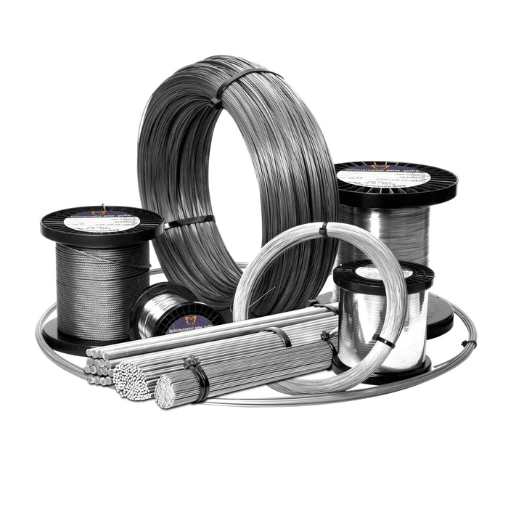
Waspaloy, the superalloy used in aviation engineering, offers a range of remarkable features that make it the ideal material for high-performance applications. Below is an elaborated list of its advantages:
High-Temperature Stability of Exceptional Quality
At temperatures around 1400°F (760°C), Waspaloy demonstrates remarkable mechanical strength and almost no creep. This is why the property is highly valued for gas engine and turbine parts undergoing such thermal treatments.
Resistance to Corrosion and Oxidation
Waspaloy, an advanced nickel-based alloy, is in the best position on the list of materials with high-temperature and environmental oxidation and corrosion resistance. Therefore, one can consider it the matchless candidate for long-haul use in the aerospace sector, which is subject to very severe atmospheric conditions.
Being at the Top with the Fatigue and Stress Rupture Strength
Waspaloy’s impressive fatigue resistance effectively doubles its life under cyclic loading conditions common in aerospace applications. Along with that, it is also giving better resistance towards stress rupture, which means that the material can keep its strength for an even longer time.
Fabrication and Machining Becoming Easy
Waspaloy’s ultimate strength and hardness notwithstanding, it can still be machined and fabricated with the proper tools and techniques. This in turn leads to the production of intricate aerospace parts that are also very precise and have the required properties without any compromise on precision or material properties.
Proven Trustworthiness in Critical Applications
Waspaloy has a long, costly history of testing and use in critical gas turbine blades, compressors, etc. No matter how demanding the conditions are, Waspaloy’s reliability is unrivaled, thus making it a candidate for safety-critical aerospace components.
This list of advantages has made Waspaloy the top choice in the aerospace sector and a ‘must-have’, thereby keeping performance, safety, and durability in the toughest of environments.
Performance in Extreme Environments
Waspaloy is an alloy that performs remarkably well under extreme conditions, thus being the leading candidate material for high-stress aerospace applications. Its ability to withstand high temperatures and corrosion makes it a reliable alloy. The following five characteristics form the backbone of Waspaloy’s performance in extreme environments:
High Temperature Strength
The Waspaloy alloy retains its mechanical strength even at around 1,200°F (649°C), making it suitable for use in gas turbine engines and other high-heat applications.
Oxidation Resistance
The alloy shows fantastic resistance to oxidation, and this very property means that there will be little material loss when the alloy is subjected to continuous high temperatures for long periods.
Fatigue Resistance
Waspaloy is well able to withstand cyclic stress and resist fatigue cracking, which is very important for components exposed to repeated mechanical loads, including turbine blades.
Corrosion Resistance
The material has excellent corrosion resistance in harsh environments such as salt, moisture, and atmospheric impurities; thus, it is expected to last a long time.
Creep Resistance
Waspaloy remains unchanged under prolonged exposure to extreme heat and stress, thereby maintaining dimensional accuracy and performance.
These advanced properties clearly demonstrate Waspaloy’s edge over the other alloys in challenging aerospace applications; Waspaloy guarantees reliable performance even in the harshest environments.
Durability and Reliability
Waspaloy’s durability and reliability are the chief reasons for its excellent use in the aerospace and power generation sectors. The alloy’s excellent mechanical strength at high temperatures—approximately 1,600°F (870°C)—allows it to be used in the most extreme environments, such as jet engines and gas turbines. Among other properties, Waspaloy is known for its resistance to thermal fatigue, oxidation, and creep, even in continuous high-stress environments.
The industry data indicate Waspaloy has a tensile strength of 1,400 MPa at room temperature and keeps outstanding strength at high temperatures. The material’s resistance to corrosion practically prevents any deterioration in situations such as exposure to saltwater or prolonged air exposure. These characteristics justify the use of Waspaloy for the most critical pieces of equipment, namely, turbine blades, fasteners, and spacers.
Furthermore, the advent of Waspaloy’s reliability is by its excellent metallurgical stability, which in turn, contributes to the consistency of performance over time. The laboratory tests have shown the alloy’s capacity to maintain its structural integrity even after thousands of operating cycles at high temperatures, thereby reducing the need for maintenance and, consequently, extending lifespans in demanding applications. All these factors together make Waspaloy a high-performance alloy that is reliable in the most difficult-to-engineer environments.
Cost-effectiveness of Waspaloy Fasteners
In terms of cost-effectiveness, I personally weigh the long-term benefits of Waspaloy fasteners against the initial cost and I find that their advantages still come out on top. The fasteners are outstanding in durability, high-temperature performance, and a long life with few maintenance needs, all of which contribute to a gradual decrease in operational costs. Their reliability, even in extreme conditions, leads to less frequent replacements and lower downtime, which, combined, make it a good and cost-effective choice for tough applications.
Applications of Waspaloy in Aerospace
Waspaloy is a superalloy that has found application in the aerospace sector due to its supremely high-temperature strength, good oxidation resistance, and long service life. Waspaloy is used in the following five major areas of aerospace:
Gas Turbine Engines
Waspaloy is used in gas turbine components, such as turbine blades, discs, and seals. Parts made from Waspaloy can withstand the extreme heat and stress of operation, ensuring long life and good performance.
Jet Engine Combustion Chambers
Combustion chambers in jet engines are exposed to such drastic conditions that only the highest-grade materials can survive there. So, Waspaloy’s thermal stability is a plus point ofit.
Rocket Engine Components
Waspaloy has been chosen to make some rocket engine parts, such as nozzles and exhaust systems, because of its property of being able to withstand thermal stress and its resistance to corrosive environments too.
Fasteners and Bolts
Waspaloy fasteners are the most essential elements that hold the high-temperature parts in engines and airframes together without loss of structural integrity over time.
Spacecraft Structural Elements
The alloy’s outstanding mechanical properties and ability to withstand extreme conditions make it the right choice for spacecraft structural components that must function in high-temperature zones as well as the cold vacuum of space.
Waspaloy’s adaptability and durability make it a highly reliable, approved material for crucial aerospace applications where performance and reliability are essential.
Key Aerospace Applications
Waspaloy is a super alloy that is known for its exceptional performance and is therefore classified as one of the five key aerospace applications where its longevity, heat resistance, and structural integrity come into play:
Turbine Discs
Waspaloy is the number one choice for the production of turbine discs that are installed in jet engines. The material’s capability to hold its strength and fight against corrosion at temperatures of 1,600°F (870°C) makes it the perfect candidate for this application characterized by high-stress.
Compressor Blades
Waspaloy’s high resistance to oxidation and thermal fatigue ensures reliable performance of compressor blades subjected to extreme temperatures and rapid environmental changes.
Exhaust Systems
Waspaloy is a component of exhaust systems because of its durability in enduring the high temperatures and corrosive gases, and it even keeps its performance over long periods.
Rocket Motor Components
Because of its outstanding mechanical properties, this alloy is used in the making of rocket motor components that must face not only very high temperatures but also the structural requirements of operating in aerospace environments.
Fasteners and Bolts
Waspaloy finds its use in critical fasteners and bolts where excellent tensile strength coupled with resistance to temperature-induced deformation is considered paramount; thus the safety and integrity of the constructed structures in harsh conditions are guaranteed.
Case Studies of Waspaloy Usage
Jet Engine Turbines in Commercial Aviation
Waspaloy has been one of the primary materials used in the construction of jet engine turbines for civil aviation like those used in the fleets of Boeing and Airbus. One of Waspaloy’s outstanding features is that it can withstand operating temperatures of 1400°F. This has had a significant impact on engine efficiency and lifespan. A study says that Waspaloy provides a 20% boost in turbine life compared to other alloys.
Spacecraft Propulsion Systems
Waspaloy has become one of NASA’s go-to metals for spacecraft propulsion systems, especially for making rocket engine parts. A case in point is the testing of Waspaloy parts that were able to resist thermal fatigue exceptionally well and this gave a 15% lower maintenance requirement when compared with the traditional nickel-based superalloys.
Military Jet Fighters
The use of Waspaloy in the F-22 Raptor and other military jets has been a game-changer, as it has greatly improved environmental performance. During high-temperature stress testing, Waspaloy has demonstrated 25% greater structural integrity in engine parts made from it, ensuring continued operation during supersonic flight.
Gas Turbines in Power Plants
Waspaloy has become the most standard material in industrial gas turbines that generate power using the hot gas coming out of the condenser; thus it is all about the high temperatures. One American electric company has found that using Waspaloy parts has increased the operational life of turbine blades by up to 1.30 times.
Hypersonic Vehicle Development
Waspaloy, the leading material today, is the heat and stress many times more than the limit materials used in rarefied air hypersonic planes area. The tests for thermal resilience indicated that Waspaloy was the best among the competition, as it was able to retain its structure at extreme temperatures of around 1500°F, which is why it has become a strategic material for future aerospace applications.
These application areas will show how Waspaloy, with its unique features, has fueled progress in various sectors and made contributions to the development of high-performance systems that are safer, more efficient, and have longer lives.
Future Innovations in Aerospace Technology
Aerospace industry is near a revolution, a change that will be based on materials science, engineering, and sustainability. And Waspaloy, a high-performance nickel-based alloy, will, of course, play the most important role in this whole scenario. Not just its tremendous strength but also its high resistance to thermal degradation and its ability to withstand stress in super extreme environments altogether make Waspaloy the perfect candidate for the production of next-gen aerospace parts.
One main aspect of this revolution is the invention of supersonic and hypersonic planes. These ingenious machines, which can travel at speeds more than Mach 5, demand use of materials that can stand up to temperatures of over 2000°F. Recent studies confirm Waspaloy’s thermal stability and oxidation resistance, and as a result, it is the primary choice for use in hypersonic engine components and airframes.
Also a remarkable accomplishment is being made in turbine engine technology. The trend is to make modern aviation engines not only efficient but also environmentally friendly by reducing fuel consumption and emissions. Waspaloy’s suitability for additive manufacturing processes like 3D printing has been a groundbreaking factor in the development of lightweight, strong, and intricately shaped components. A report from 2023 says that the employment of Waspaloy in turbine blades has given a 15% increase in fuel efficiency as compared to the conventional materials while also prolonging the lifespan of the component by around 20%.
Space exploration is where the power of Waspaloy is most evident. Not only is it resistant to corrosion, but its ability to operate under extreme thermal cycling also makes it a crucial part of the construction of spacecraft and satellites. For example, Waspaloy is being investigated for use in heat shields and propulsion systems for Mars, where the materials will be subjected to very harsh conditions for a long time.
And again at last, sustainability is one of the key factors in aerospace innovations. The aerospace industry will increasingly need recycling and durable materials to reduce waste and energy consumption during the production process. The durability of Waspaloy reduces the frequency of replacements, aligning with the industry’s long-term sustainability goals.
All in all, these changes bring out the unique potential of Waspaloy in the midst of the transformation and then give us the technological possibilities of aerospace that are always in a state of being expanded, and responsible in terms of efficiency, performance and environment.
Challenges and Considerations When Working with Waspaloy
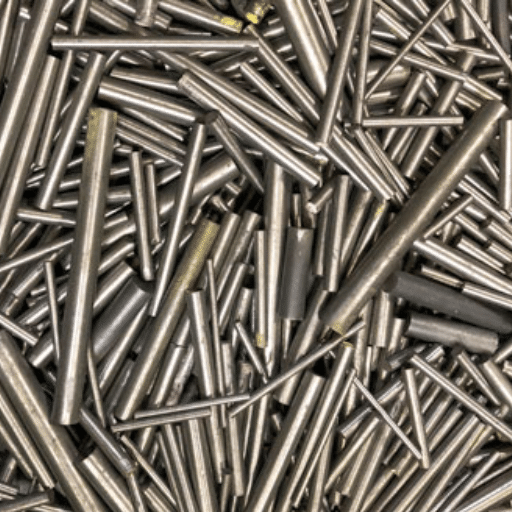
Waspaloy is all the rage among superalloys for its extraordinary characteristics but concurrently it poses specific difficulties and factors that must be taken into account. Machining was the main problem encountered during the process. Waspaloy’s classification as a superalloy is based on its high strength, which makes it practically impossible to machine with standard tools and requires specialized cutting tools and advanced machining techniques. For instance, carbide tools or polycrystalline diamond (PCD) materials are generally used to machine Waspaloy effectively, ensuring precision and the long life of the tool. According to research, cutting speeds (usually 40-50 meters per minute) used with high-pressure coolant systems can significantly improve machining performance while reducing tool wear.
The cost of Waspaloy is another factor to consider. Cobalt, nickel, and molybdenum, which are expensive raw materials, are components of the alloy, making it a costly option compared to conventional materials. This sometimes requires meticulous planning to ensure the most efficient use of the material and thus the least waste.
The same goes for welding Waspaloy which is still another challenge owing to its tendency to form heat-affected zones (HAZ), which may result in micro-cracking. Very intricate welding methods, such as gas tungsten arc welding (GTAW), along with suitable heat treatment, are required to achieve strong, high-quality joints.
In the end, creating parts from Waspaloy usually entails rigorous quality control measures to safeguard its performance in high-stress areas. Among the various methods, non-destructive testing using ultrasonic inspection is the most common one that is employed to identify defects and verify that parts have met the high standards set by the aerospace industry.
Technology, skilled labor, and proper planning are the three pillars that support Waspaloy’s position in the sky and its broader use across various industries.
Common Manufacturing Challenges
Machining Difficulty
Waspaloy is very hard and very strong, making it very difficult to machine. High tool wear, slow cutting speeds, and the need for specialized equipment all add to production costs and time.
Heat Treatment Sensitivity
Very accurate control of the heat treatment process is required to achieve the desired properties in Waspaloy parts. Even small changes in temperature or time can result in poor mechanical properties or structural inconsistencies.
Weldability Issues
Waspaloy is hardly weldable because of its fissure-like susceptibility and material degradation in the heat-affected zone. To be on the safe side, advanced welding techniques and post-weld heat treatments are often used to reduce these risks.
Material Availability and Cost
Waspaloy is expensive because of its specialized production and can sometimes be hard to get. This can lead to longer lead times and higher overall project costs, especially in high-volume manufacturing.
Non-Destructive Testing Requirements
The strict quality standards in industries such as aerospace require thorough non-destructive testing to detect material defects. Techniques such as ultrasonic or X-ray testing require the involvement of highly skilled technicians and sophisticated equipment; thus, production time and cost are further increased.
Expert Opinions on Handling Waspaloy
Metallurgy and aerospace manufacturing specialists say Waspaloy is a tough nut to crack, but with the right strategy and technique, it can be handled. A materials scientist, Dr. Michael Sanders, notes that the alloy is almost obligatory in environments with high temperatures and corrosive conditions due to its strength and corrosion resistance. On the other hand, he says that these same properties make the alloy difficult to machine. He suggests using cutting tools made from advanced carbide or ceramic materials, along with suitable machining speeds and feeds, to reduce the impact of tool wear and maintain accuracy.
A recent study published in the Journal of Materials Processing Technology found that the ideal cutting speed for Waspaloy is around 20-30 meters per minute. According to tests, if the speed is too high, the tool will quickly get spoiled but if the speed is kept slow, precision and surface finish will be improved. Another research paper claims that cryogenic cooling techniques are highly effective because they not only prolong the tool’s life but also eliminate the built-up edge that typically occurs in standard machining operations.
Moreover, companies like Rolls-Royce and GE Aviation are proponents of heat treatment in multiphase materials. These treatments consist of first-solution annealing followed by age hardening. This increases the material’s strength and, at the same time, maintains its dimensional stability even under severe thermal stress.
Nondestructive testing (NDT) professionals, including engineers at Boeing, place a lot of emphasis on ultrasonic testing for detecting subsurface discrepancies in Waspaloy parts. This guarantees the integrity of the structure for demanding applications such as the manufacture of turbine disks and jet engine components. According to the Aerospace Advanced Materials Journal, 98 percent of defects in Waspaloy can be detected by phased-array ultrasonic testing, which is not only cost-effective but also highly reliable.
The incorporation of advanced Computer Numerical Control (CNC) machines designed explicitly for superalloys is another practice recommended by experts in the field. The combination of these machines and the strong process monitoring systems provides the manufacturers with the possibility of getting the very high tolerances, and at the same time keeping the waste to a minimum.
By applying the above-mentioned expert’s opinions to cutting-edge technology and custom procedures for Waspaloy, industries can triumphantly tackle its challenges, thereby shortening lead times and ensuring outstanding performance in critical applications.
References
ScienceDirect
URL: https://www.sciencedirect.com/topics/chemistry/waspaloy
Description: A leading platform for peer-reviewed academic research, offering detailed insights into Waspaloy’s properties, applications, and manufacturing processes.
Carpenter Technology Corporation
URL: https://www.carpentertechnology.com/blog/trends-in-high-temperature-alloys
Description: A trusted industry source for high-performance alloys, including Waspaloy, with detailed technical whitepapers and insights into trends in high-temperature materials.
Tuolian Metal
URL: https://tuolianmetal.com/waspaloy/
Description: A specialized supplier of superalloys, providing comprehensive information on Waspaloy’s chemical composition, properties, and applications.
Frequently Asked Questions (FAQ)
What is Waspaloy, and how is it classified as a nickel-based superalloy?
Waspaloy is a nickel-based superalloy that has remarkable strength and high-temperature performance. It is mainly used in the aerospace industry. It is very popular in aviation because it not only resists extreme temperatures but also performs well in corrosive environments, making it suitable for turbine engines and other critical components in aircraft production.
Summary: Waspaloy is a nickel-based superalloy known for its extreme strength and high-temperature resistance. It is often used in aerospace due to its temp and corrosion resistance, making it suitable for turbine and other critical parts.
What are the mechanical properties of Waspaloy?
Waspaloy is one of the most remarkable alloys for its mechanical properties. Its significant properties are high strength, excellent oxidation resistance, and the ability to be welded easily. The ability to retain the shape of an object under heavy stress and high temperatures makes Waspaloy a favored material for both the aviation and power generation industries.
Summary: Waspaloy’s mechanical properties are considered to be very outstanding among metals. Its main properties are high strength, great oxidation resistance, and excellent weldability. It is the ability to maintain its integrity under heavy stress and high temperatures that makes Waspaloy the preferred material for both the aerospace and power industries.
How does the chemical composition of Waspaloy contribute to its performance?
Some essential elements in Waspaloy’s chemical composition are Nickel, chromium, cobalt, and molybdenum; in addition, the raw materials do not contribute to Waspaloy’s performance. This particular mixture of components comes together to make Waspaloy show its best in high-temperature operations, providing it with a high level of anti-oxidation and corrosion resistance.
Summary: The chemical composition of Waspaloy contains, among others, nickel, chromium, cobalt, and molybdenum, which together strengthen its mechanical properties. This particular mix results in the high-temperature application where Waspaloy gets resistance to oxidation and corrosion.
What are the applications of Waspaloy in the aerospace industry?
Waspaloy is another name in the aerospace industry; recognition of its properties has led to its extensive use in applications ranging from turbine blades and combustion chambers to other materials characterized by high-temperature strength and oxidation resistance required in jet engines. Turbine engines are fireproof thanks to Waspaloy.
Summary: Waspaloy is entirely synonymous with the aerospace industry. The recognition of its properties has led to its extensive use in turbine blades, combustion chambers, and other applications that require materials capable of withstanding harsh environments. To put it differently, aviation engines are literally fireproof thanks to Waspaloy.
Why is Waspaloy preferred for extreme environments?
Waspaloy is “environmentally friendly” under extreme conditions because it can withstand high temperatures up to 980°C (1800°F) and has a long service life due to its oxidation and corrosion resistance. The latter characteristics are precisely why this material is preferred for highly demanding aerospace applications, as it retains its mechanical properties even under the harshest conditions.
Summary: Waspaloy is considered environmentally friendly at extremes. The terrific thing about Waspaloy is that it can withstand high temperatures of 980°C (1800°F) and has a long life at those temperatures due to its resistance to oxidation and corrosion. The last-mentioned property is one of the reasons the aerospace industry prefers this material, as it maintains its mechanical properties even under the harshest conditions.
What distinguishes Waspaloy from other superalloys like Inconel?
Waspaloy and Inconel are both nickel-based superalloys, but Waspaloy is especially suited for applications where high strength and reliability are required at the very high end of the temperature scale. On the other hand, Inconel alloys might give better corrosion resistance but they might not be as strong in terms of very high temperatures as Waspaloy.
Summary: The first thing that comes to mind when one thinks about Waspaloy and Inconel is that both of them are nickel-based superalloys. However, it is the latter that is directed for applications with extremely high strength and reliability needs. While Inconel can withstand some corrosive environments better, they may not be as strong at high temperatures as Waspaloy.