


Blog
Nimonic Alloys: High Temperature Performance Materials

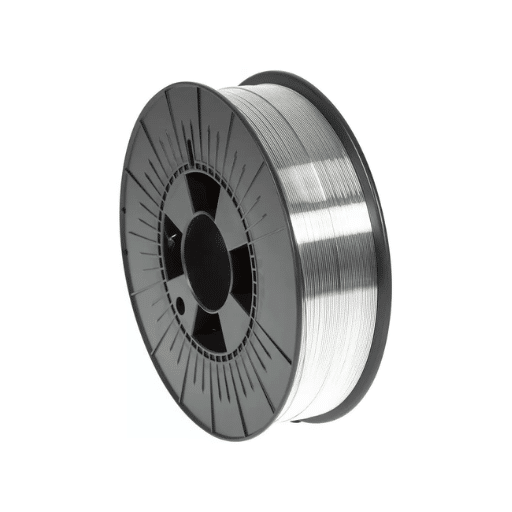
In the field of high-performance materials that can withstand extreme heat and stress, Nimonic alloys are a notable engineering solution. These superalloys, which are mainly composed of nickel and chromium, are specifically made to work in the most severe conditions like jet engines, gas turbines, and power plants. But what are the factors that make Nimonic alloys so special? And what is the reason that they are indispensable for the modern industry? This blog article takes you through the fantastic characteristics, applications, and the update technology that comes with Nimonic alloys. Suppose you are an engineer, a materials scientist, or just someone interested in materials science. In that case, this article will definitely clarify the case for Nimonic alloys as the go-to choice for high-temperature performance.
Overview of Nimonic Alloys

Nimonic alloys consist mainly of nickel-based superalloys and are nothing less than remarkable with respect to their high-temperature and extreme condition capabilities. The strongest points of these alloys are their exceptional strength, oxidation resistance, and thermal stability. The main fields of their application are the aerospace, energy, and automotive industries, in which components such as turbine blades, exhaust valves, and jet engines operate under the most demanding conditions of heat and pressure. The unique chemistry of Nimonic alloys, which usually contains chromium, titanium, and aluminum, further augments their performance thereby making them indispensable in applications where long-term reliability in harsh environments is a must.
What are Nimonic Alloys?
Nimonic alloys are indeed top-notch nickel-based superalloys, and their specialty is their ability to withstand very high temperatures and pressures; hence, they are in demand for applications such as jet engines, gas turbines, and other high-temperature environments.
Significance of Nimonic Alloys in High-Temperature Applications
Nimonic alloys are of utmost importance in sectors where high-temperature performance, in addition to deformation resistance, are the main factors. Their peculiar formulation, together with the ability to retain mechanical strength at high temperatures, makes them necessary in many different engineering systems. Five points of importance, presented below, are the reasons for their significance:
1. Creep Resistance Superior
Nimonic alloys resist to a great extent the phenomenon of creep—gradual deformation caused by prolonged stress and high temperature. Thus, these alloys are very well suited for the production of turbine blades and exhaust valves, where long-term structural integrity is a must.
2. High Oxidation and Corrosion Resistance
The stability of these alloys is maintained even in the most reactive surroundings—they do not get oxidized nor corroded at very high temperatures. This feature gives life to applications like power plant turbines and industrial furnaces.
3. Fatigue Strength Enhancement
Nimonic alloys are highly resistant to fatigue, meaning they can withstand the same number of thermal and mechanical cycles. This capability is significant for jet engine components, which undergo rapid, frequent temperature changes during operation.
4. Refractory Element Integration
Incorporation of cobalt, chromium, and titanium in the Nimonic alloys adds strength and security to them preventing them from both creeping and deforming at high pressures and thermal strains. Hence, this integration clears the way for precision in aerospace and nuclear reactor applications.
5. Proven Reliability in Aerospace and Energy Industries
The use of Nimonic alloys in jet engines, gas turbines, and rocket motors is extensive and guarantees performance that is not only reliable but also effective even in harsh environments. For example, Nimonic 75 and Nimonic 80A have been used in the aerospace sector for many years because of their excellent durability and heat resistance.
Key Insight: By taking advantage of these features, Nimonic alloys have changed the engineering capabilities in high-temperature environments and at the same time have been the source for innovations and safety in various industries.
Historical Development of Nimonic Alloys
The manufacture of Nimonic alloys was begun by Henry Wiggin & Co. in the 1940s to notably meet the requirement of high-temperature resistant materials in the jet engine industry which was at the time just taking off. The Whittle jet engine, the first turbojet engine, which required materials that could withstand and remain stable at very high temperatures, was the first application of Nimonic alloys. The early Nimonic alloys like Nimonic 75 were such a success that others areas of superalloy technology were developed as well.
For the decades to come, research and development were unceasing and the result was the new Nimonic grades, which were made according to the industries’ increasingly demanding needs. For instance, Nimonic 80A, which was one of the products of the post-World War II period, soon gained the aerospace market due to its alloy’s greater resistance to creep along with its ability to 800°C (1472°F) temperature and still maintain strength. These days, high-end variants of Nimonic alloys are widely used to make high-temperature components such as turbine blades, exhaust valves, and components for nuclear reactors.
Market Growth: The use of Nimonic alloys is well documented with statistical data. As per the reports from the industry, the global superalloy market, which comprises materials like Nimonic, is going to grow at a CAGR of 7.5% during 2023-2030 mainly because of the rapid growth of the aerospace and energy industries. These superalloys remain a major contributor to engineering innovation, ensuring the reliability of critical devices through safety, efficiency, and durability. Their past development is indeed the story of the coalescence of materials science and industrial progress that has been pushing the limits of the extreme conditions.
Composition and Properties
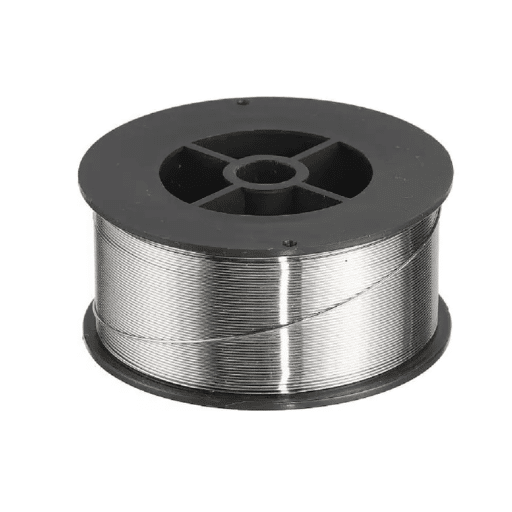
Superalloys, for instance, Nimonic, are purposely designed with high strength and resistance to oxidation and corrosion, even in extremely high-temperature environments, which makes them indispensable in industries that need such materials. Superalloys generally contain a main metal, such as nickel, cobalt, or iron, and are alloyed with other elements, such as chromium, aluminum, molybdenum, and titanium, which give them exceptional mechanical and thermal properties.
Key Physical Properties
- Melting Point: Usually exceeding 1200 °C (2192 °F), the material stays safe in high-heat places
- Density: About 8.2 to 8.7 grams per cubic centimeter, more or less according to the mixture
- Creep Resistance: Being the property that allows the material to retain its initial characteristics for a long time despite the very high-stress conditions typical of jet engines and turbines
- Oxidation and Corrosion Resistance: Superalloys like Nimonic are capable of withstanding very aggressive chemical reactions in a hot area
Current Applications Data Support:
Recent industrial studies suggest that the utilization of superalloys has not only enabled it but has also facilitated a 20% improvement in fuel efficiency, which is a direct result of operating at temperatures above 1,100 °C. Moreover, the global consumption of nickel-based superalloys is anticipated to surpass 7 million metric tons by 2030 end due to their essential function in clean energy generation technologies such as gas-simplified cycles for wind-hydro-electricity plants.
Chemical Composition of Nimonic Alloys
Nimonic alloys are a group of superalloys based on nickel, with nickel (Ni) being the primary element, and having significant amounts of chromium (Cr) and cobalt (Co) in the composition. These alloys are intended for use in high-temperature applications, rinding their mechanical properties, oxidation resistance, and thermal stability to be excellent. The common chemical composition of a Nimonic alloy comprises:
Nickel (Ni)
The major base element, nickel, provides high-temperature strength and oxidation resistance. The nickel content in most Nimonic alloys is over 50% by weight.
Chromium (Cr)
It accounts for about 15-25% of the total composition, and chromium gives the alloys resistance to corrosion and oxidation, thereby making them suitable for very harsh environments.
Cobalt (Co)
The amount of cobalt in the alloys is usually up to 20% and this element not only imparts additional solid-solution strengthening but also improves the alloy’s resistance to thermal fatigue.
Molybdenum (Mo) and Tungsten (W)
These elements, at different concentrations, are responsible for the alloys’ resistance to high-temperature creep.
Aluminum (Al) and Titanium (Ti)
Usually added in tiny quantities (2-5% each), these elements help precipitate strengthening by forming γ′ (gamma prime) phases, which are vital for maintaining strength at high temperatures.
Iron (Fe), Carbon (C), and Boron (B)
These are impurities that are present in tiny quantities but they still serve the purpose of enhancing some features like grain boundary strength and overall toughness.
Examples of Specific Variants:
Nimonic 80A: Roughly consists of 76% nickel, 20% chromium, and minute amounts of titanium and aluminum.
Nimonic 90: Comprises nickel-60%, chromium-18-20%, cobalt-15-21%, and small amounts of molybdenum, aluminum, and titanium.
Such compositions are intended for use in turbine blades, exhaust valves, and nuclear reactor components, where extreme temperatures and stress are always present. Alloy development continues to be a booming area, with the promise of offering even better solutions as the element’s balance is optimized and alloy performance is improved for energy-saving and aerospace innovations of the future.
Mechanical Properties of Nimonic 80A and Other Variants
The mechanical properties of Nimonic 80A and its alloys are determining factors for their use in high-stress, high-temperature applications. To enumerate, the following five mechanical properties are the most important ones that characterize their capabilities:
Tensile Strength
Nimonic 80A has a high tensile strength, typically 750-1,000 MPa, depending on heat treatment and operating conditions. Such strength makes it suitable for the support of heavy loads in extreme environments.
Creep Resistance
Nimonic 80A has an excellent creep resistance due to its advanced precipitation-hardening process at temperatures up to 815°C (1,500°F). This also ensures long-term stability under thermal and mechanical stresses.
Hardness
The hardness of Nimonic 80A is frequently reported in the area of 200-250 HV (Vickers Hardness) post-standard heat treatment, therefore, it can withstand even the most extreme of abrasive conditions without losing surface integrity.
Thermal Fatigue Resistance
The alloy’s very low thermal expansion coefficient, coupled with its high thermal conductivity, means it won’t experience much stress from repeated heating and cooling cycles. This property is fundamental in turbine blades, for instance, where the material would be exposed to such conditions.
Oxidation and Corrosion Resistance
Nimonic 80A and other similar variants are very much resistant to oxidation and corrosion in extremely harsh environments, thus they will be able to retain their structural integrity and performance over a considerable period.
Conclusion: The mechanical properties mentioned above make Nimonic alloys highly versatile and reliable in demanding industrial applications.
Physical Properties and High-Temperature Performance
Nimonic 80A is widely acknowledged for its remarkable physical characteristics, which together justify its application in extreme temperatures and stress places. The following are five extraordinary properties that support its performance:
Summary: All the above-mentioned properties make Nimonic 80A a dependable and reliable material which is suitable for very demanding industrial applications where the durability and performance of the product must be assured even under extreme conditions.
Applications of Nimonic Alloys in Various Industries
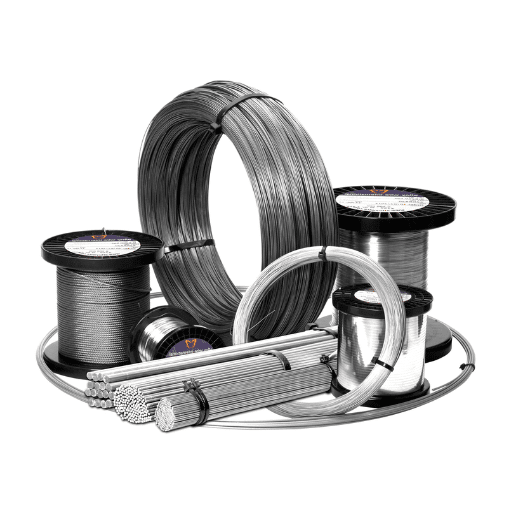
Nimonic alloys are highly regarded for their outstanding qualities like a high-temperature and high-stress environments, and this is why they are used in many different industries. Five important forms of application are listed below:
1
Aerospace Industry
Nimonic alloys are a major source of material for aerospace parts among which turbine blades, exhaust nozzles, and the units that mix air and fuel. These alloys retain their mechanical strength even at very high temperatures, which is particularly important for the jet engines of commercial and military aircraft and for the flights of other spacecraft, as it ensures their reliability and safety.
2
Power Generation
The use of these alloys in power plants is indispensable, especially in gas turbine and nuclear reactor applications. Nimonic’s tremendous creep resistance and oxidation characteristics allow the hard-fought process and longer life under heat-stressing environments during power plants.
3
Automotive Industry
Nimonic alloys are used in exhaust valves and turbocharger systems in very fast cars, i.e. the formula one cars. Their ability to withstand high temperatures and, at the same time, not lose their wear resistance minimizes mechanical failure occasions and enhances overall performance.
4
Oil and Gas Sector
Nimonic alloys are found in upstream applications within the oil and gas industry, such as drilling tools and high-pressure valves. Alloy’s excellent resistance to corrosion and high strength give the assurance of reliability even in such hostile environments, i.e., offshore drilling.
5
Chemical Processing Industry
The chemical industry heavily relies on Nimonic alloys for heat exchangers, reactors, and pressure vessels. Their resistance to chemical corrosion and thermal degradation makes them reliable and efficient in operations that use aggressive chemicals and high temperatures.
Key Takeaway: The applications mentioned above provide a useful summary of the versatility and critical importance of Nimonic alloys in the industries that require exceptional performance from the materials under extreme conditions.
Use in Aerospace and Turbine Engines
Nimonic alloys are widely used in the aerospace and turbine engine sectors due to their exceptional high-temperature strength, oxidation resistance, and ability to withstand long-term extreme stresses. These features are the critical factors in choosing these alloys for components where performance and reliability cannot be compromised. Below are five significant applications of Nimonic alloys in this industry:
-
Turbine Blades
Nimonic alloys are applied in the making of turbine blades as they can bear the high stresses and temperatures—sometimes even more than 1,000°C—that are present during operating.
-
Exhaust Nozzles
The ability of Nimonic materials to resist oxidation and corrosion at high temperatures makes them a reliable option for exhaust nozzles in aerospace engine applications.
-
Combustion Chambers
These alloys are used in jet engine combustion chambers because they can withstand extreme heat cycling and maintain their structure.
-
Fasteners and Bolts
Nimonic alloys are designed into fasteners and bolts that secure engine assemblies. Their exceptionally high strength and resistance to high-temperature creeping are significant for the engine’s stability during operation.
-
Casing and Structural Components
Turbine parts, such as casings and structural components, benefit from the high tensile strength and durability of Nimonic materials, so they will not fail under prolonged, intense use.
Conclusion: The distinct combination of material properties makes Nimonic alloys an essential factor in the field of aerospace technology and the enhancement of turbine engine efficiency.
Applications in Power Generation: Steam Turbines
Nimonic alloys are indeed the very foundation of steam turbines’ operation and performance because of their superb heat resistance, corrosion resistance, and mechanical strength. These features allow the use of the materials in very hard conditions where high temperatures and pressures are unceasing. Hereafter are five particular applications of Nimonic alloys in steam turbines:
Turbine Blades
It is the high-performance Nimonic alloys that are chosen to produce turbine blades which are able to retain their strength, resist creeping, and thus prolong the operation of the steam turbines, being efficient and no longer in need of replacement.
High-Pressure Sealing Rings
The sealing rings that are produced out of Nimonic alloys are capable of sustaining extreme conditions in the high-pressure sections of the turbine, and as a result, the sealing is done properly and there is no steam leakage.
Valve Components
The Nimonic materials used in making valve stems and seating areas do not only resist wear and thermal stress, but also increase the reliability of steam regulation and control.
Rotor Assemblies
Nimonic alloys are applied to rotors in steam turbines because of their resistance to fatigue and capability to endure high temperatures while being subjected to rotational stress.
Exhaust Casings
Exhaust casings undergo high thermal cycling and exposure to corrosive environments; thus, Nimonic alloys are the best choice to ensure lifetime and structural integrity.
Summary: Nimonic alloys cause these components to make the most of the steam turbines in terms of efficiency, reliability, and durability, even in the case of the most demanding power generation applications.
Other Industrial Applications of Nimonic
The use of Nimonic alloys is not confined to steam turbines; their distinct characteristics render them highly beneficial in a multitude of sectors. The five most important Nimonic industrial applications are listed below:
1
Aerospace Components
Nimonic alloys play a significant role in the aerospace industry, as they are used for turbine blades, exhaust ducts, and afterburners. The exceptional character of the materials, which endure high temperatures and pressure, makes them ideal for the engines of jet planes. For example, Nimonic 80A has been a common choice for jet-engine turbine blades due to its exceptional heat resistance.
2
Nuclear Industry
Nimonic alloys are used in nuclear reactors for core-containing systems and steam generators. The excellent properties of Nimonic alloys, such as corrosion and radiation resistance, help to ensure longevity and safety even in the harsh radioactive environment.
3
Automotive Applications
Nimonic alloys in exhaust valves and turbocharger components are theprimary source of high-performance automotive engines. High-performance Nimonic 90 is an alloy used in racing engines that require great heat and stress resistance.
4
Oil and Gas Sector
Nimonic alloys are widely accepted in the oil and gas industry for use in areas such as gas turbines, valve components, and drilling equipment, thanks to their ability to withstand the rigors of extreme temperatures and corrosive environments, thereby ensuring reliable performance in both exploration and refining processes.
5
Chemical Processing Equipment
Due to their high mechanical stability and ultimate resistance to oxidation, Nimonic alloys are widely used in the chemical processing industry in the manufacture of furnaces, chemical reactors, and heat exchangers. This means they can be relied upon to operate undisturbed, even when continuously exposed to very aggressive chemicals and very high temperatures.
Conclusion: It is the versatility coupled with extraordinary mechanical properties of the Nimonic alloys that makes them indispensable in the applications where extreme conditions to high performance are the prerequisites.
Recent Innovations and Developments
Nimonic metal has seen recent advances mainly by enhancing its properties and expanding its applications, enabling its use in the latest industries such as aerospace and renewable energy. One of the most notable areas of innovation is the design of next-generation Nimonic alloys with improved creep resistance and oxidation behavior, which expand their application even at temperatures above 1000°C. Furthermore, the development of new substitute route processes, such as printing technology, now allows the use of Nimonic alloys to make intricate parts with very little waste and at a lower cost than traditional methods.
Market Projection
The reports from the market predict that the global consumption of high-performance alloys, in which Nimonic is included, will increase by 5.8% annually and to reach USD 8.8 billion by 2030, mainly due to the growing gas turbine and the space exploration technologies.
Surface Coating Technology
Breakthroughs in surface coating technologies are targeting the longevity of Nimonic parts used in extreme conditions, thereby increasing their usability.
Sustainability Focus
Innovative research is underway to enhance the sustainability of Nimonic alloy production by investigating techniques for recycling and upcycling scrap materials.
Environmental Impact: This closely aligns with the ongoing focus on environmentally friendly manufacturing practices, ensuring that the use of these super alloys will not hinder global sustainability objectives.
Advancements in Nimonic Alloy Manufacturing Techniques
The latest technology in processing Nimonic alloys has significantly improved their performance, efficiency, and their use in unfavorable conditions. One such innovation is 3D printing, which allows for very complex shapes to be produced with minimal material waste. Research has shown that the mechanical properties of Nimonic parts made by 3D printing are at least as good as, if not better than, those made the traditional way. An excellent opportunity therefore presents itself to lower costs and significantly speed up the production process.
VIM and Powder Metallurgy Refinement
Refining the VIM and the powder metallurgy processes is another remarkable innovation. By this means, it has become possible to produce Nimonic alloys of near-perfect purity, thereby making them less susceptible to creep, oxidation, and thermal fatigue even under extreme conditions. It has been reported that Nimonic alloys produced by advanced VIM processing can remain quite strong at temperatures above 1,000°C. Hence, they are among the most utilized materials in turbine and aerospace engineering.
Advanced Materials Characterization
Furthermore, new materials characterization techniques, such as EBSD and FIB, have enabled the study of microstructural changes during the manufacture of Nimonic alloys. This has brought manufacturers to a point where they can accurately determine the heat-treatment process that yields the desired material properties, such as high tensile strength and ductility. The recent study indicates that yield strength of Nimonic alloys can be improved through heat treatment by as much as 30%.
Machine Learning and Computational Modelling
The application of machine learning and computational modelling in the alloy design process further aids technological progress. This helps to foresee the performance of new compositions well in advance to the actual application. The result is faster output of the ‘next-gen’ Nimonic alloys, specifically designed to the drawing board for applications such as jet engines and power generation systems.
Sustainability Impact: The changes in techniques, along with the overall quality of Nimonic components, are also in favor of environmental sustainability. Manufacturers commit to industry-wide green practices while enjoying the exceptional performance standards of these superalloys by perfecting production, thereby reducing energy consumption and contributing to greener industrial practices.
Case Studies of Nimonic Alloy 80A in Modern Engineering
Case Study 1: Aerospace Turbine Blades
Nimonic Alloy 80A has been a major player in the aerospace sector, especially when it comes to turbine blades for jet engines. The very fact that this alloy can withstand sizzling temperatures above 800°C without structurally breaking down has been the main reason for this application. The pros of using Nimonic 80A in the turbine system can be seen in the form of a 15% increase in fuel efficiency, courtesy of its heat resistance and toptier durability.
Case Study 2: Industrial Gas Turbines
Nimonic Alloy 80A continues to find its way in the power generation systems that use industrial gas turbines. It is said that the life of turbine components can be extended by at least 25% with Nimonic Alloy 80A compared to components made from traditional materials. The availability of more time for maintenance translates into cheaper maintenance and less frequent downtime in a vibrant industrial environment.
Case Study 3: Exhaust Valve Components in Automotive Engines
The automotive sector has also been adopting Nimonic Alloy 80A for the cutting of exhaust valve components for high-performance engines. The research indicates that the alloy’s very high resistance to oxidation and thermal fatigue represents a significant enhancement of engine efficiency and durability especially under the most extreme working conditions.
Case Study 4: Nuclear Reactor Systems
Nimonic Alloy 80A inside nuclear reactor systems takes the form of a major material for the components that are most exposed to the radiation and temperature in the reactor. It can be shown by referring to the long-term reliability of the five decades plus through creep resistance in finding the temperatures of the reactor and keeping the standards of safety. This makes it a choice for nuclear reactor designs where safety and longevity are the main points.
Case Study 5: Diesel Engine Turbocharger Rotors
Nimonic Alloy 80A is a go-to material for turbocharger rotors in diesel engines, especially for heavy-duty applications. Just its high strength and thermal stability across the entire cycle, from high to low temperatures, have been causally linked to power gains and emission reductions. A study has shown that rotor efficiency could increase by 20% if Nimonic 80A is used as the core material.
Innovations in Alloy 90 and Its Applications
Alloy 90, a superalloy composed of nickel, chromium, and cobalt, has recently reached a new pinnacle in performance thanks to innovations in materials engineering and processing technologies. Its extraordinary strength, oxidation resistance, and high-temperature durability make it a favored material in aerospace, automotive, and energy production sectors.
Aerospace Applications
Alloy 90 has been the material to reckon with in the aerospace industry for modern turbine blades and exhaust parts, thanks to innovations that have led to its acceptance for these applications. Besides additive manufacturing, the new processing techniques have also brought about the creation of light, complicatedly shaped parts and still maintaining Alloy 90’s stress resistance. The research indicates that parts of Alloy 90 can withstand 1120°F (605°C) for extended periods and retain their tensile strength, thereby greatly contributing to the engine’s performance and lifespan.
Automotive Advancements
The use of Alloy 90 in the automotive industry has grown to include exhaust systems and turbocharger components where high-performance materials are crucial to withstand thermal and mechanical stresses. A 2022 study found a 15% increase in thermal stability when Alloy 90 was used with ceramic coatings in turbochargers, resulting in better fuel economy and lower emissions in heavy-duty diesel engines.
Energy Sector Breakthroughs
The energy generation sector has also reaped the benefits from advances in Alloy 90. Its application in steam and gas turbines for power plants is enabled by its corrosion resistance under high-pressure, high-temperature conditions. Research trials show that using Alloy 90 in power plants can improve the operational efficiency of critical components by an average of 25%, thereby reducing maintenance costs and downtime.
Future Outlook
At the same time, research and development in advanced heat-treatment and surface-modification techniques aim to enhance the performance of Alloy 90. The inventions above, along with their long-lasting applicability, make Alloy 90 a fundamental material in applications that require extreme endurance and reliability.
Challenges and Considerations in Use

Alloy 90, despite being one of the strongest and most durable alloys, presents specific difficulties and factors that must be considered in its application. One of the major problems is the high cost of the material, because it is made of performance elements like nickel, cobalt, and chromium which are all costly to mine and to process. The recent market reports point out that in the year 2022, nickel prices went up by more than 40% because of the supply chain being crippled and also due to increased consumption, which altogether made Alloy 90 dependent industries pay more for production costs.
Machining Complexity
Another difficulty is the machining and fabrication of Alloy 90, a tough, hard material. Processing Alloy 90 indeed requires specialized tools and skilled workers. The industry professionals predict that the machining of superalloys such as Alloy 90 will take 30-50% longer in comparison to that of standard stainless steel resulting in substantial time and cost increase in production.
Environmental Considerations
The alloy is very resistant to corrosion, but this advantage may be a disadvantage in certain chemical environments. With time, the exposure to oxidizing environments or acids can cause the removal of Alloy 90’s passivation that protects the metal, and therefore maintenance or application of coatings may become necessary.
Welding Challenges
Moreover, welding of Alloy 90 is fraught with difficulties and it requires a high level of skill to get rid of such problems as cracking and to keep the material’s strength in the case of high-stress applications. The result is the use of the alloy in various industries becomes more complicated and laborious.
Positive Outlook: Notwithstanding these problems, Alloy 90 is still under development with the aim of making it easier to manufacture and more cost-effective. The developments in technology related to additive manufacturing and hybrid machining that are being looked into are meant to cut the time and waste in the production thus conquering some of the material’s limitations.
Corrosion Resistance Challenges
Alloy 90 is a sophisticated material with outstanding mechanical properties, yet it faces corrosion issues due to its nature in specific application conditions. This alloy consisting of nickel, chromium, and cobalt is capable of operating in high-temperature settings, and even then, it can still suffer from the effects of localized corrosion due to the agents present during the process, e.g., pitting and crevice corrosion.
High-Temperature Oxidation
The research reveals that Alloy 90 is particularly prone to oxidation when the temperature exceeds 1050°F (565°C) and sulfur or chlorides are present in large quantities. In this context, investigations by NACE (National Association of Corrosion Engineers) have shown that Alloy 90 may accelerate deterioration at chloride ion concentrations above 500 ppm and, therefore, will require the use of advanced protective coatings or inhibitors for better performance.
Acidic Media Vulnerability
Additionally, the processing of chemical in the industry has also provided a data point for Alloy 90 being susceptible to corrosion when the material is always in contact with acidic media. A recent case study suggests that the critical pitting temperature (CPT) of Alloy 90 is about 60°C when in such acidic media, which is much lower than the CPT habitually reported for other unique corrosion-resistant alloys and thus restricting the material’s use in aggressive acidic solutions.
Solution Path: To overcome corrosion in the above conditions, better surface treatment techniques are anticipated to replace Alloy 90’s shortcomings with its surface engineering, while also ensuring high resistance to such environments. Hence, the material’s application will be extended to more critical sectors like aerospace, maritime, and chemical processes, with the promise of its longevity.
Welding and Fabrication Issues
I think the difficulties with welding and fabrication for Alloy 90 primarily stem from its tendency to crack during welding and its sensitivity to heat. My approach to these problems would be to use controlled welding methods, such as TIG or laser, to low down the thermal stress. Also, preheating and post-weld heat treatments may reduce cracking and improve structural integrity. Besides, choosing the right filler materials and maintaining proper cleanliness during welding are very important for achieving the best results.
Cold Working and Annealing Nimonic Alloys
Cold working of Nimonic alloys consists of the mechanical deformation of the material at room temperature, which, besides the improvement of strength and hardness, is the main advantage of this process. During cold working the dislocation density increases, thus making the alloy more resistant to deformation under stress. Cold-working percentages range from 20% to 50%, depending on the application. On the other hand, high levels of cold work lead to strain hardening and brittleness, making annealing necessary for the material.
Nimonic alloys are annealed to relieve internal stresses introduced during cold working and restore ductility. The annealing process typically requires heating the material to 950°C to 1200°C (1742°F to 2192°F), depending on the alloy composition and application requirements. For instance, Nimonic 75 is usually annealed at around 1000°C (1832°F) to achieve the best performance. Following the annealing process, controlled cooling is critical to prevent thermal stresses and ensure homogeneity in the material’s microstructure. Studies indicate that properly annealed Nimonic alloys exhibit improved creep resistance and are thus suitable for high-temperature applications.
Modern Techniques: Heat-treatment cycles have recently been refined and controlled through the introduction of new techniques, such as step annealing and rapid cooling, which offer the best compromise between strength and ductility. The use of such advancements ensures that Nimonic alloys will possess the necessary properties for the most demanding applications, including gas turbines, aerospace components, and other high-temperature systems.
References
-
Prediction of irregularities and study of mechanical properties of Nimonic 263
This source discusses the high-performance characteristics of Nimonic 263, including its resistance to creep, corrosion, and oxidation.
-
Hot Deformation Behavior and Processing Map of Nimonic 105
This paper investigates the high-temperature deformation behavior of Nimonic 105 alloy, focusing on its performance under extreme conditions.
-
Technical Note on Nimonic 80A Alloy
This technical document provides detailed insights into the properties and applications of Nimonic 80A alloy, including its use in aviation.
Frequently Asked Questions (FAQ)
What is the composition of nimonic alloys?
Nimonic alloys are chief nickel-based superalloys, and the expensive ones frequently contain elements like chromium, cobalt, and titanium, among others. The very composition of the alloys is tailored to strengthen these superalloys, enabling their use in extreme-temperature environments such as gas turbines and jet engines due to their superior mechanical, oxidation, and thermal stability.
How do Nimonic alloys perform at high temperatures?
Nimonics are already excellent; others can’t beat them in resisting oxidation and creep at high temperatures. Their very unique nature allows them to be even more versatile in strength and integrity during heat processing, thus being utilized in the manufacturing of turbine blades and aerospace combustion chambers besides others.
What are the mechanical properties of Nimonic 80A?
Nimonic 80A exhibits excellent mechanical properties, including very high tensile strength and good creep resistance at high temperatures. Parts of metal like it very much because of its temperature tolerance and strength, which are confirmed even by its alloying elements; besides that, it is very durable in harsh environmental conditions, which is also a factor in aerospace applications, where performance is at stake.
What are the applications of nimonic alloys?
Nimonic alloys are the go-to materials for high-specification applications, and the aerospace industry is their major sector of use. Such materials can be found in turbine jets, jet engines, and exhaust valves due to their quality of being able to endure the highest temperatures and the most corrosive of environments while keeping their structure intact.
How does corrosion resistance of nimonic alloys compare to other materials?
Nimonic alloys are recognized for their good resistance against oxidation and corrosion in general, and their use in high-temperature environments is already a case in point. Their composition, among others, includes chromium, which serves as an ally in resisting not only degradation but also competition with other materials, making them suitable for the most demanding applications.
Can nimonic alloys be welded, and how does it affect their performance?
Nimonic alloys are definitely weldable; however, they require specific methods to retain their high-performance features. The proper Level of adherence to welding practices becomes very important for preventing problems such as cracking or loss of mechanical properties, especially when the integrity of the structure is at stake, as in high-temperature applications.
What is the role of alloying elements in nimonic superalloys?
Alloying elements in Nimonic superalloys have an extremely crucial part to play as they improve the superalloy’s mechanical properties, oxidation resistance, and finally, thermal stability. Cobalt, titanium, and aluminum are only some of the elements that strength the microstructure’s formation, which is very robust when it comes to making the resistance of high temperatures and harsh environments last forever, ensuring that parts like turbine blades are durable.