


Blog
Hastelloy B-2: Material Properties and Chemical Processing

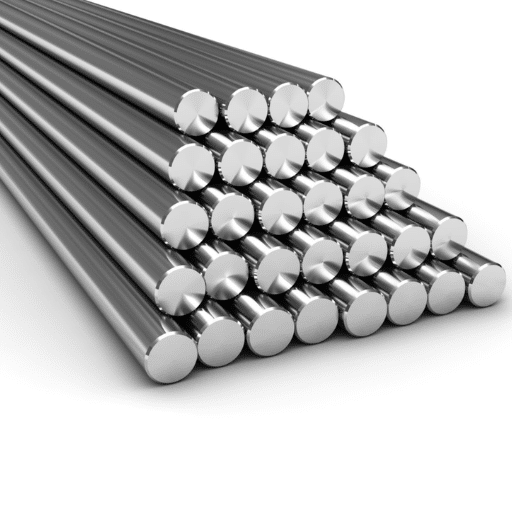
When selecting materials for use in harsh chemical-processing environments, they must be durable, efficient, and safe. Such has been the case with Hastelloy B-2, a nickel-molybdenum alloy, which is highly versatile due to its resistance to hydrochloric acid and other potent chemical agents. However, what makes an alloy so special that specific industries simply cannot do without it? In this article, we examine Hastelloy B2 and its key features, advantages, and why these make it a preferred choice for chemical processing. No matter your background, engineers, manufacturers or mere enthusiasts about exotic materials, this would be a rookie explanation of why Hastelloy B2 alloy is above all others.
Introduction to Hastelloy B-2
Nickel-molybdenum alloy Hastelloy B2 is distinguished by its outstanding resistance to hydrochloric acid and other media that are potent reducing agents. Chemical processing industries commonly use it due to its exceptional high-temperature performance in aggressive environments. It also exhibits enhanced resistance to pitting and stress-corrosion cracking (SCC), as well as knife-line attack, making it a good candidate for structural applications. Other than that, the mechanical properties of Hastelloy B2 alloy surpass those of other alloys, ensuring durability across various operations and making it essential in many types of equipment.
Overview of Hastelloy and Its Importance
Hastelloy refers to a family of metal alloys that are commercially available under different trademarks. The material is corrosion-resistant and contains mainly nickel with small amounts of molybdenum, iron, cobalt,and chromium. Generally, these compounds are known to perform outstandingly in very aggressive environments such as chemical, aeronautics and naval industries. It is worth noting that extreme corrosion, such as pitting or crevice corrosion, will not deter them, a trait few other materials in recent times can boast.
Hastelloy B2 was patented in the 1960s and 1970s. Eventually, the copper content was reduced to less than 1% due to metallurgical considerations. It was used in the construction of an underwater missile and developed at radioactive facilities or used in the construction of steam generator pipes.
Hastelloy is Tennalon’s term for the Hastelloy alloys, a family of nickel-molybdenum alloys. Consider Hastelloy B2, for example, which offers durable construction and all the benefits of the agents used before, including oxidation, reduction, and bubble enhancement, at really low cost. According to reports, this material has a very high pitting resistance equivalent number (PREN) of more than 66, making it ideal for use in harsh, inner industrial environments.
Elaborative research shows that certain mechanical properties also reach high levels of development. Allowing for strength retention and ductility that can continue to provide necessary functions up to 1500°F (815°C), which Hastelloy is known for, are almost perfectly preserved. This proves essential in numerous processes such as flue gas scrubber systems and ductwork as well as power systems.
Globally, Hastelloy is highly regarded across many industries for its durability. According to a case study in chemical processing plants, Hastelloy B2 withstands 30% less wear and tear than other alloys. This attribute of Hastelloy means there is less component replacement, making it an economically viable option even in the most costly conditions.
Relevance of Hastelloy B-2 in Modern Industries
Hastelloy B2 is still widely used across many industries due to its unique properties. It can withstand the attack of such potent reducing agents and serve practically all corrosion-resistant requirements. Some of the functions of Hastelloy B2 can be highlighted as follows:
In the major Chemical processing Industry
Hastelloy B2 is widely used in these plants where potent acids, such as hydrochloric, sulfuric, or phosphoric acids, are used.
The studies indicate that the combination of these materials, such as Hastelloy B2, for reactors and heat exchangers reduces corrosion by approximately 40%.
In the Pharma Industry
This material is suitable for manufacturing pharmaceutical reactors and mixers due to its inertness and protection from bacterial growth.
In pharmaceutical production, Hastelloy B2 preserves the honor of the equipment residency and the quality of the products as both are essential activities.
In the Power Generating Industry
Several production activities that use geothermal, nuclear, oil, and gas resources make use of the alloy mainly due to its stability, high-temperature resistance, and resistance to corrosion in the plants.
In contrast, the life of Hastelloy B-2 equipment in a geothermal field can surpass 15 years, which is more than two times the of ordinary materials used.
The pulp and paper sector
Equipment adheres to operational and maintenance requirements when exposed to bleaching chemicals, thanks to the advantages of Hastelloy B-2 protection.
Hastelloy-based components have been proven to reduce mill maintenance costs by about 25%, reducing downtime.
The aviation limits support this.
Due to its high strength and corrosion resistance, Hastings B2 can be used to manufacture aerospace engine components and exhaust ducts which are essential parts.
For aerospace components, the performance was enhanced by 20 percent with the use of the said alloy, according to the advanced test results.
Many industries trust Hastelloy B2 for its adaptability and durability. This helps ensure operational efficiency, in addition to supporting a long service life at a relatively low cost.
Key Characteristics of Nickel Alloys
- Resists Corrosion
Nickel alloys like Hastelloy B-2 have high resistance to many corrosive media such as acids and even oxidizing media. Hydrochloric acid solutions, for instance, show a corrosion of less than 0.5 mm/year as expected by tests carried out.
- Heat Resistant
They are capable of functioning under elevated temperature conditions without loss of quality and such attributes are suitable for use in turbines and exhaust systems. The records available indicate that Nickel alloys tend to resist temperatures up to about 1200°F (650°C).
- Components with Armoring and Bracing
They were not only known for their strength but also for their very high stress levels, without any deformations in the components. The tensile strength for ASTM purposes in selected nickel alloy grades exceeds 100 ksi.
- Shapes and Uses in Diversity
One characteristic of Nickel alloys is that they can be machined into very intricate forms; hence, they are used in several industrial applications, for example, aerospace, chemical processing, and marine engineering. They can easily provide tailored options for different usage environments.
- Ability of the Materials to Resist Thermal Fatigue as Well as Creep
The alloys exhibit excellent thermal fatigue resistance and withstand high temperatures and prolonged use without losing their properties. The results of the studies show that nickel alloys exhibit no appreciable creep deformation at high temperatures and long durations.
Chemical Composition of Hastelloy B-2
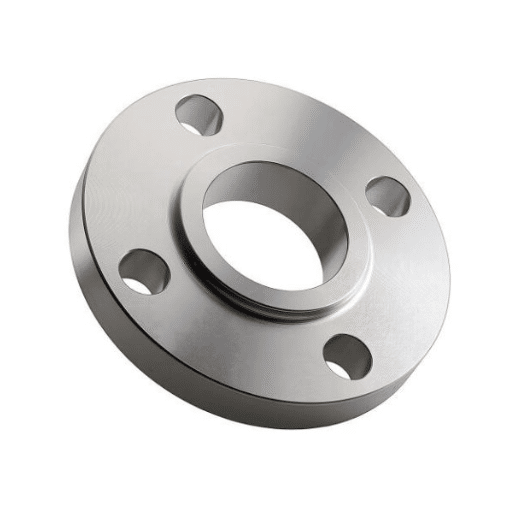
The nickel-molybdenum compound Hastelloy B-2 has a reinforced structure that provides maximum protection against reducing chemical agents, such as hydrochloric acid. The tailored properties of its coffee, harmonized to optimize structure, make it corrosion- and strength-resistant in specified environments. The exact standard percentage composition of elements in Hastelloy B2 is tabulated below:
| Element | Composition (%) |
|---|---|
| Nickel (Ni) | Balance |
| Molybdenum (Mo) | 26.0 – 30.0 |
| Iron (Fe) | 2.0 – 6.0 |
| Cobalt (Co) | ≤ 1.0 |
| Chromium (Cr) | 0.0 – 1.0 |
| Manganese (Mn) | ≤ 1.0 |
| Silicon (Si) | ≤ 0.10 |
| Carbon (C) | ≤ 0.02 |
| Phosphorus (P) | ≤ 0.04 |
| Sulfur (S) | ≤ 0.03 |
Hastelloy B-2 is composed of a classical carbide precipitation behavior composition of Nickel-Boron, and it efficiently prevents pitting and stress corrosion cracking at elevated temperatures. Hastelloy B2, due to its low carbon content, minimizes carbide precipitation in the zone, causing “sensitivity” to intergranular attack in the so-called heat-affected zone after welding. Molybdenum is a boron-strengthening agent, making it a very tough material resistant to a wide range of aggressive reducing environments.
It is easy to describe the areas of application of Hastelloy B2 that are critical, since all these depend on the careful selection of the intended purpose in a non-alkaline and high-temperature medium.
Detailed Chemical Composition
Hastelloy B2 is made more effective in intensified conditions due to further specific improvements, which include enhanced chemical composition, which is highlighted below, that meets ASTM specifications:
- Nickel (Ni): Min. 66% – This is known to be the most effective component as regards to its corrosion resistance and stability.
- Molybdenum (Mo): 26-30% – This is a significant component that resists reducing actions very well and also contributes in strengthening.
- Iron (Fe): 2-6% – Is protecting and enhancing strength, as sort of framed in societal norms.
- Cobalt (Co): Maximum 1% – It contains as a residual element with minimal amount in order to preserve the beneficial properties.
- Chromium (Cr): 1% Maximum – Even though it is not an essential factor in corrosion systems, its quantity is minimized so as to avoid chemical etching.
- Manganese (Mn): 1% Maximum – To enhance strength and malleability.
- Silicon ( ‘Si’) : 0.1% Max – As it is known to promote corrosion, its content is minimized.
- Carbon (C): maximal 0.02% – due to low carbon percentage, carbide precipitation is minimized at welding.
- Phosphorus (P): no more than 0.04% – in order to control for any structural weaknesses.
- Sulfur (S): no more than 0.03% – is limited as it is hot crack prone while processing.
The careful calibration of the composition ensures that Hastelloy B2 resists corrosion strongly, even in hydrochloric acid, and retains high-temperature strength. It also does not suffer from pitting, crevice corrosion, or stress corrosion cracking, which is why the chemical processing, aerospace, or marine industries would find it appropriate.
Comparison with Other Nickel Alloys
| Key Point | Hastelloy B-2 | Hastelloy C276 | Hastelloy B-3 | Nickel 200 |
|---|---|---|---|---|
| Primary Composition | Nickel-Molybdenum | Nickel-Molybdenum-Chromium | Nickel-Molybdenum | Pure Nickel |
| Corrosion Resistance | Excellent in reducing environments | Excellent in oxidizing/reducing | Improved over B-2 | Moderate |
| Pitting Resistance | High | Very High | High | Low |
| Stress Corrosion Cracking | Resistant | Highly Resistant | Resistant | Susceptible |
| Thermal Stability | Moderate | High | Higher than B-2 | Low |
| Applications | Chemical processes, hydrochloric acid | Chemical, marine, pollution control | Chemical processes | Electrical, food processing |
| Temperature Strength | High | Very High | High | Moderate |
Impurities and Their Effects
The performance of Hastelloy B2 is affected by impurities, especially under harsh conditions. To make it stable with good properties, it is required to avoid such impurities. Below are five (5) of the most common impurities and what they cause to the alloy.
Fe (Iron)
Extra iron is capable of decreasing the corrosion resistance, most importantly l at corners with extreme praticisation of metals. This reduces the alloy’s effectiveness in chemical reaction processes.
Si (Silicon)
Excess silicon also causes brittle phases to form during melting, increasing the likelihood of cracks and lowering ductility.
S (Sulfur)
Also, the presence of sulfur is known to deteriorate the alloy by pitting and crevicing which are most common in chlorinated mediums.
Oxygen (O2)
Any significant traces of oxygen during either fabrication or service frequently result in the formation of oxides, which can affect the weldability and general strength of the alloy.
Phosphorus (P)
In the case of phosphorus, impurities generally deteriorate the toughness of the alloy at higher temperatures and cough would reduce its performance in what we call thermal cycling.
All of this is aimed at easing production and application of Hastelloy B2 with its anti-corrosion properties that are paramount owing to the characteristic composition of the alloy.
Mechanical and Thermal Properties
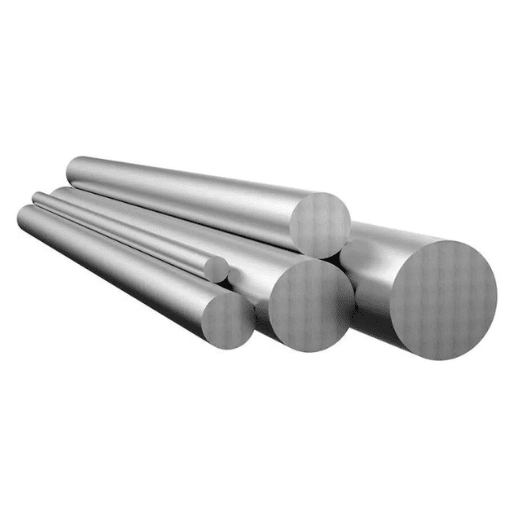
Because of its high performance in terms of mechanics and heat resistance, Hastelloy B-2 is used even in extreme severe conditions. Major characteristics of this grade are highlighted below:
- Strength:
Hastelloy B2 has good mechanical properties with a moderate to high tensile strength typical of the grade (110-140 ksi (758-965 MPa)), enhancing strength, and firm anchoring.
- Yield stress:
It has a predictable limit deformation of CLA about 50-70 ksi (344-482 MPa) which allows this material to resist deformation from external forces.
- Ductility:
In addition, the elongation of this Hastelloy B2 is good (40% up to 50%), so shapes can be drawn, or structures fabricated without any breaking or cracking of the sheet.
- Heat Transfer:
The alloy, with a thermal conductivity of about 7.6 W/m·K, has an effective heat exhaustion property, which makes it serviceable even at elevated temperatures.
- Melting point:
With 1330°C and 1380°C (2426°F to 2516°F) as the lower and upper limits for the alloy melting point range, its susceptibility of performance under harsh temperatures with no structural changes can be noted.
Mechanical Properties of Hastelloy B-2
- 1
Tensile Strength: The tensile strength of Hastelloy B2 is 100 ksi (690 MPa), which means that considerable forces can act on it before it breaks. - 2
Yield Strength: The yield strength of this material is about 45 ksi (310 MPa), which speaks of its ability to bear mainly reversible deformations. - 3
Elongation: A characteristic elongation of the alloy is approximately 40 %, showing its high stretch-ability or capability of suffering tension prior to breakage. - 4
Hardness: The Rockwell B hardness level of hastelloy B-2 is typically 90, which is significantly high in terms of degradation. - 5
Fatigue Strength: Hastelloy B-2 is also physically very strong, as its endurance limit that is the ability of the material to bear stress repeatedly is noteworthy and makes the material quite tenacious in tough working conditions.
Thermal Properties and Their Significance
- 1
Thermal Conductivity: Room temperature thermal conductivity of Hastelloy B 2 is roughly 9.5 W/mK, making it moderately thermally conductive and able to retain its shape at high temperatures. - 2
Coefficient of Thermal Expansion: The coefficient of thermal expansion of the material is approximately 12.5 m/mC. Because of this property, there is limited change in dimensions upon change in temperature which is desirable in precision applications. - 3
Melting Point: The melting temperature range of Hastelloy B-2 is 1330–1410°C (2425–2570°F) and thus it is highly melt resistant even at high temperature, which further promotes its usage in such applications. - 4
Specific Heat Capacity: In terms of specific heat capacity Hastelloy B-2 is around 390 J /kgK, this implies that the material can effectively cool and heat – a characteristic that is practical in heating installations of exchangers. - 5
Anti-nitride Materials: Hastelloy B2 in particular, displays excellent anti-nitride properties under high temperature and does not get oxidized during extended times.
Such thermal characteristics enhance the capability of Hastelloy B2 in advanced sectors including chemicals, aeronautics and energy plants, in which equipment is exposed to very high levels of ther-mal and environmental stress.
Physical Properties Overview
Hastelloy B2 is considered a highly efficient material for demanding applications. The following table explains its physical characteristics, including its limitations and advantages.
1. Density
Hastelloy B2 is considered a dense material as it weighs approximately 9.24 g/cm³ (0.333 lb/in³), and this may be regarded as very healthy and applicable in high-strength conditions.
2. Melting Range
The alloy’s melting range is between 1330 and 1380 degrees centigrade (2426 – 2516 degrees Fahrenheit) – rendering it useful even in the heat of a traditional furnace.
3. Thermal Conductivity
Its thermal conductivity is estimated to be 10 W/m.k, which is average in room temperature and allows for some dispersal of heat even in extremely hot conditions.
4. Specific Heat Capacity
Hastelloy B2 has a specific heat capacity of 390 J/kg k implying that its mechanical capabilities remain effective even with the changes of temperature.
5. Electrical Resistivity
The electrical resistivity of this alloy is approximately 1.27 µΩ·m, suitable for when the material is not required to be a good conductor of electricity, but withstands well to corrosion and physical damage.
6. Elastic Modulus
The shear stiffness of this material is about 205 GPa or 29.7 mpsi, which depicts the ability of the material to withstand high tensile stress.
These properties, in combination with its outstanding resistance to corrosion, are the reason Hastelloy B2 is most commonly found in industries with chemical manufacturing, oceanic or marine usage, and heat-intensive processes. In case more information is needed or for the specifications of a particular project, one can refer to specific material data sheets or standards.
Applications of Hastelloy B-2
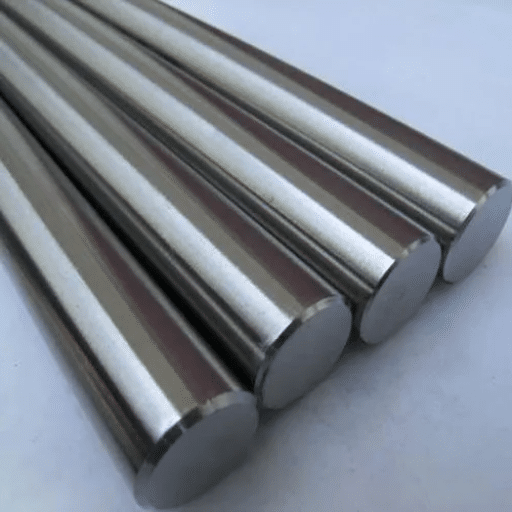
| Key Point | Details |
|---|---|
| Chemical Processing | Handles sulfuric, phosphoric, hydrochloric acids |
| High-Temperature Use | Maintains integrity at elevated temperatures |
| Industrial Equipment | Used in pumps, valves, seals, and fittings |
| Vacuum Furnaces | Suitable for vacuum furnace components |
| Corrosion Resistance | Ideal for reducing acid environments |
| Storage Tanks | Used in tanks and vessels for chemicals |
| Mechanical Components | Applied in rupture discs and flanges |
Use in Chemical Processing Industry
Hastelloy B2 is one of those alloys that immediately come to mind when thinking about materials for heavy chemical processes that require resistance to all types of chemical assault, given its widespread use. Here are five significant uses of Hastelloy B2 in this industry:
- 1
Hydrochloric Declaration
Hastelloy B2 is one of the best materials for equipment exposed to varying levels of hydrochloric acid, as it does not pit or corrode like other materials.
- 2
Batteries Production
In processes that use sulfuric acid, the alloy performs well even in low-concentration, mixed-acid conditions.
- 3
Heat Pumps
Also, it serves as a heat exchanger, which handles aggressive chemicals while maintaining effectiveness and longevity under high heat and/or pressure.
- 4
Vessels
Hastelloy B-2 is the go-to alloy for designing reactors exposed to severe corrosion conditions, thereby eliminating the possibility of contamination from material degradation.
- 5
Condensers and Boilers
The alloy in question is used in evaporators and condensers for caustic fluids and gases, offering superior corrosion resistance that reduces downtime significantly.
Such usefulness extols the dexterity and robustness of Hastelloy B2 even in harsh chemical processes. It is important to note, however, that the best results will only be achieved when the recommended fabrication and use in the given application are followed.
Applications in the Oil and Gas Industry
Hastelloy B-3 finds significant application in the oil and gas industry due to its outstanding capability to withstand some of the most aggressive chemical processes. This maritime stainless steel is regarded a highly appropriate and fit for this market, and below is a summary of its 5 purposes:
- 1
Tubular and Structural Steel for Oil & Water Downhole Completions
Hastelloy B3 is used in tubular equipment and casing to prevent corrosion from H2S and CO2 in sour gas wells. Its high corrosion resistance prolongs the lifespan of wear and tear, and repairs are made more often, on average.
- 2
Condenser Units
Hastelloy B2 is also in the category of alloys, which are applied in the oil drying processes, where high temperatures and acids are needed, where the medium is put. For such a medium, where pitting and other localized corrosion are possible, an appropriate alloy is required for the operation, and Hastelloy B2 is among the alloys used for this purpose.
- 3
Devic Separation
This metallic alloy is available in a variety of forms and is primarily used to treat all liquefied gas and oil in the sea, thereby interacting with various hostile environments. It offers protection against potential safety threats to its own equipment during material handling processes.
- 4
Desulfurizing Units
In desulfurizing units, Hastelloy B-2 is part of the main systems, which include concentrated acids and aggressive substances that work to eliminate sulfur compounds present in petroleum and natural gases.
- 5
Offshore Vegetation
Among many applications of the alloy, it is in use for structural parts and for pipes, being critical for the oil rigs containing salt water, elevated pressures, and temperatures only to a certain level.
All these different uses reveal why Hastelloy B2 is crucial for improving safety, reliability, and operational performance in the oil and gas sector.
Role in Aerospace and Defense
Due to the outstanding mechanical characteristics, corrosion resistance and thermal stability of Hastelloy B-2, it is highly demanded in the aerospace and defense industries. Its characteristics allow it to be employed into critical use in these sectors. Listed below are essential applications of Hastelloy B-2:
- 1
Airplane Propulsion Systems
High-temperature bearings and seals are fabricated from Hastelloy B-2, a main component in coating applications where spalling does not occur at elevated temperatures.
- 2
Rocketry
Metal is used in the making of guided missile devices in conditions of intense thermal and corrosive environments, at hypersonic speeds and onwards.
- 3
Equipment for Erecting Spacecraft
One of the most notable properties of Hastelloy B-2 is its high resistance to heat and corrosion, which enables the construction of essential parts for use in harsh outer space environments.
- 4
Radiolocation for Arms
Radars made with Hastelloy B-2 draw attention to its suitability for use in harsh weather conditions, as it is wear-resistant, electrically conductive, and optimal for electronic systems and structural components.
- 5
Coatings in Heavy-Duty Applications
The said alloy finds utility as a deposition solvent or packing material, extending the life of components made of this alloy by carrying exceptional loads due to factors such as corrosion, as well as providing mechanical enhancements.
Such perspectives only depict the significant role that Hastelloy B-2 plays in stimulating the aerospace industry as well as helping out in warfare.
Benefits of Using Hastelloy B-2
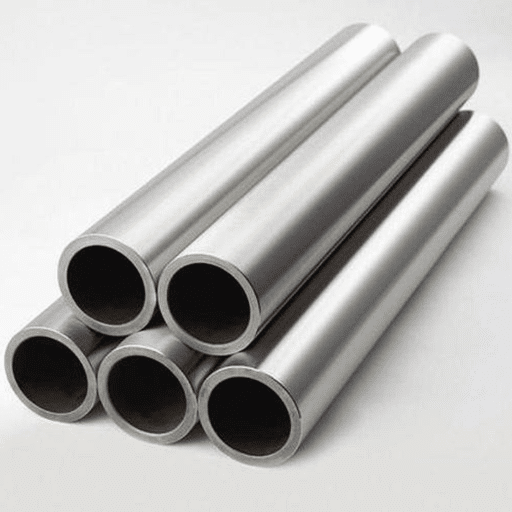
High Resistance to Corrosion
One of the most essential properties of Hastelloy B-2 is its exceptional resistance to hydrochloric acid and other major, lysogenous chemicals used in extremely severe conditions, i.e., cell gas system contenders, durable. It experiences soda caustic solution only in a few scenarios sI. It is quite non-corrosive.
Temperature Range
This material works in the cold as well as operative working temperatures, exceeding 1000 degrees Fahrenheit (538 °C). That makes this alloy suitable for utilization in manufacturing low and high temperature services.
High Strength
Hastelloy B2 “exhibits good” mechanical behavior e.g. tensile and deformation resistance. For example, its UT units may reach 1,000 psi (6.9 MPa) or 10,000 psi (69 MPa), making it very strong in use.
Convenient in terms of manufacturing as well as joining
The material is very ductile and solderable. Thus, design variables can change easily while retaining the material in the core of construction. The process of manufacturing will be less complicated due to the high workability of the material and various welding modes are applicable.
Not Susceptible to Stress Corrosion Cracking
Hastelloy B2 does not stress-corrode in aggressive environments, unlike most materials, and therefore it is useful in process equipment that is prone to dynamic loads and active chemicals.
Corrosion Resistance Advantages
Hastelloy B-2, thanks to its highly corrosion-resistant properties, is among the most sought-after materials in harsh industrial environments. Presented are several benefits of this alloy:
- 1
Safe Against Hydrochloric Acid
When it comes to corrosion in hydrochloric acid across a range of concentrations and temperatures, Hastelloy B-2 is highly effective, ensuring safe processing in all such applications.
- 2
Availability in Reduced Media
It accommodates high conditions of both hydrogen chloride and other hydrogen chloride-containing gases well, remaining effective in those environments.
- 3
Reduction of Pitting and Crevices
This is because fewer aggressive factors are required under the alloy’s specific chemical composition for localized corrosion in chlorine-containing solutions, such as pitting and crevice corrosion.
- 4
Reliability in Organic and Acetic Tecutes
One of the properties of Hastelloy B-2 is its ability to maintain most of its properties in the presence of organic and acetic acids, thus ensuring the availability of commodities for different industry sectors.
- 5
High Temperature Resistance
A high resistance to surfaces at elevated temperatures allows it to function well in more demanding applications such as heat exchangers, pressure vessels and other process equipment in corrosive media.
Strength and Durability Compared to Other Alloys
Hastelloy B2 outshines most alloys used in manufacturing in terms of effectiveness and robustness. The low density is coupled with the high thickness that results from its metallurgy and chemistry. Given below are five such comparisons highlighting the strength and endurance of this substance against a few representative alloys:
As Against that of Stainless Steel
Hastelloy B2 is sought after in highly corrosive environments, notably where there are acids such as hydrogen chloride. This also explains that even in environments where Stainless steel gets eaten away with recess holes forming, B2 coil remains whole.
In Comparison to Monel
Monel exhibits reasonable performance in environments with some level of corrosion just like the sea or salt water. However, Hastelloy B2 performs acceptably in high-temperature, acidic solutions and thus contributes to the overall efficiency of the industry.
When Compared to Titanium Formulations
The enriched formulations of titanium yield high-stiffness composite materials that are corrosion-resistant, but their resistance deteriorates in concentrated hydrochloric acid. Hastelloy B2 can overcome the challenges encountered in that environment, even under very high or elevated pressure and temperature.
Versus Cu-Ni Alloys
Cupronickel alloys, as a group, have relatively good resistance to water and weak acids. But they are ineffective at handling strong acidic solutions like that, while the Hastelloy B-2 filling holds up well and does the job.
Versus Chrome Moly
Chrome moly steel is able to offer high strength and high oxidation resistance from high temperatures. However, it does not provide the aggressive corrosion-resisting characteristics of Hastelloy B-2 inox steel in acid service – the purpose becomes marginalized.
These comparisons underscore the versatility of Hastelloy B-2, making it a precious material for markets that require enhanced strength and durability.
Cost-Effectiveness and Longevity
When assessing the economics and continuity of use, Hastelloy B2 is an optimal solution given its price and future use. Its excellent corrosion resistance in aggressive environments helps minimize repair and replacement costs – thereby avoiding high maintenance bills in the long run. If it is more expensive at the point of purchase than other variations, it will be justified and effective when the functional length is significant.
References
Effect on the microstructure of aging Hastelloy B2 from 550 to 850° C for 1,200 hours
Published on ScienceDirect, this article explores the microstructural changes in Hastelloy B2 during aging.
Electrochemical micromachining of Hastelloy B-2 with ultrashort voltage pulses
This study investigates the electrochemical micromachining process for Hastelloy B2.
Effect of pulsed current frequency on alloy chemistry, microstructure, and mechanical responses of Hastelloy B-2 superalloy in gas tungsten arc welding
A detailed study on the welding properties of Hastelloy B2.
Frequently Asked Questions (FAQ)
Which characteristics do the main material properties of alloy Hastelloy B-2 encompass?
B-2 Hastelloy (UNS N10665), with a very high nickel-molybdenum composition and custom-made to withstand corrosion exceptionally well in cs, reducing, and non-oxidizing environments, has been made. The strongest acid that it can resist is hydrochloric acid, in addition to hydrogen chloride gas, sulphuric acid, and phosphoric acid, pitting in the form of chlorides, and many other blowing chemicals across different industries. The structure has a high molybdenum content and low iron and chromium levels to reduce the risk of stressing the material or introducing unwanted media and SCC. B-2 Hastelloy has high-temperature tolerance, fair oxidation resistance in most applications, and is known for chloride and hydrogen embrittlement if appropriately used.
Are there any changes that take place in Hastelloy B2 as a result of being welded, and how about carbide precipitate formation within the weld?
Weld joints formed during Hastelloy B2 joining are usually of high quality; however, some adjustments should be made to eliminate heat-affected zone structural defects. In the as-welded state, when cooling rates are low or the filler composition is inappropriate, carbides or other precipitates may have an unwanted concentration in some locations; such precipitates are detrimental to the material’s corrosion resistance or create excessive border precipitates. Here, the solution is to use matching fillers, optimal input during welding, coupled with heat-input welds, and annealing or quenching when required, which prevents such precipitation. Where reactors, exchangers, or high-temperature components are concerned, it is always advisable to include x-rays and visual inspections, as these are areas where beach welding techniques should take into account the alloy’s liability to cracking and its reduced hot-gas behaviour.
Whether Hastelloy B2 can be shaped by force and which methods do not destabilize the alloy during this process?
Hastelloy B-2, while forgeable, needs to be forged at low temperatures and with very mild strains to prevent workhardening and the subsequent loss of thermal stability and microstructure. Forge outside the suggested hot working range to avoid cracks and obtain good corrosion resistance; post forging, it may be prudent to release for gend annealing cycles and subsequent quenching to prevent embrittlement of the material and osealing of a carbon phenomenon. credentials carbon P carbides or alike at the grain boundaries. In fact, it is, by some regulations, necessary to use such forging in cases where resistance to hydrochloric acid is required. Flanges, fastenerelles, and significant pressure-conscious components produced with such conditions fall within framework
Would it be excellent as Hastelloy B2’s machinability? Which tooling would work better than the others?
Tool steel/steel cast iron is known to be easily machined; however, the same cannot be said about Hastelloy B-2, which is only partly machinable. Additionally, in such operations, carbide tooling is necessary for cooling while operating at reduced speed rates. Proper tooling and cutting techniques should be designed and practiced for lathe operations, end milling, or drilling, or else there may be grabs and burrs from the operations. Certain holes and surfaces, primarily fastener holes and closely controlled surfaces, may require an additional stress-relieving process immediately following drilling to alleviate residual stresses ingrained within other structures or protect components against chlorides, hydrogen, or sulfur-containing service environments.
Does cold working have any influence on Hastings B2 material properties and the response to stress and corrosion?
Hastelloy B-2 is strengthened by cold working, though the hardening process can cause ductility loss and, in some environments, conditionally enhance stress corrosion cracking. Work-hardened alloys have increased residual stress and more pronounced grain boundary features; therefore, chloride or hydrogen could also be involved, which could aggravate localized attack and/or cracking. After large cold working, a stress-relief anneal is commonly applied to minimize instability and potential crack initiation, especially in aggressively corrosive media, such as details that can be subjected to large amounts of hydrochloric acid, sulfuric acid, or even hydrogen chloride gas.
To what extent is Hastelloy B2 a corrosion-resistant material in relation to antibacterial chemicals, such as hydrochloric acid or sulfuric acid, during chemical processes?
Due to resistance to hydrochloric acid, hydrogen chloride gas, most concentrations of sulfuric acid, especially reducing ones, and several organic acids, Hastelloy B2 finds its widespread application in the chemical industry. Its main benefit is its nickel-molybdenum composition, which helps prevent chloride pitting and crevice corrosion, allowing its use in the construction of reactors, heat exchangers, and pipelines for the transportation of harsh chemical compounds. However, it is not more resistant to oxidizing environments than some high-chromium nickel-based alloys. Hence, attention must be paid to the base element concentration, temperature, and existing oxidizers. In situations where the temperature is high or where oxidising and reducing conditions are mixed, stress corrosion testing or literature information is recommended.
What considerations are necessary for the prevention of nucleation and precipitation of undesirable phases in the structure, and also to improve corrosion in the weld heat-affected zone?
To reduce precipitate formation in the weld heat-affected zone while maintaining superior corrosion resistance, choose a suitable filler metal, limit heat input, and manage interpass temperature accordingly. Use post-welding annealing or solution treatment and quenching to dissolve harmful precipitates and bring the microstructure back to its unrecrystallized state. Ensure the workpiece is not contaminated with iron or copper throughout the fabrication process, and take X-ray or other NDTs on critical regions if required. Correctly developed procedures reduce the risk of carbide formation, grain boundary sensitization, and corrosion pits or cracks.
Oxidation resistance and high temperature performance of Hastelloy B2; at what temperatures does the alloy sustain itself either in air or vacuum?
Hastelloy B2, which is thermally stable in many chemical processing applications, is not resistant to very high temperatures, especially above 1950°F, as with high-temperature nickel alloys. At a moderate elevated temperature, the alloy can withstand reasonable levels of oxidation and performs better in the absence of oxygen or vacuum systems. Applications that require very high temperatures or exposure to an oxidising atmosphere should opt for alloys with a high chromium content to improve oxidation resistance and thermal stability. Material selection should also always take into consideration the operating temperature, concentration and oxidising media when present.