


Blog
Hastelloy B-3: Enhanced Corrosion Resistance

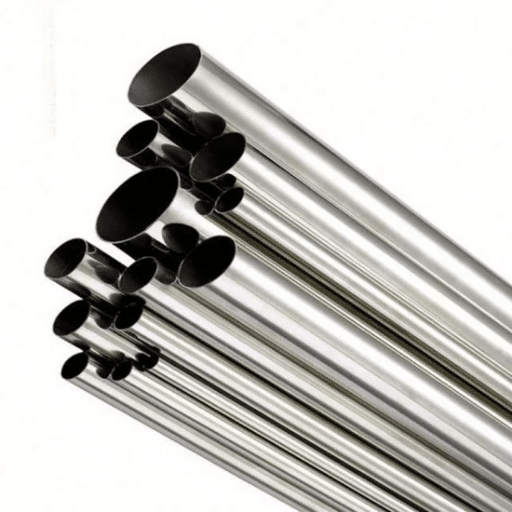
Hastelloy B-3 is a state-of-the-art nickel-molybdenum alloy characterized by its excellent corrosion resistance, especially in very aggressive chemical conditions. This progressive alloy has no competitor in its corrosion resistance when it comes to even the most aggressive environments, including hydrochloric acid, sulfuric acid, and other reducing agents. The chemicals, pharmaceuticals, and even food industries that face such difficult circumstances have no other options than to depend on Hastelloy B-3’s unique properties to provide them with equipment that lasts longer and operates more reliably. The article below will present the different facets, advantages, and uses of Hastelloy B-3 that will be extremely helpful for engineers, producers, and decision-makers who look for the best corrosion-resistant materials. Thus, we will expose the reasons for this alloy being the most preferred one in the world’s industries.
Introduction to Hastelloy Alloys
Hastelloy alloys are regarded as a group of metals with excellent resistance to corrosion, whose main component is nickel and which contain also varying amounts of molybdenum, iron, cobalt, and chromium. They are meant to cope with the most severe conditions, above all, those with the presence of strong chemicals or high temperatures. The extraordinary properties of these alloys, which include oxidation resistance, stress corrosion cracking resistance, and, incidentally, pit resistance, secure their widespread usage in the industries mentioned above: chemical processing, aerospace, and marine engineering. Among the Hastelloy variants different grades correspond to the most suitable performance under particular conditions; thus, the operators are sure of the products’ reliability and durability even in the most demanding applications.
Significance of Hastelloy in Industrial Applications
Because of their incredible features, Hastelloy alloys have become the mainstay of various industrial applications. They are capable of enduring very corrosive environments, keeping their strength in extreme situations, and offering many years of service life in applications where no breakage is allowed. The following five aspects of the use of Hastelloy in industrial applications are presented as examples of its significance in the industry:
1. Chemical Processing
Heating of reactors, heat exchangers, and pressure vessels is the mainstay of chemical processing. Hastelloy is used extensively in the chemical processing industry, where it is made resistant to very strong acids, like sulfuric and hydrochloric acid, among others. Thus, the plant operates in a safe and efficient manner.
2. Aerospace Engineering
High performance in extreme temperatures is what makes Hastelloy an indispensable material for the aerospace sector. Its application is in the production of parts like engines, ducts, and those that are to be in the area of intense heat and oxidative sources.
3. Marine Environments
The marine industry relies on Hastelloy for its outstanding quality of being seawater proof. It is mostly used in the case of saltwater pumps, valves, and other equipment in areas of offshore platforms and desalination plants.
4. Pharmaceutical Manufacturing
Hastelloy is the main choice in the pharmaceutical industry because it is inert, easy to clean, and thus contamination-free. It is used in the processing of chemicals, which includes the construction of tanks and pipes.
5. Power Generation
Hastelloy is utilized in power plants for materials that endure severe conditions, such as gas turbines and flue gas scrubbers. Its ability to last under high temperature and corrosive gas environments helps to increase the efficiency of power generation systems.
Hastelloy alloys are required by all these industries to ensure the safety, efficiency and reliability of the daily operations that are vital.
Overview of Hastelloy B-3
The metal Hastelloy B-3, composed of nickel and molybdenum, exhibits the highest resistance to hydrochloric acid and other strongly reducing substances. In addition to its good reputation for thermal stability, Hastelloy B-3 reduces damage phase formation during fabrication and operation. The elements present in its chemical composition are mainly nickel (Ni), molybdenum (Mo), iron (Fe), and chromium (Cr), which work together to provide its strength and corrosion resistance.
Key Properties of Hastelloy B-3:
Exceptional Corrosion Resistance
Hastelloy B-3 is generally considered as the most resistant material to hydrochloric acid in any concentrations or temperatures, thus making it very powerful in chemical environments. Moreover, it does not get deteriorated through these chemical actions; still, it resists the mentioned activities and provides a safe atmosphere of operation.
Thermal Stability
Thermal stability is one of the main factors that differentiate Hastelloy B-3 from other materials. It has this property because of the constant improvement in alloy design. This resolution allows the equipment to last longer and work under the extreme environment of operation.
Mechanical Properties
- Tensile Strength: Usually around 110 ksi (758 MPa).
- Yield Strength: Approximately 50 ksi (345 MPa) that gives strong structural stability.
- Elongation: Shows elongation of about 40% that supports its ductility and easy fabrication.
Ease of Fabrication
Hastelloy B-3 is a material that possesses a variety of advantages in the aspects of forming, welding, and machining. These advantages allow it to be applied in complex industrial designs. In addition, its ability to resist cracking and being structurally sound during the fabrication process makes it very versatile.
Applications of Hastelloy B-3
Hastelloy B-3, due to its remarkable chemical and thermal features, is extensively used in the following industry sectors:
- Chemical Processing: Used up in the construction of reactors, heat exchangers, evaporators, and storage tanks that contact either extreme acids or hostile environments.
- Pharmaceutical Industry: In areas where contamination resistance is of paramount importance, the material is used in the corresponding equipment.
- Wastewater Treatment: Involved in the systems that handle highly acidic or toxic waste waters.
Composition of Hastelloy B-3 (Typical Values in Percentage):
The distinctive advanced combination of properties and versatility of Hastelloy B-3 make it an indispensable material in the environments requiring exceptional strength, thermal stability, and resistance to very aggressive chemicals. Its presence in the modern-day industry is a testimony to the continuous development of materials science to accomplish the most stringent operational and safety standards.
Importance of Enhanced Corrosion Resistance
Enhanced corrosion resistance is an essential property of the materials that are used in the hard conditions of the industrial environment, where the materials are exposed to harsh chemicals, extreme temperatures, and mechanical stress. Hastelloy B-3 and similar materials are manufactured forging the obstacles and thereby providing safety, longevity, and efficiency. The importance of corrosion resistance enhancement can be boiled down to the following five points:
- 1
Extended Equipment Lifespan: Materials with top-notch corrosion resistance are less prone to decay over time, thus, minimizing the chances of costly repairs and frequent replacements of the equipment. - 2
Improved Safety: These materials, by not succumbing to damage from the environment and chemicals, greatly lessen the likelihood of leaks, structural failures, and even dangerous accidents in the most sensitive sectors like chemical processing and power generation. - 3
Operational Efficiency: In addition to that, the materials that resist corrosion support the integrity of the process, leading to less stoppage and the guarantee of production being continuous in areas like pharmaceuticals, aerospace, and marine applications. - 4
Cost-Effectiveness: After all, it is true that the initial investment in corrosion-resistant materials may seem steep; however, the long-term savings due to cutting down on maintenance, repairs, and replacements will be quite significant. - 5
Environmental Protection: In addition, corrosion-resistant materials play a significant role in minimizing the risk of leaks and emissions of contaminants, thus, protecting the environment and encouraging industrial operations that are characterized by sustainability.
The above-discussed points illustrate that the requirement of enhanced corrosion resistance is a key factor for the development of modern materials that can endure harsh operating conditions.
Understanding Alloy Properties
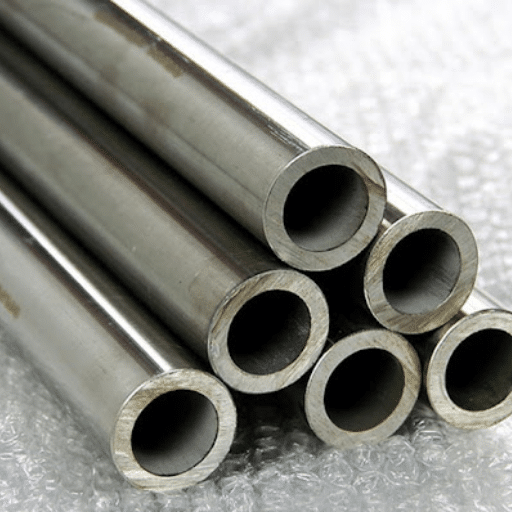
Alloys, which are also known as engineered materials, are made from two or more elements and contain at least one metal. The goal of producing alloys is to achieve the desired properties, such as strength, durability, resistance against corrosion and thermal conductance, according to their specific applications. The advances of material science have facilitated the performance of alloys more than ever, therefore making them suitable for the demanding requirements of the industries in the modern world.
Key Properties of Alloys
Strength and Durability
Alloys made of stainless steel (which consists of iron, chromium, and nickel) are among the most popular ones due to their very high tensile strength and non-deformation even under heavy loads. To give an example, the ultimate tensile strength of stainless steel of grade 316, which is a common choice in the marine industry, is around 580 MPa.
Corrosion Resistance
Alloys like aluminum 6061-T6 and titanium alloys are the ones that come to mind when one thinks of corrosion resistance, not only being resistant to cautious environments but also being expensive to manufacture and process as they last very long in such environmental conditions. The passive oxide layer formed around the stainless steel by the addition of chromium makes the metal immune to rust and oxidation.
Lightweight Nature
Light metals like aluminum-magnesium and titanium have become the standard in the aerospace and automotive sectors. When it comes to aluminum alloys, they not only offer very good ratios of strength over weight but also make a drastic difference in the fuel efficiency of vehicles and aircraft.
Thermal and Electrical Conductivity
Brass and bronze are two of the copper-based alloys which are very good conductors of heat and electricity, so they are used in the production of electrical wires, heat exchangers, and components of electronic devices.
Wear Resistance
Alloy steels that are known for their toughness, such as tool steels, have tungsten, molybdenum, and vanadium among their constituents. These elements participate in forming carbides within the steel, which causes an increase in hardness and durability, thus becoming indispensable in cutting tools and machine parts.
Real-World Examples and Data
- Aerospace Applications: Ti-6Al-4V, a titanium alloy, has been widely accepted in the aerospace sector because of its high strength-to-weight ratio and ability to withstand very high temperatures. Its weight is 4.43 g/cm³, and the operating temperature limit is 400°C.
- Automotive Advances: Aluminum 7075 is the material used in manufacturing car frames, as it is as strong as mild steel but weighs only a third, thus enhancing performance and lowering fuel consumption.
- Corrosion Studies: Studies have demonstrated that among various materials used in the saline environment, the grades of stainless steel that are 304 and 316 provide the best results, having a range of pitting corrosion resistance from 1,000 to 3,000 hours during the salt spray test.
The manufacture of alloys having specific properties, tailored to the situation, keeps on pushing the limits of engineering competence and at the same time, keeps on satisfying the demand of modern industries with the adherence to strict sustainability goals.
Composition and Characteristics of Hastelloy B-3
Hastelloy B-3 is an extraordinary metal capable of being combined with numerous factors and to resist corrosion. This nickel-based alloy and its composition of added elements, expertly balanced to give maximum benefits. It is an alloy that is unreservedly tailored to perform in harsh conditions, especially when dealing with highly acidic phenomena. Hastelloy B-3 has five traits and functionalities of which I am going to provide you with a detailed account:
Corrosion Resistance:
A remarkable attribute that entails not only making the alloy immune to hydrochloric acid but the sulfide’s and that of the other strong reducing agents too, thus heightening its use case in the chemical processing industry.
Thermal Stability:
Better in the long run structural stability and over high temperatures, the risk of carbide precipitation and of intergranular corrosion is thus significantly reduced.
Chemical Composition:
The main component of the alloy is nickel which is about 65%, and the rest of the alloy consists of molybdenum (28-30%), iron (1-3%), cobalt (maximum of 3%), and chromium (1-3%) all of which enhance the performance of the alloy.
High Tensile Strength:
The alloy is characterized by superior mechanic properties including high tensile and yield strength that enable it to perform reliably even under mechanical stress and in such a precarious environment.
Weldability:
The alloy has not only excellent weldability and fabricability but these characteristics can also be employed in the production of intricate machinery with no fear of cracking or loss of properties.
Hastelloy B-3 is an alloy that has been made its way into the industry in a stealing manner, that is, to the point of being the top choice for all the industries that experience a combination of harsh chemical processes and stringent high-performance requirements.
UNS N10675: The Material Specification
UNS N10675 is a material specification that corresponds with Hastelloy B-3, as it meets the criteria of certain standards and properties, which are necessary for the best performance of the material in extreme applications. The following represent five significant points of its specification:
- 1
Chemical Composition: Nickel constitutes the major part of the alloy (c.a. 65% min.), followed by molybdenum (c.a. 28-32%), and iron and cobalt with minor amounts of other elements to increase the resistance against corrosion and chemical attack. - 2
Density: The alloy weighs around 9.24 g/cm³, and its high durability and toughness are among the major characteristics that make it suitable for use in environments with heavy mechanical and environmental stress. - 3
Melting Range: The melting range for UNS N10675 is 1370°C – 1390°C (2498°F – 2534°F), which allows it to be very reliable in high-temperature chemical processes. - 4
Corrosion Resistance: Some of its key qualities are being able to withstand hydrochloric acid and other strong reducing agents, which makes it suitable for the harshest chemical environments. - 5
Tensile Strength: The minimum tensile strength is generally about 758 MPa (110 ksi), which means the material is capable to bear high tension and mechanical loads without failure.
The specifications mentioned above demonstrate the adaptability and the excellent quality of UNS N10675 in the most demanding industrial environments.
Thermal Stability and Performance
UNS N10675 has an incredible stability at high temperatures which is a reason for its usage in high-temperature environments. It does not only keep its mechanical properties but also its corrosion resistance even in very harsh conditions. The material can take up to around 400°C (752°F) temperature without any substantial degradation which ensures its reliability in both hot and aggressive chemical processes.
Thermal expansion of UNS N10675 is quite low, with the coefficient of thermal expansion being an average of around 11 µm/m·K in the temperature range of 20 °C to 100 °C (68 °F to 212 °F). Due to this, the risk of warping or mechanical stress is lower when the material is exposed to fluctuating temperatures.
Also, the thermal conductivity of UNS N10675 is about 9.5 W/m·K at room temperature which enables effective heat dissipation in varied applications. Its specific heat capacity is around 427 J/kg·K that is why it can absorb and transfer thermal energy very quietly.
These thermal properties help UNS N10675 to be utilized in processes involving heat-ridden equipment such as heat exchanges, reactors, and chemical containment nanotechnology where durability and stability are the two main cornerstones.
Key Features of Hastelloy B-3
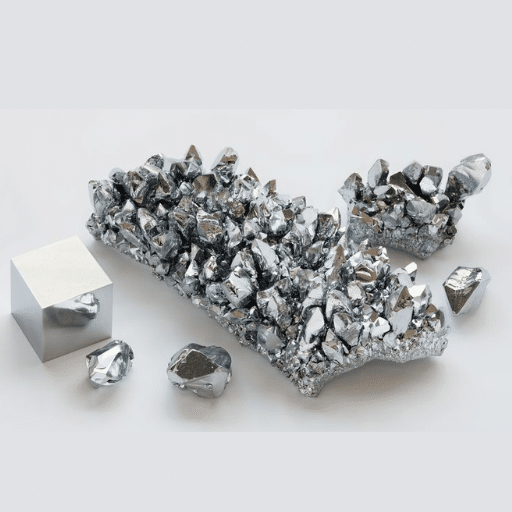
Hastelloy B-3, an alloy of nickel-molybdenum, is famous for its extremely high resistance to hydrochloric acid and other highly reducing agents. The following are the principal traits and attributes that accompany it and make it a material of choice in industrial sectors:
Outstanding Chemical Resistance
The corrosion resistance of Hastelloy B-3 is so superb that it can survive a great many chemical attacks especially hydrochloric acid where all concentrations and temperatures. This superb feature puts the alloy in withstanding environments where even the best have to give up.
Enhanced Thermal Stability
The alloy demonstrates better thermal stability than its predecessors and, thus, improved structural stability. This thermal stability helps to prevent the formation of harmful phases during temperature fluctuations and, as a result, reliability in the case of high temperatures is increased.
Resistance to Pitting and Stress Corrosion Cracking
In contrast to other alloys, Hastelloy B-3 is very resistant to pitting, crevice corrosion, and stress corrosion cracking in both oxidizing and reducing environments.
Enhanced Fabricability
Hastelloy B-3 has excellent workability and machinability, which makes the manufacturing of the alloy through the process of forming, welding, and machining less complicated. Thus, efficient production is assured even though the integrity of the material is not compromised.
Mechanical Properties
- Tensile Strength: About 792 MPa (115 ksi), imparting very good strength under mechanical stress.
- Yield Strength: About 355 MPa (51.5 ksi), proving ability to retain form and integrity under applied loads.
- Elongation: The alloy has an elongation capacity of 40-45%, which means it can be deformed a lot and, still, remain flexible and ductile under stress.
Temperature Performance
Hastelloy B-3 can be used in the applications where temperatures more than 1000°F (538°C) are involved, making it suitable for chemical reactors, heat exchangers, and distillation systems.
Applications
In chemical processing industries this alloy has wide application; it is mainly used in the manufacture of acetic acid, sulfuric acid, and chemical reactors which are being done under the exposure of aggressive substances. Its durability prevents the equipment in such environments from having to be replaced often, hence maintenance costs are reduced.
With its strength, chemical resistance, and flexibility, Hastelloy B-3 is unarguably a top choice in industrial applications that require reliable and long-term performance. The advancements made in its formulation have made it capable of meeting the challenges of modern-day harsh environments effortlessly.
Resistance to Corrosion and Stress Corrosion Cracking
Hastelloy B-3, owing to its outstanding characteristics, has won the heart of many industries thanks to its incomparable corrosion and stress corrosion cracking resistance powering it around in the most challenging industrial environments. Below are the significant details and performance data:
- Resistance to Hydrochloric Acid:
The metamorphic B-3 shows the most brilliant resistance to hydrochloric acid over both high and low-temperature ranges thereby saving it from destruction and keeping it intact. - Superior Performance in Reducing Environments:
The metal keeps on displaying great adaptability in reducing environments, e.g. those with hydrogen chloride gas or sulfuric acid. - Protection against Pitting and Crevice Corrosion:
Thanks to its state-of-the-art composition, the alloy has a much lower propensity to suffer from localized forms of corrosion like pitting and crevice corrosion which, in turn, increases the life of the component. - Stress Corrosion Cracking Resistance:
The new formulation has made H. B.-3 capable of cracking even under the combined condition of the mechanical stress and corrosion exposure. - Thermal Stability:
The alloy keeps its property even at the high temperatures making it possible to take on the most demanding chem. processes.
Indeed, the presence of such features makes Hastelloy B-3 the most trustworthy option for the industries that mostly use materials that can stand very high levels of chemical and mechanical stress.
Welding Capabilities and Techniques
Hastelloy B-3 is the most famous for its weldability which makes it the best candidate for the applications where the welded joints are expected to be reliable and long-lasting. The following are the main welding capabilities and techniques that are associated with this alloy:
Gas Tungsten Arc Welding (GTAW)
This method is perfect for joining Hastelloy B-3 plate because it is highly accurate, and it can make high-quality welds with very little contamination. It is mainly for thin parts and very important applications.
Gas Metal Arc Welding (GMAW)
This method is mainly used for welding the thicker sections, and GMAW gives a great depth of penetration and a constant process which is the reason behind the strong welds for the assurance of structural integrity.
Shielded Metal Arc Welding (SMAW)
With its adaptability, SMAW can be put to use anywhere in the field or at remote sites and it will still produce solid welds even in less than ideal conditions.
Submerged Arc Welding (SAW)
It is an extremely high production rate and the ability to weld thick layers of Hastelloy B-3 that makes SAW a favorite choice for the major projects.
Filler Metal Compatibility
In order to achieve the best results, the welding of Hastelloy B-3 must be done with the filler materials which are specially selected to match the base alloy. This prevents corrosion and maintains the mechanical properties across the welded area.
By applying these techniques, industries will be able to maximize the strength and performance of Hastelloy B-3 parts used in the most demanding and harshest conditions.
Comparison with Other Hastelloy Alloys
| Parameter | Hastelloy B-3 | Hastelloy B-2 | Hastelloy C-22 |
|---|---|---|---|
| Primary Composition | Nickel, Molybdenum, Chromium | Nickel, Molybdenum | Nickel, Chromium, Molybdenum, Tungsten |
| Corrosion Resistance | Excellent in reducing acids | Excellent in reducing acids | Excellent in oxidizing and reducing acids |
| Thermal Stability | Improved over B-2 | Limited at high temperatures | Superior at high temperatures |
| Stress Corrosion Cracking | High resistance | Moderate resistance | High resistance |
| Pitting Resistance | High | Moderate | Very high |
| Weldability | Moderate | Moderate | Excellent |
| Applications | Chemical processing, heat exchangers | Chemical storage, pipelines | Pollution control, waste treatment |
| Mechanical Strength | High tensile strength | Moderate tensile strength | Higher tensile and yield strength |
| Cost | Moderate | Moderate | Higher |
Applications in Industry
Chemical Processing
Stainless steel alloys are a common choice in chemical processing plants, as their resistance to corrosion is unmatched. Heat exchangers, reactors, and pressure vessels used in chemical processing often consist of such materials, as they are able to tolerate the severe chemical conditions.
Oil and Gas Industry
The oil and gas industry has a strong dependence on these alloys in the case of pipelines, storage tanks, and offshore platforms, where materials have to come through operating under very high pressures and temperatures and, at the same time, being constantly exposed to corrosive substances like hydrogen sulfide.
Medical Devices
Stainless steel alloys, on account of their biocompatibility, are indispensable in medical applications. They are a part of the production process of surgical instruments, implants, and hospital equipment that need to be durable and non-reactive.
Aerospace Engineering
The high strength-to-weight ratio and the superb corrosion resistance of stainless steel alloys make precision components such as engine parts, fasteners, and structural elements in aerospace engineering reap the benefits.
Water Treatment Facilities
Stainless steel alloys are in use in pollution control and water treatment plants for pump, valve, and filtration system components. Their great resistance to corrosion from water makes stainless steel alloys the best choice for these applications.
Usage in Chemical Processing
The chemical processing industry continues to rely on stainless steel alloys because of their resistance to severe corrosive environments and high temperatures. The use of these materials is very common for making reactors, heat exchangers, piping systems, and storage tanks for chemicals. Their principal trait is the resistance to oxidation and pitting, even under the most severe acidic conditions, such as those created by hydrochloric acid or sulfuric acid.
Recent data from the chemical processing industry indicates that 316 and 317 stainless steel grades remain the most common in the sector. This is mainly because of their superior resistance to corrosion due to the presence of molybdenum in their composition. The chemical processing equipment market worldwide which was worth around $52 billion in 2022, has also an indirect dependence on the stainless steel components that are robust enough to withstand the performance and endurance standards set for the market.
Aside from the above, one of the many advantages of stainless steel is that it retains its shape and strength even when heated, thus making it applicable to high-pressure situations. An unreactive surface guarantees the absolute purity of the product, which is especially important with food-grade chemicals or pharmaceuticals. The above characteristics of steels thus ensure that they become a primary material for providing to modern chemical processing technology.
Role in Oil and Gas Exploration
The durability, corrosion resistance, and excellent performance in extreme environments make stainless steel a very important material in the oil and gas exploration industry. It ensures the safety, efficiency, and durability of operations in the industry that is really demanding. There are five significant functions and applications of stainless steel in the oil and gas exploration to illustrate this:
- 1
Offshore Drilling Platforms
The material used in the building of offshore drilling platforms is stainless steel for the most part. This is because it resist corrosive seawater very much and at the same time it can withstand extreme weather conditions. Thus, the resistance of stainless steel to saltwater corrosion maintains the quality of the structure during the entire time.
- 2
Pipelines and Transport
Stainless steel is utilized to a large extent in pipelines that carry oil and gas. It is because of the combination of its great strength and resistance to corrosion that the pipelines are kept free from leaks and the costs of maintenance are reduced, even in the case of pipelines carrying corrosive or high-pressure fluids.
- 3
Subsea Equipment
Stainless steel is very frequently used in making components such as valves, pumps, and connectors, among others, that are utilized in subsea operations. The material guarantees that these essential parts are able to perform their functions even under the constraints of high pressure and the corrosive nature of the underwater environment.
- 4
Refineries and Processing Plants
In the refining process, stainless steel is employed for the apparatus, such as heat exchangers, distillation columns, and storage tanks. Stainless steel is a reliable partner in the refining of crude oil as it can withstand high temperatures and corrosive chemicals without losing its integrity.
- 5
Drill Bits and Tubing
The Stainless steel alloy drill bits and downhole tubing cannot be ruled out when it comes to the extraction of oil and gas from the deep reservoirs. They not only supply the necessary strength but also resist operational extreme conditions like very high pressure and abrasive environments.
These applications depict that stainless steel is a dependable partner in the oil and gas exploration challenges, as it provides durability, safety, and cost-efficiency in different processes.
Impacts on Aerospace and Defense
Stainless steel has a very important place in the aerospace and defense industry where precision, strength, and reliability are very much needed. Its properties make for the survival of the necessary parts and their functioning even under the most harsh conditions. The five major impacts of stainless steel on aerospace and defense are as follows:
Aircraft Structural Components
Due to its high strength-to-weight ratio and corrosion resistance, stainless steel is a major material for the construction of fuselages, landing gear, and other structures, ensuring a long service life.
Jet Engine Parts
Certain high-temperature stainless steels are indispensable for jet engines as they can endure both extreme temperatures and stresses involved in moving. This, in turn, leads to the improvement of the efficiency and safety of the engines in the case of the most powerful ones.
Weaponry and Ammunition
The production of guns and bullets is one of the areas of application of stainless steel because of its ability to withstand corrosion, to be precisely machined, and to resist wear and tear in various places and conditions.
Satellite and Spacecraft Construction
The material is one of the components in the manufacturing of satellites and spacecraft that are fuel tanks and support structures. it provides the best possible performance in the vacuum and radiation of space.
Protective Armor and Shields
Stainless steel is used for plating with armor and for shields, providing very strong defense capabilities while being reasonably heavy at the same time.
The above-mentioned applications demonstrate that stainless steel is indispensable in the process of making aerospace and defense technology reliable, safe, and more advanced.
Future Developments and Innovations
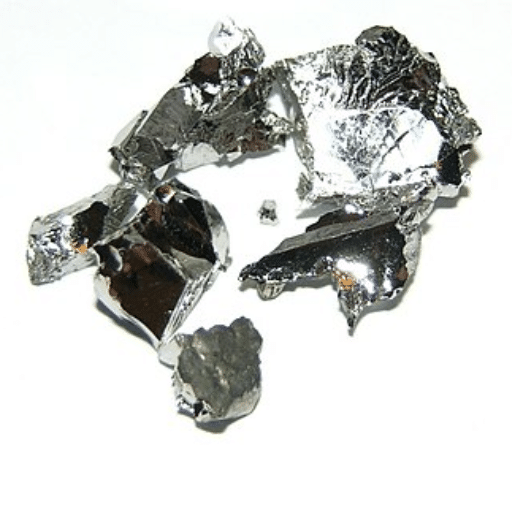
The fate of stainless steel in the aerospace and defense sectors as a whole will be impacted by new technologies and continuous improvements. It’s the metals engineers and researchers who are meritfully working on developing the alloys of a new generation that will let the material last longer, be less heavy and bear very high and very low temperatures. Developments like this will lessen the amount of fuel used and make the whole process of manufacturing more environmentally friendly.
The composite materials of stainless steel that are implemented with nanotech are among the discoveries with the most potential. Nanostructured materials of stainless steel are said to have great potential in producing alloys that are ultra-high-strength and at the same time very resistant to corrosion. The case in point here would be the studies that show how the addition of nanoparticles can increase the strength of the metal by as much as 20%. Such a metal would surely find its use in state-of-the-art spacecraft and military armor.
Amongst other things, the development in the 3D printing process has also magnified the area of production possibilities for stainless steel parts. The 3D-printed structures of very high performance that are light in weight and of custom designs can be produced at a very low cost due to the reduction in the time of the entire process. The market analysis predicts that the very sector of 3D printing related to aerospace, which was around $3 billion in 2022, will grow at a rate of more than 20% per annum till 2030, thus opening up a lot of investment opportunities in the technology of stainless steel printing.
In another area, the focus is on sustainable development. The environmental benefits sought in the aerospace industry have created a demand for recycling and energy-wise manufacturing of stainless steel. Stainless steel recycling rates of more than 85% have already been reported, and this trend is expected to grow further with the implementation of environmental policies and the reduction of resource consumption in the defense sector.
The innovations along with the research efforts will gradually but surely cement the position of stainless steel as the prominent metal in the ever-changing aerospace and defense sectors. The industry is ready to break the limits of what stainless steel can do by combining advanced materials science with cutting-edge technologies.
Recent Findings in Hastelloy B-3 Research
Recent studies on Hastelloy B-3 have shown that its resistance to hydrochloric acid and other very aggressive chemicals is remarkable, which makes it a done deal for extreme situations as far as their materials are concerned. It seems to me that improvement in thermal stability and better weldability are the main advancements that the alloy has made, thus ensuring its excellence in the most difficult industrial applications. All this has confirmed its credibility as a material that can endure and resist wear in processes where both qualities are required.
Potential Innovations in Alloy Technologies
The primary focus of the recent alloy technology advancements is to develop and improve both the efficiency and the performance of the products in the different sectors. Among those developments, one of the most triumphant is high-entropy alloys (HEAs). To be more specific, these alloys contain five or more primary elements arranged in equal or almost equal proportions plus they are the best alloys for the strength, the corrosion resistance, and the thermal stability. For instance, researchers have shown that some HEAs can survive the most extreme temperatures that exceed 1200°F which is an enormous advantage over traditional materials used in aerospace and power generation applications.
In addition, there have been many experiments done that led to the production of nanostructured alloys. Nano-scale material handling has been reported to cause a major increase in hardness and toughness, with some nanostructured aluminum alloys showing 50% a rise in tensile strength when compared to the usual ones. Such materials could completely change the automotive and building industries by allowing the use of lightweight, high-performance products.
At the same time, 3D printing which is an advanced manufacturing process has created new pathways for producing customized alloys. The possibility of personalized mixture has led to the production of alloys that are custom made to meet specific design needs and at the same time material waste being reduced. For example, the titanium-aluminum-vanadium alloys that are usually used in 3D printing are slowly becoming the go-to material in medical implants and aerospace thanks to their excellent biocompatibility and strength-to-weight ratio.
Moreover, the application of artificial intelligence (AI) in the research of alloys has been a big contributor to innovation. With the help of the machine learning algorithms, the process of predicting properties and optimizing new alloy compositions is more efficient than the conventional methods. Already, this has fast-tracked the creation of superalloys that can survive in the most brutal conditions like those found in jet engines or chemical reactors.
Another thing is that the researchers are concentrating on environmentally friendly materials by using non-critical raw materials such as cobalt and nickel that are less toxic and more abundant to replace the critical raw materials. Industry statistics have indicated that the substitution can lead to a consumption of the alloy supply chain that is significantly lower with a lesser environmental impact of the alloy production.
Innovative products have the potential to change the industries that depend on the durability and efficiency of materials and at the same time, they would help to achieve the global sustainability objectives. In fact, the unending developments in alloy technologies guarantee that their applications will not only continue to be widespread but also to be impactful.
References
- MDPI – Metals Journal
Title: Hastelloy BC-1 (2.4708) and B3 (2.4600): Diffusion Bonding Experiments and Evaluation of both Mechanical Behavior and Corrosion Resistance in Hot 70°C
- MDPI – Applied Sciences Journal
Title: The Effect of Long-Term Aging on the Mechanical Properties of Corrosion-Resistant Nickel-Based Alloys for Their Application in Nuclear Technologies
- ScienceDirect – Surface and Coatings Technology
Title: Intergranular corrosion mechanism of sub-grain in laser additive manufactured Hastelloy C22 induced by heat treatment
Frequently Asked Questions (FAQ)
What exactly is the distinguishing characteristic of Hastelloy® b-3® and how does it contribute to better corrosion resistance?
Hastelloy® b-3® is an alloy of nickel and molybdenum designed specifically for its exceptional resistance to non-oxidizing acids like hydrochloric acid and sulfuric acid. In contrast to the older b-2 alloy or Hastelloy® B-2, b-3® presents better structural and thermal stability, a wider corrosion and thermal performance range in chloride and fluoride environments, and a resistance to pitting and uniform corrosion that is excellent even in very aggressive environments. The combination of its controlled annealing/hot-rolling process and composition yields a ductile, stable material that is able to withstand many different types of corrosive attacks.
How does b-3®’s resistance to stress corrosion cracking stack up against other nickel alloys like C-276 or 625?
Hastelloy® b-3® is highly resistant to stress-corrosion cracking in non-oxidizing acids, particularly in chloride-bearing solutions, whereas C-276 and alloy 625 are commonly chosen for mixed oxidizing and reducing environments and for their resistance to pitting and crevice corrosion. The composition of the b-3® focuses on the acid resistance of hydrochloric acid at all possible concentrations and many sulfuric acid conditions, so it provides not only a good but also exceptional resistance where the stress corrosion cracking in chloride-bearing media is a major concern. The choice of the material should depend on the specific media, concentrations, and temperatures.
Is b-3® capable of withstanding hydrochloric acid and how about chlorine at high concentrations and temperatures?
Yes indeed. Hastelloy® b-3® is famous for its superb ability to resist hydrochloric acid especially at very high concentrations and hot temperatures where many other alloys would not only corrode but do so rapidly. Its nickel-molybdenum matrix does a good job of minimizing attack in reducing acid environments. However, in this case, performance is very much dependent on the specific concentrations and temperatures combined with the presence of oxidizing agents like ferric or cupric salts which can even change the corrosion behavior; therefore, it is a good practice to consult corrosion data and ASTM/ASME standards for design.
Will b-3® alloy manage to withstand sulfuric, phosphoric, acetic, and formic acids, and how does acid resistance vary?
Hastelloy® b-3® provides a high level of resistance to a wide range of acids, such as sulfuric, phosphoric, acetic, and formic acids, especially under non-oxidizing conditions. For concentrated sulfuric and fluoride-bearing media, b-3® can endure more severe conditions than many conventional alloys, but the performance is still dependent on the concentrations and temperatures. In cases where oxidizing species such as ferric or cupric salts are present, the corrosion behavior may change and the use of alternate alloys or protective measures may be necessary.
What is the impact of the annealing, hot rolling, and fabrication history on b-3® stress corrosion cracking resistance?
Fabrication processes like anneal and hot rolled conditions have an effect on microstructure, residual stresses, and the mechanical properties that in turn influence stress-corrosion cracking resistance.Appropriate annealing eliminates residual stresses and makes b-3® less prone to stress-corrosion cracking by improving ductility. Follow (Haynes International guidelines) and applicable standards such as ASTM B335, ASTM B366, or ASME SB335/SB366 for heat treatment and fabrication to maintain the desired performance.
What are the ASTM/ASME specifications that apply to Hastelloy® b-3® for pressure parts and piping?
Specifications include ASTM B335 for seamless pipe and tube, ASTM B366 and ASME SB366 for sheet and plate, and ASME SB335 for other wrought forms where applicable which cover the material and product forms of Hastelloy® b-3®. These standards specify chemical, mechanical, and testing requirements. In the case of pressure-containing applications, it is essential to comply with ASME code requirements, check the material traceability and heat treatment with Haynes International and the purchaser’s specifications.
Is b-3® appropriate in the presence of ferric or cupric salts or oxidizing agents, and what is the impact of such species on performance?
The presence of ferric or cupric salts as well as other oxidizing species can significantly change the course of corrosion. While b-3® is reallly resilient to many non-oxidizing acids, oxidizers can trigger pitting, crevice corrosion or stress-corrosion even in nickel-molybdenum alloys. More corrosion-resistant alloys like C-276 or considerations for inhibitors and process control may be necessary in the case of oxidizing chloride-bearing solutions. Media composition, including trace oxidants, must always be assessed before making a decision