High Standard Stainless Steel With Strict Inspection



Monel 400 vs 316 Stainless Steel: Key Differences and Applications


When it comes to material selection for the most demanding applications, Monel 400 and 316 stainless steel are often the most suitable alloys engineers and designers consider. These materials possess excellent corrosion resistance and strength and therefore can be used in a wide range of sectors, from marine engineering to chemical processing. Still, the right material is only right if you have a good knowledge of its characteristics and the specific conditions of its application. This article compares Monel 400 and 316 stainless steel in terms of composition, durability, cost, and ideal applications. At the end, you would be equipped with a well-rounded view to take up informed decisions for your next project.
Introduction to Monel 400 and Stainless Steel 316
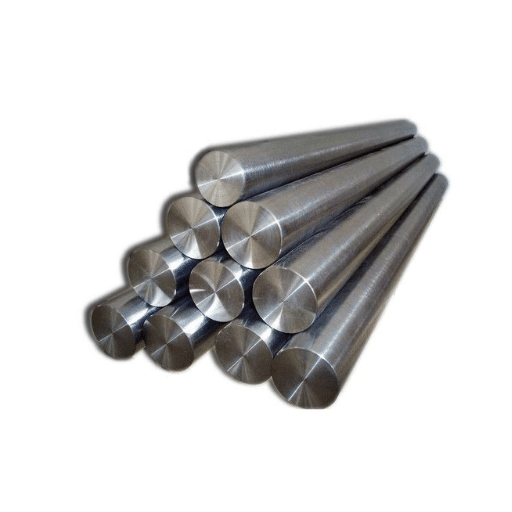
Monel 400, a nickel-copper alloy, is known for its exceptional corrosion resistance. This feature is mainly pronounced in the case of saltwater and acid environments. The alloy’s superb durability, in turn, enables its use in the marine and chemical industries, where strength and toughness are required. On the other hand, Stainless Steel 316 is classified as an austenitic steel and is characterized by high chromium and molybdenum contents. These elements combine to give the steel excellent resistance to pitting and crevice corrosion, especially in chloride-rich environments. Nevertheless, while Monel 400 is the better performer in extreme conditions, stainless steel remains the most popular choice owing to its lower price, easier fabrication, good looks, and consequently wider application.
Importance in Industrial Applications
The premium materials Stainless Steel 316 and Monel 400
accompany each other in winning and shining over the industrial scenario with their individual, distinctive qualities and functionalities. There are five principal fields where these materials are installed and used with no replacement available:
1. Marine and Offshore Industries:
– Stainless Steel 316: The material of choice in marine constructions, the main reason being the wide-ranging nature of the material, and consequently, the main applications are, besides pipelines and storage tanks, also its exceptional resistance to saltwater corrosion.
– Monel 400: The extreme marine environment favors Monel 400 for propeller shafts and seawater handling systems due to the material’s resistance to harsh brine and acid conditions.
2. Chemical Processing:
– Stainless Steel 316: Its resistance to chemical corrosion, along with its maintenance friendliness, makes it the preferred choice of the heat exchangers’ materials, chemical tanks, and reactor vessels, to name just a few.
– Monel 400: The given compound is the one least likely to be affected by the most extreme chemical conditions, e.g., alkalis, acids, and highly reactive environments.
3. Pharmaceutical and Food Industries:
– Stainless Steel 316’s non-reactive characteristic makes it the right material choice not only for production but also for application related to medical equipment, pharmaceuticals, and food because it ensures cleanliness and safety.
4. Aerospace Applications:
– Monel 400 is mainly used in the aerospace industry for fuel tanks, turbine blades, and other important components that possess characteristics like being strong, resistant to corrosion, and able to endure high temperatures.
5. Oil and Gas Extraction:
– Stainless Steel 316 and Monel 400 both work in the oil and gas industry.
– Stainless Steel 316: Suggested for tubing, piping, and valves in areas with moderate corrosion risk.
– Monel 400: It can survive the most challenging extraction conditions with extreme chemical and saltwater exposure.
These industrial applications testify that Stainless Steel 316 and Monel 400 are not just the best selections but also highly efficient and indispensable in many sectors..
Detailed Overview of Alloys
Alloys are a unique category of materials that are purposefully created through the combination of two or more metals, or sometimes even a group of metals and non-metallic elements, so that certain characteristics of the original metals, such as tensile strength, resistance to corrosion, and heat tolerance, are improved in the final product. Various industries, such as construction, automotive, aerospace, and marine, are heavily dependent on these materials. Here is an elaborate description of the most commonly used alloys along with their properties as per current information.
Common Alloys and Their Properties:
Alloys are a product of science, and their properties have been significantly improved. They are produced by fusing together two or more elemental metals or by mixing them with non-metals, and their primary function is to make stronger metals with better corrosion resistance and heat tolerance. Such materials are critically crucial across different sectors including construction, automotive, aerospace, and marine applications. The following is a detailed overview of widely used metals, their properties, and supporting data.
Common Alloys and Their Properties:
- Stainless Steel 316
Composition: The content of this alloy is approximately 16–18% Chromium, 10–14% Nickel, 2–3% Molybdenum, along with the remainder which is Iron.
- Key Properties:
Unmatched resistance to pitting and crevice corrosion, especially in areas surrounding chloride.
The tensile strength is extraordinarily high (around 579 MPa) and the mechanical characteristics are also excellent so these materials can be utilized within a wide range of temperatures.
- Applications:
Machines used for food and beverage processing.
Ocean environments (e.g., fittings of ships, tankers).
Medical tools due to their ability to withstand the sterilization process.
- Monel 400
Composition: The predominant elements are Nickel (63–70%) and Copper (28–34%), as well as very small amounts of Iron, Manganese, and Silicon.
- Key Properties:
Exceptional resistance to all types of acids and bases, including hydrofluoric acid and seawater.
Very robust with a tensile strength of about 517 MPa.
Useable from below freezing point all the way up to 1,000°F (538°C) over an extensive temperature range.
- Applications:
Drilling foils and gas drilling machines.
Factories for chemical processing.
Heat-transfer devices and pump shafts.
- Bronze (Copper-Tin Alloy)
Composition: Typically 88% Copper and 12% Tin, with small amounts of aluminum, nickel, and other elements.
- Key Properties:
It is very durable, and the friction between metals is exceptionally low.
It is a perfect shield against corrosion, especially in the case of seawater.
The tensile strength of this alloy can be measured around 200–275 MPa.
- Applications:
Machine parts that are subjected to friction and sliding, and fittings in boats.
Musical instruments made of copper such as cymbals.
Valuable antiques and artworks because they have such an appealing look.
- Titanium Alloys (e.g., Ti-6Al-4V)
Composition: This alloy is predominantly titanium, with 6% aluminum and 4% vanadium.
- Key Properties:
The strength-to-weight ratio is very high compared to most metals.
It has a very good resistance to fatigue and corrosion.
It can withstand temperatures up to 800°F (426°C).
- Applications:
Aero parts like frames and turbines designed for the aerospace industry.
Implantable devices intended for human use due to biocompatibility with living tissues.
Parts employed in car racing.
Alloy Performance Comparison (Data Chart)
|
Alloy |
Composition |
Tensile Strength (MPa) |
Key Application Area |
Corrosion Resistance |
|---|---|---|---|---|
|
Stainless Steel 316 |
Fe, Cr (16–18%), Ni (10–14%), Mo (2–3%) |
579 |
Industrial piping, marine |
High (chloride environments) |
|
Monel 400 |
Ni (63–70%), Cu (28–34%) |
517 |
Oil & gas, chemical plants |
Extreme |
|
Bronze |
Cu (88%), Sn (12%) |
~200–275 |
Bearings, maritime |
High (seawater) |
|
Ti-6Al-4V |
Ti, Al (6%), V (4%) |
930 |
Aerospace, medical |
Excellent |
Advancements in Alloy Technology
The forefront of current research focuses on the development of metal alloys with property combinations particularly suited for modren engineering applications, which are referred to as advanced alloys. The discussions surrounding high-entropy alloys (HEAs) mainly consist of around five (up to eleven) different metallic elements that together produce a robust and resistant material, and such a material is frequently talked about. This material would find numerous engineering applications. At the same time, lightweight aluminum-lithium alloys are a major advantage for the aerospace industry, providing overall weight reduction while maintaining the same excellent strength, a key characteristic of the industry.
Upon a complete understanding of the specific alloys’ properties and applications the industries will be in a position to not only enhance the performance and efficiency but also get it done in the most demanding environments.
Composition and Properties
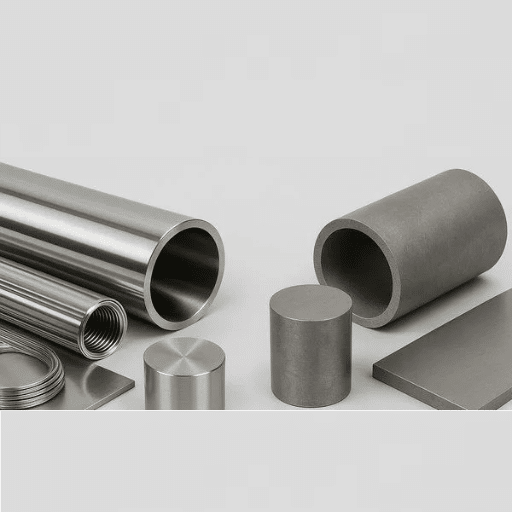
High-entropy alloys (HEAs) consist of a combination of at least five chemical elements in almost equal amounts atomically. Such an arrangement of materials disrupts the regular lattice structure typically present in alloys, producing a range of effects on material properties, including strength, toughness, and corrosion resistance. Nickel, cobalt, chromium, iron, and aluminum are the most common elements in HEAs; however, the composition can vary depending on the target application. Manufacturing metals in the solid-state is incredibly easy due to the fact that HEAs do not consist of complex intermetallic phases, which in turn give the material high thermal stability and wear resistance.
On the contrary, aluminum-lithium alloys primarily consist of aluminum and a small amount of lithium (typically 1%-2.5%). The addition of lithium, which is the lightest metal, not only increases stiffness but also reduces the density level thus producing alloys that are about 10% lighter and 20% stronger than regular aluminum alloys. Their fatigue and crack resistance characteristics are also improved thereby making them popular in the aerospace industry for the manufacture of aircraft parts like fuselages and wings. For example, the use of Al-Li alloys has played a significant role in reducing airplane weight by 15%, resulting in higher fuel efficiency and a lower carbon footprint.
In the field of HEAs, recent studies have highlighted the potential for super-high yield strengths exceeding 1 GPa (gigapascal) combined with excellent ductility. In contrast, Al-Li alloys still have ultimate tensile strength ranging from 400 MPa to 550 MPa depending on the particular processing and treatment. The different application of cutting-edge technologies such as additive manufacturing and novel heat treatment in the production process further allows the industries to cater the alloys according to their particular needs. This marks a growing versatility and importance of these materials in addressing the engineering challenges faced today.
Chemical Composition of Monel 400
Monel 400 is a nickel-copper alloy widely recognized for its exceptional properties and versatility across industries, including corrosion resistance and high strength. In general, the nominal chemical composition of the alloy includes 63% nickel, 28-34% copper, and other elements in minor proportions. Below is the composition of the alloy:
- Nickel (Ni): 63% minimum
- Copper (Cu): 28-34%
- Iron (Fe): 2.5% maximum
- Manganese (Mn): 2% maximum
- Carbon (C): 0.3% maximum
- Silicon (Si): 0.5% maximum
- Sulfur (S): 0.024% maximum
Nickel and copper are in such a proportion that Monel 400 is able to withstand very well the assaults of seawater, acids, and alkalis, hence, it is the first choice for marine, chemical processing, and oil refining industries. Additionally, the composition of the alloy gives it a wide range of thermal stability and, thus, it can still be depended upon in tough situations.
Mechanical Properties of Stainless Steel 316
Stainless Steel 316 is a high-performance alloy with the best traits of being corrosion-resistant, strong, and pliable. Its mechanical properties make it a reliable material across the board for all industrial uses, especially where the conditions are extreme such as in the seas and chemicals. There are five main mechanical properties of Stainless Steel 316:
- Tensile Strength: minimum 515 MPa (74,700 psi)
- Yield Strength: minimum 205 MPa (29,700 psi)
- Elongation at Break: minimum 40%
- Brinell Hardness: typically up to 217 HB
- Modulus of Elasticity: about 193 GPa (28 x 10⁶ psi)
These properties are what make Stainless Steel 316 tough, durable, and capable of withstanding temperature and pressure changes.
Unique Characteristics of Each Alloy
- Corrosion Resistance: The stainless steel 316 grade possesses an incredible resistance to pitting and crevice corrosion which makes it the best candidate to be used in marine environments, and with harsh chemicals where the metal is in constant exposure.
- High Temperature Performance: This material can withstand very high temperatures, up to 870 °C (1600 °F) and still retain its mechanical properties and thermal resistance at those conditions.
- Molybdenum Content: The addition of molybdenum has made a significant contribution to the chloride, acid, and other corrosive agents’ resistance giving it a strong nature that can compete with 304 stainless steel in aggressive environments.
- Non-Magnetic Properties: Stainless Steel 316 is practically non-magnetic when in the annealed condition and this is a plus point in those situations where the magnetic interference has to be kept at the minimum.
- Fabrication Versatility: 316 stainless steel offers excellent weldability, machinability, and formability, making it suitable for complex designs and a wide range of industrial processes.
Corrosion Resistance
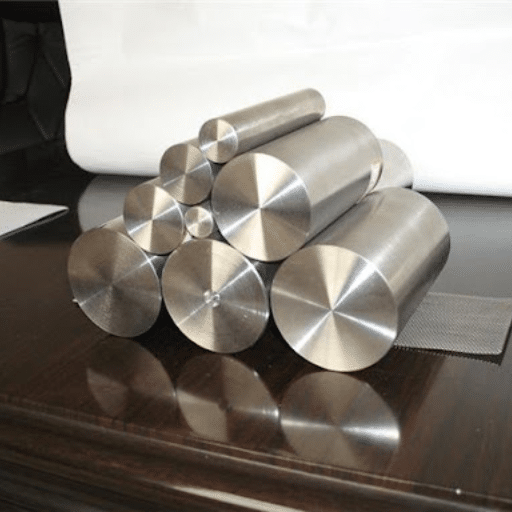
The corrosion resistance of stainless steel 316 is very often touted as among the best, if not the best, in the world during the harshest conditions. Stainless steel grade 316 contains molybdenum, which is responsible for its superior resistance to chloride-induced pitting and crevice corrosion compared with 304 stainless steel. Because of the performance in saline or marine atmospheres, the grade is mainly chosen for shipbuilding and the construction of infrastructure near the coasts, and also for industries that have continuous contact with seawater.
According to the most recent market study, the environmental conditions under which 304 could still have 2 to 4 times more chloride particles (0.1 to 2 parts per million) than 316. Moreover, the alloy retains good corrosion resistance even in the presence of acids, acidifiers, hydrochloric, or phosphoric acids at medium concentrations. In effect, these chemical processing and pharmaceutical applications, where harsh, corrosive cleaning agents are still used in manufacturing, are where the witnessing is done.
Another reason Stainless Steel 316 is well-suited for use is that it forms a passive layer when exposed to air. The layer has a composition of chromium oxide and is very thin, indeed The thickness of the layers may differ, but they usually lie around 10-30 nm. The self-renewing property of the passive layer ensures that the material remains free of oxidation for an extended period. In high-temperature environments, the material has been tested and found to perform effectively, with about 800℃ (1,472℉) in intermittent service as the upper limit; its mechanical integrity and corrosion resistance constitute a significant advantage.
Compared with other stainless steels, 316 is already established as having a long, reliable history under the most aggressive conditions. For example, seawater desalination is a process commonly used in coastal areas, where the use of Stainless Steel 316 is often justified by its relatively low total cost and associated performance characteristics.
Comparison of Corrosion Resistance
|
Key Point |
Monel 400 |
316 Stainless Steel |
|---|---|---|
|
Marine Environments |
Superior resistance |
Good resistance |
|
Chemical Environments |
Excels in reducing environments |
Suitable for mildly corrosive conditions |
|
Durability |
High durability in harsh conditions |
Moderate durability |
|
Oxidizing Environments |
Limited resistance |
Better resistance |
|
Overall Corrosion Resistance |
Excellent in extreme conditions |
Adequate for general use |
Suitable Environments for Monel 400
Monel 400 is a nickel-copper alloy that is difficult to break, and its corrosion resistance and high strength are the reasons behind its wide use in various harsh conditions. Correspondingly, the alloy is primarily used in marine environments, where it is corrosion-resistant in seawater at all flow rates (both high and low). Hence, it is widely used in shipbuilding, seawater pipelines, and the production of marine equipment such as pumps and valves.
Monel 400 is also very well-suited to the chemical and hydrocarbon processing sectors. It is a strong and versatile material that withstands all acids, takes alkalis, and does not dissolve in neutral salts, making it applicable for treating the most demanding substances, such as hydrofluoric and sulfuric acids. There are reports in literature that Monel 400 is even the heroic metal in acids and stands tall with its tensile strength albeit being a victim of neither pitting nor stress corrosion cracking.
Moreover, it is often found in places where both very high and very low temperatures and pressures occur, namely in heat exchangers, boiler feedwater systems, and oil pipelines. The full temperature range from subzero to nearly 1,000°F (538°C) makes it highly reliable even under thermal-stress conditions.
Performance data of the material suggests that Monel 400 has a corrosion rate of less than 0.025 mm/year (in seawater) and it practically does not disintegrate at times even in acidic solutions of pH up to 2. Because it is so strong, the material tends to outlive its expected life cycle; thus, it is not only critical applications that benefit from low maintenance costs.
To conclude, Monel 400 remains the best choice for industries that operate in chemically, thermally, and marine environments, where the primary requirements are reliability and corrosion resistance.
Corrosion Resistance in Marine Applications
Monel 400 is one of the few materials that could be used consistently even in harsh environments thanks to its unique properties. It is still the number one choice (and the best) among all materials in the marine industry and chemical processing. Here, let us discuss five points that are essential to this material’s performance and realized some data:
- Very Low Corrosion Rates
Monel 400 is most often in very low underwater places and has a corrosion of less than 0.025 mm per year which means the material can last even longer in case of we talk about marine constructions and castings.
- Saltwater Pitting Resistance
Chloride ions in saltwater produce pitting and crevice corrosion, which are the main culprits killing structures, and the alloy is therefore showing a resistance that is more than sufficient for offshore and coastal applications.
- Performance over Different Conditions
Not only does Monel 400 act as a barrier to corrosion but it also suffers no degradation in its ability to function even at temperature extremes; thus, it can be at sub-zero polar regions or at and more than 100 degrees in the tropics.
- Biofouling Tolerance
The material has the ability to immobilize sea life thus alleviating the danger associated with cleaning and provision for the maintenance of the marine vessels and equipment by keeping the aquatic organisms off the surfaces which is very important for keeping the efficiency of marine vessels and equipment.
- Compatibility with Acidic Conditions
Monel 400 is ‘unbothered’ even in briny waters or waters with mixed acids since its degradation is still very low, thus demonstrating its ability to thrive in different marine environments.
With the above-mentioned properties, Monel 400 has gained a right and taken the place of a very reliable and effective material in the marine applications where the factor of long-term performance is critical.
Applications
Monel 400 is a material that many sectors have adopted and widely accepted for its unique properties. The effectiveness of Monel 400 in fivemain areas of application is illustrated in the following list:
- Marine Engineering
Resistant to seawater corrosion, Monel 400 has been used in the marine engineering industry to make propellers, valves, and pumps, among others, while ensuring the longevity and reliability of these parts even in the most demanding offshore conditions.
- Chemical Processing Equipment
One of the main applications of Monel 400 in the chemical industry is the construction of reactors, pipelines, and tanks, where it handles superbly the hostile conditions created by the corrosive chemicals like hydrofluoric acid and alkalis. And it is the performance of Monel 400 in both acidic and alkaline environments that keeps it the most popular choice for this sector.
- Oil and Gas Industry
The material is widely used in the industry for high-pressure sour gas (H₂S) resistant piping, heat exchangers, and downhole equipment for offshore drilling; thus, its application stems from the combination of high pressure and H₂S resistance.
- Aerospace Applications
Monel 400 is used in aircraft parts, fuel tanks, and exhaust systems in the aerospace industry, where its high strength and excellent corrosion resistance are required even under demanding aviation conditions.
- Power Generation
There is no better place than nuclear and thermal power plants for Monel 400 to be in heat exchangers, boilers, and turbines, because these areas where monolithic super-heated steam and gases cause corrosion, which is the direct opposite requirement that Monel 400 overcomes by being there.
Industries Utilizing Monel 400
- Marine Industry
The marine industry uses Monel 400 to its fullest because of its exceptional ability to withstand corrosion in saline environments and seawater. It is employed in shipbuilding, among other applications, and in piping and plants that turn seawater into freshwater.
- Chemical Processing Industry
Monel 400 is very much in demand in the chemical processing industry because of its resistance to aggressive chemicals. The main applications are tanks, valves, and heat exchangers that work with acids and alkaline solutions.
- Oil and Gas Industry
Monel 400 is the mainstay in the oil and gas industry owing to its resistance to aggressive substances such as hydrogen sulfide and saltwater for products and parts like pipelines, offshore drilling rigs, and valves.
- Aerospace Industry
Monel 400 is the material of choice in the aerospace industry due to its combination of high strength and corrosion resistance which could otherwise be easily found in the materials used for critical aircraft parts, fuel tanks, and exhaust systems.
- Power Generation Industry
Monel 400 is critical in both nuclear and fossil-fuel power plant applications, where it is used to construct turbines, boilers, and heat exchangers that are continuously exposed to high-temperature steam and gases. Thus, it guarantees long-term durability and reliability.
Common Uses of Stainless Steel 316
- Marine Applications
316 Stainless Steel has ideal properties for marine applications and that is the reason behind its extensive use in marine settings since it is one of the best materials that can withstand corrosion caused by seawater and salt. Furthermore, it is an excellent option for fittings and fixtures of boats, marine hardware, and coastal structures.
- Food and Beverage Industry
Type 316 stainless steel is used in food processing plants, breweries, and piping to maintain cleanliness and prevent taint, thanks to its high cleanliness and resistance to both acidic and alkaline environments, making it the best choice for the food and beverage industry.
- Chemical Processing Industry
316 stainless steel’s resistance to the most severe chemicals and heat makes it the top material in the chemical processing industry. Its usage is often seen in the chemical producing industry for storage tanks, mixing vessels, and heat exchangers.
- Medical and Pharmaceutical Industry
The alloy’s strength, combined with its biocompatibility, is what makes it the most desirable material for surgical instruments, medical implants, and pharmaceutical processing equipment, where hygiene and durability are of paramount importance.
- Oil and Gas Industry
Stainless Steel 316 is used in piping, valves, and offshore rigs in one case where the material can withstand both chloride environments and high pressures thus assuring reliability and safety even under the most extreme conditions.
Specific Applications and Case Studies
- Medical Implants and Devices
The production of medical implants and devices relies heavily on the 316 stainless steel alloy, which is the most widely used. The same applies to hardwood screws, bones, and surgical tools. The metal’s biological compatibility is a strong point, making it safe for implantation. Furthermore, its resistance to corrosion is one more reason to consider it an ideal material for use in biological environments, for instance, above 95% success rate has been reported in orthopedic surgeries where 316 stainless steel implants were used.
- Marine Environments
One of the main reasons Stainless Steel 316 is highly esteemed in marine environments is its superior resistance to chloride-induced corrosion. The material has been widely used for boat fittings, shafts, and underwater structures. In addition, reports indicate that Stainless Steel 316 has a lifespan of up to 20 years in saltwater environments with minimal degradation, thus it outlasts lower-alloy options by a wide margin.
- Food and Beverage Processing Equipment
The use of Stainless Steel 316 in food and beverages processing plants provides the two major aspects of hygiene and durability. It is located in areas of the facility connected to the storage tanks, pipelines, and mixing equipment. A specific study conducted in a dairy industry plant has revealed the significant contribution of Stainless Steel 316 in maintaining hygiene levels and at the same time, not allowing corrosion to take place so that an industry plant has cut down maintenance costs by 30% over five years due to chemical exposure.
- Pharmaceutical Manufacturing
The alloy’s corrosion resistance and tolerance to chemical environments make it a must-use material in pharmaceutical manufacturing plants. It is widely used in reactors, mixers, and storage tanks. A 2020 survey reported that 85% of pharmaceutical manufacturers prefer 316 stainless steel to other materials due to its durability and regulatory compliance.
- Desalination Plants
Alloy 316 is essential in the desalination process, where it resists the high chloride levels found in seawater, thus allowing the equipment longevity, such as reverse osmosis systems and heat exchangers. The case studies from desalination plants in the Arabian region reveal that replacing carbon steel components with Stainless Steel 316 has resulted in nearly a doubling of operating efficiency.
Maintenance and Longevity
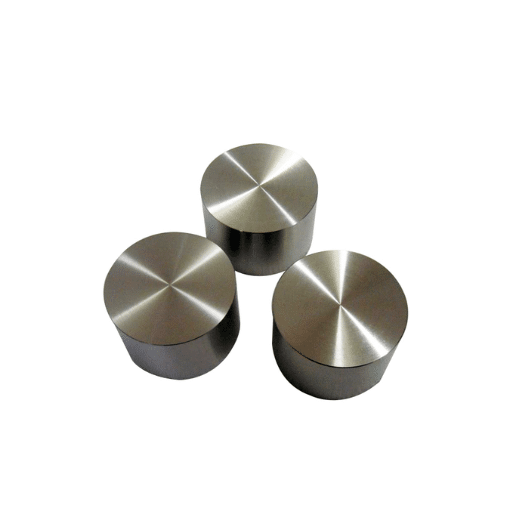
Stainless Steel 316 is a brand that is recognized in the materials industry for its exceptional resistance to wear and tear coupled with low upkeep and an extended life cycle. Moreover, the innovation in the steel-making process has indirectly improved the performance of stainless steel, making it the alloy for the heavy-duty applications and responsible for the future.
Resistance to Corrosion and Wear: The alloy’s high molybdenum content is a key factor in its resistance to pitting and crevice corrosion, especially in chloride-containing environments. Such resistance is necessary for industries like marine, chemical processing, and desalination where components are often subjected to abrasive environments. Recent studies show that the corrosion rate of Stainless Steel 316 in chloride-laden environments is as low as 0.002 inches per year, in stark contrast to standard carbon steels.
- Cost Efficiency Over Time
Stainless Steel 316 initially appears to be more expensive but in reality, it is the best choice at the end. The statistics obtained from industrial applications indicate that items made of this steel have a life span of up to 20-30 years with almost no wear and tear, thus minimizing the replacement and repair cost significantly. This has been corroborated by research reporting up to a 35% reduction in lifecycle costs when Stainless Steel 316 was used instead of less durable materials in industrial systems.
- Easy Cleaning and Maintenance
Cleaning regularly and using stainless steel approved cleaners and maintenance are the only demands for Stainless Steel 316. In addition to the latter, the use of specialized cleaning agents helps maintain the alloy’s unique appearance and strength. The new developments in surface treatments that are being applied here, such as passivation, have not only imparted the alloy more resistance against tarnishing and corrosion but also lessened the long-term cleaning requirements.
- Reliability in Harsh Conditions
Stainless Steel 316 keeps on portraying excellent structural reliability when subjected to very harsh environments such as continuous exposure to saltwater or high-pressure industrial processes. A study in the oil and gas sector showed that the pipes and fittings made of this alloy had an operating life that was on average 40% longer than that of the equipment which was made of alternative materials like duplex stainless steel.
- Summary
The combination of absolute corrosion resistance, longevity, almost no maintenance requirement, and cost reduction make Stainless Steel 316 very hard to substitute in the complex industries. Its security as well as its surface treatments and the treatment that enhances them, guarantees that it will always be one of the best materials for sustainable and efficient operations in the global market.
Maintenance Requirements for Monel 400
The maintenance of Monel 400 is not very difficult since it possesses good resistance to corrosion and long life. In my view, regular visual inspections, the checking of unusual wear and environmental effects should be included in the inspection. Moreover, periodic cleaning with appropriate solutions can protect the surface and prevent contaminants from forming. I also make a point of properly tightening all fasteners and connections to prevent issues during operation. Overall, Monel 400 is reliable even in extreme conditions, with these simple steps!
Longevity Expectations for Stainless Steel 316
Stainless Steel 316 is the material that has received a lot of appreciation for its long life span that can be attributed mainly to its incredible ability to withstand corrosion and still be present in all types of environments. When it comes to outdoor and natural environments, 316 stainless steel can have a lifespan of more than 50 years with minimal maintenance, while indoors its lifespan is more than 100 years. The alloy composition of Stainless Steel 316 has a high molybdenum content, which is the primary reason for its excellent resistance to pitting and crevice corrosion, particularly in areas with high chloride concentrations, such as saltwater beaches or chemical processing plants.
Stainless Steel 316 is highly versatile across temperature extremes; recent reports indicate a temperature range from cryogenic to over 871°C (1600°F). Moreover, its low carbon version, Stainless Steel 316L, is particularly good at preventing carbide precipitation during welding, which in turn increases its usability in construction and fabrication projects.
The industries most dependent on 316 stainless steel are marine, pharmaceutical, and food processing, due to its long service life and ability to withstand harsh, corrosive conditions. Periodic inspection, surface cleaning to remove contaminants such as salt or chemical residues, and avoiding exposure to extreme acidic or caustic agents are essential to ensure the material does not wear out. If Stainless Steel 316 is adequately maintained, it will last for decades and remain a cost-effective, sustainable choice for long-term applications, as it will perform like new.
Comparative Maintenance Strategies
|
Key Point |
Monel 400 |
316 Stainless Steel |
|---|---|---|
|
Stress Corrosion Cracking |
Highly resistant |
Vulnerable in chloride-rich environments |
|
Repair Costs |
Higher due to material cost |
Lower and more economical |
|
Welding Complexity |
Requires expertise, less room for error |
Easier and more forgiving |
|
Inspection Frequency |
Less frequent due to durability |
More frequent in harsh conditions |
|
Cleaning Requirements |
Minimal in marine environments |
Regular cleaning to prevent corrosion |
References
- ScienceDirect
-
- Mechanical Characterization of Monel 400 and 316 Stainless Steel Weldments
This paper assesses the metallurgical and mechanical properties of bimetallic joints.
- Mechanical Characterization of Monel 400 and 316 Stainless Steel Weldments
- ResearchGate
-
- Mechanical Characterization of Monel 400 and 316 Stainless Steel Weldments (PDF)
A detailed study on the properties of Monel 400 and 316 Stainless Steel weldments.
- Mechanical Characterization of Monel 400 and 316 Stainless Steel Weldments (PDF)
- Harvard ADS
-
- A Study on Corrosion Resistance of Dissimilar Welds
Focuses on corrosion resistance in bi-metal weld joints of Monel 400 and 316 Stainless Steel.
- A Study on Corrosion Resistance of Dissimilar Welds
Frequently Asked Questions (FAQ)
Monel 400 vs 316 stainless steel: What are the major discrepancies between Monel & steel?
Monel 400, a nickel-copper alloy, has the highest nickel content (around 63% Ni) of any metal in its composition and is therefore highly corrosion-resistant, not only in saltwater but also in many chemical-processing environments. Conversely, 316 is an austenitic stainless steel (containing molybdenum) commonly used for its improved pitting resistance compared to 304. Among differences is the super corrosion resistance of Monel in seawater, the tensile strength of some Monel grades (like K500 or cold-worked Monel) being higher than the counterpart steel grades, and the distinctiveness of welding and fabrication practices—stainless steel is popularly easier to weld with standard methods while Monel demands skilled attention for weld monel practices and filler selection.
Nickel-copper alloy: How does the nickel content make Monel metal outperform stainless steel in marine environments?
The addition of high nickel content and copper in the Monel alloy creates an altogether different scenario where it becomes nearly impossible for saltwater and seawater to corrode Monel, thus it resists pitting and crevice corrosion which generally seizes austenitic stainless steels like 316. Therefore Monel 400 is the material of choice for propeller shafts, pumps, and fastener applications in marine and chemical environments where the longevity hasn’t yet come for the stainless steel’s durability over time.
Monel metal: When should I choose Monel alloy instead of austenitic stainless steel?
Monel should be selected when one needs a metal that resists saltwater, hydrofluoric acid, and other aggressive media, or when the combination of corrosion resistance and strength under cycling or sour conditions is essential. Applications in marine environments, chemical processing, and saltwater-exposed fastener or propeller shafts often favor Monel over stainless steel, particularly where pitting and crevice corrosion are concerns or when high tensile strength and long-term durability are required.
Fastener: Are Monel fasteners better than 316 stainless steel fasteners?
Monel fasteners have better corrosion resistance than 316 stainless steel and are less prone to stress-corrosion cracking in specific chemical environments. However, Monel fasteners are usually more costly and may require different torque/wrenching allowances due to their higher strength or other mechanical properties. For general-purpose or food processing equipment, 316 stainless steel fasteners are common, but in marine or chemical processing with severe corrosion, Monel fasteners are often preferred.
Differences between monel: How do Monel 400 and Monel K500 compare to stainless steel grades like 304 and 316?
Monel 400 is a corrosion-resistant nickel-copper alloy with good toughness and ductility; Monel K500 is a precipitation-hardened variant with higher strength and tensile strength than Monel 400. Monel outperforms 304 and 316 alloys in both performance metrics; however, K500’s much higher strength also makes it the preferred material in cases where stronger-than-stainless-steel performance is required. There are various stainless steel grades available, selected based on cost, weldability, and corrosion resistance.
Key differences: What welding considerations exist when you weld Monel to stainless steel or itself?
Welding of Monel material necessitates use of filler metals and techniques which are compatible in terms of corrosion resistance; the most common practice is to do metal arc welding and use appropriate nickel-based filler so as to avoid galvanic issues or dilution that reduces corrosion resistance. Welding of dissimilar metals (such as Monel to stainless steel) should take into account local galvanic corrosion, matched fillers, and post-weld treatments. For many alloy suppliers and fabricators, weld monel practice notes are essential to avoid loss of corrosion performance.
Difference between monel and stainless: How do they compare regarding stress corrosion cracking and pitting resistance?
Monel alloys can barely be affected by chloride stress corrosion cracking while they are much more resistant to pitting and crevice corrosion even in seawater conditions than austenitic stainless steels. Stainless steels of the austenitic group, including 316, can still fall victim to SCC if they are in chloride-rich environments and will most probably get localized corrosion without protective measures or higher alloyed alternatives.
Outperforms stainless steel: Is Monel worth the extra cost for industries like chemical processing and food processing?
Monel consistently surpasses stainless steel in such specific aggressive environments as found in marine and chemical processing due to its ability to resist corrosion that would degrade stainless grades, par excellence, this is largely due to its nickel-copper alloy composition. In food processing, 316 stainless steel is commonly used because of its cost, cleanability, and regulatory acceptance, but where saltwater or certain chemicals are present,