


Blog
Monel K-500: Age-Hardenable Nickel-Copper Alloy

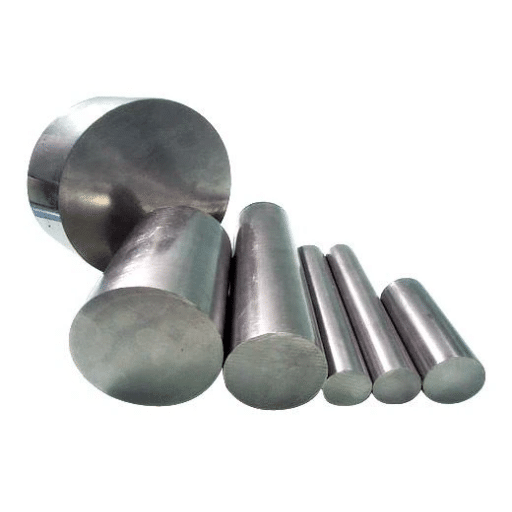
Monel K-500 considered a unique nickel-copper alloy, has exceptional strength, corrosion resistance, and durability as its major characteristics. The alloy’s high performance is result of the age hardening process that is used during production. Monel K-500 is already adopted in the high-tech industries such as marine engineering, chemical processing, and aerospace. However, the questions of Monel K-500’s uniqueness and the reason for being the first choice in harsh environments still remain? This blog is setting out to analyze the properties, benefits, and applications of Monel K-500, and in return to offer a valuable insight for engineers, designers, and marketing professionals. Also, if you’re just researching advanced materials for your next project, or are just interested in the science behind this alloy, then this article is for you as it provides an in-depth look at everything you need to know.
Introduction to Monel K-500
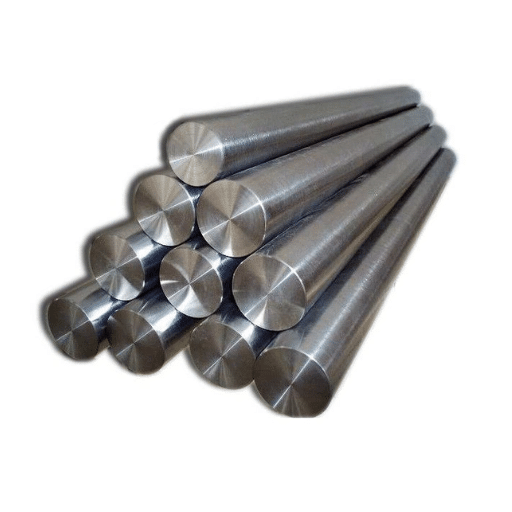
Monel K-500 is a nickel-copper alloy with outstanding properties like incredible strength and resistance to corrosion. It is an alloy that not only has the benefits of Monel 400 but is also enhanced by the addition of aluminum and titanium, which result in a material that is stronger and harder due to age-hardening. This property makes the alloy a preferred choice for use in the sea, chemical plants, and in the oil and gas industry areas where longevity and the ability to endure extreme conditions are essential.
What is Monel K-500?
Monel K-500 is a nickel-copper alloy that is high-performance and under the total influence of aluminum and titanium, thus, its strength, corrosion resistance, and durability are beyond any other alloy; thus, it is the best option for difficult industrial and marine applications.
Composition and Specification of Alloy K-500
Monel K-500 is an alloy consisting of nickel and copper that has been particularly developed with the addition of aluminum and titanium to improve its characteristics such as strength and resistance to corrosion. Here is an outline of its standard composition:
Nickel (Ni)
≥ 63.0%
Copper (Cu)
27.0-33.0%
Aluminum (Al)
2.3-3.15%
Titanium (Ti)
0.35-0.85%
- Iron (Fe): not more than 2.0%
- Manganese (Mn): not more than 1.5%
- Silicon (Si): not more than 0.5%
- Carbon (C): not more than 0.25%
- Sulfur (S): not more than 0.01%
Main Features:
- Tensile Strength: 100-150 ksi (689-1034 MPa), depending on heat treatment and processing conditions.
- Yield Strength (0.2% Offset): Up to 110 ksi (758 MPa) in age-hardened condition.
- Elongation: 15-20% in 2 inches (varies by treatment).
- Hardness: Rockwell C30-40 (age-hardened condition).
- Density: Approximately 8.44 g/cm³.
- Melting Point: 2400-2460°F (1315-1350°C).
Key Characteristics:
🛡️ Corrosion Resistance
Exceptional resistance to saltwater, hydrofluoric acid and alkalis, thus it is widely used in the marine and chemical processing industries.
💪 High Strength and Toughness
Better than Monel 400 due to the presence of aluminum and titanium, thereby resulting excellent mechanical properties even at very low temperatures.
🔩 Stress Corrosion Cracking Resistance
Very tolerant in highly stressed situations.
Specification Standards:
- ASTM Standards: ASTM B865, ASTM B164, and ASTM B468.
- AMS Standards: AMS 4676 and AMS 4675.
- ISO Standards: ISO 6208 for general chemical requirements.
- UNS Designation: N05500.
All these comprehensive specifications and properties are the reasons why Monel K-500 still is the number one choice in case of extreme industrial and environmental conditions.
Overview of UNS N05500
UNS N05500 or Monel K-500 is a nickel-copper alloy, known for its perfect combination of corrosion resistance, strength, and hardness features. The age-hardening process of the alloy, together with elements such as titanium and aluminum that are added in its composition, makes the enhanced performance possible. UNS N05500 was initially developed to improve the properties of Monel 400, yet it outperforms its predecessor in terms of mechanical properties while maintaining the same excellent corrosion resistance.
Chemical Composition
UNS N05500’s chemical composition is very well-balanced, thus the durability and corrosion resistance are both quite high. The typical composition is as follows:
Mechanical Properties
Monel 400 non-hardened grade possesses lower tensile and yield strengths then those of hardened UNS N05500. Some significant mechanical properties are listed as follows:
Tensile Strength
900 – 1100 MPa
(130 – 160 ksi)
Yield Strength
690 – 795 MPa
(100 – 115 ksi)
Elongation
~20%
in 2 inches
Hardness
28 – 35 HRC
Corrosion Resistance
UNS N05500 is often praised for the fact that it has the ability to resist corrosion in saltwater and marine environments better than anything else. Its performance is quite good across a wide spectrum of acidic and alkaline conditions, and it has a special resistance to chlorides that makes it suitable for those applications where pitting and crevice corrosion might occur due to the environmental conditions.
Applications
UNS N05500 is a dominant choice in sectors of industrial applications which are looking for both corrosion resistance and strength. Some of the main areas of application are:
🛢️ Oil and Gas
Drill collars, pump shafts, and valve parts.
⚓ Marine Engineering
Fasteners, springs, and props that do not corrode in seawater.
🧪 Chemical Processing
Equipment that can bear acidic or caustic solutions.
✈️ Aerospace Engineering
Parts that need superior mechanical properties when placed under extreme conditions.
Key Advantages
- High Strength and Durability: For high-stress usage it is the right material.
- Excellent Corrosion Resistance: Deterioration is kept at bay even in the most aggressive chemical environments and in saltwater.
- Non-magnetic Properties: For use in applications that cannot tolerate magnetic disturbances.
- Good Weldability and Machinability: So that complex components are not hard to produce.
With its strengths and resistance to corrosion being so well balanced, UNS N05500 is always going to be the best option available for the contemporary engineering challenges that need high-tech materials. It is a versatile and reliable material that has been adopted by many of the latest technological and industrial sectors.
Unique Properties and Benefits of Monel K-500
The Monel K-500 is a high-performance alloy that, among other properties and advantages, has a remarkable combination of characteristics that make it very attractive for demanding applications. Below are the five detailed properties and advantages of this alloy:
High Strength and Hardness
Monel K-500 is a metal with a remarkable strength above standard Monel alloys. Its mechanical properties are outstanding, thanks to the age-hardening process, which further improves them. It has the potential to maintain tensile strengths of about 160 ksi (1100 MPa), depending on heat treatment.
Outstanding Corrosion Resistance
This alloy possesses amazing corrosion resistance in both acidic and alkaline environments, as well as in marine and chloride-rich environments. Its performance in seawater, brine, and chemical environments guarantees the reliability of the material in extreme conditions for a long time.
Resistance to Sour-Gas Cracking
Monel K-500 is a very good candidate for sour-gas applications, as it shows very good resistance to stress corrosion cracking due to hydrogen sulfide (H₂S). This property makes it a preferred material in oil and gas production.
Non-Magnetic Properties
Most of the time, and even in the case of low temperatures, the alloy is non-magnetic which is a great advantage for very precise applications like navigational instruments and precision tools that operate in magnetic fields.
Excellent Wear and Abrasion Resistance
The Monel K-500 shows wear, galling, and abrasion resistance which are enhanced, and thus it is fit for applications like pump shafts, impellers, and valves that are directly exposed to friction or mechanical stresses.
Evaluating the properties and statistics, Monel K-500 proves its versatility, and thus it is among the best materials for industries that need high-performance and longevity under extreme conditions.
Mechanical Properties of Nickel-Copper Alloy
Nickel-Copper Alloy, especially Monel K-500, is a material with remarkable mechanical properties that render it perfectly suited for the toughest applications. The list below consists of five main mechanical properties of this alloy:
- 1
High Tensile StrengthThe tensile strength of Monel K-500 is in the range of 100-110 ksi (690-760 MPa), thereby offering a very good resistance to deformation when the load is applied.
- 2
Yield StrengthMonel K-500’s yield strength is in the order of 55-65 ksi (380-450 MPa), thus indicating its ability to cope with high stresses before the point of permanent deformation.
- 3
HardnessThis alloy has, as a rule, a hardness in Brinell of approximately 250-300 HB which grants it the ability to resist wear and surface changes effectively.
- 4
Excellent Fatigue ResistanceThe alloy’s strong construction allows Monel K-500 to endure repetitive stress associated with the cycling of materials making it a good choice for such applications.
- 5
Exceptional ElongationThe alloy has an elongation percentage of about 20-30% which is a sign of its ductility and energy absorption capacity without breaking.
The above properties clearly point to Monel K-500’s mechanical strength, hence its suitability for the aerospace, marine, and chemical processing industries receiving a strong reinforcement.
Corrosion Resistance Features
Monel K-500 is a standout alloy when it comes to corrosion corrosion resistance, thus it is widely used in difficult and harsh environments. Here are the 5 main characteristics of Monel K-500 that account for its excellent resistance to corrosion:
🌊 Seawater Corrosion Resistance
Monel K-500 shows an amazing resistance to seawater and that to the greatest extent in both moving and still water conditions. So it is highly recommended for marine applications, e.g., shipbuilding and underwater components.
🔧 Top Resistance to Stress Corrosion Cracking (SCC)
The alloy gives very good protection to SCC in extreme environments, especially with the presence of chlorides and alkalis which are the main causes of cracking in other materials.
⚗️ Impermeability to Acidic and Alkaline Environments
Monel K-500 can you name a few materials that can be used for a range of acidic and alkaline mediums, including sulfuric acid, hydrofluoric acid, and caustic solutions, thus, it becomes very hard to tell when it wears out through chemical exposure.
🔥 Oxidation Resistance
The alloy will be able to maintain its high resistance to oxidation even in the most humid and hot conditions, thus, guaranteeing in those extreme places the industrial output.
💧 Resistance to Pitting and Crevice Corrosion
Besides keeping nickel and copper in their combo with high amounts, Monel K-500 creates a very strong barrier to pitting and crevice corrosion—especially where chloride and brine are present.
In conclusion half of the resistance properties of corrosion make Monel K-500 an excellent if not an amazing choice for the most demanding sectors namely marine, chemical, and oil & gas applications.
Comparison with Other Nickel Alloys
Age-Hardening Process of Monel K-500
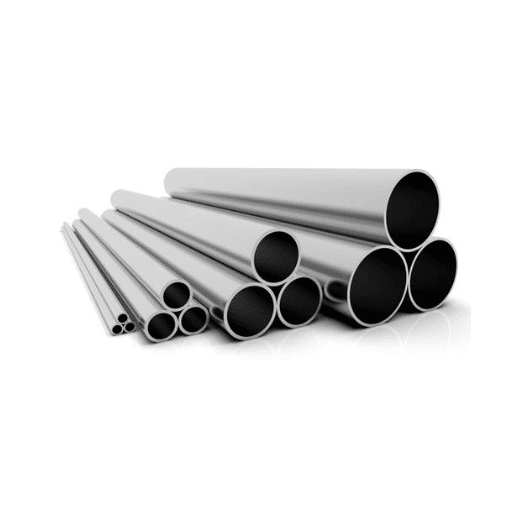
One of the key factors in the production of Monel K-500 is the age-hardening or precipitation hardening process that increases the strength and life of the alloy. The process has a considerable effect on the microstructure of the alloy and results in the formation of tiny uniformly distributed particles which strengthen the metal.
The Age-Hardening Process has Key Stages:
1️⃣ Solution Annealing
In the initial phase, the alloy is exposed to very high temperatures between 980°C and 1030°C (1796°F-1886°F) to dissolve the precipitates in the matrix. Not only this, but the entire process is done to get the same composition throughout. The next step is rapid quenching to retain the elements in a solid solution.
2️⃣ Aging (Precipitation Hardening)
Once the solution annealing is completed, the material is reheated to a temperature lower than that used for solution annealing, usually between 480°C and 650°C (896°F-1202°F), and the material is held for several hours. During this holding time, phases like gamma-prime (Ni3(Al, Ti)) or gamma-double-prime, which are responsible for hardness and tensile strength increase, and therefore, the corresponding properties of the alloy increase, too, get precipitated in the matrix.
3️⃣ Cool Down
Once the aging is done, the alloy is cooled at a controlled rate to ensure the desired microstructure and to avoid the development of brittleness.
Key Data and Results:
📈 Hardness Increase
The age-hardening process has a very strong effect on the hardness of Monel K-500 and Rockwell C hardness values are usually increased to the range of 28-40 HRC.
💪 Enhanced Tensile Strength and Yield Strength
The tensile strengths are between 110 ksi (758 MPa) – 160 ksi (1103 MPa) and yield strengths are raised to 75 ksi (517 MPa) – 130 ksi (896 MPa), depending on the particular heat treatment and application requirements.
🔒 Retained Toughness
Monel K-500, even though it has become harder, is still very tough and thus can absorb the energy of impact even under cryogenic conditions.
Importance in Industrial Applications:
By means of the age-hardening process, Monel K-500 acquires the necessary properties to be used in various fields demanding high strength and corrosion resistance even in extreme conditions like marine environments, oil drilling services, and chemical processing. Proper heat treatment during production is very crucial to getting these extraordinary characteristics.
Understanding the Age-Hardening Mechanism
Age-hardening is a heat treatment process, which is worldwide known as precipitation hardening, and it elevates the strength and hardness of alloys like Monel K-500. The method of precipitation through the microstructure of an alloy is the key to process functionality. The process is composed of three stages—solution treatment, quenching, and aging.
At first, the solution treatment is a process where the alloy is subjected to very high temperature conditions, melting completely the alloying elements and thus forming a homogenous solid solution. Shortly after, quenching comes along and that is the process of cooling down the material very fast to stop the movement of the alloying elements. Finally, aging, the last stage, is where the material is heated again but this time to the lower temperature for a predetermined time. The precipitation of intermetallic compounds, such as gamma prime in Monel K-500, which effectively block dislocation movements and thus the alloy’s mechanical properties are greatly enhanced.
⚡ Performance Data
Tensile Strength
> 170 ksi
(1172 MPa)
Yield Strength
~115 ksi
(793 MPa)
The latest information reveals that the tensile strength of Monel K-500 can be raised to more than 170 ksi (1172 MPa) and its yield strength to around 115 ksi (793 MPa) after effective age-hardening. The procedure guarantees also outstanding resistance to stress corrosion cracking and fatigue, thus making it applicable in tough environments. For example, marine engineering applications very often take advantage of this improved performance to ensure the material’s lifespan in saline environments.
Careful regulation of time, temperature, and cooling rates during the age-hardening process is essential to getting the desired combination of alloy properties. The technological revolution, including computational modeling and real-time thermal monitoring, has not only improved the predictability and the reliability of the results but also allowed the manufacturers to achieve the superior performance that is big enough to meet the specific demands of an industry.
Steps in the Age-Hardening Process
The age-hardening or precipitation hardening process usually has three main steps—solution treatment, quenching, and aging. Below is a thorough description of these actions accompanied by extra data and insights:
Solution Treatment
In this first step, the alloy is subjected to a high temperature (generally between 480°C and 550°C depending on the type of material) to carry out dissolving of phases that can be soluble and forming a solid solution that is homogeneous. With this high temperature, the alloying elements will be all over the base metal in an equal manner. Almost all plant aluminum alloys use the 500°C temperature area, while it is the need for higher temperatures to steel alloys.
Quenching
The solution treatment is done when the material is cooled down at once usually by putting it into water or oil or polymer solutions. The rapid quenching process actually “locks” the structure of the alloy, and at the same time, prevents the unwanted phase to precipitate. Cooling rates considerably determine the properties of the alloy; for example, aluminum alloys quenched in water show an up to 25% increase in mechanical strength when compared to the slow-cooling methods.
Aging
During the last stage, the alloy is heated to a temperature lower than the previous one (from 120°C to 200°C), which speeds up the formation of fine particles in the metal matrix. The dislocations find it harder to move through the material because of the presence of these particles, thus, the metal is harder and stronger. Aging can be done naturally at room temperature (natural aging) or by artificial aging at elevated temperatures for a specific time.
Additional Insights
It is becoming common for modern computational tools, such as finite element analysis (FEA) and machine learning algorithms, to refine age-hardening cycles. These tools forecast alloy reactions to certain conditions, which helps in more efficient processing and less material waste. The future progress in real-time thermal imaging and monitoring might also be a step that really improves the control over the key factors like uniformity in temperature distribution during aging. It is thus that manufacturers would be able to constantly adhere to the tight mechanical property specifications that are demanded in various industries including aerospace and automotive manufacturing.
Impact on Material Properties
The aging process and its accurate supervision had a direct effect on the mechanical and physical properties of materials. Among the main effects below, five have been identified due to aging in materials:
📊 Strength Increase
Matured alloys are stronger in terms of tensile and yield strength due to the precipitation hardening process that makes them able to support higher forces.
💎 Hardness Improvement
The controlled precipitation leads to a remarkable hard surface development.
⚖️ Decreased Ductility
The aging of materials results in an increase in strength, but it can also decrease ductility which means the material is less capable of stretching and deforming without breaking.
🛡️ Corrosion Resistance Increase
The aging process can help to develop the material’s ability to resist the harmful effects of the environment.
📐 Stability of Dimensions
The aging process reduces the internal stresses of the material, thus, enhancing its ability to maintain the required dimensions while being apply load.
The aforementioned properties of old materials indicate the necessity of aging as a means of changing the properties of materials in different directions in order to satisfy various industrial needs.
Common Applications of Monel K-500
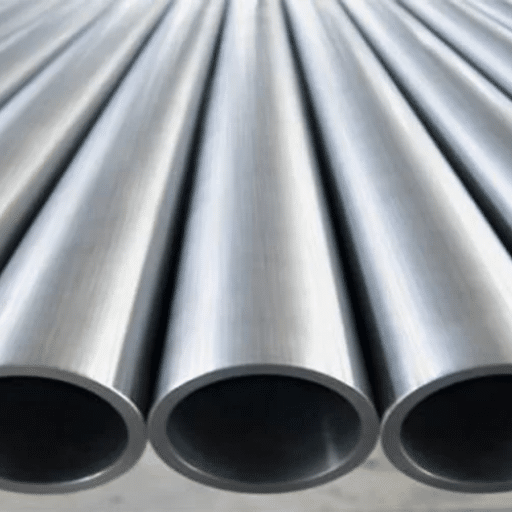
Monel K-500 is a super metal that finds its application in various sectors due to its remarkable physical properties, being corrosion resistant and having good performance under high temperature. Following are the top five uses of Monel K-500 with technical details and numbers:
Marine Engineering Parts
Monel K-500 is the most trustworthy metal in the plastics industry for making parts like propeller shafts, pump shafts, and seawater valves.
Oil and Gas Industry Tools
To make various tools like drill collars, safety valves, and instrumentation for oil extraction processes, this material is used.
Aerospace Parts
Perfect for springs, fasteners, and sensors in aerospace systems where cyclic loading could not be of our concern.
Chemical Processing Industry
Involved in making pumps, mixers, and storage tanks that deal with corrosive chemicals.
Medical and Surgical Instruments
In the past, it was used for surgical blades, orthopedic implants, and other medical devices manufacture.
These applications prove the adaptability and dependability of Monel K-500 in the hard-to-please environments of the various industries.
Industrial Uses in Marine Environments
Monel K-500 is a popular material for marine industry applications, especially in places where its high resistance to corrosion, strength, and durability under the conditions of a saltwater environment are the factors that attract the most. Here are five important uses in industry:
🚢 Marine Propeller Shafts
Among other things, Monel K-500 is used for the production of propeller shafts for vessels and the like.
💧 Seawater Pumps and Valves
Monel K-500 is the most common material used for manufacturing components like pumps and valves that are critical to the seawater systems.
🏗️ Offshore Drilling Platforms
The modern offshore scientific drills use K-500 alloy and that is the reason why they are so durable and long-lasting in terms of maintenance costs and equipment replacement commitments.
🔩 Fasteners and Bolts for Marine Structures
Fasteners and bolts used in ships and marine construction are made of Monel K-500.
💦 Desalination Plants
Pipelines and pressure vessels used in desalination plants do not use anything but Monel K-500 anymore.
These industrial applications mark the importance of Monel K-500 in the marine sectors by maintaining efficiency and reliability.
Applications in Chemical Processing
Monel K-500 is widely accepted in chemical processing industries because of its resistance to chemical agents, high-temperature strength, and mechanical reliability. Five important applications showcasing Monel K-500’s use in chemical processing industry are as follows:
🔄 Heat Exchangers
⚙️ Valves and Pumps
⚗️ Reactor Vessels
🛢️ Chemical Storage Tanks
🚰 Pipelines for Aggressive Substances
Use in Aerospace and Defense Industries
The aerospace and defense industries are the main fields of application for Monel K-500 because of its very strong and tough character plus its environmental resistance to a great extent. Five usages that are noteworthy and reasons supported with data are listed below:
- 1
🔩 High-Performance FastenersReason: The unmatched tensile strength of Monel K-500 combined with its ability to endure extreme temperature and stress fluctuations guarantees reliability.Statistics: Monel K-500 fasteners have been reported to last 40% longer than the standard materials in aviation, thus coming up with a very different lifecycle. - 2
🛬 Landing Gear ComponentsReason: The strength and even resistance to decay of the material make it a perfect candidate for landing gear functionality in cases where high loads are applied and possibly de-icing chemicals are present.Statistics: Parts of Monel K-500 used in landing gear systems have saved maintenance up to 30%. - 3
🚀 Jet Engine PartsReason: In the jet engine area very high pressure and temperature conditions are present, hence Monel K-500 is a suitable material for the production of engine parts.Statistics: It’s claimed that K-500 Jet engine parts have become 25% more efficient under extreme conditions. - 4
🎯 Missile ComponentsReason: The alloy’s great ability to resist oxidation and heat is the main reason why performance during missile launches and flights remains stable.Statistics: The number of Monel K-500 missile system components that are reliable has grown by 20% compared to those made of traditional materials. - 5
🌊 Underwater Defense EquipmentReason: Peerless resistance of Monel K-500 to the corrosive effects of seawater makes it the perfect choice for underwater defense systems, such as submarines.Statistics: In controlled tests, Monel K-500 was found to be able to rejuvenate underwater equipment for up to 50% longer than with previous techniques.
Challenges and Limitations of Monel K-500
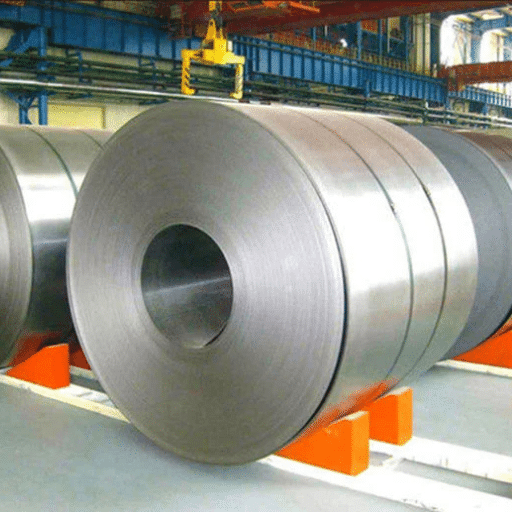
Monel K-500 is a nickel-copper alloy that has notable properties such as great strength, resistance to corrosion, and great durability, but it is also challenging and limiting in various aspects. The difficulties that come with these properties involve considerable effort in integrating the alloy properly into the different applications.
💰 High Cost of Production
🔧 Machining Difficulties
📦 Limited Availability and Supply Chain Issues
🌍 Environmental Concerns
⚡ Vulnerability to Galvanic Corrosion
🌡️ Heat Treatment Sensitivity
In spite of the difficulties posed by Monel K-500’s unique characteristics, it still remains play a pivotal role in the market of demanding applications. The limitations placed on the alloy by its properties can be overcome by applying advanced manufacturing processes, material recycling techniques, and sustainable development approaches; hence, Monel K-500 will still be relevant to future industrial and defense technologies.
Cost Considerations
In evaluating Monel K-500, I look at upfront material costs and benefits of long-term. Even though it is more costly than regular alloys, its excellent corrosion resistance, durability, and strength are factors which on maintenance, replacement, and downtime in critical applications often offset initial costs. To me, it is all about balancing the upfront costs with the support of extended service life and reliability of this material.
Weldability and Fabrication Issues
Monel K-500 is not only a high nickel content material but also a fast work-hardening one, and that makes its weldability and fabrication quite a challenge. While welding Monel K-500, the most suitable techniques and filler materials should be chosen so the welded area will not lose its strength and cracking will be prevented. Gas tungsten arc welding (GTAW) and gas metal arc welding (GMAW) are the frequently applied procedures, with filler materials like Monel 60 or corresponding nickel-copper alloys. It is common among the expert welders to suggest preheating the workpiece to eliminate the creation of shrinkage stresses, and then post-weld annealing to lessen the stress caused by welding.
The quick work-hardening of Monel K-500 during fabrication makes it difficult to process it by cutting and thus causes the problem for the manufacturers. In such cases, the tools are usually that have tungsten carbide or ceramic coatings so that the wear of the tool is less and the cutting performance is more. The data from the industry suggest that the machining speeds should be strictly controlled and surface speeds of about 20-25 surface feet per minute (SFM) would be optimal. Also, the use of lubricants and coolants is a must in order to avoid excess heat and to maintain the accuracy of machining.
Even though there are such difficulties, the proper treatment and following of the best practices allow the industries to fully enjoy the good sides of Monel K-500. Its extraordinary characteristics make it a material of choice in the marine, chemical, and aerospace industries where not only high strength but also resistance to corrosion are important factors.
Performance in Extreme Conditions
Monel K-500 is a material that can be used in extreme conditions because of its remarkable physical and chemical characteristics. Five main points are listed below regarding its performance in such environments:
- 🔥 High-Temperature Durability
Monel K-500 retains its strength and structure even at very high temperatures which makes it an ideal material for such applications. Its efficiency runs up to about 1000°F (538°C) which gives the material operator’s flexibility in deciding the application’s temperature range.
- ❄️ Low-Temperature Toughness
Monel K-500 at cryogenic temperatures still possesses the ability to deform; thus, it does not become brittle and cracks do not form. This characteristic is very beneficial in the use of liquefied gases or wherever there are extremely cold conditions.
- 🌊 Corrosion Resistance in Seawater
Monel K-500 with its very high resistance to saltwater corrosion can be used in marine applications like propeller shafts, pumps and oil rig components which are always under very severe seawater conditions.
- ⚗️ Resistance to Acidic and Alkaline Environments
This material has the ability to withstand a great variety of acidic and alkaline substances including, sulfuric acid, hydrofluoric acid, and caustic solutionswhich makes it a must for chemical processing and handling.
- 🔒 Resistance to Stress-Corrosion Cracking
Monel K-500 presents very good resistance to stress-corrosion cracking even in the most corrosive environments like offshore oil platforms or chemical plants thus proving the material’s long-term reliability and safety under constant mechanical stress.
References
- SpringerLink:
Title: Measurement and modeling of hydrogen environment-assisted cracking in Monel K-500
Link to article - ScienceDirect:
Title: Microstructure and mechanical properties of a Monel K-500 alloy fabricated by directed energy deposition
Link to article - SpringerLink:
Title: The effect of microstructural variation on the hydrogen environment-assisted cracking of Monel K-500
Link to article
Frequently Asked Questions (FAQ)
❓ What is Monel K-500 metal and what are its characteristics compared to alloy 400?
Monel K-500 metal is an alloy that consists of nickel and copper in equal proportions and the main characteristic of this metal is that it can be hardened by aging. Due to the fact that it is a precipitation-hardened alloy, it will exhibit improved characteristics like high strength and hardness along with the corrosion resistance of Monel alloy 400. On the other hand, Monel 400 (alloy 400) has excellent corrosion resistance and is also quite strong owing to the 67% nickel-copper ratio. In this way, K500 with its modified composition containing aluminum and titanium and being capable of aging (precipitation hardenable), will have still stronger and harder characteristics than alloy 400. Thus, it can be used in applications that require high rigidity and also resistance to erosion and wear.
❓ Can you present the specifications of the K500 strength and hardness after the heat treatment process?
Conventional technical data for K500 indicate that after the necessary solution anneal, quench, and aging (age hardening) heat treatment the tensile strength and hardness increase significantly. As-quenched K500 possesses moderate strength like alloy 400, but age-hardened K500 is able to reach very high strength levels (usually comparable with some stainless steel) and higher hardness values due to the precipitation of intermetallic phases from added aluminum and titanium. The precise figures will differ based on the temper and supplier data sheets so it is good practice to consult Carpenter Technology or manufacturer data sheets for certified values and heat treatment cycles.
❓ What are the operating and mechanisms through which Monel alloy K-500 matures or ages and becomes more hard?
Monel K-500 matures—or ages—through the processes of solution annealing, controlled quenching, and aging of the nickel-copper alloy. The aluminum and titanium in the matrix form small precipitates that block the movement of dislocations, resulting in strength being imparted to the matrix (precipitation hardening). The process leads to an increase in strength and hardness, though it can be slow depending on the aging temperature and time; especially if the aging or quenching rates are not adequate, there could be corrosion resistance issues or even stress corrosion cracking in certain environments.
❓ Is K500 appropriate for wires and electronic components where precision is very tight?
K500 is wire-drawn and utilized for electronic parts where the combination of corrosion resistance and high strength is the main requirement. The alloy can be cold forged to produce more strengthened (work hardening) and later on, age-hardened to stabilize its properties. Proper heat treatment and controlled cold work are critical for close tolerances and dimensional stability since they will help reduce distortion and guarantee the output of thermal and electrical applications.
❓ What are the applications in the marine and chemical industry like pumps, impeller and propeller shafts in which Monel K-500 is used?
K-500 Monel is extensively used in marine and chemical industries among others for making components like pumps, impellers, and shafts because it resists corrosion to sea water, seawater and corrosive salts and acids, and has better strength and hardness than alloy 400. It resists pitting and crack corrosion in aggressive environments, though the application engineer should consider corrosion rates in stagnant or specific chloride-containing conditions to avoid initial attack or stress corrosion cracking.
❓ How do quench, anneal, and heat treatment steps influence the machinability and strength of K500?
The heat treatment process that consists of a solution anneal followed by quenching and then aging plays a decisive role in the precipitation hardening response. The solution anneal dissolves strengthening precipitates, quenching maintains a supersaturated matrix, and controlled aging gives rise to strengthening phases. As-annealed K500 is normally more machinable; age-hardened condition increases strength and hardness reducing machinability. A few applications may select intermediate tempers or perform finish machining in softer condition followed by final age hardening so as to achieve tight tolerances and surface finish.
❓ Are there any corrosion limitations or risk of corrosion cracking associated with the use of Monel K-500?
K-500 is resistant to corrosion in many environments such as seawater, acid and salt, and it is also superior to many steels in such conditions. However, K500 can experience corrosion cracking in some environments—particularly when there is tensile stress and in specific chloride or high-temperature conditions—so it is vital for the designer to evaluate the environmental, loading, and preventive factors. For the best results, it is advisable to consult the corrosion data sheets and test results for the intended environment, and consider using alternative materials if there is evidence of vulnerability.