


Blog
18Ni (250) Maraging Steel Properties and Applications

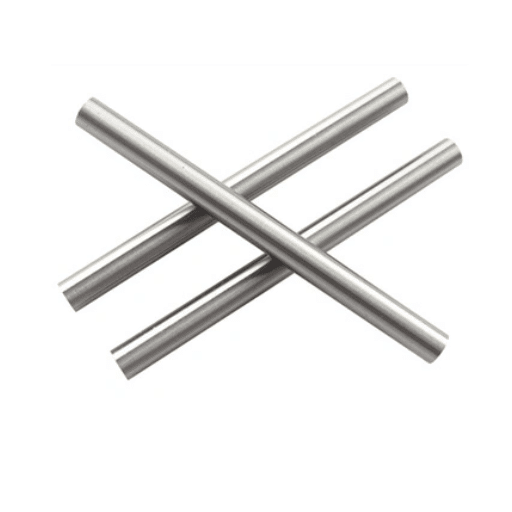
Maraging steels and especially the 18Ni (250) grade have been recognized for their exceptional strength, toughness, and reliability; consequently, they are always considered for difficult engineering and industrial applications. This alloy, in particular, is known for its extremely high strength combined with good machinability and weldability—attributes that are seldom found together in steel.
No matter if you are a material scientist, an engineer in a company or simply interested in high-tech alloys, this in-depth guide will provide you with valuable information on the reason why 18Ni (250) maraging steel is still an important factor in today’s manufacturing world.
Introduction to Maraging Steel
Maraging steel, an alloy of high strength mostly made of iron and nickel, also contains small quantities of other elements like cobalt, molybdenum, and titanium. This combination of properties—exceptional strength, toughness, and easy machinability—makes maraging steel very suitable for demanding applications. Maraging steel, unlike traditional steels, gets its strength from a distinct aging process that builds up a strong microstructure without losing ductility. Praised for its consistency, 18Ni (250) maraging steel has found its place in aerospace, tooling, and high-performance engineering where it can be exposed to metamorphic conditions and still remain stable.
What is Maraging Steel?
Maraging steel is an iron and nickel-based high-strength alloy, which is subjected to a special aging process that results in a combination of exceptional toughness and ductility making it perfect for high-end applications in sectors like aerospace and engineering.
Importance of 18Ni (250) Alloy
The 18Ni (250) maraging steel alloy is a mixture of materials that is highly effective and widely used in various industries because of its outstanding properties and the diversity of its applications. Below are five key points that demonstrate its significance:
🔧 High Tensile Strength
The 18Ni (250) alloy delivers an ultimate tensile strength of about 250 ksi (thousand pounds per square inch), which makes it suitable for parts that require tremendous strength without the penalty of being heavy.
💪 Excellent Toughness
The alloy not only meets but also exceeds the usual toughness and fracture resistance standards even in the most demanding applications, thus, the critical applications receive the most reliable and durable material.
📏 Dimensional Stability
The aging process makes 18Ni (250) very stable with minimum distortion, thus, it is very suitable for producing precision tooling and high-accuracy engineering parts.
⚡ Superior Weldability
Being a high-strength steel, 18Ni (250) to a very large extent shines among the rest of high-strength steels regarding weldability which to a great extent allows the production of complex structures without losing strength or quality through welding.
🛡️ Resistance to Wear and Fatigue
Another characteristic of the maraging steel is that it can fight off wear and fatigue at the same time to an amazing degree, which in turn makes it a perfect candidate for housing the metal in tight areas like in the case of aerospace, defense, and tools that usually wear the material out faster.
Joined together these attributes create the 18Ni (250) maraging steel as the material to be engineering with high-performance demands among the first choices.
Overview of Applications
Owing to its remarkable mechanical characteristics, durability, and reliability, 18Ni (250) maraging steel is still the preferred material across various high-performance and critical industries. Below are the primary applications, along with their specifics and numbers:
✈️ Aerospace Industry
It is primarily utilized in aerospace components such as landing gears, missile shells, and engine parts owing to its efficient power-to-weight ratio and extended life resistance to failure.
Market Insight: The global aerospace materials market, valued at $24.6 billion in 2022, is projected to expand at a CAGR of 6.4% during 2023-2030, with maraging steel being a major contributor for high-stress applications and thus, the overall market to be influenced positively by the growing aerospace industry.
🎖️ Defense and Military Applications
The material is a must for making central parts such as rocket case motor, ammunition parts, and protective suits because of its strength even in harsh conditions.
Maraging steel’s resistance to deformation and wear guarantees that the material lasts through the extreme pressure and heat that are usually experienced in military machinery and equipment.
🔨 Tooling and Die Making
The industry finds heavy application of this steel for die, mold, and tooling hardware manufacture due to its excellent resistance to wear and the fact that it is capable of repeatedly taking high-pressure operations.
Growth Projection: The global manufacturing industry is predicted to grow at an annual rate of 4% and along with that there will be the continuous rising demand for 18Ni (250) maraging steel as the ideal material for producing tools that last under consecutive use.
🚗 Automotive Industry
The features of the material let it be used in high-performance parts like shafts, gears, and fasteners that demand excellent mechanical strength and reduced risk of fatigue failure.
The world automotive market, especially the segments of electric and high-performance vehicles, is ever more demanding of cutting-edge materials such as maraging steel in the areas of powertrains that are reduced in size and weight while maximizing efficiency.
⚛️ Nuclear and Energy Sector
The steel’s stability at high temperatures and radiation resistance are the major factors that consider the material for the manufacture of components for nuclear reactors and the energy production facilities.
Recent studies substantiate that maraging steel and other materials are being explored for use in the next generation of energy systems, thus ensuring safety and efficacy.
The extensive applications not only illustrate but also validate the primacy of 18Ni (250) maraging steel in the global technological and infrastructural development. The accuracy in machining and welding along with the resistance characteristics of the steel are among the factors that give maraging steel an edge over other materials for meeting the engineering challenges of today and tomorrow.
Key Properties of 18Ni (250) Maraging Steel
Tensile Strength
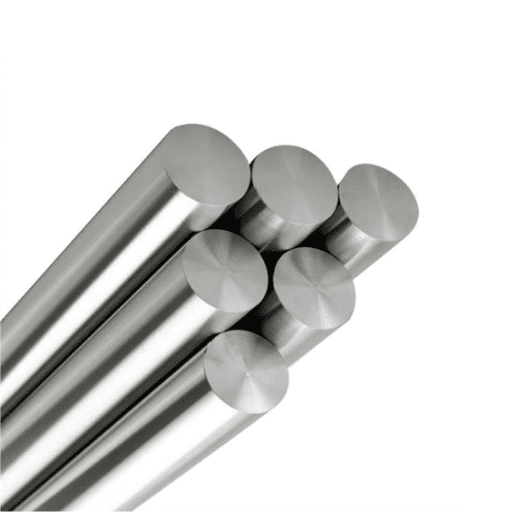
The 18Ni (250) maraging steel has always been recognized for its exceptional and the highest tensile strength that allowed it to serve in various applications where the best performance is critical. Its nominal tensile strength after proper heat treatment and ageing is considered to be in the range of 2450 MPa to 2550 MPa (around 355–370 ksi). This quality of the steel is essentially because of intermetallic compounds like Ni3Mo and Ni3Ti which are originally formed during the aging process and the overall precipitation of these compounds plays a major role in the alloy’s improved mechanical properties.
Moreover, the material reveals not only exceptional toughness but also excellent mechanical properties at high temperatures which makes it a trustworthy material in the most demanding conditions such as aerospace, tooling and military. The unique combination of tensile strength and ductility enables the use of maraging steel in manufacturing parts like landing gear, rocket motor casings, and tooling dies where performance and safety are both critical.
Hardness
Hardness is a widely accepted primary trait that indicates a material’s capacity to withstand deformation, indentation, or even scratching. In the case of high-performance alloys, the hardness is mostly attained through a combination of heat treatment and precipitation phases that are formed during the process. According to the latest news, Rockwell or Vickers hardness scales have been utilized on advanced alloys, for instance, the ones used in aerospace applications, according to their specific requirements.
For example, precipitation-hardened alloys such as titanium or nickel-based superalloys may achieve Rockwell Hardness (HRC) values between 30 and 45 which indicates that the materials exhibit high mechanical strength and wear resistance. The Vickers hardness test, being the most precise method for evaluating very fine or small features, can provide a range of 300 to 500 HV for the same materials. These numbers are closely related to the alloy’s composition, thermal treatments, and the degree of work hardening.
Besides, modern material science is incorporating the nanoindentation technique as one of its tools, and thus being able to assess microstructural properties, and giving even clearer picture of the hardness profiles. This detailed knowledge allows the manufacturers to tailor specific alloys for such applications as cutting tools, turbine blades, or structural components that need to be in very harsh conditions.
Corrosion Resistance
Corrosion resistance is one of the most critical factors in materials science and remains an essential consideration in the applications where the materials encounter extreme environmental conditions. It is a property that quantifies the resilience of a material to environmental deterioration due to chemical reactions, such as oxidation or there is contact with acids, salts and air. The industry has systematically evolved the introduction of advanced techniques and material formulations that yield better corrosion resistance for different manufacturing processes.
Let us look at the five major factors that affect corrosion resistance:
- 1. Material CompositionAlloying of metals with other elements like chromium, nickel and molybdenum has a significant impact on their corrosion resistance. For example, a large amount of chromium is added to the stainless steel which then forms a passive layer consisting of oxides thus preventing the steel from getting into contact with the chemicals.
- 2. Protective CoatingsThe application of coatings such as zinc (galvanizing), epoxy paints or polymers not only creates an additional barrier against the corrosive elements but also extends the life of the material.
- 3. Environmental ConditionsA major factor that impacts the performance of a material is the environment in which it is placed. For instance, metals in saline water lose their luster much faster as the chloride ions present there are very aggressive.
- 4. Surface TreatmentsTechniques like anodizing or passivation are aimed at improving the surface quality of a material and they always succeed in making the material more resistant to rust as well as to chemical reactions.
- 5. Cathodic ProtectionUsing sacrificial or impressed current anodes is one way of protecting vulnerable materials located mainly in the pipelines and seabed structures from corrosion by reversing the electrochemical processes that cause corrosion through the application of the same current.
Applications of 18Ni (250) Maraging Steel
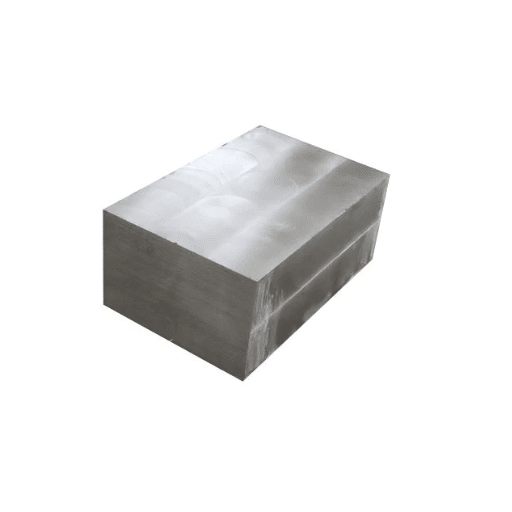
The 18Ni (250) maraging steel is a material of choice in different fields mainly due to its incredible strength, toughness, and machinability. The following five applications are the main ones of this material:
✈️ Aerospace Components
It is able to withstand very demanding conditions and provide excellent deformation resistance, therefore, it can be used for the production of rocket motor cases, landing gear, and other parts that are under the most stress.
🔨 Tooling and Dies
This material can endure the high pressures and continuous cycles without changing its shape, so it is suitable for the making of injection molding tools, extrusion dies, and forging dies.
🎖️ Military and Defense Applications
Missile casings, military trucks’ supporting parts, and naval applications are practically where it is used due to its impact resistance and overall longevity.
🚗 Automotive Industry
It is particularly dedicated to producing high-performance auto parts such as gears, shafts, and crankshafts that can endure and be trustworthy during the high-stress and wear conditions.
⚙️ Precision Engineering
The material is perfect for high precision machinery and tools where constant sizes and hardness are paramount, such as in measuring devices and special machine parts.
Aerospace Industry – Detailed Overview
The aerospace industry heavily relies on high-performance materials that offer not only high strength but also low weight and resistance to extreme conditions among other properties. The quality of aerospace components largely depends on these materials for safety, efficiency, and longevity. The aerospace industry is highlighted by the following five major applications:
Tooling Applications
🔧 Injection Molding Tools
Molding tools made by injecting the material of a very advanced alloy or composite are the most durable and allow very accurate manufacturing. The materials used for these tools can withstand very high pressures and temperatures, thus resulting in the production of goods with the same quality as well as the reducing of the wear of the tool.
✂️ Cutting Tools
High-performance ceramics and carbide materials are applied extensively in cutting tools, giving them superior hardness and abrasion resistance. As a result, cutting speeds are increased and tool life is prolonged which, in turn, leads to improved manufacturing efficiency.
🏭 Die Casting Dies
Heat-resistant steel and alloy components play a vital role in die casting dies. They can endure repeated thermal cycling and high-temperature conditions throughout the process, thus being reliable for mass production in both automotive and aerospace industries.
🔨 Forming Tools
Titanium alloys and hybrid composites are among the most common materials used in forming tools for getting high precision and strength. Such materials allow for the creation of complex parts yet keeping the tool performance uniform over time.
🖨️ 3D Printing Tooling
Additive manufacturing employs advanced polymer composites and metal powders to produce tooling with intricate geometries. 3D-printed tools come with the benefit of increased flexibility and adaptability, thus resulting in shorter production time and lower costs for prototype development and low-volume production.
Automotive Industry Applications
The auto industry has made considerable progress through innovations in materials, processes, and technology. Such developments have made the whole auto manufacturing and operation make substantial efficiency, sustainability, and performance. Here are the 5 major points of the automotive industry’s progress:
- Lightweight Materials: The use of advanced materials alloyed with aluminum steel, and carbon fiber composites and high-strength steel are getting extensive to weight the vehicle down. It keeps the car safe along with its structural integrity and the other factors fuel efficiency and emissions reduction are not affected.
- Electric Vehicles (EVs): The switch over to electric mobility worldwide has led to the rapid development of EVs. The battery technology lithium-ion and solid-state batteries have gained a lot of proficiency that in the cars using these batteries long-range and quick charging time has become possible.
- Automation and Autonomous Vehicles: The combination of AI and sensor technology has paved the way for the next generation of self-driving cars. The emergence of such vehicles indicates a significant leading role in the coming years for safer roads, better management of traffic flow, and the need for new types of mobility services like taxis without drivers.
- Sustainable Manufacturing: Car manufacturers are putting into practice eco-friendly techniques, for instance, cutting down CO2 emissions during production, making use of recyclable components, and of renewable energy in their factories.
- Connected Cars and IoT: The latest cars come equipped with the latest IoT-enabled systems that continuously supply performance, navigation, and safety data. Predictive maintenance and connectivity are ways that these systems contribute to the overall user experience and vehicle management.
Future Trends and Innovations
The auto industry will soon see a huge transformation that will be brought about by the new technologies coming on board and by the consumers’ interests in connected, high-efficiency, and environment-friendly vehicles.
⚡ Electrification of Vehicles
The transition to electric vehicles (EVs) is, now more than ever, a very powerful revolution. The latest report from BloombergNEF predicts that, by the end of 2023, global sales of EVs will exceed 14 million units, which will account for nearly 18% of total passenger car sales. This shift has been buttressed by the world governments that are offering incentives and imposing bans on internal combustion engines, thus accelerating the process.
Moreover, the future is bright for battery technology due to the development of solid-state batteries that will not only change but also enhance the range, charging speed, and life of batteries over a period of few years.
🤖 Autonomous Driving
The companies that are working on autonomous vehicle technology produce rapidly. Global giants Tesla, Waymo, and Cruise are at the forefront of this development wave. A MarketsandMarkets report projects that the autonomous vehicle market will skyrocket from $76 billion in 2023 to $234 billion in 2030, with about 18% CAGR.
Faction of Level 4 and Level 5 autonomy are getting actually and makers of big and small cars around the world are establishing trial runs for autonomous taxis and delivery trucks in the not-so-distant future.
🌱 Sustainability and Green Materials
The auto industry measures sustainability not only by the electrification of vehicles but also by the design and production of vehicles. Waste-free and eco-friendly materials are now the mainstay of the manufacturing process, and the industry is going greener by increasingly opting for such materials as bioplastics, eco-friendly materials, and recycled parts.
For example, Volvo’s ambition to use 25% of recycled plastic in cars by 2025 has been announced, while BMW is looking at plant-based materials to substitute leather in car interiors.
🌐 Vehicle-to-Everything (V2X) Technology
With the help of IoT-enabled connectivity, the vehicle of the future can be regarded as a smart device on wheels. Vehicles communicate with each other through V2X technology, which connects cars with the infrastructure around them, other vehicles, and even pedestrians.
The V2X technology market is likely to be worth $16 billion by 2030, thus significantly improving traffic management, reducing collisions, and supporting the cost-effective distribution of electric power.
🚕 Shared Mobility and Subscription Models
Shared mobility services and vehicle subscription models have been among the main influencers of the dramatic shift in public perception about car ownership. Companies like Uber, Lyft, and Zipcar are offering flexible and instant transportation alternatives that are customer-friendly.
PwC predicts the worldwide shared mobility market will reach a value of $660 billion by 2030, making it possible for the customers to get many choices which are cheap, easy to manage, and green.
☀️ Renewable Energy Integration
The adoption of renewable energy in the transportation sector is steadily and quickly on the rise. Solar cars are still under tests, yet companies like Aptera and Lightyear are viewing them as an option rather than a complete dead-end.
Besides that, fuel cells are being widely used for road trips and heavy-duty trucks. Countries like Japan and Germany are major contributors to the development of hydrogen infrastructure since they have invested heavily in it.
The new changes not only signify the transformation in the automotive sector but also consumer and technology transitions. This transformation is actually satisfying the needs of a future that is marked by interconnectivity, sustainability, and advanced technologies, while still making sure the mobility solutions will be both effective and eco-friendly.
Advancements in Maraging Steel Technology
Maraging steels still reign the world of materials in the field of high-tech engineering applications due to the astonishing attributes of strength, toughness, and good welding properties. This remarkable steel gets its characteristics from an odd alliance of alloying metals like nickel, cobalt, molybdenum, and titanium, plus the aging heat treatment process.
Maraging steel was a technology that was hidden behind in the shadows of performance and application upgrading. One prominent improvement is in the area of microstructure optimization through cutting-edge heat treatment methods and 3D printing. With these procedures, the grain structure of the material can be manipulated with great accuracy, ultimately resulting in further improvements of its mechanical properties.
🔬 New Grades and Environmental Considerations
To answer environmental requirements and lower production costs, new grades of maraging steel, for instance, those with a reduced amount of cobalt, have been developed. To illustrate, lab tests have shown that these modified alloys can still be pretty much on par with the traditional ones in terms of tensile strength, and even they can be somewhat higher than 2,000 MPa (megapascals), while their corrosion resistance has also been improved which is a very significant factor in aerospace and tooling industries.
Moreover, the combination of maraging steel and additive manufacturing has redefined its use in high-performance areas. Here, the powder-based 3D printing techniques will make it possible for manufacturers to create intricate part designs with minimal loss of raw material. For instance, it is increasingly common in the production of lightweight aircraft parts, where the strength-to-weight ratio is critical.
These trends point clearly to the mixture of the modern-day technologies and the maraging steel that can be made into a more versatile and crucial engineering material.
Potential New Applications
🖨️ Additive Manufacturing (3D Printing)
The combination of maraging steel’s excellent properties, namely very high tensile strength and superior hardness, is the reason why this metal is the most compatible for the additive manufacturing process. The aviation and automotive industries are the main ones that are thinking of its application in the production of 3D-printed engine parts and frameworks which quicken the prototyping process and also reduce material waste.
⚕️ Medical Implants
Because of its good tissue compatibility and high corrosion resistance, the use of maraging steel in the medical field is growing, especially in orthopedic implants and surgical instruments. Its precision and durability are very important factors for the medical field performance.
🤖 Robotics and Automation
Robotics is looking for materials that are more durable so that system weight can be reduced, and efficiency improved. The lovely strength-to-weight ratio of maraging steel makes it the preferred material for robotic arms and components thus facilitating the rise in productivity of the automotive sector and warehousing, among others.
⚡ Energy Sector Components
The use of top-quality materials will not only be limited to wind turbines but also to oil and gas drilling equipment. Maraging steel’s long life, as well as wear and fatigue resistance, make it one of the materials that can compete successfully for the parts working in extreme conditions in the energy sector.
🎖️ Defense and Ammunition
Maraging steel’s high durability, toughness, and impact resistance would make it a candidate for advanced ballistic protection, lightweight military-grade equipment thus ensuring the protection and mobility of defense systems are further enhanced.
Environmental Considerations
Regarding maraging steel’s impact on the environment, I recognize without doubt the considerable energy and resources that it takes to manufacture and refine it. It is, however, its long service life coupled with its recyclability that makes it an eco-friendly choice over the long term. Furthermore, by reducing the need for continuous replacements and promoting recycling, the total ecological footprint of the material can be reduced.
Frequently Asked Questions (FAQ)
❓ What is the meaning of 18Ni (250) maraging steel?
The 18Ni (250) maraging steel indication refers to an iron-nickel alloy that is thoroughly transformed and subsequently aged to reach the desired properties through low-carbon, martensitic, and aging. The designation “18Ni” refers to roughly 18% nickel content and the number specified in parentheses “(250)” indicates the tensile strength in ksi usually associated with this grade of steel that is approximately 250 ksi or 1724 MPa after the heat treatment. The great combination of physical and mechanical properties revealed through the resources of aerospace, tooling, and high-performance engineering applications has earned the steel its title as “critical”.
❓ What properties characterize 18Ni (250) maraging steel?
The universe of ultra-high-strength steels will provide a good comparison to the key characteristics of 18Ni (250) maraging steel, which are high tensile strength (around 1800-1900 MPa after aging), high yield strength and good fracture toughness. The low carbon content is beneficial in terms of weldability and toughness. Nevertheless, good dimensional stability during heat treatment and moderate hardness after aging are typical features of this steel. On the other hand, in the case of proper heat treatment, excellent fatigue strength is maintained along with the combination of strength and ductility that is appealing for demanding applications.
❓ What are the components in the chemical make-up of 18Ni (250) maraging steel?
The regular metallic composition consists primarily of nickel at the range of 17%-19%, cobalt in small amounts (usually 8%-12% but can be more), molybdenum at around 3%-5%, and titanium and aluminum in tiny amounts mainly to create strengthening intermetallics that will be precipitated during aging, and very low carbon (typically less than 0.03%).
❓ Can you describe the heat treatment process used for producing 18Ni (250) maraging steel?
The heat treatment process consists of sequential steps: solution annealing (solution treatment) resulting in soft martensite or a reverted structure followed by rapid cooling. Then, aging at a moderate temperature (around 450-500°C) for a few hours is done, which enables the precipitation of intermetallic phases that harden the steel. Process control—temperature, time, and cooling rate—is very important to achieve the desired strength (around 250 ksi) and to have a good mix of toughness and ductility.
❓ In what areas is 18Ni (250) maraging steel commonly used?
The areas of application are in aerospace (rocket engine casings, landing gear parts, structural fittings), tooling (precision molds, die components, injection molds), high-performance rollers and gears, automotive racing parts, and high-strength bolts. The steel’s predictable aging response and outstanding mechanical properties also serve as reasons for its being the preferred material for additive manufacturing (metal AM) parts and prototype components that require post-build strengthening.
❓ How does 18Ni (250) measure up against the other maraging steels, like 18Ni (300)?
The maraging steel 18Ni (250) compared to 18Ni (300) possesses a bit lower maximum ultimate tensile strength but frequently enhances toughness and to some extent comes up with better ductility in some applications. The 18Ni (300) is processable thermally to further up the strength (~300 ksi) which does require a trade-off of toughness. The choice of material depends on the combination of tensile strength, toughness, fatigue resistance, weldability, and cost that is required for that particular application.
❓ What about the corrosion resistance and the surface treatment possibilities?
18Ni (250) is a maraging steel that exhibits moderate corrosion resistance, however, it is not entirely resistant to corrosion; under very aggressive environments, it gets spoiled by corrosion. The conventional anti-corrosive practices are plating (nickel, zinc), passivation, conversion coatings, or painting. When it comes to places where resistance to corrosion is of utmost importance, either surface treatment or the application of corrosion-resistant design practices is recommended, or the alternative of using stainless steels with better than 18Ni (250) resistance should be considered.
❓ Is 18Ni (250) maraging steel friendly on the welding, machining, and forming processes?
The 18Ni (250) steel’s very low carbon content accounts for its high weldability; as compared to many high-carbon, high-strength steels, it is still challenging and controlled procedures are usually required, followed by post-weld aging in most cases to restore the steel’s original strength. Cutting is satisfactory in the soft annealed/solution-treated condition but becomes difficult after aging due to increased hardness; normally, custom tooling and cutting parameters are applied. Bending should be performed while the specimen is in the soft solution-treated state, otherwise, the material will be hard and brittle after aging.
❓ What standards, specifications, and availability should designers consider?
It is designers’ responsibility to check the relevant standards and specifications (ASTM, AMS, EN where appropriate) for chemical composition, heat treatment, mechanical property requirements, and testing. Specialty steel suppliers offer the 18Ni (250) in various forms (rod, plate, and forged); furthermore, it can be created as an additively manufactured powder. Plus, always have the suppliers produce the heat treatment records and certifications that will verify the material has the 18Ni (250) maraging steel properties required for the intended use.
References
-
- 📚 ResearchGate: The Properties and Applications of 18% Nickel Maraging Steels – A detailed academic paper discussing the metallurgy and applications of 18% nickel maraging steels.
- 📚 ScienceDirect: Maraging Steels—Structure, Properties and Applications – A comprehensive article on the structure, properties, and applications of maraging steels.
- 📚 Semantic Scholar: The Metallurgy, Behavior, and Application of the 18-Percent Nickel Maraging Steels – A scholarly paper focusing on the metallurgy and behavior of 18% nickel maraging steels.
Conclusion
18Ni (250) maraging steel is an amazing material that has been produced through the application of modern metallurgical engineering and that possesses a very rare combination of properties: being extremely strong, durable, and versatile. This alloy is used in a wide range of applications: from aerospace parts to cutting tools, from defense to new technologies in 3D printing, and that is why it is called a remarkable alloy that still drives the limits of high-performance materials. As the technology progresses and new applications come up, 18Ni (250) maraging steel still maintains its position in the innovation line, thereby proving its essentiality in the journey of engineering and manufacturing to the new world.