High Standard Stainless Steel With Strict Inspection



Iron-Nickel Alloys: Low Expansion and Controlled Properties

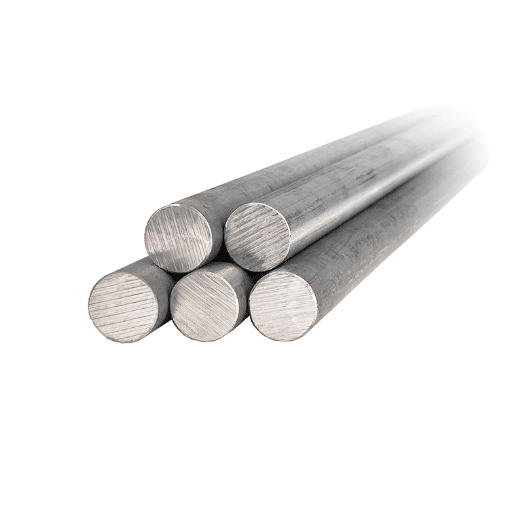
Iron-nickel alloys are not only the result of scientific imagination but also the practice of excellent new materials. They are characterized by remarkably low thermal expansion and controllable properties, which are essential for modern technology and industry. These materials are thus prepared under very specific conditions to be utilized where their dimensional stability and reliability are the most crucial. Among such applications are components of future aircraft and electronic systems. This text focuses on the extraordinary features of iron-nickel alloys, the elucidation of their composition, and the demonstration of their indispensability for performance in the harshest environments. So if you are a materials scientist or engineer or simply curious about the hidden technologies that affect our world, then join us in revealing the science and significance of these outstanding alloys.
Introduction to Iron-Nickel Alloys
Iron-nickel alloys represent the materials of the highest quality and are characterized by such qualities as strength, rigidity, and resistance to adverse conditions. These alloys typically comprise iron and nickel in varying proportions, with nickel often enhancing properties such as oxidation and heat resistance. The combination of high-temperature resistance and reliable mechanical performance has led to the use of such alloys, e.g., in aerospace, electronics, and precision instruments. The combination of properties has made iron-nickel alloys indispensable for industries that require superior material performance.
Importance of Low-Expansion Alloys in Modern Engineering
Low-expansion alloys such as Invar and Kovar remain widely used in industries where dimensional stability is of the highest priority. These metals are intentionally designed to have the lowest possible rate of thermal expansion; thus, their parts do not change in either shape or size, even if the temperature changes. Such a property is crucial for the precise use of materials in situations where heat may lead to either material or system failure. The practice that causes this presentation has become common across various manufacturing sectors.
Essential Points and Information about Low-Expansion Alloys
- Thermal Expansion Coefficients: The coefficients of thermal expansion for low-expansion alloys typically range from 0.6 to 2.0 × 10⁻⁶/°C; the exact value often depends on the alloy’s composition.
- Magnetic Stability: The low expansion alloy, Permalloy, not only has excellent magnetic properties but also expands very little, thereby qualifying in electronic applications requiring high precision magnetic fields.
- Operating Temperatures: These alloys operate at both cryogenic and elevated temperatures.
- Corrosion Resistance: A number of low expansion alloys have the property of being corrosion resistant thus ending up with a longer life and increased use even in harsh environments.
- Adaptability to Coating and Joining: The use of low-expansion alloys is often extended by their compatibility with various coatings and welding methods, enabling their application in complex designs.
Applications of Low-Expansion Alloys
Precision Instruments
Such as telescopes, microscopes, and metering devices, where temperature variations are unavoidable but still a certain degree of stability exists.
Aerospace Engineering
Where thermal stability is crucial for satellite housings and gyroscopes, interconnecting components are the primary applications of these alloys.
Electronics
They are used in oscillators, ICs, and glass-to-metal seals due to their compatibility with a wide range of materials.
Glass-to-Metal Sealing
The most suitable materials for the fabrication of window and vacuum tube seals are those that have thermal expansion characteristics identical to those of glass and ceramics.
Cryogenics
The metals are utilized in tanks and instruments that require total functionality at extreme cold without any change in material dimensions or properties.
Low expansion alloys are undoubtedly one of the major breakthroughs in metallurgy which have made the impossible possible in the areas of advanced production, electronics, and space applications by providing material stability even under the most demanding conditions.
Overview of Iron-Nickel Alloys
Iron-nickel alloys, commonly referred to as Fe-Ni alloys, are composed of iron and nickel in various ratios and are classified as special materials. The unique combination of thermal, mechanical, and magnetic properties make these alloys superb and possibly utilized in various industries and sciences. Iron-nickel alloys exhibit the following main characteristics: low thermal expansion, high tensile strength, excellent corrosion resistance, and high magnetic permeability.
A famous example is Invar, an alloy made up of 64% iron and 36% nickel, which is widely used in situations needing dimension stability during temperature changes. Its CTE is exceptionally small, approximately 1.2×10⁻⁶/K, which is considerably lower than that of other common metals. Thus, it extends to the production of precision instruments, such as clocks, aerospace parts, and laboratory equipment.
Another example is a typical alloy like Permalloy (about 80% nickel, 20% iron) which has excellent magnetic characteristics such as high permeability and low coercivity. It is used in the production of electrical transformers, magnetic shielding, and telecommunications.
The use of iron-nickel alloys in space exploration is another example of their ability to maintain strength and stability under extreme conditions. Super-Invar, for example, is a material that provides thermal stability for cryogenic systems and satellite components. They are also used in advanced manufacturing processes, such as the production of glass-to-metal seals and specialized tooling.
Recent research indicates a growing global market for iron-nickel alloys. Reports suggest that the market for low thermal expansion materials, including Fe-Ni alloys, will surpass $3 billion by 2030 due to the increasing prominence of high-precision industries and continuous technological advancements.
Applications in Various Industries
Iron-nickel alloys have properties such as low thermal expansion and high durability that make them suitable for many industries. Actually, there are five different sectors where these materials are absolutely necessary:
Aerospace Industry
These alloys are applied accurately in aerospace engineering, for instance, cryogenic storage tanks, and turbine engines. Their ability to withstand both high and low temperatures while maintaining their dimensions and shape under thermal stress is crucial for reliability and safety.
Electronics Industry
Alloyed iron and nickel are primarily used in electronic applications, including lead frames, semiconductor seals, and display technology. Their wear resistance is very high and they are also thermally compatible with other materials which is why they are extensively employed.
Telecommunication Industry
The telecommunications industry is continuously working on state-of-the-art communication technologies which increasingly need the utilization of these alloys in waveguides, RF systems, and special cables that rely on high conductivity and environmental stability.
Automotive Industry
The alloys are used in the fabrication of sensor parts, engine, and exhaust systems where their properties of low thermal expansion and high strength combined ensure the long-term functionality of the components even under harsh conditions.
Medical Technology
The use of iron-nickel alloys in medical equipment, such as MRI apparatus, surgical instruments, and implants is that they are non-magnetic and good biocompatible materials thus making a significant contribution to reliability and safety in the healthcare sector.
Composition and Characteristics of Iron-Nickel Alloys
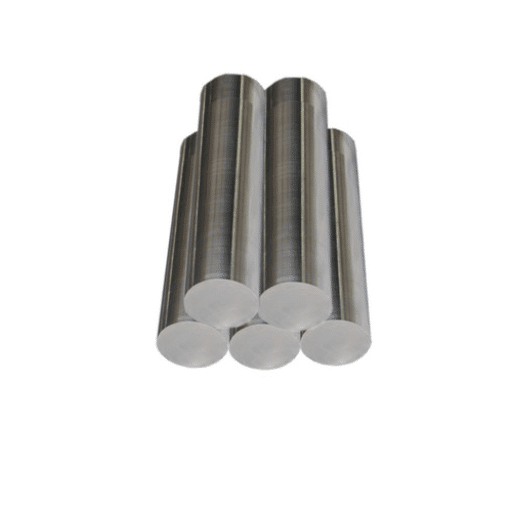
Iron-nickel alloys are composed primarily of iron (Fe) and nickel (Ni) and often contain small amounts of other metals to enhance specific properties. The nickel content can range from 30% to 90%, depending on the alloy’s specific application. An example of this is “Invar,” the most widely used alloy, which consists of approximately 36% nickel and 64% iron. Invar is renowned for being very low in thermal expansion coefficient.
Major Features
Thermal Stability
Nickel-iron alloying and making the alloy high in nickel like Invar, the thermal expansion rates become so low that these alloys are nearly dimensionally stable. Consequently, they are ideal for the manufacture of precision instruments, aerospace parts, and other applications in which any size change due to heating and cooling would be unacceptable.
Magnetic Properties
The majority of iron-nickel alloys possess a significant level of magnetism, a typical case being Permalloy (20% iron, 80% nickel) which finds numerous applications in the areas of magnetic protection and transformer cores due to its strong magnetic property. However, some alloys with more favorable properties can be made non-magnetic, an option that is particularly useful in medical diagnostic imaging equipment.
Corrosion Resistance
The principal element in the composition of iron-nickel alloys is nickel, which contributes to their corrosion resistance, thus allowing for their use in places such as the ocean and industries that are most difficult to work in due to their aggressive environments. Nevertheless, the combination of nickel and chromium can produce an even greater corrosion resistance.
Hardness and Strength
Iron-nickel alloys keep their impressive mechanical strength and hardness so they are trusted in difficult areas like aerospace and production. Some types, e.g., Kovar, are developed to be tough and to be fused with glass and ceramics.
Recent Data and Advances
Thermal Expansion
Materials Science Forum research indicates that future iron-nickel alloys with appropriate compositions can exhibit thermal expansion coefficients lower than previously achieved levels.
Magnetic Permeability
The latest soft magnetic iron-nickel alloys have revealed relative permeability over 100,000, making them suitable for use in electromagnetic shielding applications.
Corrosion Performance
Among the most remarkable developments is the invention of iron-nickel alloys with 10-15% chromium, which resist corrosion better in both acidic and high-temperature situations.
Applications in Emerging Fields
Iron-nickel alloys are among the most sought-after materials in emerging technological applications, including quantum computing, space exploration, and next-generation medical devices. Advances in research and development have enabled manufacturers to develop specialized alloys that meet the requirements of high-tech innovations.
Key Components: Iron and Nickel
The basis of the iron-nickel alloys is given mainly by the iron and nickel that in the right proportion to each other yield the mixture of advantages and thus can be employed in a broad spectrum of applications. Iron, as the most significant element, is the primary contributor to structural strength and magnetic properties, whereas nickel primarily contributes to corrosion resistance, thermal stability, and toughness, even under very stringent conditions.
According to current studies, conventional iron-nickel alloys comprise 35-80% iron and 20-65% nickel, with the composition varying with specific engineering requirements. For instance, certain high-tech superalloys for the aerospace industry may contain small quantities of molybdenum, cobalt, or chromium to enhance performance.
One of the most significant advantages of the iron-nickel combination is that together they can produce austenite, which is the non-magnetic phase of the alloy and it is the main reason for the very high-temperature resistance and good machinability of the alloy. The characteristics mentioned render iron-nickel alloys as products desirable in the most demanding applications where the highest standards of precision and reliability are required such as turbine blades, spacecraft components, and surgical tools.
According to the U. S. Geological Survey’s latest data, in 2023, global nickel production exceeded 3 million metric tons, which was partially attributed to the increasing demand for nickel alloys in the green technology sector, electric vehicle batteries, and hydrogen production through electrolysis.
Meanwhile, iron continues to be the most widely produced metal in the world with yearly extraction of more than 2.5 billion metric tons.
The combination of iron and nickel, together with ongoing advances in metallurgy, fosters a creative environment for technological innovation through these alloys.
Properties of Low-Expansion Alloys
Low-expansion alloys possess unique properties that make them essential in precision engineering and high-performance applications. To illustrate, the following five properties of these alloys are the most important:
1. Low Coefficient of Thermal Expansion (CTE)
Low-expansion alloys are designed to undergo minimal thermal expansion. In fact, the CTE of some metals, like Invar, can be as low as 0.6 x 10⁻⁶ /°C at room temperature which is a huge reduction.
2. High Dimensional Stability
Such alloys will behave like charmed metals that never lose their dimensionality during the most extreme temperature transitions, thus they will always be associated with industries where accuracy is indispensable like aerospace and optical devices.
3. Excellent Mechanical Strength
In contrast to their expansion properties, these alloys are typically strong and tough; hence, they can withstand harsh conditions and still operate effectively.
4. Corrosion Resistance
Most low-expansion alloys resist oxygen and corrosion; consequently, their lifespan and reliability in harsh or hazardous environments are enhanced.
5. Ease of Machinability
Low expansion alloys are generally machined with the utmost precision which enables the manufacturers to create intricate designs without sacrificing either functionality or accuracy.
Thermal Expansion Characteristics
Low expansion alloys are the types of materials that are designed to undergo the minimum thermal expansion possible. This characteristic allows them to be used in places where the temperature fluctuates but the size of the object must remain unchanged. The undermentioned points give the most vital information regarding thermal expansion properties of low-expansion alloys:
Very Low Thermal Expansion Coefficient
The thermal expansion coefficient (CTE) of these alloys is incredibly low. Thus, they exhibit dimensional stability under the harshest temperature changes.
Wide Range of Operating Temperatures
Low-expansion alloys cannot only maintain their structural integrity but also retain their performance characteristics across a temperature range from cryogenic conditions to high-temperature environments.
Isotropic Behavior
Many low-expansion alloys exhibit isotropic thermal behavior, meaning their thermal expansion is the same in all directions. This, in turn, leads to less warping of the material.
Precision Stability at High Level
These alloys, having variability in thermal expansion properties, can be applied in precision instruments and components that require accurate measurements.
Thermally Modified Expansion Rates
The manufacturer may adjust alloy compositions to achieve the desired thermal expansion rate for a particular application without compromising other essential properties.
Historical Development of Iron-Nickel Alloys
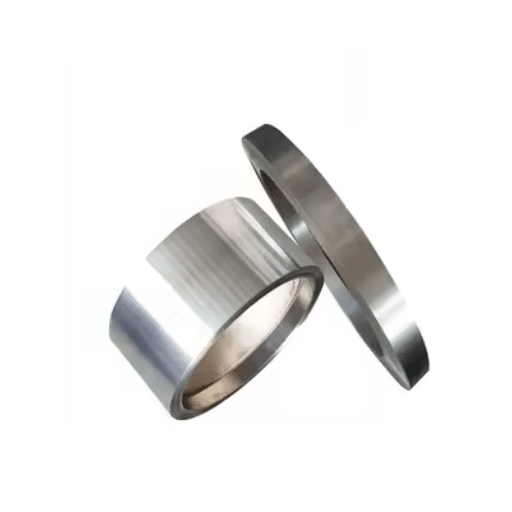
The development of iron-nickel alloys began in the early 1900s, and the search for materials with superior thermal and mechanical properties was the driving force behind this development. Initially, the low thermal expansion of these alloys was the primary reason for their use in industries where dimensional stability was a key factor. Furthermore, scientists discovered that certain ratios of iron and nickel, for instance, the 36% nickel content in Invar, could lead to a significant reduction in thermal expansion, thus making them suitable for use in precision applications in optics and instrumentation.
The mid 20th century saw iron-nickel alloys being widely utilized in different industrial sectors as a result of metallurgical techniques being developed that enabled the composition and properties of the alloys to be controlled with greater accuracy. Moreover, the performance of the alloys was further improved through the addition of elements like cobalt and molybdenum which opened up their usage in aerospace, cryogenics, and electronic parts. For instance, the co-addition of cobalt improves corrosion resistance, and molybdenum contributes to strength and toughness.
The latest market report states that the application of iron-nickel alloys in precision engineering is still huge and their demand will rise at a rate of 4-6% CAGR in the coming years.
Thus, these alloys are no longer considered luxury materials; they are used in critical applications such as satellite systems, where tightly controlled thermal expansion is required, and in high-definition imaging technologies, where accurate measurements are crucial.
Additionally, recent advances have been a major factor in tailoring iron-nickel alloys, making them suitable materials for future technologies such as quantum computing and advanced sensors. The option to customize expansion rates has placed these alloys at the forefront of both science and industry. The future of industries that require precision and stability will be dominated by iron-nickel alloys due to ongoing development.
Early Discoveries and Innovations
The iron-nickel alloys’ saga was the result of a long as well as complex journey which began in the 1900’s when the whole field was dominated by the study of thermal and mechanical characteristics and the final selection was made on the performance of ‘cooling and heating’ at the high and low ends of the temperatures. The first consequence of the above multi-layered discovery was the well-known ‘Invar’, the name given to a particular alloy by the Swiss physicist Charles Édouard Guillaume in 1896. He noticed that the iron-nickel alloy had such low thermal expansion that it earned him the Nobel Prize in Physics in 1920. The characteristic of the alloy that it could resist changes of high or low temperature made it an indispensable material in the scientific field, especially for precision measurement, instrumentation and clock-making applications, etc.
The gradual monopolization of the use of iron-nickel alloys came about through the development of new alloys in time. One such development was the invention of superalloy in the mid-20th century. These materials are primarily iron-nickel-based, operate at very high temperatures (over 1000 degrees Celsius or 1832 degrees Fahrenheit), and are subjected to high pressures, thereby enabling them to withstand mechanical stresses. Research shows that the aerospace applications of superalloys are vital, as they are extensively used to produce hot jet turbine blades, where temperatures can reach 1000°C (1832°F) or higher. In such high temperatures, these alloys never lose their strength or quality and the ongoing developments in the field not only lead to the saving of energy but also recycling of materials.
The gradual increase in the demand for iron-nickel alloys has now spread into several sectors. According to the latest figures, the global market for superalloys is projected to reach $9.6 billion by 2027, with a 6.9% compound annual growth rate (CAGR).
Going from the medical field to the energy sector, they have become ubiquitous and their role really brings out the argument that modern technological innovations could not exist without them, for they are the very backbone. In addition, their continuous property developments such as corrosion resistance, high-temperature oxidation, fatigue resistance, etc., combined with their cost-effective sustainability, make them always a preferred choice in industrial and technological applications.
Development of Invar and Alloy 42
Specialty alloys such as Invar and Alloy 42 have been indispensable to the growth of high-tech and high-precision industries. Invar, which Charles Édouard Guillaume discovered in 1896, is known and appreciated for its extremely low thermal expansion coefficient (CTE). Due to the property, it is absolutely ideal for the applications where size changes due to heat can’t be tolerated, and thus, clock pendulums, scientific instruments, and aerospace components are among the leading applications. The alloy composition was 36% nickel and 64% iron, and it endured substantial temperature variations without altering its volume or shape.
Alloy 42, by contrast, is a nickel-iron alloy with a composition of 42% nickel and 58% iron. Its thermal expansion coefficient that is almost identical to that of ceramic and glass has rendered it indispensable in the electronics sector. The applications go from vacuum tubes, transistors, and integrated circuits to many other components. Its ability to work with various materials and form a strong, tight seal has earned it the floral industry’s reliability even under challenging operating conditions.
Recently, the characteristics of those alloys have reached a new level. For instance, the introduction of new manufacturing techniques, such as precision casting and additive manufacturing, has enabled the production of intricate geometries while reducing material waste. The demand for these alloys is expected to increase further, driven primarily by the support they provide to essential industries such as aerospace, medical equipment, and semiconductors. According to the data the world market for nickel-iron alloys that include Invar and Alloy 42 will remain steady in the long run due to their importance in precision engineering and innovations in the future.
Evolution of Manufacturing Techniques
The development of nickel-iron alloys manufacturing methods has been through a long and complicated journey. However, the earliest methods were primarily concerned with casting, and they produced high-quality results but were, of course, unable to produce very thin layers or to control dimensions with precision. The use of various processes such as vacuum induction melting (VIM), vacuum arc remelting (VAR), and electron beam melting (EBM) marked the beginning of a new era in alloy production. They provided high-quality materials, created the desired microstructures, and exhibited excellent mechanical properties; thus, the materials became highly suitable for their end-use applications.
In recent years, 3D printing, or additive manufacturing, has been considered a technology that has fundamentally transformed the landscape. This method enables the fabrication of highly intricate and customized components, while overall material waste remains minimal, which is extremely important for expensive alloys.
According to a report by MarketResearch.com, the additive manufacturing market for metal materials, which includes nickel-iron alloys, is projected to grow at a compound annual growth rate (CAGR) exceeding 20% by 2030. The predominance of use of this technology in the aerospace, medical devices, and semiconductor industries is the main reason for this remarkable increase.
Moreover, the new generation of coating and surface treatment techniques has improved the corrosion resistance and thermal stability of nickel-iron alloys. The use of PVD and laser surface alloying has not only increased demand for these materials; it has also enabled their use in harsh environments, such as outer space and underwater.
The new manufacturing techniques not only empower nickel-iron alloys but also facilitate the production process to be cost-effective and eco-friendly which assures their role in the future of engineering and industrial growth.
Applications of Iron-Nickel Alloys
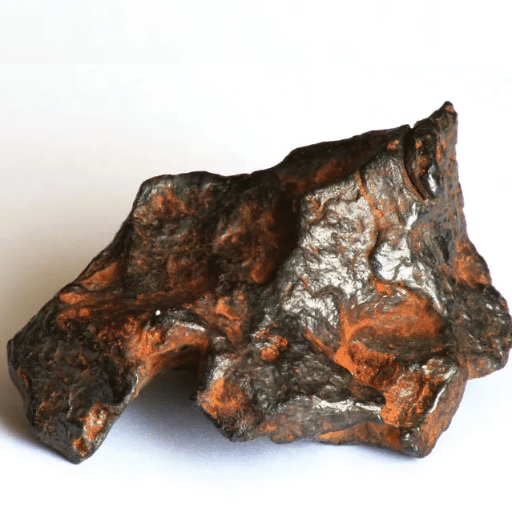
Due to their excellent mechanical, thermal, and magnetic properties, iron nickel alloys are used in multiple sectors. Their necessity is indicated by below five important applications:
Aerospace Engineering
The primary reason for the presence of iron-nickel alloys in the aerospace industry is their unmatchable thermal expansion resistance. These alloys are the most reliable materials for critical engine components and the most advanced components in satellites operating under the harshest conditions.
Electronic and Telecommunication
Alloys are widely used in making magnetic shields, electric relays, and transformer cores. They are essential materials for tolerant radios, hard drives, and telecommunications equipment due to their precise magnetic permeability.
Cryogenic Storage and Transport
The packaging that contains liquefied gases at extremely low temperatures will not be ruined by the very low brittleness of the iron and nickel alloys. They would help the plants have both safety and durability even in super chilly conditions.
Medical Devices
Copper-nickel alloys have been a major contributor to the medical imaging technology sector, particularly MRI machines, where their magnetic properties help improve the image quality. Furthermore, their compatibility with human tissues makes them favorable for use in prosthetics and implants.
Power Generation
The outstanding iron-nickel alloys are used in turbine blades and other power-generation components due to their strength, toughness, and corrosion resistance. This holds true not only for traditional power plants but also for renewable energy sources such as wind turbines.
The shown applications give evidence of the strong dependencies of iron-nickel alloys with the technological progress in our modern times and support the industries that are of prime importance.
Aerospace Industry Utilization
The combination of iron and nickel produces alloys that are highly strong and resistant to heat. They are also very light which makes them ideal for the aerospace industry. Let us now look into five uses of these alloys in the aviation industry:
Jet Engine Components
Alloys of iron and nickel are used to produce turbine blades, combustion chambers, and exhaust systems for jet engines. Their ability to endure extreme temperatures and pressures makes them the best candidates for the most reliable and safe operation of engines.
Heat Shields and Thermal Barriers
These alloys have been used in the manufacture of heat shields and thermal barriers for space and high-speed aircraft. Their thermal resistance supports the entire process of re-entry or high-speed flight, as it protects the critical components from overheating.
Structural Frameworks
Light but strong iron-nickel alloys have been used to construct aircraft fuselages and frames, and have been reported to improve performance and reduce fuel consumption, owing to their contribution to overall structural integrity.
Cryogenic Applications
Iron-nickel alloys are the preferred materials for aerospace cryogenic tanks because they retain their toughness and strength even at very low temperatures, thereby enabling safe storage and use of the fuel.
Magnetic Shielding
The other application of these alloys is in the making of magnetic shields due to their magnetic properties which, in turn, protect sensitive aerospace electronics from electromagnetic interference.
The five applications above demonstrate that iron-nickel alloys are the mainstay of the aerospace industry and are essential to safety, efficiency, and longevity during critical operations.
Role in Electronics and Precision Instruments
Iron-nickel alloys possess remarkable physical and magnetic properties and have become indispensable to the development of electronics, precision instruments, and other modern technologies. These materials have undoubtedly been the source of highly accurate and reliable components enabled by such technological advancements. Below are the five main points listed about the roles that iron-nickel alloys play in electronics and precision instruments:
1. Precision Measurement Devices
The iron-nickel alloys that have low thermal expansion are the most suitable materials for the manufacturing of precision measurement instruments such as micrometers and gauges and to maintain their accuracy throughout temperature variations.
2. Magnetic Sensors
The magnetic properties of these alloys are the primary reason for their use in advanced magnetic sensors and transducers, which are essential for navigation systems and vehicle control.
3. Transformer Cores
High magnetic permeability is one of the outstanding characteristics of iron-nickel alloys that make them suitable for the construction of transformer cores whose application is energy efficiency improvement and power loss reduction during transmission.
4. Electromagnetic Shielding
These kinds of alloys are extremely capable of electromagnetically shielding sensitive electronic parts against the influence of external electromagnetic radiation which could otherwise lead to interference and cause a decline in the performance of the instruments.
5. Clock and Watch Components
The inherent characteristics of iron-nickel alloys, namely their stability and precision, have supported their use in premium clock and watch parts, and their extended durability is further guaranteed.
Consequently, it is unsurprising that iron-nickel alloys have gradually been recognized as key materials in electronics and precision instruments, whose properties have enabled technological advances that continue to reshape the modern world.
Significance in Construction and Infrastructure
The iron-nickel alloys, whose outstanding durability, tensile strength, and resistance to environmental conditions make them vital in the construction and infrastructure sectors, are the perfect choice for applications where both accuracy and toughness are required. Areas such as the following have been highlighted as being extremely influential for iron-nickel alloys:
Structural Reinforcement
When iron-nickel alloys are mixed with concrete, the resulting mixture turns out to be stronger and more resistant to mechanical stresses, especially in earthquake-prone areas.
Bridges and Large-Scale Projects
The alloys’ super tensile strength and minimal thermal expansion means they will remain unaffected by the temperature swings that come with the gradual aging of the bridge construction, thus maintaining the stability of the structure.
Architectural Cladding
Iron-nickel alloys are the primary cladding materials used for skyscrapers, thereby serving a dual function: enhancing the building’s aesthetic appeal and protecting against corrosion caused by the elements.
Industrial Piping Systems
Iron-nickel alloys have played an essential role in the development of industrial piping systems due to their resistance to corrosion which is particularly high in the case of chemical transport or installation under extreme conditions.
Power Plant Infrastructure
Nickel-iron alloys are present in all power plants because of their ability to withstand high temperatures and pressures, thus, they play a major role in maintaining the long-term safety and efficiency of operations at the power plant.
So, by the employing the iron-nickel alloys in the above-mentioned crucial sectors, modern construction and infrastructure are able to enjoy the benefits of high performance, reliability, and great longevity.
Magnetic Properties of Iron-Nickel Alloys
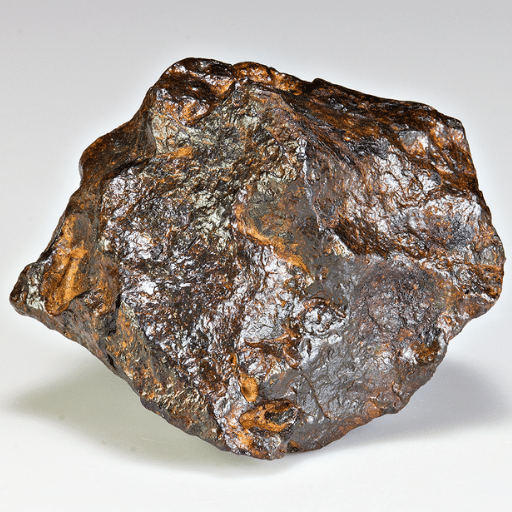
Due to their remarkable magnetic properties, iron-nickel alloys, commonly referred to as permalloys, are widely used and appreciated. These materials offer very high magnetic permeability, among other features, coupled with low coercivity, practically no energy loss, and thus, have found multiple uses across different industries, from telecommunication to power systems that cannot do without them.
Key Magnetic Characteristics:
High Magnetic Permeability
Iron-nickel alloys can reach over 100,000 magnetic permeability which means that they will have very little resistance to being magnetized and will be able, therefore, to carry magnetic flux very easily. The same quality makes iron-nickel alloys ideal for inductive applications and electromagnetic shielding besides the latter.
Low Coercivity
It is stated that these alloys have coercivity ranges from 0.05–0.1 Oersted and it takes a minimum of an external magnetic field to activate their magnetization and demagnetization. Such a condition will result in the e-devices that employ them using less energy and generating less heat.
Saturation Magnetization
Iron-nickel alloys can reach saturation fields of 0.8-1.6 T, depending on their composition. This is a way of producing strong magnetic fields for transformers and power sources for instance.
Low Magnetostriction
The magnetostriction of some iron-nickel alloys is so low that it will practically lead to no dimensional changes occurring when a magnetic field is applied to them. Such a property is particularly advantageous for the manufacturing of precision magnetic components.
Applications of Magnetic Properties:
Transformers and Inductors
The very high permeability and low energy losses of iron-nickel alloys not only increase efficiency but also reduce heat in transformer cores and inductive devices, particularly in areas requiring fast switching.
Magnetic Storage
Iron-nickel alloys, with their ability to stabilize magnetic domains, have secured the position of being the most vital component of data storage devices like hard drives and magnetic tapes.
Electromagnetic Shielding
The application of iron-nickel alloys in materials that shield sensitive electronic systems from electromagnetic interference (EMI) is one of their major uses.
Innovations in Iron-Nickel Alloys:
Not so long ago, the changes in the magnetism of these alloys were focused on tuning their compositions. For instance, the addition of molybdenum or cobalt to iron-nickel alloys could not only further increase but also enhance their permeability to temperature changes. Also, the emergence of nanocrystalline iron-nickel materials showing improvement in magnetic performance is due to the refining of grain structures.
The combination of magnetic properties, long service life, and flexibility is the primary reason iron-nickel alloys are in demand in modern technology, and it also explains why many industries continue to innovate.
Understanding Magnetic Alloys
With their remarkable magnetic properties and versatility, magnetic alloys, such as iron-nickel alloys, remain important in contemporary technology. The introduction of other elements, such as molybdenum or cobalt, can significantly increase their permeability and temperature stability. In addition, the advancement of nanocrystalline structures has significantly enhanced their performance, thereby making them necessary across various industrial sectors.
Applications of Magnetic Properties
Magnetic properties are of great importance and their necessity cannot be overlooked in multifarious cases, where they are still being utilized to the maximum. Below are the five areas that are considered topmost where such properties are utilized to their fullest:
Electric Motors and Generators
Motors and generators that operate on the principle of converting electrical power into mechanical power and vice versa are entirely dependent on magnetic materials. They use high-performance magnetic alloys, which not only increase machine efficiency but also minimize energy loss.
Transformers and Power Distribution
Silicon steel and nanocrystalline alloy magnetic cores are the most important for transformers. The very high magnetic permeability of such cores reduces core losses, thereby enabling the distribution of electric power in grids with high efficiency.
Magnetic Storage Devices
Data hard drives and other data storage devices only rely on magnetic materials. The latest magnetic alloys enable not only increased data density and reliability but also faster recording processes.
Medical Imaging Equipment
MRI technology employs powerful magnets to provide a high-resolution image of the human body. Rare-earth magnets, particularly neodymium-based alloys, generate strong, stable magnetic fields around medical diagnostic processes, enabling detection and enabling the patient to be treated accordingly.
Sensors and Actuators
The measurement of speed, position, and current sensors has been one of the widespread applications of magnetic properties. Hall-effect sensors and magnetic actuators in automotive and industrial systems are among the ways these materials enhance accuracy and usability.
Comparative Analysis with Other Magnetic Alloys
| Parameter | Iron-Nickel Alloys | Other Magnetic Alloys |
|---|---|---|
| Magnetic Permeability | High | Varies (low to high) |
| Coercivity | Low (easy to magnetize/demagnetize) | High (retains magnetization) |
| Saturation Flux Density | Moderate to High | High (e.g., Supermendur, NdFeB) |
| Hysteresis Losses | Low | High (in hard magnetic materials) |
| Electrical Resistivity | Moderate to High | Varies (depends on alloy composition) |
| Thermal Stability | Good (e.g., Curie Temp ~440°C) | Varies (e.g., NdFeB ~310°C) |
| Applications | Transformers, sensors, shielding | Motors, permanent magnets, data storage |
| Material Examples | Permalloy, Alloy 48, Alloy 49 | NdFeB, Alnico, SmCo, Supermendur |
| Cost | Moderate | High (rare-earth-based alloys) |
| Environmental Impact | Lower embodied carbon | Higher for rare-earth alloys |
References
ASM International – Nickel and Nickel Alloys
Nickel and Nickel Alloys
This source provides detailed insights into the properties and modifications of iron-nickel alloys.
IEEE Xplore – Magnetic and Electrical Properties of Iron-Nickel Alloys
Magnetic and Electrical Properties of Iron-Nickel Alloys
A study focusing on the magnetic and electrical characteristics of iron-nickel alloys.
Journal of the Physical Society of Japan – Low Thermal Expansion in Iron-Nickel Alloys
On Unusually Low Thermal Expansion Found in the Irreversible Iron-Nickel Alloys
This paper discusses the low thermal expansion properties of specific iron-nickel alloys.
Frequently Asked Questions (FAQ)
What is the effect of the thermal expansion coefficient in nickel-iron alloys on the metal seals?
The expansion coefficient, or Coefficient of Thermal Expansion (CTE), measures the temperature response of a material: whether it expands or shrinks and by how much. A nickel-based iron alloy of the invar type and other iron-nickel alloys generally exhibit a low CTE resulting in negligible volume change. Consequently, such alloys help mitigate thermal expansion differences among metals, glasses, and ceramics. In glass-to-metal and hermetic seal applications, an alloy with a thermal expansion coefficient similar to that of the glass (e.g. borosilicate) not only reduces the stress at the bonding point but also contributes to the seal being reliable for the entire range of device temperatures.
What are the qualities that make the iron-nickel alloys ideal for glass-to-metal sealing and hermetic seals?
In the case of glass used for sealing, nickel-iron and cobalt-iron alloys are processed to match the expansion rate of the sealing glass predominantly used. The low coefficient and stable thermal expansion characteristics not only prevent cracking and breaking of hermetic seals by minimizing the mismatch of expansion and contraction but also prevent the opposite case. The changes in thermal expansion are made similar to the borosilicate glasses in order for the glass-metal sealing in vacuum tubes, feedthroughs, and the reliability of other electronic devices to be very excellent.
What are the ways in which the temperature range and Curie temperature impact the behavior of invar alloy metals?
Invar alloy and other nickel-iron low thermal expansion metals keep up a low expansion rate in the mentioned temperature range. The Curie temperature – the point at which the magnetic properties change – is also a factor in determining how the stability of dimensions and magnetism will be affected. For precision applications that demand high magnetic permeability or no expansion, it is very important to have a clear understanding of both the thermal expansion coefficient and the behavior of the magnetic field regarding the Curie temperature in order to ensure that the alloy is capable of attaining the necessary dimensional stability and mechanical properties throughout the operating environment.
What are the main alloys that have been used in the past and are still used today for electronic devices and glass-sealing applications?
The alloys that are used in electronic devices and glass sealing are numerous. The electronics sector has predominantly utilized Fe-Ni alloys, which are iron-nickel, invar alloy, and nickel-iron-cobalt variations for glass-to-metal sealing and hermetic seal applications due to their particular features. These unique alloys exhibit low thermal expansion, comparable to glass or ceramics, and excellent mechanical properties. For instance, alloy 52 and other compositions that are exclusively tailored for glass sealing and aligning the thermal expansion properties to borosilicate or special glasses.
What is the role of expansion differences and matching expansions in the design of metal-to-glass joints?
The proportionate expansion, which is the difference in the expansion rate between the metal and the glass, has to be given consideration by the designers. This is because mismatches create stresses that may cause the seals to fail during heating and cooling cycles. The employment of an alloy having a low coefficient of expansion or one whose expansion rate is very much similar to that of the glass or ceramic is a sure way to reduce the tension and thus the failure of the sealed joint. Matching expansion rates, controlling dimensional changes, and selecting alloys with a stable thermal expansion coefficient over the intended temperature range are critical for long-lasting hermetic performance in glass sealing applications.
Could iron-nickel alloys be magnetic and how do they interact with their thermal expansion properties?
Most of the iron-nickel alloys are excellent conductors of magnetism and can be influenced by outside magnetic fields. There are, however, alloys specifically developed to exhibit very low or no magnetic character. The magnetic properties of the alloy are primarily determined by its chemical composition and the temperature known as the Curie temperature; at this temperature, the change in the arrangement or ordering of the magnetic moments may coincide with slight variations in dimensions. In applications demanding high precision and involving not only low thermal expansion but also controlled magnetic properties, specific invar-type or nickel-iron alloys are either selected or processed to align their thermal expansion rates, magnetic permeability, and mechanical properties with the application requirements.