

Blog
Kovar (4J29): Glass-to-Metal Sealing Alloy

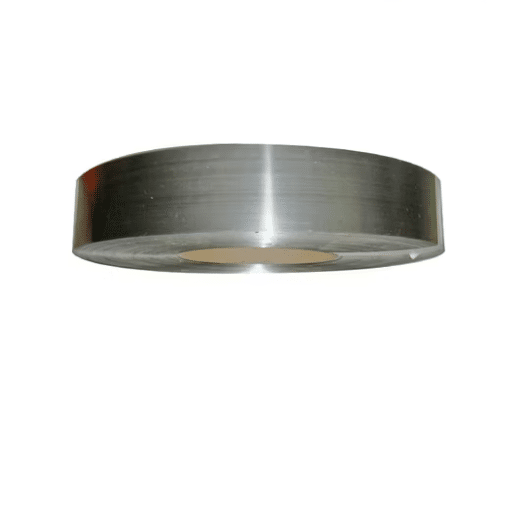
In the arena of unfailingly reliable and the art of glass-to-metal sealing, Kovar 4J29 alloy becomes renowned, and there is a reason for this. It has an impressive thermal expansion coefficient, which makes it compatible with standard soda-lime glass, and is therefore predominantly used in aerospace and electronic applications. This article will explain in detail the Kovar alloy and elaborate on the features that make it an essential component in most core sealing applications. Additionally, this blog elucidates and celebrates how Kovar remains a benchmark for those new to the field of metals or simply seeking to deepen their knowledge.
Understanding Kovar Alloy
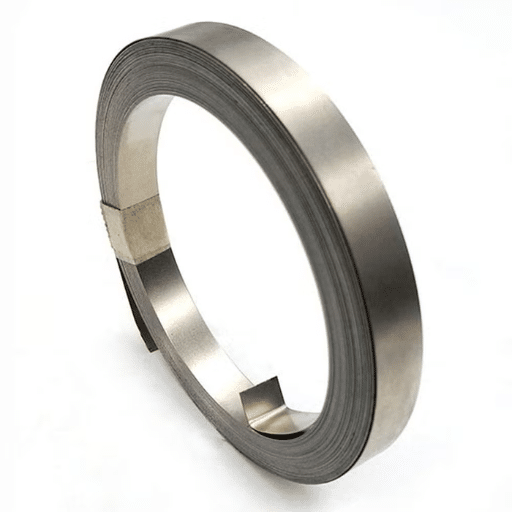
Scholars unveiled Kovar as an iron-nickel-cobalt alloy similar to glass or ceramics due to its thermal expansion properties. Kovar metal is ideal for applications where plastics or ceramics require metal bonding, as in most electronic instruments, vacuum technology, and the aerospace industry. It also shows no effect from temperature variation, making it a suitable material for such mechanisms.
What is Kovar (4J29)?
The metal alloy known as Kovar is actually a well-doped iron alloy with cobalt 29 and nickel 61. Kovar’s name already refers to one of this metal’s key properties: thermal expansion close to that of glass and ceramics. It is these properties that make this alloy widely used in electronic packages, bead sealing, and the construction of housings and other microcircuit structures.
History and Development of Kovar
The original Kovar alloy was developed in the early 1900s, anticipating the need for materials suitable for metal-glass integrated connections. The alloy was created by adding carefully defined quantities of cobalt, iron, and nickel, yielding a thermal expansion coefficient comparable to that of borosilicate glasses and certain ceramics. There was an increased demand for this, especially since the electronics industry was growing, the tube vacuum industry was also growing and was using such seals that could withstand even changes in temperatures.
However, in the 1950s, the use of Kovar proved to be even more widespread and enhanced the production of vacuum tubes for applications that began in telecommunications and progressed to radar. In particular, these domains incorporated large portions of this alloy, since neither the temperature range nor the device size caused metal leakage.
Kovar has been enhanced through advances in fabrication and purification methods over the years. These upgraded alloys were now being manufactured to meet the demands of sectors such as aerospace, communications, and precision machine components. Similarly, the modern way of producing Kovar lends itself to a study of its makeup, where, for example, the nickel content is usually about 29% and cobalt, in other words, reaches 17% with the rest iron.
Furthermore, there is a spectacular exhibition of the range of Kovar’s performance applications. Only a handful of elements can achieve such an exact expansion match without deforming the measured parts; such elements include the expansive element Kovar, whose CTE is approximately 5 x 10^-6 K^-1 between 20°C and 200°C. Furthermore, its usage has expanded as layers have been found to have specific, limited functions, thereby broadening its potential applications.
Take an example of Engineering. Even now, there is a need for Kovar; without it, working in such a complex area, with all its reliability and micro size requirements, cannot be completed. As Kovar development has progressed, the need for engineering metal alloys for performance has become apparent.
Importance of Glass-to-Metal Seals
The seals that aim at compensating the junction of glass and metal bring significant importance and performance to sophisticated devices. Through these seams, the metal and glass are separated by a gap that ensures the case remains closed in any environment. There are several reasons this issue is relevant, including the following five.
Hermetism
To facilitate this, the technologies under consideration use glass-to-metal sealing of components, enabling gas-tightness of electronic assembly systems, including those containing sensitive components such as pacemakers, against the risk of moisture, dust, gases, or other adverse elements. Pacemaker containers, in general, and their internal components were sealed with airtight seals against moisture, gases, and liquids, which could affect the device’s health.
Insulation
The glass introduced into the seal provides both good insulating properties and structural support for the device. Most importantly, it is associated with semiconductor packages that require electrical insulation. Nevertheless, it is the ideal glass-metal fusion, involving a metal cap (Kovar or aluminum oxide), a Kovar or stainless steel housing, and a gold-plated package and its associated external leads, which are molded and fitted to form a package for electro-sensitive devices.
Resistance to Heat Changes
Material expansion coefficients of the seal should not differ from those of the other contact materials, and a very limited tolerance is acceptable. For instance, electronic packages require Kovar for vacuum sealing because its low thermal expansion behaviour is consistent with glass.
Such insulation is functional at both extremes of temperature, whether cold or hot, or even the two. For instance, seals used in aerospace do not degrade and prevent fluid motion from -200°C to above 400°C, enabling the entire seal system to operate under extreme service conditions.
Durability and Efficiency
Therefore, this requires glass-to-metal seals of very high quality in terms of corrosion resistance and wear protection. As a result, it is quite durable, given the prolonged use of oil-drilling equipment, which demonstrates its performance under harsh conditions.
Application Across Sectors
For this reason, seals can also be found in other devices, such as water-testing devices, the construction of which is elaborated on in chapter three of this paper. Additionally, seals are used in applications such as laser couplers and Kovar rings, for example, in cluster bombs.
Key Properties of Kovar
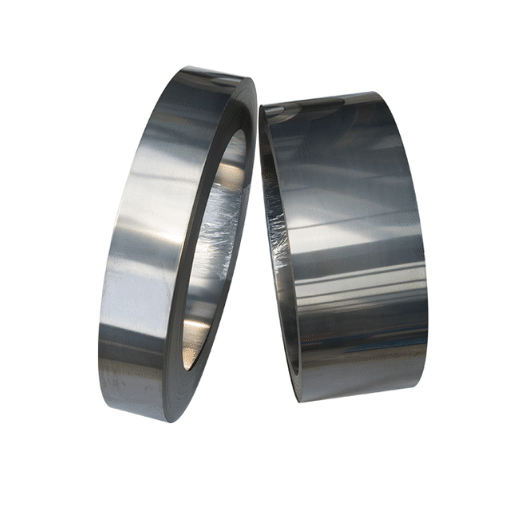
Low Linear Expansion
The thermal expansion temperature of Kovar is very low and stable, and is approximately the same as that of borosilicate and ceramic materials. This property allows reliable seals to be produced for components with a critical temperature rate.
High Dimensional Firmness
There is almost no dimensional distortion or deformation in Kovar, even at high temperatures, and thus the metal can be used in measuring instruments deployed in harsh environments.
Greater Magnetic Susceptibility
Looks at the perception of the object about magnetism, this type of alloy shows very high levels of this character and it is very good because, I would say, without the appropriate magnetization, I cannot remember the number of sensors, or relays, or whatever the electronic devices used that require.
Resistance To Corrosion
Kovar does not corrode easily, even in highly corrosive environments, making it last longer in moist or wet conditions.
Ability To Cups Weld And Machine Well
The manufacture of the overlapping Kovar compounds, as well as other similar ferrous compounds, is easy since they can be welded easily or machined, and there is therefore no need for materials during this process, though one still maintains the strong bond in assembly because the manufactured material will retain its shape even with all these structural components. As a result, it is used more widely in different sectors.
Thermal Expansion Characteristics
Kovar exhibits temperature-dependent expansion characteristics, making it suitable for applications where size accuracy must be maintained regardless of temperature changes. Below are the five characteristics that define the thermal expansion of Kovar in detail:
Coefficient of Thermal Expansion Similarity
The linear thermal expansion of Kovar is comparable to that of borosilicate glasses and ceramics, and thus it provides consistent sealing performance for these electronic and optical devices.
Limited Deformation Characteristic
The alloy is resistant to deformation within specified temperature ranges for its design and installation.
Wide Operational Temperature Range
With respect to applications, it scales up to a certain degree within a viable temperature range, at both sub-zero and high-performance levels.
Presence of Thermal Stresses
Kovar, on the other hand, when employed, can readily accommodate the expansion of the joined materials; hence, the thermal stresses generated, which can lead to failure under industrial conditions, are minimized.
Adverse Working Conditions: Efficiency and Consistency
The use of Kovar offers predictable thermal expansion properties that enable industries, such as aviation, to operate reliably in environments with high temperature variations.
Such properties are essential in industries that use Kovar and in which accuracy and dependability of manufactured products is expected.
Mechanical Properties and Strength
Many Applications Require Components That Can Function With Precision And Accuracy, And Kovar’s Unmatched Mechanical Composition Makes The Material An Ideal Choice. The following mechanical properties further illustrate its quality:
Mechanical characteristics as recount above are very useful in making the material be used for more than one application. This is one of the reasons why the invention Kovar alloy is considered a very good option for various extreme conditions in the aircraft industry, electronics and precision mechanical industry.
Compatibility with Glass and Ceramics
Kovar was initially developed by engineers because it exhibits a wide range of interactions with glass and ceramic materials, making it suitable for sealing components, including metals. It is also characterized by its easy formation into a sheet or wire, but with rules on how much it is allowed to expand with different glass or ceramic components. More explanation on utilizing Kovar when dealing with those glasses or ceramics is given below:
Thermal Expansion
Kovar has expansion characteristics that match those of most glasses and ceramics, including borosilicate glass, thereby minimizing stresses during subsequent heating or cooling.
Hermetic Sealing
The material’s good wetability of glasses and ceramics ensures that the parameters required to make vacuum-sealed packages can be adjusted without undue difficulty, unlike in most electronic packaging, where gases and moisture must be removed for the appropriate solution to perform under abusive conditions. Excessive moisture, as well as internal pressure from gases and vapors within the package, leads to faster package failure, which is highly undesirable.
High Bond Strength
Within the given parameters, Kovar forms strong bonds with glasses and ceramics, enabling sealing processes that can withstand mechanical or thermal stress without significant distortion.
Chemically Stable
The material is highly stable chemically, preventing it from reacting with glasses or ceramics during the joining process. The materials, therefore, remain as expected.
Can be Coated
Kovar is a composite that holds oxide and plating coatings wel,l which enhances glass and porcelain sealing applications.
In a nutshell, these aspects are the essence of why Kovar is often used in vacuum tubes, electronics, and scientific equipment.
Applications in Industry
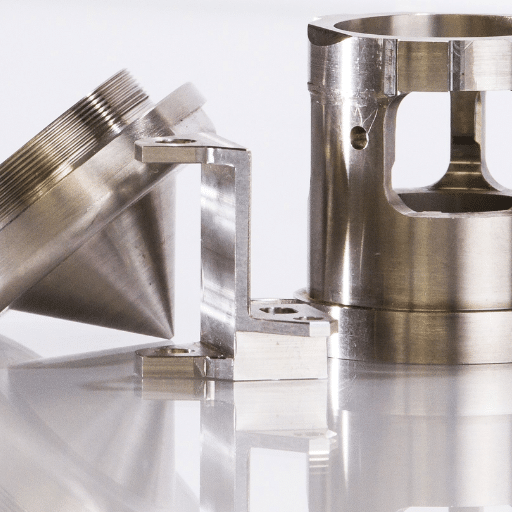
Kovar is a material with a range of properties that make it a favorite in the industry. To give you an example. Industrial applications of Kovar are best described by the following examples:
Vacuum Tube
Kovar is vital in the construction of vacuum tubes because of its superior sealing capability. Such a metal precisely matches the thermal stresses in both glass and ceramics, thereby increasing the time required for airtight sealing to fail, even under vigorous vacuum conditions.
Aerospace Components
The aerospace sector uses Kovar to produce various types of sensing or connecting elements and the housings of aerospace apparatuses. Particularly in aerospace, where temperature fluctuations do not degrade even under large temperature variations, Kovar is very useful.
Electronic Packaging
Kovar is also used extensively in the field of packaging, particularly in semiconductor and electronic applications, which makes the avoidance of any seepage from sealed devices an aspiration. This type of plastic ensures joint integrity and prevents electrical components from coming into contact with moisture or gases.
Scientific Instruments
Kovar’s composition has found applications in scientific instruments such as microscopes and distance-measurement devices because, among other things, it is thermally stable and bonds to glass.
Medical Technology
Devices, such as heart pacemakers, use Kovar for components that must withstand high temperatures and are biocompatible with the devices.
The application of Kovar in these diverse products demonstrates the material’s utility in the development of these industrial sectors.
Use in Electronics and Telecommunications
Kovar exhibits highly desirable properties and has been used for decades. Some temperature-dependent devices may also become unstable due to temperature fluctuations; however, incorporating this material will help stabilize the components, making it easier to avoid this issue. Below are the various spheres where Kovar is used for the particular applications:
-
Sealing of Microelectronic Packages
For environmental sealing of microelectronic packages, Kovar remains a highly valuable material that extends the operational life of such components.
-
Production of Connectors Lighting up Many Connections
This odd shape connector is used for mounting connectors, {very} strong retention {more} than {most} {materials}; thus every instrumental place in the telecommunications industry develops these products with kovar material.
-
Encasements for Crystal Oscillators
Thus, Kovar is a suitable material for a crystal oscillator, as it performs well across a range of operating temperatures and the output frequency remains above acceptable levels.
-
Casing for Relays and Switches
The switching devices and relays used in a given enclosure are provided with Kovar in such cases. Switch and relay cases, important components of electronic systems, use this material to ensure durability and protect the inner ISS from external forces.
-
Devices of Optoelectronics
On the materials side, Kovar is used in the manufacture of optoelectronic devices, such as laser diodes, for its high geometric accuracy and high-temperature performance.
These relate to the consideration of Kovar as the preferred material, given specific requirements that necessitate such systems for building efficient, clean electronics and telecoms.
Applications in Aerospace and Defense
Thanks to these properties, Kovar is one of the materials that provide an irreplaceable barrier in the Aerospace and Security sectors. This is because the material has dimensional stability and a low thermal expansion coefficient, making it unaffected by temperature or other environmental changes. Nevertheless, Kovar’s physical property makes it usable even in extreme conditions. Below are five basic examples in which the weight of Kovar may be comprehended:
-
Avionics Hermetic Seals
For this reason, hermetic seals are made of Kovar in most vital avionic system components to prevent moisture or pressure ingress, especially at high altitudes.
-
Infrared Detectors
Certain components of the material cristal Sealing alloy A and B are incorporated in the structure of an IR detector. Relates to many security systems that involve observing warm areas or regions.
-
Missile Guidance Devices
In some systems without structural modifications for temperature variation, Kovar is used in guidance systems for missiles to enable these motional amplifications.
-
Space Instruments
In addition to the above-mentioned properties, Kovar is also used in various spacecraft instruments because its properties are not affected by the extreme conditions inside the instrument, including high vacuum and the cold of outer space.
-
Defence Applications in Electronics Packaging
One finds extensive use of Kovar in military communication systems to enable the use of high-frequency electronics, thereby making adjacent components compatible by dissipating heat and reducing interference.
All these elements clearly demonstrate the importance of Kovar as a material for creating reliable and efficient aerospace and defense systems today.
Medical Device Applications
For the large-scale manufacture of various medical devices, Kovar is a highly useful material due to its remarkable properties, including thermal expansion compatibility with glass and ceramics, high elasticity, and high tensile strength. For a more vivid understanding of Kovar within the context of healthcare, the five most crucial examples of its application include the following:
-
X-Ray Tube Components
Kovar is in high demand for making X–ray tubes in linens, where there is a need for the intensity of the rays and the durability of the device.
-
MRI Equipment Parts
Stainless steels exhibit specific magnetic properties that, together with their thermal distribution capabilities, create an enabling environment for MRI machines using metals without joints, such as Kovar; this further enhances machine performance and imaging.
-
Pacemaker Casings
In using this work, a reader will find it within a painless internal brain-structure protection within a gas public returns, such as a layer, because water and organs are more acceptable in variations of rip and shred cases.
-
Functional Medical Implants
In comparison with the other types of such apparatuses, for instance, cochlear implants or motion actuators, Kovar is without any difference, durable, and most significantly non-corrosive; hence, these units have a high level of endurance and also tend to be mosquito resistant to a certain level.
-
Sealed Parts of Surgical Instruments
Sealing surgical devices with Kovar is for sterilization, as regular surgical devices or equipment can become contaminated during operations; thus, spraying or painting instruments with Kovar helps prevent contamination.
These underscore that Kovar is a critical material for enhancing the performance and reliability of medical instruments, which are designed to operate without failure.
Innovations and Future Trends
There are many advantages to Kovar in this technological upgrade, given the dynamic nature of technology. These developments enhance the conceptualization and fabrication of Kovar parts, enabling precise tolerance and alignment. Fabrication is provided without compromising the functionality of different Kovar parts and without affecting fabrication cost or duration, as an example. 3D printing, also known as additive manufacturing.
Market Growth: The global medical device market, which was projected at approximately $495.46 billion in 2022, is projected to reach $718.92 billion in 2029, implying a compound annual growth rate (CAGR) of approximately 5.5% over this period. This perfection owes much to the pursuit of innovations in high-performance materials, specifically Kovar, used in medical devices and applications, where these products enable the manufacture of devices for implantation and diagnostic medical equipment.
The biocompatibility of Kovar requires further development, as some surface treatment and coating techniques are employed. These developments aim to minimize the risk of adverse reactions during implantation while preserving Kovar’s toughness and corrosion resistance, which are the basis of industry standards.
The miniaturization of medical devices is also expected to continue as miniaturized Kovar elements are incorporated into microelectronics, enabling the creation of extremely small, even implantable, sensors and devices that monitor health, thereby enabling personalized medical care, also known as precision medicine.
In conclusion, both the advancements and control of sophisticated and functional medical devices bear a similar purpose for Kovar, where it sought that such a material will still be used predominantly across the healthcare sector now and for many years to come.
Recent Advancements in Kovar Manufacturing
There has been significant progress in the handling of Kovar over the last few decades, aimed at making this material more functional, accurate, and easy to use. One modification is the adoption of advanced technologies and processes, such as additive manufacturing methods such as selective laser sintering and electron-beam sintering. Additive manufacturing processes enable the production of more complex designs with internal features, including voids and overhangs, while significantly reducing material consumption and welding time. Overall expansion of specialized processing, and in particular the use of Kovar and other metals, is projected to grow at a CAGR of 8.2% for 2023-2030, according to Grand View Research.
Another important advancement is the development of improved surface modification techniques, such as chemical vapor deposition (CVD) and atomic layer deposition (ALD), which not only enhance the material’s corrosion resistance but also improve performance under more severe environmental conditions. In view of this, more manufacturers are turning to artificial intelligence (AI) and machine learning techniques for process optimization. This enables organizations to manufacture efficiently and effectively without wasting time due to breakdowns or waiting for maintenance to be performed, as the systems are already monitored and maintained.
Due to increasing demand for Kovar, similar measures to achieve sustainable production have been observed. To reduce carbon emissions, recycling and reusing manufacturing materials within the manufacturing cycle have been implemented worldwide. Moreover, it is now known that adopting a green production mode for metallic alloys can reduce such gas emissions by nearly 10% over 10 years.
In general, these advantages make Kovar a preferred material for industries such as aerospace, healthcare, and consumer electronics, where precision and performance are paramount. The current and specific use of modern technology provides assurance that the provided material, such as Kovar, will remain effective for the intended purposes, notwithstanding changes in pose.
Emerging Applications of Kovar (4J29)
Aerospace Engineering
To begin with aerospace engineering, Kovar values the cost-effectiveness of most hermetic-seal manufacturers for satellites, sensors, and other space-vehicle components. This is because the material has a very high-resolution expansion rate that almost always matches the optical materials and ceramics, and it still works at high temperatures.
Medical Devices
The material is used in many types of equipments in the healthcare sector, such as medical imaging equipment, where X-ray tubes and MRI systems are used. This is because Kovar, unlike most of its class materials, is tough yet does not screw up any electrical circuit, thus enhancing the performance of the said devices.
Semiconductor Packaging
Semiconductors are commonly encapsulated in Kovar alloys because Kovar provides excellent protection for semiconductor ducts. This way, because the glass or ceramic case will never allow moisture or contaminants to enter, all electrical components will remain intact.
Telecommunications
The Kovar material is a fundamental component of telecommunications, particularly optical fibers and microwave antennas. The alloy has a stable composition and delivers performance for high-frequency or very-high-frequency communications, with such elements referred to as components.
Cryogenic Systems
These even include superconducting electronics and storage, which is associated with cryogenics. In such applications, Kovar’s ability to withstand low temperatures and remain accurate is essential.
Expert Insights and Predictions
Technological advancements across many areas are expected to increase the use of Kovar. According to the Global Market Outlook, the Kovar Market is expected to grow at a 5.2% compound annual growth rate. The analysis for 2023-2028 provides an overview of key sectors, including aerospace, electronics, and telecommunications. This implies that expansion of these sectors relies on Kovar markets, which offer additional components that enhance their marketability, including hermetic sealing and precision tools.
An important trend often noted by experts and studied in detail over time is the development of Kovar for use in various electronic devices for quantum computers and space equipment. As a case in point, the technology has been used in the aviation industry to design components of spacecraft and satellites made of this material. The above relates to the alloy’s lower thermal expansion and higher weldability. In the medical and superconductivity fields, this will also hold true, especially for cryogenic microwave and magnetic circuits for quantum computation, which are expected to expand commercially in the near future.
Additionally, modern approaches to energy efficiency, such as hydrogen fuel cells, have increased demand for Kovar, which is thermally and mechanically stable for sensitive sealing processes. Market experts predict that Kovar applications in the ecological sector will increase over the next decade.
Just in line with these points, there is no doubt that the Kovar effects in the progress of the operative aspects in technology cannot be taken for granted, and as more and more work, especially research, is being done, and the time passes, the more such material with unique properties is going to find new applications.
Conclusion
In instruments where precision and reliability are defined consistently, Kovar remains pliable due to its thermal expansion capabilities, which are difficult to achieve, and its mechanical robustness. Under current circumstances, the global consumption of Kovar is expected to grow at a rate of 5-7 percent per annum (CAGR) for a ten-year period. Such an increase in demand can be attributed to its use in the aerospace, electronics, and renewable energy industries. For instance, Kovar applications have expanded into EV batteries and power electronics, driven by the surge in electric vehicle market development, where very small amounts are required in the most extreme cases; hence, Kovar is useful.
Renewable energy technologies, such as wind and solar, have advanced. This means further demand for Kovar and other elements that resist high temperatures. Additionally, there is an increase in the demand for medical equipment production. In this case, the containment equipment, which regulates the drug to be administered, is being implemented more effectively. However, that is also where such material is used. As we know, Kovar is a material used in various industries, and the present age renders it obsolete due to its adaptability, including mobility, which makes it easier and more convenient to advance the development of certain industries.
Summary of Kovar’s Importance
Even today, Kovar remains useful in most regions of the world due to its high thermal expansion coefficient, and it can be easily formed into very strong joints with materials such as glass and ceramics. For this reason, it is included in the toolbox of all spacecraft mechanical engineers, electronic circuit designers, and those in the medical field. Kovar is anticipated to have a United States Dollar value of more than 300 million Green notes, based on international trade involving the same subject, within the anticipated scope, variously reported under the said case and time period, as from 2028, growing at an average of 6% per year.
Let’s take a look at the aerospace industry to get a better idea. Kovar is a notable material and is commonly used in hermetic seals, connectors, and other technologies. In addition, in the medical sector, this material is a common component in pacemakers because it is highly accurate and does not react with the body. It has led to greater adoption of wearable devices and more reliable electronic devices, aligning with consumer needs in technology. The function of Kovar, therefore, is not waning but growing as we approach an era of many more such sectors.
Future Prospects in Technology
Kovar is highly optimistic about technology. Reasons: the expansion of a range of industries, such as Aerospace, Healthcare, and Electronics, that use or will use materials like Kovar is evident. A blend of these attractive features, including thermal expansion and physical properties, is crucial for creating technologies such as advanced medical implants, low-orbit spacecraft, and highly accurate electronic devices. Also, these alterations in SiGe and Ge structures provide additional scope, further expanding the usefulness of higher technological levels in the center of interest for using Kovar in devising inventions relevant to rapid technological change.
Call to Action for Further Research
Kovar remains important in the current industry, though further research is needed to ensure proper use. Introduce the most recent research articles that present the novel forms of use of Kovar, particularly in enhancing semiconductor packages, that is, increasing their stability, and in modern aviation systems. One investigation published in 2023 suggested that current Kovar surface-modification technologies have expanded the material’s application range, including in space, thereby extending its use. New strategies in electronics and medicine have increased demand for Kovar by 15 percentage points over the past two years. Consider new patent applications and market reports to analyze research and development, and the extent to which Kovar-related changes have gone. Commercial use of the above advancements from the evaluation also helps identify which areas remain untapped and how the boundaries of material development can be expanded.
References
- MDPI: “The interfacial microstructure and mechanical properties of diffusion-bonded joints of 316L stainless steel and the 4J29 Kovar alloy using nickel as an interlayer” – Link to article
- ScienceDirect: “Enhancing the strength and plasticity of Kovar alloy without sacrificing thermal expansion properties” – Link to article
- ScienceDirect: “Enhancing the densification and fatigue resistance of metal-injection-molded 4J29 Kovar alloy using hot isostatic pressing” – Link to article
Frequently Asked Questions (FAQ)
What is the Kovar expansion alloy, and what’s its use?
Kovar, also known as Kovar alloy or Kovar 4J29, is an iron-nickel-cobalt alloy developed to achieve an expansion coefficient close to that of glass. Specifically, the alloy’s thermal expansion rate was adjusted to match that of borosilicate glass and other harder glass envelopes, to avoid internal stresses in glass components and external metallic sealing. For this reason, several electrical, vacuum, and cathode-ray assemblies, as well as a few high–reliability abutments, use Kovar, which provides an alternative to glass–optical systems for sealing glass to the structure.
In which way is the 4J29 alloy capable of making a sealed connection with glass?
The Kovar 4J29 alloy can achieve a hermetic bond by skillfully combining oxide-layer formation on the metal, enhanced wetting, and a silica-containing bonding glass. Another aspect of bonding is the thickness of the oxide layer, since it governs the extent to which the glass flows over and wets the metal oxide, thereby ensuring effective glass–metal sealing in the assembly. Some examples of such situations include the manufacture of vacuum facilities and emission-pesticidal devices, such as vacuum and magnetron devices. It is also necessary to maintain specific temperature conditions and properly clean the assemblies to avoid impairing the plug’s effect on the unit’s seal tightness.
Where can I find a reliable supplier of 4j29 wire or 4j29 strip for manufacturing?
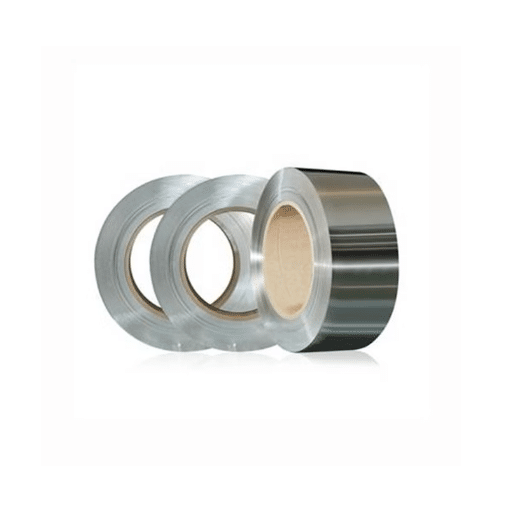
That’s right, you will find 4j29 wire and 4j29 strip in every manufacturing contractor and distributor. They are used in research and development across various engineering fields. After a vendor is selected, it is advisable to engage experienced personnel who produce or install electrical vacuum devices, IC terminals, magnetron glass windows, and similar components. Kovar adhesives are reliable because a good manufacturer supplies certificates of origin, tracking numbers and practical guidance on surface preparation to ensure good adhesion bond and environmental performance.
What are the Kovar alloy 4j29 technical characteristics that are important for glass-to-metal seals?
For other characteristics, properties such as the thermal expansion rate of borosilicate glass, the chemical stability of nickel and cobalt at certain temperature changes, and mechanical properties, among others, are presented earlier. For different characteristics, properties such as the thermal expansion of glasses with nickel and cobalt, or the chemical stability of borosilicate glasses, are highlighted. Other factors include strength, thermal cycling resistance (cold or hot), and ease of solderability and brazability. That is why Kovar resists extreme temperature variations and vacuum as an insulator and protector of electronic components, such as relays and transistors.
Why is Kovar moldable in wire shapes commonly utilized in seals and electronics?
Concerning aus deiner traume, thhn superalloys kovar wire, as well as 4j29 wire and high mu-mu alloy wires, are appropriate materials for connectors because such wires permit the required sizes and range of thermal expansion due to their thin diameter and a considerable surface-to-volume ratio. Subsequently, the glass, as a good insulator, typically encases the feedthrough wires, allowing them to be inserted without damaging the glass. The need for this particular type of construction is due to the fact that with both the nearest as well as the distant zone of the cut off of the tube, heating element case, microwaves, and x-rays fully inserted into an envelope with a metallized, preformed glass as perspective minimal or static strains violate the part’s stress-deformation curve.
How does the Kovar dissipate the difference in expansion levels among assemblies built with different materials?
Kovar has addressed thermal-mismatch stress because the alloy is designed to match most glasses. Consequently, there is minimization or absence of shear and tensile stresses at the glass-metal interface even in cases of thermal variation. Nickel, iron, and cobalt are used in adjustments to enhance stiffness, ductility, and other properties that help relieve strain. Design recommendations that use flexible materials, control oxide-layer growth, and avoid sharp corners and glass or metal vessels intended to operate over a wide temperature range are provided.
Are any unique manufacturing or surface-processing techniques required to preserve the glass-sealing alloy?
Sure. The introduction of bonding and wetting is facilitated by surface pretreatment steps such as cleaning, controlled oxidation, and, in some cases, plating. Optimal oxide coating thickness and layer count are preferred, as too few layers provide insufficient bonding, and excessive coating is unhealthy. In some processes, clustering of bonded surfaces is controlled by cobalt addition to chemically reduce the surface or by employing specific heat-treatment cycles to modify the oxide structure. The items, whether operating in a vacuum, under radiation, or in contact with slags, are produced and sealed hermetically. Kovar technology and other appropriate technical applications are included in the traditional specification for the technology process.
In which application fields and zones is the Kovar-based glass-to-metal sealing alloy most applicable?
Kovar 4J29 is well-suited to electronic components that require high reliability, such as vacuum tubes, cathode-ray tubes, X-ray glass envelopes, microwave equipment, and other instruments. These devices require high precision. They also have Properties of vacuum, thermal stability, withstand thermal expansion and contraction and shock in service. Its primary uses include relay packs, transistor cases, sealed-closure covers, seal plugs, and other components that require a durable glass-to-metal seal without compromising system efficiency over extended use.