High Standard Stainless Steel With Strict Inspection



Carburizing and Surface Hardening Methods: Enhancing Material Properties

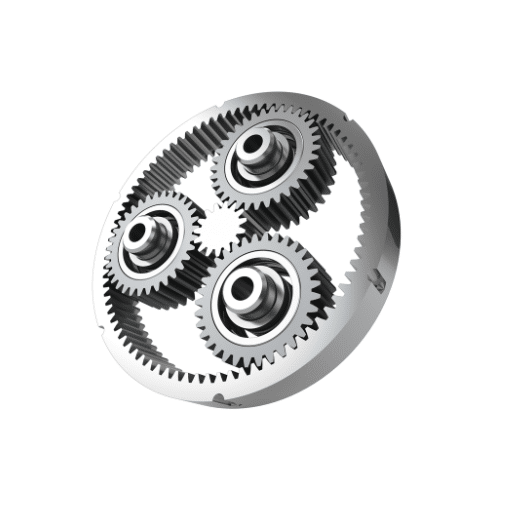
Materials are the basis of manufacturing and Mechanical Activity. Its service properties determine the endurance properties that determine success or failure, as in the case of the parts’ resistance to high pressure or long-term wear. How to mechanically alter the part’s surface characteristics to toughen or improve resistance to specific properties. These are called carburizing and other surface-modification processes. Such advanced processes enable various industries to alter material properties at the molecular level without altering the original soft structure, thereby enhancing hardness, strength, and wear resistance. Go through these brief explanations to learn how these technologies are initiated and the awesome benefits they grant to different industries while ushering in modern and contemporary industry. Follow on to find out how such techniques can change how materials are worked in manufacturing processes.
Understanding Carburizing
Carburizing process is a steel or iron hardening technique whereby the hardness of the metal surface, which is important for industrial operations, but not in the vicinity of the core, is significantly increased. In a carbon-rich environment at high temperature, carbon diffuses into the metal’s surface layer, thereby enhancing the material’s wear resistance without compromising its internal toughness. This makes the process particularly well-suited for finer applications like gears, bearings, and tools. As such, it is more widely used because it can handle heavily worn parts.
Definition of Carburizing
Carburizing is a surface-hardening process that increases the properties of steel and iron by adding carbon to one or more layers of the material. This is typically conducted in controlled carbon-containing atmospheres at process temperatures of 850°C to 950°C (1560°F to 1740°F), or at any intermediate temperature, depending on the product and raw material application. Carburizing processes reduce the carbon content and in the surface formation of martensite with an increase of the structure’s hardness and wear resistance while at the expense of less toughness of the central material.
Carburization methods can vary by technique among gas carburizing, case hardening, and pack carburizing, depending on the application. Gas carburizing is the most widely used method and uses a carbon-carrier gas, such as natural gas or propane, to introduce a case-hardening surface layer to the metal. This method is widely regarded as more conducive to current carburization practice across all sectors, with more than 70% of worldwide carburizing performed by gas carburizing. It enables uniform carbon penetration and yields good case-hardening results on components where surface hardening should not occur, such as those with complex geometries. Normally, the carburized layer varies from 0.5 to 3 mm, although the case depth is defined for a given load purpose; in certain cases, very thin layers are also used.
So well has the process been accepted that the automotive, aerospace, and heavy engineering industries are its subscribers. That is not all: It also reports the fact that carburized gears seem to have their lives enhanced by over 50%, further fogging the present sense of gears made in comparison but not carburized. Ion carbo-nitro carburizing is essential for parts subjected to extreme pressure, load, and wear, regardless of cost, as nearly all the benefits are achieved.
Significance in Material Properties
Carburizing is highly effective for components operating under high-stress conditions. The main five main advantages are as follows:
Skin Hardness
Skin hardness refers to the hardness of the outer layer of a material. For example, after this process, the hardened layer increases to levels above 60 HRC, reducing tearing and wear of the material.
Increased Resistance to Fatigue
It is also understood that, because carburized materials have compressive stresses near the particle surface, such parts will have improved fatigue life, as this behavior helps suppress crack intensification under forced vibration.
Fatigue Resistant
Carburized parts provide very high wear resistance and, during heavy-duty experiments, maintain wear rates at least 40-50% lower than untreated parts, demonstrating the endurance of carburized steel.
Specifically Desired Case Depths
The case hardening process can be adjusted to different loads and stresses, with the usual depth ranging from between 0.5 to 2.5. It is recommended that the depth range be varied for optimal results based on the application.
Core Toughness Retention
Although the surface is hardened, carburized parts maintain the toughness and ductility of their core. These are relevant to weight-specific components, such as gears and shafts.
These reasons explain the widespread success of carburizing in strengthening industrial parts against wear and tear.
Applications and Industries
The significance of carburizing methods is evident, given their widespread use across numerous sectors and fields, particularly because they improve the surface hardness and durability of metalware. There are five major application and industry areas where carburizing is used in large scale:
- Car Industry:
Gears, shafts and transmission parts are carburized within cars to allow them withstand high loads at the max. life period.
- Aeronautical Industry:
Potting techniques, such as carburizing, are very effective for high-temperature, high-pressure-resistant turbine gears and bearings.
- Preventive-Maintenance & F-Strength Energy Resilient Dynamics:
Every superstructure has cutting tools, dies, and molds that must be refrozen to carburize in order to prevent excessive wear and tear around the structure for long-term use and high-impact activities.
- Petrochemical Industry:
It is as a result that they must use drill pipes, valves, and pipelines which are tough carburized because of the abrasive and highly corrosive nature of the environment.
- Equipment and Machinery: General Overview:
The components of the construction machines that are subjected to the earthmoving operations, as the track links and the driving parts, are engineered with enhanced wear resistance and strength by employing the carburizing processes.
Types of Carburizing
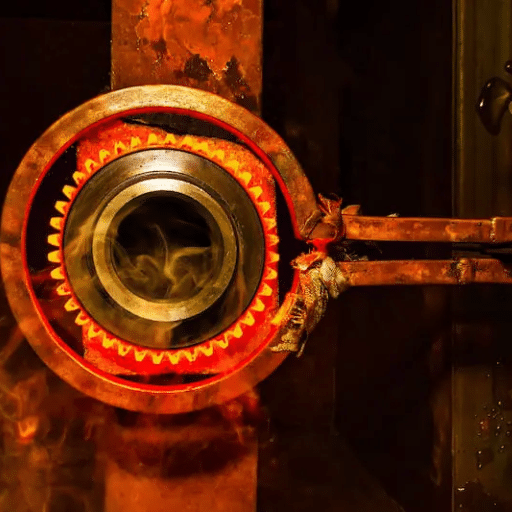
Introducing carbon into iron or steel increases abrasion resistance. Depending on the state of synergism therof, carburizing procedures are further divided below for specific occasions when other requirements are necessary. The following are the types of carburizing:
1. Case Carburizing
The older forms of carburizing by enclosing a part in a reactive mixture of solid carbon, generally anthracite, coke, or charcoal, to aluminate carbon atoms for diffusion into the metal. A higher temperature is applied within a box, up to 1650-1750°F (899-926.7°C), to enable carbon molecules to diffuse to the metal surface. It is supported by the most recent works as the main method of carburizing, only very small practices, for which case depth of carbon penetration is not a primary consideration.
2. Inline Carburizing
The carburizing operation is exhibited with respect to a furnace. Convection of a carbon-rich gas like methane or propane is employed as a carburizing medium in the attempt to carburize steels. This technology has broad applications in manufacturing to achieve accurate carbon diffusion depths in steels. Thus, gas carburizing processes suppress thermal distortions in most of the materials required to thermally collapse at 1,650°F to 1,900°F (899°C to 1,038°C). Carburized steel with a gas diffusion system is characterized by case depths of 0.02-0.12 inches (0.5–3 mm), depending on the treatment temperature and time.
3. Portable; Liquid Carburizing
In liquid carburizing, a high-carbon refractory retorting chamber system is used in which the salt bath, composed of cyanide or other carbon-containing compounds, is heated to 1,560 °F to 1,750 °F (849 °C to 927 °C). In comparison, pack carburizing provides the shortest case depth and the smallest case-hardening control; thus, it is generally used in tool and small-component areas. New salt-mix-type ingredients emit noxious vapors, which is one reason for innovation that has led to a decrease; however, safety considerations now make them less dangerous and more environmentally friendly.
4. Vacuum Carburizing
Vacuum carburizing, also known as low-pressure carburizing (LPC), is performed in a vacuum furnace with controlled carbon-enriched gas. This contemporary technique has strong attributes like higher precision, a power saving, and environmental friendliness. It takes place at high temperatures of up to 1215 °C [2060 °F]; it is favored in aerospace and automotive industries, mostly because of its very high precision in carburizing involving highly distorted-shaped items without any oxidation on the surface. Fatigue strength proved to be enhanced due to research, for about 20 percent in this regard.
5. Plasma Carburizing
Plasma carburization, also known as plasma carburizing, is a modern method for introducing carbon to the steel surface by using a plasma at very low pressures and high temperatures (about 900 degrees Celsius or 1650 degrees Fahrenheit). The method provides customized surface treatment while minimizing warping or shortening of treatment duration. This method found certification in both the medical and automobile industries as it is eco-friendly compared to the previous methods and enhances wear characteristics.
Comparison of Carburizing Techniques
By adopting the appropriate type of carburizing process, industries can enhance the performance and longevity of critical components, tailored to the unique demands of each sector.
Pack Carburizing
Amongst the oldest methods that ease the hardening of the surface layer, pack carburizing, if applied with due consideration, would enhance the ability of metal components to withstand wear and, more importantly, their fatigue strength. The process involves placing steel components in a sealed metal box filled with high-carbon material. Normally, powdered charcoal is blended with a carburizer like barium carbonate before embedding the steel. Then the box is placed in the furnace and heated to 1650°F-1750°F (899°C-955°C) for a few hours, so that carbon diffuses and is absorbed into the outer layers of the steel.
Key Points and Information:
- Temperatures: 1,650°F to 1,750°F (899°C to 955°C)
- Time Span: Depending on the single customs case depth, it can take upto several hours. 6–8 hours are needed to reach the case depth of 0.04 inches.
- Depth of carbon penetration: The depths within which such cases are fabricated range anywhere between 0.02 and 0.12 inches, ie 0.5 to 3mm.
Examples:
- Gears, cams, etc
- Shafts and bolts
- Automotive as well as farming parts
Positive Aspects:
- Basic and affordable for short and medium runs
- Support Existing tooling and infrastructure technology
- Create desired carbon gradient and wear resistant surface
Disadvantages:
- Correspondingly, the processes can take longer durations in comparison to advanced carburizing methods
- The packing process may also result in a certain amount of distortion as a result of heating that lasts for a long time
Pack carburizing is still practical when the exactness of complex carburizing methods is not required and sectors that prioritize optimizing costs as their utmost concern. New developments in processing environments and energy-efficient kilns are nevertheless enhancing the utility and scope of this traditional technique.
Gas Carburizing
One of the most widely used surface-hardening processes is gas carburizing. This process is very productive and accurate. The work is almost enclosed within a wall of steel parts designed to fit at all corners of the pumping chamber, while the pumping chamber is filled with a methane or propane atmosphere (CH4/C3H8) settled with gas carbons, and it is heated to 650ixed to 950ixed degrees Celsius or 160ixed to 175ixed degrees Fahrenheit. In this process, gas carbons are interspersed within the material to enhance surface wear resistance, at the cost of reduced core strength.
The Scope and Benefits of Gas Carburizing
- Atmosphere Control: Contemporary electric generators enable precise control of the carbon potential, preventing excessive case depth and undesired effects, such as carbon deposition that irreversibly causes decarburization.
- Highly Effective in the Treatment of Production Processes: The method enables efficient mass production by increasing the number of components that can be processed in either continuous or batch furnaces.
- Multi-modality: Can be executed on a variety of alloys, including low-carbon steel and certain types of stainless steel
ICS and Advances in Recent Hardware
Multiple reports suggest that the advent of new state-of-the-art furnace appliances equipped with vacuum or pressure drying mechanisms along with air sensors has revolutionized the gas carburizing sector. The developments in these areas include:
- Increased Energy Savings: Reduction of energy usage by almost a third of conventional systems’ levels.
- Enhanced Processing Quality: Monitoring carbon potential, when performed by an automated system, keeps carbon level variation to a minimum (±0.05 %), thereby improving Case Repeatability and reducing remanufacturing.
- Accelerate Processing Speed: Incorporation of the effectiveness of heater components and focusing the flow pattern of gases allowed decreasing the total loading-out time by 20-25% particularly intensively in the gas carburizing technology.
Moreover, the knowledge management publication can confirm that, in principle, a range of 0.3-1.5 mm case depth achievable in gas carburizing, depending on the process time, is mostly effective. For example, a target case depth of 1.0 mm usually takes about 3-5 hours, though this would entirely depend upon an alloy and the furnace employed.
Uses
Gas carburizing is a common process in sectors such as automotives and aerospace, and in machinery components such as camshafts, gears, and bearings that require high wear resistance and durability. These treatments are beneficial because they do not reduce the ductility of the core while increasing the hardenability of the surface mainly at places used under repeated loading and high stress in these parts.
The repeated improvement of process automation and amelioration of power management processes will boost gas carburizing’s role as the principal industry approach for case hardening in modern manufacturing really.
Liquid Carburizing
Liquid carburizing is a heat treatment that primarily improves the mechanical properties of the workpiece surface by controlling the rate at which carbon atoms diffuse into and are absorbed by the metal. This is in contrast with the gaseous carburizing process mainly responsible for keeping the workpiece dipped into a salt bath that contains carburizing salts, either cyanides or non-cyanides. At 850°C to 955°C (1560°F to 1750°F), the temperature of the salt bath is maintained to ensure deep skin diffusion of carbon in the metal.
It is a highly suitable process for machines and components that require both hardness and toughness. Liquid carburizing is the best option for machining gears, crankshafts, and certain tools. This process is excellent for low distortion and uniform layer hardening. Among the important benefits are speed and efficiency: the parts are placed in a hot salt bath during the carburization phase, which makes the process much faster than doing so in air, where the component is carbon-saturated.
Recent developments in liquid carburizing, coupled with these discussions, can reduce the environmental harm caused by the widely used deep cyaniding process. In liquid carburizing, research proves that surfaces can achieve hardness within 60-65 HRC, with a range of 0.010 to 0.090 inches holding on to time for processing and material characteristics. Also, there is a marked increase in automation in this method, which ensures material handling and increases operational efficiency for the production of large quantities of high-quality materials.
With further advancements and multipurpose evolution, a combination of all the advantages of liquid carburizing technology becomes highly effective for applications requiring hard-wearing, wear-resistant parts.
Overview of Surface Hardening Methods
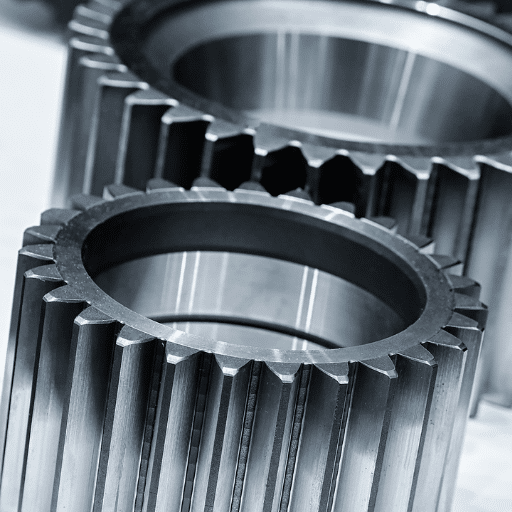
Hardening of surfaces refers to a series of treatments that improve the wear, fatigue, and weaken standards of components through modifying the outer layer of the component, while its central part remains tough and ductile. These techniques are indispensable to industries dealing with components in high mechanical stresses such as automotive, aerospace, and manufacture industries. Major variances among surface hardening techniques are then discussed. The essential techniques deployed for these are as follows:
1. Case Carburizing Hardening Shirts
Case hardening, also called carbonization, is a method that creates diffusion zones beneath the material surface due to sufficient carbon or nitrogen content. The process can be carried out within an appropriate temperature range of 850-950 °C for steel objects, which can lead to carbon diffusion at the steel surface. Over the years, with the advent of technology, gas carburizing has been made fully automated. It now allows varying layer perfection in carbon enhancement between 0.010 inch and about 0.120 inch (approximately 0.25 mm to 3 mm). This is often done for a multitude of machines, including gears, camshafts, or similar components requiring heavy wear.
2. Induction Hardening
An induction hardener uses electromagnetic induction, which rapidly heats the outer layer of the metal mass to quench it. A hard martensitic layer is thus formed within the outermost boundary of a piece while the inner part does not suffer any changes. Induction hardening techniques, in the present generation, can achieve hardness levels of 60 HRC or more, even with the material composition and thickness of the arms, which lessens the likelihood of cracking or deformation. In most cases, it is utilized on shaft, axle and bearing surfaces.
3. Nitriding
It is a process in which nitrogen is diffused into a ferrous alloy at intermediate temperatures ranging from 500°C to 600°C. Another advantage of nitrogen is that nitriding provides good dimensional stability, obviating the need to wait for the cooling and quenching processes to complete. With the advent of plasma’s advanced technologies, control and knowledge of the structure hardness and thickness that can be created from the range of 0.001 to 0.02 inch (0.025 – 0.5 mm) have become greatly advanced. In creating figures of corrosion-resistant patterns that are applied in the aerospace and automotive industry.
4. Flame Hardening
Flamming harding is when we need heat treatment on the outer portion of the raw material which is the opposite of the whole. Here, heat is kept only at the surface of the workpiece with various heat gradients along the radius because the face is hot, while inside the piece is cold. Initially, it may look good for production in hardening large parts usually without limitation to types of shapes that can be hardened, including parts with gears, rolls, or barbecue grills, among others. In the current-day industrial setup, it is pretty cheap, provided there is minor fabrication. But one must have a high level of skill in welding as a person needs to have the flame stand still in a proper manner with a special difference from the face and at a standard height from the surface to the given degree of hardening within the overall volume.
5. Laser Hardening
Laser hardening is in vogue since in this method the surface of any part is heated with a laser beam, followed by self-quenching as the heat propagates. Associated with the precision of the process is exceptional in that it allows selective heating of irregular surfaces without affecting any adjacent areas. This laser heating method also supplies environmental friendliness because it does not require any quenching media nor any form of waste. Among the success stories elaborated on in some of my research since the last few years include an example of automotive components for the thickness of the hardened layer somewhere between 0.002 and 0.020 inches (0.05-0.5mm).
6. Boriding
In essence, boriding is considered as a form of carburizing. The metal is brought to a high temperature between 700 ºC and 1000 ºC such that a certain amount of boron atoms are drawn out to infiltrate into the very surface. The resultant boride layer possesses excellent wear and corrosion resistance. Hence, a high hardness up to 2000 HV could be achieved. It resides more or less as conventional steels normally having the support of superfinishing in recent times, whereas the increase in development of stainless steels and a few other alloy types was put in motion by boriding.
Comparative Overview
Surface hardening has continued to evolve with the emergence of technologies to incorporate automation, real-time monitoring, and the limitation of environmental damage; to befit the demands of the modern day industry. These developments would produce components that promise to be durable, as well as manufactured efficiently and responsibly.
Nitriding Process
Now, you must have heard about nitriding if you are related to science or have any minimal contact with it. That is a state-of-the-art thermochemical surface hardening process by which given materials-like steels-can be nitrided through the infusion of nitrogen at the surface to form a harder casing with increased wear and fatigue performance. It is carried out at a low temperature (typically 480-590°C (896-1094°F)) and results in lower distortion than carburizing. One of the things that stand out as very important in nitriding is that it happens at a lower temperature, and above all there is no forced quenching needed.
Various nitriding methods are available in industry, including gas, plasma, and salt-solution processes; one of these would be suitable for you. In addition, features are provided based on the application’s requirements. Following are some examples:
- Neon Nitriding: The source of nitrogen it utilizes is ammonia gas ( NH₃ ). It is used when the nitride thickness must be controlled precisely for components that require a uniform nitride thickness, such as gears, crankshafts, or extrusion screws.
- Plasma-based Surface Transformation: A plasma treatment in vacuum through which ionized nitrogen diffuses effectively but in a more accurate manner than all the other methods. This technology is acceptable from an environmental standpoint and for parts with complex geometries.
- Molten Salt Bath: A molten bath in which the bath reacts with nitrogen salts to form nitrides on the part; in other words, nitrides are formed on the surface of the part. This process was found to be effective; such legislation and several environmental considerations associated with it have led to its rare practice now.
Carburizing has benefits in developing a bright, wear-resistant surface; can extend the engineering limits of ‘endurance’ by buying residual tensile strains. The range of the heat-treated layer will be available within a case depth limited to about 0.1-0.9 mm (0.004-0.035 inches). Carbonizing techniques are very effective for sensitive components used in both the aerospace and automotive industries and in cutting tools, for then it possesses a high degree of toughness despite adverse limitations.
Recent innovations in nitriding technology also introduce monitoring technologies enabling real-time process control; combinations of different heat treatment methods such as blind nitriding and carburizing; and modifications to reduce gas consumption and waste gas emissions. All advancements aim at ensuring a better operation of the technology with the least harm to environment.
Carbonitriding Techniques
The carbonitriding mechanism is fundamentally based on case hardening which is carried out to improve the surface condition of metals by introducing carbon and nitrogen to the carburizable layer. For the process to happen, the metal piece has to be taken to a controlled temperature of 850-950°C (1562-1742°F) in the presence of gases like ammonia; and it has to be exposed to carbon-forming constituents such as methane or propane for a specific period. At the end of this duration, a hard layer is formed which will guarantee increased wear resistance, load-carrying capacity, or hardness to the treated portion.
Process Parameters Significant to the Process
It is important that we decide before the test bench what the must-have objectives and targets are for the element of trial. This helps avoid potential errors. The process parameters are the overpotential, the ammonia flow rate (the latter considerably higher), the temperatures, and the durations of heat treatment. For example:
- The potential of carbon could range from 0.6 to 1.20% because, after carburizing and additional dipping, different levels of case depth clarity will be obtained.
- Flow rates are vital to ammonia incorporation at the surface, and this effect can create a sort of drape on the case-hardening process.
- The time one shall take in processing will lead to the completion of sleep today from thirty minutes to two hours. However, this is most unprecedented, depending on the size and shape of the part and the constituent material therefrom.
Gains of Carbonitriding
A variety of studies have documented the benefits of carbonitriding, including the restoration of digitally exposed industrial components such as gears, crankshafts, and fasteners that have worn away. Various industry sources report that wear resistance of carbonitrided steel parts has increased by up to 30 percent and that the fatigue life was increased by 25 percent compared to their manufactured counterparts. It becomes extraordinarily beneficial in the application of high-stress environments, considering automotive industry, aircraft construction, and even earth-moving machinery.
Developments in Carbunization
The ongoing technological developments are pertinent the better use of carbonitriding for less wastage of material. The following is an example:
- Low-Temperature Carbonitriding (LTCN): The advancements in carburization have now revealed that carburization at temperatures below 800 degrees Celsius is possible, and doing away with lots of energy and part distortion.
- Plasma Carbonitriding: Process control is significantly enhanced by the plasma discharge, thus facilitating increased nitrogen diffusion and, subsequently, lesser environmental damage.
- Eco-Friendly Trends: The closed gas recycling unit helps achieve additional emissions reductions and enables resource optimization by reusing certain process gases.
It does so by combining traditional knowledge and the latest innovations in the field as these teaching strategies are improving carbonitriding – a primary process that supposedly increases the lifetime of flammable materials that are utilized in various industries’ products.
Induction Hardening Overview
The induction hardening process is subjected to the parts during temperature, usually in order to increase hardness and fatigue resistance to a near-optimal level, required under wear and stress conditions. The system is configured to heat the metal part via induction heating, then undergo rapid cooling (quenching). This enables the fabrication of a thin “transformed” structure, providing a hard, wear-resistant surface and a soft, adherent core.
Benefits of Induction Heating:
- Predictability and Accuracy: Induction hardening results in minimal material distortion because the heating pattern is tightly controlled, with only the desired areas undergoing hardening.
- Reduced Damage from Failure: Due to the hardened case, the wear is reduced, while the loss central systems are able to absorb strong forces in the application asked by the customer, such as gears, shafts, or axle, thereby enhancing the component’s durability.
- Benefits: Induction heating and rapid cooling cycles conserve much energy by reducing process time without compromising repeatability.
Key Insights and Parameters:
- Heating-Up Rate: Induction heating temperatures (rapid) of the substrate can be made approximately a hundred degrees/second faster than the conventional heat-treat method.
- Carbonizing Depth: Most cases range from 1 to 5 mm. However, depths can be higher in one case, lower in another.
- Energy: Induction hardening consumes 50%-75% less energy than furnace heating because it concentrates energy where it is needed.
Usage of the Process:
Many industries use induction hardening, such as the automotive, aerospace, and veld industries. This is due to the conversion of items like crankshafts, cams, ball tracks, or railroad wheel so as to meet thorough wear-resistant requirements and function appropriately under load.
With control, automation, and a few enhancements, the industry has achieved desired performance. It should be done by providing the right kind of feedback that can enable real-time monitoring of performance parameters.
Comparative Analysis
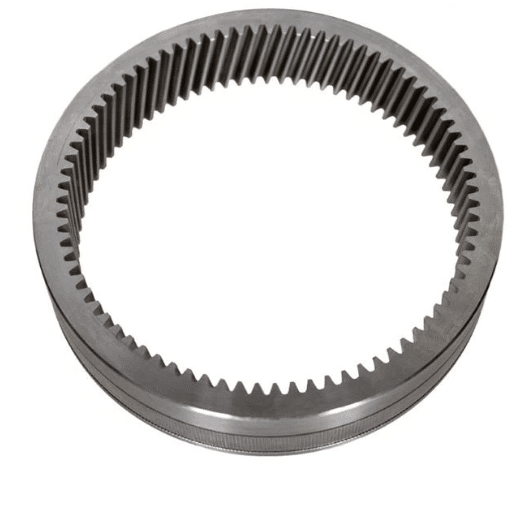
Induction hardening possesses a number of advantages in comparison with other surface hardening methods since it is precise, economical and multifunctional. Bottom lines are the enumeration of five features of the induction hardening process that makes it attractive when compared to other processes such as carburizing, flame hardening, and nitriding:
Processing Time
Induction hardening is far much quicker than other processes like carburizing and Nitriding. That is, nitrogen diffusion could take minutes and hardening several more minutes, whereas carburizing takes a few hours and nitriding takes a few days. Hence, it is suitable for mass manufacturing situations.
Power Consumption
On the other hand, other techniques such as flame hardening and carburizing use lots of power as the process involves heating of the whole component. However, since there is such a small focused use of energy, money spent on operation is less and energy is used more efficiently.
Accurate in Addition to Consistent
In contrast to flame hardening which may cause localized overheating, induction hardening allows for sensitive and responsive handling of heat. Stringent control features also aid in such cases making them more advantageous than other control mechanisms, especially when there is no room for slack.
Surface Thickness and Boring Control into the Structure
Concerning the consideration of different case depths, induction hardening does it every time very successfully, of course within 0.5mm – 5 mm. This degree of adaptability enables case depth control in terms of case hardening applications since case hardening methods such as the carburizing method provides a thicker case-hardening, but poor control over the thickness.
Impact on The Environment
When seen as against the carburizing method or the nitriding method, both of which make use of gas, in the carburizing process, the induction hardening is a very clean and good process. Using sources of energy such as electrical energy it works without any emissions, hence no pollution. This makes it a very acceptable form of heat treatment for industries today.
These points explain why induction hardening is preferable to other methods: it is fast, accurate, and environmentally friendly, which is essential in modern manufacturing processes.
Advantages of Carburizing
Carburizing is considered one of the most heat-etching processes in manufacturing industries, which is used in the improvement of the surfaces of metals. The following is a list of the most important benefits of carburizing:
Increased Order of Wear Resistance
Most of the time, a carburized surface is hard and abrasion-resistant and on the other hand, the core can be quite strong and soft. This mix is ideal for parts that operate in conditions of high friction like gears, bearings, etc.
Augmented Magnitude of Fatigue Strength
This is achieved by shielding the material from cyclic loading and by enhancing surface hardness through carburizing metal parts. This is advantageous for components that must resist cyclic loading and operate for longer periods.
Ability to Achieve Different Case Depths
Strictly speaking, carburizing is an extraordinary process in that it provides full control over the fed case depth, which makes it applicable in most cases. It is the depth that can be adjusted thanks to the desired mechanical properties of the component.
Economical Activity or Process
Carburizing is a relatively inexpensive method for surface hardening materials. Its effectiveness, ease of scaling up, and compatibility with conventional steel materials make it a very common process in the industry.
Carburizing and Low Carbon Steels
Carburizing is mostly suited with low carbon steels, that are found in abundance and are quite cheap. This makes the infrastructural components cheap, strong and reliable without the need to use some very costly materials in their production.
Limitations of Carburizing
Deformation of Parts
The heating and stages attained during cooling in the carburizing phases of a metal process may cause deformation of parts needlessly. For example, when the heated layer is excessive within considerable distances of one or more cross-sectional surfaces. When waves exhaust, precision surface processes or tall winds can be put into shift.
Depth of Treatment
Carburizing is limited to providing a thin layer of hardened material on a surface and can be useful if that treatment is in the range good for depth, which practically 0.5 mm less than more than and greater than equal to 3 mm. Carburizing is not very applicable if this is the case void of definition.
Possibility of Carburization
During the process if allowed to run without control, overcarburization is the issue with regard to any material as this incurs undesirable brittleness of the surface. The presence of this brittleness increases the hardenability but reduces the tendency to fracture of the material.
Carburizing is a High Capacity Process
The high temperatures all experimental with the process of carburizing require a lot of energy. Since and to this effect, including the duration of the activity and size of the operations, there is provision that can be encouraged in cost of doing business. In addition, notorious facility operations.
Carburizing is Limited by the Materials Used
Though carburizing remains beneficial to low-carbon steels, advanced alloys and high-carbon steels are not easily entrained into this treatment process. With such materials, the expected hardening effect may not be achieved, or further processing issues may arise.
Carburizing vs Other Hardening Methods
Applications in Industry
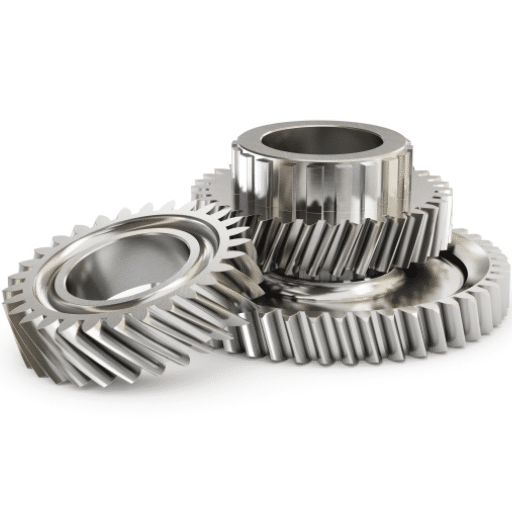
As a popular process where areas of development carburizing has been applied because carburizing it will harden the outer parts that are prone to wear away and still be workable towards the interior and the middle of the particular part. These are as follows:
The Application of Carbon Carburizing for The Automotive Sector
Gears found in automobiles or trucks, along with camshafts, axles, etc., all notably utilize the extreme power of carburizing energy. Such components require a hard outer surface to resist wear or erosion while providing a strong core to absorb forces from impact or stress during use.
Aerospace Industry
Components in aero engines are subjected to significant stress. These include turbine blades and bearings as well as fixings which can be protected using carburizing treatment. This is essentially because the process increases the stress-bearing capacity of the elements along with the enhanced opposition to extremely adverse conditions thereby increasing the functional life of the elements.
Equipment and Machinery in Industry
Carburizing is a process used to harden components of engineering machinery, such as shafts, gears, and rolls. More often than gears, which are often enriched with teeth, because they come under great strain and loads when in use. This kind of work is to be done for many reasons especially in aggressive lines of equipment.
The Oil and Gas Business
In such situations, for example, drill bits, valves and other elements that are subject to aggressive chemical, mechanical wear, and high temperatures do not seem to be carburized. This is advantageous insofar as it contributes to, among other things, improved wear properties, and extended service life.
Instrument Engineering
Another case involves cutting tools, whose complex shapes often require carbide coatings to compensate for plastic deformation and friction during use. This design goes hand in hand with the use of lighter materials allowing tool life extension instead of extending idle times.
Carburizing is a versatile and effective process that improves the quality and service life of components across diverse applications.
Automotive Applications
In the automotive industry, in particular, carburizing is critical for improving the performance of critical components that operate under extreme conditions. The following are five automotive uses of carburizing:
Gears
Transmission and drive line gears, such as differential gears, are carbonized, creating a hard surface for the gear, which decreases friction, thereby prolonging the gear life.
Crankshafts
Carburing is process of crankshafts to withstand heavy loads as well as cyclic thrusts. It improves the wear and tear of a surface by carbonizing in a way that the core still remains solid, hence increasing efficiency and durability of an engine.
Drive Shafts
Hardening drive shafts using carburization enhances their capability to resist torsional stresses and facilitates wear reduction during operation, reliability ensuring transmission of torque to wheels of the vehicle even with changing of road conditions.
Transmission Parts
The respective parts referred to as the transmission and containing synchro hubs and shafts are carburizing in order to raise the degree of protection against wear and increase the working time which facilites power transfer and easy gear change.
These applications demonstrate the beneficial properties of carburizing in terms of providing durability of automotive parts and their prolonged use without compromising the safety and comfort to the driver.
Aerospace Industry Use
Carburization is an indispensable technique in the realm of aerospace, especially designed for the improvement of the mechanical properties of essential items. An array of industrial sectors, especially aerospace, demands the tools to be strong and durable against the heaviest of loading and adverse environmental conditions. Aerospace is but one such other example. Many ways in which aerospace makes use of carburization are as follows:
- Components of Landing Gear: The Crucial Role of Carburization in Hardening the Landing Gear Components. Carburized at an early stage for the very purpose of standing up to frequent impacts of very high forces and extremely adverse environmental conditions in handling of touch down and take off.
- For turbine parts: Major moving parts, such as gears and shafts, are subject to heavy wear, necessitating the case hardening of these components. In between the high rotational speed and extreme temperature, the high level of fatigue stress in some parts of the turbine also requires the carburizing process to be carried out. Furthermore,
- For actuators: An actuator is capable of being coupled by a multishaft arrangement, a telescoping linkage, and a standard type of piston or diaphragm overlay to set the clutch, have a control, and trip many actuators for this purpose. Some materials for the moving parts would have to be case-hardened for vehicle systems to be considered airworthy.
- Transmission Systems: Helicopter and aircraft transmission systems commonly use carburized pinions and gears. These materials have to be able to handle the high operational stresses while still allowing smooth power transmission, especially toward the end of the part’s lifespan.
- Fasteners and bolts: Fasteners and bolts, which are manufactured using the carburized steel and used in the aeroassorted elements of aircraft, are due to the ability of the high-strength material to withstand severe stress loading under cycles and vibrations.
The range of applications above exhibit the principle importance of such processes-carburization-in advancing the aerospace industry, with components attaining high requirements of safety and performance specifications.
Manufacturing Sector Insights
Carburizing is an essential technological process in production engineering to enhance the durability and wear of structural and functional parts having significant stresses. Well, in my observation, tools and gears and other heavy machinery were the processes which have a lot of application since this technology allows the respective parts to run for long periods of time without severe damage. This is due to the fact that manufacturer have to adhere to very high-performance-oriented production standards of the product consumers and in the process help further the performance and strength of their machines.
References
- ScienceDirect: Surface hardening of high modulus steels through carburizing and nitriding – A detailed academic article on carburizing and nitriding methods.
- PubMed Central: Laser Surface Hardening of Carburized Steels – A comprehensive review of laser heat treatment for carburized steels.
- MDPI Metals Journal: Surface Hardening Behavior of Advanced Gear Steel C61 – Research on carburizing processes and nano-carbide formation.
Frequently Asked Questions (FAQ)
How many methods are there for carburizing and surface hardening?
Different carburizing techniques and other case-hardening methods comply with various applications, including gas carburizing with furnace or vacuum carburizing, pack carburizing, liquid carburizing, and diffusion treatments such as nitriding. Induction-hardened flame-hardened options swiftly heat and quench the component and form a layer of hard polymerizing on the outer surface for any carburizing-like treatment. The selection criterion includes the necessary case depth, hardening of the surface through increasing carbon content, the shape of the component, need of using temperatures below the carburizing temperatures, or a controlled process that can lessen distortion.
What is the function of the case hardening procedure in enhancing on surface hardness and wear resistance?
Case hardening is the process of introduction to the low carbon steel or steel alloy surface to provide a thick surface of hard alloy, yet with an interior that is tough and ductile. During carburizing, the steel is heated in a furnace contiguously to the medium exhibiting high carbon concentration at elevated temperatures to allow the surface to receive carbon diffusion mechanisms; in a further heat cycle, it is carried out to a higher temperature followed by quenching to effect a layer of minimum thickness that could possess good wear-resistant properties. The thickness of the saturated layer and the hardness achieved depend on the time, temperature of the process, and carbon activity.
What advantages are associated with heat treatment by carburizing in low-carbon steel components?
Carburising in low-carbon steel case hardening is a process that gives the low-carbon steel part tolerably hardened surfaces, without the knotty problem of through hardening. Low-carbon steel, being of insufficient carbon for hardening itself, does not, by itself, develop hardness that is even sufficient for its surface if and when it is created by the flame. This is where the surface is meant to become perfectly tough and impact-tough.
Which process parameters are crucially controlled during carburizing and heat treatment?
The critical controlled process parameters include; hardening temperature or for nitriding the carbon potential or nitrogen activity, soaking time on the deep case and quenching severity. The heating and cooling of steels need to be carefully controlled for the microstructure, hardness, and depth of hardened layer to be determined. Thus, the use of vacuum carburizing and time-at-temperature control with manual gassing welding will bring down the levels of case depth and case hardness in a repeatable, time-efficient, and cost-effective manner.
How do various case hardening techniques, such as induction hardening perform with regard to wear of the surface and achieved case depth of hardened material?
In reality, hardening is the process of heating objects and slowly cooling them. It aims to change the object to solid. A donut is baked so that the structure becomes enameled. This is the premise of carrying hardening in materials. It gives new strength to farther substances. To acquire vital information of the process, it is advisable to have a visit to a relevant workshop where you could be exposed to all the secrets.
Will the methods of carburizing, and the process of nitriding work in tandem or one can be selected over the other since these methods occur at temperatures lower than carburizing?
In some circumstances, the options maybe to nitride alone or carburize alone or to nitride before carburizing or vice versa. The nitrogen introduced by nitriding is introduced at temperatures lower than that of the case hardening by carburizing, thus resulting in a hard layer with minimal distortion and often without a quenching operation. The wear and corrosion resistance in this nitrogen-rich case will be overall increased in non-core steels. A core and surface quench with carburizing does not.
What affects the thickness of the case, be it shallow or deep, during carburizing?
The case depth in a very successful case trend would be determined by carbon concentration in the steel; the control here is the amount of time spent at a particular temperature. Again the carbon level inside the furnace is vital. Hence, when time is short, when temperature is low, or carbon is low, then the case depth is not very good. When full carburization state is reached, meaning higher temperature or higher carbon levels, or when higher carbon is carburized with a more harsh way, for example by pressure carburizing and high carbon influence, all provide cases of a higher depth. The compositional relationship between alloys should be considered because it also influences both diffusion rates and the final depth of suggestively dependent case.
How does the temperature of the quenching medium affect the surface and the core of a steel component?
Quenching was thought to have an effect upon the transformation from a carbon-enriched surface layer to remarkably efficient martensite, thus impacting the surface wear resistance and hardness. Rapid cooling promotes the surface hardening but increases the chances of distortion or breakage, while slow or even interrupted cooling can reduce the chances of distortion but most likely at the cost of the toughness of the core. Thus, proper selection and exacting application of the quenchants and quenching should be chosen to obtain a tough but soft and flexible substructure for the application of serious loads.
Where is carbonateing applied most often and what are the typical processes of surface hardness and wear resistance enhancement that are typical of the mission?
There are various explanations to consider if there are top class specimens required to elucidate such an inquiry, for pushing it further than the input of such modules enumerated. These contain gears with different kinds of shafts and bearings. A lady steel structure also serves as one model with an outer wear-resistant layer resisting heavy shock on walls and facts. The carburizing one is another. Carburizing today finds massive application in industry especially for preparing mass productions of these types of components. This method gives the depth of hardness and has a surface hardness control. Also, it easily goes with most of the low carbon steels and high nickel alloys.