High Standard Stainless Steel With Strict Inspection



Welding Nickel-Based Alloys: Techniques and Challenges

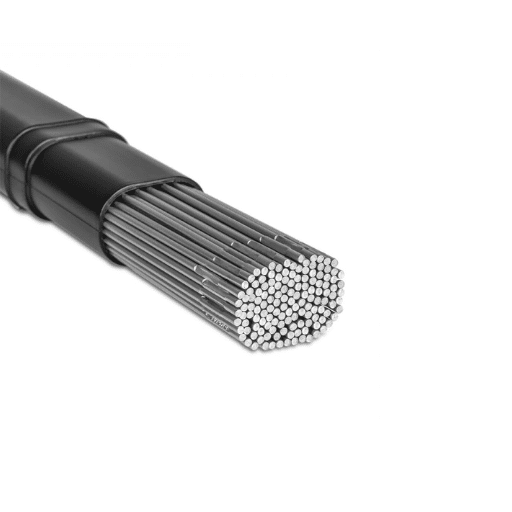
Welding nickel-based alloys. The process serves as an essential operation for industrial sectors, which include aerospace, chemical processing, and other fields that require materials with durability and exceptional performance under harsh conditions. The alloys exhibit exceptional strength and corrosion resistance, but their unique properties pose significant challenges for welding. The article will examine the detailed methods that welders need to use for successful nickel-based alloy welding. The guide teaches expert metallurgists and engineering novices the skills needed to weld nickel-based alloys while ensuring high-quality, reliable results in demanding industrial environments.
Introduction to Nickel Alloys
Nickel alloys represent a category of metallic materials that consist mainly of nickel combined with elements such as chromium, iron, and molybdenum. The aerospace industry, chemical processing sector, and power generation field rely on these alloys because they provide outstanding strength, corrosion resistance, and the ability to withstand extreme temperatures. The materials demonstrate versatility, enabling them to operate effectively in extreme conditions, including high-pressure and high-temperature environments. The unique properties of nickel alloys make them well-suited for applications requiring both durability and precise performance.
Definition of Nickel-Based Alloys
Nickel-based alloys represent a class of metallic materials that primarily consist of nickel together with chromium, molybdenum, cobalt, iron, and titanium. The design of these alloys enables them to perform better than traditional materials in extreme conditions that demand both strength and protection against corrosion and high-temperature stress. The material maintains its durability and structural integrity because its primary matrix consists of high nickel content which enables it to withstand demanding situations. Nickel-based alloys exhibit exceptional oxidation and corrosion resistance, enabling them to withstand environments containing aggressive chemicals and high temperatures. The alloys Hastelloy and Inconel demonstrate exceptional ability to withstand corrosive environments and extreme temperatures which exceed 1,000°F (540°C). The tensile strength of nickel-based alloys ranges from 70,000 psi to 160,000 psi or above, as shown by industrial data, which varies with their specific material composition and processing methods.
The sectors that require high-performance materials rely on these alloys because they perform multiple functions. The aerospace industry uses superalloys, which account for 40% of the total nickel consumed worldwide, to manufacture jet engines and turbine blades that must withstand extreme operating conditions. The chemical processing industry relies on nickel-based alloys for reactors, heat exchangers, and piping systems because these materials resist pitting and crevice corrosion.
Nickel-based alloys remain vital in modern engineering, thanks to their distinct properties and versatile applications across industrial sectors.
Importance in High-Performance Industries
The properties of nickel-based alloys have become essential to multiple high-performance industries because the alloys provide both corrosion resistance and high-temperature strength together with their ability to endure extremely tough conditions. The following list shows five industries that depend on nickel-based alloys for their essential functions:
Aerospace Industry
The aerospace industry uses nickel-based superalloys to manufacture turbine blades, jet engine components, and exhaust systems. The alloys maintain their structural integrity when exposed to extreme temperatures, which allows for safe operation and efficient fuel consumption. More than 50 percent of advanced turbine engines consist of nickel-based alloys which make up their total weight.
Chemical Processing Industry
Nickel-based alloys serve as the main material for chemical processing equipment found in reactors, heat exchangers, and piping systems. The materials provide protection against strong chemical substances and pitting and crevice corrosion, which results in longer equipment lifespan and improved work efficiency.
Energy Sector
Nickel-based alloys enable essential functions throughout all energy generation systems which range from nuclear power facilities to renewable energy installations. The materials can endure significant radiation exposure inside nuclear reactors and they can also resist extreme heat conditions which exist in solar power installations. Nickel alloys serve as the material for control rods and fuel cladding in nuclear reactors because of their superior ability to withstand radiation damage.
Marine Engineering
The marine industry depends on nickel-based alloys for constructing ships and offshore platforms because these materials resist seawater corrosion. The alloys provide suitable materials for submarine hull construction and propeller shaft production and deep-sea exploration equipment manufacturing because they deliver long-lasting performance and require minimal upkeep.
Automotive Industry
The automotive industry has increased its use of nickel-based alloys as customers seek lightweight vehicles with improved fuel economy. The materials play a main role in electric vehicle batteries and exhaust systems and turbochargers because they boost vehicle efficiency while decreasing harmful emissions.
The use of nickel-based alloys in these industries demonstrates their capability to produce various applications which establish their significance for both technological development and operational efficiency in industries that experience high demand.
Overview of Applications
Nickel-based alloys exhibit both adaptable properties and durable performance which enables their use in numerous industrial sectors. The upcoming section shows how the material is applied through current research results which reveal its vital importance.
Energy Sector
The energy industry extensively uses nickel alloys in renewable energy systems.
Wind turbines use nickel to enhance the strength of their gear and shaft components which need to withstand extreme operational conditions. Nickel alloys are essential for geothermal energy systems because they must withstand extreme temperatures and corrosive environments.
Aerospace Industry
The aerospace sector depends on nickel-based superalloys to produce components that must operate under conditions of extremely high temperatures.
The latest market analysis reveals that the global aerospace sector uses 25 percent of all nickel-based superalloys which generates billions of dollars in yearly expenditures.
Automotive Industry
Nickel alloys are essential in the automotive sector as electric vehicles (EVs) gain popularity.
Nickel is a vital element in lithium-ion batteries, enhancing both energy density and battery lifespan. The annual nickel demand for electric vehicle batteries will exceed 1.3 million metric tons by 2030 due to the increasing adoption of eco-friendly vehicles.
Chemical and Petrochemical Industry
The chemical sector uses nickel because it protects against corrosion in environments with both high acidity and high pressure. The company uses nickel alloys to produce tanks, valves, and heat exchangers. This system enables industrial operations to operate at optimal performance while reducing material wear over the operational period.
Medical Applications
Nickel-based alloys are the base material for medical technology applications that require biocompatibility for surgical instruments, implants, and pacemakers. Researchers in contemporary biomedical fields investigate how nickel can contribute to the development of new healthcare technologies.
Nickel-based alloys serve as essential materials which various established and developing industrial sectors require for their operations. Global demand for nickel will grow substantially as technological progress accelerates worldwide, underscoring its essential role in delivering operational efficiency and performance, as well as environmental sustainability, across sectors.
Types of Nickel Alloys Used in Welding
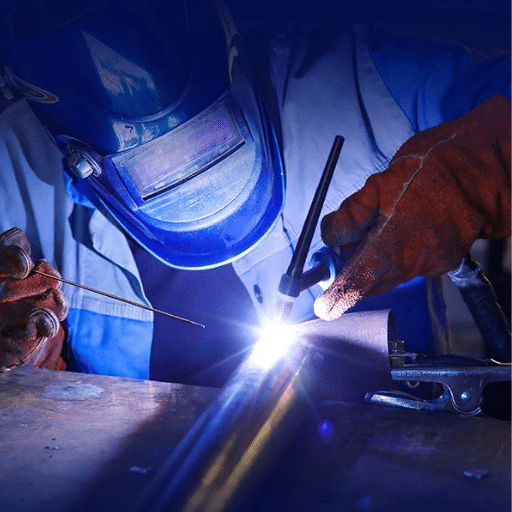
Nickel alloys possess exceptional durability, together with corrosion resistance and extreme temperature endurance, which makes them essential for welding applications. The upcoming section displays the primary types of nickel alloys that welding employs together with their distinct characteristics and actual applications:
1. Nickel-Copper Alloys (e.g., Monel®)
Properties:
The material demonstrates excellent resistance to corrosion which includes protection against seawater and acidic conditions. The material exhibits exceptional strength and toughness.
Applications:
The material finds its primary application in marine operations, chemical processing facilities, and aerospace manufacturing.
Example:
Monel 400 is a widely used alloy with approximately 63% nickel and 28% copper. The alloy demonstrates outstanding protection against saltwater corrosion.
2. Nickel-Chromium Alloys (e.g., Inconel®)
Properties:
The material provides exceptional oxidation resistance together with its ability to withstand high temperatures. The material remains stable even when exposed to extreme temperature conditions.
Applications:
The material operates in gas turbines and jet engines and power plants.
Example Data:
- Inconel 625 contains approximately 58% nickel and 21-23% chromium and molybdenum for improved strength.
- The operating temperature exceeds 1,000°F (538°C), making it suitable for use in aerospace applications and nuclear reactor systems.
3. Nickel-Iron Alloys (e.g., Invar®)
Properties:
The material exhibits minimal thermal expansion and maintains dimensional accuracy across temperature fluctuations.
Applications:
The instrument finds use in creating precision instruments which include clocks and measuring devices.
Example:
Chemical processing systems commonly use nickel-iron alloys such as Hastelloy® for their exceptional corrosion resistance to oxidizing agents.
4. Nickel-Molybdenum Alloys
Properties:
The material exhibits exceptional strength together with effective protection against hydrochloric acid and other reducing agents.
Applications:
The chemical industry employs the product in environments that demand strong protection against acid corrosion.
Example:
Hastelloy C-276 is a widely used material that contains 50-70% nickel and 14.5-16.5% molybdenum together with iron and chromium for additional strength.
5. Nickel-Titanium Alloys (e.g., Nitinol®)
Properties:
The material demonstrates both shape-memory capabilities and biocompatibility.
Applications:
The material finds extensive use in the biomedical field for applications which include stents and surgical instruments.
Welding Considerations:
Nickel alloys require special welding techniques which help maintain their essential material properties. The industry uses two common welding processes which include:
- Gas Tungsten Arc Welding (GTAW/TIG) provides operators with precise control while minimizing contamination risk.
- Shielded Metal Arc Welding (SMAW) is the preferred method for field operations due to its versatility.
Industry Trends:
The global nickel alloy market will reach a compound annual growth rate (CAGR) of 4.0% from 2023 to 2030 as new technologies emerge in aerospace, energy, and marine industries, according to the latest research. The development shows that there remains a strong requirement for advanced nickel alloys which serve welding purposes and additional applications.
The use of various nickel alloys enables industries to achieve long-lasting products which perform well in vital operational areas.
Common Nickel Alloy Grades
Nickel 200/201
Nickel 200 and 201 serve as commercial pure nickel grades which people use because they provide exceptional protection against corrosion while conducting electricity and heat effectively. Nickel 200 reaches a melting point of 1453°C (2647°F) which enables it to withstand both alkaline and acidic substances. The material finds extensive application in the food processing industry, chemical shipping, and the production of electrical components.
Alloy 600 (Inconel 600)
Alloy 600 which people commonly call Inconel 600 functions as a nickel-chromium alloy that provides protection against oxidation and corrosion at elevated temperatures. The material finds application in the construction of heat-treating equipment and furnace components and chemical processing facilities. The alloy maintains its structural integrity at temperatures above 1000°C (1832°F) throughout its extreme operating conditions.
Alloy 625 (Inconel 625)
Alloy 625 functions as a nickel-based alloy which provides both high strength and excellent resistance against oxidation and corrosion. The material proves ideal for use in seawater environments because it possesses pitting and crevice corrosion resistance and it also meets the requirements of aerospace applications and pollution control systems. The material demonstrates a tensile strength of 120 ksi, making it suitable for use in extreme operating conditions.
Alloy 825 (Incoloy 825)
Alloy 825, which the industry also knows as Incoloy 825, operates as a nickel-iron-chromium alloy that contains both molybdenum and copper. The material provides excellent protection against both sulfuric and phosphoric acids which makes it the preferred material for use in chemical processing and pollution control applications. The alloy delivers exceptional performance in oil and gas extraction by providing strong protection against stress-corrosion cracking.
Monel 400
Monel 400 is an alloy of nickel and copper that provides strong protection against both acidic and alkaline environments. The material demonstrates high mechanical strength across a wide range of temperatures, enabling use in various applications, including marine engineering, pump and valve production, and crude oil refining.
Hastelloy C-22
Hastelloy C-22 is a nickel-chromium-molybdenum alloy that provides excellent protection against strong oxidizing agents such as wet chlorine, nitric acid, and ferric acid. The material is ideal for chemical manufacturing and pollution-control equipment because it withstands both oxidizing and reducing environments.
Nickel alloys offer diverse properties that make them suitable for a range of applications across industries that require high strength, corrosion resistance, and long-lasting performance. The aerospace, marine, and energy industries now demand advanced alloys, which makes these grades essential for developing new technological solutions.
Characteristics of Superalloys
Superalloys create a distinct type of metal alloy that produces exceptional performance properties that meet the requirements of extreme high-temperature and high-stress industrial applications. The materials contain engineering characteristics which enable them to withstand corrosion while maintaining their complete strength throughout their operational life thus making them essential for use in aerospace power generation and chemical processing industries. The next section presents fundamental superalloy properties, along with corresponding material demonstrations.
High-Temperature Strength
Superalloys exhibit mechanical strength retention through their ability to withstand high-temperature environments which permits their application in turbine blades and jet engines and nuclear reactors.
Nickel-based alloys which include INCONEL 718 demonstrate their capacity to withstand extreme heat which reaches 1300°F 704°C.
Resistance to Oxidation and Corrosion
The alloys demonstrate excellent oxidation protection along with chemical corrosion resistance which enables them to maintain operational performance and extended service life in harsh environments.
Cobalt-based superalloys such as HS-31 exhibit improved corrosion resistance in marine environments.
Creep Resistance
Superalloys maintain their shape when exposed to extended periods of high stress and high temperature which makes them vital for operations that require constant physical configuration.
Alloy 625 demonstrates strong creep resistance under high stress.
Thermal Fatigue Resistance
Gas turbines require parts that can withstand multiple thermal cycles without developing cracks which makes thermal cycling resistance crucial for their operation.
Rene 41 demonstrates outstanding thermal fatigue resistance properties.
Good Weldability and Fabricability
Engineers can create robust parts through the use of advanced superalloys which preserve their core attributes during welding and fabrication operations.
Aerospace engineers use Hastelloy X because it allows them to fabricate components in various ways.
The solution of engineering problems through the creation of fundamental technological systems depends on superalloys which scientists use as their primary research material in all areas of contemporary material science.
Comparative Analysis of Nickel Alloys
Welding Techniques for Nickel-Based Alloys
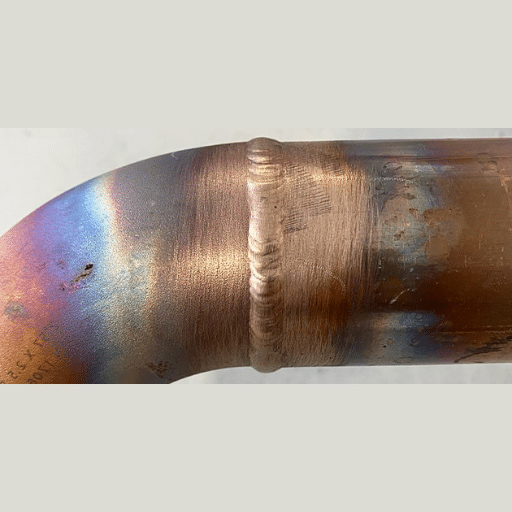
Nickel-based alloys require specific welding techniques to preserve their unique characteristics. The alloys use materials that include Hastelloy, Inconel, and Monel, which multiple industries employ for their aerospace, power generation, and chemical processing operations.
Key welding techniques
Gas Tungsten Arc Welding GTAW TIG
Nickel-based alloys require TIG welding because it provides precise control for their welding process. The process produces welds that meet quality standards, protect against impurities, and deliver optimal performance for joining thin materials in intricate designs. The system employs a non-consumable tungsten electrode to create an inert atmosphere which protects the welding space through the use of argon and helium gases.
The process delivers welding results with exceptional quality which generates very little distortion while achieving accurate temperature regulation. The process enables the welding of nickel alloy sheets and items which possess intricate shapes.
Gas Metal Arc Welding GMAW MIG
The thicker material sections of a project make GMAW or MIG welding the preferred choice for welding operations. The process operates at a higher speed than TIG welding because it employs an electrode wire which workers automatically feed into the system. The shielding gases that protect the weld area from oxidation include argon-CO₂ mixture gases.
The process delivers rapid material application through its welding process which enables fast operation. The process enables the welding of large structural components that utilize nickel alloys.
Plasma Arc Welding PAW
Plasma arc welding operates as a highly accurate method because it uses a TIG-like process which generates energy through a constricted plasma arc. The method works effectively for nickel alloy welding because it produces small accurate welds.
The method enables deep material penetration with very little distortion while maintaining high quality throughout the entire process. The process enables precise welding of aerospace and electronic components which require delicate welds.
Shielded Metal Arc Welding SMAW Stick Welding
SMAW serves as the primary welding technique that technicians employ to fix nickel-based materials that need mobile welding tools. The process employs electrodes with a protective coating that prevents contamination of the welding area.
The process delivers welding results with budget-friendly costs which enable welding in many different situations. The process enables organizations to conduct their maintenance and repair work in the chemical and marine sectors.
⚠️ Welding Challenges
The welding of these alloys is challenging because they exhibit two key properties that make them vulnerable to hot cracking and require protection when working at high temperatures. The critical aspects that need special consideration are:
Pre-Weld Preparation: The absence of dirt on surfaces shows essential because dirty surfaces make contamination possible which leads to weld defects. Nickel alloys require thorough cleaning to remove grease, oxides, and dirt.
Heat Management: The process requires precise temperature control, as any deviation can cause material distortion and cracking. The alloy must undergo preheating followed by post-weld heat treatment to complete the stress-relief process.
Filler Material Selection: The correct selection of filler material determines how base material properties will affect the creation of defects, which include porosity, during the manufacturing process.
📊 Industry Data & Best Practices
The proper welding parameters for nickel-based alloys hold significant value according to recent studies, which show current industry data. The research indicates that nickel alloys reach their best weld quality when operators keep their heat input within 1 to 2.5 kJ/mm range based on the alloy used and its thickness.
The pre-heating process for Hastelloy and Inconel alloys operates optimally when the temperature range is 100°F to 400°F, as this method helps reduce thermal gradients.
The method which controls weld cooling establishes correct shielding together with suitable post-weld heat treatments to achieve residual stress reduction and microstructural integrity enhancement.
The plasma arc welding process creates weld connections which extend through 0.5 inches to establish strong bonds between critical components. The recent advancements in welding technology have led companies to adopt laser beam welding along with hybrid systems which combine TIG and laser technologies for their nickel-based alloy welding requirements. The methods achieve better precision while reducing waste material and creating automated systems that weld complex components.
The proper techniques, together with necessary methods, enable engineers to achieve strong structural stability and extended operational durability for nickel-based alloys in tough weather conditions.
Gas Tungsten Arc Welding (GTAW)
The Gas Tungsten Arc Welding process, also known as Tungsten Inert Gas welding, delivers high precision for welding applications requiring exceptional weld quality. The GTAW process uses a tungsten electrode which does not melt to create the weld while argon or helium gases shield the welding process from environmental contamination. The method produces strong, clean welds that retain their integrity by preventing both porosity and cracking during welding of nickel-based alloys.
Key Advantages of GTAW
- The system enables operators to manage thermal energy during welding processes which results in accurate weld results. It is ideal for thin materials and detailed work.
- The process effectively handles multiple materials which include nickel-based alloys stainless steel and aluminum materials.
- The process produces welds which have smooth surfaces and minor spatter that sustain high structural strength and long-lasting durability.
- Low heat input to the workpiece decreases the likelihood of thermal distortion because it maintains workpiece temperature at lower levels.
Key Data and Applications
The process produces tensile strengths which exceed 90 percent of base metal strength when welding nickel alloys through GTAW.
Current Type: The method requires Direct current DC with electrode negative polarity for most nickel alloys.
Voltage Range: The system operates at a voltage range which typically extends from 10 to 25 volts.
Shielding Gas Flow Rate: The system operates at a shielding gas flow rate which usually ranges between 15 to 30 cubic feet per hour CFH for argon.
Application Sectors
- The aerospace industry requires welding for heat-resistant components which their jets and turbine engines use.
- Chemical processing equipment requires materials which can withstand corrosion damage.
- Nuclear power plants depend on their nuclear installations for power generation.
🔬 Innovations in GTAW
The current GTAW industry uses pulsed current welding technology which operates with alternating high and low current levels. The process enhances penetration while decreasing heat input and increasing precision especially when working with nickel-based alloys.
The company uses automated GTAW systems which operate with machine learning algorithms to enhance welding accuracy while decreasing operational mistakes.
Gas Tungsten Arc Welding maintains its essential role in industrial applications which require exact and dependable welding methods through its three special features and strict process regulation.
Gas Metal Arc Welding (GMAW)
Gas Metal Arc Welding (GMAW), also known as MIG (Metal Inert Gas) welding, uses a continuous wire-feed system that delivers both the electrode and filler materials for welding. The system uses external shielding gas which consists of argon and carbon dioxide or their combined mixture to create a protective barrier that keeps atmospheric contaminants away from the welding zone. GMAW is widely used across industrial sectors because it delivers fast welding results while maintaining efficient operations and producing welds that require minimal post-weld work.
The Key Attributes and Benefits of GMAW
- The welding process of GMAW delivers fast welding speeds which exceed the speed of conventional stick welding methods thus making GMAW suitable for industrial production facilities.
- The process enables welding on different metal types through its ability to adjust welding parameters and choose suitable filler materials for carbon steel and stainless steel and aluminum.
- GMAW systems provide user-friendly operations through their semi-automatic and fully automatic functions which enable operators to learn the system more easily.
- The process generates minimal slag which results in shorter cleaning time needed for finishing tasks.
GMAW Technology Advancements
GMAW Technology has reached a new level of advancement, with recent technological developments enabling GMAW systems to operate with improved performance and greater precision.
Pulse GMAW: The implementation of Pulse GMAW provides welders with a controlled heat input function which results in reduced spatter and higher quality weld bead appearance.
Robotic GMAW Systems: The manufacturing industry now uses Robotic GMAW Systems because they provide precise and dependable performance which fulfills the requirements of automated production processes.
Digital Control Systems: Digital control systems with real-time monitoring deliver consistent weld quality and provide operators with improved feedback.
📈 Statistical Insights
GMAW currently stands as one of the most common welding methods used in various industries since it accounts for more than 65 percent of all welding work performed in the automotive construction and shipbuilding sectors.
Research demonstrates that robotic GMAW systems increase productivity by 30 percent and reduce weld defects by 50 percent compared with traditional manual welding methods.
Ongoing studies on new filling materials and advanced shielding gases will create more opportunities to use this technology across various applications.
Gas Metal Arc Welding provides an effective welding solution which meets industrial requirements through its flexibility to handle different applications. The system maintains its importance in welding technology through its user-friendly operation which delivers reliable results and its ongoing technological improvements.
Plasma Arc Welding (PAW)
Plasma Arc Welding (PAW) operates through a welding process which achieves high accuracy by using ionized gas (plasma) to create an electric arc that melts metals. The technology operates in a similar way to Tungsten Inert Gas (TIG) welding but its arc control system enables operators to direct energy with high precision. The process uses a constricted nozzle which generates higher temperature and energy density through plasma propulsion. The PAW system provides ideal welding capabilities for aerospace and medical device and microelectronics production because it delivers exact welding results with consistent output quality.
Dual-Gas System Features
The dual-gas system functions as one of the distinctive features which define PAW. The plasma arc uses plasma gas, which most often consists of argon, while a shielding gas, which contains both argon and hydrogen, protects the weld pool from atmospheric contamination.
The welding current in PAW supports a range from 0.5 Amps to 1000 Amps which lets users perform micro-welding on fragile components and execute deep welding on bulkier metal sections.
Recent Technological Advancements
Recent technological advancements have made PAW more practical to use. Current systems set welding speeds of 25 to 200 inches per minute (IPM) to achieve significant productivity gains.
The plasma arc produces precise results because its design enables smaller heat-affected zones (HAZ) which protect nearby materials from distortion and thermal damage.
Research also highlights increased automation in PAW systems which use CNC controls and robotics to create better repeatability and scalability in manufacturing processes.
💡 Performance Insights
Research indicates that PAW achieves welding efficiency levels of 80% for certain applications while using less energy than traditional methods.
The aerospace sector uses PAW to bond titanium and nickel-based alloys in exotic alloys with high precision which preserves the intricate tolerances required in critical components.
The high-quality results which Plasma Arc Welding produces at consistent rates and its capacity to work with different materials and thicknesses make it an essential technology for industries that need accurate and powerful performance. The continuous process of refinement keeps PAW at the leading edge of welding technology development.
Challenges in Welding Nickel Alloys
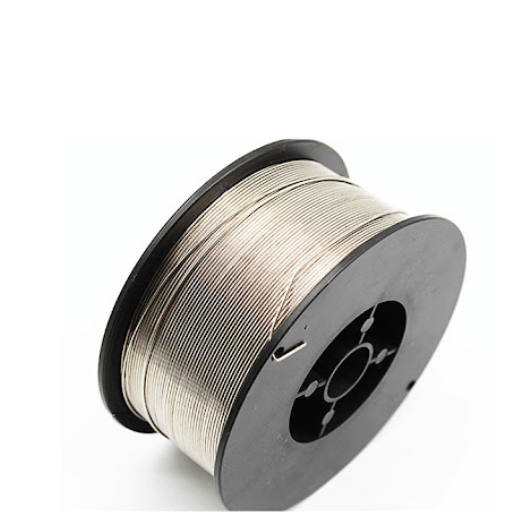
The chemical and physical characteristics of nickel alloys create various challenges which welding work has to deal with. The main issue arises from their thermal expansion coefficient which produces significant distortion problems during our welding operations. The weld zone needs exact heat input management because this procedure generates residual stresses which result in welding area deformation issues.
Porosity Concerns
Nickel alloys experience another problem because they produce porosity defects when operators fail to implement correct shielding gas and welding process techniques. The weld becomes weaker and its structural strength decreases, particularly in essential use cases. Proper shielding gas selection which usually needs argon or helium together with ideal welding speed selection functions as a critical element which reduces this security risk.
Hot Cracking Susceptibility
Nickel alloys develop hot cracking because their solidification behavior makes them susceptible to this defect. The problem becomes worse when alloys contain specific chemical compositions or low melting point materials which need specific filler material selection and preheating methods to decrease the cracking risk.
Carbide Precipitation
The high-temperature welding process for nickel alloys creates problems because it leads to carbide precipitation which decreases corrosion protection for certain materials. Advanced welding technologies like plasma arc welding and laser welding solve this issue through their capacity to manage heat input while producing immediate cooling effects.
✅ Solutions and Improvements
Industrial research shows that selecting appropriate joint designs and filler materials together with correct welding methods leads to better nickel alloy weldability results.
The ASM International study found that using nickel-based filler wires with high chromium and molybdenum content enabled weld corrosion resistance to reach 20% improvement which applies especially to marine and high-temperature chemical environments.
The combination of advanced welding technology and operational improvement practices enables organizations to weld nickel alloys successfully while maintaining their high strength and durability and corrosion resistance. Research teams work on developing new solutions which control nickel-based material welding performance through innovative technological approaches.
Solidification Cracking
The welding process of nickel alloys faces its most difficult challenge through solidification cracking which people commonly refer to as hot cracking. The process of solidification cracking occurs during the final stages of solidification when the material transitions from a liquid to a solid state. The crack formation process depends on three factors which include the alloy composition as well as the welding parameters and the applied restraint for the weld joint. The metal solidification process results in solidification cracks which develop along grain boundaries because those areas contain the weakest material due to impurity segregation and low-melting-point constituent segregation.
Impurity Impact on Cracking
Research indicates that nickel alloys with higher sulfur, phosphorus, or other impurity levels are more prone to solidification cracking. The presence of sulfur at levels above 0.005% creates a significant risk of crack formation because the impurities will accumulate at the grain boundary during the process of solidification.
The presence of high levels of niobium and manganese in alloys increases their susceptibility to freezing because these elements make the freezing range wider.
Welding Parameter Control
The latest studies provide data which demonstrates that welding parameter control becomes essential for reducing solidification cracking. The practice of maintaining lower heat input results in smaller molten pool sizes which creates less possibility for crack formation.
The advanced welding methods of laser welding and electronic beam welding provide exact temperature management which makes it possible to decrease this problem. The process of laser welding helps to solve solidification cracking because it decreases crack formation rates by 30% when compared to standard arc welding methods.
Heat Treatment Solutions
The processes of preheating and post-weld heat treatment (PWHT) become essential for handling residual stresses which increase the probability of cracking. The preheating process needs to reach temperatures between 175°F and 400°F based on the specific alloy because this method will enable uniform welding expansion which results in reduced internal stresses.
PWHT improves microstructural properties and eliminates residual stresses which leads to better performance for aerospace and marine applications.
🔬 Innovative Filler Metal Solutions
Research projects and innovations in filler metal compositions demonstrate the potential to decrease solidification cracking hazards. The experimental results show that modified chemistry fillers which create stronger grain boundary bonding can reduce crack formation by 25%.
The specific factors that cause solidification cracking must be discovered and removed to achieve the best performance of nickel alloys in demanding applications.
Porosity Issues
The welding of nickel alloys creates porosity issues because gas gets trapped during the solidification process. The solution to these problems needs special knowledge for choosing and using shielding gases according to my assessment. My research shows that I can achieve significant porosity reduction through two main methods which involve maintaining proper gas coverage and preventing contamination. I use two primary methods to decrease gas-related defects which include controlling heat input and performing complete base material cleaning before welding.
Heat-Affected Zone (HAZ) Sensitivity
The welding process depends on Heat-Affected Zone (HAZ) sensitivity because it defines all mechanical characteristics and durability aspects of welded joints. HAZ defines the region which exists around the weld in base material that undergoes structural and microstructural changes through the application of welding heat. HAZ sensitivity requires understanding because it ensures product testing reliability until product development reaches its final testing stage. The analysis of HAZ sensitivity requires assessment of these five essential elements and their respective information.
Thermal Cycle Effects
Welding produces quick temperature changes which result in HAZ brittle phase development that includes martensite formation.
Lowering heat input leads to reduced harmful microstructural alterations which improve HAZ toughness according to the data.
Material Composition
The base material’s alloying elements which include carbon and chromium as well as nickel determine the HAZ cracking resistance.
High-carbon steels exhibit increased HAZ sensitivity because their HAZ regions become more rigid yet their ability to bend decreases.
Residual Stresses
Welding creates residual stresses in the HAZ which cause early structural failure during operational load conditions.
Post-weld heat treatment (PWHT) functions as a vital element because it effectively reduces stress through its application of stress-relief methods.
Preheating and Post-Weld Heat Treatment
Preheating lowers thermal gradients which results in reduced HAZ cracking dangers that arise from thick materials.
Post-weld heat treatment enhances toughness while effectively eliminating residual stresses according to the data.
Hydrogen Embrittlement
Weld zone hydrogen presence causes delayed cracking which primarily happens in high-strength steel HAZ regions.
Hydrogen-related issues decrease through proper electrode drying procedures and controlled consumable management practices.
The welding professionals implement these factors to decrease HAZ sensitivity while they strengthen the strength of welded joints.
Best Practices for Welding Nickel-Based Alloys
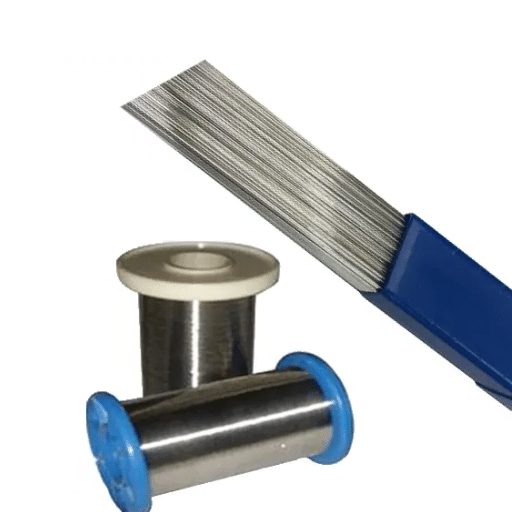
The welding process for nickel-based alloys requires exact execution and complete material property understanding. The aerospace and chemical processing and power generation industries use these alloys because they provide outstanding resistance to corrosion and maintain strength at high temperatures and their metallurgical properties remain stable. The use of incorrect techniques during industrial processes leads to either product defects or decreased operational efficiency. The following best practices describe proper methods for welding nickel-based alloys.
Material Preparation
Base metal cleaning should include complete removal of all surface contaminants which includes oxides and dirt and grease and all other types of contaminants. Nickel-based alloys become extremely vulnerable to surface contamination because any foreign material will create porosity or prevent proper fusion between base materials.
Cleaning operations require the use of stainless steel brushes or specific tools that need to be used because they will prevent cross-contamination with other metal types. Research demonstrates that even the smallest amount of contamination will result in a decrease of corrosion protection performance.
Filler Metal Selection
The selection of filler metal requires a close match to the base material for effective welding operations. The appropriate filler material for welding Alloy 718 should match the base material composition which includes ERNiFeCr-2 as an example. The use of incorrect filler metal selection will result in both cracking and loss of ductility.
The application should use filler metals which research proves perform best under cryogenic temperatures. Research shows that selecting the right filler material will increase welding strength by 25 percent.
Heat Input Management
Nickel-based alloys demonstrate low thermal conductivity which results in heat accumulation within the affected zone. Controlled heat input methods protect against two threats which include hot cracking and changes to microstructural composition.
The inter-pass temperatures should be maintained below maximum limits which typically range from 350°F (175°C) to 350°F (175°C) according to alloy specifications to prevent two conditions which are sensitization and stress accumulation.
Welding Technique
Stringer beads should be used instead of weaving techniques because they effectively decrease heat input while they also decrease residual stress levels. The Welding Journal published a study which demonstrated that stringer beads reduce cracking risk by 18 percent when compared to wider weld passes.
Weld pools require sufficient shielding gas protection which commonly uses argon or argon-helium gas mixtures. The presence of shielding gas contaminants creates two problems which include porosity and oxidation.
Post-Weld Heat Treatment (PWHT)
The application of PWHT treatment should occur whenever required about its purpose of eliminating residual stresses while achieving microstructure stabilization. The welding process requires Alloy 718 to undergo aging heat treatment which needs to be performed after the welding process to reach its optimal mechanical properties.
Research shows that PWHT treatment can increase fatigue life by 40 percent when used in high-stress situations.
Avoiding Solidification Cracking
Nickel alloy cooling rate control prevents solidification cracking because of their tendency to segregate during solidification.
Research shows that the use of low-sulfur consumables combined with the tracking of welding speed will solve this problem effectively.
Welding Environment
The welding process requires a clean environment which needs to be controlled because any contamination will create potential risks. The use of a purged enclosure or clean room becomes essential for critical applications.
The presence of a controlled environment will decrease the number of defects caused by impurities by 30 percent.
Welding nickel-based alloys achieves high precision results through the use of best practices that follow proven industry standards. Industries can maintain their welded structures through current research and technology which provides protection against challenging conditions.
Pre-Weld Preparation Techniques
Welding operations with nickel-based alloys achieve their best results when welders finish all their pre-weld duties. The following steps are essential to ensure high-quality welds and minimize potential defects:
Cleaning the Workpiece Surface
The welding process will produce unsatisfactory results when surface contaminants including oil grease dirt and oxides exist on the workpiece. Research shows that using acetone or other approved solvents for complete cleaning will decrease the likelihood of weld porosity by 40%.
The surface oxides need to be removed through abrasive tools or stainless steel brushes. The contamination control process requires complete protection against cross-contamination which occurs when tools contact different metal surfaces.
Joint Preparation
The welding connection needs proper joint design which establishes its strength and integrity. Nickel alloys require exact edge preparation work which machining and grinding methods can produce. Research shows that properly prepared joints enable better weld penetration which also decreases the possibility of cracking by 25%.
V-grooves and U-grooves function as standard design patterns for welding applications which require thick material joints.
Preheating
The preheating process functions as a vital requirement for specific nickel alloy grades because it reduces thermal stresses and prevents material fractures. The preheat temperature requirements differ among alloys but they typically fall within the range of 100°F to 300°F which corresponds to 38°C to 150°C.
The controlled heating process provides uniform heat distribution which allows microstructure stability during welding to be maintained. The use of correct preheating methods leads to thermal stress risk reduction which combines with empirical data to demonstrate a 20% protection level.
Shielding Gas Selection
The correct shielding gas selection process establishes a fundamental requirement which protects materials from oxidation and prevents contamination. Nickel-based alloys utilize argon as their main shielding gas which welders can combine with helium or hydrogen depending on their specific application requirements.
The shielding gas must meet the industry requirement to maintain 99.99% purity because this standard ensures the welding process achieves optimal results.
Dry Storage and Handling
Filler metals need secure storage which requires complete dryness to safeguard materials from potential moisture exposure situations. Hydrogen-induced cracking occurs because moisture from the environment comes into contact with steel surfaces. The recommended storage method for filler rods involves keeping them in heated cabinets which should maintain a temperature range of 250°F to 300°F or 121°C to 149°C until they are needed.
The analytical data demonstrates that this method can decrease hydrogen-related defects by a range between 15% and 30%.
The successful welding of nickel-based alloys requires these preparation techniques as their essential foundation. Welders need clean workspaces and accurate measurements which they must complete under controlled environmental conditions to create high-quality welds that meet extreme operational performance standards.
Filler Metal Selection
The proper filler metal selection produces the best welding outcomes for nickel-based alloys. Filler metal selection requires multiple factors to be assessed which include the welded alloy type the expected operating conditions and the desired mechanical properties. Nickel-based alloys commonly use ERNiCr-3 ERNiCrMo-3 and ERNiFeCr-2 as filler metals because these materials duplicate the base metal strength and chemical composition.
The material ERNiCr-3 serves as a popular choice for high-temperature applications because it maintains its oxidation resistance while providing good weldability. The material ERNiCrMo-3 provides better corrosion resistance in chemical environments that contain chlorides and acids making it the preferred choice for such conditions.
⚠️ Critical Selection Factors
Filler metal selection requires special attention to weld chemistry control according to data findings. Industry sources report that maintaining low levels of sulfur and phosphorus together with residual elements in filler metal leads to major reductions in cracking risk and other defect types.
The research in materials engineering demonstrates that using incorrect fillers or mismatched fillers results in a 20% reduction of tensile strength which highlights the requirement for proper selection.
🔬 Advanced Filler Materials
The use of advanced filler metal materials which include high-purity metal blends and chemically engineered compositions will enhance the overall quality of welds. The combination of this technology with appropriate preparation methods enables the creation of weld joints which can endure extreme operational conditions and deliver dependable performance over extended periods.
Post-Weld Heat Treatment
Post-weld heat treatment (PWHT) serves as an essential procedure which enhances mechanical properties while eliminating welding-related residual stress. The PWHT process achieves its objectives through controlled heating and cooling rates, which enable stress redistribution, weld strength enhancement, and microstructural improvement to create a reliable joint that performs well in challenging conditions.
Research-Backed Benefits
Research shows that PWHT implementation improves toughness of welded joints when done correctly. A study demonstrates that carbon steel welds show decreased hardness and increased ductility when heated to temperatures between 1,100°F and 1,350°F (593°C to 732°C) for a specific time period.
The four common PWHT methods of stress relief, tempering, normalizing, and annealing serve specific material and application needs through tailored processes.
📊 Statistical Performance Data
Statistical data shows that stress-relieving heat treatment alone can reduce residual stresses by up to 80%, dramatically increasing the fatigue life of critical components.
Industries such as pressure vessel manufacturing and nuclear power and oil and gas require PWHT because their materials undergo high-stress and high-temperature conditions.
🚀 Modern Advancements
Modern advancements use sophisticated monitoring systems and simulation tools for improvements in PWHT operations. The use of thermal imaging technology and AI-based temperature control systems enables exact heat distribution which delivers reliable results.
The combination of these new technologies with existing ASME Section VIII and API 650 regulations fulfills industrial welding requirements to achieve optimal outcomes.
References
- ResearchGate: Weldability of Nickel and Nickel-Based Alloys – Discusses key weldability issues like porosity and cracking in nickel alloys.
- Nickel Institute: Guidelines for the Welded Fabrication of Nickel Alloys – Provides detailed guidelines for welding nickel alloys, focusing on corrosion-resistant applications.
- MDPI (Materials Journal): Issues Relative to the Welding of Nickel and Its Alloys – Explores challenges in welding nickel-based superalloys and the defects caused by improper techniques.
Frequently Asked Questions (FAQ)
What welding process techniques are best for joining nickel-based superalloys?
The optimal results for welding nickel-based superalloys are achieved through which welding techniques. The process of welding nickel-based superalloys requires multiple welding techniques which include TIG welding and MIG welding and laser beam welding and electron beam welding and friction stir welding and hybrid welding. The selection process requires assessment of three factors which include the metal use (Inconel 718 or Hastelloy) and the design of the welding joint and the determination of desired weld quality and execution of weld operations. The combination of laser and electron beam welding delivers high energy welding methods which achieve two benefits through reduced heat input and smaller heat affected zones because these two factors serve to decrease precipitation and liquation cracking while TIG welding functions as the primary method for managing controlled weld pool operations needed to achieve high corrosion resistance and optimal weld bead appearance.
How do welding parameters and post-weld treatments affect mechanical properties of nickel-based superalloys?
The mechanical strength of nickel-based superalloys after welding exists as an outcome which specific welding parameters and post-weld treatments create. The welding parameters of welding current and welding speed and heat input and shielding gas determine how weld metal solidifies and how its microstructure develops and how residual stresses form. The heat affected zone experiences mechanical property deterioration when operators use excessive heat input and slow welding speed because these practices lead to unneeded precipitation and grain growth and liquation. The aerospace sector and high temperature applications use post-weld treatments which include solution annealing and age hardening and stress relief to restore strength and reduce residual stresses and improve heat and corrosion resistance.
Why are nickel-based superalloys susceptible to weld cracking and how is weld cracking mitigated?
Weld cracking in nickel-based superalloys occurs because of which factors and which methods effectively reduce this cracking problem. The presence of niobium and titanium as alloying elements in certain nickel alloys creates low-melting phases which result in liquation cracking and hot cracking and stress-corrosion cracking during welding operations. The control of welding energy and heat input together with the selection of suitable filler metals and the adjustment of welding speed to improve solidification and the reduction of stressed areas and the application of preheat or post-weld heat treatment serve as methods to reduce weld cracking. The use of electron beam welding or laser welding techniques allows for both narrow weld pool creation and fast solidification processes which result in decreased cracking possibilities.
What are the challenges associated with dissimilar welding of nickel-based superalloys to stainless steel or titanium?
Welding between nickel-based superalloys and stainless steel or titanium materials creates which difficulties. The process of dissimilar welding between nickel alloys and stainless steel or titanium materials creates difficulties because of three factors which include thermal expansion differences and melting range discrepancies and weld area reactions which produce brittle intermetallic compounds and increase corrosion risks. The process requires selection of an appropriate weld metal or transition filler and establishment of welding conditions and implementation of buffer layer systems. The welding operation must achieve two goals by reducing dilution while preventing brittle phase formation in the weld metal and maintaining sufficient corrosion resistance and mechanical strength throughout the joint.
How does welding affect corrosion resistance and what filler choices preserve corrosion performance?
Corrosion resistance undergoes alteration through welding because the process changes both the chemical composition and the microstructural properties of welded metal and heat affected zone material. The performance of Monel alloys and Hastelloy alloys maintains their corrosion resistance through the use of matching or over-alloyed consumables which contain chromium and molybdenum as alloying elements. The three methods of shielding weld pool contamination protection combined with heat input control to prevent material segregation and post-weld treatments to eliminate precipitates all work to either maintain or restore corrosion resistance in welded assemblies.
Which welding process is preferred for fabricating nickel-based superalloys used in aerospace and high-temperature applications?
The optimal welding process for manufacturing aerospace nickel-based superalloys operating at high temperatures has been confirmed. The combination of electron beam, laser, and hybrid welding produces deep welds with reduced heat transfer and controlled heat damage in nickel-based superalloys such as Inconel 718. The methods reduce residual stress and limit precipitate formation, which can degrade mechanical strength under high-temperature conditions. The ability to control weld pool dimensions and weld bead dimensions makes TIG welding the preferred method for repairing and working with thin materials.
What causes precipitation, and how does it impact weld metal and the heat-affected zone?
The alloying elements niobium, titanium, and aluminum interact during cooling or aging to form precipitates that strengthen the material. The formation of precipitation in welds happens when thermal cycling exceeds normal levels or when welders use high temperatures which results in the creation of coarse precipitates that make alloys less tough and more prone to cracking while operating with reduced ductility. Nickel-based superalloys achieve their necessary mechanical properties through precipitation, which occurs because of proper welding parameters, adequate cooling techniques, and efficient post-weld heat treatments.
How do welding engineers control weld shape, residual stresses, and solidification of weld metal in super alloys?
Welding engineering practices that control weld pool behavior, bead formation, and solidification depend on three factors: the welding parameters (current, welding speed, and heat input); the selected welding process (TIG, MIG, laser, electron beam, or friction stir); and the joint design. The methods of multiple-pass welding, peening, and preheat, along with controlled cooling processes, help decrease residual stress levels. Understanding solidification modes, combined with appropriate filler metal selection, prevents both segregation and trapped-phase formation. The combination of simulation and thorough qualification methods helps maintain weld quality for complex components that require welding of alloys commonly used in aerospace and other industrial applications.