


Blog
Welding Stainless Steel: Process and Procedures

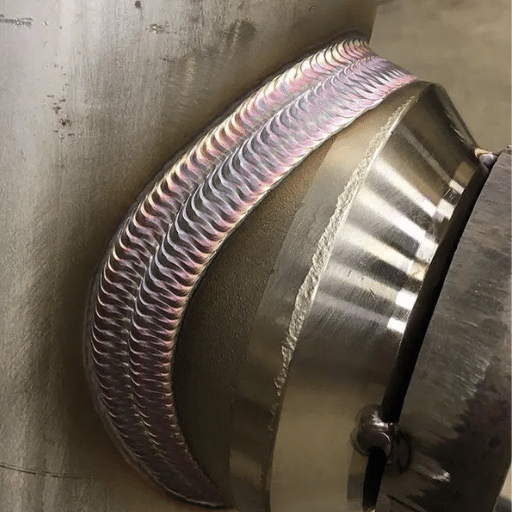
The construction industry, automotive sector, and manufacturing sector all utilize stainless steel because it combines strength with corrosion protection and attractive design. Workers need to learn specific welding techniques for stainless steel because the metal possesses special characteristics that require special skills. The weld will lose its integrity when improper methods lead to warping, cracking, and loss of corrosion resistance. The blog post will examine all the essential procedures and operations that need to be followed for successful stainless steel welding work. Our training program will provide all the necessary knowledge which you need to achieve professional results because it covers material composition and specific technique mastery and tool selection. The guide will assist both experienced welders and beginners in developing their welding abilities while they practice stainless steel welding.
Introduction to Stainless Steel Welding
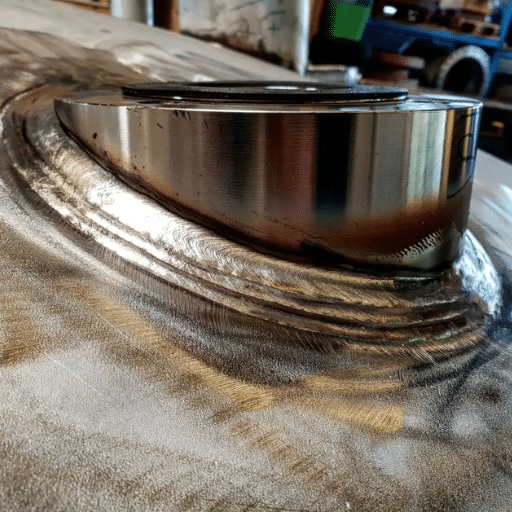
Welding stainless steel requires engineers to use specific processes that create permanent connections between stainless steel components while maintaining their corrosion resistance. Engineers achieve success in stainless steel welding through their selection of TIG, MIG, and stick welding methods which match the needs of each particular project. The process requires operators to control heat input to prevent both warping and damage to the chromium oxide layer, which provides stainless steel’s rust protection. The optimal results of a project depend on its proper preparatio,n which includes surface cleaning and choosing the right filler materials. Mastering these basics lays the foundation for high-quality stainless steel welds.
The Importance of Stainless Steel in Manufacturing
Stainless steel serves an essential function in manufacturing because it displays multiple useful properties which include its ability to endure time and its complete protection against rust. The global stainless steel market was valued at about $160 billion in 2022 and is projected to grow at an annual rate of 5.7 percent through 2030, driven by demand from industries such as construction, automotive, and medical equipment. The material enables strong yet lightweight solutions by delivering exceptional strength without increasing overall weight. The material maintains its functional performance after exposure to extreme temperatures and various chemicals throughout its operating life.
Key industries rely on stainless steel for its distinct advantages. The construction sector uses stainless steel to fabricate structural components, cladding, and handrails because its design requires minimal maintenance and offers an attractive visual appearance. The medical field uses the material because it maintains cleanliness and can be easily sterilized which makes it suitable for surgical instruments and implants. The food processing industry uses stainless steel to create manufacturing equipment that maintains its performance during extensive cleaning procedures.
The recyclability of stainless steel enhances its value for renewable manufacturing practices, as research shows that 92 percent of stainless steel is recycled after its useful life. The material is a preferred option for businesses seeking to implement environmentally friendly practices that address global environmental challenges.
The essential manufacturing function of stainless steel becomes vital for modern industrial needs because it provides high-performance materials which help companies solve their sustainability challenges.
Unique Challenges in Welding Stainless Steels
The welding process for stainless steel requires operators to maintain precise control to preserve the metal’s unique properties throughout welding. Stainless steel welding presents operational difficulties because the metal’s high chromium content provides corrosion protection but creates chromium carbides which develop from elevated metal temperatures. Chromium depletion reduces the corrosion protection of welded areas through a process that causes sensitization.
The second challenge involves controlling the thermal conductivity of stainless steel. Stainless steel exhibits lower heat conductivity than carbon steel which creates higher temperature variations across the entire material. The welded areas face increased risk of warping and distortion throughout residual stress development because this problem affects materials that have larger sizes or thinner dimensions. Stainless steel undergoes greater thermal expansion during heating than other metals which leads to welding-related dimensional inaccuracies.
Welders must select appropriate shielding gases, as they protect against oxidation during welding. Welders who perform stainless steel welding work with argon because this gas combines with either helium or carbon dioxide, depending on the welding needs of different stainless steel grades. Nitrogen-containing shielding gas functions as a control mechanism for nitrogen levels through its use in duplex stainless steel welding which produces higher quality welding results.
Welding work requires proper cleaning and preparation, which must be performed correctly. Weld defects, which include porosity and the unwanted corrosion of welded areas, occur because welding pollutants from oils and grease and embedded tool particles enter the welding space. The industry standards for surface preparation methods, including pickling and passivation, establish material protection requirements that maintain anticorrosive performance and preserve material integrity.
Welders use TIG and MIG welding methods to achieve better precision and higher quality welds when working with stainless steel. The industry currently uses laser and friction-stir welding because these methods deliver accurate results while reducing heat exposure and preserving the beneficial properties of stainless steel.
Successful problem solving requires specialized knowledge, appropriate tools, and strict adherence to established procedures. Industries can create strong and lasting welds through their understanding of these factors which allow them to work with stainless steel while keeping its main characteristics intact.
Material Properties Affecting Welding
The welding process and the quality of the resulting welds depend on various material properties. The welding techniques require an understanding of these specific properties to achieve the desired results. Below are five key material properties that affect welding:
1Thermal Conductivity
High-thermal-conductivity materials, such as aluminum, dissipate heat quickly, making it harder to maintain the desired temperature in the welding zone. Low thermal conductivity materials create heat concentration which causes specific areas to become excessively hot.
2Melting Point
The melting point of a material governs the amount of heat required for welding. The welding process for stainless steel requires precise heat input because its high melting point increases the risk of incomplete fusion or distortion.
3Expansion and Contraction Rates
Certain materials experience significant changes in size during their heating and cooling processes, which creates a risk for them to develop warping, residual stresses, or cracking. Controlling these distortions requires operators to use appropriate preheating methods and post-weld cooling techniques.
4Corrosion Resistance
Welders must maintain corrosion resistance during welding when working with metals such as stainless steel. Welding methods that are not performed correctly can alter the chemical composition of materials and necessitate more robust protective measures than chromium oxide layers.
5Hardness and Brittleness
The hardness and brittleness of a material affect its susceptibility to cracking during welding. Brittle materials require specific fillers and controlled cooling rates to prevent the formation of sharp cracks at weld joints.
The development of welding procedures requires the assessment of every material property to establish welds that possess strength and reliability and long-lasting performance.
Chromium Content and Its Impact
The main function of chromium in determining material properties exists because it affects the characteristics of stainless steel alloys. The material performs better when it exists under conditions that require both maximum performance and protection against wear and corrosion. The five key impacts of chromium content are outlined.
Corrosion Resistance
The material develops a passive oxide layer, which chromium forms to provide superior protection against oxidation and corrosion. Stainless steel, which contains 10.5% chromium or more, will prevent rusting in areas that experience constant moisture.
Heat Resistance
Chromium enables materials to withstand high temperatures while maintaining their original strength. The high chromium content in these alloys protects their mechanical properties from complete loss during prolonged heat exposure.
Improved Hardness
The hardness of alloys increases with rising chromium content which creates materials that withstand protection requirements against both wear and abrasion.
Toughness at Low Temperatures
Alloy toughness at low temperatures improves through chromium addition which protects the material from breaking during cryogenic conditions.
Enhancement of Surface Finish
Chromium application creates smoother surface finishes which decrease friction in different applications while enhancing their visual appeal.
The properties demonstrate how precise control of chromium content in materials directly affects their performance in specific applications.
Thermal Conductivity in Stainless Steel Welding
The welding process requires stainless steel thermal conductivity because it dictates how heat travels during welding, which directly affects weld quality results. Stainless steels in general exhibit lower thermal conductivity compared to other metals such as carbon steel. The thermal conductivity of grade 304 austenitic stainless steel is approximately 16 W/m·K, while carbon steel shows a thermal conductivity value of about 50 W/m·K. The disparity exists because stainless steel keeps heat in specific areas for longer periods which creates higher thermal gradients that result in potential distortion problems.
Welding operations require specialized heat management techniques because stainless steels have the lowest thermal conductivity. The welders apply controlled heat input to ensure complete cooling, as this method protects the weld area from defects such as warping, cracking, and excessive residual stress. The specific stainless steel grade and weld configuration determine the preheating and post-weld heat treatment techniques used.
The welding industry progresses through technological advancements which depend on both thermal conductivity measurement techniques and simulation methods that use thermal conductivity data. Engineers use modern tools such as finite element analysis (FEA) to create accurate welding heat flow models, which help them understand thermal behavior better. The simulation results enable us to optimize arc energy and travel speed parameters which help control overheating while we maintain the welded structure’s mechanical characteristics.
Step-by-Step Welding Procedures
1Preparation and Safety Measures
The workspace needs cleaning and organizing work while all flammable materials must be taken away from the space. The required safety equipment consists of a welding mask, together with gloves, flame-resistant clothing, and safety boots. Workers at the site require ventilation systems to reduce their exposure to toxic fumes ,which occur in the workspace. The current data shows that welding-related injuries become preventable for more than 80percent of cases when specific safety protocols get implemented.
2Material Selection and Inspection
The selection of base materials and filler metals requires assessing both the welding technique and the project specifications. All materials need complete inspection to detect defects, which include cracks and corrosion, and every type of impurity, because contaminants will harm weld quality. Stainless steel with 10.5percent chromium content delivers superior corrosion resistance which makes it ideal for usage in wet conditions.
3Joint Preparation
The welding joint needs cleaning to obtain a rust-free, oil-free, and debris-free condition. The correct joint preparation procedure must be followed to produce high-quality welds while preventing porosity. Welders select joint configurations based on material thickness, including butt, lap, and T joints. The welding team must align the parts correctly while they follow the AWS D1.1 standard which requires a 1/16-inch root opening for structural steel welding of butt joints.
4Setting Welding Parameters
Welding machine operators need to adjust voltage and current and travel speed settings according to the specific material properties which include both type and thickness. The standard initial setting for gas metal arc welding (GMAW) 1/8-inch mild steel requires 17-19 volts and 150-200 amps. The weld parameters require adjustment using either manufacturer-provided charts or test-weld results.
5Tack Welding
The welding team needs to create tack welds before starting the final weld to maintain proper piece alignment. Tack welds must be distributed at equal distances throughout the welding process because this method helps control distortion which will happen during the entire procedure. Research shows that proper tack welding methods can reduce weld distortion by 30%.
6Performing the Weld
The welder must execute the welding process by making consistent movements which help him keep the necessary arc length. The joint configuration determines whether welders use stringer beads or weaving techniques. Welders use weaving patterns in vertical welding because this method provides better control for upward movement. The welder needs to control the molten metal pool so he can maintain steady temperature levels which result in correct welding fusion.
7Post-Weld Inspection and Cooling
The weld needs to cool naturally because this approach protects against thermal shock while quick cooling needs to be avoided except for controlled quenching situations. The weld requires a visual inspection to identify all defects, including cracks, undercuts, and incomplete fusion. Non-destructive testing methods, which include ultrasonic testing, assess the internal quality of welds. Modern ultrasonic devices have the ability to identify flaws that measure 0.1 millimeter or larger.
8Finishing and Clean-Up
The weld surface needs grinding and polishing until it reaches the desired smoothness. Protective coatings or paint must be applied to protect materials that require corrosion protection. The welding process documentation must include all parameter settings and inspection reports, as these records help ensure compliance with quality standards through traceability.
Key Takeaway: The combination of precise measurements with advanced simulations and standard adherence enables the realization of high-quality welds through these step-by-step procedures which are designed for structural and industrial welding applications.
Core Welding Processes for Stainless Steel
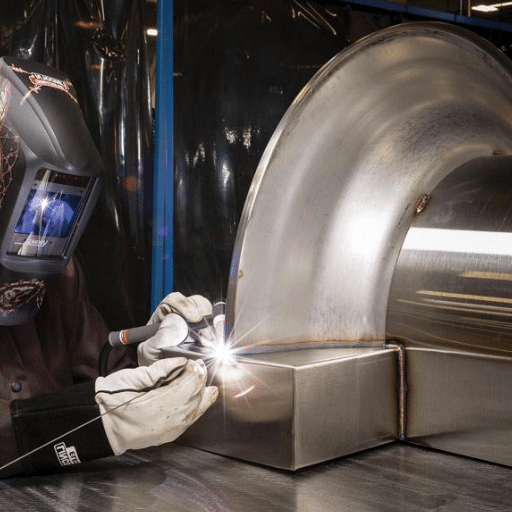
The need for specialized welding techniques stems from stainless steel’s unique properties, including its corrosion resistance and ability to withstand elevated temperatures. The following list includes the main welding techniques that professionals commonly use to join stainless steel materials:
1. Gas Tungsten Arc Welding (GTAW/TIG)
TIG welding provides the highest level of precision for stainless steel welding. The welding process produces high-quality results with minimal spatter and precise heat control, making it suitable for thin materials that require a polished appearance. The research demonstrates that TIG welding enables workers to complete their post-welding cleaning tasks three times faster which leads to time and resource savings in aerospace and medical equipment manufacturing fields.
2. Gas Metal Arc Welding (GMAW/MIG)
MIG welding is highly effective for stainless steel because it allows welders to complete work faster. The system employs an uninterrupted solid wire electrode which the welding gun transmits to enable efficient operations when working with medium to heavy materials. The latest developments in pulsed MIG technology have resulted in increased deposition rates together with decreased heat distortion which benefits industrial operations that require large-scale production.
3. Shielded Metal Arc Welding (SMAW/Stick)
Stick welding is a flexible technique that allows anyone to use stainless steel welding equipment. The manual welding process requires operators to handle a flux-coated electrode, which proves most effective for outdoor welding applications that require equipment mobility. The American Welding Society AWS reports that SMAW provides construction projects with budget-friendly welding costs, but the process results in greater spatter compared to both TIG and MIG methods.
4. Flux-Cored Arc Welding (FCAW)
FCAW operates similarly to MIG but uses a flux-filled tubular wire instead. The welding technique offers multiple advantages due to its ability to connect heavy stainless steel components in shipbuilding and pipeline construction. FCAW functions effectively in conditions that need protection against wind and pollutants because it uses shielding gas as its primary defense mechanism.
5. Laser Beam Welding (LBW)
The development of laser beam welding technology has created a modern welding method that enables stainless steel manufacturing to achieve high levels of precision and sanitary completion. The method employs a concentrated laser beam to produce swift, deep, narrow welds. LBW enables automotive and electronics industries to produce micro-welds which generate only minimal thermal distortion. The research demonstrates that laser welding achieves production line efficiency rates that reach up to 95% in automated manufacturing systems.
Key Considerations
The selection of a welding method for stainless steel needs to consider three key factors, including the thickness of materials, the type of joints, and the prevailing environmental conditions. The use of proper shielding gases, such as argon or argon-helium mixtures, requires special attention because their implementation, together with heat input management, will stop defects from occurring during the manufacturing process. Organizations need to stay current with upcoming standards and new technological developments to achieve successful stainless steel welding results.
Gas Tungsten Arc Welding (TIG)
The Gas Tungsten Arc Welding process, which uses a non-consumable tungsten electrode, achieves its welding function through its precise welding technique. The method produces clean, high-quality welds that suit stainless steel and non-ferrous metals, including aluminum and copper alloy materials. TIG welding needs shielding gas which consists of 100% argon or an argon-helium combination to shield the weld pool from both oxidation and contamination.
The main benefit of TIG welding for thin stainless steel materials lies in its precise heat input control which helps prevent warping and distortion. TIG welding achieves a typical deposition rate of 1 to 3 pounds per hour for stainless steel, which falls below industry standards but enables the creation of highly precise and visually appealing welds. The process can achieve a weld travel speed between 4 and 10 inches per minute which varies according to the material and thickness of the workpiece.
Welders prefer to use direct current with straight polarity (DCEN) because it delivers optimal results by directing heat toward the workpiece which enhances penetration and weld quality. Most stainless steel applications do not require preheating because the material has low thermal conductivity but post-weld cleaning removes discoloration and oxide layers to maintain corrosion protection.
TIG welding serves as the primary welding method in aerospace, food processing, and pharmaceutical manufacturing industries, which require visually appealing welds and neat joint connections. The welding process develops higher efficiency and enhanced quality through new technologies which include pulsed TIG welding and improved tungsten electrode coatings.
Gas Metal Arc Welding (MIG)
Gas Metal Arc Welding (MIG) serves as a multiple-purpose welding method that welding professionals consider to be both efficient and user-friendly. The method requires operators to advance an unbroken solid wire electrode through a welding gun, which generates an arc that melts the wire and forms a welding pool. Welders use welding gases to protect their work from environmental damage, which would disrupt the welding process and produce a strong, clean weld connection, using argon, carbon dioxide, and their combined mixture.
MIG welding offers industries such as automotive, construction, and manufacturing value because it generates high-quality welds in short time. Recent findings indicate that the global welding wire market, driven by MIG applications, reached approximately $4.2 billion in 2022 and will grow at an annual rate of 6.1% over the next 10 years. The industrial sector now requires welding methods that deliver both high performance and reliable results, given the increasingly stringent requirements of industrial facilities.
The ability to weld with various materials makes MIG welding an essential process for every welding project because it can connect materials such as steel, aluminum, and stainless steel. The introduction of modern technologies like synergic control and automated systems has increased both MIG welding accuracy and operational efficiency. The advancements in this technology achieved two objectives because they reduced spatter creation while they improved welding outcomes which now become easier for both expert welders and beginner welders to accomplish.
MIG welding brings multiple benefits to users yet the method creates specific difficulties for its operators. Operators need to maintain specific limits for wire feed speed, gas flow, and heating parameters to prevent work defects, which include porosity and burn-through. The continuous development of new technologies, together with better educational materials, has made it easier to solve problems that previously created obstacles for MIG welding, but now serve as an essential welding method in modern industrial production and repair activities.
Shielded Metal Arc Welding (SMAW)
Stick welding is better known as Shielded Metal Arc Welding (SMAW) which stands as one of the earliest developed welding techniques that remains popular today. The welding process uses an electrode which has a flux coating as its welding material to create the weld joint. The process establishes an electric current path from the electrode to the workpiece which produces extremely high temperatures that cause both the electrode and base metal to melt and bond together. The electrode flux coating burns to produce a shielding gas together with protective slag, which blocks atmospheric contamination from oxygen and nitrogen.
SMAW provides operators with both versatile application capabilities and easy operational procedures. The welding process enables practitioners to work with various metals such as steel and stainless steel and cast iron which makes it appropriate for multiple industrial applications that include construction work and shipbuilding activities and pipeline installation and repair operations. The welding method demonstrates effective performance results, which enable operators to work outside under difficult weather conditions that include windy and damp environments, which make other welding methods less effective.
SMAW electrodes achieve efficiency levels that range from 60 percent to 80 percent based on the welding conditions and electrode type, according to current research findings. E6010 and E7018 electrodes serve as primary electrode groups for this technique because they provide different strength levels that match different operational needs. The welding method requires less equipment but provides more reliable results which make it suitable as a budget-friendly option despite its slower operation speed when compared to modern welding methods.
SMAW presents operators with several advantages that come with existing operational difficulties. The operators need to execute proper techniques which involve them to control three elements, which include arc length, angle, and travel speed. Proper removal methods must be used, as slag inclusion reduces weld quality when it remains in the system. SMAW remains an industry standard because welding professionals from different countries trust its abilities to handle heavy workloads which have become more advanced through technological progress and training materials.
Post-Weld Treatment for Corrosion Resistance
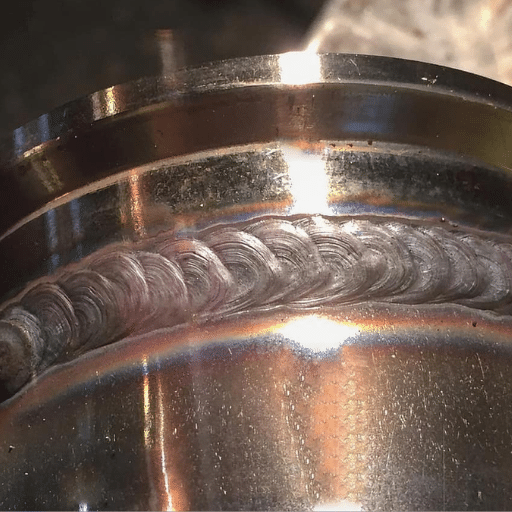
Post-weld treatment is essential for welded structures because it enhances their ability to withstand corrosion which is necessary for locations that face both moisture and chemical contact and extreme weather conditions. The welding process establishes both residual stresses and heat-affected areas together with surface contaminants which increase the likelihood of material corrosion. Post-weld treatments create enduring structures that retain their operational abilities under extreme conditions.
The industry frequently uses pickling and passivation as its standard approach. The pickling process uses acid solutions that contain nitric and hydrofluoric acids to eliminate surface contaminants, oxides, and heat tint from materials. Passivation occurs after this step to establish a protective oxide layer which mainly forms on stainless steel surfaces. Studies demonstrate that this treatment process can achieve an 85% reduction in corrosion rates while substantially enhancing the pitting resistance of various materials.
The technique of mechanical surface finishing uses grinding, polishing, and blasting methods to create smoother surfaces from rough weld areas. The rough surfaces of materials create an environment which permits moisture and corrosive agents to enter but researchers have found that reducing surface roughness will improve the material’s ability to resist corrosion. Research demonstrates that stainless steel exhibits better crevice corrosion resistance when its surface roughness remains below 0.5 micrometers (Ra).
Welded joints require heat treatment or post-weld annealing to remove residual stresses from the weld. Controlled temperature stress-relief annealing processes reduce the risk of cracking and decrease susceptibility to stress corrosion cracking (SCC). The data shows that structures which undergo stress-relief heat treatment achieve a 30-40% increase in tensile strength and experience decreased risks of SCC.
Protective coatings, such as galvanization and epoxy-based coatings, are effective methods for protecting structures from corrosion. The global anti-corrosion coating market is projected to reach a value of $34 billion by 2028, reflecting the growing demand for these treatments. Industries frequently combine coatings with extra barrier elements to establish comprehensive protection systems.
The techniques provide specific solutions that depend on both material characteristics and environmental conditions, whether used individually or in combination. Effective post-weld treatment techniques are essential to preserving the durability of welded structures as sustainable infrastructure development gains importance.
Pickling and Passivating Processes
The chemical processes of pickling and passivation serve as essential methods that protect stainless steel and other metal alloys from corrosion damage that occurs through welding. The methods serve to eliminate all surface contaminants, which consist of oxides, scales, and weld burns, while they restore the metal surface’s original oxide protective coating.
Pickling Process
Pickling typically requires strong acids which include hydrofluoric acid (HF) and nitric acid (HNO₃) to dissolve impurities from the metal surface. The acids during the process complete their function by eliminating steel particles, heat tint, and all other types of contaminants that appear during production and welding processes. Industrial research demonstrates that pickling stainless steel surfaces significantly improves corrosion protection when all surface dirt that causes localized damage is removed.
The effectiveness of pickling depends on three main factors, which include the temperature, acid concentration, and duration of acid exposure. Industrial facilities that require consistent treatment throughout their production process prefer immersion pickling because it completes the process between 15 and 60 minutes while operating at temperatures of 120 to 160 degrees Fahrenheit (49 to 71 degrees Celsius).
Passivating Process
Passivating is a post-pickling treatment which helps stainless steel develop its passive oxide layer. The procedure requires the use of citric acid and nitric acid solutions which function as weaker acids to remove all free iron from the metal surface. The surface achieves complete passivation after it develops a chromate oxide coating which protects against rust and environmental damage.
The International Journal of Corrosion published a study which demonstrated that stainless steel surfaces which underwent both pickling and passivating treatments achieved 30% better protection against pitting corrosion in chloride environments than untreated surfaces.
Applications and Environmental Considerations
Industrial facilities in chemical processing and food production and marine applications use these processes as their main method to protect welded structures from severe environmental impacts. The acid waste which results from pickling and passivation processes needs proper management because it creates environmental hazards. Many facilities now invest in advanced acid recovery and waste-neutralization systems to minimize environmental impact and improve sustainability.
Manufacturers can achieve maximum performance and extended longevity of their components through the simultaneous application of pickling and passivating methods which protect against operational challenges. The chemical treatments combined with contemporary technology create metal finishing solutions which deliver results with extended durability.
Grinding and Finishing Techniques
The manufacturing and fabrication industries need grinding and finishing methods to create metal products which meet precise specifications for size and surface and visual characteristics. Industrial operations depend on these methods because they enhance operational performance while increasing the visual and physical characteristics of industrial materials.
The process of grinding uses abrasive tools to perform material removal from surfaces which creates exact tolerances and improved surface finishing. The process is commonly employed across aerospace and automotive and construction sectors while modern technological developments in the field provide rapid and efficient and energy-saving results. The study found that CBN (cubic boron nitride) and diamond abrasives enabled higher material removal rates while producing less heat and tool damage when used for grinding optimization.
Finishing techniques enable surfaces to achieve higher durability and enhanced wear resistance together with improved visual characteristics. Polishing and buffing and electroplating stand as the most widely used methods. Polishing and buffing can achieve surface roughness values as low as Ra 0.01 μm, ideal for high-precision industries. Robotic finishing systems now operate in manufacturing facilities to deliver automation which results in standardized outcomes while minimizing human errors.
Artificial Intelligence (AI) systems create a new approach to quality control in grinding and finishing processes when they combine with advanced sensor technology. The AI systems deliver continuous system information which enables maintenance teams to estimate tool deterioration and establish maintenance schedules. The reports show that manufacturers who implemented smart technology experienced a 20% decrease in product defects.
The combination of new abrasive materials and contemporary finishing methods together with advanced intelligent systems enables metalworking companies to maintain their cutting-edge grinding and finishing processes which produce outstanding functional properties and visual quality results.
Common Mistakes and Troubleshooting in Stainless Steel Welding
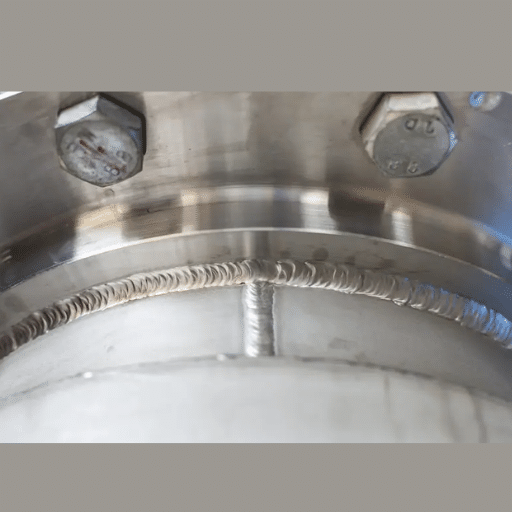
The subsequent section delivers five standard mistakes together with their respective remedies which employees can utilize to correct those mistakes.
❌ Incorrect Heat Input
Welding work applies excessive heat which results in material warping and distortion that destroys corrosion resistance through microstructural changes in the material. Stainless steel requires proper heat settings together with necessary cooling durations between welding passes to achieve optimal temperature control. All tools and work surfaces which contact carbon steel materials must be treated as contaminated items because they will create conditions that lead to rust and discoloration. Welding requires complete material cleaning before use while stainless steel dedicated tools and work surfaces need to be maintained for exclusive use.
❌ Improper Shielding Gas Usage
Welds become substandard because insufficient shielding gas coverage permits oxidation which leads to weld discoloration. The gas delivery system requires testing to find leaks or blockages while shielding gas needs to flow continuously at an argon or argon-based mixture rate.
❌ Poor Joint Preparation
Welders who fail to clean joints before starting work create conditions that result in welding defects which include lack of fusion and porosity. The cleaning process requires complete removal of all debris and grease together with oxide layers while the edges need proper beveling for maximum weld penetration.
Welding processes require proper distortion control methods because stainless steel base material leads to thermal distortion during welding which affects both fitting and finishing work. The welding process needs to secure components with clamping tools while backstepping and skip welding techniques create better heat distribution throughout the welded area. Welders achieve successful solutions to common errors through active troubleshooting which results in durable and high quality stainless steel welds that maintain their visual appeal.
Identifying Welding Issues: Warping and Weld Decay
Two major issues exist within stainless steel welding operations because they produce critical damages which impact both the joint strength and aesthetic appearance of welded connections. Their comprehension requires knowledge about their origins and the development of successful methods to manage their effects which leads to better operational outcomes.
Warping
The process of welding creates metal distortion because it produces different temperature levels which result in various heating and cooling rates for the metal. The thermal conductivity of stainless steel creates this issue because the material fails to distribute heat throughout its structure which results in different parts of the material expanding and contracting. The latest research shows that even small temperature differences between environments lead to substantial deformations in stainless steel components with thin sections.
The following elements create warping problems:
- The clamping system and fixturing system fail to support components which forces them to become unsecured.
- Welders produce excessive heat during operations because they extend their working hours beyond acceptable limits.
- Welding processes establish points of heat concentration through their application of sequential patterns that maintain hot materials in place.
Mitigation Techniques:
- The welding process needs stable parts that require strong clamping devices for secure attachment.
- The excessive heat needs to be contained through the use of heat sinks or sacrificial elements.
- The welding process should use backstepping and staggered welding techniques to improve its heat distribution efficiency.
- The process needs to decrease arc time while lowering current values through welding parameter optimization to achieve optimal heat management.
Weld Decay
Intergranular corrosion which people call weld decay occurs when extended high-temperature exposure between 800°F and 1,500°F induces chromium carbide formation at stainless steel grain boundaries. The reaction process leads to chromium being extracted from the metal which results in two extreme outcomes through metal at this point which leads to both corrosion protection and structural integrity defects.
Data and Implications:
The research shows that weld decay causes a 60% decrease in corrosion resistance which particularly affects areas with high humidity and chemical exposures. Thin-walled stainless steel components are more susceptible to this phenomenon due to their increased surface-area-to-volume ratio.
Prevention Methods:
- The use of low-carbon or stabilized stainless steel alloys which include 304L or 316L must occur because these materials restrict carbide creation.
- The procedure needs to begin with immediate quenching of welded components to avoid keeping them at critical temperatures for too long.
- The procedure of post-weld heat treatment needs to be applied at necessary points to restore chromium in depleted regions.
Advanced welding techniques enable professionals to comprehend warping and weld decay which allows them to enhance both the durability and performance of stainless steel welds. Organizations need to track their performance while updating their systems according to current research and industry standards to achieve better results.
Preventive Measures for High-Quality Welds
The process of producing high-quality welds during stainless steel applications requires companies to implement a proactive system that requires them to conduct detailed preparations which include using advanced welding techniques and following established welding standards. The protective measures mentioned below create comprehensive solutions which depend on scientific research results and established industrial methods.
✓ Material Selection and Preparation
The correct stainless steel grade needs to be selected for the particular application which will be used. The material must remain uncontaminated from grease and oil and dirt because these substances will lead to porosity defects which create weak welds. The studies demonstrate that 70% of weld defects occur because welders fail to prepare materials properly which confirms its critical role in the welding process.
✓ Control of Heat Input
Excessive heat production during welding operations leads to two problems which include warping and thermal fatigue of materials and weld decay. Welders can prevent overheating through proper equipment operation which includes using low amperage and maintaining correct travel speed. The interpass temperatures need to be maintained below 150°F (65°C) because this practice decreases defect occurrence in specific stainless steel grades.
✓ Shielding Gas Optimization
The appropriate shielding gas selection acts as an oxidation prevention method. The industry standard for stainless steel welding requires a gas mixture which consists of argon and a controlled amount of carbon dioxide or helium. The study showed that a shielding gas with less than 5% CO2 protects the chromium oxide layer which prevents corrosion problems.
✓ Preventing Weld Contamination
The use of dedicated stainless steel tools and brushes prevents cross-contamination from materials like carbon steel according to established industry standards. The presence of even minimal contamination will weaken the welds which results in early structural breakdown. The current industry standards need color-coded tools to make this task easier for workers.
✓ Post-Weld Cleaning and Passivation
Welders must eliminate heat tint through pickling and electrochemical cleaning and passivation to return the protective chromium oxide layer. The latest guidelines require more attention toward post-weld surface treatments because these processes create permanent resistance against corrosion.
✓ Advanced Techniques and Automation
The combination of advanced welding techniques which include laser welding and TIG (Tungsten Inert Gas) and robotic welding systems creates more accurate and consistent welding results. Automation achieves 80% error reduction according to recent statistics while also providing consistent outcomes throughout all production methods.
✓ Inspection and Testing
Ultrasonic testing and radiography and dye penetrant inspection serve as regular non-destructive testing (NDT) techniques which detect defects during the initial stages of testing. Phased array ultrasonic testing (PAUT) has become a preferred technology because it provides fast and precise defect detection capabilities.
✓ Training and Certification
The welding operation needs a skilled workforce to maintain its quality. The welding industry demands certification for welders because continuous education is necessary to learn about new welding technologies and techniques.
The implementation of these advanced preventive strategies will enable manufacturers and professionals to achieve superior weld integrity while they reduce material failure risks and extend the operational lifetime of their stainless steel structures.
References
- • Nickel Institute: Welding of Stainless Steels and Other Joining Methods – This document provides detailed insights into stainless steel welding processes and best practices.
- • Specialty Steel Industry of North America (SSINA): Welding of Stainless Steels and Other Joining Methods – A comprehensive guide on welding processes for stainless steels, including technical details and procedures.
- • Hobart Brothers Technical Guide: Stainless Steel Technical Guide – This guide offers technical information on stainless steel properties and welding techniques.
Frequently Asked Questions (FAQ)
❓ What stainless steel welding methods are commonly used for austenitic stainless steel?
The primary methods used to weld austenitic stainless steel are TIG welding and MIG welding. The TIG welding process enables welders to control the weld puddle with high accuracy which they need to create high-quality stainless steel joints on thin materials. MIG welding enables faster production of welded joints on thick materials through its combination of stainless steel welding wire and flux-cored arc welding. The selection process needs to assess the joint design together with the available welding equipment and the 316 filler metal and specified weld quality and penetration requirements.
❓ How does tig welding compare to mig welding for weld on stainless steel?
TIG welding provides a stable arc, excellent control of heat input, and a smooth weld bead which makes it perfect for critical welds and thin stainless sheets; it typically uses argon gas or argon/helium mixes for shielding. MIG welding increases production efficiency through its use of stainless steel wire and flux-cored wire while enabling operation with carbon dioxide blends which affect weld appearance and penetration on stainless. The two methods need correct welding parameters and travel speed and gas flow to achieve good weld results while preventing problems such as excessive chromium oxide formation and reduced corrosion resistance.
❓ Which filler and filler metal should be used when welding of stainless steel 316?
The 316L filler metal serves as the appropriate filler for welding stainless steel 316 because it maintains corrosion resistance while stopping sensitization. The filler material must match the base alloy composition to maintain stainless steel service resistance. Some situations need an alternative alloy to improve weldability because changing filler needs control of joint design and welding parameters plus cooling process.
❓ What welding method for welding stainless steel is best for thin material and delicate pieces of stainless steel?
TIG welding serves as the preferred welding method for thin stainless steel materials and delicate stainless steel components because it enables precise control over heat and delivers smooth weld pools with minor distortion. The process avoids both burn-through and excessive warping through its combination of low heat input and proper electrode size and backing material and controlled cooling. Welders can use pulsed TIG to manage both the weld puddle and depth of penetration when they work with thin sheets or austenitic stainless steel.
❓ Can spot welding or resistance welding be used for weld on stainless steel sheets?
Spot welding serves as a common method to join stainless sheets through its use of resistance welding for automotive and appliance manufacturing. Resistance welding needs proper electrode material and cooling together with correct weld joint fit-up and control of welding variables which include current and dwell time to produce consistent weld nuggets while preventing excessive heat-affected zones. The method works well for production work but it cannot effectively handle thick sections and pressure vessel components which need fusion welding methods.
❓ What precautions are necessary when welding stainless steel to carbon steel or mild steel?
Welding stainless steel to carbon steel requires two methods which involve choosing suitable filler material that matches both metals or using an appropriate transition piece. The weld’s reverse side suffers from decreased corrosion protection because variations in carbon content lead to carbide precipitation. The process needs multiple steps which include conducting thorough cleaning, choosing the right electrode, selecting suitable filler material, managing welding settings, and carrying out post-weld treatments which involve pickling and passivation to restore chromium oxide for corrosion protection.
❓ How do welding parameters like flow rate, travel speed, and heat input affect weld penetration and weld quality?
Welding parameters determine how deeply welds penetrate materials and how weld beads form shapes and how well the final weld performs. Shielding gas flow rate increases when gas flow reaches higher levels which helps stabilize the arc while protecting the weld pool and penetration control and heat-affected zone size control depend on travel speed and current. The excessive heat results in excessive penetration and distortion while insufficient heat leads to defective fusion. The achievement of a smooth weld and acceptable weld bead requires optimal welding variable settings and correct electrode and filler material and joint design selection.
❓ What role does cleaning and surface preparation play in arc welding stainless steel?
Cleaning and surface preparation serve vital functions because arc welding stainless steel requires contamination removal to prevent defects that include porosity and reduced corrosion resistance. A dedicated stainless steel wire brush dedicated to stainless alloys must be used to remove chromium oxide from the weld area and achieve proper fit-up. Proper preparation reduces the risk of weld defects and helps maintain the resistance of stainless steel after welding.
❓ Are there special welding techniques used for martensitic or ferritic stainless steel compared to austenitic stainless steel?
The different physical properties of martensitic and ferritic stainless steels require specific welding methods which differ from the methods used for austenitic stainless steel. Martensitic grades need filler material selection that matches their mechanical properties, while preheat and post-weld tempering processes, because they are prone to cracking. Ferritic stainless steels require heat input control and rapid cooling because their ductility is low and their heat-affected zone expands. Proper welding practices need to be used on austenitic stainless steel to prevent sensitization and maintain its corrosion protection.