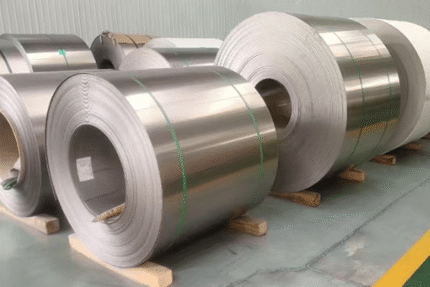
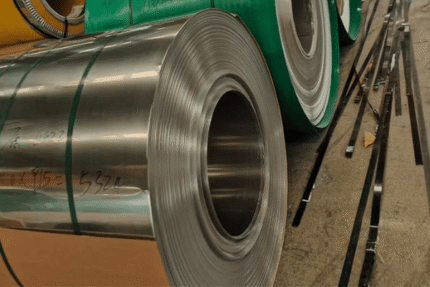
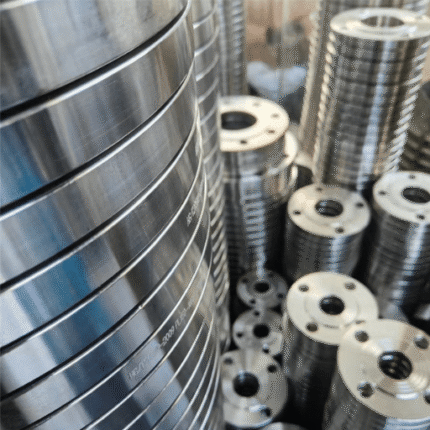
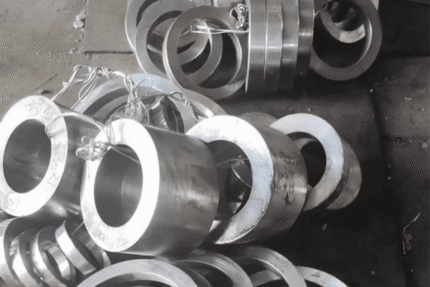
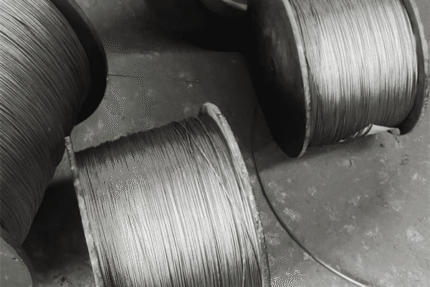
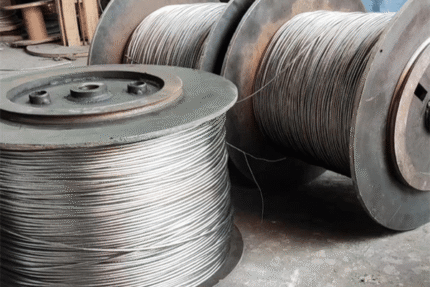
High Standard Stainless Steel With Strict Inspection


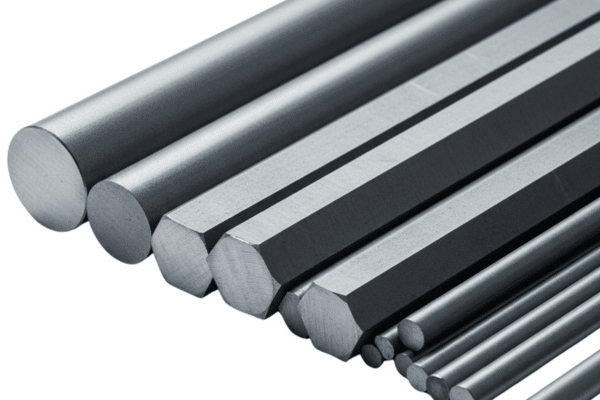
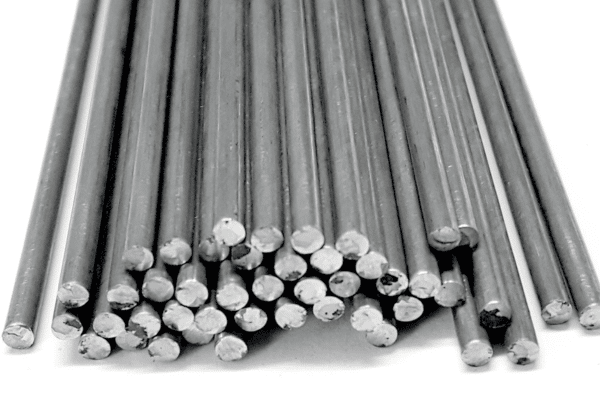
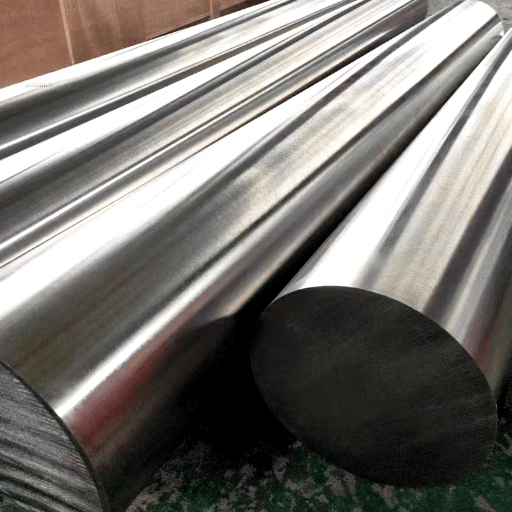
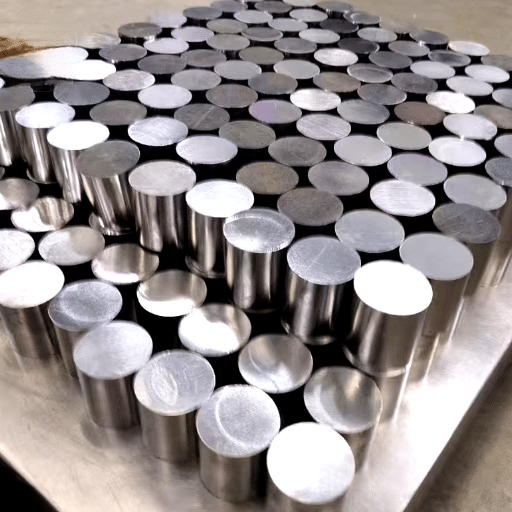
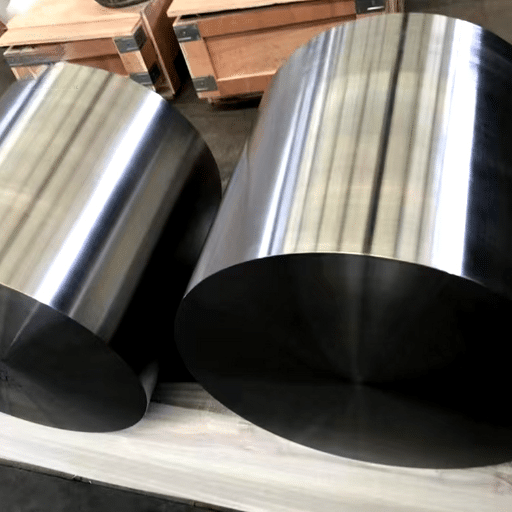
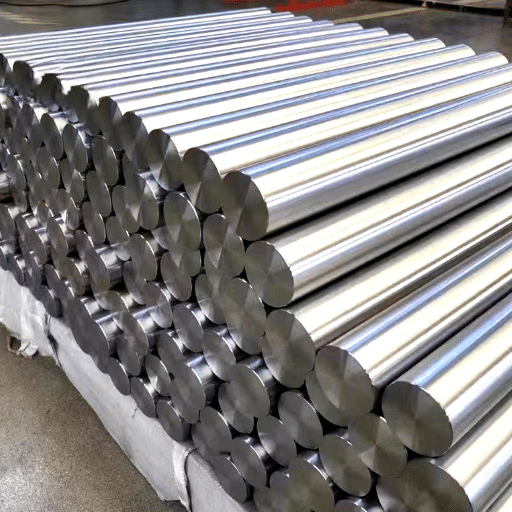
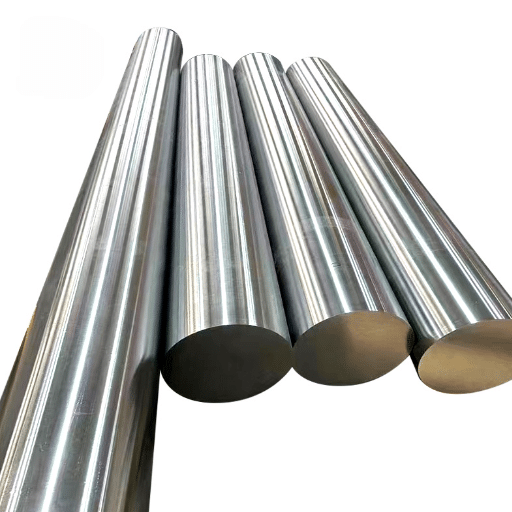

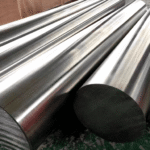
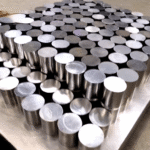
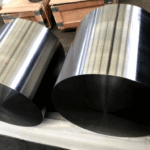
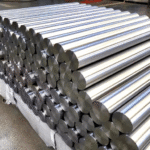
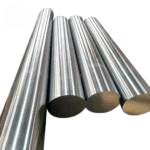

Carbon Steel Bars/Rods
Mild Steel: The Advantage of Flexibility and Weldability Mild steel, characterized by its very low carbon content (typically 0.05% to 0.25%), is prized for its exceptional ductility and weldability. This composition makes this type of steel bar extremely easy to form, bend, and weld without requiring special procedures, making it a highly forgiving material for […]
Description


What are Carbon Steel Bars/Rods?
Carbon Steel Bars/Rods are fundamental components in numerous industries due to their excellent machinability and strength-to-weight ratio. They are typically manufactured in different carbon ranges, from low carbon to high carbon steel, and can be either hot rolled or cold finished. These bars feature precise diameters and dimensions, ensuring consistent performance in specialized applications.
Popular Carbon Steel Bar Grades Explained
Your reliable source for high-quality low, medium, and high-carbon steel bars and rods, available in a full range of sizes and specifications for construction, manufacturing, and fabrication.
A36 Mild Steel
Carbon Content: ~0.25%
Tensile Strength: 58,000-80,000 PSI
Yield Strength: 36,000 PSI
Most economical option
Excellent weldability
General construction use
Easy to form and machine
1018 Carbon Steel
Carbon Content: 0.18%
Tensile Strength: 64,000 PSI
Yield Strength: 54,000 PSI
Superior machinability
Good case hardening properties
Ideal for shafting
Cold drawn available
1045 Medium Carbon
Carbon Content: 0.45%
Tensile Strength: 90,000 PSI
Yield Strength: 77,000 PSI
Higher strength than 1018
Good heat treatment response
Industrial/machine applications
Fair welding characteristics
Data Table: Common Carbon Steel Bars/Rods
| Parameter | A36 (Hot Rolled) | 1018 (Cold Finished) | 1045 (Cold Finished) | 1144 (Stressproof®) |
|---|---|---|---|---|
| Primary Characteristics | Low-cost structural steel. Excellent for welding. | “General Purpose” mild steel. Excellent formability & machinability. | Medium-carbon steel. Higher strength, can be heat-treated. | High-manganese steel. High strength & machinability without heat treatment. |
| — | Mechanical Properties (Typical) | — | — | — |
| Yield Strength | 250 MPa (36 ksi) | 370 MPa (54 ksi) | 530 MPa (77 ksi) | 690 MPa (100 ksi) |
| Tensile Strength | 400-550 MPa (58-80 ksi) | 440 MPa (64 ksi) | 625 MPa (91 ksi) | 760 MPa (110 ksi) |
| Hardness (Brinell) | ~130 HBW | ~126 HBW | ~179 HBW | ~220 HBW |
| Elongation (Ductility) | ~20% | ~15% | ~12% | ~10% |
| — | Chemical & Fabrication Properties | — | — | — |
| Carbon Content (%C) | ~0.26% | 0.15 – 0.20% | 0.42 – 0.50% | 0.40 – 0.48% |
| Weldability | Excellent | Very Good | Fair (requires preheat) | Poor (not recommended) |
| Machinability | Fair | Very Good | Good | Excellent |
| Key Applications | Structural frames, base plates, general fabrication. | Shafts, spindles, pins, general-purpose machine parts. | Gears, axles, studs, high-strength machine parts. | High-strength shafts, lead screws, components needing no heat treat. |
Understanding the Difference: Mild Steel Bars vs. Carbon Steel Bar
Our inventory includes a wide range of carbon steel bar diameters to accommodate various industrial needs.

Mild Steel: The Advantage of Flexibility and Weldability
Mild steel, characterized by its very low carbon content (typically 0.05% to 0.25%), is prized for its exceptional ductility and weldability. This composition makes this type of steel bar extremely easy to form, bend, and weld without requiring special procedures, making it a highly forgiving material for fabrication. Its flexibility allows it to be shaped into a variety of profiles, from a simple round bar to complex structural pieces, making it the go-to choice for general-purpose applications where ease of manufacturing is a primary concern.

Carbon Steel: Engineered for Higher Strength and Hardness
In contrast, a standard carbon steel bar contains a higher percentage of carbon (ranging from about 0.30% up to 2.1%). This increased carbon content is the key to its superior strength, hardness, and wear resistance. While this makes the material less ductile and more challenging to weld than mild steel, its ability to withstand significant mechanical stress and resist deformation is its defining feature. This inherent toughness makes a carbon steel bar the superior choice for components that must endure heavy loads and harsh operating conditions.

Application Suitability: Matching the Steel to the Job
The choice between these two materials ultimately comes down to the application’s demands. A mild steel bar is perfectly suited for general construction, light structural frames, decorative railings, and other applications where high tensile strength is not the primary requirement. Conversely, a carbon steel bar is the essential choice for more demanding industrial uses. This includes manufacturing machinery parts, automotive components, gears, axles, and tools where strength, hardness, and durability are critical for safety and performance.

Durability and Long-Term Performance
When it comes to long-term durability under stress, the carbon steel bar offers a clear advantage. Its greater hardness provides superior resistance to abrasion, scratches, and indentation, ensuring that components maintain their precise dimensions and structural integrity for a longer service life. While a mild steel round bar is tough and resists fracture, its softer nature makes it more susceptible to surface wear and damage over time. For any project where longevity and resistance to wear are paramount, carbon steel is the more durable and reliable option.
Benefits of Using Carbon Steel Bars/Rods
Choosing carbon steel products like round bars offers numerous benefits, including enhanced strength, durability, and resistance to wear and tear.
Excellent Strength and Durability
Provides robust structural integrity for demanding applications.
Versatility
Available in multiple grades to suit a wide spectrum of performance needs, from simple structures to high-wear components.

Superior Machinability and Weldability
Easy to cut, drill, and weld, allowing for efficient and cost-effective fabrication.
Cost-Effective
An economical choice that delivers reliable performance without compromising on quality.
Applications of Carbon Steel Bars/Rods
Construction
The primary material for structural frameworks, rebar, and infrastructure projects.
Manufacturing
Used to create machinery parts, automotive components, and industrial equipment.
Energy
Essential for building platforms, pipelines, and power transmission structures.
What Our Clients Say
“We’ve used their carbon steel rods for years, and the strength and finish always meet our exacting standards. I highly recommend them for any precision engineering application.”

Emily Chen
Head of Procurement
“The customer service team is responsive and knowledgeable, helping us choose the right steel grades for each project. Deliveries are always prompt and on schedule.”

Carlos Vega
Operations Manager

Why Choose Us for Your Carbon Steel Bars/Rods?
Unmatched Reliability: We have built a reputation as a trusted partner by consistently delivering only the best in carbon steel products. Rigorous inspection procedures and strict traceability on every order ensure you get the material quality you require for high-stakes projects.Customized Solutions: Every project is unique. We offer full-service customization, from precision length cutting and specialty finishes to technical consulting for challenging requirements. Our team is here to help you maximize value, efficiency, and performance.Technical Expertise: Our knowledgeable staff and in-house metallurgists are available to advise on alloy selection, fabrication challenges, heat treating, and standards compliance. We help you ensure your material meets all engineering, safety, and regulatory requirements.Sustainability Commitment: We are dedicated to responsible sourcing and environmentally conscious processing. Ask us about our recycled content, low-emission mills, and waste reduction initiatives.Competitive Pricing: We combine strategic sourcing and efficient processing to offer excellent value—without compromising on quality. Volume discounts, contract pricing, and no-obligation quotes are available to support your business goals.
Our Latest Blogs

Alloy 625 Severe Sour Gas Service: Complete Guide
Alloy 625 is the default nickel-based alloy for severe sour gas service, qualified under NACE MR0175/ISO 15156 for all H2S…

Super 13Cr Stainless Steel: CO2 & Sour Service Guide
Super 13Cr stainless steel is a low-carbon, nickel- and molybdenum-strengthened martensitic grade (UNS S41425, S41426, S41427) built to outlast conventional…

Inconel 718 vs 725 vs 925: The Complete Selection Guide
Inconel 718, 725, and 925 are all age-hardenable nickel alloys, but each is built for a different job. Choose Inconel…

Duplex Stainless Steel Sour Service: 2205 vs 2507 Limits
Yes, duplex stainless steel sour service is practical and proven, but only within defined NACE MR0175/ISO 15156 limits. Standard duplex…

What Is Sour Service? H2S Environments Explained
Sour service is oil and gas equipment exposure to hydrogen sulfide (H2S) that can crack steel and other alloys. Under…

Sulfide Stress Cracking: Hardness Limits & Prevention
Sulfide stress cracking (SSC) is a form of hydrogen embrittlement that occurs when high-hardness steel under tensile stress is exposed…

NACE MR0175/ISO 15156 Explained: Sour Service Guide
NACE MR0175/ISO 15156 is the international standard that governs metallic materials for oil and gas production environments containing hydrogen sulfide…

How to Select Corrosion-Resistant Alloys for Sour Service
To select a corrosion-resistant alloy for sour service, characterize the environment first, classify sour severity by H2S partial pressure, screen…
Frequently Asked Questions
What’s the difference between mild steel and carbon steel bars?
Mild steel (like A36 and 1018) is actually a type of low-carbon steel with approximately 0.05-0.25% carbon content. The term “carbon steel” is broader and includes low-carbon (mild), medium-carbon (like 1045), and high-carbon steels. Mild steel is the most affordable and easiest to work with, while higher carbon content steels offer greater strength but are harder to weld.
How do I choose the right diameter for my project?
Consider your application’s load requirements, space constraints, and machining needs. Larger diameters (2″+) are needed for heavy structural applications, while smaller diameters (1/4″ – 1″) work well for shafts, fasteners, and light-duty parts. Our engineering team can help you calculate the minimum diameter needed based on your load specifications.
What’s the difference between hot rolled and cold rolled bars?
Hot Rolled: Processed at high temperatures, resulting in a rougher surface finish with slight scale. More cost-effective and suitable for applications where surface finish isn’t critical. Cold Rolled/Drawn: Processed at room temperature, producing a smoother finish with tighter dimensional tolerances (±0.002″). Better for precision applications and improved machinability.
Can carbon steel bars be heat treated?
Yes! Medium and high-carbon grades (1045, 1144) respond well to heat treatment. Processes like hardening, tempering, and annealing can significantly improve hardness, strength, and wear resistance. Low-carbon steels (A36, 1018) are typically case-hardened or carburized for surface hardening while maintaining a tough core.
What standard lengths are available?
Standard lengths are typically 20 feet (240 inches) for hot rolled bars and 12 feet for cold finished bars. We offer custom cutting services to your exact specifications with tolerance of +2mm/-0mm. Longer lengths up to 40 feet may be available for certain diameters upon special request.
How do I calculate the weight of carbon steel bars?
Use this formula: Weight (lb) = 0.2247 × Diameter² × Length (inches). For metric: Weight (kg) = 0.00617 × Diameter² (mm) × Length (m). Our website also has a weight calculator tool for quick estimates based on your exact dimensions.
Do you provide material test reports?
Yes, absolutely! We provide free Material Test Reports (MTR) with every order, certifying chemical composition and mechanical properties. Third-party test certificates are also available upon request for critical applications requiring additional verification.
What’s your minimum order quantity?
No minimum order! We serve everyone from DIY hobbyists needing a single cut piece to large industrial buyers requiring multiple truckloads. Volume pricing available for orders over 1,000 lbs.
Shipping and Delivery