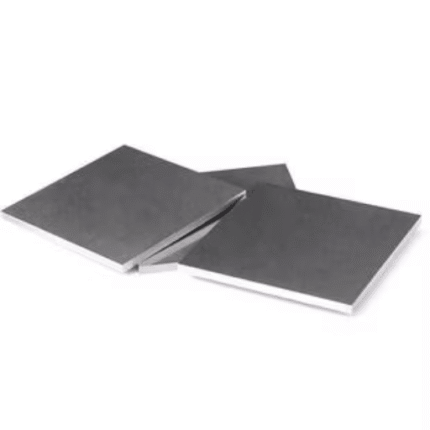
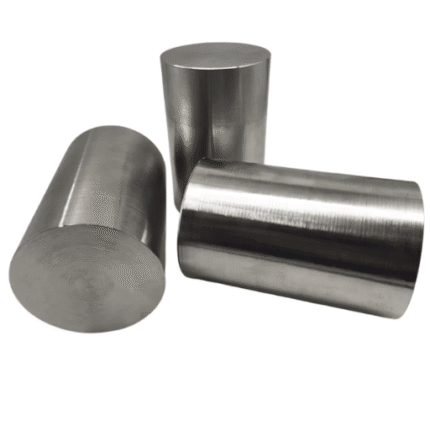
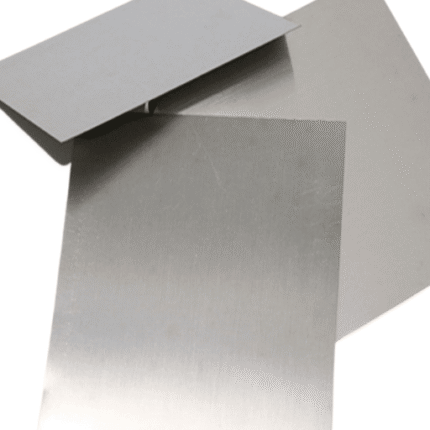
High Standard Stainless Steel With Strict Inspection



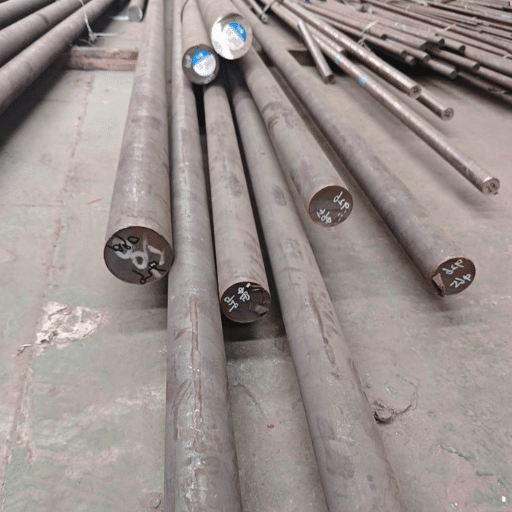
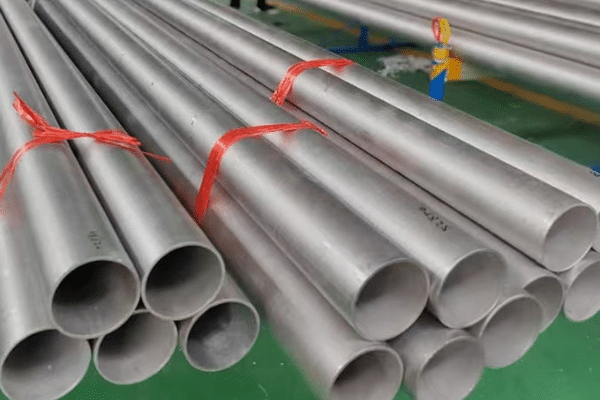




MP159 Cobalt Alloy
Complete Technical Data Sheet for MP159 Cobalt Alloy Chemical Composition Mechanical Properties Physical Properties International Standards & Grade Equivalents Key Applications of MP159 Cobalt Alloy Biomedical Implants Ideal for orthopedic and cardiovascular devices, including high-stress prosthetic components and lead wires, where strength and biocompatibility are paramount. Aerospace Used for high-performance fasteners, jet engine components, landing […]
Description

Grade GH5188 Cobalt Alloy Specifications

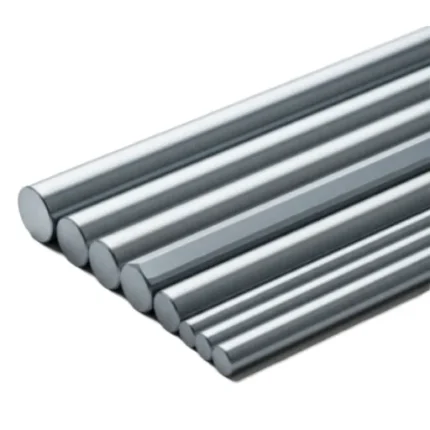
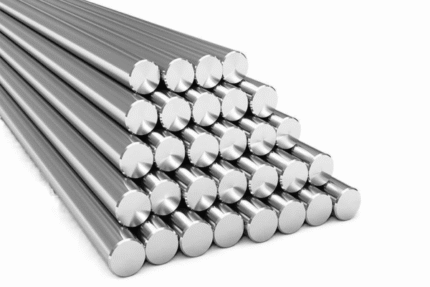
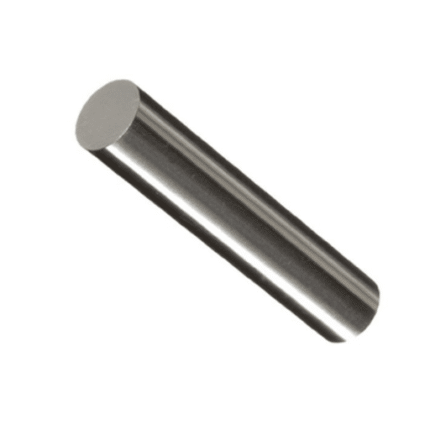
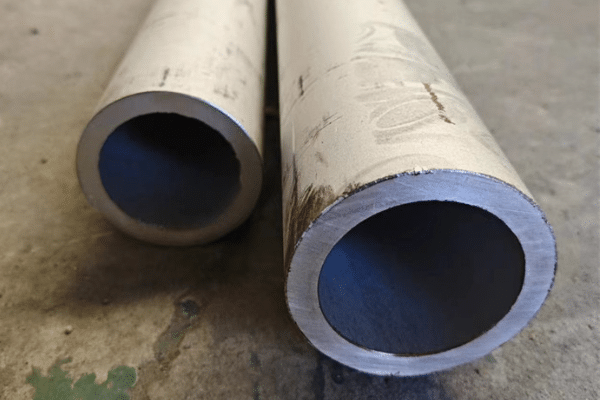
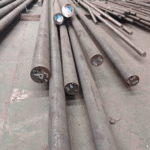
MP159 Cobalt Alloy Bars
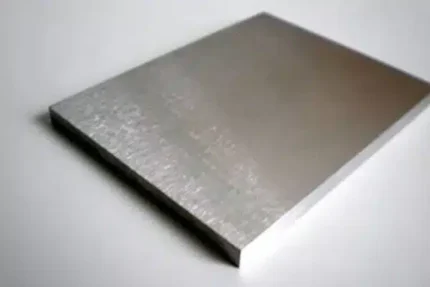
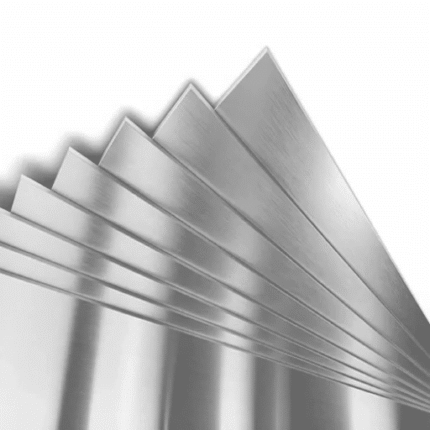
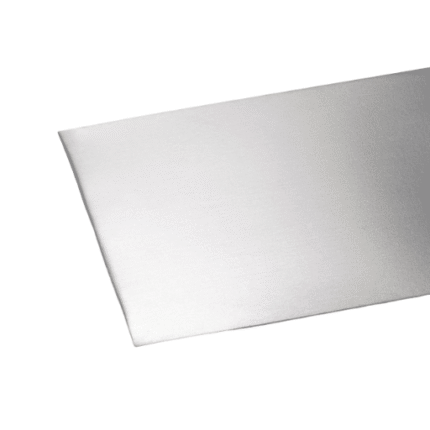
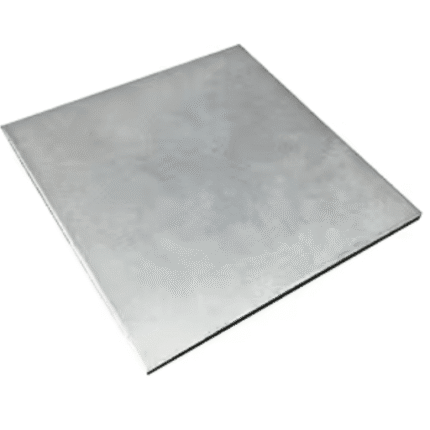
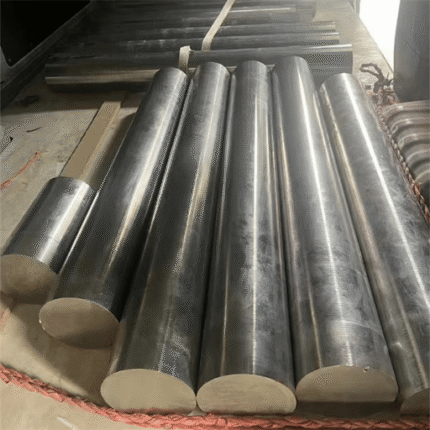
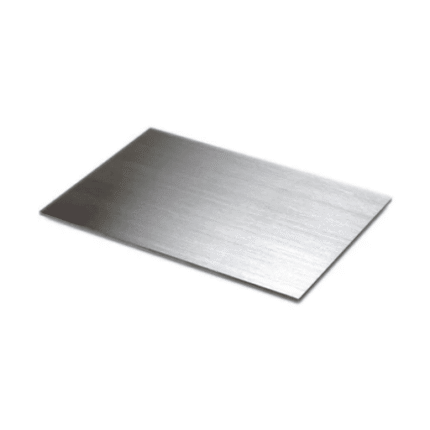
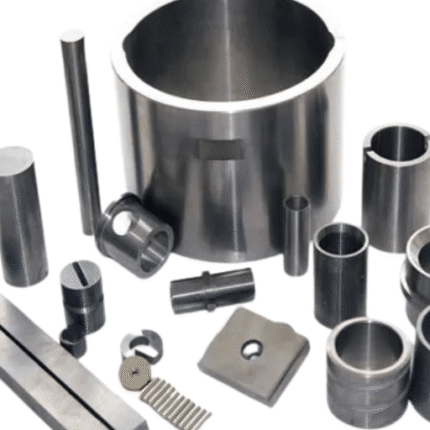
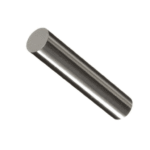
Our MP159 alloy bars serve as a premium machining stock for creating components that demand ultra-high strength, excellent ductility, and superior corrosion resistance. Delivered in various profiles, including round, flat, and square, this material provides a consistent and reliable foundation for manufacturing high-performance fasteners, shafts, pins, and critical medical components where precision and material integrity are paramount.

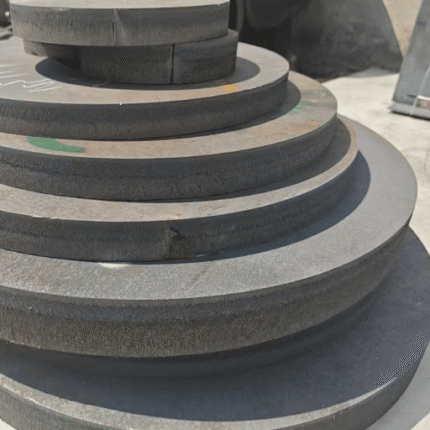
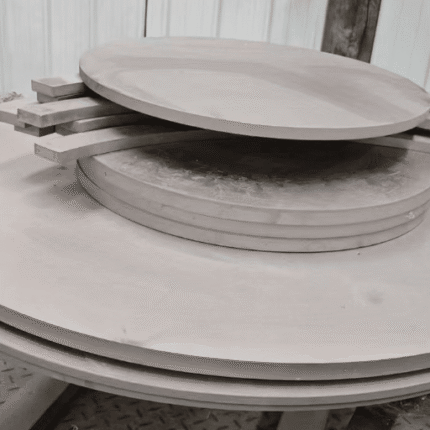
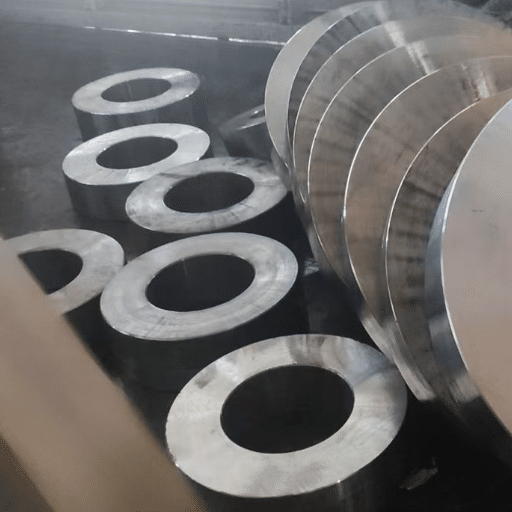
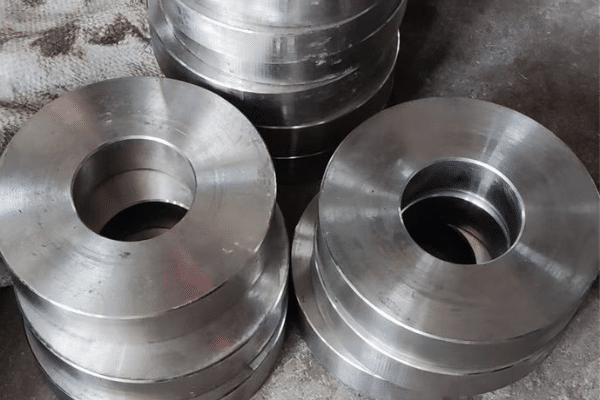
MP159 Cobalt Alloy Forgings
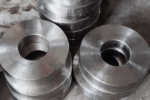
MP159 alloy forgings are the ultimate choice for medical-grade cobalt where failure is not an option. The forging process refines the alloy’s grain structure, aligning it with the component’s shape to deliver unparalleled fatigue strength and fracture toughness. This makes them the definitive solution for high-performance engine parts and other load-bearing applications that require maximum reliability under extreme stress.
Complete Technical Data Sheet for MP159 Cobalt Alloy
| Element | Composition (%) |
|---|---|
| Cobalt | 34.0 – 38.0 |
| Nickel | 24.5 – 27.0 |
| Chromium | 18.0 – 20.0 |
| Molybdenum | 6.5 – 7.5 |
| Iron | ≤ 9.5 |
| Titanium | 2.7 – 3.3 |
| Niobium (Columbium) | 0.8 – 1.2 |
| Carbon | ≤ 0.02 |
| Manganese | ≤ 0.10 |
| Silicon | ≤ 0.10 |
| Property | Typical Minimum Values at Room Temperature |
|---|---|
| Tensile Strength | 1860 MPa (270 ksi) |
| Yield Strength (0.2% Offset) | 1790 MPa (260 ksi) |
| Elongation | 10% |
| Hardness (Rockwell C) | ≥ 50 HRC |
| Fatigue Strength (10⁷ cycles) | 760 MPa (110 ksi) |
| Property | Typical Value at 20°C (68°F) |
|---|---|
| Melting Range | 1370 – 1455 °C (2500 – 2650 °F) |
| Coefficient of Thermal Expansion | 12.6 µm/m·°C (from 20-100°C) |
| Density | 8.35 g/cm³ (0.302 lb/in³) |
| Modulus of Elasticity | 224 GPa (32,500 ksi) |
| Thermal Conductivity | 12.0 W/m·K |
| Standard | Equivalent Grade Designation |
|---|---|
| UNS | R30159 |
| AMS (Aerospace Material Spec) | 5841, 5842, 5843 |
| ASTM | F562 (for Surgical Implants) |
| NACE | MR0175 (for Oil & Gas) |
| SPS | M625 |
What are the Properties of MP159 alloy?

Tensile Strength and Durability
With an ultimate tensile strength reaching up to 1830 MPa, MP159 Alloy provides exceptional durability and reliability. Its resistance to work strengthening and aging ensures that it can withstand prolonged use without performance degradation. This makes it an indispensable material in industries requiring robust and long-lasting components.
Impact Resistance and Fatigue Strength
MP159 Cobalt Alloy displays remarkable impact resistance and fatigue strength, making it suitable for applications involving dynamic and cyclic loads. Its inherent toughness allows it to absorb shocks and vibrations, maintaining structural integrity in high-stress environments. This property is essential for applications such as jet engine components and rocket boosters.


High-Temperature Stability
Maintains both strength and ductility at elevated temperatures up to 1100–1200°F (593–649°C), exceeding the performance of many high-strength alloys. MP159’s biocompatibility is proven, making it a trusted material for critical implants, prosthetics, and surgical devices.
Comparison with Other Nickel-Based Alloys
Compared to other nickel-based alloys, MP159 stands out due to its superior combination of strength and ductility. Its excellent oxidation resistance and ability to resist hydrogen embrittlement make it a preferred choice over more traditional alloys. This distinction solidifies its status as a versatile and reliable material in various advanced technological applications.

Key Applications of MP159 Cobalt Alloy
Biomedical Implants
Ideal for orthopedic and cardiovascular devices, including high-stress prosthetic components and lead wires, where strength and biocompatibility are paramount.
Aerospace
Used for high-performance fasteners, jet engine components, landing gear, shafts, and structural parts that require exceptional strength and reliability.
Marine Engineering
Its resistance to crevice and saltwater corrosion makes it suitable for demanding marine hardware and subsea applications. Used for durable components in highly corrosive industrial environments.
What Our Clients Say
“For our flight-critical aerospace fasteners, MP159 is the only material we trust. Its combination of ultra-high strength and excellent fatigue resistance provides a level of performance and safety that is simply unmatched. The reliability of this alloy under extreme stress is absolutely essential.”

David Chen
Lead Aerospace Engineer
“We specify MP159 for our high-stress medical implants and surgical components. Its biocompatibility, incredible strength, and superior corrosion resistance are unparalleled in the industry. The material’s proven performance gives us total confidence in the long-term reliability of our devices.”

Dr. Alisha Vance
Senior Biomedical Engineer
Our Latest Blogs

Alloy 625 Severe Sour Gas Service: Complete Guide
Alloy 625 is the default nickel-based alloy for severe sour gas service, qualified under NACE MR0175/ISO 15156 for all H2S…

Super 13Cr Stainless Steel: CO2 & Sour Service Guide
Super 13Cr stainless steel is a low-carbon, nickel- and molybdenum-strengthened martensitic grade (UNS S41425, S41426, S41427) built to outlast conventional…

Inconel 718 vs 725 vs 925: The Complete Selection Guide
Inconel 718, 725, and 925 are all age-hardenable nickel alloys, but each is built for a different job. Choose Inconel…

Duplex Stainless Steel Sour Service: 2205 vs 2507 Limits
Yes, duplex stainless steel sour service is practical and proven, but only within defined NACE MR0175/ISO 15156 limits. Standard duplex…

What Is Sour Service? H2S Environments Explained
Sour service is oil and gas equipment exposure to hydrogen sulfide (H2S) that can crack steel and other alloys. Under…

Sulfide Stress Cracking: Hardness Limits & Prevention
Sulfide stress cracking (SSC) is a form of hydrogen embrittlement that occurs when high-hardness steel under tensile stress is exposed…

NACE MR0175/ISO 15156 Explained: Sour Service Guide
NACE MR0175/ISO 15156 is the international standard that governs metallic materials for oil and gas production environments containing hydrogen sulfide…

How to Select Corrosion-Resistant Alloys for Sour Service
To select a corrosion-resistant alloy for sour service, characterize the environment first, classify sour severity by H2S partial pressure, screen…
Frequently Asked Questions
What are the main advantages of using MP159 alloy?
The primary advantages of MP159 alloy are its remarkable mechanical properties. It delivers an extremely high tensile strength that is comparable to the strongest steels, while also maintaining superior ductility and fracture toughness. This unique combination, along with its outstanding resistance to corrosion, makes it a highly reliable material in extreme environments where other alloys would fail.
How strong is MP159 alloy?
After being fully cold-worked and age-hardened, MP159 alloy can achieve a typical ultimate tensile strength exceeding 270,000 psi (1860 MPa). This places it among the very strongest commercially available alloys, providing an incredible load-bearing capacity in a corrosion-resistant material.
What makes this alloy so resistant to corrosion?
The exceptional corrosion resistance of MP159 Cobalt Alloy comes from its carefully balanced chemistry. The high levels of cobalt, chromium, and molybdenum create a very stable and tenacious passive oxide layer on the surface. This layer protects the underlying metal from attack in a wide range of aggressive environments, including seawater, sour gas (H₂S), and various acids.
Is MP159 used for medical implants? Why?
Yes, it is a premier biomedical cobalt alloy and is often specified for surgical implants under standards like ASTM F562. Its combination of biocompatibility (it is non-toxic and well-tolerated by the body), immense strength, excellent fatigue life, and corrosion resistance in bodily fluids makes it an ideal material for long-lasting, reliable medical devices like hip and knee joints.
How is MP159 alloy strengthened?
The ultra-high strength of MP159 alloy is developed through a specific two-step process. First, the material is significantly strengthened through cold working (strain hardening). This is followed by a low-temperature aging heat treatment, which causes microscopic precipitates to form within the metal’s structure, further increasing its strength and hardness without causing distortion.
Is it difficult to machine MP159 cobalt?
Yes, like most superalloys with high strength, MP159 cobalt is considered challenging to machine. Its high strength and tendency to work-harden require rigid machine setups, sharp tooling, low cutting speeds, and proper cooling. However, it can be successfully machined by shops with experience in handling high-performance nickel and cobalt alloys.
How does MP159 differ from other cobalt alloys like MP35N?
While both are ultra-high-strength, multiphase alloys, MP159 was developed to achieve a higher strength level. The key difference is that MP35N achieves its strength primarily through cold work alone, whereas MP159 can be further strengthened by an additional aging heat treatment after cold working, allowing it to reach a higher final tensile strength.
Why is MP159 Cobalt Alloy so expensive?
The high cost of MP159 Cobalt Alloy is due to several factors. The primary raw materials, especially cobalt and nickel, are expensive. The manufacturing process requires specialized vacuum melting techniques (like VIM/VAR) to achieve the necessary purity and cleanliness. Finally, the alloy’s inherent strength and toughness make it more difficult and costly to process into finished forms like bars and wire.
Shipping and Delivery