


Blog
Duplex vs Austenitic: Understanding Duplex Stainless Steel and Its Differences

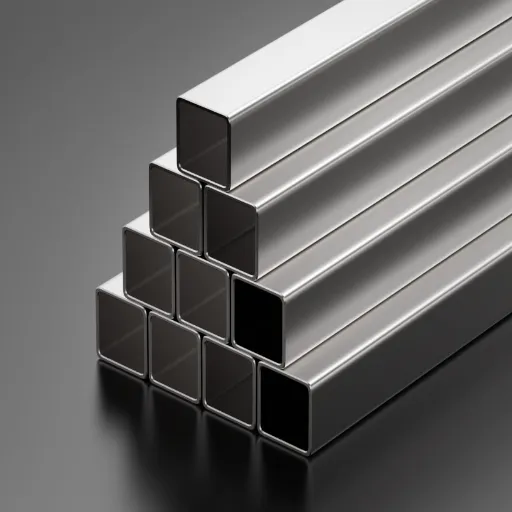
In the field of stainless steel, some grades simply are not created equal. Duplex and austenitic stainless steel remain some of the most widely used and versatile categories, each with its benefits and characteristics designed for a specific application. But how do the two types stand against each other? Whether you are an engineer, designer, or simply a materials scientist, knowing the difference between these types of stainless steel is a prerequisite to making the right decisions. Comparisons of the two will bring their properties, uses, pros, and cons to light so that you may evaluate what suits you best.
Introduction to Duplex and Austenitic Stainless Steel
What is Duplex Stainless Steel?
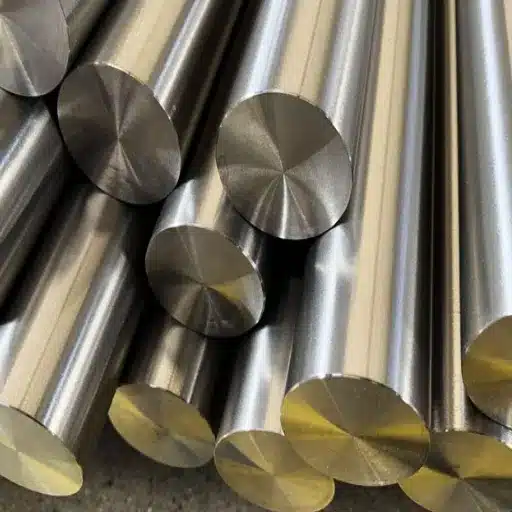
Duplex steel is a kind of stainless steel, wherein the microstructure consists of about equal proportions of both phases—austenite and ferrite. The casts of two-phase give it some properties such as the strength, corrosion resistance, and the ability to weld very well. Standard austenitic stainless steels would corrode in environments where these duplex steels find deployment. Hence these steels see enough usage in marine applications and chemical fields.
Key Benefits of Duplex Stainless Steel:
- Prevents stress corrosion cracking—a commonly reported fact in chlorinated environments
- Resists pitting corrosion and crevice corrosion
- Preferred in oil and gas, pulp and paper, and desalination industries
- Requires less material to achieve the required strength compared to other grades
- Very economical choice for certain applications
Duplex stainless steel performs adequately in a wide temperature range. Some of the limitations are less ductility as compared to austenitic stainless steels and that, at exceedingly low temperatures, toughness may drop. Nonetheless, the duplex stainless steel being a material of global use is considered versatile, as it offers that balance between strength and corrosion resistance.
What is Austenitic Stainless Steel?
The austenitic stainless steel is a stainless type and largely contains iron, chromium, and nickel, with a face-centred cubic crystalline structure. It is known chiefly for its corrosion resistance that comes from chromium content; in addition to that, nickel imparts toughness and ductility to the alloy. It is this chemical makeup that opens up large avenues for application of austenitic stainless steel all over, wherever an environment poses and extreme temperature or corrosive conditions to be therein subjected.
Distinguishing Features of Austenitic Stainless Steel:
- Nonmagnetic properties (though partial magnetism can develop through extensive cold working)
- Excellent weldability and ease of fabrication
- Material of choice for food processing, medical equipment, and chemical manufacturing
- Best compromise between strength, forming ability, and corrosion resistance
In spite of all its benefits, austenitic stainless steels do have their limits. Stress corrosion cracking tends to affect austenitic stainless steel more than other stainless steels, and it is also more expensive owing to the cost of nickel. But it is the best compromise between strength, forming ability, and corrosion resistance and will thus continue to see use in critical applications of various sectors.
Importance of Comparing Duplex and Austenitic Stainless Steel
Before selecting a stainless steel for any given application, it is advisable to make a comparison between duplex and austenitic stainless steel to ensure that the material in consideration meets the performance and cost requirements. Being quite distinct from each other, the two types present certain advantages along with a few limitations regular to each. It is, therefore, essential to carry out this evaluation to be able to recommend the one best suited to the intended application while considering the maximum efficiency at minimum cost.
An austenitic stainless steel enjoys the highest reputation among the users for corrosion resistance, weldability, and ability to form; industries such as food processing, chemical manufacturing, and medical devices use it extensively. However, it does not possess the strength comparable to that of duplex stainless steel and has a cost attached to it due to the higher percentage of nickel.
On the other hand, duplex stainless steel combines the best properties of austenitic and ferritic grades, giving greater strength and corrosion resistance, especially against stress corrosion cracking. Having less nickel and molybdenum also renders it cheaper in some applications. Comparing the characteristics of these two types of stainless steel allows the engineer or designer to make informed choices based on the performance needed and the funds available, which ensures that their projects will be reliable and successful in the long run.
Corrosion Resistance in Duplex and Austenitic Stainless Steel
General Corrosion Resistance
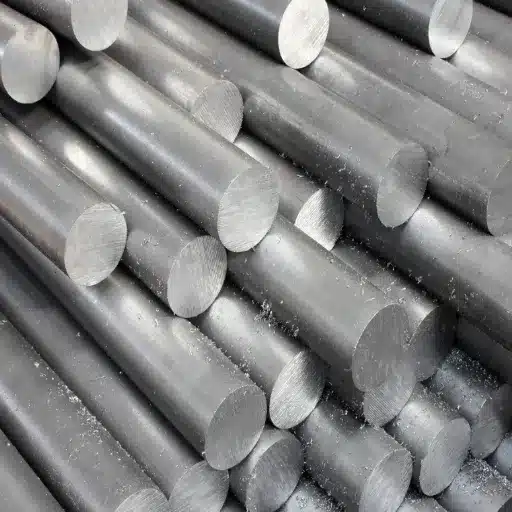
While both duplex and austenitic stainless steels exhibit strong corrosion resistance, their performance is, however, application- and environment-dependent. Given the macrophosphate and nitrogen contents in duplex stainless steels, these steels are good resistors to uniform corrosion in various acidic and chloride-containing environments. This also improves the resistance against local corrosion, such as pitting and crevice corrosion, thereby making the type suitable for the chemical processing, desalination, and offshore structural industry.
Conversely, in slightly less aggressive environments, austenitic stainless steels (especially 316L) show excellent performances. High amounts of nickel and molybdenum resist general corrosion and increase the lifespan of this steel in a relatively benign environment. Although it might not beat duplex grades in resisting chloride stress corrosion cracking, an austenitic stainless steel is still the choice when one is looking for a material that behaves well and predictably in sustained high-temperature operation.
💡 Important Consideration:
All types of stainless steel have their separate merits when chemical composition and working conditions are concerned. For example, duplex stainless steels such as grades UNS S32205 are favored in harsh environments due to a balance between strength, corrosion resistance, and cost considerations. On the other hand, austenitic steels, such as 304 and 316, are commonly used where formability and cleanliness are paramount, such as food processing or medical equipment.
Considering how corrosion behaviors differ between duplex and austenitic stainless steels ensures that the right material will be selected according to industrial needs, thus preserving the life and functionality of critical infrastructure and applications.
Resistance to Pitting and Crevice Corrosion
Pitting and crevice corrosion are localized corrosions occurring in specific environmental conditions in the presence of chlorides or other aggressive ions. Duplex stainless steels resist these corrosions much better than the old-style austenitic grades because of their greater resistance imparted by chromium, molybdenum, and nitrogen, all of which help retain a stable passive film on the surface.
Industrial acquisition of duplex and super duplex grades—whether of 2205 or 2507, specifically—in marine, desalination, and chemical processing fields—becks good resistance toward chloride corrosion. Conversely, austenitic grades like 316 resist corrosion with the help of molybdenum but succumb more readily to pitting and crevice corrosion in very aggressive environments.
Performance Benchmarks:
Pitting temperature and crevice corrosion temperature are critical benchmarks for quantifying resistance. Duplex stainless steels typically show greater pitting and crevice corrosion temperatures than austenitic grades and are, hence, more reliable in high chloride exposure situations.
Greater performance means a longer life for the material and a reduction in maintenance costs under demanding service conditions.
Galvanic Corrosion Between Stainless Steel Grades
Galvanic corrosion occurs when two dissimilar metals stand in electrical contact inside an environment that can conduct electricity, such as where moisture or salts exist in the atmosphere. This hosts corrosion accelerated beyond the normal rate, whereby traditionally accepted anodic or oxidizing metal deteriorates at an enhanced rate while the opposing cathodic or reducing metal remains relatively protected. Of stainless steel grades, determining incident risk of galvanic corrosion mainly depends on the alloy composition, proximity in the galvanic series, and environmental conditions.
When combining duplex and austenitic stainless steels in the same system, one must exercise considerable care in order to minimize the risk of galvanic corrosion. Usually, the duplex grades have high resistance because of their balanced microstructure; however, any bad match with a less-resistant alloy could result in localized corrosion. Let us say the potential problems may arise when lean duplex stainless steels are coupled with a traditional ferritic grade in marine atmospheres, if the design and coatings are not properly addressed.
Prevention Strategies:
- Use insulating components between dissimilar metals
- Reduce the conductive media between dissimilar grades
- Design systems so that stagnant zones never occur
- Conduct advanced electrochemical testing for optimization
Applications of Duplex and Austenitic Stainless Steel
Common Industries Utilizing Duplex Stainless Steel
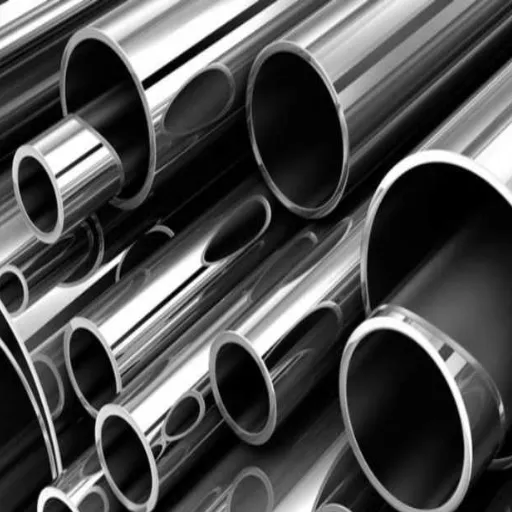
Duplex steel is highly regarded in industries because of its combination of strength, corrosion resistance, and strength. The chemical processing unit is one of the major industries, where it is on high demand due to its inability to resist pitting and stress corrosion cracking when in contact with aggressive chemicals and higher-pressure environments. Likewise, the oil and gas industry considers duplex stainless steel for offshore platforms, pipelines, and subsea equipment so that these structures stay for long in highly saline and corrosive environment.
Chemical Processing
High demand for resistance to pitting and stress corrosion cracking in aggressive chemical environments
Oil & Gas
Offshore platforms, pipelines, and subsea equipment in highly saline and corrosive environments
Marine Industry
Shipbuilding and desalination plants exposed to seawater and chloride-rich environments
Construction
Infrastructure such as bridges and architectural elements requiring high structural strength
Pulp & Paper
Enduring chemically intense processes involved in paper production
Applications of Austenitic Stainless Steel
Food and Beverage Industry
Austenitic stainless steel finds its widest application in food processing equipments, storage tanks, and piping. Good corrosion resistance coupled with easy cleaning makes it suitable for the storage of acidic food products such as citrus juices or anything tomato-based. For instance, grades 304 and 316 are used on the basis of their hygienic nature and durability properties.
Chemical Industry
In the chemical industry, austenitic stainless steel is used for reactors, heat exchangers, and process piping. Being resistant to chemical corrosion, it handles aggressive substances like sulfuric acid and nitric acid well. Grade 316L stainless steel has an additional molybdenum content, which helps it perform better in highly corrosive environments.
Pharmaceuticals and Medical Equipment
The pharmaceutical processing equipment and surgical instruments are made of austenitic stainless steel by virtue of its non-reactive and biocompatible nature. Grade 316L is usually the choice for implantation: for instance, medical devices, orthopedic screws, and plates.
Automotive and Transportation Industry
Austenitic stainless steel proprietary components such as exhaust systems, fuel tanks, and structural panels have been valued for lightweight yet sturdy functionality. Grades like 409 and 439 are chosen for their ability to resist high temperature and corrosive environments put on by frequent usages.
Architecture and Construction
Austenitic stainless steel features prominently in modern architectural applications, including cladding, roofing, and handrail systems. Being a mixture of beauty and weather resistance, it is fit for stand-out structures.
Super Duplex Stainless Steel
Characteristics of Super Duplex Stainless Steels
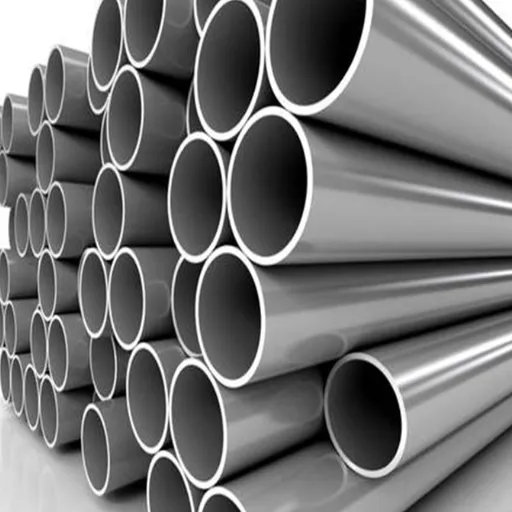
Super duplex stainless steels are highly advanced alloys that enjoy strong mechanical properties along with very high corrosion resistance, so they can ideally withstand harsh conditions. These steels are characterized by their dual-phase microstructure, which consists of approximately equal proportions of austenite and ferrite. This unique structure gives the properties of both phases, providing resistance against pitting, stress corrosion cracking, and crevice corrosion, especially in chloride environments as in marine and chemical processing industries.
Superior Properties:
- Enhanced Corrosion Resistance: High chromate, molybdate, and nitrogen content
- Increased Mechanical Strength: Allows thinner and lighter design without compromising structural integrity
- Temperature Resilience: Retains strength and corrosion resistance at higher temperatures
- Cost Efficiency: Lower maintenance costs and extended service life
Applications and Benefits of Super Duplex
Wrought into consumer goods, for their extraordinary mechanical properties and very high corrosion resistance, super duplex stainless steels find wide utilization in extremely demanding processes. Another prime application relates to the oil and gas industry: they are applied in subsea pipeline works, heat exchanger, and pressure vessel work. They must endure very high pressures and mechanical exposure to an aggressive environment such as seawater, and therefore they have to be considered for offshore drilling engineering and marine equipment specification.
Other processes where super-duplex steels are applied include the chemical processing industry. They are subject to harsh chemicals such as chlorides and acids and are hence used for reactors, storage tanks, and piping systems where they are in contact with corrosive media. Their resistance to pitting, however, underlines the usage for these conditions and also eliminates the risk of stress corrosion cracking, ensuring operational reliability in the long haul.
These super duplex steels are also being adopted in the construction sector for large-scale infrastructure projects, especially in bridge components and coastal constructions. Such materials increase safety and reduce future maintenance costs by their durability and resistance to fatigue.
Economic & Environmental Benefits:
With super duplex steels, designs can be made thinner without compromising the structure’s integrity, thereby lowering material costs. The extended service life and low maintenance also make these steels environmentally friendly.
Pairing super duplex steels with modern manufacturing processes, one arrives at an innovative solution catered to industries concerned with performance, cost-efficiency, and environmental consciousness.
Comparison with Standard Duplex and Austenitic Grades
Standard duplex grades have stronger and better corrosion resistance properties when compared with austenitic grades, but austenitic grades give better ductility and ease of fabrication.
Conclusion: Key Differences and Considerations
Summarizing the Differences Between Duplex and Austenitic Stainless Steel
It combines the properties of both austenitic and ferritic stainless steel with a balanced microstructure that confers higher strength and corrosion resistance. Unlike austenitics, which largely depend on nickel contents, duplex grades contain a higher percentage of chromium, nitrogen, and less nickel, thus making them cheap and greener alternatives into industries. Such a composition provides high pitting corrosion resistance particularly in chloride-containing environments while resisting stress corrosion cracking better than austenitics.
Mechanical Performance Comparison
From the standpoint of mechanics, duplex stainless steel can achieve almost twice the tensile strength and yield strength on comparison with an austenitic one, which helps manufacturers opt for thinner and lighter material without compromising on durability.
This, though, creates favor for austenitic stainless steels where extreme formability and weldability are required with complex designs or in high-temperature settings, since they are easier to shape and join without fear of cracking.
When considering life cycle costs, practically a duplex steel will outperform an austenitic grade because it is more durable yet demanding less maintenance in aggressive environments, like the marine or chemical processing industries. While fabrication may require on occasions, special care with duplex grades due to slightly less ductility than austenitic steels, in the longer run, those largescale economic and environmental benefits are assured.
⚖️ Selection Criteria:
In order to choose the best of the two types of steel, that is, duplex or austenitic, of stainless steel for a given application, one should look into the budget, environment, mechanical load, and ease of fabrication. Both types have their set of advantages, and the choice comes down to balancing these against the needs of the project.
Choosing the Right Steel for Specific Applications
Whenever I am trying to select the right sort of steel for a particular application, I always strive to gain full understanding of the project requirements. Given highly corrosive environments such as those found in marine environments or chemical processes, duplex stainless should be selected over any other type due to corrosion resistance and strength. Alternatively, an austenitic stainless steel can ensure what is necessitated by the application, which are extremely high temperatures or high weldability.
💰 Budget Considerations
Duplex stainless steel is generally a cheaper option by virtue of higher strength, as it allows for thinner sections and thus less weight of material. However, special methods may be required at the fabrication stage.
🔧 Fabrication Complexity
Austenitic grade is more expensive due to higher nickel content; on the other hand, it appears to be highly ductile and formable so that it can reduce costs in fabrication depending on the needs of the project.
Weighing up all the factors, I come to a decision for the final application, with these considerations including load requirements and durability over time. Every application is different, and balancing the properties of both materials with those of the project leads me to the best answer. Bearing these things in mind, I make the best concern for performance envelope with cost dictated at the other end.
Future Trends in Duplex and Austenitic Stainless Steel Usage
The future development and implementation technique changes towards sustainability outglancing stainless steel of duplex and austenitic. The prowess of duplex stainless steels for strength and corrosion resistance is well set to be employed more in the sectors of oil and gas exploration and renewable energy projects. Since greener technologies have been stated, being versatile is the key virtue in deciding to choose duplex for the construction of components for high-stress and extreme-demand environment.
Conversely, austenitic stainless steels are able to retain significance because they are considered highly formable and capable of resisting very high temperatures. The industries that continue sustaining research on this material are food processing, manufacture of medical equipment, and construction. Newer methods of recycling and variants of alloy composition are helping a lot in making these steels even more environmentally friendly and more efficient.
🚀 Emerging Applications:
- Hydrogen fuel infrastructure development
- Modular lightweight construction materials
- Smart manufacturing with AI integration
- Predictive maintenance systems
- Renewable energy project components
The two types of stainless steel are set to dominate growing trends such as the establishment of hydrogen fuel infrastructure and modular lightweight construction materials. Smart manufacturing processes that introduce AI and predictive maintenance into steel-making further establish these materials into the granite of modern industry. When duplex and austenitic stainless steels align with developing trends and strategic applications, they create the very fabric of the resilient and sustainable present that we are at the threshold of.
References
- University of Oregon – A Comparison of Stainless Steel Pipe Types
This document compares the properties and applications of austenitic, ferritic, martensitic, and duplex stainless steel pipes. - Harvard ADS – Comparative Machinability Aspects of Austenitic and Duplex Stainless Steels
This study examines the machinability challenges of austenitic and duplex stainless steels in the manufacturing industry. - UPC – Corrosion Evaluation of Austenitic and Duplex Stainless Steels
This research highlights the corrosion resistance differences between duplex and austenitic stainless steels. - Academia.edu – Welding of Austenitic and Duplex Stainless Steels
This overview discusses the welding processes, classifications, and applications of austenitic and duplex stainless steels. - Ohio State University – Welding of Hyper-Duplex Stainless Steels
This source explores the cost, alloy content, and processing challenges of duplex stainless steels compared to austenitic alloys. - Click here to read more.
Frequently Asked Questions (FAQ)
❓ What is the main difference between duplex and austenitic stainless steel?
In general, duplex and austenitic stainless steels differ in their microstructures. Duplex stainless steels maintain a balance between corrosion resistance and mechanical strength by combining austenitic and ferritic phases. Typical austenitic stainless steel grades have a fully austenitic grain structure, which offers very good corrosion resistance but might not provide as good strength properties as do duplex grades.
❓ What are the advantages of duplex stainless steel grades against austenitic grades?
This group of stainless steels has other benefits, such as increased chromium and decreased nickel content—the latter could decrease price. Duplex stainless steels have also a higher pitting resistance equivalent number (PREN) that makes them even more resistant to localized corrosion in comparison to austenitic stainless steels.
❓ Mechanical property-wise, how do duplex stainless steels compare to austenitic stainless steels?
Duplex stainless steels usually have higher strength compared to an austenitic stainless steel. This enhances the ability to produce thinner sections while maintaining strength; therefore, duplex alloys find suitable usage wherever weight and strength are of concern.
❓ For what applications are duplex stainless steel grades used?
Duplex stainless steel grades are used in environments that require great corrosion resistance, such as chemical processing, oil and gas industries, and marine applications. They are also good for use where good structural integrity is needed.
❓ Are duplex stainless steels usable in high temperature applications?
In a sense, it’s true to say that duplex stainless steels can sustain hot temperatures; however, their behavior depends on the grade considered. Super duplex grades are considered heat-resisting grades on an industrial basis, offering better mechanical properties and corrosion resistance at extreme temperatures compared to conventional austenitic stainless steel.
❓ What difference does the pitting resistance equivalent number (PREN) make in duplex versus austenitic?
The pitting resistance equivalent number (PREN) measures resistance to pitting corrosion. Usually, the pitting resistance equivalent number of duplex stainless steels is higher than that of austenitic grades; hence, they are preferred under aggressive environments where localized corrosion could be possible.
❓ What is the role of nickel in duplex and austenitic stainless steels?
Nickel is a really important element to be allied for imparting corrosion resistance and imparting toughness to austenitic stainless steels. At the same time, nickel levels tend to be low in duplexes enabling them to become cost-effective while still offering adequate mechanical properties and corrosion resistance.
❓ Are there any specific applications where austenitic stainless steels are preferred over duplex?
For the applications where high formability and weldability are required, the food industry, pharmaceutical manufacturing, and some architectural applications favor austenitic stainless steel. Because of its corrosion resistance, it can be used in several chemical processing environments.
❓ What consists of the lean duplex grades, and what sets them apart from standard duplex stainless steels?
Lean duplex grades are a subset of duplex stainless steels with lesser amounts of alloying elements. They particularly contain comparatively less amount of nickel. These grades are often referred to as cost-effective grades as they have good mechanical properties and corrosion resistance. Lean duplex grades find applications where the benefits of duplex stainless steels can be utilized without having to face the higher costs normally associated with the standard duplex grades.