


Blog
Martensitic Stainless Steel Applications

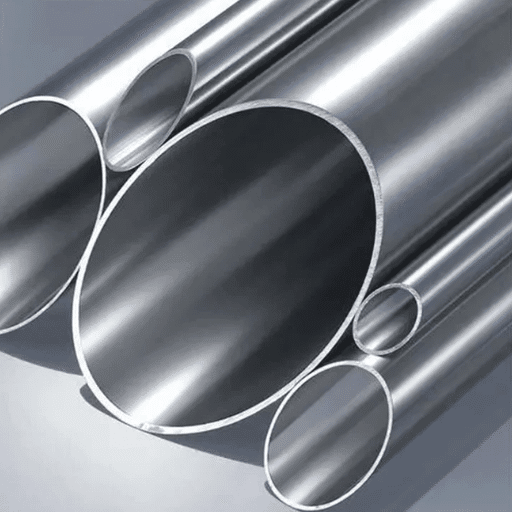
Martensitic stainless steel is a material that combines versatility and high performance, making it the first choice for industrial applications. Exceptional strength, wear resistance, and hardness are the main characteristics of this steel, which makes it superior to others in very harsh conditions. The use of aerospace and surgical instruments is just one example of its adaptability and durability, leading to the conclusion that it is an indispensable material across various industries. This paper will examine the multiple uses of martensitic stainless steel and its significance in modern engineering and manufacturing. Technical experts, engineers, and even those interested in advanced materials will find this extensive article a valuable source of information on why martensitic stainless steel remains the most reliable material for solving many technical problems.
Understanding Martensitic Stainless Steel
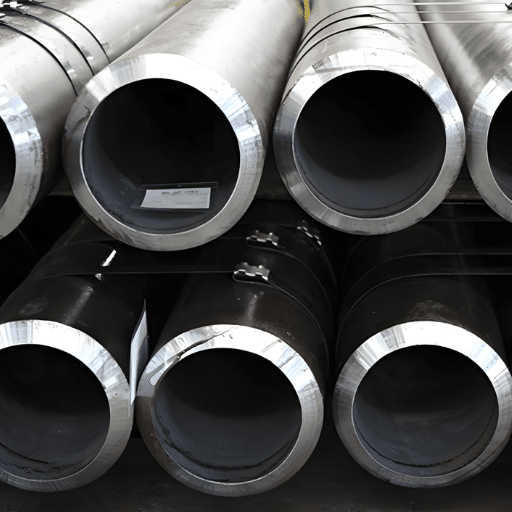
Martensitic stainless steel is characterized by high strength and hardness, together with moderate corrosion resistance. Its main composition includes iron, chromium, and carbon; the chromium provides corrosion resistance. Martensitic grades differ from other stainless steels in that they can be heat-treated, thereby achieving remarkable mechanical properties, making them appropriate for applications where durability and wear resistance are essential. Typical uses cover turbine blades, surgical tools, automotive parts, and cutlery. Its flexibility and performance make it a beneficial material in engineering and manufacturing.
What is Martensitic Stainless Steel?
Martensitic stainless steel is a category of stainless steel characterized by its exceptional strength, hardness, and corrosion resistance, achieved through a combination of heat treatment and its distinct crystalline structure.
Characteristics of Martensitic Stainless Steel
✓ High Strength and Hardness
Martensitic stainless steel is recognized for its remarkable resistance and hardness, which are enhanced by heat treatment. It is widely employed in heavy-duty applications that require good mechanical performance.
✓ Corrosion Resistance
This kind of stainless steel offers moderate to good corrosion resistance, especially in less humid or mildly chemical environments. Its resistance can be further improved through surface treatments or alloy modifications.
✓ Excellent Wear Resistance
Because of its high hardness, martensitic stainless steel exhibits extremely low wear and tear, making it suitable for making tools, knives, and parts that are constantly subjected to friction.
✓ Heat Treatability
The treatment of the metal to achieve its best characteristics was a key positive. This would include adjusting the hardness and tensile strength to meet the specific application requirements.
✓ Magnetic Properties
Martensitic stainless steel is magnetic due to its structure, which makes it worthwhile in fields where magnetism is an asset, such as some electrical and industrial equipment.
Properties of Martensitic Steel
| Property | Description | Value Range |
|---|---|---|
| Tensile Strength | Outstanding strength and hardness for heavy-duty applications | 700 – 1000+ MPa |
| Corrosion Resistance | Moderate resistance, enhanced by surface treatments | PREN: 10-14 |
| Hardness | High hardness through heat treatment | Up to 60 HRC |
| Chromium Content | Provides basic corrosion resistance | 11.5% – 18% |
| Magnetic Properties | Ferromagnetic due to BCC structure | Yes |
Applications of Martensitic Stainless Steel in Various Industries
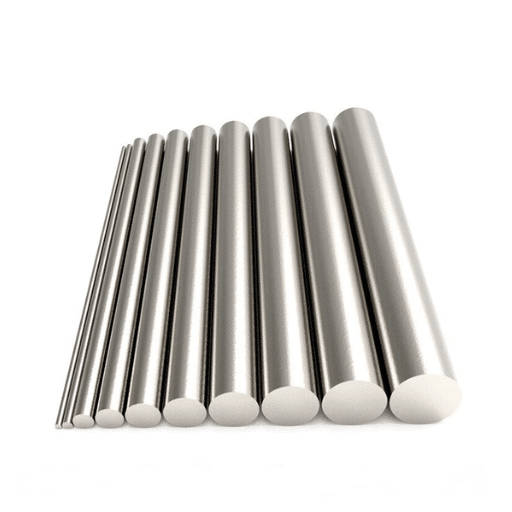
Martensitic stainless steel possesses the unparalleled properties of hardness, strength, and corrosion resistance that make it a material of choice in many industries.
🚀 Aerospace Industry
Extensively applied in aerospace engineering for turbine blades, landing gear parts, and fasteners. Its high strength and durability against extreme conditions make it the best material for safety and performance in critical applications.
⚕️ Medical Instruments
Instruments for surgery, dentistry, and orthopedic implants are often made from martensitic stainless steel. The material’s ability to resist wear and keep edges sharp makes it essential for medical applications.
🚗 Automotive Industry
Used in manufacturing engine valves, shafts, and gears that assure durability to bear high-stress and heat conditions. Its extraordinary wear resistance helps prolong the service life of automobile parts.
🛢️ Oil and Gas Sector
Commonly utilized for valves, pumps, and drill tools. Its non-reactivity to corrosive environments and ability to survive under extreme pressure and heat make it suitable for demanding applications.
🔪 Cutlery and Kitchen Tools
Gained prominence as the material for kitchen knives, scissors, and cutting tools thanks to its ability to retain a sharp edge. Surface hardening treatments can further improve cutting performance.
Applications in the Aerospace Industry
Martensitic stainless steel is among the most critical materials used in the aerospace sector, where the highest quality and reliability are demanded. Its extraordinary properties, such as hardness, strength, and corrosion resistance, make it suitable for a broad range of critical applications.
- Landing Gear Components
The main use of martensitic stainless steel is in the manufacturing of landing gear parts because of its high strength and ability to withstand the high impact forces during takeoff and landing.
- Aircraft Engine Parts
The steel’s ability to withstand high temperatures and its durability make it the right choice for turbine blades, compressor parts, and other engine components that must withstand extreme operating conditions.
- Fasteners
Bolts, screws, and washers used in the aerospace industry are commonly made of martensitic stainless steel due to its high tensile strength and good fatigue resistance, even under high stress and vibration.
- Structural Components
The entire aircraft skin and other structural elements depend on martensitic stainless steel for its ability to withstand pressure without distorting while providing a lightweight solution.
- Aerospace Tools
Martensitic stainless steel is used to make specialized tools for aircraft assembly and maintenance because of its toughness, edge retention, and resistance to wear.
These diverse applications of martensitic stainless steel highlight its importance in the aerospace sector and the necessity of ongoing advancements in processes and materials to meet the industry’s most challenging requirements for safety, durability, and performance.
Applications in the Medical Sector
Martensitic stainless steel is an essential material for the medical industry due to its notable qualities: strength, durability, and corrosion resistance. Its ease of high-precision machining and its ability to be sterilized make it suitable for medical tools and devices that require the highest performance.
⚕️ Surgical Instruments
Martensitic stainless steel is used to manufacture precision surgical tools such as scalpels, scissors, and clamps. Its remarkable edge-holding capability ensures better surgical incisions and improved durability during repeated sterilization cycles.
🦷 Dental Tools
Dental mirrors, probes, and pliers are manufactured from martensitic stainless steel due to its resistance to wear and corrosion, providing long-lasting performance even in the harsh conditions of an oral environment.
🦴 Orthopedic Implants
The steel’s high strength-to-weight ratio makes it an ideal material for orthopedic implants, including screws, plates, and rods used for bone stabilization and recovery.
💉 Hypodermic Needles
The excellent machinability and corrosion resistance of martensitic stainless steel allow the production of hypodermic needles that are sharp, durable, safe, and reliable for drug injection.
🔬 Endoscopic Instruments
Martensitic stainless steel is a fundamental material for endoscopic devices due to its ability to provide the strength and precision needed for delicate, minimally invasive procedures.
Applications in the Automotive Industry
The automotive industry benefits from martensitic stainless steel, which is very strong, wear-resistant, and easy to machine. This material is suitable for components that need to be the most durable and perform precisely.
| Component | Application | Key Benefit |
|---|---|---|
| Drive Shafts | Primary material for power transmission | Endures high torque and resists fatigue |
| Engine Components | Valve seats and piston rings | High-temperature strength and wear resistance |
| Exhaust Systems | Complete exhaust piping and manifolds | Resists corrosion and withstands heat |
| Brake Discs and Rotors | Braking system components | High hardness provides consistent braking |
| Fuel Injection Systems | Needles and nozzles | Precision and tight tolerance maintenance |
Specific Use-Cases of Martensitic Stainless Steel
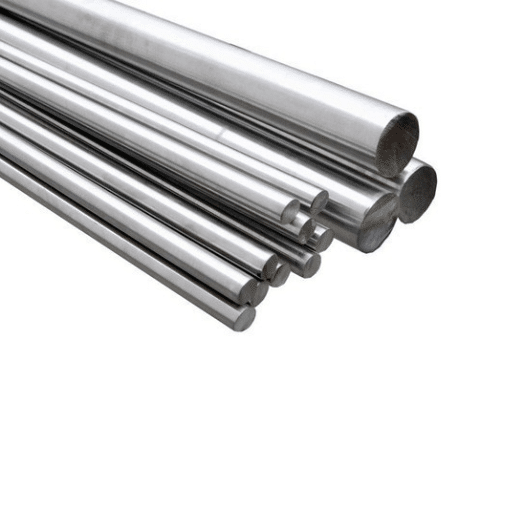
-
🔧 Automotive Components
Due to its high strength, wear resistance, and precise engineering capabilities, martensitic stainless steel is used for parts such as fuel injection systems, valve components, and shafts.
-
🔪 Cutlery and Tools
Besides surgical instruments and industrial cutting tools, its hardness and corrosion resistance make it ideal for producing high-quality knives.
-
✈️ Aerospace Applications
Its durability and resistance to thermal stress are advantages for critical components like fasteners and structural elements.
-
⚡ Turbines and Power Generation
High-pressure and high-temperature environments are not an issue for martensitic stainless steel, hence the material is used in steam and gas turbines.
Cutlery and Kitchenware
Martensitic stainless steel is a key material in the production of high-quality cutlery and kitchenware. The steel type is known for its excellent hardness and ability to keep sharp edges, making it a preferred choice for knives used by both professional and home cooks. The combination of strength and resistance to rust makes martensitic stainless steel the ideal choice for long-term use, even in places where moisture is frequently present.
📊 Market Insights
The recent market trend indicates that martensitic stainless steel kitchen knives are one of the main categories in the global cutlery market. According to a report by MarketsandMarkets, the international kitchen knives market is projected to grow to $2.5 billion by 2028, with high-performance stainless steel knives accounting for a large share of that. The growing interest among professional and amateur cooks in precision-cutting tools is driving demand for such knives.
Besides that, martensitic stainless steel is also used to make other kitchen items, such as scissors, carving tools, and utensils, due to its toughness and wear resistance. Further, its ability to maintain a good appearance with minimal maintenance makes it even more appealing as a material in this industry.
Oil and Gas Equipment
Martensitic stainless steel is a key player in the oil and gas sector thanks to its superior mechanical properties and corrosion resistance even under the most stringent conditions. Its application has become inevitable in the making of various equipment that can withstand pressure, heat, and the most rigorous chemical environments.
⚙️ Drill Bits
Tough martensitic stainless steel is the primary material for making practically indestructible drill bits that can easily get through the most challenging subsurface formations.
🔄 Pump Shafts
They need high strength and remarkable resistance to wear and tear to function efficiently in high-pressure pumping systems.
🚰 Valves
The use of martensitic stainless steel in the production of precision-engineered valves not only ensures longevity but also enables reliable, controlled fluid flow in pipelines.
⚡ Turbines
The power of gas turbines is partly due to the material’s ability to conduct heat and withstand immense pressure.
🔧 Pipeline Fittings
Even here martensitic stainless steel continues to impress, with its fittings providing robust connections while still being able to resist corrosion even when they come in contact with the most aggressive chemicals and salty environments.
The unique attributes of martensitic stainless steel, especially its resistance and durability, have made it an absolute requisite for the oil and gas industry in terms of safety and efficiency.
Industrial Tools and Machinery
Martensitic stainless steel is widely used in the production of industrial tools and machines due to its hardness, toughness, and abrasion resistance. Its characteristics make it perfect for these kinds of applications, where the main factors are strength and durability.
- Cutting Tools
Cutting tools made of martensitic stainless steel offer accuracy and durability even under the most intense operating conditions and are used across industries such as automotive and aerospace.
- Drill Bits
Drill bits made from this stainless steel can easily penetrate the hardest materials, thus providing uniform output in construction and heavy engineering projects.
- Gear Components
A martensitic stainless steel gear component is the backbone of such machinery, having endured extensive wear and tear and ultimately ensuring consistent performance and dependability.
- Industrial Valves
These valves in processing and manufacturing plants not only resist wear from high-pressure systems but also corrosion, hence ensuring safe operation.
- Machine Shafts
Shafts made of martensitic stainless steel exhibit excellent fatigue resistance, making them well-suited for heavy-duty machines under constant rotational stress.
These applications showcase the adaptability of martensitic stainless steel as the mother of industrial innovation and mechanical design.
Benefits of Using Martensitic Stainless Steel
💪 High Strength and Hardness
The first point of martensitic stainless steel is its high strength and hardness which comes with many advantages such as durability and resistance to wear. With a tensile strength often above 700 MPa, it is able to endure very high mechanical stress.
🛡️ Corrosion Resistance
Even though martensitic stainless steel is not as corrosion-resistant as the austenitic grades, it is still good enough for a mild corrosive environment and hence, it can be used in applications such as making knives and surgical instruments.
🔥 Heat Resistance
Martensitic stainless steel has the capability to keep its mechanical properties even at high temperatures thus, it can be used in turbine blades and exhaust systems applications where thermal stress is present.
⚙️ Machinability
It is true that martensitic stainless steel is very hard but still it is relatively easy to machine and shape. Manufacturers control the heat treatment processes in such a way that they can optimize the material’s machinability without losing its strength.
💰 Cost-Effectiveness
Though some higher-end stainless steel grades are more expensive, martensitic stainless steel is the one that gives you the most cost-efficient performance in industrial and mechanical applications due to its offering of a balance between price and functionality. Thus, it is an economical choice for a lot of industries.
Corrosion Resistance and Durability
Understanding Corrosion Resistance
Martensitic stainless steel is moderately corrosion-resistant, which can be further enhanced by proper passivation and surface treatments. Martensitic grades, in contrast to austenitic stainless steels, usually have lower chromium content, typically ranging from 11.5% to 18%, which initiates basic resistance to oxidation and mild environmental corrosion. Nevertheless, the steel may not withstand such conditions as a highly corrosive environment or extreme conditions.
Exceptional Durability
One of the most essential characteristics of martensitic stainless steel is its durability. Using heat-treatment processes, the material can reach exceptional hardness levels, such as 60 Rockwell C (HRC) in grades like 440C. Applications that require the material’s wear resistance include knives, turbine blades, and medical instruments.
| Grade | PREN Value | Typical Application |
|---|---|---|
| 410 Stainless Steel | 10-14 | Atmospheric and water situations |
| 440C Stainless Steel | Up to 60 HRC | High wear resistance applications |
| 316 Stainless Steel (Comparison) | Above 23 | High corrosion resistance needs |
According to industry reports, widely used grades such as 410 stainless steel exhibit moderate corrosion resistance in atmospheric and aqueous environments, with a pitting resistance equivalence number (PREN) of 10-14. In contrast, luxury stainless steels such as 316 typically have a PREN above 23. Even so, martensitic stainless steels are still applied in conditions where strength and corrosion resistance, though not the best, are good enough and thus, corrosion prevention is not a necessity.
The protective oxide layer may be maintained through routine maintenance or by applying additional coatings, which can improve its resistance. Furthermore, ongoing innovations in alloy design are paving the way for martensitic stainless steel to perform even better in harsh environments, thereby increasing its versatility.
High Strength and Hardness Performance
The heat-treatment process produces a crystalline structure that makes martensitic stainless steel exceptionally strong and hard; thus, it is highly regarded for its strength and hardness. Due to this property, it is used in applications requiring high-stress-resistant materials. For instance, depending on the heat-treatment stages, martensitic grades like 420 and 440C can achieve tensile strengths of 700 to 1,500 MPa.
📊 Advanced Research
Recent studies highlight that the research and development of martensitic stainless steel could yield even greater abrasion resistance and strength through the use of carbon and/or the addition of molybdenum and vanadium.
🔬 17-4 PH Example
To illustrate, 17-4 PH martensitic stainless steel exhibits not only high yield strength (up to 1,250 MPa) but also good hardness, owing to its precipitation-hardening characteristics, which confer the benefits mentioned above.
Applications spanning aerospace parts and surgical tools are already benefiting from these characteristics, and industries are moving towards martensitic stainless steels for use in extreme environments where performance under pressure is a must.
Cost-Effectiveness in Production
In terms of economic efficiency in production practices, I give first place to martensitic stainless steels for their mechanical and chemical strength, wear resistance, and, most importantly, reliability even in harsh conditions. The cost of these materials is eventually offset by savings from reduced maintenance and the longer life of the product, which is a perfect case in point of the economic value of performance. This combination of the two factors, performance and monetary value, makes them the best choice for the most demanding applications.
Recent Innovations in Martensitic Stainless Steel Applications
🔬 Advanced Heat Treatment Processes
The enhancement of martensitic stainless steels has been one of the most remarkable and gradual steps in the past few years, particularly in the aviation, automotive, and energy sectors. The most progressive of all has been the alteration of heat-treatment processes. The properties of high toughness, resistance to fatigue, and tensile strength have been circled due to the use of top-notch heat treatments like cryogenic quenching and tempering. Recent research data shows that the new martensitic stainless steels can surpass the tensile strength limit of 1,000 MPa, thus making them a proper selection where mechanical reliability is high.
⚗️ Alloying Element Innovations
Besides, the use of alloying elements such as molybdenum and vanadium has been another major development; these metals have the ability to refine the grain structure and improve the corrosion resistance at the same time. For example, in energy production, plants are now equipped with high-grade martensitic stainless steels in turbines and boilers, thus enjoying the benefits of the metals that outperform others at extreme temperatures and pressures. Industry sources state that the use of these alloys has resulted in a 20% increase in the lifespan of the critical parts that are affected by the high operational temperatures.
🖨️ Additive Manufacturing (3D Printing)
Alongside, the development of additive manufacturing (3D printing) is an ongoing process that is creating more possibilities for the exacting production of martensitic stainless steel parts. This method not only produces less waste but also has the potential to reduce the cost of materials by up to 30% through the realisation of complex designs. Innovations of this kind are particularly important in the aerospace industry where the weight and the efficiency of the material are critical factors.
The continuous research and refinement of technologies are the main contributors to the performance of martensitic stainless steels being constantly elevated, hence their application in the strict demands of the modern industrial sector.
Advanced Manufacturing Techniques
Industries are being revolutionized by advanced manufacturing methods that can produce exact parts, cut down on lead times, and make the most of material usage. Among these methods, the most influential is additive manufacturing, commonly known as 3D printing.
| Technology | Market Projection | Key Benefits |
|---|---|---|
| 3D Printing | CAGR 23.3% (2022-2030) | Customized parts, reduced waste |
| CNC Machining | $123 billion by 2027 | Utmost precision, complex components |
| Collaborative Robots | $11 billion by 2025 | Faster cycles, consistent quality |
| Laser Manufacturing | Rapidly growing | Precision and efficiency |
A 2023 market analysis released by Grand View Research states that global 3D printing is to enhance its growth at a compound annual growth rate (CAGR) of 23.3% during the period 2022-2030 because of its capability in producing customized parts and cutting down production waste.
Another transformative technique is CNC (Computer Numerical Control) machining, which operates with utmost precision and produces highly complex metal and plastic components. A Statista study predicts that the CNC machine market will reach $123 billion by 2027, indicating increasing use across sectors such as automotive, aerospace, and electronics.
Robotics and automation techniques have enabled a very different kind of manufacturing floor, where production cycles are faster but still of the same quality. One telling example is collaborative robots (“cobots”), whose use has grown tremendously. The global cobot market is expected to reach around $11 billion by 2025, according to the International Federation of Robotics. These robots share the workspace with human personnel, resulting in both more secure and effective production settings.
Laser-based manufacturing processes like laser cutting and laser sintering are precise and efficient, which explains their widespread use. In fact, these techniques are a mainstay in the aerospace and medical industries, where precision is of utmost importance.
The merger of advanced manufacturing methods with Industry 4.0 technologies, such as the Internet of Things (IoT) and Artificial Intelligence (AI), represents a further step in the optimization of production processes. Real-time data analysis, predictive maintenance, and interconnected systems ensure minimal downtime, making the process more productive and cost-effective. The combination of these advanced techniques keeps manufacturers in the race in today’s rapidly changing industrial landscape and, at the same time, gives them the power of reliability and versatility across different applications.
New Alloy Compositions
The unlocking of new alloy compositions with myriad properties has completely changed the landscape of materials science and provided industries with solutions to their needs. The performance of the latest alloys is really great, as they provide the necessary mechanical properties, are corrosion-resistant, and are suitable for extreme environments.
Titanium-Aluminum-Vanadium Alloy (Ti-6Al-4V)
Composition: 6% Aluminum, 4% Vanadium, balance Titanium.
Key Features: High strength-to-weight ratio, excellent corrosion resistance, and exceptional performance in aerospace and medical applications.
Nickel-Chromium-Iron Alloy (Inconel 718)
Composition: 50-55% Nickel, 17-21% Chromium, 4.75-5.5% Niobium, and other trace elements.
Key Features: High-temperature strength, oxidation resistance, and superb durability in jet engines and gas turbines.
Aluminum-Copper-Lithium Alloy (Al-Cu-Li)
Composition: Aluminum with small additions of Copper and Lithium.
Key Features: Lightweight, high stiffness, and enhanced fatigue resistance, making it ideal for aerospace structures.
Cobalt-Chromium-Molybdenum Alloy (Co-Cr-Mo)
Composition: Primarily Cobalt with added Chromium and Molybdenum.
Key Features: Biocompatibility and wear resistance, frequently used in medical implants such as hip and knee replacements.
Magnesium-Aluminum-Zinc Alloy (AZ91)
Composition: 9% Aluminum, 1% Zinc, balance Magnesium.
Key Features: Lightweight, good castability, and moderate strength, often utilized in automotive and electronics components.
Engineering and manufacturing are already witnessing the new compositions taking control, as they are the future. The demand for materials that can endure the complexities of modern-day usage and at the same time, be sustainable and reliable, is growing, and the new alloys are there to cater to that.
Case Studies of Successful Applications
🚗 Automotive Industry – Lightweighting with AZ91 Alloy
Application: The widely used AZ91 alloy contributes to the overall weight reduction of several car components, e.g., engine blocks and transmission housings.
Data: Research indicates that the use of AZ91 alloy components may result in a 25% weight reduction, leading to a 90% reduction in CO₂ emissions and a 90% increase in fuel economy.
Result: Tiresome vehicle performance, cutting costs, and, at the same time, elevating environmentally friendly practices.
✈️ Aerospace Industry – High-Temperature Titanium Alloys
Application: The aerospace sector has put the advanced titanium alloys in the high-temperature regions of the jet engine components where the combination of excellence in resistance, weight, and strength is of utmost relevance.
Data: The engine as a whole has been made lighter with the use of titanium alloys thus leading to a thrust increase by 15% and lower maintenance costs by 20%.
Result: Fuel-efficient and longer-lasting aircraft in terms of operational hours.
💻 Consumer Electronics – Magnesium Alloys in Laptops
Application: Magnesium alloys are widely used in laptop casings to provide an unbeatable combination of lightness and strength, meeting manufacturers’ and consumers’ demands alike.
Data: The product made with magnesium alloys weighs up to 30% less than traditional materials but offers the same level of durability and withstands high-temperature conditions.
Result: Product portability and life have been improved, consequently, better user satisfaction and longer device life.
🌉 Construction Industry – Advanced Steel Alloys in Bridges
Application: Bridges made of high-performance steel alloys are able to carry bigger loads and they are also more resistant to corrosion.
Data: A recent study indicates that the use of such materials can lead to a 40% increase in lifespan and a 30% decrease in maintenance costs over 20 years.
Result: More secure and longer-lasting infrastructure with lower life-cycle costs.
🌬️ Renewable Energy – Composite Alloys in Wind Turbines
Application: Composite materials play a significant role in the production of wind turbine blades as they provide both tremendous strength and flexibility.
Data: The use of specially designed materials has led to a 20% increase in energy yield and improved blade performance, even in extreme weather conditions.
Result: Increased efficiency and reliability, thus, feeding into the development of clean energy sources.
Frequently Asked Questions (FAQ)
❓ What is martensitic stainless steel’s strength, and how can it be characterized?
High-martensitic stainless steel is known for its high strength, high hardness, and medium corrosion resistance. The mechanical properties are also strongly influenced by parameters such as carbon content and heat treatment, which, in turn, govern the alloy’s microstructure and performance. Steel of this type is commonly used in areas where high strength and wear resistance are paramount.
❓ What can be the use of martensitic stainless steel in different industries?
Martensitic stainless steel has many characteristics that make it suitable for applications such as cutlery, surgical instruments, and marine industry components. Its heat-treatability makes it a good candidate for applications requiring toughness and longevity.
❓ What changes occur in martensitic steels subjected to heat treatment?
For martensitic steels, heat treatment is a vital requirement, as it raises their hardness and strength to the next level. Heating the metal to specific temperatures, followed by rapid cooling, changes the microstructure, thereby fully utilizing the hardenability of martensitic alloys. This method is the main reason for achieving the desired mechanical properties in applications.
❓ What do you find in the chemical makeup of martensitic stainless steel?
A typical chemical makeup of martensitic stainless steel includes more carbon than that of austenitic stainless steel. The added carbon increases the steel’s hardening capacity and thus its strength. The case of martensitic grades like 410 is that they usually contain chromium, which imparts some corrosion resistance.
❓ What qualities does martensitic stainless steel have that make it suitable for marine applications?
The strength, hardness, and moderate corrosion resistance of martensitic stainless steel make it suitable for marine applications. The steel can endure the extreme conditions of the sea, although its corrosion resistance is not so excellent as that of austenitic stainless steel. The proper selection of steel and its treatment are essential to improve its performance in such aggressive environments.
❓ What are the differences and similarities regarding the properties and uses of martensitic and austenitic stainless steels?
When comparing the two, martensitic steel grades are harder and stronger, while austenitic stainless steels are more ductile and corrosion-resistant. In a field where hardness is essential, martensitic stainless steel proves its worth, whereas austenitic stainless steel is the one to turn to in the case of corrosion resistance. Each steel type has its unique properties and thus specific applications.
❓ What are the criteria that define martensitic stainless steel grades?
High performance, hardenable via heat treatment, and being ferromagnetic are among the typical characteristics of martensitic stainless steel grades. Moreover, these steels are usually defined by specific carbon content ranges that make them hard and wear-resistant, thus suitable for various demanding applications.
❓ Are there different grades of martensitic stainless steel?
Martensitic stainless steels come in a variety of grades, namely high-carbon and low-carbon martensitic stainless steels. High-carbon martensitic steels are recognized for their hardness and wear resistance, while low-carbon martensitic steels offer better corrosion resistance. The properties of each grade dictate the specific applications for which it is developed.
❓ What are the magnetic properties of martensitic stainless steel?
Martensitic stainless steel is magnetic mainly because of its martensitic structure which is in contrast to the non-magnetic austenitic stainless steels. This feature can be helpful in cases where magnetic properties are necessary, e.g., in certain mechanical components and tools, and thus the magnetic properties are used to advantage.
References
-
📄 Martensitic Stainless Steels for Food Contact Applications
Harvard ADS Abstract – This source discusses the use of martensitic stainless steels in industrial food processing tools.
-
📄 High-Temperature Characteristics of Stainless Steels
Stanford University PDF – A detailed document on the versatility of stainless steels, including martensitic grades, for high-temperature applications.
-
📄 Corrosion Initiation and Propagation on Carburized Martensitic Stainless Steels
Boise State University ScholarWorks – This paper explores the corrosion resistance and surface hardening of martensitic stainless steels.