High Standard Stainless Steel With Strict Inspection



Low Carbon Steel vs High Carbon Steel: Understanding Carbon Steel Types

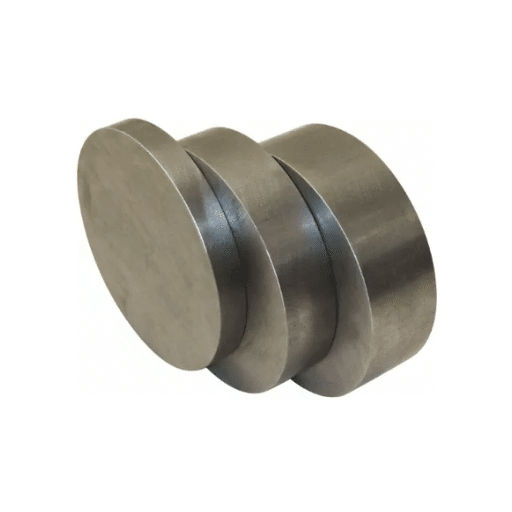
In the industry, carbon steel has a remarkable status as one of the most widely used materials, from construction to manufacturing. Nevertheless, the carbon steel is not all the same. Low-carbon and high-carbon steels differ not only in their carbon content but also in their properties, applications, and performance. These differences must be understood when picking the correct type of steel for your projects. This guide thoroughly examines the special traits of low and high-carbon steels, thereby enabling you to make choices that suit your requirements. Whether you are an experienced worker or just a curious person, this text will clarify the differences between the two types of steel and the specific areas where each has advantages.
Introduction to Carbon Steel
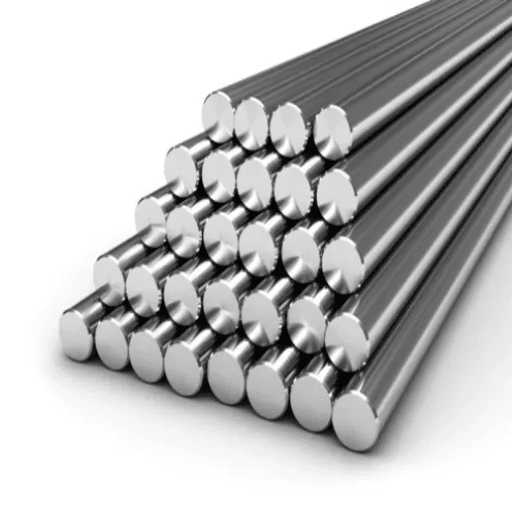
Carbon steel is a widely used material known for its strength, versatility, and low cost. The main components of carbon steel are iron and carbon, while minor elements are also present. The amount of carbon in steel is one of the major factors influencing its hardness and flexibility. Low-carbon steel, also known as mild steel, is the softest and thus the easiest to shape, making it mainly used in construction and the automotive industries. On the contrary, steel with a high carbon content is more complex and brittle, so it is used mainly in the production of tools and cutting tools. Its ease of fabrication and broad applicability make carbon steel a basic material across various industries.
Definition of Carbon Steel
Carbon steel is an alloy of iron and carbon, mainly used, with a carbon content usually between 0.05% and 2.1%. The versatile yet straightforward material is primarily characterized by its carbon content, which influences its strength, hardness, ductility, and malleability. Based on carbon content, carbon steel is classified into three categories: low-carbon steel (mild steel), medium-carbon steel, and high-carbon steel. Low-carbon steel usually has up to 0.30% carbon, medium-carbon steel has 0.30% to 0.60%, and high-carbon steel has more than 0.60% carbon.
Industry Insight: As per industry reports, carbon steel covers over 85% of the total steel production worldwid,e indicating its importance in structural, automotive, and manufacturing sectors. Low-carbon steel is widely considered the primary steel type for construction, used in beams and sheets that require easy welding and shaping. Medium-carbon steel is used in automotive parts and machinery because of its good balance of strength and ductility. On the other hand, very high-carbon steel is used in the manufacture of cutting and drilling tools because of its high hardness.
Furthermore, carbon steel may not only be composed of the mentioned elements but also contain small amounts of other elements, such as manganese, silicon, or copper, which can improve the steel’s quality by providing wear or corrosion resistance, for example. But, unlike stainless steel, carbon steel does not contain a significant amount of chromium; therefore, it is more susceptible to oxidation. Nevertheless, the drawbacks are often compensated by its low cost and high strength, making carbon steel one of the most essential materials in modern industries.
Importance of Distinguishing Low and High Carbon Steel
It is essential to distinguish between low-carbon and high-carbon steel when choosing the right material for different applications. The carbon content, properties, and applications of these two types of steel differ, and they can significantly affect the performance, lifespan, and price of the product. Below are five significant aspects that one must take into account in the differentiation of low and high-carbon steels:
1. Carbon Content
- Low Carbon Steel: Has a maximum carbon content of 0.3%, resulting in a softer, more ductile material.
- High Carbon Steel: Has a carbon content of 0.6% to 1.5%, which delivers higher hardness and strength but lower ductility.
2. Strength and Hardness
- Low-carbon steel is not very strong but is very malleable; thus, it is employed in structures and general applications.
- High-carbon steel is tough and strong; hence, it is the only material suitable for tools and cutting instruments.
3. Welding Properties
- Low-carbon steels can be welded more easily because of their softer nature and lower carbon content.
- Welding high-carbon steels can be more challenging, and thus they require special techniques to prevent cracks.
4. Cost and Affordability
- Low-carbon steels are generally very cheap and are primarily used in large-scale projects.
- High-carbon steel, which is very difficult to produce, tends to be the more expensive category.
5. Corrosion Resistance
Both varieties of steel are equally vulnerable to rust without a protective layer. However, due to its smooth surface finish, low-carbon steel might be easier to coat.
Key Takeaway: By thoroughly reviewing these parameters, the industry can select the type of carbon steel that best fits their requirements, resulting in maximum performance and cost-effectiveness.
Relevance in Today’s Industrial Landscape
Carbon steel remains an essential material across several industries due to its diverse applications, good value for money, and strong mechanical properties. Here are five main areas where carbon steel is still very valuable:
🏗️ Construction Industry
Carbon steel is the most popular construction material for building structures, reinforcing bars, and sidewalks and roads.
Data from the market shows that the construction industry consumes more than 50% of the total steel produced worldwide, underscoring its importance.
🚗 Automotive Sector
Low-carbon steel is an excellent material for vehicle production due to its flexibility and desirable properties.
Industry analysts say that nearly 70% of the steel content in a typical car is carbon steel.
⚡ Energy Sector
Tough carbon steel is the primary raw material for the production of pipelines, drilling tools, and storage tanks in the oil, gas, and renewable energy sectors.
The demand for carbon steel from this sector has grown considerably and is a result of the worldwide shift toward cleaner energy sources and thus the need for less carbon-intensive forms of energy production.
🏭 Manufacturing and Machinery
Various types of carbon steel are used to produce industrial machinery, tools, and manufacturing equipment.
It is estimated that about 20% of the materials used for global machinery production is carbon steel.
🛡️ Defense and Shipbuilding
Low- and high-carbon steels are used to make ships, submarines, and military equipment that can withstand extreme conditions.
Government defense spending drives the demand for carbon steel in this area.
Carbon steel keeps these industries alive, making it an increasingly common basic material for modern industrial applications.
Composition and Properties of Carbon Steel
The main ingredients of carbon steel are iron and carbon, along with other elements such as manganese, silicon, and copper. The melting point of carbon steel is primarily determined by the amount of carbon it contains, which can range from 0.05% to 2.0%. This high level of carbon in steel drastically affects its hardness, strength, and ductility. Based on carbon content, it falls into one of three categories: low-carbon steel (mild), medium-carbon steel, and high-carbon steel.
Carbon Content Distribution
| Steel Type | Carbon Content | Key Characteristics | Common Applications |
|---|---|---|---|
| Low Carbon Steel (Mild Steel) | 0.05%–0.25% | Ductile, weldable, easily formable | Construction, automotive parts |
| Medium Carbon Steel | 0.25%–0.60% | Good balance of strength and ductility | Gears, axles, machinery parts |
| High Carbon Steel | 0.60%–2.0% | High hardness, wear-resistant | Cutting tools, springs |
Main Elements in Alloy
- Manganese (0.30%–1.70%): Responsible for steel to be strong and tough, and at the same time to be less worn away.
- Silicon (up to 0.60%): Hardens and increases the elasticity of the steel, thereby increasing its overall strength.
- Copper (up to 0.60%): Gives steel protection against difficult conditions that may cause corrosion in some areas.
Trace elements, such as sulfur and phosphorus, are typically kept at very low levels to avoid negatively affecting the material’s properties.
Physical and Mechanical Properties
Density: The material’s density is around 7.85 g/cm³, making it very compact and suitable for industrial applications that require strong materials.
Tensile Strength:
- Low Carbon Steel: ~400–550 MPa
- Medium Carbon Steel: ~550–700 MPa
- High Carbon Steel: ~700–900 MPa
Hardness (Rockwell Scale): Ranges from 60 to 90 HRB, depending on carbon content and treatment.
Melting Point: It is about 1425–1540°C which is why it can be used in applications that involve high temperatures.
Thermal and Electrical Properties
Thermal Conductivity
Approximately 50–60 W/m·K. This indicates that carbon steel is a pretty good conductor of heat.
Electrical Resistivity
Around 10 µΩ·m, which is relatively higher than that of pure metals such as copper.
Microstructure Variability
The microstructure of carbon steel has a high degree of versatility, as it can be altered through different heat treatments such as annealing, quenching, and tempering. The arrangement of ferrite, pearlite, and cementite phases gets modified according to the specific application that requires the material either load-bearing structures or precision tools.
Conclusion: Industries can utilize carbon steel in a variety of ways if they understand its refined composition and diverse properties, thereby prolonging the life of the application, ensuring performance, and being economical. The versatility of carbon steel is one of the key factors that confirm its significant role across the entire range of developments, from infrastructure to sophisticated machinery.
Chemical Makeup of Low Carbon Steel
Low carbon steel (LCS), commonly called mild steel, typically has a carbon weight percentage of 0.05% to 0.25% which makes LCS very ductile and easy to process compared to high carbon steels. The reduction in carbon content decreases hardness and strength but significantly increases weldability and malleability, which are highly desirable for structural and industrial applications.
In addition to carbon, low-carbon steel generally contains other metals or elements at %, which affect the steel’s properties. The following are the metals and elements that are in the alloy steel composition:
| Element | Content Range | Function & Impact |
|---|---|---|
| Manganese | 0.30% to 0.60% | This element not only makes low-carbon steel stronger and harder but also helps it to withstand wear and tear. At the same time, it is responsible for reducing steel’s brittleness. |
| Silicon | up to 0.40% | In the steel-making process, silicon removes oxygen, thereby contributing to the development of good mechanical properties. |
| Sulfur | 0.05% max | Though they are impurities, they are kept at very low levels since they can raise brittleness and adversely affect ductility. |
| Phosphorus | 0.04% max | |
| Iron | Primary component | Iron is the primary component of low-carbon steel, serving as the base metal. |
Mechanical Properties and Applications
Given its chemical composition, low-carbon steel typically has a tensile strength of 400-550 MPa and a yield strength of 200-300 MPa.
The properties of low-carbon steel, which is very ductile, suggest it can be used for bending, machining, and welding. These processes are the major applications of low-carbon steel in the manufacture of pipes, car bodies, structural supports, and domestic appliances.
Key Insight: Through chemistry, the metals used in making low-carbon steel are cost-effectively balanced, resulting in a material that best meets the demands of industries that pair high flexibility and reliability for general-purpose applications.
Chemical Makeup of High Carbon Steel
High-carbon steel is mainly composed of iron and carbon. Its carbon content is usually between 0.6% and 1.0%, which significantly improves its hardness and strength when compared to low carbon steel, it is mainly the addition of carbon that does this. Other essential elements in high-carbon steel, along with carbon, include manganese (0.30%–0.90%) and silicon (0.10%–0.35%), which improve hardenability, wear resistance, and strength without sacrificing ductility.
Besides that, elements such as sulfur and phosphorus are always present in trace amounts and are usually restricted to less than 0.05%, ensuring that the steel has good properties and is not brittle. Specific high-carbon steel grades contain chromium and vanadium, which provide higher corrosion resistance and enhanced toughness, respectively.
The distinct chemical composition gives high carbon steel a reputation as a perfect material for the production of sharp-edged applications like cutting tools, knives, and springs. It has excellent hardness and wear resistance but at the same time, it is less ductile and more brittle, so careful handling and precision processing techniques are necessary.
Key Differences in Strength, Ductility, and Hardness
💪 Tensile Strength
High-carbon steel outshines both low- and medium-carbon steels by a mile in tensile strength. Its tensile strength is around 700–2000 MPa on average; thus, it is used in applications where strong materials are required, such as cutting tools and heavy machinery parts.
🔨 Hardness Levels
The hardness of high-carbon steel is so much higher due to its carbon content that it can often be measured at 55-66 HRC (Rockwell Hardness Scale). This hardness makes it resistant to wear and deformation but more difficult to machine.
🔄 Ductility Reduction
The increase in carbon has the opposite effect on ductility. High-carbon steel has lower ductility than lower-carbon steels, meaning it stretches less before breaking under tensile stress.
⚡ Impact Resistance
The hardness of high carbon steel is definitely impressive but its impact resistance is not that great, actually it is the opposite as good hardness is the primary cause of brittle nature. Thus, this steel can’t be considered suitable for use in situations with heavy shock loads or extreme stress conditions.
🛡️ Corrosion Resistance
Although high-carbon steels are the least corrosion-resistant among all types of steel, they still offer some resistance compared to non-alloyed steels. This often requires additional surface treatments, such as coating or galvanizing, in corrosive environments.
Applications of Low and High Carbon Steel
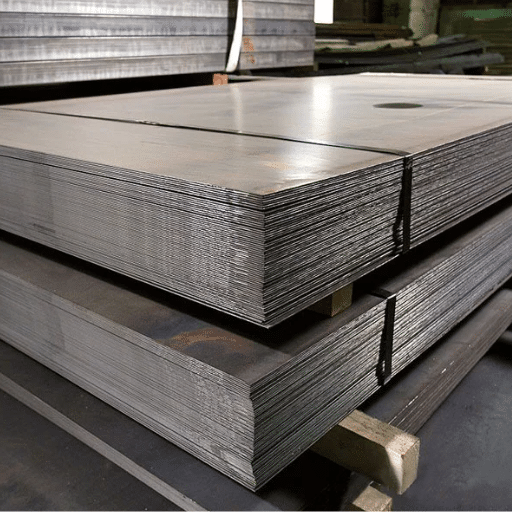
| Industry/Application | Low Carbon Steel Usage | High Carbon Steel Usage |
|---|---|---|
| Construction Industry | Building, sourcing, and other similar infrastructure activities benefit from low-carbon steel’s excellent ductility and weldability, which encourage its replacement with high-carbon steel for strength-demanding applications such as support beams and reinforcements. | Used in strength-demanding applications such as support beams and reinforcements. |
| Automotive Industry | Due to its softness and low price, low-carbon steel is widely used in the automotive industry to produce car bodies and panels. | Utilized in parts such as crankshafts, springs, and cutting tools because of its sharpness and strength demand. |
| Tool Manufacturing | Unsuitable for cutting-tool applications due to its lower hardness. | High-carbon steel’s superior hardness and edge retention make it an exceptional material for cutting tools, drill bits, saws, and blades. |
| Machinery Components | The preference for low-carbon steel in machine parts stems from its toughness and machinability; thus, it is commonly used in applications such as gears and fasteners. | Hardened steel is used in heavy-duty machinery parts where resistance to wear and abrasion is required; it is also used to make dies and punches. |
| Pipeline and Pressure Vessels | Low-carbon steel is recognized for its good weldability, ductility, and ability to withstand low-pressure conditions, so it is widely used in the construction of pipelines and pressure vessels. | High-carbon steel is less common in this field because of its inferior weldability, yet it can be used in high-pressure, high-stress areas with additional surface treatment. |
Common Uses in Construction
🏢 Structural Frameworks
Buildings and bridges are mainly built with low-carbon steel for their frameworks because of its superior strength-to-weight ratio and ease of handling, thereby ensuring stability and longevity.
🔩 Reinforcement Bars (Rebars)
Steel rebars are indispensable elements for enhancing concrete structures, providing the tensile strength needed to support heavy loads and preventing cracking.
🏠 Roofing and Cladding
Steel is used as a material for roofing and cladding not only for its resistance to the effects of nature but also for the fact that it is an aesthetically pleasing choice, thus providing durability with a modern look.
🏗️ Beams and Columns
High-strength steel is the material of choice for making beams and columns in the tallest buildings, allowing the structure to carry enormous weight while creating space for other uses.
🚆 Road and Railway Infrastructure
Steel is the dominant material for building bridges, tunnels, and laying tracks because it is remarkably resistant to fatigue and can efficiently handle dynamic loads.
Applications in the Automotive Industry
Steel becomes the strongest, most ductile, and most cost-effective material, thus playing a vital role in the automotive industry. Five significant steel applications in the industry are given below:
- Vehicle Body Structures: High-strength steel is the most essential material in the production of vehicle bodies, improving safety and crash resistance. About half of the average car weight is made up of steel.
- Chassis and Frame: Steel provides the required structural integrity, ensuring resistance to wear and tear and enabling performance throughout the life of a vehicle.
- Engine Components: Different steel grades are used to make engine parts, such as crankshafts, camshafts, and connecting rods, which offer very high heat resistance and mechanical strength.
- Suspension Systems: Springs and suspension systems are often made from steel because it can absorb impacts and provide stability during movement.
- Exhaust Systems: Stainless steel is the primary material in the exhaust system for its corrosion resistance and ability to withstand high temperatures, which would otherwise compromise the efficiency and lifespan of the exhaust.
Industry Impact: Steel is a super material that not only makes the cars durable but also helps them pass safety and environmental tests.
Manufacturing and Other Industrial Uses
Steel is an indispensable material in the industrial and manufacturing sectors due to its versatility, durability, and cost-effectiveness. Below are five major sectors where steel is mainly applied:
1. Construction and Heavy Machinery
Steel is the primary material for the production of cranes, tractors, and drillers, as it can withstand not only heavy loads but also the harshest conditions.
2. Die & Tool Industry
Strong steels are indispensable for the production of tools, dies, and molds used for mass production across sectors such as automotive, aerospace, and consumer goods.
3. Transport Containers
Steel is the principal element in constructing tough and secure containers that can carry goods across long distances and over rough seas.
4. Industrial Machines and Components
Steel is the backbone of metalworking and other industries, manufacturing presses, pumps, and conveyors that need such properties as structural strength and wear resistance.
5. Tanks and Piping
Steel is commonly used in metal pipes for liquids and gases, such as oil and water. The main reason is that it is strong, corrosion-resistant, and able to withstand high pressure.
Conclusion: Steel remains an irreplaceable material for industrial manufacturing, enabling reliable, efficient use across many applications.
Advantages and Disadvantages of Each Type
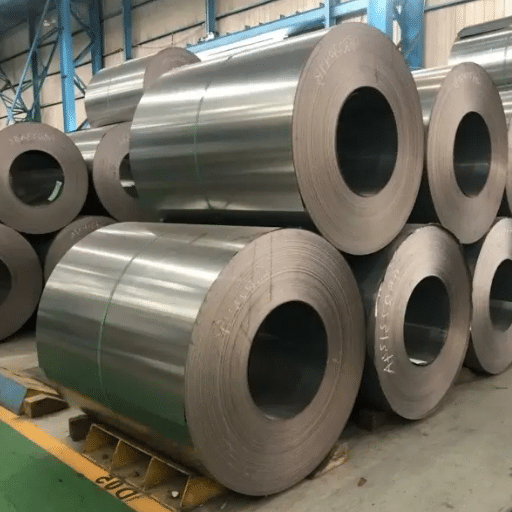
| Steel Type | Advantages (Pros) | Disadvantages (Cons) |
|---|---|---|
| Carbon Steel |
|
|
| Stainless Steel |
|
|
| Alloy Steel |
|
|
| Tool Steel |
|
|
| Galvanized Steel |
|
|
Pros of Low Carbon Steel
✓ Cost-Effective
Low-carbon steel is one of the least expensive metal options, and it is also the most widely used among others in construction and manufacturing projects. Although the production cost is low, it still contributes to overall savings in the short run applications of large-scale use.
✓ Easy to Work With
The low carbon content is the reason for the steel’s good ductility, making it easy to cut, weld, or form into different shapes. This feature has led to its use in various industries.
✓ High Availability
The worldwide production of low-carbon steel is quite substantial, and it is therefore easily accessible in the markets across the globe, which guarantees that manufacturers and builders always have this material for their projects.
✓ Good Toughness
Low carbon steel is not as strong as high carbon steel when it comes to tensile strength, but it is tougher, thus less likely to crack or break when subjected to stress; therefore, it is more appropriate for dynamic loads.
✓ Corrosion-Resistant Coating Compatibility
Low-carbon steel can be easily coated with materials like zinc or painted to improve its resistance to corrosion, thus prolonging its lifespan in different environments.
Cons of Low Carbon Steel
✗ Lower Tensile Strength
Low-carbon steel has lower tensile strength than medium- or high-carbon steel, limiting its use in high-stress applications such as heavy machinery or structural elements. For instance, its tensile strength typically falls within 400-550 MPa.
✗ Poor Wear Resistance
Low-carbon steel has lower wear resistance, which can significantly affect its usability in areas where the material is constantly subjected to friction, such as cutting tools or gears.
✗ Limited Hardening Capability
The very steel type, because of its low carbon content, cannot achieve the required hardness through heat treatment, so it is mainly not used in areas where high hardness is needed.
✗ Susceptibility to Corrosion
If low-carbon steel is not coated or treated correctly, it may rust and corrode very quickly, especially in humid or marine environments; thus, its life will be shortened if it is not appropriately protected.
✗ Lower Fatigue Resistance
Low carbon steel shows a lower resistance to cyclic stress and hence gets unsuitable for usage in areas where repetitive loading is involved, since it may soon fail because of fatigue.
Pros and Cons of High Carbon Steel
| Pros | Cons |
|---|---|
| High strength and durability | Prone to rust and corrosion |
| Excellent wear resistance | Brittle, prone to cracking |
| Maintains sharp edges well | Difficult to machine and shape |
| Cost-effective compared to stainless | Requires regular maintenance |
| Versatile heat treatment options | Low ductility, limited flexibility |
| Ideal for heavy-duty applications | Susceptible to thermal expansion |
Environmental Impact of Carbon Steel
The environmental consequences of carbon steel production and use are enormous, primarily due to the energy-intensive processes required to produce it and the associated greenhouse gas emissions. The World Steel Association stated that the worldwide steel sector is responsible for about 8% of total CO2 emissions from human activities, thereby playing a significant role in global warming.
Production Impact: The steel production process involves mining the primary materials—iron ore and coal —which disturb the environment and generate large amounts of waste. On top of this, steel production consumes very high energy, with the majority of that energy coming from fossil fuels. For example, producing 1 ton of steel usually results in the release of about 1.8 tons of CO2 into the atmosphere. This scenario accentuates the call for cleaner technologies to be implemented in the steel industry.
On the contrary, carbon steel’s negative environmental impacts are being reduced in many ways. One of the drivers of this has been the rise in steel recycling rates. Recycling has been a successful approach, as it conserves 74% of the energy and releases considerably fewer emissions than new steel production from raw materials. Furthermore, new technologies such as hydrogen-based steel production are seeking to replace coal in the process, while still keeping the industry’s carbon footprint low.
Future Outlook: Sustainable practices, technological developments, and governmental policies may help reduce the carbon steel industry’s negative environmental impact; however, the issue cannot be solved without the cooperation of industrialists, the government, and consumers.
Sustainability Contributions of Low-Carbon Steel
Low-carbon steel, as a less-harmful-to-the-environment alternative, is an essential factor in the sustainability progress of the steel industry. The production of low-carbon steel requires much less carbon than the regular one; thus, the total greenhouse gas emissions released during its manufacturing would be much smaller than those of the other kind. Industry sources indicate that changes in electric arc furnace (EAF) technology—generally associated with the production of low-carbon steel—can cut CO₂ emissions by up to 75% compared with conventional blast-furnace methods. Plus, the application of scrap metal feedstock at EAF facilities ensures a recycling approach, where practically 90% of the input materials are recyclable; thus, it is of no use to talk about waste and resource consumption.
🌱 Application in Clean Energy Projects
The use of low-carbon steel is also driven by the uptrend in environmentally friendly construction and clean energy projects, such as wind turbine and solar panel frameworks. To illustrate, a recent study found that using low-carbon steel in wind turbines could reduce life-cycle emissions by around 30%, in line with the global target to reduce emissions that cause climate change.
The government and companies are becoming increasingly active in advancing policies that facilitate the use of these materials, alongside stricter rules on carbon-intensive production processes.
Sustainability Impact: All these campaigns clearly show that low-carbon steel not only helps reduce environmental impact but also, in turn, supports the Sustainable Development Goals (SDGs) by making industries cleaner.
Environmental Challenges of High Carbon Steel
The main environmental problems associated with high-carbon steel stem from its very high energy consumption in the manufacturing process and the significant carbon emissions it generates. These problems, in my view, clearly indicate the urgent need for a transition to cleaner technologies and more eco-friendly practices in steelmaking, so that the industry eventually has a less negative impact on the environment.
Carbon Steel and Sustainable Practices
The steel industry, as one of the heaviest industrial emitters, is committed to finding new methods that would actually cut its carbon emissions, not only benefiting its business but also the planet. One such method that the industry is gradually adopting is replacing traditional blast furnaces with electric arc furnaces (EAFs), which are much cleaner carbon-wise and highly efficient because they can use recycled scrap steel to produce new steel. Data show that EAF produces 0.4 tons of CO2 per ton of steel, whereas the blast furnace process produces 2.0 tons of CO2 per ton of steel. Besides seeming to have a similar fate to coal-fired power plants, one of the main reasons EAF could eventually take coal’s place as a source of energy for future buildings and cars is that it portrays a positive relationship between the two entities.
Renewable Energy Integration
The next best thing is to replace fossil fuels with renewable sources throughout the steel-making process. The use of solar, wind, and hydro electricity to help steel-making plants consume less fossil fuel is undoubtedly increasing. On top of that, carbon capture and storage (CCS) technology has been continuously gaining acceptance, thereby enabling a facility to capture its CO2 emissions before they get the chance to enter the atmosphere. The International Energy Agency (IEA) estimates that the full-scale adoption of CCS could lead to a 90% reduction in emissions in the steelmaking sector.
Green Hydrogen Technology
The idea of using green hydrogen as a fuel and reducing agent in the steelmaking process is another innovative technology. Fully eliminating water vapor through a hydrogen-based method is a non-traditional, coke-based approach that can significantly reduce carbon emissions into the atmosphere. The Swedish project is one of the pilot projects that is already working towards making this technique capable of eliminating up to 95% emissions, which are generally considered to be associated with conventional steelmaking.
♻️ Circular Economy and Recycling
Another principle of circular economy is recycling, which always presents itself as a cheap and environmentally friendly way of generating, thus producing a less resource-demanding and polluted society. One ton of steel recycling has the power to make an eco-friendly counterpart that needs no iron ore mined. Besides extracting the metals from the ground, it can save up to 74% of the energy consumed compared to production from virgin iron ore. Global goals for resource efficiency and waste reduction are fastened with this recycling shift.
Industry Commitment: The technologies and strategies mentioned above demonstrate that the steel industry is genuinely serious about combining economic development with environmental sustainability. At the same time, it will be a major challenge to implement the large-scale application without global cooperation, significant industry investment, and reforms to government policy that create a favorable environment for the development of these sustainable practices.
References
University of Florida – Materials and Material Selection
This source provides detailed information on low-carbon steel and its applications.
Scholars Junction – High-Carbon Steel in Additive Manufacturing
A scholarly article discussing the composition and properties of low, medium, and high-carbon steels.
https://scholarsjunction.msstate.edu/cgi/viewcontent.cgi?article=1039&context=metallurgy
University of Illinois – Grades of Steel
This resource explains how carbon content affects steel properties.
http://dtrinkle.matse.illinois.edu/MatSE584/articles/steel_collector/highlander_sword_grades.html
Frequently Asked Questions (FAQ)
❓ What distinguishes low-carbon steel from high-carbon steel?
Low-carbon steel or mild steel usually has a carbon content of less than 0.3%, whereas high-carbon steel ranges from 0.6% up to 1.5% carbon. Such a disparity in carbon content affects mechanical properties, with high-carbon steel being tougher and harder yet less ductile than low-carbon steel.
❓ What mechanical features does medium-carbon steel have?
Medium-carbon steel has carbon contents of 0.3% to 0.6%. It has the perfect balance of strength and ductility, and if used in wear-resistant and tough applications, it will be the best choice. The combination of manganese and other alloying elements, for instance, has the capability of making its attributes even better.
❓ How does heat treatment influence low-carbon steel?
Heat treatment can produce significant changes in the properties of low-carbon steel. It is a fact that the steel is not as hardenable as the high-carbon steel, but quenching and tempering are processes that can really enhance the toughness and strength of low-carbon steel. Its strength can be increased through the application of appropriate heat treatment techniques.
❓ Does high-carbon steel have a higher tendency to break than low-carbon steel?
Yes, in general, high-carbon steel is metal that is more brittle than low-carbon. The hardening effect of higher carbon content results in a stronger yet less ductile biomass that is more prone to breakage under stress. On the contrary, low-carbon steel, which is more ductile, will take a longer time and more energy to fail.
❓ What are the industries where high-carbon steel is commonly used?
Due to its demanding properties such as high strength and hardness, high-carbon steel is widely used in cutting tools, springs, and wires that need to withstand tension. Heavy-duty and high-stress tools are just a few of the many uses that take advantage of its superb wear resistance.
❓ In what way does the steel’s carbon content influence its corrosion resistance?
When the carbon content in the steel goes up, its corrosion resistance goes down, thereby making it more prone to rust in moisture. Low-carbon steel can be corroded too, and the only difference is that it can go through preventive treatments like coating or baking in alloy metals like chromium and nickel that enhance its resistance.
❓ What is the role of alloying elements in medium-carbon steel?
Manganese, chromium, and nickel are alloying elements frequently used in medium-carbon steel to refine its mechanical properties. Besides, the ions increase the combination of strength, toughness and wear resistance so that the medium-carbon steel is very suitable for a wide range of industrial uses.
❓ How does low-carbon steel’s tensile strength rate in comparison to that of high-carbon steel?
Low-carbon steel is usually associated with low tensile strength compared to high-carbon steel because of its low carbon content. The increase in carbon level from the steel, associated with the strong tensile strength, is the reason the steel is suited for the most rigorous of applications that ask for strong materials.