


Blog
Nickel-Based Superalloys: Complete Guide and Applications

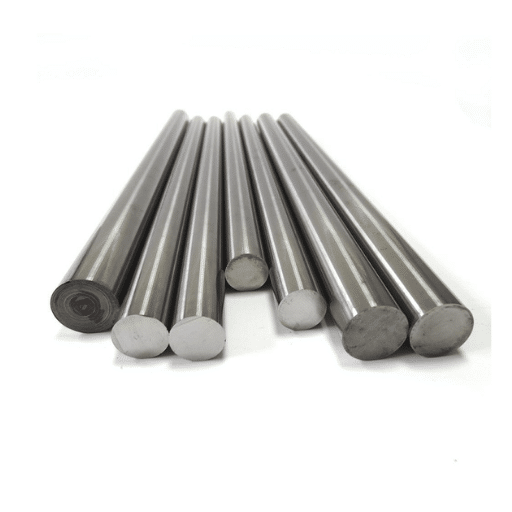
Nickel-based superalloys depict the ultimate combination of materials in engineering and are celebrated for their remarkable strength, toughness, and ability to endure harsh conditions. Other synthetic materials can hardly compete with nickel-based superalloys in characteristics like reliability and performance in high-stress applications; thus, they have become the mainstay of the aerospace, power generation, and chemical industries, among others. The present guide comprises several chapters that discuss in detail the properties, processing, and uses of nickel-based superalloys, which are the mainstay of modern technology. It will be helpful to not only for engineers and material scientists, but also for those who are just curious about the most advanced materials. You will surely be enlightened on the importance and the future of these new materials. So, keep following us as we reveal the science and innovations behind these extraordinary alloys!
Overview of Nickel-Based Superalloys
Nickel-based superalloys are the most advanced materials that can withstand extreme environments, especially high temperatures and mechanical stress. The main component of these materials is nickel, which is further enhanced by the addition of chromium, cobalt, and molybdenum, which improve strength, corrosion resistance, and durability. The performance of the engineering and manufacturing sectors, including aerospace, power generation, and chemical processing, relies on these alloys because they retain outstanding mechanical properties at high temperatures. Their unique combination of heat resistance and durability has made them the prime material for turbine blades, jet engines, and industrial machinery.
Introduction to Nickel and Superalloys
Nickel is a highly adaptable transition metal with remarkable properties that make it a significant element in many high-performance alloys. The main properties of nickel, including its resistance to oxidation and corrosion, as well as its ability to withstand very high temperatures, make it one of the main components of superalloys. Nickel performs better when mixed with other metals, such as chromium, cobalt, aluminum, and titanium, to create alloys with characteristics especially suited for demanding industrial applications.
Superalloys, among which the nickel-based ones, are considered the most superior, because of their unmatchable performance in high-stress, high-temperature conditions. To illustrate, nickel superalloys can maintain their mechanical strength even at extremely high temperatures of more than 1,000°F (538°C) and also at that temperature, they will not lose their original shape. This feature is critical in the aerospace industry, as turbine blades in jet engines are under enormous thermal and mechanical stresses. Research indicates that certain nickel-based superalloys can withstand high temperatures of up to 1,200°F (650°C) for extended periods, making them more reliable and longer-lasting.
Moreover, nickel superalloys are an indispensable factor in success and have a significant impact on the entire power generation sector. Fossil fuel power plants depend on gas turbines made of these materials to produce electricity at the most efficient rate, thus providing the dual benefits of lower fuel consumption and fewer emissions. According to a report from the International Nickel Study Group (INSG), stainless steels and alloys account for over 79% of nickel use, with superalloys as the main contributors, reflecting their crucial role in current industrial supply chains.
Hence, superalloys based on nickel and the metal itself are the pillars of the most advanced applications, always providing durability and performance in conditions where materials just can’t fail. Besides, their use in the aerospace sector, energy production, and even medical technology is an excellent source of innovation in many industries.
Composition and Key Properties
Nickel-based superalloys are engineered products that combine elements to provide extraordinary strength and resistance to extreme environments. The following is an extensive analysis of their composition and significant properties:
- High Nickel Content (50-70%)
Nickel is the primary metal that gives the alloy its ductility, resistance to oxidation and to very high temperatures, and stability.
- Chromium (15-20%)
Chromium makes the alloy’s surface resistant to corrosion and oxidation, making it suitable for the most extreme environments.
- Cobalt (0-20%)
Cobalt not only adds strength but also plays a significant role in stabilizing the alloy’s microstructure, especially under high-temperature stress.
- Molybdenum and Tungsten (2-10%)
The two elements provide the material with a property of being able to outlast mechanical stress at high temperatures which is known as creep resistance.
- Aluminum and Titanium (2-5%)
These elements are essential for the precipitation of the strengthening phase (gamma prime phase) that leads to a significant increase in hardness and mechanical strength.
The contribution of each of the components is vital for the exceptional properties of nickel superalloys, such as thermal stability, resistance to extreme conditions, and durability for a longer time; hence, they are always present in high-performance applications.
Understanding Nickel-Based Superalloys
Nickel-based superalloys are materials that can withstand extremely harsh conditions while still performing well, especially in high-temperature, high-stress environments. Such situations are found, for instance, in the aerospace and power generation industries. These alloys are widely used in the production of turbine blades, jet engines, and heat exchangers thanks to their remarkable properties, including high thermal stability, corrosion resistance, and resistance to creep.
The development of these superalloys has recently seen a rise in focus on performance, compositional changes, and advanced processing techniques as ways to attain the performance goal. To illustrate, newer alloys like the René series (e.g., René N6, René 41) and the CMSX series are providing the industry with even better creep resistance and higher operational temperatures, with some of the alloys capable of withstanding up to 1,100°C under tough conditions. Also, the laser-based additive manufacturing method, including selective laser melting (SLM), has enabled the design of complex parts while preserving material integrity, reducing waste, and improving production efficiency.
Among all these developments, one stands out and it is the optimization of the gamma prime (γ’) phase, which in turn, improves the mechanical properties of the material. Research results show that alloys with a higher γ’ precipitate content (approximately 70% to 80%) exhibit higher yield and tensile strength after prolonged thermal exposure.
Moreover, advancements in coating techniques will provide even better protection against oxidation and corrosion. The use of thermal barrier coatings (TBCs) is key to protecting superalloys from severe conditions, thereby prolonging their life and maintaining performance.
A detailed comparison of key alloys shows their varying strengths:
|
Alloy Name |
Max Temperature (°C) |
Yield Strength (MPa) |
Primary Application |
|---|---|---|---|
|
IN718 |
700–760 |
~965 |
Jet engines, power turbines |
|
René N6 |
~1100 |
~1030 |
High-performance turbine blades |
|
CMSX-10 |
~1200 |
~1050 |
Aerospace and industrial gas turbines |
Research aimed at adding niobium, hafnium, and ruthenium to nickel-based superalloys is still the first step toward improving their performance, ensuring that these materials remain the most important in next-generation technologies. Advancements in this area demonstrate that nickel superalloys are to be blamed for the usual trend of exceeding the limits of engineering and material science.
Historical Development of Nickel-Based Superalloys

The conception of nickel-based superalloys originated in the 1940s, when the high temperatures and stresses in jet engines posed a challenge for materials. Nimonic 75, one of the first nickel-chromium alloys developed in the 1940s, was among them and was associated with better oxidation resistance and mechanical strength compared to earlier ventilated materials. The marvellous step in making such materials available for the aeronautical industry was taken.
The 1950s and 1960s were a time when the introduction of titanium and aluminum as alloying elements culminated in the exploration of gamma prime (?) as a significant factor in nickel-based alloys, leading to their excellent high-temperature performance. During this period, Waspaloy and INCONEL 718 were the leading players due to their exceptional creep resistance and weldability.
The 1970s and 1980s brought about breakthroughs in single-crystal (SX) and directionally solidified (DS) casting techniques that effectively eliminated grain boundaries, a primary cause of weakness in polycrystalline alloys, thereby allowing turbine blades to withstand greater thermal and mechanical stress. One of the first single-crystal alloys was PWA1480, which had excellent creep and fatigue properties.
Rhenium and ruthenium were among the elements that researchers in the new millennium began using in second- and third-generation superalloys such as CMSX-4 and CMSX-10. The creep resistance of rhenium was credited, while facilitation of phase stability was attributed to ruthenium. Present-day applications place superalloys like CMSX-10, which can withstand temperatures above 1200°F (649°C) while preserving their mechanical properties, at the forefront of aerospace propulsion and power generation.
The future of nickel-based superalloys’ development is toward “fourth-generation” designs that incorporate only trace amounts of new elements such as hafnium and niobium, along with cobalt alterations. These compositions are suited for extreme applications such as jet engines and even nuclear reactors. Besides, ongoing investigations aim to develop and use additive manufacturing methods to produce superalloy components with intricate shapes that are less expensive yet still perform well. For instance, 2023 research reports indicate that the use of selective laser melting (SLM) techniques has led to increased microstructural homogeneity in nickel-based superalloys, thereby enhancing their overall strength and durability.
The trajectory of nickel-based superalloy development over time, coupled with ongoing improvements, underscores their supreme significance. Their outstanding combination of properties has been, and will continue to be, the main character in the story of modern engineering and materials science research.
Early Innovations in Alloy Development
Nickel-based superalloys, on the other hand, were initially developed in the early 1900s, when the aviation and power generation industries were taking off, and they made the most of it. The early attempts were aimed at making the metals suitable for high-temperature use. The addition of chromium in nickel-based alloys in the 1920s was like opening a door to a whole new world. The metals not only had a longer life but also unmatched performance in such environments.
The 1940s were a period of further breakthroughs with the introduction of aluminum and titanium, which allowed the emergence of the gamma-prime (γ’) strengthening phase. This step, though small, was quite significant, as it bolstered the alloy’s ability to withstand change even under extreme conditions. One such alloy was Nimonic 75, developed in 1941, a combination of nickel, chromium, and titanium that was not only stable at high temperatures but also set the bar for future superalloys.
The 1950s and 1960s saw the use of vacuum induction melting, which significantly improved the purity and uniformity of the superalloys. This change gave much more control over the microstructure of the superalloys. Furthermore, the data from recent studies indicated that early alloys were usually reliable in the 800-1,000°F (430-540°C) range. Notwithstanding, the innovations have made the current designs to operate at above 2,000°F (1,093°C), demonstrating the incredible advancements in material science over the years.
The early innovators not only found solutions to the pressing issues of their time but also opened up new markets for specialized alloys, which were engineered to satisfy the unique needs of different industries, e.g. aerospace and power generation. These technologies are still here today, with the likes of additive manufacturing supporting the usage of nickel-based superalloys in high-performance applications.
Milestones in Superalloy Technology
- The development of the first nickel-based superalloys (1940s):
The birth of these new materials was mainly driven by the need for more durable, efficient jet engines in military aircraft. In the early years, the nickel-based superalloy that was called Nimonic 75 was introduced and that material was already better in terms of high temperature strength and resistance to oxidation when compared to existing metals. Basically, these new alloys were nickel-based, and one could also find small amounts of titanium or aluminum mixed in to stabilize the formation of the desired metal structure.
- The introduction of gamma-prime (γ′) strengthening (1950s-1960s):
This was the time when it was realized that adding elements such as aluminum and titanium to nickel-based alloys would lead to the formation of the γ′-phase, which significantly improved creep resistance at high temperatures. This invention led to the development of Nimonic 80A and other advanced superalloys, which were extensively used in jet engine turbine blades.
- Vacuum melting techniques were adopted (1960s):
In the 1960s, the processes of vacuum induction melting (VIM) and vacuum arc remelting (VAR) were introduced. Chemicals like sulfur and oxygen, which weakened the material’s performance at high temperatures, were virtually eliminated by these techniques. The use of these processes resulted in the production of purer, more reliable superalloys.
- The development of directionally solidified and single crystal alloys (1970s-1980s):
The need for jet engines and industrial turbines to be more efficient and powerful led to significant advances in alloy-casting techniques. Directionally solidified (DS) alloys had grain structures oriented to improve their creep properties, while single-crystal (SC) alloys eliminated grain boundaries, further optimizing their high-temperature performance. As a result of the above developments, the turbines operated at temperatures exceeding 1,000°C.
- The addition of rhenium and ruthenium (1990s-present):
To further enhance creep resistance and retain the alloy’s strength at extremely high temperatures, rhenium began being used in superalloy production in the 1990s. The F-35 fighter jet engine is one of the technologies that use up to 6% rhenium by weight, making it one of the most cutting-edge candidates in the single-crystal superalloys marketplace. Moreover, the decisive role of ruthenium has been explored for its oxidation resistance and microstructure stabilization in the alloys.
- Advancements in additive manufacturing (2010s-present):
The use of AM techniques such as SLM and EBM has enabled the production of highly complex superalloy components. Complex shapes that include cooling channels for turbine blades, which improve performance and efficiency, can be produced using these methods. Research indicates that superalloy components manufactured by AM can have mechanical properties comparable to those made by conventional methods.
Current Performance Data (2023):
Nickel and nickel-iron-base superalloys are still the first choice in the sectors that need high-temperature performance. The case of IN718 is a perfect example of a material that achieves a tensile strength of 1,250 MPa and stability up to 700°C, which is why it is the preferred material in the aerospace and power generation industries. The additive manufacturing technology will be the main factor behind the development of the aerospace superalloy sector with the annual growth forecast of 6.5% through 2030. More importantly, researchers are actively developing superalloys that can withstand more than 1,200°C for the engines of the future.
The achievements mentioned above are not only the outcome of decades of research but also attest to the ongoing shift away from nickel-based superalloys’ obsolescence, owing to their resoluteness in overcoming the fiercest industrial challenges.
Evolution of Nickel Superalloys
Nickel superalloys have developed over time alongside the requirements for such materials — materials that can withstand extreme temperatures, high pressure, and corrosive environments. The said requirement stemmed mainly from the aerospace and power generation sectors. Chemistry, alloying methods, and production processes have in the course of time led to the availability of much more powerful and efficient superalloys. The following is an extensive enumeration of nickel-based superalloy improvements and their qualities:
- INCONEL 718
- Developed in the 1950s, it is primarily used, and still to this day, for aerospace and cryogenic storage applications.
- Some of its main characteristics are excellent tensile and fatigue strength, oxidation resistance, and the ability to keep performing up to 700°C.
- Rene 41
- Nickel-based alloy with high strength, introduced for jet engines needing exceptional creep resistance.
- It works well at temperatures to 980°C and is used in turbine blades and other hot engine parts.
- Waspaloy
- Waspaloy’s main property is high-temperature strength and oxidation resistance; it is used in turbine disks and combustion chambers.
- Its working temperature can be up to 870°C.
- Hastelloy X
- Suggested to work in extremely bullish and corrosive environments, such as gas turbines and chemical processing.
- The alloy can withstand over 1,000°C and at the same time provide excellent ductility and welding property.
- Haynes 282
- The latest invention is designed to deliver the best creep resistance in high-temperature working conditions.
- It can withstand temperatures up to 1,150°C and is therefore mainly used in next-gen engines and advanced industrial turbines.
These samples not only depict the constant evolution of nickel superalloys but also underscore their indispensable role in the technological march of modernity, advancing more efficient, high-performance solutions for demanding applications.
Modern Manufacturing Processes
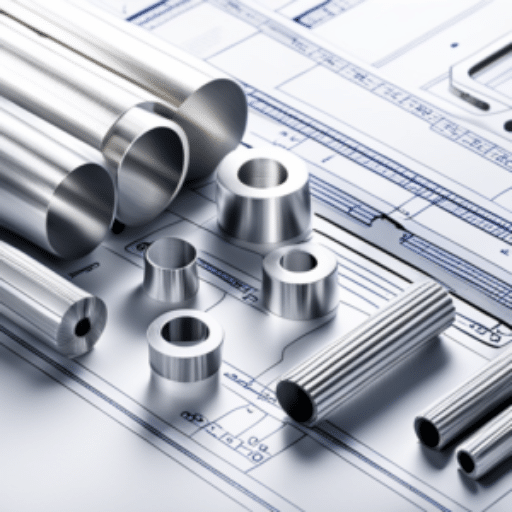
To accommodate the needs of the high-performance sectors, the manufacturing of nickel superalloys has taken a giant leap in incorporating modern-day manufacturing techniques besides the metallurgical knowledge, combining it with advanced technologies such as additive manufacturing, precision casting, and powder metallurgy.
- Additive Manufacturing (3D Printing):
The print 3D technique is one of the new-age methods, and it is also the strongest method. By laser or electron beam melting, manufacturers can build intricate shapes that were hardly conceivable to reproduce in earlier times. Not only this, but throughout the process, the amount of material lost is minimal, and precision is increased. As an example, a recent study says additive manufacturing can help in cutting down of material waste that can be as high as 70%, which in turn makes the production process less costly to a great extent.
- Precision Casting:
Precision casting is, still and always, a main method for producing and it is forging that strengthens the turbine blades and other key parts. Through techniques such as investment casting, single-crystal structures are formed in nickel superalloys, which confer no-creep resistance and overall strength. Studies have shown that single-crystal turbine blades improve jet engine efficiency by 15%.
- Powder Metallurgy:
The method of powder metallurgy allows the alloying elements to be uniformly distributed, which in turn leads to excellent material properties. The use of hot isostatic pressing (HIP), amongst others, has enabled manufacturers to eliminate internal voids in components, thereby significantly improving toughness and fatigue resistance. One of the remarkable advancements is the creation of powder particles as small as 20 microns and this enhances materials’ uniformity and performance.
The aforementioned modern techniques, along with computer-aided design and strict quality control measures, secure the position of nickel superalloys at the forefront of high-temperature engineering. The never-ending innovation in manufacturing processes continues to push the limits of efficiency and durability to meet the rigorous requirements of aerospace, energy, and industrial applications.
Fabrication Techniques for Nickel-Based Superalloys
Nickel-based superalloy production is not only a precision and technique-intensive but also a cutting-edge process that is strictly controlled for the most demanding industries. The introduction of five major techniques is made for manufacturing:
- Casting
Investment casting is the most popular method of producing parts with the most challenging shapes. During this process, the molten alloy is poured into ceramic molds to form complex shapes. Directional solidification and single-crystal casting techniques can be used to enhance properties like creep resistance by controlling grain structure.
- Powder Metallurgy (P/M)
In this process, alloy powders are produced, then subsequently compacted and sintered to yield very dense materials. P/M allows the production of parts with consistent microstructures and high strength while generating very little material waste. HIP-like methods of compaction and sintering are used to remove porosity and improve the material’s strength.
- Wrought Processing
Forging, rolling, and extrusion are the main forming methods of superalloys when they are still solid. The processes improve grain structure and mechanical properties, enabling the use of the material in critical applications, such as turbine discs and shafts.
- Additive Manufacturing (3D Printing)
Additive manufacturing enables 3D printing complex shapes from alloy powders, layer by layer. The use of laser or electron-beam technology provides the designer with greater flexibility and shorter lead times. This process is gaining acceptance primarily for prototyping or parts with low production volume.
- Joining Techniques
Nickel superalloy components are joined using advanced welding and brazing methods. Precision of techniques such as electron beam welding and laser welding and minimization of thermal distortion maintain the material’s high-temperature mechanical properties.
Every technique has its own strengths depending on the application and performance requirements. Selecting the right fabrication method is crucial to ensure superalloy components achieve the best possible efficiency, longevity, and performance in extreme operating conditions.
Heat Treatment and Its Impact
The heat treatment process is a significant factor in the creation and strengthening of superalloys, providing a new set of mechanical properties and the ability to operate in harsh environments. The application of precise heating and cooling cycles refines the material’s microstructure and improves its properties, making it stronger, more ductile, and more resistant to wear and corrosion. 5 key heat treatment methods have been widely used, their specific effects are as follows:
- Solution Treating
- Description: The superalloys are heated to a temperature above the melting point of the hardest constituent, the precipitates are dissolved, and then they are rapidly cooled to retain the solid solution.
- Impact: Composition becomes more uniform, resistance to corrosion is better, and the overall strength of the material is increased.
- Example Data: The temperature range for solution treatment is usually 1950°F (1065°C) to 2150°F (1177°C), depending on alloy composition.
- Precipitation Hardening (Aging)
- Description: The metal is heated to a temperature below its melting point, which allows the formation of small but numerous precipitates.
- Impact: Significant hardness and strength development by blocking the dislocation movement.
- Example Data: Typical aging temperatures varied from 1100°F (593°C) to 1400°F (760°C), dependent on the alloy.
- Annealing
- Description: Heating the material to a designated temperature and then slowly cooling it is the process.
- Impact: Internal stress is reduced, ductility and workability are improved.
- Example Data: Annealing treatments for superalloys are typically at 1800°F (982°C) to 2000°F (1093°C).
- Stress Relieving
- Description: Low-temperature heat treatment that helps to release the residual stresses formed during the mechanical processes.
- Impact: Dimensional stability is increased, and the chance of deformation under operating loads is decreased.
- Example Data: Typically done at low heat, around 1000°F (538°C) – 1200°F (649°C).
- Carburization and Nitriding
- Description: Carbon or nitrogen are diffused into the surface of the alloy in the case of nitriding and carburizing, respectively.
- Impact: It raises the surface hardness, and resistance to wear, and life under loading is increased without affecting the overall toughness of the material.
- Example Data: Carburizing is generally done at temperatures higher than 1600°F (871°C) and nitriding is carried out in the temperature interval of 900°F (482°C) to 1050°F (566°C).
Each heat treatment process is deliberately designed to address specific challenges and performance requirements. Thus superalloy components can be guaranteed to operate reliably under the harshest conditions, be it in aerospace engines, power plants, or chemical industry processing. They are the gateway to the full potential of advanced materials when these heating techniques are applied correctly.
Machinability and Welding Challenges
The superalloys’ characteristics, such as superb strength, the ability to withstand high tensile forces, and non-stick properties, among others, make them a headache for both machining and welding. The casting of these materials is difficult because their high strength often causes heavy wear on cutting tools. Research studies have shown that tool life can be reduced by as much as 80% in superalloys compared to ordinary steels. Cutting tools made of carbide and the use of advanced coating technology, such as TiAlN (Titanium Aluminum Nitride), are among the measures taken to improve machining accuracy and increase tool longevity.
A material’s ability to conduct heat is one factor that contributes to machining difficulty; in fact, most superalloys have low heat conductivity. As a result, during machining, the cutting edge becomes hot, which in turn speeds up the wear of the tool and the process becomes less productive. Therefore, machine tools often come with high-pressure coolant systems, as this helps remove heat and chips more effectively.
The problems with welding superalloys are mainly due to their high cracking susceptibility, rapid oxidation at high temperatures, and limited weldability in some grades. For example, nickel-based superalloys are at risk of hot cracking during welding. Strategies such as preheating and controlled cooling are used to solve these problems. Moreover, laser and electron beam welding, considered advanced methods, offer greater precision and smaller heat-affected zones than conventional arc welding, which is more widely used.
Among other things, a major contribution of recent developments in additive manufacturing (AM) is that they have opened new possibilities for addressing previously difficult-to-solve welding problems. The AM strategies that allow for right-first-time construction in a layer-by-layer approach and prevent defects while making complex shapes include SLM (Selective Laser Melting) and DED (Direct Energy Deposition).
In conclusion, superalloys, which are hard to machine and require special welding procedures, give new life to toolmakers, and their innovations continue to advance in the field of high-performance materials, making them more economical and efficient.
Applications of Nickel-Based Superalloys
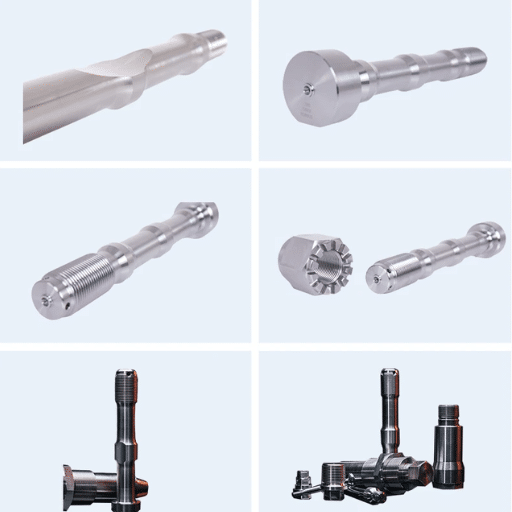
Nickel-based superalloys have earned a reputation for their superior mechanical strength, resistance to thermal creep deformation, and high-temperature stability. These features are why they are so widely used across many industries. The five most essential applications of nickel-based superalloys are presented below:
- Aerospace Engines
Nickel-based superalloys are mainly relied upon for the production of turbine blades, discs, and jet engines other significant components. The materials can withstand drastic temperature changes exceeding 1000°C while maintaining their original shape and preventing oxidation. About 40-50% of the weight of modern commercial aircraft engines is made up of nickel-based superalloys.
- Power Generation
Gas turbines used to generate power at plants also rely heavily on nickel-based superalloys, as they offer the same advantages as those in aerospace engines. The high-temperature and high-pressure conditions are the main reasons why nickel-based superalloys are instant energy and system durability enhancers in the power generation sector.
- Nuclear Reactors
In the production of nuclear energy, nickel-based superalloys are of great importance, especially in the case of reactor vessels, heat exchangers, and steam generators. Their ability to be radiation- and corrosion-resistant simultaneously ensures the longevity and safety of reactor components.
- Chemical Processing
The chemical and petrochemical sectors need nickel-based superalloys for equipment such as heat exchangers, piping, and reactors. These alloys are impervious to the attacks of the most corrosive substances, such as acids and alkalis, and thus can withstand the rigors of harsh environments.
- Automotive Industry
One of the advanced applications of auto manufacturers is the making of turbocharger parts and exhaust valves. Nickel-based superalloys are used because they can withstand high stress and temperature, thereby improving fuel economy and engine performance.
The mentioned various applications of nickel-based superalloys illustrate how beneficial these materials are for the industries, especially for the ones that operate under extreme conditions and thus need long-lasting and reliable materials.
Use in Aerospace and Gas Turbines
Nickel-based superalloys have become the mainstay of both the aerospace and gas turbine industries, owing to their remarkable mechanical strength, thermal creep resistance, and high-temperature stability. These traits are so crucial that, in general, they are the only materials used in the harshest environments. Here are five such applications in the mentioned industries:
1. Turbine Blades and Disks
The use of nickel-based superalloys in the turbine blades and disks of jet engines is commonplace, as they withstand not only the extreme temperatures above 1,000 °C but also the high forces generated by rotation. Preserving the structure ensures reliable performance.
2. Combustion Chambers
Nickel-based superalloys are a must for combustion chamber components of the gas turbines. They handle the combined thermal and mechanical stress with unbroken efficiency over long periods of operation.
3. Exhaust Components
Exhaust systems for both aerospace and ground gas turbines incorporate these superalloys because they can resist oxidation and corrosion at elevated temperatures. This results in parts lasting longer and requiring fewer repairs.
4. Rocket Engines
Nickel-based superalloys are used in the major components of rocket engines, as they can withstand rapid heating and cooling without losing strength and stability.
5. Turbine Casings
The casing of the gas turbines, made from nickel-based superalloys, provides the necessary structural support. Thus, the high-pressure gases in the turbine can be safely and very effectively contained during operation.
These applications reflect the want for and the contribution of nickel-based superalloys to not only the aerospace technology advancement but also the improved performance and lifespan of the gas turbines.
Role in Automotive Industries
Nickel-based superalloys have significantly penetrated the automotive industry, offering high-performance solutions for different parts. Their temperature resistance, oxidation resistance, and strength retention over time make them indispensable in modern car manufacturing. Here are five major applications in which the superalloys made of nickel are utilized:
- Turbocharger Parts
Nickel-based superalloys are present in the turbines and casings of turbochargers thus, being able to take on high heat plus fast rotating without changes which leads to producing good power and saving fuel.
- Exhaust Valves
Exhaust valves made of nickel-based superalloys are designed for continuous exposure to high temperatures and corrosive gases, hence, they last longer and need less frequent replacements.
- Catalytic Converters
These superalloys are utilized in catalytic converters, where, due to their chemical resistance, the high-temperature reactions to the burning of pollutants are made possible thus, prolonging the converters’ compliance with environmental standards.
- Engine parts
Nickel-based superalloys endow critical components such as pistons and cylinder heads with durability and heat resistance, enabling them to function efficiently in tough thermal and mechanical environments.
- Electric Vehicle Battery Parts
Nickel is an essential element in the next-gen lithium-ion battery technologies, especially in cathodes. Metal-based materials not only boost energy density but also improve overall battery performance, thereby facilitating the growth of electric vehicle (EV) technology.
Therefore, nickel-based superalloys remain a key part of the automotive industry, supporting innovation through performance enhancement, efficiency upgrades, and green technology solutions.
Applications in the Energy Sector
Nickel is an indispensable metal, with many uses in energy technologies. Its qualities, in particular, its corrosion resistance, stability at high temperature and strength, are the reasons that nickel is a significant material in several energy systems. Here are the five major areas where nickel is applied in the energy industry:
- Energy Storage Systems
Nickel is a significant ingredient in batteries and is used in nickel-metal-hydride (NiMH) and nickel-containing lithium-ion batteries. These types of batteries are widely employed for the storage of renewable energy thus helping to maintain the stability and reliability of energy grids.
- Wind Turbine Manufacturing
Nickel-containing alloys are mainly used for the building of wind turbines and especially for those parts that undergo high stresses and are also subject to extreme environmental conditions like the turbine’s shaft and blades.
- Nuclear Power Plants
Nickel-containing superalloys are the only ones that can be accepted in the nuclear reaction chambers since they are the most heat and radiation resistant materials. They help a lot with the lifespan of reactor parts and thus safety.
- Hydrogen Production and Storage
Nickel alloys enable hydrogen production, storage, and conversion. They are primarily used in electrolyzers for hydrogens generation and in fuel cells for generating power via a clean process.
- Geothermal Energy Systems
Nickel is one of the main ingredients in the production of components used in geothermal energy plants, such as pipes and valves that go through very harsh underground conditions, where high temperature and corrosive environment is taken into account.
These usages highlight the significance of nickel in not only the energizing but also in the sustainable designs of the energy sector.
Recent Advancements and Innovations
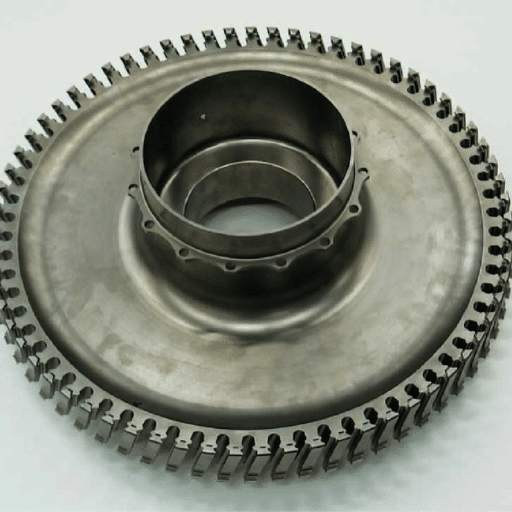
Nickel is an essential element in the energy sector where it has been the main agent behind the advancements made in the electric and electronic power generation, distribution, and transmission sectors that have been characterized by good quality, efficiency, and sustainability. One of the key technological breakthroughs is the use of nickel as a major component in the production of advanced batteries for electric vehicles (EVs). The development of nickel-rich lithium-ion batteries, such as nickel-cobalt-aluminum (NCA) and nickel-manganese-cobalt (NMC), has gained ground due to their long cycle life and high energy density. A recent report says that the adoption of EVs all over the world is rapidly increasing, and this has been made possible through better battery technology which uses nickel as an essential element, with sales being more than 10 million in the year 2022 alone.
Moreover, the technologies that are on the rise have also improved the efficiency of electrolyzers which are used for the production of green hydrogen. Nickel alloys are known to be the best choice for the electrodes of these devices as they help to reduce the energy consumed and at the same time increase the efficiency of the devices. To illustrate, some advanced alkaline electrolyzers use nickel coatings to achieve high hydrogen output at low cost, thereby supporting a global shift to a clean hydrogen economy.
In addition, the use of nickel-clad materials on offshore wind turbines has been another significant milestone in technological innovations. Marine environments are hostile and the structures there must be made of nickel-containing, corrosion-resistant alloys in order to have a longer operational life. Recent advancements in materials engineering are enabling the production of turbines with lifespans of more than 20 years and very low maintenance costs, thereby significantly reducing lifecycle costs. Such innovations further underscore the importance of nickel in achieving renewable energy targets.
These technological developments not only bring about more efficient energy systems but also underscore the fact that nickel will continue to play an indispensable role in the struggle between rising energy demand and global sustainability.
Emerging Technologies in Nickel Superalloys
Nickel superalloys represent the pinnacle of advanced materials in the 21st century and are unmatched for performance in extreme conditions. These alloys are characterized by their being extremely strong, resistant to corrosion, and able to maintain functionality even at high temperatures. This makes them unavoidable in the realms of aerospace, power generation, and manufacturing. Still, the trail of the recent breakthroughs is leading their potential even further than before.
3D printing, one of the most remarkable emerging technologies, is coming to the forefront in this field, where the elimination of material waste enables the accurate manufacture of nickel superalloy parts. Market surveys conducted in 2022 estimate the size of the worldwide market for additive manufacturing, including applications for nickel superalloys, to exceed 13 billion dollars, with growth continuing at a compound annual rate of around 21% until 2030. This increase is mainly due to the production of intricate turbine parts for both jet and gas turbines, with tailor-made shapes.
The further development of advanced coating applications on nickel superalloys is of great concern. These coatings are usually made from ceramics and their primary purpose is to improve the oxidation resistance and thermal stability of superalloys. Recent studies have reported that coated nickel superalloys can withstand temperatures above 1,200°C, a requirement for the next generation of jet engines designed to be more fuel-efficient and emit fewer pollutants.
Above all, the use of AI and machine learning in the development of nickel superalloys is a game-changing factor. Enhanced by AI, researchers are modeling alloy compositions and performance characteristics, and testing for time efficiency. For instance, by employing machine learning algorithms in their study, the scientists have reduced the development time of new nickel-based alloys by nearly half.
Thus, these remarkable applications emphasize that nickel superalloys are the heart of modern technology. Because of ongoing research and the growing demand for materials with superior performance, they are expected to play a significant role in achieving both industrial and environmental objectives in the coming decades.
Research and Development Trends
The use of cutting-edge computational methods, such as machine learning, to refine the composition and properties of nickel superalloys is one of the main trends in their research and development. I think this method is auspicious, as it speeds up the design process and ensures the production of materials that meet very high industrial and ecological standards.
Future Directions for Nickel-Based Superalloys
The coming days of nickel-based superalloys will depend on a multifaceted approach to addressing the challenges posed by their high-performance applications, particularly in the aerospace, power generation, and other energy-intensive industries. One of the most crucial aspects will be to enhance high-temperature performance and creep resistance, features that are mandatory for turbine blades and other parts operating in extreme conditions. The researchers are toying with the idea of adding refractory elements like rhenium and ruthenium to improve mechanical properties; however, the core of the corrosion resistance is to be kept intact.
The 3D printing process is also going to change the landscape of nickel superalloy production, enabling more complex geometrical designs and, at the same time, minimizing material waste. Recent scientific work indicates that the laser powder bed fusion technique has successfully been applied to nickel-based superalloys, and the resulting parts exhibit mechanical properties comparable to those produced by traditional methods. For instance, the global additive manufacturing market was worth $15 billion in 2023 and is projected to grow at a compound annual growth rate (CAGR) of more than 20% until 2030, indicating the increasing acceptance of this technology in the field of materials.
Environmental factors are driving the development of nickel superalloy recycling techniques; thus, advancements in these methods are directly proportional to ecological concerns. The efficient extraction and reuse of key elements not only reduces manufacturing costs but also has a lower environmental impact than mining and processing raw materials. The industry is expected to become more sustainable through vacuum extraction techniques and automated sorting systems, aligning with global carbon-reduction objectives.
Yet another promising area is to employ machine learning and artificial intelligence to foresee the behavior of alloys in different conditions. By leveraging big data and simulation models, the development cycle for new alloys can be drastically shortened. Such methods have already been successful; for instance, predictive algorithms have been instrumental in suggesting better alloy formulations for particular applications. These advancements enable manufacturers to meet the increasing demand for efficient, long-lasting materials at a cost-effective price.
In brief, the future of nickel-based superalloys will undoubtedly be characterized by the combination of technologically advanced equipment, sustainable approaches, and high-quality materials that meet the ever-increasing, stringent industrial specifications. All will push towards superalloys being a vital facilitators for engineering breakthroughs in the era of modernity.
References
- ScienceDirect: Nickel-Based Superalloys – an overview
This source provides a comprehensive overview of nickel-based superalloys, including their composition, phases, and applications. - ResearchGate: (PDF) A Review on Superalloys and IN718 Nickel-Based INCONEL Superalloy
A detailed paper investigating the microstructure and mechanical properties of IN718 nickel-based superalloys. - Taylor & Francis Online: A microscopy study of nickel-based superalloys
This article explores the role of key elements like chromium and aluminum in the degradation of nickel-based superalloys.
Frequently Asked Questions (FAQ)
Nickel-based superalloys and their special properties?
Materials mainly composed of nickel and some other metals such as cobalt or iron are called nickel-based superalloys. Their main characteristic is that they can work continuously at very high temperatures and exhibit better resistance to oxidation and corrosion than any other alloy. Applications of these superalloys are primarily in turbine and jet engines.
Mechanical properties of nickel-based superalloys vs. other materials?
Nickel-based superalloys exhibit superior mechanical properties compared to more traditional materials such as steel and titanium. High tensile strength, resistance to creep, and excellent fatigue properties characterize so-called superalloys and they are used for high-performance applications in aerospace and power generation.
What are the main applications of nickel superalloys in the aerospace industry?
The main application of superalloys in the aerospace industry is in the manufacturing of turbine blades, combustion chambers, and other parts that operate under extreme temperature and stress conditions. The positive properties of superalloys, oxidation resistance, and high-temperature strength ensure reliability and performance in jet engines and gas turbine applications.
What is the effect of the microstructure on the performance of nickel superalloys?
The microstructure of nickel superalloys is a key factor in determining their mechanical properties and performance. For example, the distribution of phases, grain size, and elemental content, such as nickel content, all influence the materials’ strength, ductility, and resistance to deformation. Hence, to improve alloy performance, it is essential to understand the structural aspects and their factors across different applications.
What is the role of corrosion resistance in nickel alloys?
Corrosion resistance is one of the key benefits of superalloys, particularly those exposed to extreme temperatures and harsh chemicals. This feature is crucial to preserving the integrity and durability of parts used in chemical processing, nuclear reactors, and other applications where corrosion-induced failure could have disastrous consequences.
Which machining processes are used for nickel-based superalloys?
Nickel superalloys are notorious for their hardness and toughness; hence, machining them is problematic. Some of the standard processes of machining include milling, turning, and grinding but specialized tools made of carbide or high-speed steel are often mandatory. One must consider proper heat treatment and machining parameters to promote tool life and produce the desired surface finishes.
How is heat treatment applied in nickel superalloys?
In nickel-based superalloys, heat treatment is the primary factor that enhances their quality. The process of solution heat treatment and aging, among other techniques, helps raise the mechanical properties threshold to strength and creep resistance. Treatments are optimally timed to create a microstructure that can withstand very high temperatures, as encountered in industrial and aerospace applications.
Why is it essential for industrial applications to have nickel alloys with good weldability?
Weldability is an essential feature in nickel alloys for industrial applications, since most of their components require joining techniques. The weldability of nickel-based superalloys can affect their structural integrity and performance in high-stress regions. Good weldability helps preserve the properties of the base material while creating joints that are trustworthy and durable in gas turbines, chemical processing plants, and other applications.