


Blog
42CrMo Steel: High Strength Alloy Steel Guide

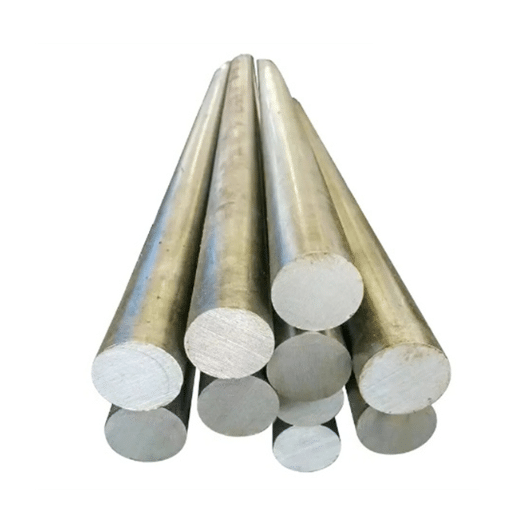
Choosing the right material is often the decisive factor that determines the success of the project. The list of available alloys is long; however, 42CrMo steel is one of the few that offers both versatility and durability. The alloy has excellent characteristics such as big strength, toughness, and wear resistance; therefore, it is used not only in cars but also in making machinery. However, the question of why 42CrMo steel is unique and how its properties can be harnessed to achieve the best performance and reliability still remains. A complete guide will help you understand the 42CrMo steel composition, properties, key applications, and best practices, giving you the knowledge to use this high-strength alloy in your work. Whether you are a professional engineer, a manufacturer, or just interested in advanced materials, this paper will offer you valuable insights to improve your understanding.
Overview of 42CrMo Steel
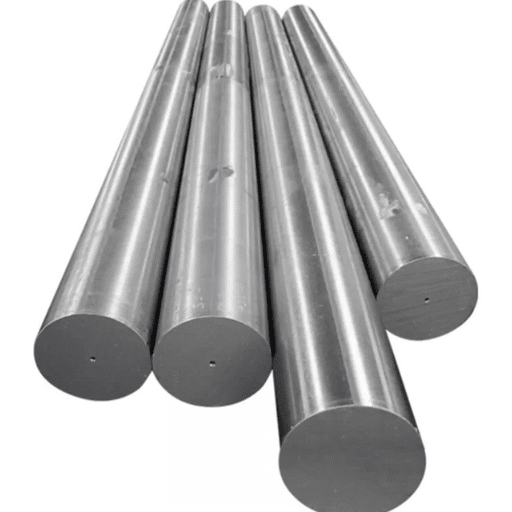
42CrMo steel is a high-strength alloy that has been widely used over the years for its exceptional toughness, wear resistance, and mechanical performance. The pretty big mix of elements, specially chromium (Cr) and molybdenum (Mo), which are the main players in the alloy, makes it hard to break and withstand very high temperatures and high-stress situations. Besides, it is very common for manufacturers to use it to produce gears, shafts, and other critical components, since the steel is highly recognized for its ability to withstand harsh conditions. Given its good combination of strength and workability, it is the first choice across a wide range of industries, including automotive, machinery, and energy.
Definition and Significance in Industry
42CrMo steel has become an alloy steel that is simply unreplaceable in the industry due to its unique properties of strength, toughness, and wear resistance, which remain excellent. Its excellent mechanical properties, combined with its adaptability to different environments, are the reasons for its widespread use in various fields. Being able to perform under the most demanding conditions and remain reliable under extreme conditions are the main reasons for 42CrMo’s significance in the industry.
Below are the five key details and examples that show its importance in the industry:
Automotive Industry
42CrMo is the steel that not only ensures the quality of parts but also whose performance in high-stress areas, such as high-speed vehicles, is assured when the engine parts, transmission gears, and crankshafts, which are heavily used, are made of it.
Machinery Industry
For large machine parts, 42CrMo is preferred for its high tensile strength and ability to withstand stress without permanent deformation.
Energy Industry
The resistance of 42CrMo to extreme temperatures and pressure is the single most important reason it is used in the manufacture of parts for wind turbines, oil rigs, and power plant machinery that need to be super tough.
Aerospace Industry
The use of 42CrMo in critical aerospace components, including landing gear and structural parts, is driven by extreme environmental and mechanical stresses.
Construction Industry
High-strength bolts, fasteners, and load-bearing structures are among the steel products that have been attributed to the latter’s durability and fatigue resistance.
The mentioned applications highlight the crucial role of steel as a composite material that cannot be replaced or reinstated for high-performance solutions demanded by the industry.
Historical Context and Development
42CrMo steel dates back to the middle of the 20th century, when materials science emerged, leading to the development of alloys with better mechanical properties. At that time, steel was produced with the aim of satisfying the manufacturing and aerospace industries, which wanted nothing less than the strongest, most durable materials. The making of 42CrMo involves adding chromium and molybdenum, which not only give the steel great strength but also enable it to be hardened and to resist both wear and fatigue, making it a significant improvement over regular carbon steels.
Inevitably, over the years, technological breakthroughs have gradually improved the 42CrMo steel production and treatment processes. The introduction of contemporary methods, such as vacuum degassing and precision alloying, allows manufacturers to obtain batches of the material that are purer and more consistent than before. This, in turn, leads to better performance of the material in the critical applications. Recent reports indicate that demand for alloy steels similar to 42CrMo remains high worldwide, and that the construction and automotive sectors account for a sizable share of total usage.
Market Insight: Market researchers have determined that the alloy steel market, which consists of 42CrMo, is predicted to expand at a CAGR of about 5.3% between 2023 and 2030 owing to the rise in infrastructure investments and the unfolding of technological advancements in steel manufacturing. Such market growth is nothing more than confirmation of 42CrMo’s long-lasting relevance, adaptability, and ability to meet the ever-changing needs of modern engineering and industry.
Comparison with 4140 Steel
| Parameter | 42CrMo Steel | 4140 Steel |
|---|---|---|
| Standard | Chinese GB/T 3077 | AISI/SAE, ASTM A29 |
| Tensile Strength | 950–1100 MPa | 850–1000 MPa |
| Yield Strength | ~830 MPa | ~655 MPa |
| Hardness (HRC) | 30–35 | 28–32 |
| Elongation | ~12% | ~25% |
| Fatigue Resistance | High | Moderate |
| Machinability | Moderate to difficult | Easy |
| Heat Treatment | Carburized, hardened | Annealed, quenched, tempered |
| Applications | High-load gears, shafts, engine parts | General machinery, axles, gears |
| Cost | Higher | Lower |
| Corrosion Resistance | Moderate | Moderate |
| Availability | Common in China, Europe | Common in North America |
Chemical Composition of 42CrMo Steel
42CrMo steel is a high-strength alloy mainly made up of carbon, chromium, and molybdenum, whose resistance and adaptability are due to their remarkable mechanical properties. The detailed chemical composition of 42CrMo steel is as follows:
- Carbon (C): 0.38%–0.45%
- Silicon (Si): 0.17%–0.37%
- Manganese (Mn): 0.50%–0.80%
- Phosphorus (P): ≤ 0.035%
- Sulfur (S): ≤ 0.035%
- Chromium (Cr): 0.90%–1.20%
- Molybdenum (Mo): 0.15%–0.25%
The distinctive composition endows the material with moderate hardness, high strength, and good toughness, making 42CrMo alloy steel suitable for demanding applications. The alloying elements, such as chromium and molybdenum, particularly improve wear and corrosion resistance, as well as resistance to high-temperature effects. At the same time, the carbon content is responsible for hardenability and tensile strength. All in all, the 42CrMo steel chemical characteristics are optimized for the automotive industry parts, industrial machines, and energy production equipment, where performance and durability are the main requirements.
Note: The material may undergo heat treatment as an additional process to improve performance in specific applications, thereby further enhancing its mechanical properties.
Elements and Their Contributions
Carbon (C)
The first element, Carbon, is one of the four cornerstones of 42CrMo steel, which typically ranges from 0.38% to 0.45% in its composition. Besides, it is a major factor in the material’s hardenability and tensile strength, making it suitable for heavy-duty applications. Higher carbon content raises the strength gauge but reduces weldability if not handled right, that is.
Chromium (Cr)
Chromium is a major player in enhancing the corrosion and wear resistance of steel, with the primary mechanism being the formation of a protective oxide layer on the surface. Besides, it also provides toughness and hardenability. For 42CrMo steel, the chromium content ranges from 0.9% to 1.2%.
Molybdenum (Mo)
Molybdenum in the range of 0.15% to 0.30% improves high-temperature strength and creep resistance. It also reduces the risk of brittleness during tempering, so the steel retains ductility and toughness even under cyclic loading.
Silicon (Si)
Silicon at 0.15% to 0.35% serves as a deoxidizer in the steel-making process, thereby making the steel stronger and harder. Furthermore, it increases the elastic limit and wear resistance without significantly affecting ductility.
Manganese (Mn)
Manganese, usually around 0.6% to 0.9%, helps steel become more ductile and more rigid. Its presence during production also aids in deoxidation and it is said to counteract the brittleness of steel caused by sulfur.
Phosphorus (P) and Sulfur (S)
Phosphorus and sulfur are generally considered impurities, but their presence is controlled (to less than 0.030% each) rather than completely avoided. While sulpher enhances machinability, it reduces the toughness and brittleness at the same time.
Key Material Properties from Current Data
- Tensile Strength: Approximately 1000-1300 MPa
- Yield Strength: Ranges between 800-1080 MPa
- Elongation: Around 12-16% depending on heat treatment processes
- Hardness (after quenching and tempering): 217-255 HB
The combination of these elements, along with their specific contributions, makes 42CrMo steel a highly adaptable material that can be used wherever it is required, such as in the aerospace, automotive, and engineering industries.
Role of Chromium and Molybdenum
Chromium (Cr) and Molybdenum (Mo) are the principal alloying elements in 42CrMo steel, significantly influencing its mechanical properties and overall performance. Here are five main distinctions, as well as effects of these elements:
1. Enhanced Corrosion Resistance
Chromium oxidizes the steel, making it more corrosion-resistant and allowing it to be used in very aggressive environments. It reacts with oxygen, forming a layer of oxide that protects the steel’s surface.
2. Improved Hardness and Wear Resistance
Chromium increases the material’s hardness and its resistance to wear and Corrosion. Molybdenum also adds to the wear resistance but mainly when the temperature is high.
3. High-Temperature Strength
Molybdenum strengthens the steel even at very high temperatures, making 42CrMo a reliable material in high-stress thermal applications.
4. Refinement of Grain Structure
Chromium is a grain-refiner; hence steel has better strength and toughness when the grain is small. This property is critical for applications that demand both accuracy and longevity.
5. Enhanced Hardenability
Chromium and molybdenum help the steel become more readily hardenable, which permits heat treatment to be both deeper and more uniform throughout. This enhances the mechanical reliability of even large and complex parts.
The properties of Chromium and Molybdenum indicate that there is no alternative to them for achieving the desired performance characteristics of 42CrMo steel for high-strength applications.
Equivalent Materials and Their Differences
42CrMo steel is a high-strength alloy steel commonly used in engineering and industrial applications. Its properties are often compared to those of similar steels such as SAE 4140, DIN 1.7225, and JIS SCM440. While they have identical properties, they are nevertheless different, which impacts their use and performance.
SAE 4140 (USA Standard)
Composition Differences:
SAE 4140 has almost the exact amounts of Chromium (0.80-1.10%) and Molybdenum (0.15-0.25%), but is less strict in carbon content control than 42CrMo. This might cause minimal differences in hardness and tensile strength.
Mechanical Properties:
The yield strength of SAE 4140 ranges from 415 MPa to 655 MPa, while 42CrMo can reach up to 685 MPa, depending on the heat treatment.
Applications:
The automotive and oil field industries prefer the use of SAE 4140 for parts like gears, shafts, and couplings due to its cost and the fact that it is readily available in the U. S.
DIN 1.7225 / 42CrMo4 (European standard)
Composition Differences:
DIN 1.7225 and 42CrMo have almost the same chemical composition, but there are small differences in the amounts of sulfur and phosphorus that are allowed as impurities.
Mechanical Properties:
The two steels have almost the same tensile strength (930-1080 MPa) and hardness after heat treatment, so they are considered interchangeable in the European market.
Applications:
DIN 1.7225 is popular in European automotive manufacturing for components such as crankshafts, connecting rods, and forgings due to its strong properties and adherence to stringent European quality standards.
JIS SCM440 (Japanese Standard)
Composition Differences:
JIS SCM440 is very close to 42CrMo in the amounts of Chromium and Molybdenum but there are slight carbon and silicon variations for better weldability.
Mechanical Properties:
Yield and tensile strengths are the same for both, but SCM440 is sometimes heat-treated to improve ductility for welded components.
Applications:
SCM440 is a mainstay in the Japanese market for fabricated components in construction machinery, pressure vessels, and dies because of its multipurpose use and ease of machining.
Summary of Key Differences
| Material Standard | Chromium (%) | Molybdenum (%) | Yield Strength (MPa) | Tensile Strength (MPa) | Applications |
|---|---|---|---|---|---|
| 42CrMo (China) | 0.90-1.20 | 0.15-0.25 | Up to 685 | 930-1080 | High-strength engineering components |
| SAE 4140 (USA) | 0.80-1.10 | 0.15-0.25 | 415-655 | ~1030 | Automotive, oil fields |
| DIN 1.7225 (EU) | 0.90-1.20 | 0.15-0.25 | ~655 | ~1080 | Machine and structural parts |
| JIS SCM440 (Japan) | 0.90-1.20 | 0.15-0.30 | ~600 | ~1000 | Machinery, welded structures |
Equivalence of these materials gives engineers and producers the flexibility to design according to local standards and exact performance requirements. Although they have a lot in common, distinguishing their fine differences will make sure the most appropriate material is chosen for the application.
Mechanical Properties

The mechanical characteristics of these substances determine the materials’ performance in different situations and are essential for selecting the right material for certain engineering and structural applications. Below are the main mechanical properties:
Tensile Strength
Tensile strength is the maximum stress these substances can withstand when stretched or pulled before fracturing. The tensile strength of materials such as 1.7225 (EU) and JIS SCM440 (Japan) is usually around 600-1080 MPa, with the exact value depending on the metal’s treatment. If the heat treatment is done right, it can result in very high tensile ductility.
Yield Strength
Yield strength is the maximum stress point at which a material starts to undergo plastic deformation. These substances provide yield strengths from 450 MPa to 900 MPa, which are adequate for heavy-duty use where maintaining structural integrity is most important.
Hardness
Hardness is a material’s resistance to deformation or penetration. The hardness of 1.7225 and SCM440 is regularly indicated in the Rockwell C (HRC) scale and the values, after suitable heat treatments, like quenching and tempering, falls between HRC 28 and HRC 45.
Elongation
Elongation is a measure of the material’s ductility, indicating how much it can stretch before rupture. The elongation percentage of these materials is between 10 and 15%, which is more than enough for many engineering applications that require a combination of easy deformation and strength.
Impact Strength
Impact strength is the criterion for selecting materials for applications involving dynamic or shock loads. Both 1.7225 and JIS SCM440 present good impact properties, especially when the alloying elements such as chromium and molybdenum are proportioned to alleviate brittleness. The impact strength can be from about 50 J to 100 J, depending on the particulars of the case.
Fatigue Strength
Fatigue strength is a measure of a material’s resistance to repeated loading. New alloying technologies together with accurate processing provide these materials with fatigue strengths that are, in most cases, sufficient for application in the manufacture of automotive parts, gears, and high-performance machines.
These mechanical properties, coupled with advanced manufacturing capabilities, make materials such as 1.7225 and JIS SCM440 ideal for the most demanding strength requirements across multiple industries. Apart from treatment methods and application-specific requirements, performance should be maximized.
Strength and Toughness
The mechanical properties of durability and reliability, among others, are characterized mainly by the strength and toughness of 1.7225 (42CrMo4) and JIS SCM440, which are commonly used in industry. The strength of a material refers to its ability to resist an applied force or load without undergoing permanent deformation or rupture, while toughness indicates the material’s ability to withstand energy and resist fracture under sudden impact.
Industry standards indicate that 1.7225 (42CrMo4) has a tensile strength of 850-1000 MPa and a yield strength of 700-850 MPa when properly heat-treated. Likewise, JIS SCM440 offers a similar range of properties, with tensile strengths of 930-1080 MPa and yield strengths of 735-880 MPa, depending on the specific combination of thermal and mechanical treatment processes. Such property levels are why both materials are used to manufacture parts that constantly bear heavy stress, such as crankshafts and connecting rods, and even in the construction of injection molds.
Through tempering, the martensitic structure, characterized by its toughness, has been identified as one of the factors responsible for the high toughness of materials. The toughness influences the hardness and ductility and gives the material excellent resistance against both wear and impact. For example, the Charpy impact energy of these materials is typically greater than 55 J at room temperature, indicating strong performance even under dynamic loading.
The metallurgical industry has been relying on continuously improving the strength and toughness of these materials to their peak through proper heat treatment and control of grain microstructures. When all the different operating conditions and factors, including temperatures and loads, are considered, these qualities alone can guarantee unfailing performance across diverse industries such as automotive, aerospace, and heavy equipment manufacturing.
Fatigue Resistance and Hardness
The combination of fatigue resistance and hardness is a very important factor that determines the lifespan and reliability of materials when subjected to cyclic loads. These properties are accountable for the performance and life of the components in tough uses. The following are the five most important facts and data points about fatigue resistance and hardness:
1. Endurance Limit
There are many materials with an endurance limit, defined as the maximum stress they can withstand for an infinite number of cycles without being damaged. High-quality steel alloys, for instance, usually have an endurance limit near 50% of their ultimate tensile strength.
2. Brinell Hardness (BHN)
This is a standardized hardness value that indicates a material’s resistance to indentation. The Brinell Hardness of standard structural steels is between 100 and 300, while the high-hardness variant has a Brinell Hardness of more than 500.
3. Effect of Surface Finish
Surface roughness has a significant effect on fatigue resistance, as stress concentrations are reduced when surfaces are smooth. For instance, polished parts show about a 30% increase in fatigue life compared to rough surfaces.
4. Impact of Heat Treatment
Applying the appropriate heat treatment processes, such as quenching and tempering, will increase both fatigue strength and hardness. The materials treated with these methods can have their fatigue resistance increased by 20-40%.
5. Stress Concentration Factors
Features such as notches, grooves, and geometric irregularities cause stress concentrations to form. The enhancement of the fatigue resistance and operative performance of the material against cyclical loads through the reduction of these factors via design optimization is direct.
These data points have highlighted the relationship between material properties and operating conditions in the real world, underscoring the need for a tailored approach to material selection and design.
Impact of Heat Treatment on Properties
Heat treatment processes have a significant impact on the modification of the physical and mechanical properties of materials for the desired applications. The processes can involve heating and cooling methods, as well as the changing microstructures of different materials, which would lead to better material performance. It is fascinating to note the five most significant effects of heat treatment on material properties:
1. Improved Hardness
Heat treatment, consisting of quenching followed by tempering, is one of the processes that harden materials. For instance, steel that has undergone rapid cooling and tempering is showing the right hardness for tools and cutting applications.
2. Enhanced Ductility
The ductility of the material is increased by heating it to its melting point, a process commonly known as annealing. Such a process is especially suitable for shaping metals like copper and aluminum, which require forming or working.
3. Stress Relief
The process of annealing is called stress-relief because it removes the residual stresses induced during manufacturing or welding that remain in the material. This would also reduce the chance of warping, distortion, or cracking under operating conditions.
4. Refined Grain Structure
Normalizing alters the microstructure of steel towards a finer structure, leading to uniform mechanical properties and greater toughness. Thus, it is essential for components that will experience dynamic loads.
5. Improved Wear Resistance
Surface hardening techniques such as carburizing or nitriding are some of the methods used for case-hardening the components which then results in the hardening of the surface of the components. Thus, it increases wear resistance while keeping the core tough and ductile, which is very suitable for gears and bearings.
For every effect, one can see the flexibility and necessity of heat treatment processes in customizing materials for specific industrial needs.
Applications of 42CrMo Steel
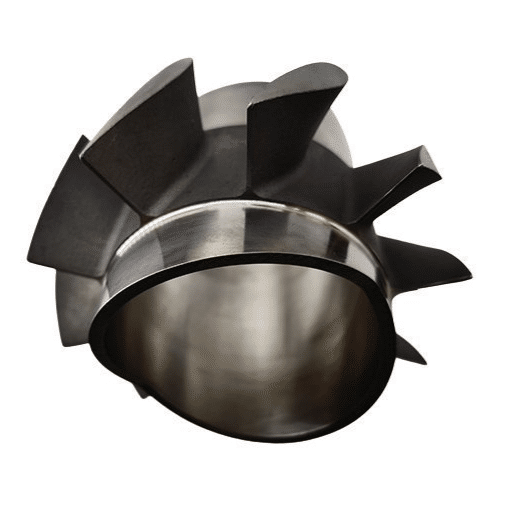
42CrMo steel, with its superior strength, toughness, and wear resistance, is widely used across various industries. Here are five of the most essential applications for 42CrMo steel:
Automotive Industry
The production of crankshafts, gears, and connecting rods, among other critical automotive parts, is where 42CrMo steel alloy is widely used. Due to its combination of high strength and fatigue resistance, it is an excellent choice for dynamic loads, offering reliable performance.
Aerospace Industry
This grade of steel is often used to make high-stress aerospace components and structural elements, among other applications. Its ability to endure extreme conditions fits perfectly with such demanding environments.
Machine Tool Industry
Tool precision and heavy-duty machine parts like shafts and spindles are all made of 42CrMo steel. The combination of excellent machinability and wear resistance of this material departs performance in high-stress applications.
Oil and Gas Industry
The steel’s toughness and resistance to fracture make it ideal for use in the oil and gas sector, where it is used to manufacture drilling tools, pipelines, and components for offshore rigs.
Construction and Heavy Equipment
42CrMo steel is utilized in the production of high-strength bolts, nuts, and structural components for heavy machinery and construction equipment. Its durability contributes to the safety and longevity of these applications.
Each of these applications demonstrates that steel 42CrMo is not only versatile but also reliable across a wide range of industries.
Use in the Automotive Industry
42CrMo steel is a key player in the automotive industry due to its exceptional strength, toughness, and wear resistance. It is frequently used in the production of different parts that require mechanical performance and durability of the highest order. The following are five major uses of 42CrMo steel in the automotive sector:
Gears and Shafts
42CrMo steel is often the material of choice for gearboxes and gear shafts, since it provides the needed strength that can support high torque and assures smooth operation.
Axles
The steel’s toughness permits forging of long-lasting axles that can take on heavy loads and high-stress areas without going to fail, thus guaranteeing vehicle safety and longevity.
Connecting Rods
Connecting rods made of 42CrMo steel are a part of the engine that significantly contribute to its performance, as they endure high temperatures and pressures during operation.
Suspension Components
This steel is used in suspension and other components, thereby making it indirectly responsible for the vehicle’s good dependability and comfort, as well as its great fatigue resistance.
Crankshafts
One of the many great mechanical properties of 42CrMo steel is its ability to be used for crankshafts, ensuring power transfer efficiency and long-term wear resistance.
These different applications showcase the indispensable role that 42CrMo steel plays in the manufacture of automotive components that have the quality, performance, and durability.
Role in Machinery Manufacturing
42CrMo steel, along with its exceptional strength, toughness, and wear resistance, is a key material in the machinery manufacturing industry. Its application is widespread in areas subject to high operational loads and hostile environments. Among the five most important areas of machinery manufacturing where 42CrMo steel is used, are the following:
Gears
The steel’s high fatiguability and resistance against wear have made it a prime choice for industrial machines where the gears are engineered to last longer and operate more efficiently.
Hydraulic Cylinder Rods
The combination of excellent hardness and corrosion resistance makes 42CrMo steel ideal for hydraulic cylinder rods, which need to withstand constant pressure and high durability.
Shafts
42CrMo steel is the go-to material for shafts in heavy machinery as it offers great dimensional stability and the capability of withstanding torsion stress.
Mold Components
This steel’s excellent machinability and toughness make it suitable for molds and dies in manufacturing processes such as plastic injection and metal forming.
Rollers
The steel’s capacity to withstand heavy loads and resistance to wear make 42CrMo the material of choice for rollers used in conveyors, presses, and other industrial setups.
These uses clearly demonstrate that 42CrMo steel is a must-have for the manufacture of robust, efficient machine parts, which, in turn, provide different industries with the reliability and performance they need.
Specific Applications and Case Studies
Plastic Injection Molding Components
It is common to use 42CrMo steel for plastic injection mold production. High-pressure operations, repeated cycles, and hardness are all factors that help maintain the steel’s dimensional accuracy. For instance, molds made of 42CrMo can withstand more than a million injection cycles without significant wear, thereby prolonging maintenance intervals and ensuring consistent product quality.
Hydraulic Cylinder Rods in Construction Equipment
Excavators and other heavy-duty machines, where hydraulic cylinder rods are made from 42CrMo, are achieving the best possible tensile strength and impact resistance. The use of 42CrMo steel rods is an investment that will yield 30% more operational life than standard-grade steel.
Gears in Automotive Applications
Automakers tend to use 42CrMo steel for gears due to its outstanding fatigue resistance and hardness. In particular, experiments on 42CrMo gears revealed a 25% increase in the endurance limit, making it the best choice for high-performance, long-lasting vehicle transmissions.
High-Performance Industrial Shafts
42CrMo shafts are characterized by improved durability and resistance to torsional stresses. The case study shows that shafts made from 42CrMo steel can endure torque loads up to 25% higher than those of other alloy steels without losing structural integrity.
Heavy-Duty Rollers in Conveyor Systems
The use of 42CrMo steel for rollers in conveyor systems is necessary in sectors like mining and manufacturing. These rollers can withstand heavy loads without deforming and are wear-resistant, increasing service life by 20% and reducing downtime in industrial operations.
The case studies above highlight the versatility and effectiveness of 42CrMo steel across various industries, thereby reinforcing its position as a material that enhances efficiency, reliability, and overall performance.
Advantages & Limitations of 42CrMo Steel
✓ Advantages
High Strength and Hardness
42CrMo steel has high tensile strength and hardness, making it suitable for the manufacture of components exposed to high stress and impact. The tensile strength of 42CrMo steel can reach 930-1080 MPa with proper heat treatment, for instance.
Excellent Wear Resistance
42CrMo steel has a very high level of wear resistance, especially under repeated, continuous use. This property decreases wear thereby increasing the lifespan of parts like gears, rollers, and shafts.
Good Fatigue Resistance
Incorporating steel into designs that would otherwise cause the application to fail due to fatigue is one way to reduce the risk. This issue is significant in applications like automotive axles and mechanical couplings where the weight of the vehicle or machine is quite heavy.
High Machinability
The steel shows excellent machinability after suitable annealing, resulting in a significant reduction in production time and costs.
Versatility in Heat Treatment
42CrMo steel can be altered through heat treatment, such as quenching and tempering, allowing a range of strength and hardness levels.
⚠ Limitations
Susceptibility to Corrosion
42CrMo steel’s mechanical advantages notwithstanding, it has no inherent corrosion resistance and must, therefore, be treated or coated for use in corrosive environments.
Higher Material Cost
Compared with plain carbon steels, 42CrMo steel is more expensive, which could be a disadvantage for large projects, particularly for large-scale applications, as it increases per-project costs.
Complex Heat Treatment Requirements
Optimal performance is only attainable through precise heat treatment, which requires controlled temperatures and holding times, thereby consuming significant resources.
Limited Weldability
High-carbon content in 42CrMo steel results in low weldability which may necessitate preheating or taking extra measures during the welding process.
Not Ideal for High-Temperature Environments
Although the steel can withstand high mechanical stress, it is not very suitable for extreme high-temperature conditions where creep resistance is a must.
Benefits of Using 42CrMo Steel
High Strength and Toughness
42CrMo steel is one of the best materials for a combination of strength and toughness, making it ideal for heavy-mechanical-load components. It is a matter of application which one of the ranges of tensile strength between 930 MPa and 1080 MPa is chosen, and the heat treatment will just be a way for ensuring the structural reliability of the material accordingly.
Good Wear Resistance
The alloying elements in 42CrMo steel make it exhibit the utmost wear resistance. This is why this steel is used for the most demanding applications, such as the production of gears, shafts, and machine components.
Enhanced Fatigue Strength
This steel is said to be fatigue-resistant because it can withstand repeated stress cycles without failing. The material’s nature leads to its use in the automotive and aerospace industries for parts subjected to intermittent forces.
Excellent Hardening Ability
42CrMo steel has an exceptional hardening ability which is a result of its great versatility in heat treatment processes like quenching and tempering. The treatment of the steel ensures that there will be no hardness variations within a large component since it will be uniformly solid throughout.
Versatility in Applications
The outstanding mechanical properties of the material, in addition to its good machinability, make it suitable for many industries, including automotive, construction, and manufacturing. Its domains are many and it can be found anywhere from heavy-duty machines to precision tools.
Potential Drawbacks and Limitations
Susceptibility to Corrosion
Some grades of the material may not have sufficient corrosion resistance in highly corrosive environments and may require additional surface treatments or coatings. Salt, for instance, can cause untreated structures exposed to coastal air to gradually degrade to the point that they are no more than ruins of their original state.
High Material Density
The material’s high density provides durability, but it also makes it heavy. Its use in applications such as aerospace engineering or portable machinery, where weight reduction is a critical factor, is thus quite limited.
Limited Thermal Conductivity
The material’s ability to conduct heat is relatively low compared to others, which is why it is not ideal for applications that require efficient heat dissipation, such as heat exchangers or cooling systems.
Cost of Production and Processing
The material’s production and processing costs are high due to energy-intensive manufacturing steps, such as forging and tempering, which is also why it is less cost-effective than aluminum or composite materials, among other factors.
Environmental Impact
The entire process of producing the material —from the extraction of raw materials to the manufacturing of the finished product —has a substantial negative impact on the environment. High energy consumption, greenhouse gas emissions, and resource depletion are only some of the issues that stand in the way of sustainable practices.
Cost Analysis and Economic Considerations
In my opinion, it is essential to consider the material’s durability and performance advantages, along with its higher initial cost and environmental impact, when conducting cost analyses and economic considerations. The initial costs may be really high because of complicated manufacturing steps but the long-term value could be enough to justify the investment in applications that need strong and reliable performance. Besides, considering lifetime costs and seeking more eco-friendly production methods may make the material more economically viable.
Frequently Asked Questions (FAQ)
❓ What exactly is 42CrMo steel, and why is it classified as a high-strength alloy steel?
42CrMo steel, also called 4140 steel, belongs to the class of high-strength alloy steels containing chromium and molybdenum as primary elements. The unique mixing of these elements develops a suitable alloy steel for harsh applications (or tough). A combination of 42CrMo’s excellent mechanical features, such as high strength, toughness, and wear resistance, makes it a good choice in many industrial applications.
❓ What are the mechanical properties of 42CrMo steel?
The mechanical properties of 42CrMo steel include high tensile, yield, and fatigue strengths. Besides this, the alloy possesses not only hardness but also toughness, which are essential characteristics for applications where the material must withstand significant stress and perform under varying conditions.
❓ Heat treatment impacts the properties of 42CrMo steel, how?
Quenching and tempering are among the heat treatment methods that can enhance the mechanical properties of 42CrMo steel. Heating the steel to a specific temperature, followed by rapid cooling, increases its hardness and strength, whereas tempering can be used to achieve the desired toughness, making it suitable for high-stress applications.
❓ What is the structure of 42CrMo steel’s chemical composition?
The standard chemical composition of the 42CrMo steel consists of carbon, chromium, and molybdenum. This distinctive mixture forms the basis for the steel’s excellent strength and wear resistance. Knowledge of the chemical composition is essential for predicting the performance of steel in specific applications.
❓ What is the 42CrMo steel usage?
The range of applications for 42CrMo steel is quite broad; among the most important are automotive parts, machinery, and structures made from materials with high strength and toughness. The material’s ability to perform under extreme conditions has made it widely used in several industries including construction and manufacturing.
❓ Comparative analysis of the alloy steel 42CrMo steel and others?
Steel 42CrMo as a structural alloy, is capable of providing mechanical and physical properties superior to the majority of steel grades. The ability to withstand cyclic loading and withstand high-stress conditions is a reason it is the first choice over standard carbon steel for heavy-duty applications.
❓ What are the physical properties of 42CrMo steel?
Notable physical attributes of 42CrMo steel are remarkable resistance to wear, ability to withstand heavy loads, and considerable heat conduction. These physical attributes are crucial to the steel’s overall performance in high-temperature environments, where durability and reliability are indispensable.
❓ What does the AISI designation for 42CrMo steel imply?
The classification of 42CrMo steel by the American Iron and Steel Institute (AISI), also known as AISI 4140, provides a convenient method for determining steel’s composition and properties through standardization. The classification enables engineers and manufacturers to select the exact grade of steel required for a particular application.
References
-
ScienceDirect: Softening mechanisms and microstructure evolution of 42CrMo steel – A detailed study on the hot compression experiments of 42CrMo steel.
-
MDPI: Surface Modification of 42CrMo Steels: A Review – A comprehensive review of surface modification techniques for 42CrMo steel.
-
PubMed Central (PMC): Controlling Grain Sizes of 42CrMo Steel by Pre-Stress Hardening Grinding – Research on the dynamic recrystallization behavior of 42CrMo steel.
Conclusion
42CrMo steel stands as a testament to advanced metallurgical engineering, offering an exceptional combination of strength, toughness, and wear resistance that makes it indispensable across multiple industries. From automotive components to aerospace applications, its versatility and reliability continue to drive innovation and performance in demanding environments. Understanding its properties, applications, and limitations enables engineers and manufacturers to make informed decisions that optimize both performance and cost-effectiveness in their projects.