


Blog
Inconel 625 vs Inconel 718: Material Comparison

When talking about high-performance alloys that are to be used in extreme environments, Inconel 625 and Inconel 718 very often emerge as the two most prominent names. The nickel-based superalloys get their reputation from being able to withstand very high and very low temperatures, having excellent strength and corrosion resistance, and being of great importance in areas such as aerospace, marine, and chemical processing. Yet, it is true that they have undergone some mutations. Each one of them is different and is therefore suited for a particular application and condition. This paper is a thorough investigation into the major differences between Inconel 625 and 718. It aims at enabling you to know their pros and cons and the scenarios in which it is best to use each of them. You do not have to be an engineer or a designer or be just curious about advanced materials to get the benefits of this comparison. The comparison will lead you to make the right project-related decisions.
Introduction to Inconel Alloys
Inconel alloys are a group of superalloys based on nickel which are recognized for their remarkable resistance to oxidization, corrosion and heat. These materials are intended particularly to withstand extreme environmental conditions, e.g., high temperatures and corrosive environments. Because of their remarkable properties, Inconel alloys find widespread applications among industries such as aerospace, chemical processing and marine applications. Their strength and longevity make them suitable for parts like turbines, heat exchangers and exhaust systems and thus reliability in performance is ensured even under the most challenging situations.
What are Inconel Alloys?
Inconel alloys are classified as nickel-chromium-based superalloys which are very much recognized for their great resistance against the high-temperature, corrosive and oxidizing environments and surely are the best among the materials used in such high-stress industrial applications.
Applications of Inconel Alloys
Aerospace
The aerospace sector utilizes Inconel alloys extensively as turbine blades, components of jet engines, and parts of exhaust systems. The extreme temperatures and high-pressure conditions are the areas where the alloys’ strength and reliability come to play, thus ensuring safety during flights that go through such harsh conditions.
Chemical Processing
These alloys are very much resistant to the attack of corrosive agents and are therefore, very much applicable in the chemical processing industry as heat exchangers, reactors, and piping systems. Their longevity even in the face of strong acids and alkalis is the main reason for their widespread use in chemical processing.
Marine Applications
Inconel alloys have a remarkable ability to resist saltwater corrosion and thus are the best materials for marine hardware, submarine components, and offshore oil drilling equipment. This characteristic keeps the marine environment not only very corrosive but also very harsh to equipment.
Power Generation
Inconel alloys’ main qualities of high heat and oxidation resistance are the reason for their use in gas turbines, nuclear reactors, and boiler tubes. They are able to withstand very high temperature cycling without any loss of mechanical integrity that, in turn, makes them reliable for the energy production sector.
Automotive Industry
Inconel alloys are mainly used in automotive applications where the performance of the vehicle is very high, hence, exhaust manifolds, turbochargers, and heat shields. Their strength, lightness, and ability to withstand very high and low temperatures make them the best for the engine and the whole vehicle.
Importance of Material Selection
Material selection is crucial for the designing and engineering processes in all industries. By picking the right material, one can assure the best performance, cost efficiency, and long-lastingness. Below are five main factors that exemplify the significance of material selection:
1Mechanical Properties
The strength, hardness and ductility are the key indicators of a material’s suitability for a particular application. For example, construction uses steel and titanium in different forms, one of the main reasons is their high tensile strength.
2Thermal Resistance
The capacity to deliver at very high or very low temperatures is absolutely necessary in order not to suffer any deformation or even failing. In the aerospace and power generation sectors, materials like ceramics and Inconel alloys are preferred due to their properties of thermal cycling resistance.
3Corrosion Resistance
Combating rust and chemical degradation not only makes a material more durable but also extends its use in extreme environments. Stainless steel, for instance, is an example of a material that is widely accepted to be used in such harsh conditions as the marine and chemical industries because of its superior corrosion resistance.
4Cost and Availability
The affordability and accessibility of the alternative involve the project’s feasibility. Although titanium is a high-performance material and has areas of application only, aluminum is still a very cost-efficient and widely available material.
5Environmental Impact
The usage of eco-friendly and recyclable materials is now on top of the list of priorities as manufacturers try to keep their environmental footprints as small as possible. For example, the automotive industry’s adoption of light-weight composites reduces emissions as a result of enhancing fuel efficiency.
Keeping these factors in mind allows one to easily match the material with the intended use while at the same time creating a perfect balance between performance, sustainability and cost.
Chemical Composition
The chemical composition of a material describes the particular arrangement and the amount of elements or compounds that it contains. To illustrate, steel is mainly made of iron (Fe) and carbon (C), with the ratio of carbon usually deciding the metal’s hardness, elasticity, and other properties. Furthermore, very small quantities of other elements such as manganese (Mn), chromium (Cr), and nickel (Ni) are often added to enhance particular characteristics like resistance to rust or overall strength.
In the case of polymers, chemical composition usually refers to long chains of repeating unit molecules, or monomers, that have been linked together. Polyethylene (PE), which is one of the most widely used plastics, has a molecular structure that is exclusively based on ethylene (C2H4). By changing the monomers or adding other substances, manufacturers can create a wide range of properties such as softness, clarity, or heat resistance.
Recent study analyses indicate that compositions of materials directly influence their efficiency and sustainability. To give an example, aerospace industry utilizes the lightweight and high-strength property of titanium-aluminum-vanadium (Ti-6Al-4V) high-performance alloys widely. Moreover, analysis of the cement compositions (CaO, SiO2, Al2O3) via soil shows the chemical variations necessary for faster curing and sustainability.
The emergence of sophisticated analytical instruments such as spectroscopy and chromatography gives room for the precise quantification of chemical make-up which would promote innovation and at the same time the adoption of green and high-performance materials.
Chemical Composition of Inconel 625
Inconel 625, a nickel-containing superalloy, is highly appreciated for its superior strength, fantastic corrosion resistance, and remarkable performance in harshest environments comprised of very high and chemically aggressive conditions. It is these unique properties that are responsible for its extensive use in aerospace, marine, and chemical processing industries. The chemical composition of Inconel 625 has been to a large extent altered in order to attain the corresponding high level of its superior properties.
Below is a weight percent breakdown of the commonly accepted chemical composition of Inconel 625:
With high content of Nickel and Chromium, the alloy is quite resistant to oxidation and corrosion even in very hostile chemical environments. Molybdenum and niobium enhance the strength of the alloy through solid-solution strengthening and by hindering grain boundary creep at higher temperatures. The content of the rest of the trace elements is kept at a low level in order to avoid difficulties in processing and performance, but without losing its mechanical properties.
The combination of Inconel 625 composition is such that it becomes a constantly chosen material for highly demanding applications like jet engine parts, deep-sea exploration tools, and chemical reactors, where both stamina and stability are vital.
Chemical Composition of Inconel 718
Inconel 718, a nickel-based superalloy, is characterized by its extraordinary strength, resistance to corrosion, and ability to remain functional in harsh conditions. Its chemical composition is precisely designed to assure mechanical properties and thermal stability, particularly at high temperatures and under considerable stress. The following is an exhaustive explanation of the major elements and their usual composition ranges in Inconel 718:
Nickel (Ni): 50.0–55.0%
Nickel is the principal base of the alloy, exhibiting great oxidation and corrosion resistance and at the same time imparting the alloy with its high-temperature strength.
Chromium (Cr): 17.0–21.0%
Chromium not only limits oxidation but also significantly improves, through its main chemical character, the alloy’s chemical durability.
Iron (Fe): Balance
Iron is the main feature of the superalloy that is in part and largely responsible for the alloy’s overall strength by mixing with nickel and other elements.
Molybdenum (Mo): 2.8–3.3%
Molybdenum is an alloying element that helps to prevent the corrosion forms of pitting and crevice which are particularly prevalent in chloride-containing environments.
Niobium (Nb) + Tantalum (Ta): 4.75–5.50%
The joint action of niobium and tantalum is a major factor in the precipitation hardening process that raises the alloy’s strength and creep resistance.
Titanium (Ti): 0.65–1.15%
Titanium helps to create tough carbide and nitride phases which are one of the sources of the material’s strength when it is exposed to high temperatures for a long time.
Aluminum (Al): 0.20–0.80%
Aluminum lowers material’s oxidation susceptibility at extreme temperatures via the surface getting overlaid by a protective oxide layer.
Cobalt (Co): Max 1.0%
Cobalt provides an extra layer of support towards corrosion resistance, particularly in very oxidizing environments.
Carbon (C): Max 0.08%
Carbon aids when alloying with iron by developing strength through carbide formation, keeping the combination weldable.
Manganese (Mn): Max 0.35%
Manganese enhances the properties of the material and at the same time, through its action in the hot processing, lessens the risk of hot-cracking.
Silicon (Si): Max 0.35%
Silicon boosts oxidation resistance even more and together with the other mechanisms silicon may act as a ventilator contributing to better performance at high temperatures.
Phosphorus (P): Max 0.015%
The amount of phosphorus is closely observed as it can make the alloy brittle and thus ductility is of great importance.
Sulfur (S): Max 0.015%
The presence of sulfur is also limited in order to minimize the occurrence of hot-cracking and at the same time to guarantee the dependability of the material.
The chemical make-up of Inconel 718 is artfully crafted so as to present a perfect blend of superb resistance to corrosion, stability under high-temperatures, and mechanical strength. Such properties make it a go-to alloy in the fields of aerospace, nuclear energy, and oil and gas, where materials must face and resist arduous working conditions.
Comparison of Chemical Compositions
A comparison of chemical compositions for different high-performance alloys is presented below, along with their percentages of major elements. The compositions of these metals show the unique properties of each alloy type.
Inconel 718
- Nickel (Ni): 50-55%
- Chromium (Cr): 17-21%
- Iron (Fe): Remainder (~Balance)
- Molybdenum (Mo): 2.8-3.3%
- Niobium (Nb): 4.75-5.5%
Hastelloy C-276
- Nickel (Ni): Remainder (~Balance)
- Molybdenum (Mo): 15-17%
- Chromium (Cr): 14.5-16.5%
- Iron (Fe): 4-7%
- Tungsten (W): 3-4.5%
Monel 400
- Nickel (Ni): 63% minimum
- Copper (Cu): 28-34%
- Iron (Fe): 2.5% maximum
- Manganese (Mn): 2% maximum
- Carbon (C): 0.3% maximum
Titanium Alloy (Ti-6Al-4V)
- Titanium (Ti): Remainder (~Balance)
- Aluminum (Al): 5.5-6.75%
- Vanadium (V): 3.5-4.5%
- Iron (Fe): 0.4% maximum
- Oxygen (O): 0.2% maximum
Stainless Steel 316
- Iron (Fe): Remainder (~Balance)
- Chromium (Cr): 16-18%
- Nickel (Ni): 10-14%
- Molybdenum (Mo): 2-3%
- Carbon (C): 0.08% maximum
The thorough compositions reveal the elemental balance that is purposely implemented in each alloy to fulfill the performance expectations of different industries.
Mechanical Properties
The mechanical properties of metals and their mixtures are crucial in determining the right material for a specific engineering application. The following is an extensive overview of the mechanical properties of the indicated materials:
Titanium Grade 5 (Ti-6Al-4V)
- Ultimate Tensile Strength: ~950 MPa (138,000 psi)
- Yield Strength: ~880 MPa (128,000 psi)
- Elongation at Break: ~10-15%
- Hardness: ~349 HV
- Young’s Modulus: ~114 GPa
Due to its exceptional strength-to-weight ratio, it is utilized in the aerospace, medical, and automotive industries.
Stainless Steel 316
- Ultimate Tensile Strength: ~500-700 MPa (72,500-101,500 psi)
- Yield Strength: ~200-250 MPa (29,000-36,000 psi)
- Elongation at Break: ~40-50%
- Hardness: ~217 HV
- Young’s Modulus: ~193 GPa
Excellent corrosion resistance is provided by this steel in the marine and chemical environments, while good mechanical strength is still maintained.
The various mechanical properties of these materials underline their different applications, with each material selected according to its capacity to endure certain mechanical stresses, environmental conditions, and operational requirements.
Mechanical Properties of Inconel 625
Inconel 625, a nickel-based superalloy, is a material that is highly praised for its outstanding mechanical properties and resistance to extreme environments. Consequently, it is widely used in the aerospace, marine, chemical, and energy sectors. Here is a comprehensive of its most important mechanical characteristics:
Special Attributes:
✓Corrosion Resistance
The superalloy provides superior resistance to pitting, crevice corrosion, and stress-corrosion cracking, especially in oxidizing and reducing environments. This quality makes the material very effective in places with high concentrations of seawater, acids, or where high temperatures are involved.
✓Thermal Stability
The alloy performs well mechanically throughout a wide temperature range, which is from cryogenic conditions to 982° C (1800° F).
✓Fabrication Versatility
Welding of this alloy takes place without much difficulty and is thermal cycling tolerant to a very high level of mechanical strength retention.
The properties mentioned above position Inconel 625 as a material of choice in numerous applications such as in high-stress, high-temperature, and severely corrosive environments, where it is able to deliver not only performance but also durability that is hard to find elsewhere.
Mechanical Properties of Inconel 718
Inconel 718 is a superalloy that is well known for its excellent properties of strength, toughness, and corrosion resistance. As a result, it can be employed in the most challenging applications such as aerospace, nuclear, and marine industries. Here are the mechanical properties of this alloy explained in detail:
High Tensile Strength
Inconel 718 has a tensile strength varying from 930 MPa to 1400 MPa (135 ksi to 203 ksi), based upon the heat treatment and application requirements. Its highly reliable performance is guaranteed in the most critical structural and high-pressure environments.
Yield Strength
In general, a yield strength characteristic of this alloy is about 550 to 1200 MPa (80 to 174 ksi), which means it can easily withstand heavy stresses with no change in shape.
Creep Resistance
The material can be used at a temperature limit of 700°C (1292°F) and still have a low probability of failure due to creeping, which is a very slow deformation of material under high temperature and pressure conditions. That is why the material is considered to be suitable for a turbine in an aircraft engine that operates at high temperature, where it is directly exposed to the hottest part of the engine.
Fatigue Strength
The material doesn’t give up easily when it comes to resistance to fatigue. It withstands all the imposed mechanical oscillations and thus keeps the cycles of loading and unloading of the material going.
Hardness
The alloy has a hardness value that could be Rockwell C30 to C45 depending on the heat treatment it undergoes.
Impact Toughness
The cryogenic temperatures do not mean that Inconel 718 is no longer tough because the alloy still exhibits a significant amount of toughness; hence its versatility and reliability.
The nickel superalloy has the capability of resisting oxidation and corrosion in the most aggressive environments without losing its mechanical properties even after long-term use. Moreover, its excellent weldability and formability help to increase its attractiveness for complex fabrication. All these characteristics make Inconel 718 a credible material in the technologically highly sophisticated sectors that require both precision and durability.
Differences in Mechanical Properties
The mechanical properties of materials are fully determined by their composition, processing, and application. The following are five significant differences in the mechanical properties of traditional materials, on the one hand, and Inconel 718, on the other hand:
Undoubtedly, the properties discussed above are the main reasons why Inconel 718 is extensively used in applications that demand high strength, durability, and resistance to extreme conditions. The material’s mechanical properties outrun those of many conventional materials thus it is ensured that the industries that are very demanding can rely on the material.
Corrosion Resistance
Inconel 718 is highly accustomed for its excellent resistance to rust and other forms of corrosion, thus making it the best option for very environment with these properties. The nickel-chromium alloy possesses superior resistance to oxidation and pitting through a wide variety of environments i.e. acidic, alkaline, and salty conditions. Being rich in chromium (about 18-21%) and molybdenum (2.8-3.3%), it effectively neutralizes the corrosion processes like crevice corrosion, and stress-corrosion cracking not only in the case of very severe chemicals like sulfuric and hydrochloric acids but also in the case of regular chemicals.
According to lab tests, Inconel 718 does not lose its integrity in environments where the pH ranges from 2 to 9 and its corrosion rates are lower than 0.25 mm/year in seawater at room temperature. Also, its resistance to oxidation gives up to about 1300°F (704°C) which is a great asset for the aerospace, marine, and nuclear industries.
We can say that Inconel 718 goes a step further in its resistance to corrosion as it can create a stable passive oxide layer on its surface that will protect it from further oxidation or degradation. Beyond that, practical applications like turbine blades or deep-sea exploration equipment are dependent on this property, helping to ensure long-term operational performance even in extremely corrosive environments.
Corrosion Resistance of Inconel 625
Inconel 625’s fabulous quality is its incredible corrosion resistance ability in nearly every harsh environment. The nickel-based super alloy is superb in preventing pitting, crevice, and intergranular corrosion. Its resistance is mainly due to the great amounts of molybdenum and niobium that not only harden the metal but also allow it to better fight off the corrosive agents.
Research-Backed Performance
The research shows that the alloy performs well even in environments that contain a lot of chloride ions, exhibiting a very good resistance to stress-corrosion cracking and local attacks. The tests carried out indicate that in seawater, even at higher temperatures, Inconel 625 still has a corrosion rate of less than 0.5 mils per year (mpy). This makes it a perfect candidate for marine applications, especially in saltwater-based systems such as underwater pipes and heat exchangers.
Also, when Inconel 625 is compared to other similar alloys, it is the one having the best resistance to both oxidizing and reducing conditions. When it comes to acidic environments, such as with sulfuric or phosphoric acid, the metal’s corrosion rate is low, showing excellent stability for both static and dynamic conditions. The chemical processing industries that have to deal with complicated and aggressive chemicals can really depend on this alloy’s properties to make it the standard material in this area.
Statistics reveal that even in the case where there are more than 15% hydrochloric acid at room temperature, the degradation of the material will be very little. The analysts have pointed out the alloy’s usefulness particularly in the situations where there is a transfer and recycling of oxidation and reduction, as in the energy production and waste recycling industries.
The Inconel 625 alloy is still the best choice when it comes to handling both natural and man-made corrosive forces, not to mention that it is facilitating the development of new technologies with lower maintenance costs and higher safety levels.
Corrosion Resistance of Inconel 718
Inconel 718 is the superalloy of choice due to its excellent corrosion resistance. Thus, it is predominantly used in industries like aerospace, marine, and chemical processing. This nickel alloy shines in high-temperature and chemically-rich environments. It is made of nickel, chromium, and molybdenum, which are very resistant to oxidation and pitting even in places where chlorides are abundant.
Inconel 718 is very hard to crack under stress due to high corrosion resistance. Recent research points to its endurance in such extreme conditions as sea water and acids. Governing this fact, the alloy finds its main application in essential parts like gas turbines, heat exchangers, and jet engines. Not only this but also, some experimental results confirm that up to the temperature of 1300°F (704°C), the alloy will retain its anti-scaling property and will not change its structure during a long period of exposure to heat.
Key Feature: Acid Resistance
A feature that draws everyone’s attention is Inconel 718’s capability to resist sulfuric and nitric acid attacks, making it a go-to material for the chemical processing sectors. Besides this, the information also supports the argument that the alloy can go through the thermal cycling process many times without suffering from considerable metal fatigue or corrosion-related failures. Thus, it offers the machine extended service life and reduced downtime in harsh conditions.
Inconel 718’s dual face of chemical and mechanical resilience has not only granted it but also has been a major reason for its wide acceptance among the most demanding industrial applications. It is still an attractive option because of its strength, longevity, and cost efficiency.
Comparative Analysis of Corrosion Resistance
While assessing the resistance of materials to corrosion caused by harsh environmental conditions, it is a must to take into account various factors and data points. The defense against corrosion is very good, especially for stainless steels, titanium alloys, and Inconel 718, with the performance determined by the supply of the certain protection. Here are five major issues:
The comparative study shows the Inconel 718’s superiority when it comes to environments where resistance to corrosion and durability are both critical factors. It does remarkably well in all the different factors and thus, becomes the perfect candidate for industrial applications in difficult conditions.
Heat Treatment
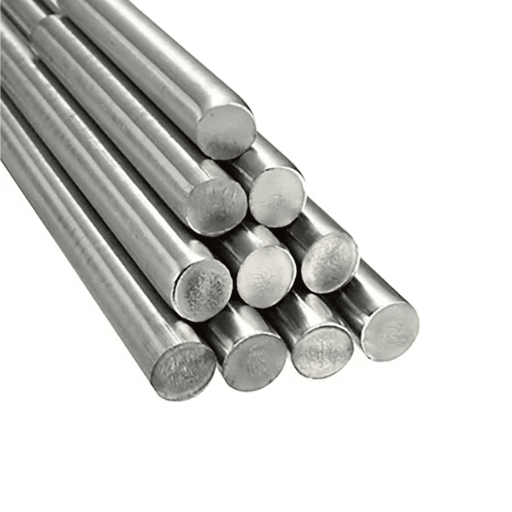
The heat treatment process is a fundamental one that brings alloys such as Inconel 718 to their maximum mechanical and parebric performances. The Inconel 718 alloy is subjected to a definite order of heating and cooling to be able to perform best in the hard conditions.
The heat treatment of Inconel 718 often consists of solution annealing and aging. Heating the alloy to a temperature of 1700°F to 1850°F (927°C to 1010°C) and then very rapidly cooling, normally by water quenching, is the stage called solution annealing. At this point, secondary phases are dissolved and the microstructure is prepared for precipitation hardening.
The aging treatment is done in two steps to make the alloy stronger. At first, the metal is kept at about 1325°F (718°C) for around 8 hours, then slowly cooled down at a rate of 100°F per hour (56°C) to 1150°F (621°C) and kept for another 8 hours. The precipitation of gamma prime (γ’) and gamma double prime (γ”) phases during this controlled aging process greatly enhances the tensile strength and stress-rupture characteristics of Inconel 718.
Latest Research Insights
The latest research hints that enamel treatment parameters optimization can additionally improve the fatigue resistance and slow deformation (creep) strength thus making the material more user-friendly in the areas of aviation, power generation, and oil and gas industries. For instance, the optimization techniques recommend that varying aging temperatures by ±10°F can lead to the same degree of microstructural stability with the same level of ductility.
In conclusion, the heat treatment process is a vital one in the customization of alloy properties to suit specific industrial applications, thus, enhancing the Imconel 718 material’s versatility and reliability.
Heat Treatment Processes for Inconel 625
Heat treatment is an indispensable method to optimize the mechanical and anti-corrosion characteristics of Inconel 625, a superalloy based on nickel that has been used in high-performance fields like aerospace, marine, and chemical processing. The oxidation and extreme environment-resisting capability of the alloy can be tremendously improved when being subjected to accurate heat treatment methods.
Solution Annealing for Improved Strength
Heat treatment of Inconel 625 solution annealing is the most common and is the process to dissolve and alloy the solid phases. This involves usually heating the material to a temperature range of 2,000°F to 2,200°F (1,093°C to 1,204°C) and water or air rapidly quenching. The high-temperature exposure guarantees the dissolution of carbides and other precipitates which results in a more uniform microstructure and thus enhancing the mechanical and corrosion resistance properties.
Stress Relieving to Enhance Weldability
Stress relieving is done to get rid of the internal stresses that may occur during making or welding. Heating the alloy to a lower range, generally about 1,600°F to 1,800°F (870°C to 980°C), is enough to relieve these stresses without losing the resistance to corrosion. This is especially important for applications that are about welded parts, as it reduces the chance of stress corrosion cracking.
Age Hardening for Tailored Performance
Inconel 625 is not age-hardened like the other nickel-based superalloys, however, if one controls the intermediate heat treatments very well, one could achieve the desired characteristic of not only tensile strength but also elongation. There are reports that say that aging temperatures around 1,200°F to 1,400°F (649°C to 760°C) would improve microstructural stability very slightly, which would be particularly beneficial for applications needing long service life.
Data Insights from Recent Studies
Thermal exposure of Inconel 625 at higher temperatures has a marked effect on the alloy’s creep strength; recent studies show that. For instance, the alloy becomes suitable for turbines and high-temperature industrial equipment due to the prolonged exposure at 1,300°F (704°C) which gives the alloy the capacity of better than before creep-rupture properties. Not to forget, controlled heat treatment has been shown through empirical corrosion testing to be the reason behind improved resistance in seawater environments.
The performance of Inconel 625 can be made optimum by engineers choosing the heat treatment parameters according to the application. The improvements of heat treatment technology not only help to strengthen and secure the alloy’s performance but also broaden the range of material applications of this exceptional alloy.
Heat Treatment Processes for Inconel 718
Heat treatment is absolutely necessary to get the best mechanical characteristics from Inconel 718, which is a nickel-based superalloy that is very much used in the aerospace, nuclear, and other high-performance sectors. The heat treatment usually consists of solution annealing, precipitation hardening (age hardening), and cooling control to provide the best possible combination of strength, resistance to corrosion, and properties of creep.
Solution Annealing Process
The process starts with the melting of the alloy to temperatures of about 1700°F to 1850°F (927°C to 1010°C) and running it for a long enough time to completely dissolve almost all of the secondary phases. It then proceeds to the slow cooling of the material, which is again done by air or water quenching so that the microstructure remains in the solutionized state. Homogenization of microstructure achieved by the alloying of the elements plays a big role in the subsequent hardness and strength settings.
Precipitation Hardening
The precipitation hardening is performed in two stages to differentiate and get the full benefit of the mechanical properties:
First Aging Stage
The alloy/artificially aged is in a temperature range of 1325°F to 1400°F (718°C to 760°C) and for 6 to 8 hours. At this time the second and third γ′ and γ″ phases are coming to be.
Second Aging Stage
The alloy is then held at the temperature range of 1150°F to 1200°F (621°C to 649°C) for about 6 to 10 hours. During this period the transformation of γ″ to δ and the coarsening of δ take place.
Cooling Rates
The heat treatment phasing out the cooling rates are monitored very strictly and vary depending on the case to case basis, nevertheless, the main aim is always to keep the stresses in the material as low as possible and avoid brittle phases (like). The majority of cooling is done by air, though in certain cases, quick cooling may be required to ensure particular properties.
Heat Treatment Data for Mechanical Properties
The mechanical properties of heat-treated Inconel 718 are significantly enhanced through this process. Below are typical values based on industry standards after a standard heat treatment schedule:
Applications of Optimized Heat-Treated Inconel 718
Heat-treated Inconel 718 is, with its better mechanical and thermal properties, applied extensively in critical environments that can include:
- Turbine Engine Parts: Critical components that require exceptional high-temperature strength and creep resistance
- Structural Components of Aerospace: Load-bearing elements that demand reliability under extreme conditions
- Cryogenic Tanks and Piping: Systems requiring excellent toughness at very low temperatures
- Nuclear Reactor Cores: Applications demanding long-term stability under radiation and high temperatures
The excellent alloy’s performance and reliability can be further improved by the engineers, through the combination of modern heat treatment and precisely controlled methods, for even more demanding applications.
Effects of Heat Treatment on Properties
The heat treatment process has a major effect on the properties of Inconel 718, which brings about the wide-ranging performance of the material in the most demanding applications. Below are the critical changes that heat treatment brings to the alloy:
Enhanced Tensile Strength
Through the promotion of the precipitation of near 100% compatible gamma prime (γ’) and gamma double prime (γ”) phases, heat treatment increases the tensile strength of Inconel 718. This improves the capacity of the material to endure high mechanical stresses.
Improved Creep Resistance
The resistive property of the material to deformation under continuous load at higher than normal temperatures is considerably increased, thus making it fit for such extreme applications as jet engines and power turbines.
Greater Fatigue Resistance
By using a heat treatment method that is well-monitored, there is a reduction in surface flaws and a formation of an even grain structure which leads to a higher resistance of the alloy to alternating stress and fatigue-related failures.
Optimized Corrosion Resistance
Heat treatment makes the lines of the grains finer and to some extent, it makes the microstructure of the alloy stable which in turn enhances the anticorrosion property of the alloy in very aggressive chemical as well as high-temperature environments.
Tailored Hardness Levels
Through the meticulous control of temperature cycles, the hardness of the material can be set according to the specific applications, thereby ensuring toughness along with flexibility.
These custom enhancements no doubt emphasize the heat-treated Inconel 718’s worth in a range of industries, where reliability under severe conditions is the top priority.
References
A Study of the Machinability of Additively Manufactured Inconel 625
This study compares the machining behavior of additively manufactured Inconel 625 with its cast-wrought counterpart.
Microstructure and Mechanical Properties of Selective Laser Melted Superalloy Inconel 625
This research explores the microstructure and mechanical properties of Inconel 625, focusing on its applications in aerospace and chemical industries.
Characterization of Inconel 625 Fabricated Using Additive Manufacturing
This paper discusses the properties and applications of Inconel 625 and Inconel 718, highlighting their multipurpose capabilities.
Frequently Asked Questions (FAQ)
QWhat are the principal dissimilarities amid Inconel 625 and Inconel 718?
The most significant distinctions separating Inconel 625 and Inconel 718 are their chemical makeup and physical characteristics. Mainly nickel, chromium, and molybdenum are the elements that contribute to the making of Inconel 625 which gives it the property of being corrosion-resistant to various extents, especially in marine and chemical environments, where its resistance to corrosion is the best. In contrast, Inconel 718 is comprised of nickel, chromium, and niobium in significant proportions, which together account for the alloy’s high strength and high-temperature performance. Thus, Inconel 718 is aerospace applications and service in high-temperature environments.
QWhat’s more, is that Inconel 625 to be compared with Inconel 718 in regard to corrosion resistance?
Inconel 625 is an alloy that exhibits superb corrosion resistance, especially in the presence of acid and base, such as in chemical and marine processing. Inconel 718 is good but not nearly as effective as Inconel 625 in some aggressive environments when the choice between the two alloys is often based on the specific corrosive conditions they would face.
QWhat are the material characteristics of Inconel 625 and Inconel 718?
Inconel 625 is often described as having high tensile strength and good fatigue strength, while Inconel 718 is said to have even greater hardness and strength because of its ability to be precipitation-hardened. The mechanical properties of both alloys make them capable of withstanding rigorous environments, with Inconel 718 being the one that is most often used for parts that need to withstand deformation at high temperatures.
QHeat treatment that affects Inconel 625 and Inconel 718, in what way?
Heat treatment is the main factor for the introduction of both Inconel 625 and Inconel 718 in the market with enhanced properties. Inconel 625 is usually not heat-treated as it uses solid solutions for its strengthening and thus achieves its desired properties without heat treatments. However, on the contrary, Inconel 718 is one where heat treatment is the method for yielding the enhancement of its yield strength and better performance in high-temperatures.
QWhat are the physical properties of Inconel 625 and Inconel 718?
About physical properties, Inconel 625 is widely recognized as having high ductility and weldability, which makes it a relatively easy material to work with. On the other hand, Inconel 718 is a little bit harder to machine because of its toughness and strength. Both alloys have good heat conduction and resistance to thermal expansion, which are the reasons for them being used in high-performance applications.
QWhich industries usually need Inconel 625 and Inconel 718?
Inconel 625 is the go-to material in the marine and chemical industries due to its superb ability to resist corrosion and its application is also in the oil and gas sector. On the other hand, Inconel 718 is an alloy commonly used in the aerospace industry because its high strength and heat resistance are indispensable for turbine parts and other such critical applications.
QAre Inconel 625 and Inconel 718 interchangeable?
To a certain extent, Inconel 625 and Inconel 718 might seem to be similar but they are not interchangeable owing to their varying mechanical and chemical traits. The alloy choice should depend on the specific application needs like temperature, corrosion resistance, and strength. It is crucial to select the right material so that the component will work well and do not wear out quickly.
QHow do the cutting characteristics of Inconel 625 stack up against those of Inconel 718?
When it comes to machining operations, Inconel 625 is generally a no-fuss material to machine simply due to its lower hardness compared to Inconel 718, which is still very much hard but has a strong advantage in the past due to its greater hardness and strength. Inconel 718 machining may require special tooling and techniques which will raise the cost of production but, at the same time, this has become an essential part of metalworking giving proof of what a skilled or knowledgeable machinist is. Thus, it is important for a machinist to know the difference in the machining process for these two alloys.
Conclusion
Understanding the differences between Inconel 625 and Inconel 718 is essential for making informed material selection decisions. While both alloys offer exceptional performance in demanding environments, their unique properties make them suitable for different applications. Inconel 625 excels in corrosion resistance, making it ideal for marine and chemical processing applications, while Inconel 718 offers superior high-temperature strength, making it the preferred choice for aerospace and power generation industries. By carefully considering the specific requirements of your project, you can select the alloy that best meets your needs for performance, durability, and cost-effectiveness.