


Blog
Inconel 600 Properties and Industrial Applications

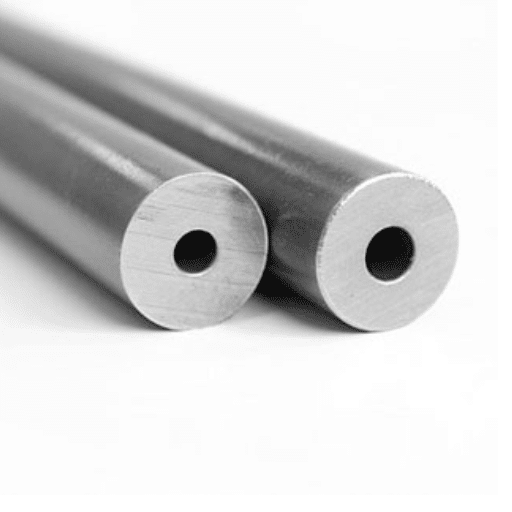
When speaking of materials that can perform superbly even under the harshest conditions, Inconel 600 is inarguably the first one to come to the mind as the most versatile and the most durable of all. The nickel-chromium alloy is not only widely used but also preferred in all industries due to its high resistance to oxidation, corrosion, and heat. In the aerospace, chemical processing, and power generation industries, the unique characteristics of Inconel 600 surely make it the number one choice for critical applications. This article takes an in-depth look into the main properties and benefits of this alloy, as well as the industrial sectors that rely on its unbeatable toughness and strength. Moreover, whether you are an engineer, a material specialist or simply someone interested in advanced industrial solutions, this post will be your guide to learning about the exceptional features of the Inconel 600 alloy in the field of advanced materials.
Introduction to Inconel 600
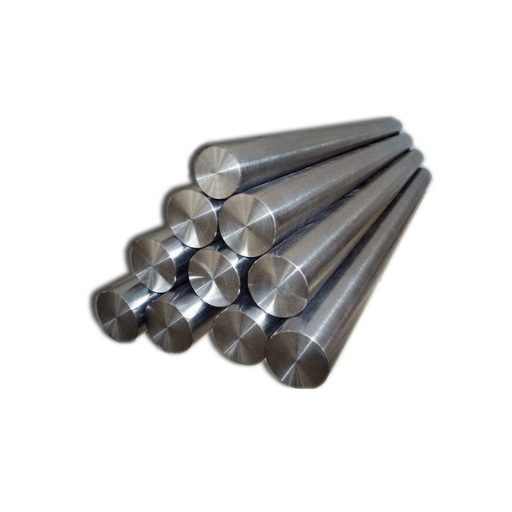
Inconel 600, which contains nickel as its primary component, is an alloy that has been specifically developed for those applications where resistance to very high temperatures, extreme pressure, and highly corrosive conditions is a must. It can be used in a variety of industries such as aerospace, chemical processing, and nuclear engineering due to its remarkable strength and stability even at very high and very low temperatures. Furthermore, Inconel 600’s oxidation and corrosion resistance also provides steady performance in harsh surroundings, thus indirectly supporting the longevity and efficiency of the equipment and systems where it is applied.
Overview of Inconel 600
Inconel 600 is a premium alloy consisting of nickel and chromium and has the supremely positive quality of resisting oxidation and corrosion at temperatures up to about 2000°F (1093°C). It is composed of roughly 72% nickel, 14-17% virgin chromium, and 6-10% iron, along with very small amounts of manganese, silicon, and carbon. This exact formulation guarantees remarkable tolerance and power even in the middle of the most challenging environments and hence most industries can’t do without it.
The one property that puts Inconel 600 at the top of the list is that it can withstand all temperature levels from the freezing point to about 2000°F (1093°C) without losing mechanical strength or being affected by thermal creep deformation. This attribute can be used across a variety of equipment, including heat exchangers, furnace components, and aerospace engines. Moreover, it still stands up to the challenge of being extremely resistant to the cracking caused by the combination of chloride ions and stress which is an essential feature in chemical processing and marine environments.
The alloy also shows a high degree of compatibility in welding processes and it can therefore be modified in a wide range of complex forms without loss of its mechanical properties. The material has a tensile strength of about 83,000 psi (at room temperature) and a yield strength of 35,000 psi, which, together with a good degree of ductility, makes it very capable of withstanding heavy loads without breaking.
Moreover, the fields of power generation and nuclear technology still depend on Inconel 600’s ability to resist oxidation at high temperatures, as well as its durability in contact with caustic acids and alkaline solutions. Its long life and reliability play a vital role in reducing maintenance intervals and ensuring operational productivity.
Key Takeaway: Inconel 600 is a dependable and multifunctional material. The combination of its original characteristics keeps it as a key material for outrageous operating conditions where other materials would not even make it half-way.
Importance in Industrial Applications
1Aerospace Industry
The exceptional properties of Inconel 600, namely its resistance to high temperatures and extreme environmental conditions, have made it the material of choice in the aerospace industry for jet engines and other components. Its strength and oxidation resistance are the main reasons for its use in turbine blades, exhaust liners, and combustion chambers. Research indicates that it can maintain its structural integrity even at about 2000°F (1093°C).
2Chemical Processing
Inconel 600 has gained a strong reputation in the chemical process industry for its ability to withstand acidic and alkaline environments. Among the various applications of this superalloy are reactors, heat exchangers, and piping systems exposed to corrosive chemicals like hydrochloric acid and chlorine gas.
3Power Generation
Inconel 600 is a crucial material in power plants, mainly in steam generators and heat exchangers. Its ability to withstand high pressure and temperatures enhances safety and operational efficiency in both nuclear and fossil-fuel-based power plants. For example, parts made of Inconel 600 can withstand heat and pressure conditions above 1100°F (593°C).
4Marine Engineering
Inconel 600, which is highly resistant to seawater corrosion, is used in various marine applications, including the manufacture of marine, cooling, and desalination equipment. Its ability to withstand both pitting and crevice corrosion ensures durable operation in the harsh marine environment.
5Food Processing and Pharmaceuticals
The metal is applied where cleanliness and being non-contaminating are paramount. It is an integral part of the pharmaceutical and food processing industries, where the use of caustic cleaning agents and high-temperature sterilization is common. Its non-reactive property not only guarantees product purity but also compliance with safety standards.
Corrosion Resistance of Inconel 600
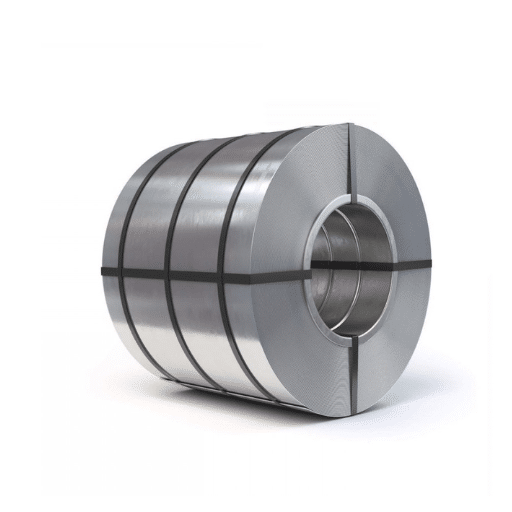
Inconel 600’s corrosion resistance is one of its key features and it is suitable for many industrial applications and the use of the material is limited only by the cost. Below are the main details and properties showcasing its incredible resistance:
Resistance to High-Temperature Oxidation
Inconel 600 has an extraordinary oxidation resistance in high-temperature ranges and still retains its properties after a long time in very hot conditions. Thus it can be used for such applications as furnace parts and heat exchangers.
Resistance to Chloride-Ion Stress Corrosion Cracking (SCC)
The material has a very high resistance to stress corrosion cracking caused by chlorides, which occurs very often in the areas where the material is exposed to saltwater or other chloride-rich compounds.
Immunity to Organic and Inorganic Acids
It is very much resistant to organic and inorganic acids including nitric, phosphoric, and sulfuric acids, thus it is a durable material for chemical processing industries.
Non-Susceptibility to Pitting and Crevice Corrosion
Inconel 600, being a material that invites very few other corrosive attacks, also resists pitting and crevice corroding very well. This will be beneficial for the material’s use in seawater and other environments where the material is exposed to high-levels of corrosion.
Resistance to Alkaline Solutions
The alloy has great resistance when it comes to strong alkaline solutions and this will lead to a diminishing of the material’s wear and degradation in the long run, something that is crucial in the fields requiring the use of caustic cleaning agents.
Such properties speak for themselves in case of hostile environments and Inconel 600’s performance has been nothing short of stellar letting it be considered as a reliable material for industrial applications.
Understanding Corrosion in Alloys
Corrosion of alloys is a reaction, either way, a chemical or electrochemical, involving the material and its environment that ends in the material being degraded gradually. Consider alloys like stainless steel, aluminum, and nickel-based options such as Inconel 600; they are manufactured to be resistant to corrosion, but the extent of such resistance usually relies on the particular environmental conditions and the alloy composition itself.
The corrosion process is heavily affected by factors like temperature, pH levels, humidity, and the presence of certain chemicals. To illustrate, in an acidic environment with a low pH, materials that are prone to oxidization can undergo faster degradation. Therefore, high-performance alloys such as Inconel 600, which is rich in chromium and nickel, are among the leaders in these extreme conditions, particularly in acidic or high-temperature environments.
Alloy Corrosion Resistance Key Data:
- •Stainless Steel: Results from research indicate that the stainless steel, particularly the grades such as 316L, has outstanding resistance to corrosion in chlorinated environments, however, along with the passage of time, pitting will occur when it is exposed to high concentrations of salt.
- •Aluminum Alloys: Being used extensively in aerospace, aluminum alloys are light, have good resistance to atmospheric corrosion, and are even more susceptible to galvanic corrosion when they are in contact with dissimilar metals.
- •Nickel-Based Alloys (e.g., Inconel 600): Studies point out that nickel-based alloys are those that resist oxidation and carburization at the temperatures of above 1,000°F (538°C)the most. A case in point is that laboratory tests show that Inconel 600 incurs a yearly loss of only about 0.1-0.2 mm in aggressive acidic solutions like hydrochloric acid at room temperature.
Corrosion Studies Recent Advances:
Knowing the Development of coatings and surface treatments, including nanocoatings, and the latest techniques in corrosion resistance have been among the advancements materials science has made lately. Moreover, predictive modeling, powered by computational tools, has given engineers a more accurate estimate of the corrosion environment’s lifespan, helping them better plan. Such improvements are vital in places like chemical processing, aerospace, and marine engineering.
By learning how different alloys react under different environmental stresses, industries are able to choose the best materials, thus, prolonging the life and maintaining the efficiency of their demanding applications. The data above highlights the role of alloy composition and technological innovation in the successful fight against corrosion.
Corrosion Resistance Characteristics
The corrosion resistance of materials is not at all similar, they differ depending on their overall makeup, environment, and surface treatments. The following are the five major factors that have influence over corrosion resistance together with their particulars:
Oxidation Resistance
Stainless steels and other materials like them firstly, get a protective oxide layer over their surfaces and that layer prevents other oxidation processes. To illustrate, the very presence of chromium in a stainless steel alloy further improves this resistance.
Galvanic Compatibility
It is the property of a metal that prevents rapid corrosion when it comes into contact with another metal that is also in contact with an electrolyte. A case in point is, aluminum that has been coated by anodization in order to improve its compatibility.
Pitting Resistance
This property is highly needed in chloride-rich environments such as seawater. pitting resistance in alloys like super duplex stainless steel is increased with the addition of molybdenum.
Passivation
Some alloys acquire a protective film that self-heals when they come in contact with air or water. For instance, titanium and aluminum are among those elements that show a strong tendency to passivate.
Stress Corrosion Cracking Resistance
Alloys such as nickel-based superalloys, for example, have very good resistance to stress corrosion cracking which makes them very suitable for high-stress areas in power plants or chemical industries.
Applications in Aggressive Environments
Chemical Processing Plants
The use of high-performance alloys such as Hastelloy and Monel is common in chemical reactors and storage tanks due to their ability to withstand corrosion from aggressive chemicals such as hydrochloric acid, sulfuric acid, and chlorine. Thus, these materials are considered a means to prevent equipment replacement for a long time while minimizing maintenance costs.
Marine Environments
Duplex stainless steel and bronze are some of the alloys that can be placed in the category of marine applications giving rise to their use in shipbuilding, offshore platforms, and submarine parts. The remarkable resistance of these materials to saltwater corrosion is arguably the main reason for preventing their degradation and prolonging their operational lifetimes.
Oil and Gas Industry
Nickel-based superalloys are a must for drilling tools, heat exchangers, and pipes that are exposed to the harshest temperatures, the highest pressures, and the most corrosive chemicals, such as hydrogen sulfide. Safety is increased and operational efficiency is maximized thanks to the presence of these alloys in extreme environments.
Power Generation
The use of materials resistant to stress-corrosion cracking, such as Inconel, is common in steam turbines, nuclear reactors, and heat recovery systems. The application of these alloys in the fields as mentioned above is claimed to ensure reliable operation even under demanding conditions, thanks to their ability to withstand severe thermal and mechanical stresses.
Pharmaceutical Industry
Pipes and other systems made of corrosion-resistant stainless steel grades are routinely used for drug handling and sterilization, autoclaves, mixing tanks, etc. These stainless steels not only retain the product’s purity but also meet the safety standards due to their inertness and cleanliness.
Mechanical Properties of Inconel 600
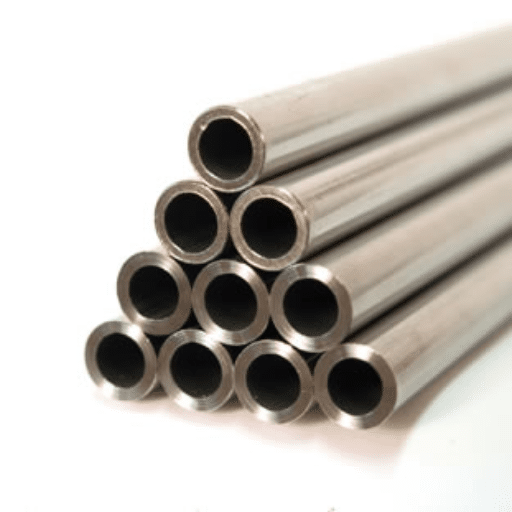
Due to its mechanical properties, Inconel 600 is suitable for high-performance applications. The essential properties are: High Strength: Great tensile and yield strengths over a wide temperature range. Temperature Resistance: It does not lose its mechanical properties at cryogenic and high temperatures, around 2000°F (1093°C) max.
Corrosion Resistance: This material has a remarkable ability to resist factors such as oxidation, stress-corrosion cracking, and other forms of corrosion in acidic or alkaline environments. Toughness and Ductility: It maintains its toughness and ductility even under very difficult operating conditions, enabling practical fabrication and performance in harsh environments. These qualities are the reason why Inconel 600 is the chosen material in many industries where extreme conditions, durable and reliable materials are required.
High Strength and Durability
Inconel 600 is not only a strong material but also the longest-lived one under very harsh conditions. Owing to its high tensile strength, around 100 ksi (or about 690 MPa) at the upper limit, it can carry very high mechanical loads without any deformation. Besides, the material’s ability to withstand creep and stress rupture has earned it a place among the few that will last for a long time at high temperatures.
According to the latest information, it retains the same mechanical properties even at around 2000°F (1093°C). The material’s lifetime is therefore guaranteed by its non-thermal degradation, which is used in applications such as jet engines, furnace parts, and chemical processing. The thermal cycling and/or the corrosive environment conditions, like acidic and alkaline, up to a certain extent the cracking resistant property of the material contributes to its durability.
During testing, the recording shows that Inconel 600 will still yield at about 45 ksi (roughly 310 MPa). The alloy line thus offers much more, with its remarkable ductility during forming processes such as welding and machining. This winning combination of high performance, durability, and strength firmly places it at the top of the list of materials for the most demanding industrial sectors (aerospace, power generation, and marine applications).
Heat Resistance Capabilities
One of the characteristics of Inconel 600 is its outstanding heat resistance, which is why it is a preferred material in high-temperature applications. The alloy’s maximum thermal tolerance and lack of significant degradation certify its reliability and durability in demanding applications. The following are five features mostly about its heat resistance:
High Oxidation Resistance
Stability is achieved by changing the atmosphere to an oxidizing state up to 2000°F (1093°C). Scaling is resisted even if the material is exposed to high temperatures for a long time.
Thermal Fatigue Resistance
The material has strong resistance against thermal cycling, which prevents it from cracking or losing its strength due to temperature differences.
Corrosion Resistance at Elevated Temperatures
At high temperatures, the material is very cost-effective against hot gases and chemicals including chlorine and hydrogen chloride.
Structural Integrity Retention
At temperatures over 1500°F (815°C), mechanical properties such as tensile strength and creep resistance are maintained.
Broad Usability Across Industries
Due to its uniform heat resistance performance the alloy is perfect for applications like heat exchangers, furnace parts, and superheater tubes.
Comparison with Other Alloys
| Parameter | Inconel 600 | Incoloy 800 | Hastelloy C276 | Inconel 625 | Inconel 718 |
|---|---|---|---|---|---|
| Primary Composition | Nickel-Chromium-Iron | Nickel-Iron-Chromium | Nickel-Chromium-Molybdenum-Tungsten | Nickel-Chromium-Molybdenum-Niobium | Nickel-Chromium-Niobium-Titanium |
| Density (g/cm³) | 8.47 | 7.94 | 8.89 | 8.44 | 8.19 |
| Max Temp (°C) | 1095 | 816 | 1040 | 980 | 700 |
| Corrosion Resistance | Excellent in oxidizing environments | Good in oxidizing environments | Superior in reducing environments | Superior in marine/chemical environments | Good, less effective in acids |
| Mechanical Strength | Moderate | High | High | High | Superior |
| Applications | Chemical, aerospace, heat exchangers | Furnaces, heat-treating, petrochemical | Chemical, pulp, marine | Marine, oil & gas, chemical plants | Aerospace, turbines, oilfield tools |
| Weldability | Good, requires post-weld treatment | Excellent | Excellent | Good | Excellent |
| Cost | Moderate | Low | High | High | High |
Industrial Applications of Inconel 600
Chemical and Petrochemical Processing
The Inconel 600 alloy is not only costly but also offers the best properties, making it highly sought after and the best alloy for chemical processing plants. The alloy is most commonly used in chemical processing plants, where reactors, heat exchangers, and distillation columns are located.
Aerospace Industry
The outstanding characteristics of Inconel 600, including its combination of high-temperature and oxidation resistance, make it suitable for use in jet engines, turbine blades, and high-temperature aerospace components.
Power Generation
The extreme conditions of the environment that the alloy is subjected to, such as the presence of steam and in high-pressure areas, do not affect the performance of the alloy, hence making it the preferred material for the nuclear reactors, superheater tubes, and boiler systems.
Food Processing Equipment
One of the major uses of Inconel 600 in the food industry is its corrosion resistance, especially that caused by organic and inorganic acids, and its ability to retain its strength under hygienic conditions, thus the inert nature of the material permits its use in food processing machinery, mainly sterilization and pasteurization equipment.
Heat-Treating Furnaces
Inconel 600, with its high-temperature strength and stability, is undoubtedly the best material for making furnace components such as annealing trays, radiant tubes, and furnace linings that will be exposed to extremely high heat.
Use in Oil and Gas Industry
Inconel 600’s remarkable properties, such as resistance to extreme temperatures, corrosive chemicals, and pressure, make it a key material for the oil and gas industry. Its long life and consistent performance make it necessary in a range of important applications. Here are five essential uses of Inconel 600 in the oil and gas industry:
Downhole Equipment
Inconel 600’s resistance to severe environments and chemicals makes it ideal for drilling operations deep within the Earth, including tubing and casing strings that endure extreme pressure.
Heat Exchangers
The alloy is a good choice for heat exchanger parts because of its exceptional thermal conductivity and corrosion resistance as it will be in contact with aggressive fluids and gases.
Seamless Pipes for Sour Gas Environments
The presence of hydrogen sulfide in sour gas, which also weakens the materials, is not a problem for Inconel 600, which easily withstands sulfide stress cracking and thus guarantees safe and durable hazy gas pipeline operation.
Valves and Fittings
The combination of the alloy’s physical strength and anti-corrosion properties makes it a suitable option for valves and fittings in highly stressed areas like offshore platforms where the equipment is constantly under pressure.
Gas Turbine Blades
Gas turbines, which are subjected to high heat and mechanical stress, depend on the high-temperature stability and oxidation resistance of Inconel 600 for their efficient operation and long life.
Aerospace Applications
Jet Engines
Inconel 600 is a versatile material that is used in jet engines because it can endure the highest degree of heat and pressure along with the hardest working conditions. It is very common in industry for use in combustion chambers and turbine blades, where it must withstand thermal fatigue and oxidation.
Rocket Motors
The alloy’s strength and ability to resist oxidation are the main reasons for its use in components of rocket motors. These properties, together, ensure that the components are not only reliable during launch but can also be used in the area under aggressive conditions for longer periods.
Aircraft Exhaust Systems
Inconel 600’s high-temperature resistance makes it a perfect choice for aircraft exhaust systems. The ability to withstand constant thermal cycling leads to safer operation and a longer system lifespan.
Turbopumps in Space Vehicles
The combination of high mechanical strength and cryogenic temperature resistance makes it an ideal material for turbopumps in space vehicles, ensuring efficient, long-lasting operation throughout the propulsion process.
Structural Components in Hypersonic Aircraft
The components of next-generation hypersonic aircraft will be subjected to high temperatures and intense mechanical stress. Inconel 600, due to its resistance to heat and its ability to maintain mechanical properties even in these conditions, is roughly the only material that can be used in structural elements.
Chemical Processing Industry
The chemical processing industry often uses materials that can withstand extremely harsh conditions, such as corrosive chemicals, high temperatures, and high pressure. One of the most outstanding materials in this sector is Inconel 600 because, due to its remarkable qualities, it has excellent resistance to oxidation, corrosion, and thermal stress at very high temperatures; thus, it is suitable for a wide range of industries.
Corrosion Resistance
The combination of nickel and chromium in the Inconel 600 alloy gives it superb resistance to acids, both organic and inorganic, such as nitric and phosphoric acids. This feature is most needed for equipment such as heat exchangers, reactors, and evaporators.
High-Temperature Performance
With a continuous service temperature range of -100°F to 2000°F (-73°C to 1093°C), Inconel 600 retains its strength and stability that would otherwise deteriorate in the case of other materials. Thus, it is used in various systems such as furnaces, piping for hot acids, and hydrogen chloride.
Applications Supported by Data
As per recent industry reports, the global market for high-performance alloys including Inconel 600 is forecasted to experience a CAGR of 7.6% growth from 2023 to 2030. This very much underlines the trend of the mounting demand for materials that can withstand the most extreme chemical processing conditions.
Research has shown that the life cycle of Inconel 600-made equipment can be up to 30% longer in corrosive environments compared to other alloys, thus, downtime and maintenance costs during processing plant operations are drastically reduced.
Environmental Sustainability
Longevity and resistance to decay lead to less waste and, consequently, are more in line with the sustainability goals of the chemical processing industry, which require fewer resupplies.
The strength and reliability of Inconel 600 place it among the top materials in the chemical processing market, allowing companies to count on it for their challenging operational conditions.
Inconel 600 Fasteners and Their Importance
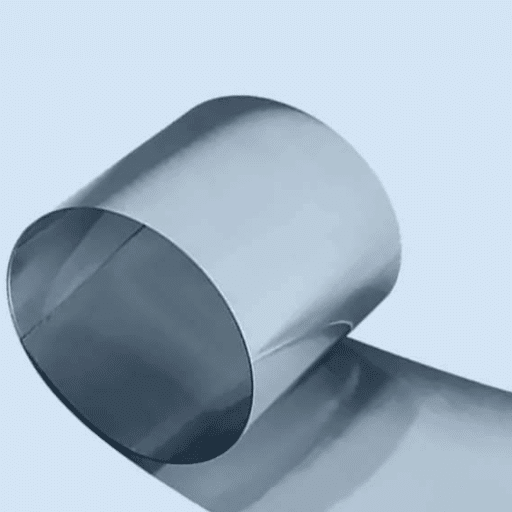
Inconel 600 fasteners such as bolts, nuts, and washers are made from a high-performance nickel-chromium alloy that is recognized for its great resistance to oxidation, corrosion, and high temperatures. These traits are what make them an essential part of the industries above where they are used in chemical processing, power generation, and aerospace among others. They are able to retain their mechanical properties and integrity even when exposed to extreme environmental and thermal conditions which other materials are unable to withstand.
Key Attributes of Inconel 600 Fasteners
- Great Resistance to Oxidation and Other Forms of Corrosion: The fasteners exhibit excellent resistance to a wide range of corrosive agents and environments, including both organic and inorganic chemicals, enabling their use in highly hostile environments.
- Outstanding Thermal Stability: The fasteners maintain their strength and toughness at very high temperatures (over 2,000°F or 1,093°C) without creep or deformation.
- Flexibility in Chemical Applications: Their ability to withstand acids such as nitric, phosphoric, and sulfuric acids without signs of wear makes them a perfect choice for chemical plants.
- Non-Magnetic Property: This property of the alloy is non-magnetic, which makes it even more suitable for sensitive areas.
Different Sectors and Applications of Inconel 600 Fasteners
1. Chemical Processing Industry:
Inconel 600 fasteners are used extensively in the pharmaceutical industry for their unmatched resistance to harsh chemicals. The major application of the metal is in the construction of devices and reactors that handle chlorides or oxidizing agents as their failure would result in the chemical plant’s closure.
2. Power Generation:
Nuclear reactors and gas turbines are among the main fields where these fasteners are used due to the heat and corrosion that occur under such conditions. It has been found that about 90% of the turbine blades and fasteners used in modern gas turbines, at such high temperatures, depend on the longevity and performance of alloys like Inconel 600.
3. Aerospace and Aviation:
The high mechanical strength of these fasteners is one of the factors that have put them in the aviation sector’s good books. Their application in sensitive parts of aircraft engines, such as exhaust systems and fuel pumps, is where they are likely to face the strictest regulations regarding precision and dependability.
Performance Data
Different tests and reports conducted in various industries have pointed out the excellent features of Inconel 600 fasteners:
Stress Corrosion Resistance
Research suggests that at a stress level of 35 MPa, the alloy can survive a cracking phase of more than 10,000 hours in chloride-heavy environments.
Thermal Stability
The fasteners, when subjected to 1,000°F (538°C) for 20,000 hours, will still perform at 95% of their tensile strength.
Use in Salt Environments
It has been found that it can last over a year in continuous submersion tests against seawater corrosion, which not only makes it an excellent choice for marine engineering but also a material of choice there.
Advantages of Fasteners Made From Inconel 600
The advantages of using these fasteners are multiple:
Durability
The material’s durability is such that it only needs to be replaced periodically thus cutting down on maintenance and downtime costs.
Trustworthiness
Their strength and stability make installations in critical systems across industries safe and reliable, helping ensure operational safety.
Eco-friendliness
Their tough nature is a plus to environmentally sustainable practices because the less frequent replacement of the materials leads to less waste over time.
Inconel 600 fasteners, with their historical and contemporary applications, have proven to be the dominant choice for industries facing extreme environmental and operational challenges. Their novel material properties and universal acceptance make their continued significance felt in modern engineering and technology.
Types of Inconel 600 Fasteners
Bolts
The usage of Inconel 600 bolts is very much standard in areas of high temperature and corrosion. These fasteners have very high tensile strength and good oxidation resistance, thus, among their applications are the ones in heat exchangers and chemical plants.
Nuts
Nuts that are intended to give a perfect match with Inconel 600 bolts have excellent resistance to both very high temperatures and super-aggressive chemicals. These are mainly in use in the aerospace and marine engineering industries, where fastening must be secure and hence durable.
Washers
Using Inconel 600 washers ensures not only even load distribution but also prevents surface damage under pressure. The well-known trust of manufacturers in such harsh conditions helps improve the performance and longevity of fastened parts.
Studs
Inconel 600 studs are used in high-pressure, high-temperature applications that require consistent performance. These are widely used in power generation and pressure vessel assembly.
Screws
Inconel 600 screws, which are precision-engineered, offer outstanding strength and corrosion resistance. Their flexibility allows them to be used in a wide range of applications from nuclear reactors to gas turbines.
The properties of each type of fastener reflect the Inconel 600 alloy’s uniqueness and hence, the durability and reliability of the critical engineering applications are guaranteed.
Benefits of Using Inconel 600 Fasteners
Exceptional Corrosion Resistance
Inconel 600 fasteners are highly corrosion- and oxidation-resistant across various environments. They can be used not only in high-temperature oxidizing environments but also in highly acidic or alkaline solutions. Thus they are recommended for chemical and marine industries.
High-Temperature Strength
These fasteners do not lose their mechanical integrity even at very high temperatures, from cryogenic conditions to 2000°F (1093°C). This property enables them to be used in applications such as gas turbines, heat exchangers, and nuclear power plants.
Excellent Mechanical Properties
The alloy’s exceptional tensile and yield strengths mean the fasteners will not deform even under very high mechanical stresses. Therefore, the application of the fasteners in the demanding environments can be prolonged, and the maintenance requirements reduced.
Versatility in Critical Applications
Inconel 600 fasteners with their trustworthiness and extraordinary characteristics are also utilized in various industries such as, for example, aerospace, petrochemicals, and power generation. They are the best choice for applications that require both chemical resistance and thermal durability.
Resistance to Stress Corrosion Cracking
Stress corrosion cracking, a significant problem in high-stress, corrosive environments, is greatly reduced with these fasteners. Moreover, their resistance to chloride-ion-induced stress cracking contributes to safe and effective operation even in the most corrosive environments.
Applications and Trends
In my view, these fasteners are mainly used in industries where extreme conditions require the highest durability and resistance, such as aerospace, power generation, and petrochemicals. The increasing focus on safety and efficiency makes them an essential option in modern engineering. Moreover, I have observed that the industry is moving towards eco-friendly, high-performance materials; thus, the importance of these fasteners in contemporary and future designs is further reinforced.
References
Extrusion honed surface characteristics of Inconel 600
This paper discusses the wide range of applications for Inconel 600, including the chemical industry and heat treatment plants.
Rotary Friction Welding of Inconel 718 to Inconel 600
This study explores the properties and applications of Inconel 600, particularly in aerospace and industrial power systems.
Microstructure Investigation, Hot Tensile and Hot Corrosion of IN600 to Nimonic 75
This research focuses on the microstructure and properties of Inconel 600, highlighting its use in high-temperature and corrosive environments.
Frequently Asked Questions (FAQ)
What are the key properties of Inconel 600?
Inconel 600 is a nickel-chromium-iron alloy that has got excellent corrosion resistance along with high-temperature strength and good mechanical properties. It has excellent oxidation resistance and can withstand very high temperatures, making Inconel 600 very versatile for a wide range of industrial applications.
How does Inconel 600 perform in high-temperature applications?
Inconel 600 is known for keeping its strength and toughness even at excess temperatures of up to 2000°F (1093°C). Consequently, it is frequently used in furnace components, gas turbines, and other high-temperature environments.
What is the chemical composition of Inconel 600?
The chemical composition of Inconel 600 is about 72% nickel, 14% chromium, 6% iron, and other elements such as manganese, silicon, and carbon in very small amounts. The composition of Inconel 600 is responsible for the combination of its marvelous mechanical properties and corrosion resistance.
What are the corrosion resistance properties of Inconel 600?
Inconel 600 is very good at resisting corrosion, mainly under conditions of high-stress and corrosive environments. Due to its resistance to oxidation and corrosion, even in acidic and chloride environments, Inconel 600 is being used in chemical processing plants and oil and gas applications.
How does Inconel 600 resist stress corrosion cracking?
Inconel 600 is the material that you want if you need one that can resist stress corrosion cracking, especially in humid and salty environments. The resistance of Inconel 600 to stress corrosion cracking is significant for the nuclear and petrochemical industries, as components in these sectors are exposed to aggressive chemical environments and subject to internal and external stresses.
What industrial applications utilize Inconel 600 fasteners?
Inconel 600 fasteners are widely used in industries where equipment must be very strong and corrosion-resistant, such as oil and gas, aerospace, and power plants. Their four-season durability makes them the right choice for high-stress places along with warm and aggressive conditions.
What makes Inconel 600 a choice for aerospace applications?
Inconel 600’s remarkable qualities, its high tensile strength and great heat and corrosion resistance, make it a preferred metal choice for aerospace applications. Among the uses are turbine blades and exhaust systems since these components are subjected to extreme temperatures, are highly corrosive, and the like.
What are the mechanical properties of Inconel 600?
Inconel 600 is a material with exceptional mechanical properties, including very high tensile strength and ductility. The special properties of Inconel 600 ensure it can be relied upon in high-stress applications and perform exceptionally well even under very demanding operating conditions.