


Blog
Hastelloy C-4 Properties and Applications: An Overview of This Alloy (UNS N06455)

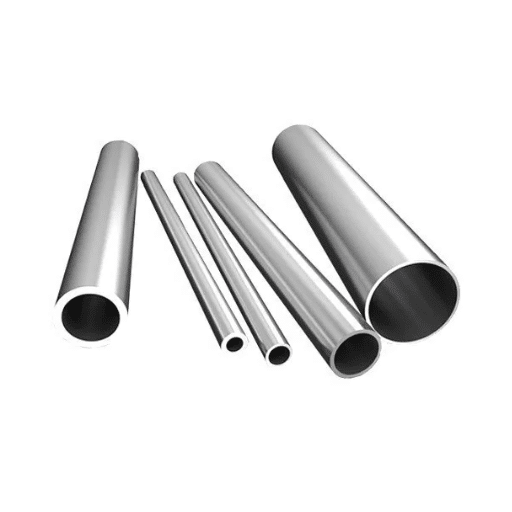
Hastelloy C-4 (UNS N06455) is an alloy that is noted for its great versatility and corrosion resistance. In fact, it is often considered a standard material in extreme environments due to its excellent performance. Its main area of application includes chemical processing, pollution control, and industrial operations. This alloy of nickel-molybdenum-chromium has already demonstrated its capability to resist a wide range of aggressive chemicals and at the same time to maintain its mechanical integrity. This blog post discusses the special properties that contribute to the demand for Hastelloy C-4 as an essential material in extreme applications, besides indicating its various utilizations in the industry. By the time readers have finished, they will have a full understanding of the reasons why this alloy continues to be a top choice for industries that need to rely on materials with a high resistance to corrosive conditions and a long life.
Introduction to Hastelloy C-4
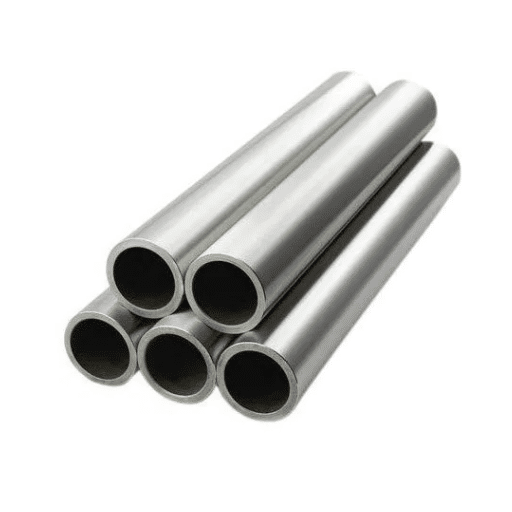
Hastelloy C-4, a nickel-based alloy, is famous for its remarkable ability to withstand corrosion, especially to oxidizing and reducing environments. The alloy also enjoys the qualities of having high resistance to stress corrosion cracking, pitting, and crevice corrosion, which ultimately makes it a reliable choice in the sectors of chemical processing and industrial applications. Moreover, the alloy is able to maintain its mechanical strength even under high temperatures or scorching chemicals, thus, making it suitable for reactors, heat exchangers, and other equipment in demanding industries. Its resistance to extreme conditions and versatility offer steady performance, thereby reinforcing its significance in various sectors.
Overview of Hastelloy C-4
Hastelloy C-4 is an alloy consisting of nickel, molybdenum, and chromium. It is most known for its amazing ability to resist a wide variety of corrosive environments. This alloy is a product of withstanding oxidation and reduction perfectly and hence is selected by industries such as chemical processing, pollution control, and power generation. The nature of the Hastelloy C-4 is such that it is resistant to stress corrosion cracking, pitting, and crevice corrosion even in the case of strong acids like HCl or H2SO4. The alloy’s major plus point, i.e., the nickel content, helps to resist the chloride pain, which is present in many applications as the main concern.
Physical and Chemical Properties and Data
Composition Analysis:
- • Nickel (Ni): ~61%
- • Molybdenum (Mo): ~16%
- • Chromium (Cr): ~15.5%
- • Iron (Fe): ~4%
- • Cobalt, tungsten, and manganese can be found in small amounts as other elements.
Strength of Materials:
- • Ultimate tensile strength, notably about 690 MPa (100 ksi), is the main mechanical property to be pointed out.
- • Yield and fracture strength of the material depend on the temperature situation.
- • Very high ductility offers the alloy for the processes of forming and welding.
Hotness Resistance:
- • The alloy would not let us down reliability wise, right up to 1038°C (1900°F) range of temperatures.
- • Able to withhold its structure and characteristics both at very high temperature and during thermal cycling.
Hastelloy C-4 is the first choice of many industries applications. Firstly, it is the most suitable material in the chemical processing industry where there is a need to be resistant against harsh chemicals. Secondly, it is used on a large scale for air-pollution control systems, and one of the ways to do that is through chemical scrubbers and filters. It is also utilized in the marine sector for the manufacturing of components exposed to saltwater environments. The equipment in GMP (Good Manufacturing Practice) pharmaceutical production of highly pure chemicals is another application area. Thus the alloy’s remarkable features and confirmed results in difficult conditions render it invaluable for many critical applications.
Composition of Hastelloy C-4
Hastelloy C-4 is a nickel-chromium-molybdenum alloy with the most excellent chemical resistance and resistance to extreme temperatures. Its selection of elements making up the alloy is very accurate and, therefore, its performance in different applications is greatly improved. Hasselloy C-4 typically contains the following elements in the given percentages (by weight):
The combination of these elements is just right and it allows Hastelloy C-4 to be used in a chemical industry that is working with strong oxidizers and reducing agents, and in acidic and basic environments at high temperatures. In addition, its resistance to stress corrosion cracking and to the formation of secondary carbide phases, which are detrimental, makes it very reliable and long-lasting for the industrial market.
Key Characteristics and Features
Exceptional Corrosion Resistance
Hastelloy C-4 is an exceptional performer in the resistance of its luster to a wide variety of corrosive agents such as oxidizers, reducing agents, and mixed chemicals making it a very suitable material for the toughest chemical processing applications.
Thermal Stability
It is very effective at high temperatures and prevents the development of very harmful phases and thus guarantees a long and uninterrupted operation in heat-prone industrial areas.
Resistance to Stress Corrosion Cracking
The alloy’s chemical makeup limits the possible development of nuclear stress, which, in turn, allows for more sturdy and reliable operations even with applied mechanical and environmental stresses.
High Ductility and Toughness
Even in the most challenging of conditions, Hastelloy C-4 continues to display a very high degree of toughness and can therefore tolerate large amounts of deformation without breaking and is consequently fit for a great variety of fabrications.
Low Content of Impurities
The material contains only 0.03% maximum of sulfur and thereby keeps a very low level of impurities which may influence the mechanical properties and thus performance; hence, the performance is consistent.
Chemical Composition and Properties
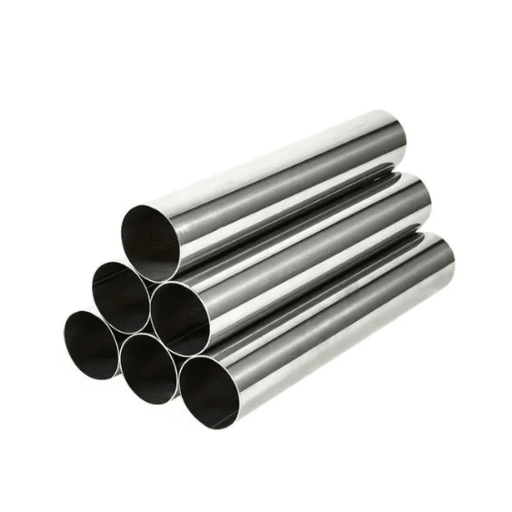
Hastelloy C-4 is the one metal alloy of the nickel base possessing extraordinary strength even against the toughest corrosion. It can thus be utilized in different chemical environments. Provided here is an in-depth examination of its chemical makeup and physical properties;
Chemical Composition (Weight Percentages)
| Element | Range | Key Function |
|---|---|---|
| Nickel (Ni) | 64.0% minimum | Acts as the central element, bestowing the whole alloy with superb anti-corrosion property. |
| Molybdenum (Mo) | 15.0 – 17.0% | Provides additional resistance against pitting and crevice corrosion. |
| Chromium (Cr) | 14.5 – 16.5% | Gives the alloy oxidation resistance and makes it durable in high-temperature situations. |
| Iron (Fe) | 3.0% maximum | Helps keep the alloy sturdy. |
| Cobalt (Co) | 2.0% maximum | The element is largely present naturally without any deliberate addition. |
| Manganese (Mn) | 1.0% maximum | Provides the alloy with better hot-working properties. |
| Silicon (Si) | 0.08% maximum | Increases the alloy’s resistance to oxidation at high temperatures. |
| Carbon (C) | 0.01% maximum | Reduces carbide precipitation hence enhancing the alloy’s weldability. |
| Sulfur (S) | 0.03% maximum | The strictest control is done to sulfur to limit the impurities. |
| Phosphorus (P) | 0.03% maximum | Helps in maintaining the purity of the alloy. |
Physical and Mechanical Properties
Approximately 8.64 g/cm³ – A sign of stability and durability in the material.
2410°F to 2500°F (1320°C to 1370°C) – The range is good enough for industrial applications in high-temperature environments.
690 MPa minimum – Guarantees the material not to fail under loads up to this strength.
310 MPa minimum – The stress value determined by this is the one that the material can stand before it is deformed permanently.
40% minimum – A symbol of its high ductility and ability to be stretched before breaking.
Corrosion Resistance
Nickel-Molybdenum-Chromium alloy C-4 not only has very high resistance to corrosion but also is very effective against a broad range of oxidizing and reducing agents. Thus, C-4 is very effective in the following environments:
- In the presence of acids like hydrochloric, sulfuric, and phosphoric acids.
- No problem of intergranular corrosion due to carbon depletion of the alloy, even after welding.
- Performance in very aggressive atmospheres, such as those containing chlorinated media or oxidizing salts, is still good.
Applications
Due to these remarkable properties, Hastelloy C-4 is being used in chemical processing plants, pollution control components, heat exchangers, and flue gas scrubbers, and wherever highest resistance to heat and corrosive substances is required.
Corrosion Resistance of Hastelloy C-4
Hastelloy C-4 is a metal that is famous for its superhuman power against all kinds of corrosive environments, oxidizing and reducing agents for instance. The main reason behind its high resistance is its optimum chemical composition that prevents precipitation during the welding process and at the same time makes the metal strong enough to withstand extremely harsh conditions. It is mainly made of nickel, molybdenum, and chromium that guarantee its remarkable resilience even when it is in contact with the most aggressive chemical substances.
Performance Data
Recent studies indicate that Hastelloy C-4 has great performance and can be used for hydrochloric, sulfuric, and phosphoric acids, even under the condition of being heated. The test results pointed out that Hastelloy C-4 has very low corrosion rates, usually around or less than 0.1 mm/year for the case of the acids being in concentrations of up to 20%. Moreover, it is characterized as a material having very high resistance to stress corrosion cracking (SCC), which is a feature that is of great importance for such industries as chemical processing, power generation, and marine engineering.
Key Performance Metrics:
- Corrosion Rate: ≤0.1 mm/year in acids up to 20% concentration
- Critical Pitting Temperature (CPT): >75°C (ASTM G48 Method A)
- Stress Corrosion Cracking: Very high resistance in chloride environments
One more feature of Hastelloy C-4 is its being able to avoid pitting and crevice corrosion under chloride-containing environments. When it was tested under ASTM G48 Method A, it resulted in a critical pitting temperature (CPT) higher than 75°C, which definitely makes it a good candidate for applications demanding high durability in saltwater or similar environments.
All in all, the combination of these properties ensures that Hastelloy C-4 is a multipurpose and dependable material for reactors, heat exchangers, and other devices subjected to severe chemical and thermal conditions.
Heat Treatment: Annealing and Welding
Specific heat treatment processes are required for Hastelloy C-4 to optimize its mechanical properties and to provide the best possible resistance to corrosion. Among metal treatments, annealing treatment is usually the first step that cuts the stressed parts and facilitates the atomic movement making a stronger and more uniform structure. Typically the temperature is kept between 1149°C to 1177°C (2100°F to 2150°F) for the whole duration of the annealing process which can last about 3 hours. After that, the water is used for quenching which is done quickly to avoid the precipitation of those phases that would be bad for corrosion or impair the overall performance.
Annealing Process
- Temperature Range: 1149°C to 1177°C (2100°F to 2150°F)
- Duration: Approximately 3 hours
- Quenching Method: Water quenching
- Purpose: Reduce stress and create uniform structure
Welding Guidelines
- Welding Methods: GTAW (TIG), GMAW
- Filler Metal: AWS ERNiCrMo-7
- Pre-heating: Not commonly required
- Post-Weld Treatment: Usually not needed
Hastelloy C-4 gives great weldability and thus, excellent welding gives it a variety of fabrication processes. The material is usually welded by Gas Tungsten Arc Welding (GTAW) also called as TIG welding, and Gas Metal Arc Welding (GMAW). In order to keep the superior corrosion resistance of the metal, filler metals like AWS ERNiCrMo-7 are being recommended. Pre-heating is not commonly required and post-weld heat treatment is not done in most cases owing to the alloy’s excellent stability during welding. However, cleanliness is very important when welding is done to prevent the contamination of the weld area by sources such as sulfur, phosphorus, or any other impurities.
Toughness and welding quality of Hastelloy C-4 allow it to be installed in hostile environments where the durability and integrity of pressure vessels and chemical reactors’ equipment are assured.
Mechanical and Physical Properties
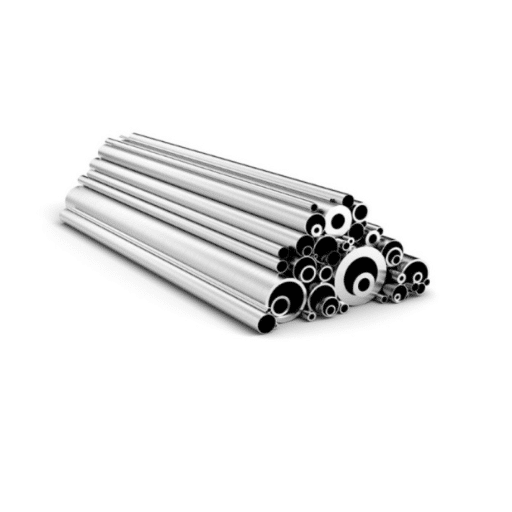
Hastelloy C-4 claims the highest position in the list of industrial materials because of its excellent mechanical and physical properties. The alloy’s five main outstanding characteristics are as follows:
Tensile Strength
This material can withstand a tensile strength of more than 690 MPa under normal conditions, which gives it unbeatable ability to resist any kind of deformation when stressed.
Yield Strength
The alloy has a yield strength of around 310 MPa, which means that it can be relied upon to perform correctly even when subjected to loads, without developing any permanent deformation.
Elongation
The tensile tests show that this alloy can elongate to 50% of its original length before breaking, which is an indication of its remarkable ductility and capacity to be shaped and formed without being damaged.
Melting Range
The melting range of Hastelloy C-4 is between 1,330°F and 1,390°F (722°C and 754°C), thus it can be used in very high-temperature applications without fear of melting.
Density
The alloy’s approximate density of 8.64 g/cm³ offers a compromise between somewhat heavy and structurally stable materials which are much needed in demanding applications.
Mechanical Properties of Hastelloy C-4
| Property | Value | Significance |
|---|---|---|
| Tensile Strength | ~690 MPa | Appropriate for the most demanding situations in terms of stresses since it won’t even deform or fail. |
| Yield Strength | ~310 MPa | Good enough for it to resist large forces before changing permanently. |
| Elongation | Up to 50% | Clear indication of its superb ductility and its potential for being a good candidate for forming and shaping operations. |
| Rockwell Hardness | B88 | Very good wear resistance and very low susceptibility to mechanical abrasion. |
| Creep Resistance | Excellent | Keeps its strength under prolonged application of high temperature and stress, indispensable for high-temperature applications. |
Physical Properties of Hastelloy C-4
| Property | Value | Description |
|---|---|---|
| Density | ~8.69 g/cm³ | Considered quite heavy and thus, the alloy can be applied in strong industrial applications that need weight. |
| Melting Range | 1330-1390°C (2426-2534°F) | Can be used safely in severely high-temperature applications without compromising its properties. |
| Thermal Conductivity | 9.2 W/m·K | Good property for controlling heat transfer in the popular developing areas. |
| Electrical Resistivity | 1.27 µΩ·m | Proves that it can be used in areas where the flow of current has to be restricted. |
| Coefficient of Thermal Expansion | 11.0 µm/m·°C | Indicates that Hastelloy C-4 will maintain its dimensions during the cycle of heat and cold. |
Temperature Stability and Durability
Hastelloy C-4 is widely recognized for its amazing thermal stability and durability, which is why it is used in harsh industrial settings. The following are five main points that show its dependable performance when subjected to different thermal and mechanical conditions:
High-Temperature Resistance
Hastelloy C-4 withstands a maximum of 1038°C (1900°F), thus it keeps its strength and is resistant to oxidation even in the toughest situations.
Thermal Fatigue Resistance
The metal is very resistant to thermal fatigue, thus it can be used for melting and cooling processes that have a high amount of cycles.
Creep Resistance
It is good at resisting creep under high temperature and stress, thus it can be used in places such as chemical reactors and heat exchangers where dimensional stability is needed for a long time.
Stable Microstructure
Even at very high temperatures, Hastelloy C-4 does not change its stable microstructure, thus the chances of phase separation or grain boundary corrosion are very low.
Resistance to Chloride-Induced Stress Corrosion Cracking
The metal is very resistant to cracking due to stress corrosion in the presence of chlorides, especially at high temperatures, thus it is reliable in the most extreme chemical conditions.
All these characteristics together make Hastelloy C-4 a perfect solution for places where temperature stability and durability are the most important.
Applications of Hastelloy C-4
Hastelloy C-4 is a material of choice for many industrial processes, especially where high corrosion resistance and thermal stability are required. The following applications are the most prominent ones among the numerous that this alloy can cater to:
Chemical Processing Equipment
Hastelloy C-4 is often chosen at the outset of the chemical reactor, heat exchanger, and pressure vessel construction bottles. It is resistant to the most aggressive chemicals, such as hydrochloric and sulfuric acids, making it a perfect candidate for very rough chemical processing environments.
Pharmaceutical Industry
The material is used in the production of pharmaceutical equipment, like mixing tanks, because it can keep the product free from impurities and bacteria under sterilization and acidic cleaning conditions, which are commonly found in the pharmaceutical industry.
Pollution Control Systems
Hastelloy C-4 is employed in scrubbers and gland sealing for flue gas desulfurization systems (FGD) as it shows strength to oxidizing and chloride-rich atmospheres which are usually encountered in pollution control applications.
Aerospace Industry
The manufacturing of aerospace components that need to endure extreme temperatures and oxidizing environments, for instance, turbine blades and heat shields, is where the alloy finds its place.
Food Processing Equipment
The non-corrosive nature of the alloy prolongs equipment life and reduces maintenance in food processing areas where acidic or alkaline products are particularly tricky.
By means of these applications, the material properties of Hastelloy C-4 have been confirmed and valued in different industries with demanding conditions for outstanding material performance.
Industrial Applications: Chemical Processing
Hastelloy C-4 is the most welcomed alloy for use in the chemical processing industries because of its amazing ability to resist corrosion in the strongest oxidizing and reducing environments. Red-hot chemical reactions, cooling, and pressuring are the processes that the alloy is most often involved in when working with aggressive chemicals such as hydrochloric acid, sulfuric acid, and chlorine.
Performance Data in Chemical Environments
Recent statistics reveal that Hastelloy C-4 gets a corrosion rate of less than 0.1 mm/year when in contact with a hydrochloric acid concentration of 20% at the temperature of 100°C.
Key Performance Features:
- Corrosion Rate: <0.1 mm/year in 20% HCl at 100°C
- Temperature Range: -196°C to 400°C with mechanical properties intact
- Resistance: Excellent against pitting and stress corrosion
- Applications: Modern biofuels and waste treatment plants
The alloy’s overall stability against the main localized corrosion mechanisms, such as pitting and stress corrosion, is one of its most important merits that allow it to be used in chemical plants under the most intense stresses. When exposed to an extreme temperature range between -196°C and 400°C, Hastelloy C-4 still has its mechanical properties intact, which is yet another reason for its being tough enough for the rigors of the industry. Chemical engineering innovations have also pointed at its prospects in the area of modern biofuels and especially in waste treatment plants with high expectations of durability and resistance to toxins.
The wide range of applications guarantees that Hastelloy C-4 will always be the trusted and proven material for extending the life span and improving the effectiveness of the chemical processing systems.
Aerospace Applications
The aerospace industry has experienced the strength, resistance to corrosion, and extreme condition performing capability of Hastelloy C-4 which made this material indispensible. During all the critical times when the aerospace components were made, it was the reliability and longevity of those materials that got the designers thinking. The following are the five major areas where the usage of Hastelloy C-4 is observed in the aerospace sector.
Jet Engine Components
Hastelloy C-4 is being the good conductor in parts of jet engines like turbine blades and exhaust ducts, where the demand for the high-temperature environment and oxidation resistance is a priority.
Rocket Motor Casings
The alloy’s quality of being resilient and its capacity to survive in high-pressure atmospheres make it the suitable material for rocket motor casings.
Heat Exchangers in Aircraft
Hastelloy C-4 the perfect metal for aircraft heat exchanger systems for efficient thermal management due to its thermal stability.
Fuel System Components
Owing to its resistance to various chemicals and fuels, the alloy is widely utilized in components of fuel delivery and storage systems, ensuring safety and reliability.
Environmental Control Systems (ECS)
Corrosion, and temperature variations do not concern aerospace ECS, where Hastelloy C-4 is used for maintaining cabin pressure and climate under demanding flight conditions.
Pharmaceutical Industry Uses
Hastelloy C-4 is the material of choice in pharmaceutical industry due to its compliance with very exacting production standards and its resistance to very harsh environments. Five key areas of application where the use of Hastelloy C-4 is predominant in the pharmaceutical industry are discussed below:
- 1
Reactors and Mixing Vessels
The alloy’s capability to resist both strong acids and oxidizing agents makes it the perfect candidate for the construction of reactors and mixing vessels utilized in drug synthesis and chemical reactions.
- 2
Heat Exchangers in Pharmaceutical Manufacturing
Hastelloy C-4 is a material of choice for heat exchangers as it provides a reliable temperature control system during the different phases of pharmaceutical manufacturing processes thus, ensuring maximum efficiency and safety.
- 3
Filtration and Drying Equipment
The inherent property of the material to stand up to both aggressive and moist conditions makes Hastelloy C-4 the most preferred among materials for filters and dryers in the area of bulk drug production and again, the same reason is the case for its longevity and cleanliness.
- 4
Piping and Tubing Systems
Hastelloy C-4 made piping and tubing systems are unparalleled in durability and purity and thus, there would be no contamination risk of critical ingredients or products during their transportation.
- 5
Storage Tanks and Pressure Vessels
Corrosion resistance of the alloy plays an important role in the protection of pharmaceutical storage tanks and pressure vessels and consequently, the first-class quality of the raw materials and finished products is maintained even under harsh conditions.
Advantages and Limitations of Hastelloy C-4
Advantages of Hastelloy C-4
Exceptional Corrosion Resistance
One of the remarkable features of Hastelloy C-4 is its corrosion resistance in a variety of chemical environments, including both oxidizing and reducing agents. This property makes it suitable for the chemical industry as well as the environments with extreme conditions.
Thermal Stability
The alloy shows excellent performance in places where temperatures are high, and it does not change its structure or is broken down chemically at temperatures as high as 1900°F (1038°C).
Versatile Applications
The exclusive property mix of Hastelloy C-4 attracts its application in many fields such as pharmaceuticals, chemical processing, power generation, and marine engineering.
Ease of Fabrication
The high machinability and weldability of Hastelloy C-4 are the reasons that manufacturers are able to make intricate parts with exactness and at the same time strength of the material is not lost.
Resistance to Stress Corrosion Cracking
The material will not only last long but also be reliable in the most challenging environments as it will not succumb to the stress corrosion cracking that may be caused by chloride ions or other agents that are hard on the material.
Limitations of Hastelloy C-4
High Cost
Hastelloy C-4 costs a lot more than the standard materials because of its complex composition and the inclusion of rare metals such as molybdenum and nickel, which may limit its use in applications where budget is a concern.
Limited Availability
Hastelloy C-4 is one of the most demanding alloys, thus market availability is not as much as with other metals. Longer delivery times and possible delays can occur for the projects that are dependent on specific grades or forms of the material.
Density and Weight
This alloy has a higher density than most of the other materials, thus it cannot be considered for those application fields where weight of the product is an important factor, such as in aerospace components.
Reduced Performance at High Temperatures
Hastelloy C-4 has been specifically developed for its excellent resistance to corrosion, however, the prolonged exposure time to extremely high temperatures can result in the decline of its mechanical properties, thus its performance in certain extreme environments becomes limited.
Susceptibility to Certain Chemicals
Hastelloy C-4 is recognized as a highly corrosion-resistant alloy, yet still its vulnerability to certain oxidizing agents or strong acids at high temperatures remains a concern, thus careful material selection during application is necessary.
Fabrication Techniques for Hastelloy C-4
In the case of Hastelloy C-4, I make it a point to practice properly to keep the material’s integrity and performance intact. The alloy is easily formed through standard processes like welding, machining, and cold working. I am careful to apply the lowest power possible in welding to deter grain boundary precipitation that might result in corrosion resistance loss. In addition, the heat treatment after welding is not usually required, which results in a more efficient fabrication process. Through the adoption of these best practices, I am able to obtain results of the highest quality while simultaneously preserving the advantageous characteristics of Hastelloy C-4.
References
Friction Stir Processing Nickel-Base Alloys
This study discusses the application of friction stir processing on nickel-based alloys, including Hastelloy.
Long-term Performance of Candidate Materials for HLW/Spent Fuel Disposal Containers
This paper evaluates the performance of Hastelloy C-4 and other materials in high-level waste disposal applications.
High-Temperature Oxidation Behavior of HASTELLOY C-4 in Steam
This article explores the high-temperature oxidation behavior of Hastelloy C-4, focusing on its applications in extreme environments.
Frequently Asked Questions (FAQ)
What is hastelloy c4 (UNS N06455) and what makes it a unique composition?
Hastelloy C4 (UNS N06455) is an alloy composed mainly of nickel, which also has nickel-chromium-molybdenum as its primary elements, the one with the highest corrosion resistance. The characteristic of this alloy is the designation of the composition; thus the nickel and molybdenum contents are exceptionally high, and the chromium proportion is significant too, providing the material with the best quality for any chemical process, even the hot and contaminated ones like hydrochloric and sulfuric acids. The alloy is created to resist not only the mentioned chemicals but also specifically pitting and crevice corrosion, oxidation, and stress corrosion cracking, thus making it fit for severely demanding applications in chemical processing and marine applications.
What are the key hastelloy c4 properties and oxidation resistance at high temperatures?
Hastelloy C4 is a material that is characterized by a superior oxidation resistance and by a general high-temperature and high-pressure thermal stability. Although its use is not usually extended to the extreme limit of some nickel-chromium-molybdenum alloys, it can still be found in chemical processing and similar applications where temperature fluctuation is a normal occurrence; up to certain temperatures, in the case of certain alloys from the Hastelloy family, stability is referenced up to about 1040 °c for specific grades. C-4 combines ductility and corrosion resistance, retaining good mechanical properties and resistance to intergranular corrosion during exposure to heat.
How does hastelloy c4 compare to hastelloy c-276 and c-22 in corrosive environments?
Hastelloy C4, C-276, and C-22 are nickel-chromium-molybdenum-based alloys with formidable corrosion resistance, yet the latter two having different alloy compositions affecting their performance. C-276 is characterized by great resistance to high temperatures that is inclusive of many oxidizing and reducing media, while C-22 gives remarkable resistance to a broader spectrum of acids and under oxidizing conditions. C4 is especially during chloride and hot contaminated mineral acids where pitting and crevice corrosion and stress cracking need to be prevented. The decision is based on the specific chemical process environment and the existence of chlorides, oxidizers, or sulfur compounds.
Is hastelloy c4 resistant to hydrochloric acid, sulfuric acid, and other acids?
Hastelloy C4 is a material that can withstand the effects of many corrosive acids and is therefore frequently suggested for use in environments that contain hydrochloric acid and sulfuric acid, especially where those acids are contaminated or hot. It demonstrates superb corrosion resistance in a variety of corrosive environments, plus, it is still resistant to pitting and crevice corrosion and stress corrosion cracking even in the presence of chlorides, thereby making it suitable for handling harsh chemical mixtures in demanding applications.
Does hastelloy c4 resist stress corrosion cracking and intergranular corrosion?
Yes, Hastelloy C4 is manufactured to be resistant to stress corrosion cracking and resistance to grain boundary precipitation that can eventually cause intergranular corrosion. Like other nickel-base alloys with controlled amounts of chromium and molybdenum, it gives the resistance to stress-corrosion cracking and, hence, chooses where such conditions of stress and corrosive agents like chlorides may prevail. Its ductility and stability are advantageous for crack initiation and propagation control under service conditions.
What are typical applications and industries that use hastelloy c4 (UNS N06455)?
Hastelloy C4 is applied in the most difficult situations of the chemical processing industry; such include operating in chemical processing plants, generating power, the marine industry, and so on. The common parts in these operations are heat exchangers, piping, pumps, valves, and vessels that are constantly exposed to chloride-containing or contaminated acids. Its high corrosion resistance and thermal stability make it serviceable in high-performance applications even in harsh chemical and high-temperature environments.
Can hastelloy c4 be machined and welded, and what are its mechanical properties?
Hastelloy C4 is the right choice because of its good ductility; it can be readily machined and welded using standard procedures for nickel-based alloys. The machining of the material is easier than that of some high-hardness materials, but care should be taken to prevent work hardening; standard practices for nickel-chromium-molybdenum alloys apply. Welding processes should maintain a low heat input to avoid undesirable precipitation. The alloy is a good combination of strength, ductility, and corrosion resistance that is suitable for components that must be fabricated and repaired during service.