


Blog
Corrosion Testing Methods for Metals: Understanding Electrochemical and ASTM Standards

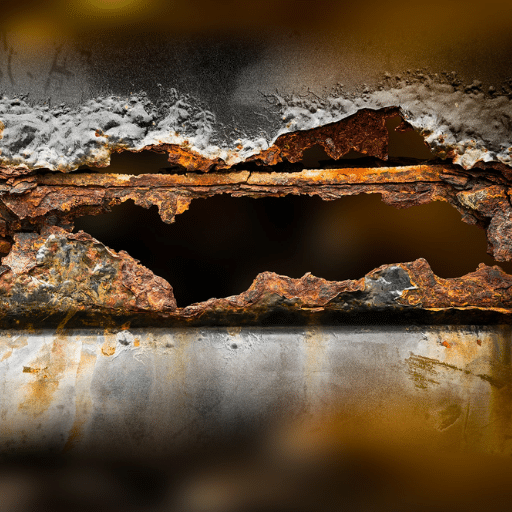
Corrosion serves as an ongoing obstacle which industries that depend on metal components must face from their construction and transportation operations through their energy production activities and into other sectors of their work. Engineers require knowledge about the processes which cause corrosion to develop because this understanding enables them to establish protective measures which extend operational longevity and ensure safe functioning for all metal structures. The article investigates the principal techniques which evaluate metal corrosion, while dedicating special attention to electrochemical methods and ASTM testing standards. The research methods showed their ability to test metal performance under corrosive conditions, and the standardized testing methods created a base to achieve precise testing results. The guide presents a complete overview of essential testing methods which materials experts and engineers and general readers can use to advance their understanding of corrosion science.
Introduction to Corrosion Testing
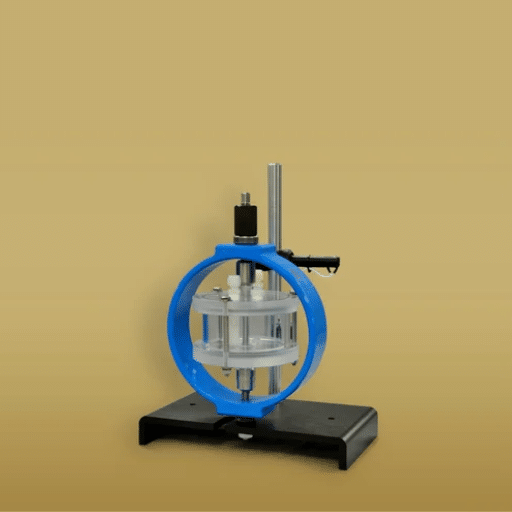
Corrosion testing functions as a methodical evaluation process which determines how materials withstand deterioration from environmental and chemical challenges. The process determines how long a material will last and which uses it is suitable for. Corrosion tests analyze real-world conditions inside controlled spaces to produce essential data which helps scientists enhance material performance and stop failures from occurring. The common methods of testing corrosion include electrochemical tests and salt spray testing and immersion testing which each focus on different aspects of corrosion behavior. The tests establish essential safety requirements which protect structural integrity while maintaining cost efficiency for multiple industrial sectors.
Definition of Corrosion Testing
The procedure of corrosion testing evaluates material responses to corrosion when exposed to specific environmental conditions. The testing establishes material performance during their entire lifespan and various operational situations. The testing process maintains its critical role for every industry which includes construction and aviation and automotive and energy since all industries require durable materials for their operations.
The recent research results show that corrosion leads to economic losses and creates safety hazards which affect nations worldwide. NACE International study shows that global corrosion expenses exceed 2.5 trillion dollars each year which represents approximately 3 to 4 percent of total world economic output. The process of corrosion testing enables manufacturers and engineers to reduce costs by choosing optimal materials and protective coatings which extend essential equipment and infrastructure lifespan.
Corrosion analysis now uses advanced electrochemical impedance spectroscopy (EIS) and cyclic potentiodynamic polarization (CPP) methods which deliver precise material corrosion rate data through their rapid analysis capabilities. New methods provide a complete understanding of corrosion processes at both atomic and electrochemical levels which complement traditional testing methods that use salt spray and immersion testing.
Corrosion testing has become an exact testing method which industries use as essential equipment because of its combination of technological advancements with real-time assessment capabilities. Corrosion analysis has gained significant importance in demanding operational environments because industries require this information to sustain safety standards and enhance system reliability while minimizing maintenance costs.
Importance of Corrosion Testing in Metallurgy
The process of corrosion testing establishes essential data which engineers use to construct, manufacture, and keep up with metal and alloy materials. The practice of corrosion prevention enables materials to maintain their usable life while stopping dangerous breakdowns that threaten essential operations. The following list presents five essential facts about how corrosion testing impacts metallurgical research.
📊 Material Performance and Longevity
Corrosion testing determines how metals behave under various environmental conditions which include exposure to moisture and chemicals and extreme temperatures. The data establishes essential information about materials which researchers study to predict material lifespan in construction and transportation and industrial equipment usage.
🔬 Development of Corrosion-Resistant Alloys
Engineers test various alloy compositions to create materials which exhibit better protection against corrosion through their testing process. The procedure operates as a fundamental requirement for both aerospace and marine industries because metals need to withstand extreme weather conditions.
🛡️ Safety Assurance
Corrosion testing helps identify vulnerabilities in materials that could compromise safety especially in applications such as bridges and pipelines and pressure vessels. Major failures occur because testing data through preventive measures begins with implementation of testing data through preventive measures.
💵 Cost Reduction
The industrial sector achieves a better understanding of corrosion through testing and this knowledge helps them adopt protective methods that extend component lifetime while decreasing maintenance expenses.
📋 Regulatory Compliance
Corrosion testing becomes a mandatory requirement for numerous industries which must follow specific rules and standards. The company meets safety requirements and establishes reliable products which customers can use for their planned applications through standard compliance.
The data points reveal that corrosion testing plays a role in metallurgical advancement while preserving safety protocols and dependable systems and economical solutions across different sectors.
Overview of Common Corrosion Test Methods
The corrosion testing process uses various techniques to examine material degradation under particular environmental conditions. The methods help industries to predict material performance while they satisfy regulatory standards and maintain protection for critical infrastructure. The upcoming section provides details about standard corrosion testing methods which researchers implement in their investigations.
Types of Corrosion and Their Implications
Corrosion has multiple distinct forms which exhibit different patterns of behavior and result in separate effects. The different types of corrosion must be understood to develop materials and structures which can endure extreme environmental conditions. The section presents five typical corrosion types which demonstrate distinct effects on materials.
1. Uniform Corrosion
Description: The most common form of corrosion occurs when a corrosive environment affects all parts of a surface uniformly.
Impact: Steel structures that face atmospheric conditions lose between 0.1 and 0.2 millimeters of thickness each year because of uniform corrosion.
Common Preventive Strategies:
- Applying protective coatings
- Using corrosion inhibitors
- Selecting materials that resist corrosion such as stainless steel
2. Galvanic Corrosion
Crevice corrosion develops within tight spaces where stagnant liquid creates a corrosive environment under gaskets and joints and fasteners. Because crevice corrosion occurs in marine equipment saltwater creates a corrosive environment when it gets trapped inside small gaps which accelerates equipment damage.
⚠️ Critical Finding: NACE study shows that aluminum alloys with copper in saline environments experience ten times faster corrosion rates compared to when they exist separately because of galvanic effects.
Prevention Methods:
- Using insulators to isolate metals
- Choosing metals that have similar positions on the galvanic series
- Applying protective coatings
3. Pitting Corrosion
Pitting corrosion develops through localized processes which create tiny aggressive holes that appear as “pits” on a material’s exterior. The system presents extreme risks because it can operate undetected while damaging the structure’s fundamental strength.
⚠️ Warning: Data from material analysis show that pitting in its early stage can reduce material lifespan by up to 30%.
4. Crevice Corrosion
This type occurs when two different metals touch each other while an electrolyte permits electrical flow between them. The metal which has higher reactivity will undergo corrosion at a faster rate which will create protective effects for the less reactive metal. Aluminum will corrode more quickly than copper when both metals get placed together in a humid setting.
Key Causes and Effects:
| Cause | Effect |
|---|---|
| Oxygen Depletion | Creates electrochemical imbalance enabling anodic reactions |
| Chloride Ion Accumulation | Destruction of protective oxide layers, accelerated metal dissolution |
| Stagnant Conditions | Hazardous substances become trapped, severe material degradation |
| pH Drop in the Crevice | Low pH environment accelerates corrosion and weakens structure |
| Material Selection and Design Flaws | Increased vulnerability to crevice corrosion, diminished material strength |
5. Stress Corrosion Cracking (SCC)
SCC occurs when tensile stress combines with corrosive substances to create cracks which continue to expand. High-performance alloys used in the chemical and aerospace industries are particularly vulnerable especially in chloride or ammonia-rich conditions. The material breaks without any warning at unexpected times.
⚡ Critical Risk: The material breaks without any warning at unexpected times, making SCC one of the most dangerous forms of corrosion.
Electrochemical Corrosion Testing Methods
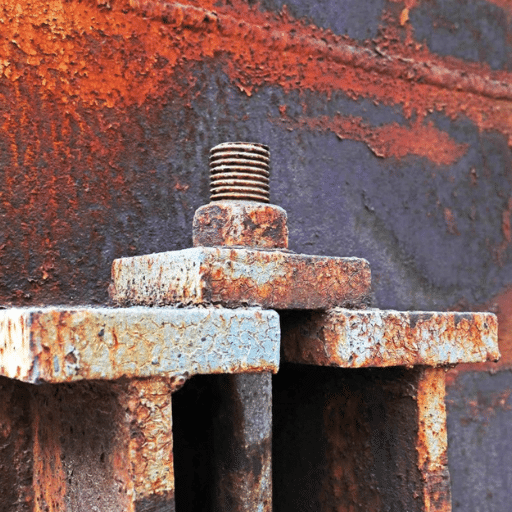
Researchers use electrochemical corrosion testing methods to study the corrosion behavior of metals and alloys under various environmental conditions. Research studies use electrochemical testing methods to create degradation simulations which help researchers understand how materials corrode and how to prevent it.
Potentiodynamic Polarization Testing
🔬 How It Works
Researchers use this standard method to observe current flow while they adjust the electrical potential of their test specimen. This technique obtains three essential measurements which encompass E_corr, I_corr, and the passivation mechanism.
Key Finding: Testing results show that stainless steel has better corrosion resistance because its I_corr values decrease more in saline solutions compared to plain carbon steel.
Electrochemical Impedance Spectroscopy (EIS)
EIS serves as another common testing approach. The non-destructive method uses impedance measurements across multiple frequencies to assess the electrochemical activities taking place at material boundaries.
Applications:
- Shows how protective coatings work
- Tracks how corrosion develops throughout different periods
- Monitors coating performance during extreme operating conditions (aircraft and marine vehicles)
Galvanic Corrosion Testing
The Galvanic Corrosion Testing method determines how two different metals will interact when they touch each other in an electrolytic solution. The technique provides researchers with two types of quantitative data because it measures both anodic and cathodic reactions.
✓ Industry Applications: The oil and gas industry and the automotive industry and the construction industry rely on these electrochemical testing methods for their essential operations.
Salt Spray Test: Procedure and Applications
The salt spray test functions as an accelerated corrosion testing method which assesses how well materials or coatings withstand corrosive environments.
Procedure Steps
Preparation of Test Specimens
The team needs to create documentation which includes all dimensions and surface treatments and coating types.
Test Chamber Setup
The salt spray chamber is calibrated to maintain specific conditions (temperature, humidity, and salt concentration). Standard solutions which include 5% sodium chloride solution are used because their pH range falls between 6.5 and 7.2.
Exposure Process
The test specimens require placement at a specific angle which usually ranges between 15 to 30 degrees so that salt mist can be deposited evenly. The test needs a constant salt mist which should be sprayed at a controlled rate of 1 to 2 milliliters per hour across 80 square centimeters of surface area.
Duration and Monitoring
Test durations vary depending on standards and material type (e.g., 24, 48, 96, or 500 hours). The team conducts regular checks to verify that both solution concentration and pH levels stay within established boundaries.
Evaluation and Interpretation
The corrosion indicators which include rust and blistering and coating degradation are used to assess specimen condition after exposure. The results are measured against established industry standards which include ASTM B117 and ISO 9227 to determine performance outcomes.
Immersion Test: Methodology and Results
Methodology
The immersion test evaluates material and coating durability through submerged testing which mimics actual conditions for water and chemical and industrial solution exposure.
Key Steps:
- Sample Preparation: The specimen cleaning and testing standard preparation process ensures uniformity for testing purposes.
- Selection of Test Solution: The liquid medium is selected according to its specific use which requires saltwater for marine environments and acidic solutions for industrial processes.
- Immersion Process: The samples undergo complete submersion in the test solution which lasts for an established time between hours and months based on the test requirements.
- Control of Environment: The testing period requires continuous monitoring and regulation of solution temperature and pH and all other critical testing parameters.
- Post-Immersion Analysis: The post-immersion examination of materials reveals physical and chemical changes through observations of discoloration and weight loss and surface deterioration.
Results and Data
| Test Type | Material | Corrosion Rate | Duration |
|---|---|---|---|
| Saltwater Immersion | Zinc-coated steel | 0.02 mm/year | 30 days |
| Saltwater Immersion | Uncoated steel | 1.13 mm/year | 30 days |
| Chemical Resistance (pH 2.5) | Polymer coatings | < 1% weight loss | 60 days |
| High-Temperature (95°C) | Aluminum alloys | 95% tensile strength retained | 90 days |
Advanced Corrosion Testing Techniques
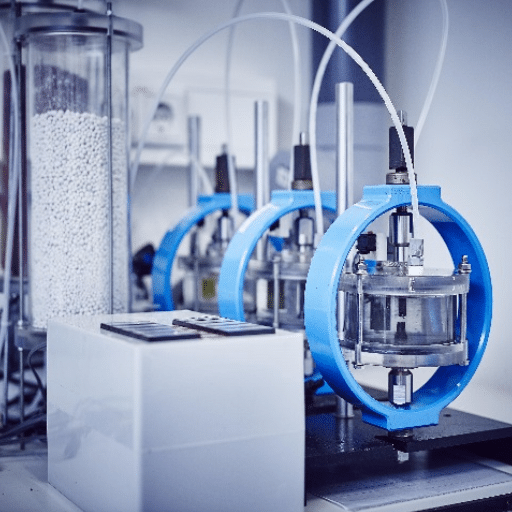
The development of better materials requires advanced corrosion testing methods which predict material performance in extreme conditions.
Electrochemical Impedance Spectroscopy (EIS)
A vital method for examining how corrosion rates develop and how corrosion processes take place. EIS tests coating resistance together with corrosion reaction speed by measuring material impedance at different frequency ranges.
Application: Detecting initial stages of corrosion in both coated and uncoated metals.
Salt Spray Testing (ASTM B117)
Tests advanced materials by creating a high-saline environment to study how long these materials can resist rusting.
Performance Data: High-performance coating systems protect materials during 2000 hours of salt spray testing which results in only minor visible damage.
High-Temperature Corrosion Tests
Essential testing procedures for the aerospace and power generation industries. The testing process for superalloys requires cyclic thermal exposure to temperatures above 1000°C.
Results: Nickel-based alloys experienced only 2% mass loss after 500 hours of testing at 1050°C.
Localized Corrosion Techniques
Scanning Kelvin probe and electrochemical noise analysis methods provide researchers with comprehensive information about pitting and crevice corrosion.
Benefit: Evaluate specific protective film or coating deficiencies for exact improvements.
Stress Corrosion Cracking: Testing and Significance
The material failure mechanism known as Stress Corrosion Cracking (SCC) requires both tensile stress and corrosive environmental conditions to produce complete failure of metal and alloy structures.
Testing Procedures
Primary Testing Methods
- Slow Strain Rate Testing (SSRT): Evaluates material vulnerability through controlled stress testing which determines the exact point of material failure.
- Constant Load Testing: Applies ongoing stress to materials while they experience corrosive environments to measure when cracks start and how fast they develop.
- Electrochemical Impedance Spectroscopy (EIS): Provides detailed microstructural evaluation.
Key Research Findings
⚠️ Critical Temperature Threshold: Type 304 stainless steel developed cracks after extended exposure to a chloride-heavy environment which reached temperatures above 120°F(49°C).
Innovative Solutions:
The introduction of duplex stainless steels as an innovative solution created superior SCC resistance through their two-phase microstructure which combines austenite with ferrite. Research in industries uses advanced materials testing methods together with environmental simulation techniques to develop solutions for combatting SCC problems.
Accelerated Testing Methods for Corrosion
Engineers use accelerated corrosion testing methods to assess material durability through tests which simulate real-world environmental conditions to establish the material’s operational lifespan.
Primary Assessment Techniques
| Method | Description | Key Finding |
|---|---|---|
| Salt Spray Testing | Tests materials through controlled saline mist that simulates marine environments | Stainless steel grade 316L survives over 500 hours without significant deterioration |
| Cyclic Corrosion Testing (CCT) | Uses high humidity, salt spray, and drying intervals | Provides better prediction accuracy than traditional salt spray testing |
| Electrochemical Testing (EIS) | Studies material behavior under electrochemical stress conditions | Obtains reliable data about coating performance and substrate strength |
Advanced Technologies
🤖 AI and Machine Learning Integration
Researchers in corrosion studies now utilize the latest technological advancements which integrate sensors with machine learning algorithms. The testing facility uses its real-time monitoring systems to collect complete testing data while detecting corrosion weak points with enhanced detection precision. The artificial intelligence models study data patterns to determine how materials will react to various environmental stress factors.
Cyclic Testing: Benefits and Limitations
Cyclic testing methods function as fundamental instruments which enable scientists to evaluate material behavior during ongoing mechanical testing and environmental exposure.
Advantages
✓ Fatigue Life Prediction
Cyclic testing allows engineers to determine the duration of material strength before it eventually fails. The study of aluminum alloys which undergo cyclic testing shows that these materials can sustain over 10 million cycles before reaching their breaking point.
✓ Design Optimization
Cyclic testing enables engineers to identify material weaknesses which they can use to create improved design solutions. The process improves safety by reducing potential dangers.
✓ Material Characterization
Testing material samples demonstrates how the material reacts to specific cyclic stress patterns which include both stress-strain behavior and energy dissipation capacity.
✓ Quality Assurance
Testing centers use repetitive stress tests to assess whether their manufacturing methods produce products that meet required durability standards which leads to reliable operation in sectors such as automotive and aerospace.
✓ Cost-Effectiveness
Cyclic testing enables organizations to detect material defects early which decreases failure rates while saving money on repairs and replacements during the extended period.
Limitations
✗ Time-Consuming Process
The process requires a long time because high-cycle fatigue testing demands extensive testing to evaluate materials which need to withstand millions of cycles.
✗ Limited Environmental Simulation
The study results present incomplete real-world outcomes because the researchers limited testing to environmental stress conditions which combine temperature changes with humidity variations.
✗ High Equipment Costs
Organizations must invest heavily in advanced testing equipment because the initial costs create financial obstacles which prevent smaller organizations from acquiring necessary resources.
✗ Complexity in Interpretation
The process of translating laboratory study findings into real-world applications becomes difficult because laboratory tests cannot simulate all conditions in actual operational environments.
✗ Material-Specific Challenges
Materials exhibit distinct behavioral patterns during cyclic stress tests which requires organizations to establish custom testing procedures that increase their operational expenses.
Applications and Benefits of Corrosion Testing
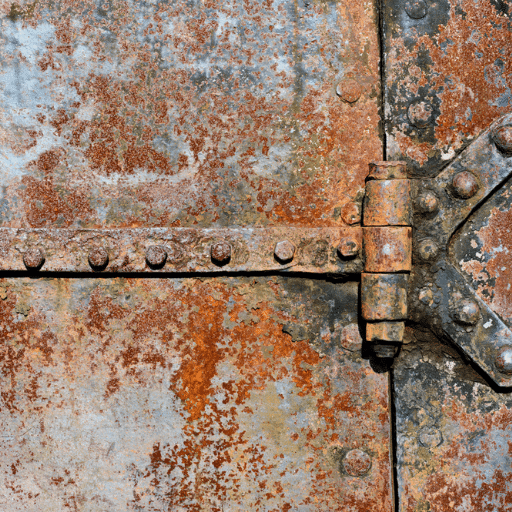
All industries use corrosion testing to protect people from material failures and to reduce their future costs. Industries use detailed information from corrosion testing results to choose their materials and protective solutions.
Key Application Areas
🏗️ Material Selection for Engineering Projects
Corrosion testing helps determine the most suitable materials for projects exposed to harsh environments, such as offshore platforms or chemical plants. Corrosion-resistant materials allow industries to achieve reduced maintenance expenses while extending their asset lifetime.
⏱️ Enhancing Product Lifespan
Manufacturers use corrosion testing to create products which last longer through better durability. Testing found that stainless steel which includes molybdenum provides better protection against chloride-induced pitting, making it suitable for use in marine environments.
✅ Quality Control and Compliance
Organizations conduct regular corrosion tests to confirm that their products comply with ISO and ASTM industry standards for safety and performance. This method develops customer trust while decreasing potential liability issues.
🛡️ Risk Assessment and Safety
Testing shows how materials break down through time which helps industries discover probable failure points in various structures including bridges and pipelines and storage tanks. Testing enables early identification which protects against major system breakdowns.
💰 Cost Savings Through Predictive Maintenance
Industries can optimize their maintenance schedules and replacement equipment needs by studying corrosive effects. The method decreases unexpected system failures and repair expenses which results in million dollar savings each year across the oil and gas and transportation industries.
Industry Applications of Corrosion Testing
Corrosion testing serves multiple industries because it establishes safety standards while proving equipment reliability and demonstrating cost savings.
| Industry | Application | Impact |
|---|---|---|
| Oil and Gas | Pipelines, offshore drilling platforms, refineries | Annual corrosion expenses exceed $1.3 billion in the United States |
| Aerospace Industry | Aircraft systems operating in extreme weather conditions | Protects aircraft components from failure, ensures passenger safety |
| Marine Industry | Ships, submarines, harbor infrastructures | Prolongs operational lifespan of cargo vessels for two decades |
| Automotive Industry | Vehicle components exposed to road salts and moisture | Improves vehicle durability, maintains customer trust |
| Construction and Infrastructure | Bridges, pipelines, buildings (steel and concrete materials) | Maintenance expenses decrease between 15-35% |
Benefits of Regular Corrosion Testing
Greater Safety
Engineers use regular corrosion tests to discover hidden structural defects which would stay hidden until dangerous failures occur. The bridge and pipeline and building inspections which detect corrosion at early stages enable communities and people to stay safe because they prevent collapses and accidents.
Cost Savings
The organization can save substantial money by solving corrosion problems at their initial stage. Research indicates that 15-35% of maintenance costs in infrastructure can be saved through proactive corrosion management and regular monitoring programs.
Extended Lifespan of Assets
Corrosion testing protects investments by extending the usable period of materials and structures. Organizations can maintain their systems through regular testing which establishes their need for preventive maintenance until the point of replacement becomes necessary.
Compliance with Regulations
All industries require strict adherence to safety regulations and environmental protection standards. Regular corrosion testing establishes the legal compliance of structures and equipment which helps businesses avoid fines and reputation damage.
Improved Operational Efficiency
Industrial processes experience unscheduled shutdowns because operators fail to control corrosion effectively. The process of routine testing enables equipment to operate at maximum efficiency while protecting energy and construction and transportation sectors from productivity losses.
Challenges in Corrosion Testing and Future Directions
⚠️ Current Challenges
Corrosion testing faces difficulties because environmental conditions at testing sites create unpredictable results which make it challenging to create real-world test conditions. The process of testing equipment becomes complicated and expensive when technicians need to access difficult-to-reach equipment parts.
🚀 Future Directions
The development of non-destructive testing techniques combined with artificial intelligence-based predictive analytics offers promising possibilities for future research. The application of these technologies will improve our ability to monitor corrosion because we will achieve better accuracy and faster results together with lower expenses and enhanced protection measures.
Frequently Asked Questions (FAQ)
What is the purpose of corrosion testing?
Corrosion testing exists to determine how effectively materials and alloys protect against corrosion damage during testing in controlled environments which help researchers study their actual corrosion rates and operational lifespan while they assess the effectiveness of various corrosion protection methods and their associated coating systems.
How does electrochemical testing help evaluate the corrosion resistance?
Corrosion resistance assessment requires electrochemical testing which employs potentiodynamic polarization and electrochemical impedance spectroscopy to study electrochemical reactions while determining corrosion potential to estimate corrosion rates and locate areas susceptible to localized corrosion.
When should a galvanic corrosion test be used to assess corrosion susceptibility?
A galvanic corrosion test evaluates how two different metals will corrode when they connect through an electrical circuit and come into contact with an electrolyte; this test determines which metal or alloy will corrode first while it calculates the rate of galvanic corrosion and it assists in selecting materials and insulation methods to protect against corrosion in joint assemblies.
What various methods of corrosion are commonly used to simulate field conditions?
Multiple corrosion simulation methods which include salt spray (fog) testing and cyclic corrosion testing and immersion testing and environmental exposure tests create accelerated corrosion testing methods which evaluate general corrosion and pitting and crevice corrosion and intergranular corrosion to check for corrosion damage and corrosion vulnerability.
How does crevice corrosion testing evaluate localized corrosion threats?
Crevice corrosion testing uses a creviced design to test a material against corrosive conditions which creates localized corrosion on the surface; this testing method tracks the stages of crevice corrosion development while it calculates the corrosion rate at the narrow crevice and tests whether protective coatings and inhibitors succeed in preventing crevice corrosion attacks.
What is the copper strip corrosion test and when is it used?
The copper strip corrosion test exists to analyze the corrosive properties of contaminants which exist in lubricants and fuels and process fluids because it uses a polished copper strip which shows tarnishing after testing with a sample.
Why is corrosion coupon testing a useful method for monitoring corrosion in service?
Corrosion coupon testing offers effective monitoring of corrosion processes because it involves placing metal coupons into real operational conditions while experts track their weight loss to calculate material corrosion rates. The method provides a practical way to track corrosion which includes testing corrosion inhibitor efficiency and coating performance while showing actual corrosion processes and different corrosion patterns which include uniform corrosion and localized corrosion.
Which methods of corrosion testing are appropriate to evaluate pitting and crevice corrosion?
The testing methods for corrosion evaluation of pitting and crevice corrosion assessment need to use three testing methods which include electrochemical testing (potentiodynamic scans to find pitting potential) and accelerated corrosion tests with chlorides and crevice corrosion testing and cyclic corrosion testing to assess pitting susceptibility and local attack corrosion rates and evaluate corrosion potential thresholds.
How can one measure the effectiveness of corrosion inhibitors and coatings?
The effectiveness of corrosion inhibitors and coatings takes place through a comparison of corrosion rates and corrosion damage between treated samples and untreated samples which uses electrochemical testing and corrosion coupon testing and cyclic corrosion tests and crevice corrosion testing as assessment methods. The tests evaluate how well the inhibitors control electrochemical reactions while the materials resist corrosion over extended periods.
References
📚 Laboratory Test Methods for Atmospheric Corrosion
Defense Acquisition University
View Document
This document discusses the evolution of laboratory test methods for atmospheric corrosion.
📚 Experiment #9: Corrosion of Metals
California State University, Northridge
View Document
A detailed academic resource on electrochemical techniques for studying corrosion rates.
📚 Corrosion Guidelines
Caltrans – California Department of Transportation
View Document
🔬 Conclusion
Corrosion testing methods serve as fundamental elements in current materials science research and industrial reliability evaluation. The methods which have been developed through ongoing research and technological advancements establish performance standards which lead to fresh innovations in multiple industrial sectors. By understanding and implementing these testing methodologies, industries can achieve greater safety, extended asset lifespans, and significant cost savings while maintaining compliance with regulatory standards.