


Blog
Metal Heat Treatment: Complete Process Guide

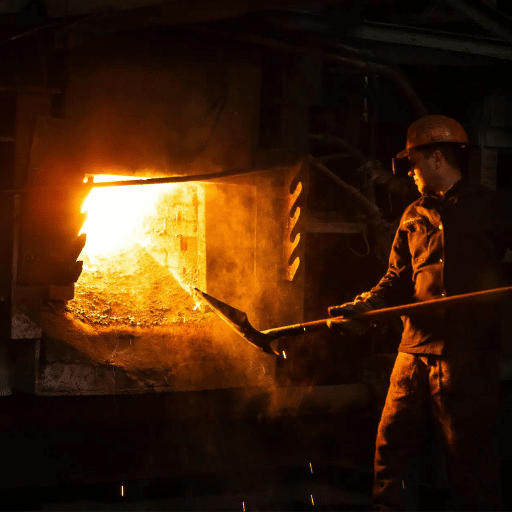
The essential method that metal manufacturers and engineers use to achieve their highest-performing metal products and their longest product life is heat treatment as their primary production method. The process establishes a vital function that enables metals to undergo microstructural changes, creating the specific properties needed for different uses. Your material-strength improvement and ductility increase, as well as the development of better wear and fatigue resistance, require you to understand the mechanics of metal heat treatment.
The guide will demonstrate all the steps of the heat treatment procedure by examining key processes, including annealing, quenching, and tempering. The analysis of this ancient technique will reveal its scientific principles which support these methods and its industrial importance and current solution development capabilities. Metal heat treatment requires you to understand the three main factors, which are heat, time, and precision, and their interactions that create complex operational systems.
Introduction to Metal Heat Treatment
Metal heat treatment is a controlled process that modifies a metal’s physical properties and mechanical attributes without altering its shape. The main objective of this process is to enhance the material’s strength, hardness, ductility, and wear resistance. The process requires initial metal heating until it reaches its target temperature which must be sustained during the complete designated time before the implementation of controlled cooling begins. The primary methods used in this process include annealing, which softens metal for processing; quenching, which hardens metal; and tempering, which improves toughness by reducing brittleness. The manufacturing and construction sectors, along with various industries that depend on high-quality, strong metal parts, use these techniques as essential tools.
Importance of Heat Treatment in Various Industries
The process uses heat treatment to enhance metal properties, enabling materials to meet their required performance requirements. The process produces metals with multiple industrial applications because it improves key properties, including hardness, tensile strength, ductility, and wear resistance. The following presents complete information about five industrial sectors that require heat treatment as an essential process.
Automotive Industry
The vehicle requires heat-treated components, which include gears, crankshafts, and axles, to achieve both durability and operational success. The usage of hardened steel in high-stress automobile parts enables manufacturers to produce components that maintain operational efficiency for extended periods.
Aerospace Industry
The aircraft engine parts, landing gear, and structural components undergo heat treatment to withstand extreme temperatures, heavy weights, and different atmospheric conditions. The vacuum heat treatment method provides precise control which guarantees material integrity during the process.
Construction Industry
The construction industry uses heat treatment on steel beams and columns and reinforcements to improve their tensile strength, load-bearing capacity, and resistance to environmental factors. The process provides both structural integrity and security to buildings and infrastructure systems throughout their operational lifetimes.
Tool and Die Industry
Industrial workers use heat-treated tools, molds, and dies, which gain both hardness and durability through the process. The critical processes of quenching and tempering maintain both the precision and operational efficiency of the system.
Energy Sector
The energy sector needs heat treatment to preserve all turbine blades, pipelines, and pressure vessels. The process provides protection against extreme temperatures, high pressure, and corrosive environments found in power plants and oil refineries.
The process of heat treatment continues to be an essential method in modern industrial operations, enabling diverse fields to discover new solutions while maintaining operational efficiency.
Applications of Heat Treating Metals
Various industries use heat treatment to metals because it helps them achieve desired mechanical and chemical properties through thermal processing. The following section presents five important applications which include detailed information and supporting evidence.
The Automotive Industry
Automotive manufacturing facilities depend on heat treatment processes to create various components, which include gears, crankshafts, and engine parts. Carburizing applies to gears because it enhances their surface strength while creating a core with lower hardness which enables better flexibility. The combination of these two properties delivers superior performance under extreme stress and heavy loads.
Aerospace Sector
Airplane parts undergo heat treatment processes to prepare them for extreme pressure and temperature changes which occur during flight. The aerospace industry uses solution and precipitation heat treatments on aluminum and titanium alloys to produce materials with specific strength, weight, and corrosion resistance.
Construction and Infrastructure
The heat treatment procedures improve both structural steel and reinforcement steel bars by increasing their hardness and toughness. High-strength low-alloy (HSLA) steels used in high-rise building construction require controlled quenching and tempering processes to achieve consistent performance under load conditions.
Medical Equipment
The heat treatment process establishes biocompatibility, strength, and corrosion resistance properties for stainless steel and titanium materials used in surgical instruments, implants, and dental tools. The annealing process establishes the material’s surface quality while ensuring compliance with all medical requirements.
Tool and Die Manufacturing
Manufacturers use heat treatment processes on tools, including cutting blades, molds, and dies, to enhance their resistance to wear and extend their operational lifespan. The tool maintenance procedures, including hardening and tempering, help tools retain their cutting ability and precise dimensions during long periods of demanding work.
Overview of the Heat Treatment Process
The heat treatment process involves a sequence of controlled heating and cooling operations which thermalize metals and alloys for the purpose of modifying their physical and mechanical attributes while maintaining their original shape. This process is essential for improving material properties, including increased hardness, strength, and ductility, as well as enhanced wear and corrosion resistance. The heat treatment process consists of multiple essential phases, which include heating, soaking, and cooling, for which each phase needs to be controlled precisely to develop the intended material properties.
1. Heating
The heating stage starts with the material receiving gradual temperature increases until it reaches a predetermined temperature which is based on the metal or alloy composition. Steel heating temperatures depend on carbon content which establishes a heating range between 800°C (1472°F) and 950°C (1742°F). The heating process needs to maintain uniform temperatures because any temperature variations will lead to thermal stress which causes material deformation.
2. Holding (Soaking)
The material undergoes a “soaking” process after reaching its target temperature which lasts until the material achieves complete thermal equilibrium with the surrounding environment. The phase ensures that heat throughout the material body produces uniform changes which occur at the molecular level.
3. Cooling
Manufacturers use controlled cooling processes to obtain specific material properties which they need for their production processes. Quenching produces harder materials through rapid cooling, while annealing creates materials with better ductility and lower internal stresses through slow cooling. The various cooling techniques include air cooling and oil or water immersion and specialized cooling methods that use nitrogen or argon gas atmospheres.
Data and Applications in Modern Industry
Technological progress has led to the development of more accurate and effective heat treatment methods. Computer-controlled modern furnace systems track and control temperature settings with precise accuracy which enables them to deliver uniform heating results. The introduction of predictive analytics into heat treatment processes has resulted in efficiency gains which reach up to 20% according to the latest studies.
The global demand for heat-treated metals reflects its importance across diverse industries. The North American heat treatment market will expand at 4.8% growth rate from 2023 to 2030 because the automotive and aerospace industries are increasing their demand. The medical field has begun to adopt vacuum heat treatment methods which prevent oxidation to create high-performance titanium alloy materials used in medical implants.
The heat treatment process creates exceptional material performance through advanced techniques combined with analytical data which allows it to meet the demanding requirements of contemporary engineering practices and manufacturing methods.
Understanding Heat Treatment Techniques
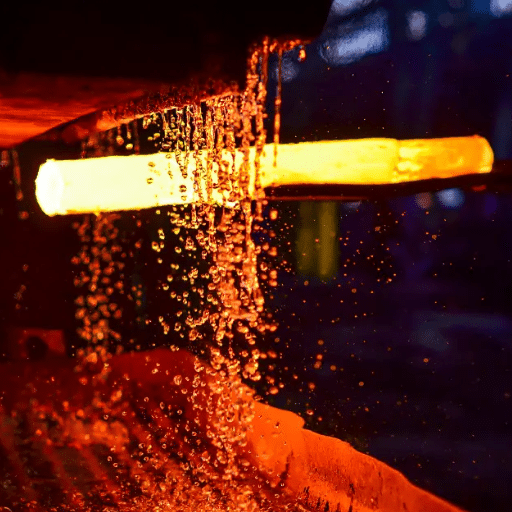
Heat treatment is an essential technique that both materials science and manufacturing processes employ. The method transforms material characteristics by using precise temperature control during thermal processing. The process improves materials by enhancing durability, strength, and flexibility, enabling them to meet the precise requirements of industrial operations.
The Commonly Used Heat Treatment Techniques
The metalworking process of annealing uses precise temperature control during heating and gradual cooling to improve ductility while reducing metal hardness. The construction industry relies on this method because it produces metals that are both malleable and highly strong.
The process of quenching uses oil or water to cool materials after heating which makes it suitable for creating high-strength applications. The manufacturing process for automotive components uses this technique to enhance their resistance against wear.
The quenching process requires tempering, which reduces brittleness while maintaining material hardness. The process is a fundamental requirement for producing tools and components that must withstand extreme pressure, such as gears and springs.
Vacuum Heat Treatment uses a vacuum environment to process materials through its advanced method which stops oxidation and contamination from occurring. The aerospace and medical industries now use this technique to process titanium alloys because it provides better performance and precise results.
Data and Trends in Heat Treatment
The heat treatment industry will experience market growth according to industry reports which forecast a Compound Annual Growth Rate (CAGR) of 3.5% from 2023 to 2030. The industry’s growth is driven by two factors: technological advances and rising consumer demand for materials with tailored performance attributes. The aerospace sector develops lightweight materials with high strength, which drives heat treatment innovation through induction heating.
The study’s findings demonstrate that artificial intelligence (AI) and machine learning technologies are becoming more common in heat treatment processes according to recent research. The implementation of artificial intelligence (AI) enables organizations to achieve better operational output while using less energy and producing less waste through its real-time process monitoring and optimization capabilities.
Heat treatment methods are essential requirements throughout multiple industrial sectors:
- Automotive: The process increases both lifespan and performance for drivetrain components which include crankshafts and gears.
- Aerospace: The process produces lightweight parts which offer high durability for use in both aircraft and spacecraft.
- Medical: The process ensures that titanium alloy implants achieve both biocompatibility and strength requirements.
- Energy: The process enhances the strength properties of components used in wind turbine systems which belong to renewable energy technologies.
The field of heat treatment is advancing rapidly due to ongoing technological progress and advances in materials science, which help solve the complex problems encountered in current manufacturing operations and engineering tasks. This development enables the industrial sector to achieve greater efficiency while meeting strict performance requirements.
Common Heat Treatment Methods
The various heat-treatment methods result in physical and chemical transformations that enhance material performance to meet specific application requirements. The next section provides information about standard heat treatment methods which include detailed descriptions and research results.
1. Annealing
The annealing process requires the material to reach a specific temperature before controlled cooling returns it to ambient temperature. The method produces benefits by reducing material hardness but it also increases ductility while internal stresses are eliminated. The research findings from the industry demonstrate that steel achieves 30% better ductility through annealing which enables its use in machining and shaping operations.
Key applications:
- Automotive panels require this treatment of their steel sheets to improve malleability.
- The process enhances the machinability of components produced through precision manufacturing.
2. Quenching
Operators need to use swift methods for material cooling, which require them to apply water, oil, or air to cool down heated items. The process creates material hardness and strength but it needs proper tempering after completion to prevent future brittleness. The advanced material research demonstrates that high-carbon steel obtains 65 HRC hardness through quenching which makes this steel appropriate for producing cutting tools and wear-resistant items.
Key applications:
- The process creates blades and cutting tools.
- The process creates stronger gears which will be used in high-stress operational environments.
3. Tempering
The tempering process occurs after quenching because it reduces material brittleness while retaining increased hardness. The metal undergoes reheating at a lower temperature which is followed by cooling. The studies show that tempering enables about 80-90% of the quenching hardness to be retained while providing substantial improvements in material toughness.
Key applications:
- Springs find diverse applications across both automotive and industrial environments.
- Heavy machinery requires structural components for operational needs.
4. Normalizing
Normalizing requires heating the hot metal above its critical temperature before cooling in air. The process refines the grain structure while it improves the consistency of mechanical property distribution throughout the material. The research shows that normalizing treatment delivers tensile strengths 10% higher than those of untreated materials.
Key applications:
- Structural beams and construction materials.
- Aerospace components requiring consistent performance.
5. Case Hardening (Surface Hardening)
The process creates a hardened outer surface on a material which preserves its internal core as a soft ductile component. The industry commonly applies techniques such as carburizing and nitriding for this purpose. The most recent performance studies demonstrate that current case-hardening procedures provide 50% more surface wear resistance than previous techniques.
Key applications:
- All automotive crankshafts and camshafts use this material.
- This material provides a strong surface which is essential for bearings and gears.
6. Solution Treatment and Precipitation Hardening
The process of solution treatment means that precipitates dissolve to create one uniform phase which then follows with precipitation hardening that uses controlled aging to strengthen materials. The recent data shows that precipitation hardening enables aluminum alloys to achieve 15-25% higher yield strength which makes these materials suitable for aerospace and defense uses.
7. Stress Relieving
Stress relieving requires operators to heat material below its critical temperature which enables them to eliminate residual stresses while keeping the structural integrity of the material. The process enhances both operational stability and system performance capabilities.
Key applications:
- The process prevents warping in large welded assemblies.
- Precision components need this treatment to maintain dimensional accuracy.
Advancements in Heat Treatment
The introduction of modern technologies, including computer-controlled furnaces and real-time monitoring, along with advanced cooling techniques, has significantly enhanced heat treatment processes. The global heat treatment market will grow at a compound annual growth rate (CAGR) of 3.6% between 2023 and 2030, driven by the automotive and aerospace industries and the renewable energy market. The field of materials science considers heat treatment a fundamental process that scientists continue to improve to meet various industrial requirements and advance engineering development.
Detailed Explanation of Annealing
The annealing heat treatment process transforms the internal structure of metals and glass materials through its workings to create more ductile materials that exhibit reduced hardness while their internal stresses become eliminated. The method serves as an essential component that improves material performance throughout industrial applications that depend on its implementation.
The annealing process consists of three distinct phases, which include heating, holding, and cooling. The material enters the heating stage when it reaches its designated annealing temperature which depends on its material properties. The temperature of metal materials must exceed their recrystallization point. The material reaches a specific temperature at which dislocation recombination occurs during the soaking stage, which lasts for a specified time. The material undergoes controlled cooling which determines its final characteristics through this process.
The development of new annealing methods has led to the creation of vacuum annealing and continuous annealing which allow for process control together with producing consistent material properties. The aerospace and precision tool manufacturing industries use vacuum annealing because it achieves high efficiency by reducing oxidation during manufacturing operations.
The global metal annealing industry is experiencing strong growth, according to 2023 market research data. The increasing need for advanced materials that meet high-performance standards within the automotive and aerospace industries drives this trend. The global annealing furnace market is expected to achieve a market value of $3.2 billion by 2028 with a 4.2% annual growth rate from 2022 to 2028. The expansion of this field demonstrates how essential annealing processes become in present-day manufacturing operations which need to adjust to technological progress and market demands.
The fundamental characteristics of glass and metal materials require annealing because this method enables scientists to perform essential tests which confirm the reliability of industrial components used in different operational environments.
Quenching and Tempering: Key Processes
The combination of quenching and tempering heat treatments is the primary technique that enables materials to achieve their maximum mechanical strength. Quenching requires rapid metal cooling, which occurs when the metal comes into contact with water, oil, or air. The material transforms its microstructure to form martensite which results in increased hardness. The process of quenching makes the material brittle but the solution to this issue exists through tempering.
The tempering process starts when workers raise the temperature of the quenched metal to a specific level below its critical point, then let it cool slowly. The method helps reduce internal stresses from quenching while enhancing ductility, toughness, and overall material strength.
The latest industry analysis shows that the worldwide quenching and tempering market will reach a value of $9.8 billion in 2030 which will grow at a 5.1% annual rate from 2020. The automotive, aerospace, and construction sectors widely adopt these processes to manufacture strong components, which include gears, shafts, and structural parts. Advanced quenching methods, such as vacuum and gas quenching, now achieve greater precision and energy efficiency to meet the industrial need for eco-friendly practices.
Manufacturers use a method that combines both processes to create material properties that match their specific application needs, resulting in optimal equipment performance across different critical situations.
Benefits and Challenges of Heat Treating Steel
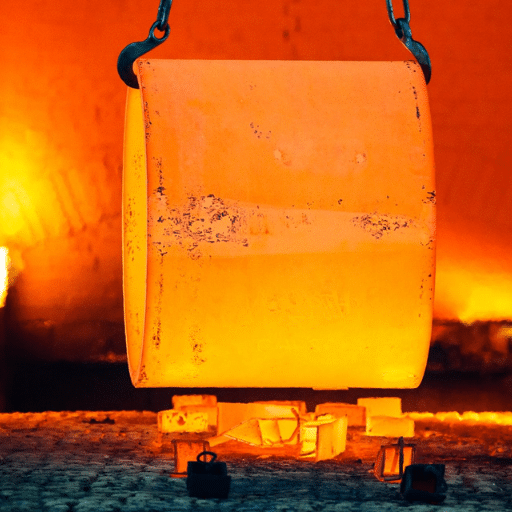
The process of heat treating steel offers multiple advantages that industrial sectors, including automotive, aerospace, and construction, require as standard practice. The main benefit of this method is the enhancement of steel mechanical properties, which results in greater hardness, improved strength, and better wear protection. The application of case hardening methods establishes a strong outer shell which maintains a flexible interior core that provides strength to gear and shaft components. The process of heat treatment not only enhances the strength of steel but also protects it from corrosion which becomes essential for protecting equipment used in extreme conditions found in marine and chemical industrial operations.
The process of heat treating steel brings multiple obstacles that need to be addressed. The process requires excessive energy because industrial heat treatment equipment works at temperatures between 1,300°F and 2,500°F which converts to 700°C and 1,370°C. The report from 2022, which examined industrial energy consumption, discovered that heat treatment operations use almost 17% of total energy in the global steel sector, which leads to emissions of greenhouse gases and sustainability problems. The achievement of desired material characteristics needs precise temperature control, time monitoring, and rate of cooling management because any temperature, time, or cooling rate deviation will result in material defects, which include warping and cracking.
The solution to these problems comes from current trends which focus on developing energy-saving solutions and implementing cutting-edge technological advancements. The use of induction heating and vacuum furnaces has become more common because these technologies help reduce heat waste and improve process efficiency. AI and machine learning technologies enable manufacturers to enhance heat treatment operations by predicting results with high precision while reducing experimental testing time. These technological innovations advance the industry toward sustainable development while meeting the advanced performance standards required of contemporary steel materials.
Advantages of Heat Treatment for Metal Parts
Enhanced Strength and Hardness
Heat treatment processes increase the strength and hardness of metal components which makes these materials appropriate for usage in extreme working conditions. The combination of quenching and tempering treatments enables steel to achieve a hardness increase of 40 percent.
Improved Wear Resistance
Treated metals demonstrate superior protection against wear and abrasion. The property becomes essential for automotive and construction industries because their components encounter friction and stress on a regular basis.
Better Ductility and Toughness
The heat treatment process of annealing enables materials to acquire greater ductility and toughness which allows them to withstand bending and deformation without producing cracks. The property enables more efficient machining and shaping of metals.
Stress Relief
The heat treatment process known as stress relieving eliminates internal stresses that develop during welding and machining and forming operations. The process decreases the likelihood that materials will become distorted or fail during subsequent operations.
Enhanced Corrosion Resistance
Nitriding and carburizing are heat-treatment methods that enhance a metal’s corrosion resistance by forming a hardened surface layer. The protective measure becomes vital for components that operate in extremely challenging conditions which include marine vessels and pipeline systems.
Challenges in the Heat Treatment Process
Essential for metal property optimization, heat treatment processes present multiple difficulties which need resolution before achieving production efficiency. The process faces multiple challenges which contain various components.
Temperature Control and Accuracy
The heat treatment process needs precise temperature control because any temperature alteration will result in different outcomes which include nonuniform hardness and brittleness and residual stress patterns. Steel and other alloys undergo microstructure transformations that affect their functional capabilities when their temperature fluctuates within the 10 to 20 degree Fahrenheit range.
Scaling and Oxidation
Metal surfaces develop scale or oxide layers when exposed to high temperatures which leads to material visual changes and performance drops. The research shows that components that experience temperatures above 900°F develop oxide layers that shorten their operational life unless they are protected by a vacuum or an inert gas atmosphere.
Energy Consumption
The energy requirements of heat treatment operations impose both financial and environmental burdens, as these processes consume substantial energy. The metal processing industry uses industrial heat treatment equipment to consume about 37% of its total energy requirements, according to current research. The industry requires energy-efficient furnaces that use induction heating as their primary operational method.
Distortion and Dimensional Stability
The combination of uneven heating with fast cooling methods produces distortion effects which create dimensional measurement errors. The production of large, complex components is more prone to warping, which increases machining requirements and raises total production expenses. Research shows a 25% increase in production costs is common when post-heat treatment adjustments are required.
Material-Specific Challenges
Heat-treatment processes require different approaches for each material, as they exhibit unique responses to heat. Aluminum alloys face their greatest threat from overheating, which causes complete strength loss. An incorrect cooling method for high-alloy steels after heating can lead to difficulties with carbide precipitation.
Environmental Regulations
The system faces additional operational difficulties due to the need to meet environmental standards. Carburizing and nitriding processes produce byproducts that require emission control measures to protect the environment. The data reveals that traditional carburizing methods used by industries produce high CO2 emissions which creates an urgent need for environmentally friendly technological solutions.
Cost Management
The full expenses of heat treatment operations arise from the combined expenses of raw materials, energy, and equipment maintenance. The metalworking sector conducted a survey that found that heat treatment processes account for about 20 to 30 percent of production expenses in heavy engineering industries.
The process needs advanced technology plus process development, combined with personnel who possess expertise to achieve successful resolution. The use of vacuum heat treatment, combined with advanced temperature sensors and predictive maintenance methods, enables organizations to improve operational efficiency while achieving environmentally friendly outcomes.
Properties of Metals Affected by Heat Treatment
The heat treatment process creates significant alterations in metal properties that industrial applications require, making it essential across multiple sectors. The heat treatment process affects five essential metal characteristics which include the following properties:
| Property | Effect of Heat Treatment |
|---|---|
| Hardness | The heat treatment process enables adjustment of metal hardness by raising or lowering hardness levels to meet specific application needs. The method of quenching enables steel to achieve higher hardness levels which results in improved resistance to wear. |
| Tensile Strength | The tensile strength of metals can be improved using processes such as tempering and annealing. The methods permit the material to withstand higher load capacities, which is a fundamental requirement for structural purposes. |
| Ductility | The ductility of metals can be enhanced through specific heat treatment methods, such as annealing, which makes metals easier to shape without breaking. |
| Grain Structure | Heat treatments create finer metal grain structures which typically enhance the strength properties of metals. Controlled cooling techniques help achieve a desirable grain size for specific applications. |
| Corrosion Resistance | Heat treatment enhances metal corrosion resistance through various methods. The nitriding process creates a protective surface layer which extends material lifespan and durability during extreme operational environments. |
Recent Advancements in Metal Heat Treatment
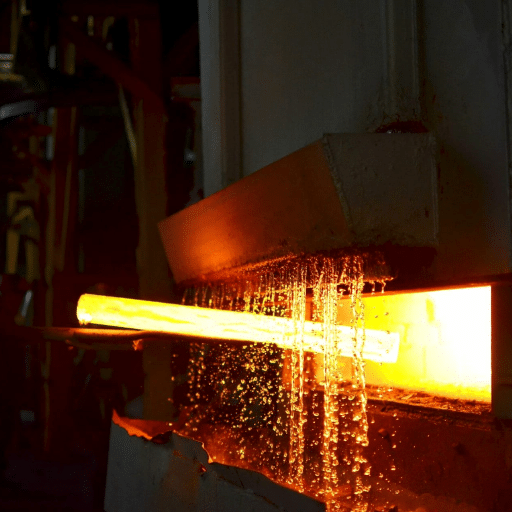
The industry has undergone its most substantial shift because advanced metal heat treatment technologies have developed processes which enhance operational efficiency and produce superior material properties. The development of vacuum heat treatment systems represents a major technological breakthrough because they provide superior temperature control while preventing all oxidation. The systems serve critical functions for the aerospace and medical sectors because these fields require precise measurements and exceptional surface results.
Additive manufacturing functions as a new technology which works together with heat treatment processes. The method provides specific heat treatment solutions that match the requirements of 3D-printed parts to enhance their mechanical features while solving residual stress problems. Research shows that heat treatment applied after printing increases component performance by 30 percent.
Induction heating technology provides precise, energy-efficient solutions that deliver rapid heating capabilities to its users. Induction heating uses electromagnetic fields to heat specific areas of a metal, resulting in 50 percent energy savings compared to conventional heating methods.
The implementation of AI and machine learning-driven data techniques enables heat treatment processes to achieve better results by forecasting optimal operating conditions based on material characteristics and target results. Smart algorithms help manufacturers save millions in operational expenses by reducing the need for trial-and-error testing during process design.
Scientists need to create environmentally safe heat treatment methods which will help society reach sustainability goals. The production methods of salt bath nitriding and cryogenic treatment achieve energy efficiency and environmental protection through their energy-saving operations which meet international standards for eco-friendly manufacturing methods.
The current technological advances in metal heat treatment enable industries to achieve enhanced accuracy while reducing environmental impact and improving material strength.
Innovative Heat Treating Techniques
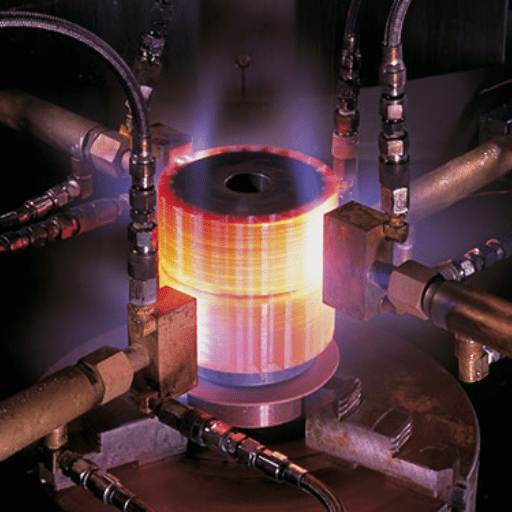
Current heat-treating methods achieve their innovative status by developing energy-efficient solutions through superior equipment. Induction heat treating uses electromagnetic induction technology to heat materials at high speed. The method provides concentrated heating, leading to better energy efficiency, increased processing speed, and lower greenhouse gas emissions. The current study shows that induction heating achieves an energy transfer efficiency of more than 95% compared to conventional heating methods.
Vacuum heat treatment represents an important breakthrough in modern technology. The method uses a complete vacuum to stop oxygen from entering the system which preserves metal integrity through cleaner operation and more accurate outcomes. The vacuum heat treatment process is critical to aerospace and medical device manufacturing, as these industries require metals that meet stringent purity standards. Research shows that vacuum-treated metals benefit aerospace applications, achieving 20% greater fatigue resistance than conventional metal treatments.
The development of quench and temper techniques has advanced through the use of advanced thermal control systems and sustainable quenching materials which protect the environment. Manufacturers currently prefer polymer-based quenchants because these materials decrease environmental harm while achieving required cooling speeds, which they now use as substitutes for conventional oil-based quenching systems. The new advancements have allowed manufacturers to achieve substantial cost savings because they improve waste management systems which resulted in 30% lower disposal expenses.
The heating treatment methods have transformed because advanced data-driven technologies, which include artificial intelligence and machine learning, now control their operations. The AI system uses real-time heat-treatment cycle data to develop optimal settings for controlling temperature, duration, and cooling processes to maintain product quality. Recent case study research shows that the use of AI in heat treatment lines increased production output by 15% while reducing material defects significantly.
The advanced technologies which create these metal performance improvements enable better heat-treated metal performance through their combination with enhanced methods of environmental protection and operational efficiency.
Trends in Heat Treatment for Tool Steels
Modern technologies drive progress in tool steel heat treatment by enabling better results at lower cost while preserving environmentally sustainable methods. The industry now uses vacuum heat treatment methods because they provide precise temperature control and uniform heating which results in stronger materials that experience less deformation. The latest industry research shows that vacuum furnaces are the preferred choice for producing high-performance tool steels used in both automotive and aerospace applications.
The implementation of High-Pressure Gas Quenching (HPGQ) processes has emerged as another important industry development. The method completely removes quenching oils from its process, resulting in a significant reduction in environmental impacts and contamination hazards. Research shows that HPGQ delivers faster cooling rates while preserving both the hardness and strength properties of tool steels which include H13 and D2 grades that manufacturers use for die-casting and stamping tools.
The introduction of Industry 4.0 technologies has started to change how heat treatment is performed on tool steels. AI and machine learning technologies enable manufacturers to forecast thermal stress patterns while simultaneously decreasing production times and improving energy conservation. Research findings show that AI-powered systems can decrease heat treatment energy usage by approximately 30%, which helps organizations achieve their sustainability objectives.
The creation of new alloys that contain higher amounts of chromium and vanadium enables tool steels to withstand severe operational environments. The manufacturing sector will experience high-performance tool steels which will grow at a compound annual growth rate (CAGR) of approximately 5% from 2023 to 2030, according to industry projections which result from increasing demand across industrial and manufacturing sectors.
The industry now prefers green heat treatment methods which include low-emission furnaces and renewable energy systems, which exist to achieve international climate objectives. The heat treatment industry demonstrates its progress by developing new solutions which address emerging environmental and industrial challenges.
Future Directions in Metal Heat Treatment
The metal heat treatment industry will undergo major changes as it adopts new technologies and meets international sustainability requirements. The three main fields that will drive future innovations include automation, advanced materials, and sustainable development methods.
Adoption of Industry 4.0 Technologies
The introduction of Industry 4.0 technologies is beginning to change how metal heat-treatment processes operate. The operational process achieves enhanced efficiency because it uses a combination of smart sensors real-time monitoring systems and artificial intelligence AI technology. Companies use AI-powered predictive maintenance to reduce equipment breakdowns by 50%, which results in operational cost savings. Engineers use digital twins to create virtual heat treatment process models which they can modify until actual operations start.
Development of Advanced Alloys
Various industries require high-performance components for applications in aerospace, automotive, and renewable energy, which drives research into advanced alloys. Present industry trends have made nickel-based superalloys and titanium alloys the preferred materials for applications that require both high strength and extreme-service durability. The materials require specialized heat treatment methods which have resulted in the development of specific treatment procedures and equipment design for their processing.
Energy Efficiency and Sustainability
The industrial sector undergoes transformation because worldwide sustainability efforts lead businesses to develop heat treatment methods which produce lower emissions and use less energy. The market analysis indicates that between 2023 and 2030, the hybrid and fully electric heat-treatment furnace market will grow by more than 15% annually. Production processes now include solar and wind energy sources to reduce carbon emissions. The business initiatives support international climate agreements, including the Paris Agreement, while meeting the growing consumer demand for sustainable products.
Surface Treatment Innovations
Emerging surface treatment technologies provide solutions that improve wear resistance, corrosion protection, and visual appeal. Plasma nitriding and advanced laser surface hardening have become popular methods because they enable precise material treatment with minimal environmental damage. Advanced surface treatment methods will experience market expansion at a compound annual growth rate (CAGR) of 7.6% through 2030, underscoring their growing importance across various applications.
Customizable and On-Demand Solutions
Additive manufacturing growth has resulted in increased demand for customized heat treatment solutions which focus on 3D printing components. Developing heat-treatment processes for additive materials requires specialized techniques due to their unique microstructures and production methods. The additive manufacturing industry will reach a market value of $50 billion by 2028, driving increased demand for personalized heat treatment solutions.
The future of metal heat treatment will use advanced technologies, new materials, and sustainable operations to fulfill industrial needs and environmental needs. The technological advancements will improve heat treatment efficiency and accuracy while they will transform how the industry contributes to creating a sustainable and innovative future.
Practical Tips and Case Studies
Choose the Right Equipment
Organizations need to acquire modern heat treatment systems that operate at high efficiency because these systems produce precise and consistent results. The operators use vacuum furnaces together with induction heating systems to attain accurate temperature control while they decrease their power consumption.
Focus on Material-Specific Techniques
Different materials require different heat-treatment methods because each has unique thermodynamic characteristics. The optimal performance of steel requires both quenching and tempering while aluminum alloys need solution heat treatment followed by aging to achieve their best performance.
Monitor and Control Process Parameters
Operators can control their temperature, cooling rate, and gas flow through a combination of advanced sensors and automated control systems. The use of digital platforms for real-time monitoring has become more common because it helps reduce the risk of errors during the treatment procedure.
Adopt Eco-Friendly Practices
Sustainable operations can be achieved through three methods: implementing renewable energy sources and quenching fluid recycling and heat recovery system usage.
Ensure Regular Maintenance
The process of conducting regular inspections and maintaining heat treatment furnaces and equipment leads to better operational results which decrease equipment downtime and extend the lifespan of equipment.
Case Study 1 – Reliable Automotive Component Manufacturing
The leading automotive supplier used a combination of carburizing and vacuum heat treatment processes to improve the wear resistance of transmission parts. The company achieved a 30% reduction in operational errors through automated monitoring technology which helped them maintain their product quality. The company achieved a 20% increase in production efficiency during five years which demonstrates the value of advanced heat treatment technologies.
Case Study 2 – Sustainable Practices in Aerospace Heat Treatment
The aerospace manufacturer implemented a closed-loop water-cooling system and a waste-heat recovery system to enhance its aluminum alloy heat-treatment processes. The system upgrade produced a 15% reduction in energy consumption together with a significant decrease in water waste. The company achieved strict sustainability standards to maintain its market advantage while obtaining new contracts and advancing toward carbon neutrality.
Emerging Trends Backed by Data
Recent studies show that machine learning applications enhance the optimization of heat-treatment parameters when used alongside heat-treatment processes. The 2022 survey discovered that 48% of industrial manufacturers conduct research on AI-driven solutions that predict material behavior and maintain process accuracy. The 2023 market analysis report states that the worldwide heat treatment industry will expand at a 4.5% compound annual growth rate from 2023 to 2030 due to rising demand from the automotive and aerospace industries.
The combination of advanced technologies with sustainable operations enables companies to enhance their heat treatment processes which results in meeting future industry requirements.
Case Study: Successful Heat Treatment Applications
Automotive Industry
The automotive industry employs heat treatment methods to improve the durability and operational efficiency of essential mechanical elements, which consist of gears, crankshafts, and transmission components. The case hardening process for steel gears creates a protective layer that enhances their wear resistance and enables them to function under heavy load conditions. According to industry reports more than 50 percent of automotive parts undergo heat treatment during their production process.
Aerospace Engineering
Aerospace components, including turbine blades, landing gear, and engine parts, require both accurate dimensions and strong materials to withstand harsh operational environments. The material properties of titanium and nickel-based alloys can be improved through heat treatment processes which include precipitation hardening and tempering to achieve higher strength and better fatigue resistance. Grand View Research published a report estimating that aerospace applications account for 18% of the worldwide heat treatment market revenue.
Tool and Die Manufacturing
The manufacturing industry depends on heat treatment to enhance both the hardness and the durability of tools and dies. The basic treatment methods for tool steels include annealing and quenching which enable steels to reach their best operational performance and extended lifespan. The production of cutting tools through the quenching and tempering process enables high-carbon steels to maintain sharpness during high-speed operations. This creates a major requirement for industrial applications which include both construction and manufacturing.
Energy Sector
Heat treatment establishes essential procedures which enable the production of long-lasting components that resist corrosion for both power plants and renewable energy systems. The heat treatment process, which includes carburizing and nitriding, treats both wind turbine gears and shafts and gas and steam turbine components. The energy sector increasingly depends on treated materials which have grown in usage since the renewable energy sector expands at an annual growth rate of 8.4% throughout recent years.
Medical Devices
Heat treatment holds critical significance for creating medical implants and instruments which include surgical tools and dental implants and orthopedic devices. The application of sterilization via annealing or aging processes enables metals such as stainless steel and titanium to achieve improved biocompatibility and operational performance. The medical sector demonstrates an annual growth rate of 6.2% for heat-treated material demand, according to market research, which attributes this growth to healthcare technology advancements.
Best Practices for Heat Treating Metal Parts
The metal parts heat-treating process requires accurate execution of standard procedures to achieve its highest performance and longest operational life. The following essential methods are supported by current research findings and their associated data.
Material-Specific Treatment
Different metals together with their alloys require specific heat treatment processes. Titanium alloys need annealing treatment to obtain superior ductility while stainless steel uses precipitation hardening to achieve enhanced strength and corrosion resistance. The 2023 industrial report shows that 60% of manufacturers use material-specific protocols which help them decrease failure rates during actual product use.
Temperature Control and Monitoring
The treatment process needs accurate temperature control because it determines which properties the treated parts will acquire. The advanced furnace system uses computerized control systems to deliver precise and uniform heat throughout the entire system. The recent study shows companies who use AI-based temperature control systems for their operations achieved a 20% drop in production defects.
Quenching Techniques
The selection of a quenching medium requires careful selection between water and oil and air since it determines both cooling rates and potential risks of material distortion or cracking. Research shows that air quenching has become a preferred method for heat treating automotive parts because it decreases thermal shock by 15% when compared to traditional approaches.
Post-Treatment Testing
Non-destructive testing (NDT) techniques which include ultrasonic testing and hardness testing and x-ray diffraction testing serve as essential methods to confirm that treated parts comply with established quality standards. The 2022 survey results show that companies which implement strict post-treatment testing procedures experience a 30% reduction in critical component field failures.
Protecting the Work Environment
The heat treatment process needs controlled atmospheres which include vacuum furnaces and inert gases like argon to prevent oxidation and contamination. The market analysis shows that vacuum heat treatment system adoption has grown at a 7.5% annual rate because these systems produce high-performance surfaces and clean surfaces.
Manufacturers can improve the durability and reliability of heat-treated metal parts through the implementation of these best practices which will help them develop new products while sustaining their market competitiveness.
Custom Metal Heat Treatment Solutions
Alloys undergo metal heat treatment through custom solutions which create optimal performance for various industrial applications. The subsequent part of this document shows five distinct customized solutions which present their technical requirements together with their performance data.
| Treatment Method | Description | Key Benefits |
|---|---|---|
| Vacuum Heat Treatment | The process uses a vacuum system which prevents oxidation while it protects the surface from contamination. | The method has become standard practice in aerospace and medical fields which see yearly usage increases of 7.5% according to market analysis. |
| Carburizing Heat Treatment | The process uses carbon to coat metal surfaces which results in improved hardness and resistance to wear. | The method appears in automotive manufacturing where 60% of gear hardening operations use carburizing techniques. |
| Induction Hardening | The process uses electromagnetic induction to heat selected parts of an object before applying rapid cooling which enhances the product’s outer layer hardness. | The method provides effective localized hardening results through its processing time reduction which achieves 50% faster results than conventional techniques. |
| Cryogenic Treatment | The process uses extreme cold conditions to treat metals which results in superior wear resistance and stable dimensions. | Research indicates that cryogenic treatment increases tool life by more than 200% when used in industrial settings. |
| Annealing Processes | The procedure heats metals to designated temperatures which metal then cools at a controlled pace to achieve internal stress reduction and ductility improvement. | The method achieves 30% better workability and malleability results from its application in construction materials. |
These solutions provide specialized benefits to modern manufacturing which uses them to solve product development problems faced by different industrial sectors.
References
- Heat Treatment – NJIT: This document provides an overview of heat treatment processes, including controlled heating and cooling of materials to alter their structures and properties.
- Properties, Identification, and Heat Treatment of Metals – Carnegie Mellon University: This document covers heat treatment operations for ferrous metals, including common methods and their effects.
- Heat Treatment and Properties of Iron and Steel – NIST: A comprehensive guide on the heating and cooling processes for iron and steel, emphasizing the requirements for satisfactory heat treatment.
Frequently Asked Questions (FAQ)
What is the heat treating process and how does it work?
The heat treating process functions as a manufacturing operation which requires specific temperature control to heat metal until it reaches an upper critical temperature followeding an extended holding period and subsequent controlled cooling which alters the microstructure of the metal. The heat treating process requires metal to be heated until its material properties undergo transformation, which includes changes in hardness, strength, toughness, and machinability. The exact temperature and cooling method that must be followed depend on the combination of heat conductivity, carbon content, and steel type. The process consists of three primary phases which involve both the heating process and the temperature maintenance process and the execution of either the heating and cooling operations or the cooling until reaching room temperature or any necessary lower temperature.
What process do metal strengthening techniques use to increase hardness?
The hardening method consists of two separate stages, which begin with metal heating until it reaches critical temperature, followed by an immediate cooling process that uses quenching to achieve predetermined attributes, which include higher hardness and strength. The process of hardening through heat treatment transforms metal microstructure because it generates martensite in steel which results in increased hardness. The hardening process requires specific elements, which include metal type and carbon content, and a selected heat treating method to prevent internal stresses that lead to cracking.
What techniques exist for cooling metal after it has been heated?
The heat-treating method uses various cooling techniques, including water quenching, oil quenching, polymer cooling, and air cooling from both furnace and still-air systems. The selection of cooling method affects both the resulting material hardness and internal stress levels and the final characteristics of the material. The process of annealing requires slow cooling until room temperature to reduce internal stress while restoring material ductility whereas hardening requires quick cooling to achieve maximum hardness. The heat treating guide explains that to determine the metal type and heat treatment process require precise selection of matching cooling methods which will affect mechanical property outcomes.
What relationship exists between metal type and the selection of the heat-treating process?
The heat treatment procedure selected depends on both the type of metal and the type of steel requiring treatment. The different reactions of alloys to heat treatment occur because their carbon content, alloying elements, and differences in thermal conductivity create distinct critical temperature ranges and microstructure changes. The process of selecting appropriate heat treatment requires assessment of required properties, which include hardness and toughness, and enhanced machinability of metals, and evaluation of whether internal stress relief, grain structure normalization, or solution heat treatment for precipitation-hardenable alloys should be conducted.
What are the benefits of heat treating components?
Heat-treating components delivers multiple advantages that enhance their operational capacity. The heat treating process for metal produces multiple advantages because it allows metal to achieve enhanced strength properties while displaying better resistance to wear, allowing precise control over metal hardness, improving metal toughness, and eliminating internal stresses that remain in metal after its production process. The heat treatment process makes it possible for manufacturers to create specific material properties which meet their exact requirements while improving the metalworking process and extending the operational life of their products. The heat treatment process establishes microstructural changes which permit subsequent surface treatments and advanced metalworking techniques to be implemented.
What types of heat treating and types of heat are commonly used?
The methods used in heat treatment include the processes of annealing, normalizing, quenching, and tempering, solution heat treatment, and case hardening. The process uses various heat methods, which include high-temperature furnace operations, lower-temperature tempering cycles, and localized heating methods such as induction or flame. The process of annealing uses heat treatment to create softening effects while simultaneously relieving internal stresses whereas normalizing uses heat treatment to achieve better grain structure control and tempering uses heat treatment to decrease brittleness after the hardening process. The selection process needs to consider both the preferred procedure and the required material characteristics and the specific material characteristics of the metal.
How do I choose the right heat-treating method for my part?
The process of selecting a suitable heat treating method requires three steps: identification of preferred material properties, which include hardness and toughness, and machinability; determination of metal type and carbon content; and assessment of manufacturing limits. The component needs to undergo internal stress relief or surface hardening processes which require treatment of both its surface and entire body or solution heat treatment for precipitation hardening purposes. The proper heat-treating method and schedule selection require assessing heating limits, cooling limits, heat conductivity, distortion limits, and machining needs after heat treatment.
Can heat treatment help relieve internal stresses and reduce distortion?
Yes. The heat treatment procedure named annealing, together with stress-relief annealing, exists to remove internal stresses that develop during metal fabrication and welding and cold working processes. The process of heating metal to a temperature which stays below critical limits and maintaining that temperature for a period of time results in stress reduction which produces internal stress relief and the process of cooling to room temperature at a slow rate leads to decreased distortion. Proper heat treatment prevents cracking which helps maintain dimensional accuracy during future operations.
What is the difference between hardening, tempering and annealing?
The process of hardening involves heating metal to a point above its critical temperature and then cooling it through quenching whereas tempering occurs after the hardening process and involves reheating to a lower temperature for brittleness reduction and toughness adjustment and annealing involves heating metal to high temperatures and then cooling it gradually to achieve softening and ductility improvement and internal stress removal. The combination of these processes creates the optimal degree of hardness and strength required for the specific purpose.