


Blog
Inconel vs Stainless Steel Comparison: Understanding the Differences in Alloy Performance

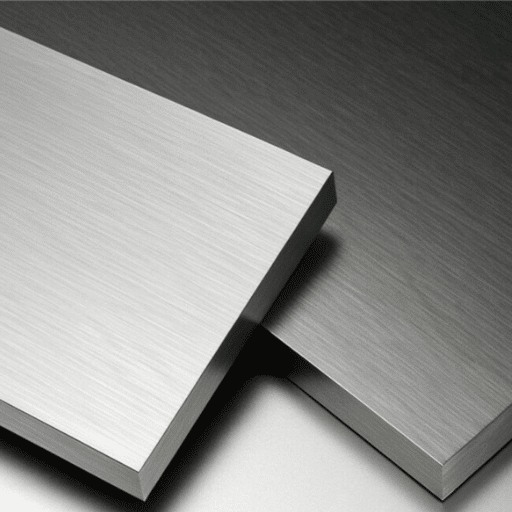
The selection process for critical functional materials begins with deciding between Inconel and stainless steel. The two alloys deliver outstanding performance and durability, but their usage depends on specific environmental conditions and operational needs. The blog post shows the special strengths and weaknesses of the two main materials through their main differences, which this blog post shows. The creation of Inconel and stainless steel demands precise knowledge about their material properties, which enable them to function in extreme temperature conditions and resist corrosion while delivering reliable performance at reasonable costs. The article provides you with necessary information to select suitable solutions for your particular project needs.
Introduction to Inconel and Stainless Steel

The properties of Inconel and stainless steel make both materials highly durable but they serve different functions. The nickel-chromium alloy Inconel provides exceptional protection against extreme heat and oxidation which makes it suitable for use in high-temperature environments including jet engines and chemical processing facilities. Stainless steel is a material that consists of iron chromium and nickel which provides both corrosion resistance and strength along with multiple usage options. The material finds widespread application in construction medical devices and kitchen utensils. The choice between these two options requires you to analyze your application needs which include operating temperature requirements and environmental conditions and financial limits.
Definition of Inconel and Its Properties
The registered trademark Inconel describes a complete category of nickel-chromium superalloys which display outstanding performance capabilities in highly corrosive environments that undergo extreme heat and pressure conditions. The material demonstrates exceptional oxidation resistance while maintaining its structural integrity at temperatures above 2000 degrees Fahrenheit which equals 1093 degrees Celsius. The alloys which contain different nickel chromium molybdenum and iron compositions are used in aerospace and chemical processing and power generation and marine engineering and other industrial fields.
The high-temperature conditions which Inconel undergoes produce a key property through which it developed a protective oxide layer that improves its corrosion resistance. The material delivers exceptional protection in environments that result in failure for other materials, which include jet engines and gas turbines and heat exchangers. Inconel 625 and 718 different purposes based on their unique mechanical characteristics because they represent common grades. Inconel 625 provides outstanding protection against stress-corrosion cracking and pitting, while Inconel 718 offers strong tensile strength and good weldability.
Inconel 625 can endure tensile strengths of approximately 120-160 ksi and yield strengths of about 60-110 ksi which establishes its extreme strength through stress testing. Inconel 718 begins with a tensile strength that starts from 180 ksi but this value increases during the various heat treatment processes. The material exhibits a density of 8.4 g/cm³ which maintains its stability throughout cryogenic temperatures and extreme heat conditions.
Engineers choose Inconel for their projects because it provides exceptional mechanical strength and heat resistance and corrosion protection, which makes it perfect for long-term operations in demanding environments.
Overview of Stainless Steel and Its Alloys
The strength and corrosion resistance of stainless steel alloying materials which contain iron and chromium plus nickel and molybdenum and carbon achieve exceptional results. The chromium content which needs to exist at a minimum level of 10.5% creates a surface oxide layer which protects against rust while maintaining durability through all challenging conditions. The various stainless steel alloys which scientists use for identification among their different crystal structures and material properties exist in multiple categories.
Austenitic stainless steels represent the most common stainless steel alloys because they protect against corrosion better than other stainless steel types while they use simple manufacturing methods and do not display magnetic properties. The maximum nickel content of the alloy reaches 35 percent while it contains 16 to 26 percent chromium. The tensile strength of grade 304 stainless steel reaches about 505 MPa (megapascals), which makes it suitable for kitchen equipment and chemical processing applications.
The 430 ferritic grade provides workers with basic protection against corrosion through its 10.5 to 18 percent chromium content, which protects against stress corrosion cracking. The ductility of these alloys remains lower than that of austenitic alloys yet they provide affordable solutions for use in automotive exhaust system applications.
The strength and wear resistance of martensitic stainless steels increase because steel becomes stronger when carbon levels rise. The cutlery industry and surgical instrument production and industrial tool manufacturing process use martensitic grades which include 410 and 420. The austenitic and ferritic types of stainless steel provide superior corrosion protection compared to the three types of martensitic stainless steel.
The alloys of duplex stainless steel create materials which combine the strength of austenitic stainless steel and the ferritic properties of ferritic stainless steel to achieve high strength and exceptional resistance against pitting and stress corrosion cracking. The 2205 grade provides two times the strength of austenitic stainless steel, which makes it suitable for marine applications and chemical processing environments.
The precipitation-hardening stainless steels achieve their strong mechanical properties through their heat treatment process, which results in high strength and moderate corrosion protection. The common grade 17-4PH functions as a material which produces aerospace components and medical devices.
The particular industry requirements of a specific sector dictate how both the composition and processing of stainless steel alloys get developed. The long-lasting performance of stainless steel makes it essential for construction and automotive and aerospace and food processing industries, which use it as their core component in modern engineering projects. The ongoing metallurgical research advancements lead to more efficient applications of stainless steel alloys, which will continue to be essential for technological development and infrastructure projects in the future.
The Comparison Purpose and Function
The comparison of various stainless steel alloys serves to highlight their specific properties, performance metrics, and ideal applications. The availability of different stainless steel grades enables industries to choose their optimal alloy through an understanding of the distinct features that separate each grade. The 304 stainless steel type stands out as the preferred choice because it delivers both exceptional corrosion protection and broad usability, which makes it perfect for both culinary and food processing uses, whereas 316 grade stainless steel offers enhanced resistance to chloride environments through its extra molybdenum content, making it appropriate for marine and chemical industry applications.
The global demand for stainless steel exceeds 55 million metric tons, which represents a market expansion into numerous sectors, according to recent production data from 2022. The materials science field experienced a breakthrough when duplex stainless steels emerged as new material that combines ferritic alloy strength with austenitic grade corrosion protection. The alloys demonstrate high cost effectiveness while they maintain superior performance capabilities in extreme conditions, which exist in both desalination facilities and systems that operate under high pressure. The process of analyzing these advancements and data enables engineers and decision-makers to optimize their choices, which results in improved efficiency and sustainability across various industries.
Core Comparison of Inconel and Stainless Steel
Chemical Composition
Inconel and stainless steel exhibit their unique properties because their chemical compositions create different industrial use possibilities which determine their operational performance.
Inconel:
The Inconel alloy base consists of nickel which makes up 50 to 70 percent of the total composition and chromium which accounts for 15 to 23 percent and the remaining elements include iron and molybdenum and cobalt and niobium. The composition of Inconel 625 includes 58 percent nickel and 21 to 23 percent chromium and 8 to 10 percent molybdenum and up to 5 percent iron. The elements in this material contribute to its capability to withstand intense pressure while maintaining its basic form and operating strength.
Stainless Steel:
The composition of stainless steel determines its corrosion resistance although all stainless steel grades provide protection against corrosion. The common 304 stainless steel contains about 18-20% chromium and 8-10.5% nickel with the remainder being iron and trace amounts of manganese and carbon. The addition of 2 to 3 percent molybdenum in 316 stainless steel improves its ability to resist corrosion when exposed to seawater and other chloride-rich environments.
Key Differences:
- Nickel Content: Inconel has a much higher nickel concentration compared to stainless steel which plays a pivotal role in its superior temperature resistance.
- Chromium Content: Both alloys rely on chromium for corrosion resistance but stainless steel grades usually have a slightly lower percentage which limits their performance in extreme conditions like those encountered by Inconel.
- Additional Elements: Molybdenum and niobium in significant quantities in specific grades of Inconel bolster its effectiveness in resisting pitting and cracking under stress.
Engineers select materials based on their distinct compositions because they need to match each material to specific applications according to three criteria which include environmental conditions and temperature requirements and cost considerations.
Temperature Resistance and Melting Points
Both stainless steel and Inconel can withstand high temperatures yet their temperature resistance abilities differ because of their distinct chemical compositions.
Stainless Steel:
Stainless steel is commonly used in environments where moderate heat resistance is required. The majority of stainless steel alloys maintain their strength until they reach temperatures between 1,500°F and 1,800°F which corresponds to 815°C and 982°C. The grades 304 and 316 bring excellent oxidation resistance which allows their use in automotive exhaust systems and industrial heat exchangers because these systems operate within these temperature limits. All stainless steel applications that go beyond these temperature limits will lead to material strength loss and deformation.
Inconel:
Inconel functions as a superalloy that engineers designed to operate under high temperature conditions. The Inconel 625 and Inconel 718 grades can withstand temperatures up to 2,200°F which equals 1,200°C while their structural strength remains intact. The material functions exceptionally well in gas turbine components and jet engines and spacecraft heat shields. The material maintains its high-temperature reliability because it can resist both thermal creep deformation and oxidation which causes failure in most other materials that operate at high temperatures.
Melting Points Comparison:
- Stainless Steel: The melting point typically ranges between 2,500°F to 2,800°F (1,370°C to 1,540°C), depending on the alloy.
- Inconel: The melting point reaches a lower point which ranges from 2,350°F to 2,460°F (1,290°C to 1,350°C) but the material remains effective when used at elevated temperatures that approach these melting point thresholds.
The particular attributes of each material make them ideal for different uses but the decision between materials depends on three factors which include performance at specific temperatures and conditions present in the environment and financial limitations.
Corrosion Resistance: Inconel vs Stainless Steel
Tensile Strength and Mechanical Properties
The physical characteristics of Inconel and stainless steel enable their application across various demanding industrial environments through their evaluation of tensile strength and their mechanical performance. The following five mechanical properties represent key characteristics that define these materials:
Tensile Strength
- Inconel: The material exhibits tensile strength values between 80,000 psi and 160,000 psi which converts to 550 MPa and 1,100 MPa according to its grade and thermal processing.
- Stainless Steel: The material exhibits tensile strength values between 75,000 psi and 150,000 psi which translates to 520 MPa and 1,035 MPa depending on the particular alloy that is chosen.
Yield Strength
- Inconel: The material exhibits yield strength values between 40,000 psi and 130,000 psi which converts to 275 MPa and 895 MPA and it demonstrates exceptional protection against material deformation during applied stress.
- Stainless Steel: The material exhibits yield strength values between 30,000 psi and 90,000 psi which converts to 205 MPa and 620 MPa depending on the specific alloy composition and processing methods used.
Elastic Modulus
- Inconel: The material displays an elastic modulus value which ranges between 28 million psi and 31 million psi and this range maintains structural strength during load applications.
- Stainless Steel: The material displays slightly greater elastic modulus values which range between 28 million psi and 29 million psi which converts to 193 GPa and 200 GPa.
Elongation at Break
- Inconel: The material demonstrates high elongation capacity which reaches 15% to 30% and this property allows it to withstand both thermal and mechanical pressures without developing cracks.
- Stainless Steel: The material shows similar properties which allow it to endure between 10% to 40% of its original length according to its specific grade.
Fatigue Resistance
- Inconel: The material demonstrations excellent protection against cyclic load and vibration forces which makes it suitable for use in aerospace applications and marine operations and thermal systems.
- Stainless Steel: The material shows good resistance to fatigue but its performance decreases when subjected to high temperatures and continuous stress compared to Inconel.
The mechanical characteristics of both materials prove their capability to withstand high-strength requirements in demanding environments which need extended durability.
Typical Price Points of Inconel and Stainless Steel
Industry Applications of Inconel and Stainless Steel
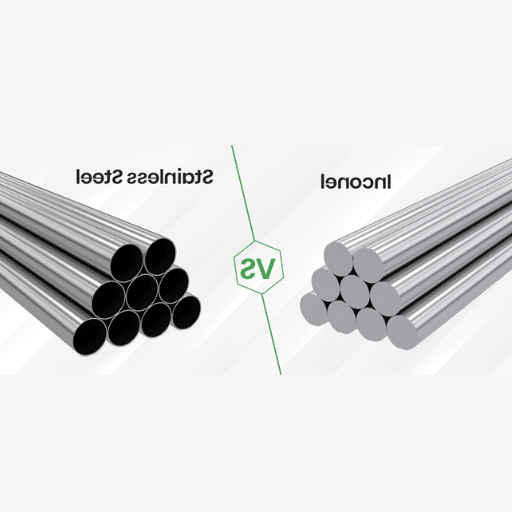
The industries use Inconel and stainless steel because both materials have distinct properties which make them suitable for multiple applications. The following five applications demonstrate how these materials can be used in various functions and applications of their properties:
1. Aerospace Engineering
- Inconel: The material serves as a common component for jet engines because it provides heat-resistant and oxidation-proof systems which maintain strength during extreme temperature conditions.
- Stainless Steel: The material provides structural strength for aircraft landing gear and frame components because it resists corrosion and maintains durability.
2. Power Generation
- Inconel: The material serves as a component in gas turbines nuclear reactors and superheater tubes because it resists high temperatures and extreme stress conditions.
- Stainless Steel: The material functions as a component in boilers and heat exchangers and piping systems because it can withstand both corrosion and high-pressure situations.
3. Chemical Processing
- Inconel: The material serves as an ideal choice for reactors and heat exchangers and additional components which need protection from corrosive chemicals and high-temperature environments.
- Stainless Steel: The material serves as a common choice for tanks and reactors and pipelines because it withstands severe chemical conditions and is simple to manufacture.
4. Marine Industry
- Inconel: The material stands as the first choice for marine turbine systems and seawater pump equipment and all parts that operate underwater because it possesses top-level defense against marine corrosion.
- Stainless Steel: The material finds extensive application in ship construction because it provides strength to ship hulls and fittings which must endure difficult marine conditions.
5. Automotive and Motorsport
- Inconel: The material serves as a common component in high-performance exhaust systems and turbochargers because it delivers both heat resistance and strength-to-weight capabilities.
- Stainless Steel: The material serves in car frames and exhaust systems and various interior parts because it provides long-lasting performance and visual appeal.
The specific properties of Inconel and stainless steel create essential advantages for these industries which depend on these materials for their specialized work.
Aerospace Applications: When to Use Inconel
Inconel serves as the primary material for the aerospace sector because it delivers outstanding properties for vital system requirements. Its ability to withstand extreme temperatures, resist oxidation, and maintain strength under high stress makes it indispensable in the design and production of aerospace components. Aerospace professionals use Inconel in five specific applications which demonstrate its value to the industry.
1. Jet Engine Components
Details: The high-temperature resistance of Inconel enables its application in turbine blades combustors and afterburners which form the core components of jet engines. The material can sustain temperatures above 1,000°F while maintaining its structural integrity.
Data: Research indicates that Inconel usage extends component lifespan by 50% more than standard materials when both are tested under identical environmental conditions.
2. Rocket Engine Nozzles
Details: Rocket engine nozzles need materials which can handle extreme heat and intense pressure during propulsion. The material operates at a safety range which allows sustained performance under both high pressure and extreme temperature conditions which rocket engines experience during operation.
Data: In rocket nozzles, Inconel 718 is the preferred material because it can handle temperatures that exceed 2,400°F.
3. Exhaust Duct Systems
Details: Aircraft exhaust systems need materials which provide protection against both corrosion and high-temperature fatigue. The use of Inconel material provides both performance and durability through its application in these systems.
Data: The usage of Inconel components in exhaust ducts leads to a maintenance reduction of 30% when compared to standard alloys.
4. Spacecraft Structural Components
Details: The unique strength-to-weight ratio of Inconel makes it ideal for structural components in spacecraft, which need to deliver both lightweight designs and high performance against thermal stress.
Data: The testing process for structural integrity demonstrated that Inconel 625 components can endure temperature changes from -423°F to over 1,000°F in space environments.
5. Aircraft Heat Shields
Details: Aircraft heat shields use Inconel as the main material because it protects aircraft bodies and engines from extreme thermal exposure during operations through its superior heat and corrosion resistance.
Data: Inconel alloy heat shields can endure temperatures of 2,200°F which ensures both safety and operational dependability.
The aerospace industry uses Inconel because its properties provide essential safety features which help maintain reliable operation in demanding work environments.
Food Processing: Advantages of Stainless Steel
The Food processing sector chooses stainless steel as its primary material because it provides multiple benefits which improve safety and operational efficiency and protect against contamination. The following five advantages demonstrate how stainless steel benefits food processing operations:
1. Corrosion Resistance
Stainless steel maintains its original form because of its strong resistance against corrosion which protects it from moisture and acidic substances and cleaning chemicals. The material provides perfect protection for locations which require complete cleanliness.
2. Ease of Cleaning
The material possesses a smooth non-porous design which enables complete cleaning and disinfection because it eliminates all possibilities of bacteria and other contaminants building up. The process ensures complete compliance with all food safety regulations which have strict requirements.
3. Durability and Strength
Stainless steel delivers exceptional strength because its solid construction enables it to withstand heavy impacts which occur during high-pressure processing operations without sustaining any damage.
4. Temperature Tolerance
Stainless steel maintains its structural integrity during extreme temperature conditions which range from freezing to high heat situations. The material can maintain its structure at temperatures reaching 1,800°F.
5. Non-Reactive Surface
The material maintains its chemical composition when it contacts both acidic and alkaline foods which helps maintain the product’s original quality and taste during processing. The property functions as a key factor which ensures food safety standards and quality control requirements remain intact.
The functional advantages of stainless steel together with its hygienic properties and long-lasting qualities make it an essential element for food processing facilities.
Other Industries: Comparing Use Cases
Key Takeaways and Summary Table
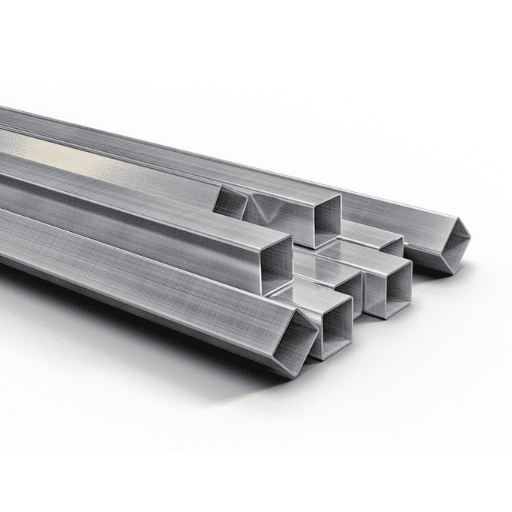
Widespread Application
The stainless steel material functions as an essential component for multiple industries which range from food processing to healthcare to construction and automotive manufacturing because it offers protection against corrosion while maintaining sanitary conditions and providing long-term durability.
Hygienic Properties
The non-porous surface of stainless steel provides a smooth design which meets food processing and pharmaceutical hygiene standards by preventing bacterial growth and contamination.
Longevity and Cost Effectiveness
The long-term economic advantages of stainless steel arise from its requirement for minimal upkeep while it maintains its resistance to harm even after its initial investment expense.
Sustainability
The complete recyclability of stainless steel supports the industry goal to develop environmentally sustainable business operations. The global recycling rate of stainless steel reaches approximately 80 percent which helps to preserve natural resources.
Temperature Resistance
The stainless steel material maintains its structural integrity during exposure to high temperature and low temperature conditions which makes it suitable for use in industrial equipment and the manufacturing of cookware.
Summary Table
This table illustrates how stainless steel’s properties cater to diverse industry-specific needs and highlights its versatility, ensuring it remains a preferred material in critical sectors worldwide.
Quick Reference Table of Key Differences
This quick reference table outlines five key differences in how stainless steel is adapted across industries, emphasizing its versatility and tailored application in meeting diverse needs.
Best Uses for Each Alloy
Stainless steel alloys are specially developed to fulfill particular needs of different industries. The following five alloys demonstrate their most effective applications:
Type 304
Primary Use: Food processing and kitchen equipment
Features: The material shows resistance to corrosion and provides cleaning convenience and durability
Example Applications:
- Commercial kitchen countertops
- Food storage containers
- Brewery and dairy processing equipment
Type 316
Primary Use: Marine environments and chemical processing
Features: The material obtains better corrosion protection through the addition of molybdenum
Example Applications:
- Boat fittings and exterior trims
- Chemical tanks and pipelines
- Pharmaceutical equipment
Type 430
Primary Use: Indoor architectural applications and appliances
Features: The product provides budget-friendly solutions while maintaining oxidation resistance
Example Applications:
- Interior decorative panels
- Dishwasher liners
- Range hoods
Type 410
Primary Use: Cutlery and machinery parts
Features: The material shows both high wear resistance and moderate protection against corrosion
Example Applications:
- Industrial cutting tools
- Pump shafts
- Turbine blades
Duplex (2205)
Primary Use: Oil and gas industry and structural applications
Features: The material provides outstanding strength together with resistance to stress corrosion
Example Applications:
- Offshore platforms
- Bridge construction
- Chemical storage tanks
The detailed analysis demonstrates how each alloy achieves specific industrial requirements which prove stainless steel’s ability to adapt and function reliably in multiple sectors.
References
Thermal conductivity of Inconel 718 and 304 stainless steel
This article examines the thermal properties of Inconel 718 and 304 stainless steel, providing insights into their metallurgical differences.
Dissimilar welding of Inconel alloys with austenitic stainless-steel: a review
A comprehensive review of welding techniques and challenges when working with Inconel and stainless steel.
Joining of Inconel 718 and 316 Stainless Steel using electron beam melting additive manufacturing technology
This research explores advanced manufacturing techniques for combining Inconel 718 and 316 stainless steel.
Frequently Asked Questions (FAQ)
What is an inconel alloy and how does it compare to stainless steel alloys?
What is an inconel alloy and what makes it different from stainless steel? Inconel consists of nickel-based alloys which maintain high strength at extreme temperatures and resist corrosion better than all stainless steel alloys which contain iron and austenitic stainless steel alloys such as 304 and 316. Inconel performs better than stainless steel alloys at high temperatures because of its increased nickel content whereas stainless steel provides better corrosion protection at lower temperatures and costs less than Inconel.
Why are people comparing inconel vs stainless steel when choosing materials?
What factors lead people to compare inconel versus stainless steel for material selection? The different requirements of metal alloy applications drive people to compare inconel and stainless steel because Inconel (e.g., inconel 600, inconel 625, inconel 718) delivers better performance through its exceptional strength and resistance against corrosion under high temperatures and extreme chemical conditions whereas stainless steel grades like 304 stainless steel and 316 stainless steel provide basic protection against corrosion while maintaining their ability to be shaped at a lower price point for diverse uses.
What is the main difference between inconel and stainless when considering high temperature performance?
What is the main difference between inconel and stainless when considering high temperature performance? The thermal performance gap between inconel and stainless steel systems shows a major difference because Inconel alloys maintain their yield strength and resistance to oxidation at high temperatures while stainless steel loses its mechanical strength. Engineers select Inconel 625® and Inconel 718 for aerospace applications and gas turbines because these materials preserve their strength at elevated temperatures compared to austenitic stainless steel.
Is inconel metal stronger than stainless steel or stronger than steel in general?
Which metal has more strength: Inconel or stainless steel or all steel products? Inconel presents exceptional strength and creep resistance because its nickel-based structure contains chromium and molybdenum as alloying components while some stainless steel grades and martensitic stainless steels can be very strong at room temperature. Inconel exhibits greater strength than stainless steel because it can sustain high-temperature loads whereas Inconel surpasses stainless steel in strength for those conditions.
How do stainless steel grades like 304 and 316 compare to specific inconel alloys such as inconel 600 or inconel 625?
The stainless steel grades 304 and 316 present different properties than Inconel 600 and Inconel 625 which belong to a separate group of alloys. The austenitic stainless grades 304 stainless steel and 316 stainless steel provide decent corrosion protection. The austenitic stainless grades 304 stainless steel and 316 stainless steel provide decent corrosion protection but Inconel 600 and Inconel 625 offer superior performance with better industrial-grade materials. Inconel 625 provides higher corrosion resistance and higher strength, while inconel 600 is chosen for oxidation resistance—each choice depends on whether the priority is cost, corrosion type, or strength at high temperatures.
Which is better for corrosion resistance: stainless steel and inconel or inconel metal alone?
Which material offers better corrosion resistance: stainless steel and inconel combination or single use of inconel? Both stainless steel and inconel provide protection against corrosion yet they function better in specific circumstances. The 316 stainless steel alloy protects against various aqueous corrosive environments because its chloride resistance is better than standard steel. Inconel metal shows greater resistance against oxidizing and reducing environments at high temperatures while it endures stress-corrosion cracking. Inconel provides better protection against corrosion when operating at high temperatures and facing aggressive chemical environments.
How does nickel content and alloy composition affect the strength and corrosion resistance?
How does nickel content and alloy composition affect the strength and corrosion resistance? Nickel content determines Inconel performance because this nickel-based alloy contains substantial nickel and other elements (chromium, molybdenum) which strengthen the material and enhance its corrosion resistance at high temperatures. The corrosion resistance of stainless steel depends on its nickel content which increases in some austenitic grades and its chromium content while the inclusion of molybdenum in 316 supports better chloride protection because composition variations between standard stainless steel and Inconel make Inconel more expensive yet it delivers better high-temperature results.
Can I use steel wire or stainless steel instead of inconel for high-temperature or high-strength applications?
Can I use steel wire or stainless steel instead of inconel for high-temperature or high-strength applications? The application requirements determine whether you can substitute stainless steel or steel wire for Inconel because steel wire and certain martensitic stainless steels provide excellent mechanical strength at room temperature but they fall short of Inconel’s capabilities to withstand high temperatures and resist corrosion. Inconel alloys such as Inconel 718 and Inconel 625 are commonly used in applications requiring high-temperature strength and corrosion resistance. Inconel alloys like Inconel 718 and Inconel 625 are commonly used to create turbine parts and exhaust systems which need high strength at elevated temperatures and strong protection against corrosion. For less demanding conditions, stainless steel grades may be a cost-effective alternative.