


Blog
Nickel Alloy Plates vs. Stainless Steel Plates: Selecting the Right Material for Corrosive Applications


The selection of appropriate materials for corrosive environments leads to two possible outcomes which include either continuous material operation or the need for ongoing maintenance work. Nickel alloy plates and stainless steel plates stand as two leading material choices which present different benefits that suit particular uses. The selection process between these materials requires people to know all aspects of their individual characteristics and their particular advantages and their particular disadvantages. The article will show how nickel alloy plates and stainless steel plates differ from each other through their main features which will help you choose the most suitable option for your specific needs. We will help you choose the most suitable material which will deliver both long-lasting performance and effective operation to protect your chemical processing and marine and extreme temperature design from corrosive environments.
Understanding Corrosion Resistance
The ability of a material to resist damage from chemical substances and environmental elements which include moisture and salt and acids defines its corrosion resistance. The corrosion resistance of nickel alloy plates and stainless steel plates depends on the particular conditions of their usage. Stainless steel provides excellent protection against general corrosion which makes it suitable for use in both water applications and typical environmental conditions. Nickel alloys show strong chemical resistance against powerful chemical substances while maintaining their functional capabilities in environments with high acid levels and elevated temperatures and saltwater exposure. The appropriate material choice requires people to recognize both the intensity and specific type of corrosive substances which will affect the material.
What is Corrosion?
Corrosion represents the natural process which leads to metal deterioration through chemical and electrochemical reactions with oxygen and moisture and chemical substances present in the environment.
Importance of Corrosion Resistance in Materials
Corrosion resistance serves as an essential material attribute which affects the durability and safety and cost efficiency of materials which various industries utilize. High corrosion-resistant materials enable equipment to function effectively in severe environmental conditions, which results in reduced equipment failure rates and increased equipment lifespan. Here are five key reasons why corrosion resistance is important:
1. Enhanced Durability
Corrosion-resistant materials provide higher durability than standard materials because they experience slower degradation throughout their entire lifespan, which enables products and infrastructure to remain operational for extended times.
2. Cost Savings on Maintenance and Repairs
These materials decrease their degradation rate, which reduces both the requirement for product replacements and the need for expensive maintenance work, which results in major financial benefits.
3. Safety and Reliability
Corrosion-resistant materials create safer structures and components which lead to lower failure rates, which increases safety throughout the aerospace and construction and chemical processing sectors.
4. Improved Performance in Extreme Conditions
Corrosion-resistant materials demonstrate operational capabilities in highly demanding environments which include saline water areas and high humidity regions and industrial chemical contact zones.
5. Environmental Impact Reduction
Sustainable practices achieve international environmental targets through long-lasting materials which reduce waste production and require fewer resource extractions.
The decision to purchase corrosion-resistant materials serves as a practical and strategic choice because it guarantees material performance and safety and environmental sustainability throughout the years.
Applications Impacted by Corrosion
The impact of corrosion is seen in various industries in terms of rising costs of repairs and maintenance, equipment failure, and risks to operational safety. A brief description of the five applications highly impacted by corrosion is outlined along with main observations:
Oil and Gas Industry
Corrosion of pipelines, offshore platforms, and storage tanks leads to actual leakages and spillages, which require costly repairs. According to studies, corrosion accounts for almost 20-25% of maintenance expenditures in this industry.
Transportation and Automotive
Rust and corrosion are the main threats to vehicles, aircraft, and boats, thanks to the high humidity and salt deposition on roads. Major corrosion costs escalate in the global automotive sector every year with a figure set at billions of dollars.
Construction and Infrastructure
Structural integrity of such structures as bridges, buildings, and water pipelines erodes due to the curse of corrosion. For instance, corroded rebars made of steel within concrete may greatly undermine the strength of structures.
Marine Industry
The struggle for survival against saltwater corrosion by ships, ports, and coastal constructions is relentless. This is achieved by protective coatings and anti-corrosive treatments that prolong their productive life span to new heights.
Power Generation
The nuclear and renewable power plants across the world face corrosion in the turbines and boiler systems and cooling towers which result in low efficiency and hazardous equipment failures.
Only a combination of proactive measures, regular maintenance, and materials resistant to corrosion give a much-desired guarantee to maintain critical operations with an extended operational life.
Nickel and Stainless Alloys: Composition and Properties

Nickel alloys and stainless steel are valuable materials, which provide corrosion resistance, mechanical properties, and certain thermal properties, making them suitable for manifold industrial applications. The following paragraphs provide details on the composition and properties of these materials as well as examples of specific alloys:
Composition and Properties of Nickel Alloys
- ✓
High Corrosion Resistance: The capacity of nickel alloys to resist corrosive environments is considered exceptional due to their ability to function in oxidative and acidic conditions. - ✓
Heat Resistance: Many nickel alloys retain their mechanical and structural properties under extreme temperature conditions, which makes them favorable for a lot of high-temperature applications. - ✓
Strength and Durability: Typical tensile strength and durability of many nickel alloys make them stay operable in harsh conditions. - ✓
Versatile: They can be made with a range of alloying additions such as chromium, molybdenum, or iron, in order to optimize the performance for a specific application. - ✓
Workable and Weldable: These materials are easily fabricated, allowing a number of manufacturing production possibilities in their use.
Examples of Nickel Alloys:
- Monel® (Nickel-Copper Alloy): Offers excellent resistance to sea water and acids, making it ideal for marine and chemical processing applications.
- Hastelloy® (Nickel-Molybdenum-Chromium Alloys): Known for superior corrosion resistance in highly aggressive chemical environments.
- Inconel® (Nickel-Chromium Alloy): Possesses outstanding resistance to oxidation and heat, suitable for use in aerospace, gas turbines, and the nuclear industry.
- Nickel 200/201: Pure nickel alloys with outstanding resistance to most corrosive and sour caustic solutions and good mechanical properties.
- Alloy 625: Shows high tensile strength, superb fatigue endurance, and offers outstanding resistance in extreme environments.
Composition and Properties of Stainless Steel
- ✓
Corrosion Resistance: Stainless steel creates a protective passivation layer due to the addition of chromium, effectively preventing challenges like rust and chemical build-up. - ✓
Heat Resistance: It can maintain strength and resist scaling better than most plain-carbon steel at high temperatures. - ✓
Sanitary Features: It can be cleaned with minimal effort due to its smooth surface, making it suitable for sanitary purposes. - ✓
Strength: Stainless steel is very durable and can take tensile stresses. - ✓
Valuable Aesthetic: It has an excellent surface polish effect, which is widely used in architectural and decorative applications.
Stainless Steel Grade Examples:
- 304 Stainless Steel: A general-purpose grade, renowned for corrosion resistance, is employed almost universally in household applications like kitchen utensils and medical equipment.
- 316 Stainless Steel: Due to molybdenum, thus chloride environments, is used in marine and chemical-producing industries.
- 430 Stainless Steel: Magnetic grade, economical option for moderate corrosion resistance, may be applied to various automotive and household appliances.
- 2205 Duplex Stainless Steel: Great corrosion resistance, moderate stress corrosion cracking, and good strength for both austenitic and ferritic properties.
- 410 Stainless Steel: Martensitic grade with good wear resistance is beneficial for applications that demand hardness, mainly in tools and cutlery.
Precise material selection is one of the important steps taken with diverse nickel, and stainless steel alloys take place for particular industry specifications and good performance in different operating conditions.
Composition of Nickel Alloys
Nickel alloys are manufactured primarily from nickel as their base material together with additional elements which engineers use to create specific performance requirements in their products. The alloys use different amounts of chromium, iron, molybdenum, copper and cobalt as their main elements.
Engineers and material scientists use in-depth knowledge of material compositions to select appropriate alloys, which will perform reliably during specific mechanical and thermal and chemical testing conditions.
The latest information shows that the provided data comes from widely recognized material standards which manufacturers and industries use to test nickel alloys in their fieldwork.
Composition of Stainless Steel
Stainless steel is an alloy primarily composed of iron, with a minimum of 10.5% chromium by mass, which provides its signature corrosion resistance. The chromium creates a protective chromium oxide layer that covers the surface of the metal to prevent rusting and other types of damage. Stainless steel requires additional elements to be added for property enhancement, which depends on the specific grade and intended application.
Stainless Steel Types and Examples:
The composition and proportion of elements within these stainless steel types are critical to their performance in diverse applications, from kitchen utensils and medical instruments to construction materials and chemical processing equipment.
Mechanical Properties of Nickel Alloys vs. Stainless Steel
Selecting the Right Material for Extreme Conditions
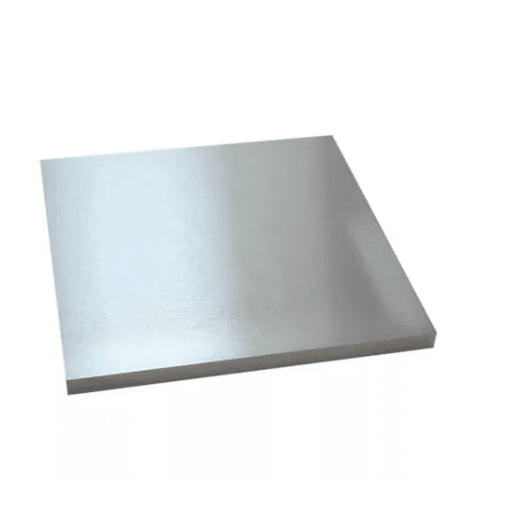
The process of choosing materials for use in extreme environments requires scientific assessment of environmental conditions together with mechanical specifications and material endurance requirements that match the intended purpose. Selection between nickel alloys and stainless steels depends on specific environmental conditions which include temperature and corrosion and mechanical stress that exists in high-stress situations.
Nickel Alloys in Extreme Conditions
Nickel alloys which include Inconel and Monel and Hastelloy exhibit outstanding performance when exposed to extreme conditions. The material achieves advanced oxidation and corrosion defense through its high nickel concentration which protects against environmental threats that contain elevated chloride and sulfur and caustic material levels. Inconel 718 maintains its mechanical properties across a temperature range between -423°F and 1300°F which corresponds to -253°C to 704°C. The material displays excellent stress rupture and creep resistance together with tensile properties which enable its application in aerospace and jet engine and marine environments.
Nickel alloys maintain their performance abilities when used in both high pressure situations and cryogenic environments. The chemical processing and power generation industries use these materials because they withstand extreme operational conditions.
Key Data for Nickel Alloys:
- ►
Corrosion Resistance: The material demonstrates exceptional corrosion resistance which extends to acidic and high-salinity environments. Monel 400 provides corrosion protection to metals which come into contact with seawater and hydrofluoric acids. - ►
Temperature Resistance: Some alloys like Hastelloy C-22 can maintain their structural integrity at temperatures which exceed 1200°F (649°C). - ►
Tensile Strength: The material displays tensile strength which varies between 70 ksi and 200 ksi (480 MPa to 1380 MPa) based on its alloy composition and treatment method.
Stainless Steel in Extreme Conditions
Stainless steel delivers an affordable solution which combines strength with corrosion resistance properties. The marine and pharmaceutical industries prefer 316 and 316L grades because their molybdenum content protects against corrosion in these extreme environments. The 310 stainless steel and 17-4PH heat-treatable alloy serve as better options because they provide higher heat resistance which allows them to operate at temperatures reaching 1100°F (593°C) while maintaining high mechanical strength.
Stainless steel provides multiple advantages because it functions as a cost-effective alternative to nickel alloys. Stainless steel provides a cost-effective and durable solution which performs adequately in conditions that are slightly less severe than those requiring nickel alloys.
Key Data for Stainless Steels:
- ►
Corrosion Resistance: The material demonstrates excellent protection against most environments while 316L shows strong performance in areas with chloride exposure. - ►
Temperature Resistance: Intermittent use of 309 and 310 grades enables them to withstand temperatures up to 2000°F (1093°C). - ►
Tensile Strength: The material shows a tensile strength range between 70 ksi and 100 ksi (480 MPa to 690 MPa) whereas treated varieties exceed 130 ksi (896 MPa).
Material Comparison Table
Factors to Consider for Material Selection
- 1
Nickel alloys show the best performance in all three environments which include marine environments and acidic environments and high-temperature environments. Stainless steel serves as an affordable option for applications that require less demanding conditions. - 2
The application needs assessment of tensile and yield strength requirements which will help determine which materials deliver long-lasting performance. - 3
The best materials for high-temperature operations and thermal cycling work environments include Inconel and 310 stainless steel. - 4
Stainless steel solutions deliver better value than other materials when operational conditions involve moderate corrosion and temperature challenges.
Engineers achieve optimal results when they select materials which match extreme operational conditions of their planned applications.
Corrosive Environments: Key Evaluation Factors
The process of material selection and design strategy choice for corrosive environments needs to occur at material selection stage because it determines construction durability and operational effectiveness. The following five factors represent critical elements which require assessment.
1. Type of Corrosive Agents
The environmental conditions require identification of particular chemicals and elements which include acids and alkalis and chlorides and sulfur compounds. Chloride-rich environments, such as seawater, create conditions that accelerate pitting corrosion in stainless steel materials.
2. Concentration Levels
The rate of corrosion depends on the amount of corrosive substances present. The material degradation process speeds up when hydrochloric acid or sodium chloride concentrations increase because these chemicals require special alloys such as Hastelloy and titanium.
3. Temperature and Humidity
Corrosion rates increase when both temperature and high humidity rise. The chemical reactions that occur at temperatures above 60°C (140°F) cause some materials to oxidize or break down faster.
4. Mechanical Stress and Wear
Stress-corrosion cracking together with mechanical abrasion movements create protective coating damage which allows metals to contact corrosive chemicals. This behavior commonly occurs in dynamic settings which include rotating shafts and high-pressure pipelines.
5. Coating and Surface Treatments
The application of protective coatings and surface treatments such as epoxy and galvanizing and anodizing will create better protective resistance. Galvanized steel stands as an affordable protection solution against mild to moderate corrosion hazards which occur in various environments.
The evaluation process assesses both material selection and mitigation strategies which fulfill operational needs through implementation of protective measures that cut down maintenance costs and equipment downtime.
Operating Temperature and Its Effects
The performance and durability and safety of materials and systems depend on their operating temperature. The strength and ductility and thermal expansion of materials undergo considerable alterations due to their exposure to extreme temperature situations. The following five operating temperature effects summarize the main temperature impact.
Thermal Expansion
Materials undergo expansion when they experience heat and they undergo contraction during the process of cooling. The coefficient of thermal expansion (CTE) of a material determines its thermal expansion behavior. Metals like aluminum exhibit higher CTE values than steel, which results in more visible temperature-related expansion differences for aluminum.
Loss of Material Strength
The structural integrity of metals and polymers becomes endangered because their strength and stiffness decrease when exposed to elevated temperatures. Steel begins to lose approximately half of its load capacity whenever temperatures exceed 1,100 degrees Fahrenheit (593 degrees Celsius).
Brittleness at Low Temperatures
Materials become brittle and develop cracking vulnerabilities when exposed to extremely low temperatures. Carbon steel loses toughness when it experiences sub-zero temperature exposure, which makes it more likely to suffer from brittle fracture.
Oxidation or Thermal Degradation
Polymers and coatings experience faster oxidation and thermal degradation when exposed to high temperature environments. The materials present reduced performance alongside decreased operational lifespan when used in severe environmental conditions.
Thermal Fatigue
Material thermal fatigue occurs through multiple temperature changes that create cyclic material stresses. This effect occurs in engines and turbines because their components experience multiple heating and cooling cycles during their operational periods.
The system reliability and efficiency depend on the operational temperature monitoring and management practices which help to reduce these system impacts.
Mechanical Strength Requirements
The engineering and industrial application of materials and components requires their mechanical strength to meet essential requirements. The force capacity of a material determines its durability against applied forces until it reaches the point of deformation or failure. The requirements for mechanical strength differ based on their specific application which engineers define through these properties.
Importance of Proper Mechanical Strength Design
All mechanical strength specifications need to meet their minimum requirements for safe and efficient operation. Engineers have created graphene-enhanced composites into lightweight materials which reach exceptional tensile strength levels that exceed 130 GPa through material science and engineering advancements. These developments will provide benefits to the aerospace and automotive and construction sectors through the creation of new systems which operate with improved efficiency and service reliability. The mechanical strength requirements of projects deliver two advantages because they eliminate potential project failures and improve project cost efficiency and environmental performance.
Practical Applications of Nickel Alloys and Stainless Steel

Multiple industrial sectors depend on nickel alloys and stainless steel because these materials possess exceptional properties which include resistance to corrosion and the strength to endure high temperature conditions. The next section presents three actual applications of these materials which include important details and measurement data about how they function in practice.
Aerospace Components
The aerospace industry uses nickel alloys because these materials can withstand extreme temperatures during operation. Jet engine turbines use nickel-based superalloys which maintain their structural integrity at temperatures exceeding 1,000°C. This design permits machines to work at their maximum efficiency while they retain their operational ability during extreme climate situations.
Chemical Processing Equipment
Stainless steel serves as the primary material for operations in the chemical and petrochemical industries. 316 stainless steel material provides protection against all environmental conditions which include acidic and chloride-containing materials. The equipment durability results in lower maintenance expenses and a longer operational lifespan.
Medical Implants
Surgeons use biocompatible nickel alloys and 316L stainless steel for surgical instruments and orthopedic implants. The materials deliver superior strength combined with non-reactivity to bodily fluids and protection against wear which guarantees patient safety while extending the operational duration of medical equipment.
Desalination Plants
Desalination processes use nickel alloys which include Monel and duplex stainless steel materials. The materials protect against pitting and crevice corrosion which occurs when saltwater contacts them, and they maintain their effectiveness during the seawater-to-drinking-water conversion process. The worldwide demand for desalination has turned these materials into vital components which ensure operational reliability.
Energy Production
Nickel alloys and stainless steels serve as fundamental components in power generation facilities because these materials construct essential equipment. The materials maintain their structural integrity under high temperatures and pressure which results in reduced corrosion damage and enables continuous energy production with safety compliance.
Nickel alloys and stainless steel demonstrate their adaptability and essential value through their application in various industries. The ongoing development of these materials enables engineers to resolve current issues in engineering and manufacturing.
Chemical Processing Industry Applications
Nickel alloys along with stainless steel provide critical support to chemical processing operations because their materials deliver exceptional protection against corrosion while withstanding extreme environmental disturbances. The organization uses these materials for its main activities which deliver both sustainable results and optimal operational efficiency. The following list shows five important uses which exist within the chemical processing industry.
1. Heat Exchangers
The production of heat exchangers requires nickel alloys and stainless steel as vital materials because these substances enable the equipment to work properly under conditions of elevated temperatures and corrosive chemical environments.
2. Storage Tanks and Vessels
The materials function as essential materials for building storage tanks and vessels which will contain caustic chemicals and acids and gases. The materials maintain their strength because of their corrosion resistance which protects the stored materials from degradation.
3. Chemical Reactors
Nickel alloys serve as essential materials needed for chemical reactors which operate under extreme pressure and harsh chemical conditions and high temperature environments.
4. Piping Systems
The industrial facilities need stainless steel piping systems because these systems function as main routes for transporting highly corrosive chemicals. The piping system achieves its best operational state because its smooth surfaces reduce the likelihood of contamination while its robust design withstands multiple years of operation without breakdown.
5. Distillation Columns
Nickel alloy distillation columns function as vital equipment for refining and separation processes because they maintain operational stability through their capacity to endure temperature changes and corrosive conditions.
The chemical processing industry depends on nickel alloys and stainless steel because these materials help maintain production efficiency while protecting workers during all stages of manufacturing operations.
Marine and Oil & Gas Industry Applications
The marine and oil and gas industries rely on nickel alloys and stainless steel because these materials provide essential components which protect against corrosion while maintaining high strength and extended operational life. The materials possess special capabilities which allow them to endure the challenging conditions of offshore and underwater environments that result from continuous exposure to seawater and high pressure and extreme temperatures. The following list shows five important uses which exist within these industries.
1. Offshore Platforms
Nickel alloys and stainless steel play a fundamental role in the construction of offshore oil and gas platforms because these materials offer protection from seawater corrosion while ensuring the structures can withstand extreme weather conditions.
2. Subsea Pipelines
The materials function as the primary construction elements for subsea pipelines which transport oil and gas. The materials function as a dependable deep-water solution because of their superior corrosion resistance and capacity to handle deep-water pressure changes.
3. Heat Exchangers
Heat exchangers which use nickel and stainless materials provide thermal management for marine vessels and offshore installations while maintaining their operational capabilities during extreme temperature variations.
4. Shipbuilding
Shipbuilding depends heavily on stainless steel which construction workers use to build all components of ships from hulls to interior parts because the metal protects against rust and wear while requiring little upkeep work.
5. Drilling and Well Equipment
Nickel alloy drilling equipment together with well components provides a design which handles demanding work conditions by protecting against corrosive substances in deep wells thus enabling continuous operation for long durations.
Design Considerations for Equipment and Structures
The process of designing marine and offshore equipment and structures requires multiple essential elements to be assessed because these elements will decide their operational safety and performance efficiency and structural resilience. The following five design elements form the basic design requirements:
Corrosion Resistance
Saltwater and extreme marine conditions create highly corrosive environments which require construction materials to consist of stainless steel and nickel alloys. Equipment lifespan can be extended through the application of specialized coatings and treatments which improve equipment protection against environmental threats.
Structural Integrity
The design needs to establish strong load-bearing capacity which will enable the structure to withstand severe pressure conditions and wind forces and wave impact forces. Engineers use Finite Element Analysis (FEA) to create structural designs which maintain their reliability when subjected to stress conditions.
Weight Optimization
The operational equipment of vessels needs lightweight materials which include aluminum alloys and composites to achieve better fuel efficiency. The design process generates an advanced solution which maintains correct weight reduction while delivering required mechanical strength.
Operational Temperature Range
Equipment and structures must operate effectively across an extensive temperature spectrum which extends from freezing conditions in polar regions to extreme heat in tropical environments. The process of material selection together with the application of thermal isolation methods determines the efficiency of thermal stress reduction.
Safety and Compliance
All designs must adhere to international standards and classification society requirements, such as the American Bureau of Shipping (ABS) or Det Norske Veritas (DNV). The system protects operators from danger while maintaining sustainable environmental practices through the entire structure.
References
Frequently Asked Questions (FAQ)
What metal factors determine choosing nickel alloy plates vs. stainless steel plates?
The choice between nickel alloy plates and stainless steel plates requires assessment of their distinctive metal characteristics. The correct metal selection for a project needs to consider three specific factors which include the corrosive environment and the necessary physical strength and the temperature at which the materials will be used. The main factors which determine material performance include chromium and nickel content and the existence of molybdenum or titanium and the materials ability to resist oxidation and crevice corrosion and their vulnerability to stress corrosion cracking and intergranular attack. The 304 and 316L stainless steels provide general corrosion protection and hygienic performance, while nickel-based alloys deliver better protection in highly corrosive environments and extreme temperature conditions and situations that require exceptional corrosion resistance.
How does alloy steel or nickel-based metal compare in saltwater and aggressive environments?
The performance of the metal material which functions best in saltwater and extreme environmental conditions needs to demonstrate which material performs better nickel-based metal or alloy steel. The performance of stainless steels and nickel alloys shows differences in saltwater and chloride-rich environments because 316L stainless steel with molybdenum exhibits moderate corrosion resistance while nickel-based alloys deliver superior protection against pitting and crevice corrosion in marine and chemical exposure situations. The use of nickel content with complex alloy compositions enhances durability while providing protection against localized attacks, which results in lower maintenance needs for processing equipment and power generation machinery.
Is stainless steel often sufficient or should I choose nickel alloy metal for high temperature applications?
The question of whether stainless steel serves as an adequate solution for most applications or nickel alloy metal serves as the better choice for high temperature environments needs to be addressed. Nickel-based alloys excel for high-temperature oxidation resistance and high-performance exhaust systems or power generation applications, while stainless steels such as 321 or 304 provide elevated temperature resistance for various purposes and alloy steel variants deliver strength at high temperatures. Nickel alloys provide better resistance against high-temperature conditions because they maintain strength and durability which makes them the preferred material despite their higher price.
Which grade metal—316L, 304, or nickel alloy plates—offers better corrosion resistance?
The question of which metal grade provides better corrosion resistance between 316L 304 and nickel alloy plates needs to be answered. The higher molybdenum content of Grade 316L stainless steel provides superior corrosion resistance, which makes it a cost-effective solution for multiple industrial applications compared to 304 stainless steel. The high-performance alloys and nickel-based plates deliver better protection against pitting and stress corrosion cracking in aggressive oxidizing conditions than standard materials. The appropriate grade selection requires evaluation of three specific factors which include corrosive agents and expected service life and financial constraints.
How do manufacturing and welding (weld) impact the choice between nickel alloy and stainless steel metal?
The choice between nickel alloy and stainless steel metal depends on the effects which arise from both manufacturing and welding processes. The manufacturing process requires three primary points which include the ability to weld and the available equipment for processing and the methods used in heat treatment. The process of welding stainless steel needs fewer resources and less money which accounts for its popularity in making restaurant equipment and safety products and medical implants. Nickel alloys need special welding methods to safeguard their strength, which requires protection against intergranular damage and through continuous protection from corrosion, yet they perform optimally in situations which require high strength at elevated temperatures.
What about biocompatibility and corrosion for implants—should alloy steel or nickel-based metal be used?
The use of alloy steel for implants or nickel-based metal needs to be evaluated through the lens of biocompatibility and corrosion factors. The two critical requirements for implants involve biocompatibility and control of corrosion. Certain stainless steels and titanium are often used because of their favorable biocompatibility and corrosion-resistant surface. Medical professionals must choose the most suitable nickel-based alloy for implant applications because some patients who are allergic to nickel-based alloys encounter biocompatibility challenges, but stainless steels and titanium alloys remain popular because their performance and hygiene properties have been established.
How do cost-effective considerations and longevity balance when selecting nickel alloy plates vs stainless steel plates?
The decision between nickel alloy plates and stainless steel plates gets influenced by cost-effective considerations which assess material performance throughout their entire lifespan. Stainless steel provides budget-friendly initial costs together with effective corrosion protection across multiple applications, which makes it a sensible choice for various projects. Nickel alloys require higher initial investment costs, but they provide exceptional durability and minimal maintenance needs, which creates better financial outcomes throughout their useful life in extreme conditions. The process of metal selection requires assessment of both material and processing expenses against expected equipment durability and repair costs and operational interruptions.
For specialized uses like aerospace, power generation, or processing equipment, which alloy steel or nickel alloy is the better choice?
The evaluation of specialized applications in aerospace power generation and processing equipment shows that alloy steel provides greater value than nickel alloy materials. The aerospace and power generation industries require systems that maintain structural integrity and high performance under extreme temperatures, which is why they select nickel-based and high-performance alloys. The less important parts of equipment can use alloy steel and specific stainless steels, but nickel-based alloys deliver better protection and hardness and stress resistance capabilities, which make them essential for critical components like exhaust systems and turbine parts and high-heat processing machinery.