High Standard Stainless Steel With Strict Inspection



Cobalt-Based Superalloys: Exceptional Wear and Heat Resistance

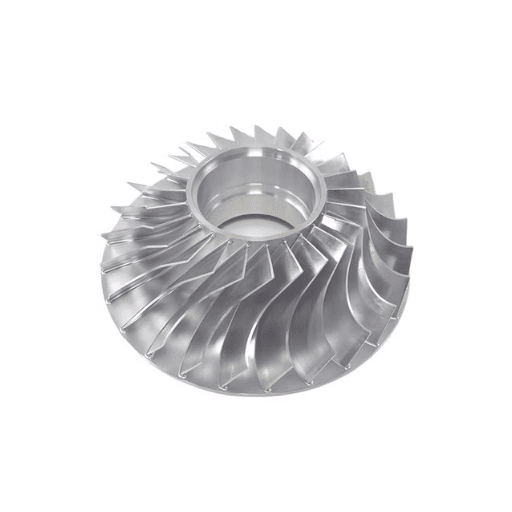
Cobalt-based superalloys exist as engineering masterpieces which function in environments that test their maximum operational capabilities. The materials provide essential protection to aerospace and power generation and medical fields through their exceptional ability to resist both wear and corrosion and extreme heat. The unique properties of cobalt-based superalloys create their essential role as modern technological components. The article presents an exploration of their extraordinary characteristics together with the scientific knowledge which enables their creation and their numerous practical uses. The analysis provides engineers and materials scientists and general readers who want to explore innovation with knowledge about the leading materials used in advanced performance materials.
Introduction to Cobalt-Based Superalloys
Cobalt-based superalloys are advanced materials which protect against extreme conditions that include high temperatures and intense mechanical stress and corrosive environments. The unique properties of these materials make them suitable for demanding applications which include aerospace engines and gas turbines and medical implants through their exceptional thermal stability and oxidation resistance and mechanical strength. Cobalt alloys depend on cobalt strength and durability which manufacturers enhance through the addition of chromium and nickel and tungsten. Cobalt-based superalloys use their combined characteristics to provide critical support in industries which require both dependable operation and exceptional performance.
Definition and Overview
Cobalt-based superalloys function as advanced materials which scientists develop through cobalt composition with chromium nickel and molybdenum and tungsten as reinforcing elements. These alloys are engineered to withstand extreme environments because they provide exceptional protection against high temperatures and corrosion and wear. Their unique properties make them essential for use in aerospace power generation and healthcare industries.
Recent studies show that cobalt-based superalloys possess thermal stability which exceeds 1100°C which serves as an essential requirement for jet turbine engines and gas turbine applications. Chromium addition provides better oxidation and hot corrosion resistance, whereas cobalt establishes a strong base structure which maintains strength and integrity throughout high-temperature conditions. The data shows that manufacturing techniques have made progress through additive manufacturing and improved casting methods which increase material uniformity and reliability.
The aerospace sector relies on these alloys for turbine blades and vanes, which require protection against thermal stress and mechanical fatigue. Cobalt-chromium alloys find extensive use in orthopedic implants because they provide biocompatibility and long-lasting performance. The global cobalt-based superalloys market will grow at a compound annual growth rate (CAGR) of 6.5% during the next decade because of ongoing material innovations and rising demand for products that can endure extreme operational conditions.
Significance in High-Stress Environments
Cobalt-based superalloys establish themselves as essential materials for high-stress situations because they offer exceptional mechanical characteristics together with their capacity to endure harsh operational environments. The following list presents five important facts together with corresponding data which demonstrate their significance:
1
High-Temperature Resistance
Cobalt-based superalloys maintain structural integrity at temperatures exceeding 1,050°C (1,922°F), which makes them a staple found in aerospace applications that include turbine engines and combustion chambers.
2
Corrosion and Oxidation Resistance
These materials show outstanding oxidation and corrosion resistance, which allows them to maintain their strength throughout marine environments and chemical processing facilities that experience frequent contact with harmful materials.
3
High Strength-to-Weight Ratio
Cobalt superalloys behave as ideal materials for lightweight jet engine components because their high strength-to-weight ratio enables weight reduction without diminishing operational efficiency.
4
Prolonged Fatigue Life
The power plants and gas turbines that experience continuous load cycling can achieve extended operational life because these materials resist mechanical stress through their cyclic durability.
5
Compatibility in Biomedical Applications
Cobalt-chromium alloys function as common materials for orthopedic implants because they possess biocompatibility together with wear resistance, which results in successful medical outcomes for hip and knee replacements over time.
Cobalt-based superalloys give vital support to extreme material testing because their properties help solve problems faced by industrial and medical fields.
Importance of Chemical Composition
The unique strength of cobalt-based superalloys results from their specific metal combination which creates both their strength and their ability to resist corrosion and their ability to withstand high temperatures. The properties of the alloy depend on each element which provides specific attributes that enable the material to function in extreme environments. The table below contains important chemical elements which experts identify in cobalt-based superalloys and their respective functions:
| Element | Primary Role | Key Benefit |
|---|---|---|
| Cobalt (Co) | Main structural element providing strength and stability at high temperatures. | The alloy maintains its structural integrity when it experiences high-temperature conditions. |
| Chromium (Cr) | Strong resistance against both corrosion and oxidation. | Develops a protective oxide layer which enhances durability. |
| Nickel (Ni) | Strengthens the material and improves thermal and mechanical characteristics. | The material gains improved high-temperature resistance through enhanced protection against creep and fatigue. |
| Molybdenum (Mo) | Solid-solution strengthening and enhanced creep resistance. | The material gains better protection against wear when facing high-stress situations. |
| Tungsten (W) | Additional strength and hardness at high temperatures. | Establishes a crucial function which helps to enhance the material’s ability to resist thermal changes. |
The specially formulated compositions of cobalt-based superalloys enable their use in extreme conditions which exist in turbine engines and industrial facilities and biomedical technologies. The engineering team achieves performance optimization through chemical component adjustments which help them create specific performance characteristics for their materials.
Core Properties of Cobalt-Based Superalloys
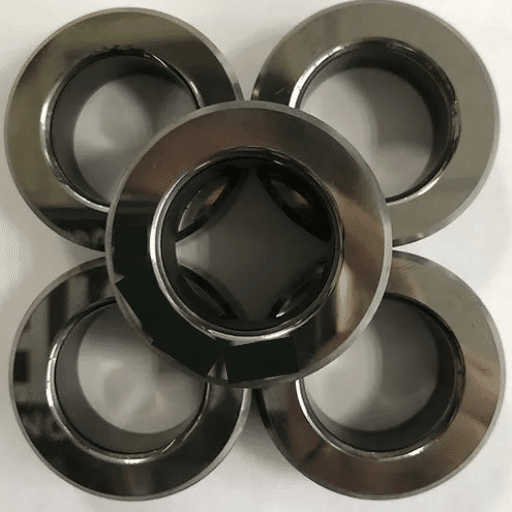
Cobalt-based superalloys possess unique attributes which make them essential for use in high-performance requirements. The subsequent section provides detailed information about essential properties which include:
1 High-Temperature Strength and Stability
Cobalt-based superalloys preserve their mechanical properties until reaching temperatures of 1200°C which makes them suitable for turbine blades and industrial parts that endure high temperatures. The process achieves its results through solid solution strengthening mechanisms together with the development of stable carbide and intermetallic phase systems which include Co₃W.
2 Corrosion and Oxidation Resistance
The alloys demonstrate strong resistance against oxidation and sulfidation and hot corrosion attacks. The protective oxide layer which chromium creates on surfaces through his 20-30% presence prevents oxidation from happening at high temperatures. Cobalt alloys find common use in marine applications because they possess excellent protection against saltwater corrosion.
3 Superior Wear Resistance
Cobalt-based superalloys deliver outstanding wear resistance because their natural hardness and carbide formation capabilities. These materials find their best use in making cutting tools and valve seats and medical implants. The hardness of specific variants shows a range from 30 HRC to 60 HRC.
4 Ductility and Toughness
Cobalt superalloys demonstrate both excellent ductility together with their known hardness and strength. Dynamic loading applications which involve thermal cycling processes require applications which need this element combination.
5 Biocompatibility
Cobalt-based superalloys which include Co-Cr-Mo biomedical implants provide excellent biocompatibility which results in their common use for orthopedic procedures including hip and knee replacement. The materials demonstrate low wear and corrosion rates when they come into contact with body fluids which helps to extend the life of implants.
6 Thermal Fatigue Resistance
Cobalt alloys possess excellent thermal fatigue resistance because they endure multiple heating and cooling cycles. The ability to achieve this property depends on the precise management of both alloy composition and microstructural elements.
📊 Data Highlights
- ✓
Melting point approximately 1495°C - ✓
Thermal conductivity ranges from 14 W/m·K to 21 W/m·K based on alloy composition - ✓
Density range between 8.2 g/cm³ and 9.4 g/cm³ - ✓
Ultimate tensile strength (UTS) reaches a maximum of 1400 MPa at room temperature - ✓
Yield strength values between 250 MPa and 1200 MPa depending on processing methods and composition
The core properties of cobalt-based superalloys work together to create essential materials which mission-critical industries require. Engineers depend on contemporary advancements in alloy design and manufacturing to develop improved alloy performance.
Metallurgical Reasons for Wear Resistance
Cobalt-based superalloys display outstanding wear resistance because of their special metallurgical characteristics and their specific microstructural makeup. The stable carbide phase creation which includes M23C6 and M7C3 forms one of the main elements that protects against wear. The carbide precipitates which form at grain boundaries and matrix areas deliver superior protection against both abrasive and adhesive wear. The addition of cobalt to the alloy enables it to keep its face-centered cubic (FCC) crystal structure through high-temperature conditions which allows the material to perform consistently under intense mechanical stress.
The material achieves enhanced wear resistance through the incorporation of chromium, tungsten, and molybdenum elements into its composition. The alloy surface receives protective benefits from chromium because it forms an oxide layer which stops oxidation and minimizes material loss during operation. The alloy obtains solid-solution strengthening from tungsten and molybdenum, which increases hardness to provide protection against wear during continuous operation in harsh environments.
Cobalt-based superalloys demonstrate exceptional performance characteristics under conditions of high-wear which the available information supports. The test results show that these alloys reach a maximum wear rate of 10-8 mm³/N·m during dry sliding tests which vary based on their specific alloy composition and treatment methods. The alloys maintain their mechanical properties at temperatures exceeding 1,000°C, which displays their capability to withstand high-temperature wear. The combination of metallurgical advancements with element selection produces optimal results which establish cobalt-based superalloys as the most suitable choice for critical industrial needs.
Through their ongoing work to improve heat treatment techniques and structural changes and alloy mixtures, engineers and metallurgists create superalloys with advanced wear protection features, which will remain effective in present and future high-performance applications.
Thermal Stability and High-Temperature Performance
Cobalt-based superalloys maintain their thermal stability together with their high-temperature characteristics to create fundamental attributes needed for applications in extreme conditions. The materials have been designed to preserve their mechanical characteristics while avoiding deterioration during intense thermal conditions. Five essential elements which contain performance data points will be presented in the following section.
Creep Resistance
Cobalt-based superalloys show exceptional resistance to creep at temperatures beyond 1,000°C. This property makes them suitable for turbine blades and other jet engine parts which experience continuous weight for extended durations.
Oxidation and Corrosion Resistance
These alloys maintain their structural strength when exposed to highly oxidative and corrosive environments. The specific data shows that mass loss remains negligible after 800°C exposure during 100 hours of testing in simulated operating conditions.
Microstructural Stability
The superalloys achieve microstructural stability through their optimized alloy compositions which prevent significant grain growth at temperatures up to 1,100°C and provide extended operational reliability.
Tensile Strength at Elevated Temperatures
Cobalt-based superalloys maintain high tensile strength under extreme heat. Some alloys show tensile strengths which reach 700 MPa at 900°C while conventional alloys show substantial weakness at that temperature.
Thermal Fatigue Resistance
The materials maintain their integrity through thermal cycles which exceed 600°C and 1,100°C with thousands of temperature changes which makes them essential for gas turbine combustion chamber components.
The unique combination of properties which Cobalt-based superalloys possess enables their development of high-performance systems which function in extreme environmental conditions.
Mechanical Properties and Their Impact
Cobalt-based superalloys demonstrate exceptional mechanical characteristics that establish their fundamental worth for usage in situations that demand high stress and extreme thermal conditions. The following five essential mechanical properties explain how these materials operate at their highest potential:
▶ Creep Resistance
Cobalt-based superalloys demonstrate excellent protection against creep because they sustain their original form under elevated temperatures and continuous load. The materials maintain their physical properties because they can handle ongoing mechanical stress which makes them suitable for use in jet engine components and gas turbines.
▶ Tensile Strength
The alloys provide high tensile strength which remains intact through high temperatures thereby allowing them to endure intense pulling forces without developing permanent damage. Cobalt-based superalloys demonstrate tensile strength that exceeds 800 MPa at a temperature of 1,000°C.
▶ Fatigue Resistance
Superalloys depend on their ability to withstand repeated loads which make up their essential strength. The materials possess enough strength to handle the repetitive stresses found in turbine blades and aircraft engine discs which prevents them from developing cracks or experiencing early failures.
▶ Hardness
Cobalt superalloys display natural hardness properties which deliver outstanding protection against wear. The material works effectively in situations that require heavy surface contact and extreme abrasion which makes it ideal for cutting tools and industrial machinery use.
▶ Impact Toughness
Cobalt-based superalloys provide high toughness which enables them to absorb energy during sudden impacts and maintain their strength at cryogenic temperatures. The property serves as a vital requirement for applications that experience dynamic forces because it protects the durability and safety of engine valves and exhaust system components.
The combination of these mechanical properties enables cobalt-based superalloys to fulfill the demanding requirements which modern engineering applications present.
Key Applications of Cobalt-Based Superalloys
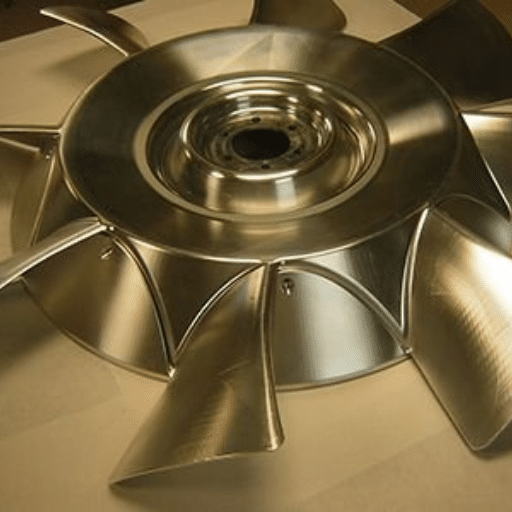
Industrial applications require cobalt-based superalloys because their exceptional properties enable them to withstand high temperatures while resisting corrosion and maintaining their impact toughness. The advanced materials used in this study serve five important functions which are outlined below.
Comparative Analysis of Superalloys
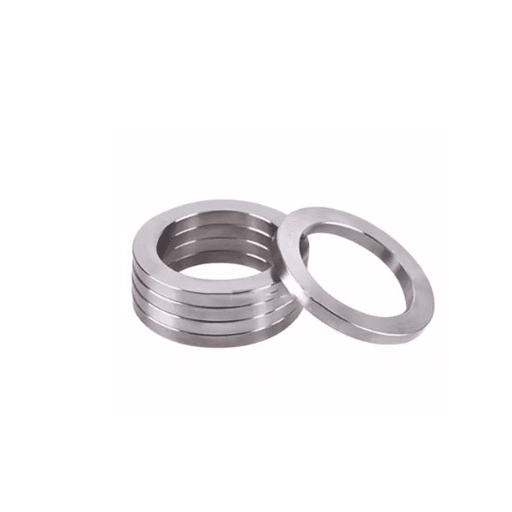
Superalloys represent a category of advanced materials which enable operation under extreme conditions that include high heat and physical pressure and corrosive environments. The materials find their primary applications within the aerospace and energy and medical technology sectors. The next section assesses five main superalloys through their chemical composition and material properties and industrial applications.
The comparison of these superalloys shows that each alloy was created to meet distinct engineering needs which require materials that resist heat and provide strength and protection against corrosion. The selection of a suitable superalloy requires evaluation of both operational conditions and expected material lifespan and economic viability within specific application areas.
Cobalt-Based vs. Nickel-Based Alloys
| Key Point | Cobalt-Based Alloys | Nickel-Based Alloys |
|---|---|---|
| High-Temperature Strength | Excellent | Very Good |
| Corrosion Resistance | Good | Excellent |
| Wear Resistance | Exceptional | Moderate |
| Thermal Fatigue Resistance | High | Moderate |
| Cost | Higher | Lower |
| Applications | Aerospace, medical, energy | Aerospace, energy, marine |
| Oxidation Resistance | Good | Excellent |
| Machinability | Challenging | Easier |
Cobalt-Based vs. Iron-Based Alternatives
| Key Point | Cobalt-Based Alloys | Iron-Based Alloys |
|---|---|---|
| High-Temperature Strength | Excellent | Moderate |
| Corrosion Resistance | Good | Moderate |
| Wear Resistance | Exceptional | Good |
| Cost | Higher | Lower |
| Machinability | Challenging | Easier |
| Applications | Aerospace, medical, energy | Industrial, construction, general tools |
| Oxidation Resistance | Good | Moderate |
| Thermal Fatigue Resistance | High | Moderate |
Performance Metrics and Cost Considerations
The evaluation of superalloy performance needs four key metrics which assess mechanical strength and creep resistance and fatigue life and oxidation resistance. Cobalt-based alloys maintain exceptional strength properties up to 1,200°C while providing excellent protection against wear and corrosion. The materials require more financial resources to acquire than other available options. The price of cobalt has experienced significant fluctuations in recent years with its 2023 average price of $70,000 per metric ton which increases the cost of these alloys for large-scale projects.
Nickel-based superalloys provide outstanding thermal resistance which enables them to keep their structural properties intact during temperatures between 1,000 and 1,100 degrees Celsius which makes them suitable for aerospace turbine applications. The alloys offer better accessibility and lower prices when compared to cobalt-based alloys because the market price of nickel remains around $20,000 per metric ton in 2023. The product has found widespread use across various industries which need inexpensive solutions together with products that deliver high-performance results.
Iron-based superalloys serve as the most affordable choice when used in situations which do not require extreme heat resistance. The alloys contain high chromium content which enables them to deliver outstanding oxidation resistance and corrosion protection at an economical price because raw iron costs approximately $200 to $300 per metric ton. The manufacturing facilities use this equipment because they need to keep their operational expenses as low as possible.
The optimal superalloy selection process requires evaluation of performance metrics together with cost, which needs assessment of temperature requirements and corrosive environment exposure and financial limits for the specific application. The decision-making process requires assessment of all financial expenditures which cover maintenance and environmental factors to determine the most effective and budget-friendly option.
Future Trends in Cobalt-Based Superalloys
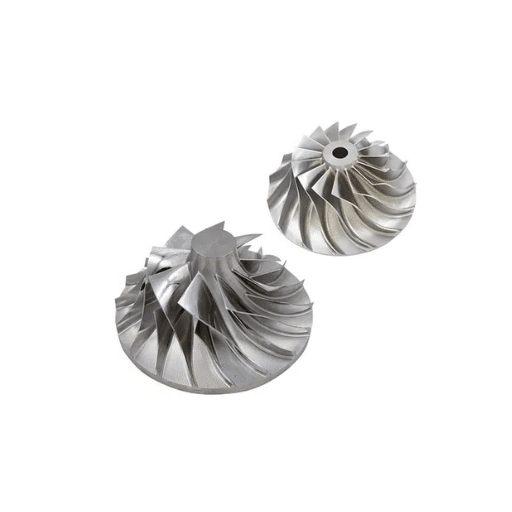
The field of cobalt-based superalloy development has received new research directions because of material science breakthroughs and the rising demand for space and energy and medical industry applications. The alloys receive increasing attention because they demonstrate outstanding capabilities to work under both high-temperature and corrosive environments.
🔬 Alloy Design Innovations
Researchers currently investigate how to create new alloy compositions which will enhance performance while decreasing the need for cobalt because of its expensive price and supply chain risks. Researchers use existing computational methods to create alloy materials which will display specific properties such as increased creep resistance and enhanced fatigue strength and improved thermal stability. Research shows that engineers can improve the performance of cobalt-based superalloys through nanostructure engineering and the addition of rare earth elements such as rhenium and yttrium.
🛠 Additive Manufacturing and Superalloys
Additive manufacturing or 3D printing technology now drives a significant transformation of Cobalt-based superalloys. Additive manufacturing (AM) enables the creation of intricate and lightweight designs which results in a decrease of material waste and a faster production process. The worldwide 3D printing industry for superalloys will experience 23.5% annual growth until 2030 according to market reports which will boost research and development activities in this field.
♺ Environmental Concerns and Recycling
People today want to protect the environment which leads industries to search for sustainable recycling methods that include recycling cobalt-based superalloys. Recycling process innovations create a new way to extract valuable materials from discarded products while reducing environmental damage and supply chain risks. Recycling programs enable the recovery of 90 percent of cobalt content from waste materials which transforms waste into a valuable material.
🌟 Industry Applications Driving Demand
Different industries search for new cobalt-based superalloys which meet their specific needs. Aerospace needs materials which can endure extreme temperatures that exist in turbine engines. The global commercial aircraft market is expected to reach $287 billion by 2026 which will increase the demand for advanced superalloys. Offshore wind turbine renewable energy expansion requires superalloys that can withstand extreme conditions present in these environments.
⚠ Challenges Ahead
Cobalt supply chain instability and the demand for economical production techniques present major obstacles despite existing advancements. Research continues to identify practical material substitutes which combine advanced performance with affordable price points.
Cobalt-based superalloys undergo transformation through technological progress and changing needs of various industries. The materials will maintain their essential function in high-performance uses because their current restrictions will be solved through new technology applications.
Emerging Innovations in Alloy Development
Scientists have developed new alloys by using modern technologies which involve the combination of computational materials science and additive manufacturing to create superior material characteristics. Researchers employ computational materials science to develop predictive models which enable them to assess alloy performance across diverse testing environments while minimizing the need for actual testing. Machine learning algorithms currently work to enhance elemental compositions which lead to better strength and thermal resistance and durability improvements.
Additive manufacturing, or 3D printing, has revolutionized the production of complex alloy components. The technology enables material to be precisely layered, which minimizes waste while producing complex shapes that were not possible to create before. The aerospace and medical industries utilize titanium and nickel-based alloys for 3D printing because these materials offer lightweight properties and exceptional resistance to corrosion.
The 2023 market report forecasts that high-performance alloy demand will grow at a compound annual growth rate of 6.7 percent from 2022 until 2030. The aviation industry, renewable energy sector, and space exploration field need lightweight materials which maintain strength while withstanding extreme environmental conditions, so material demand keeps rising. Cobalt-based superalloys create the next-generation turbine blades for jet engines through their engineered design which improves creep strength and oxidation resistance.
Researchers are developing environmentally friendly alloy options which reduce their dependence on vital raw materials including cobalt and rare earth materials. The laboratory-developed recycled alloys show positive outcomes because they deliver mechanical properties which meet sustainability standards. Advanced techniques enable researchers to produce customized alloys through their work.
Impact of Additive Manufacturing Techniques
The production systems used across various industries today have started to change because of 3D printing techniques which use additive manufacturing through three-dimensional printing technology. The method produces intricate architectural designs and specialized components while using only a small portion of material which improves both financial performance and ecological sustainability. The five main effects of additive manufacturing methods bring about the following results:
- Reduced Material Waste: Additive manufacturing builds products through its gradual process which needs only essential materials unlike traditional subtractive manufacturing methods. The method creates less waste material while helping businesses adopt environmental-friendly manufacturing methods.
- Enhanced Design Flexibility: Designers now have the ability to create complex designs which used to be too expensive or impossible to build. Additive manufacturing enables the creation of complex shapes and lightweight components which maintain their strength and operational abilities.
- Faster Prototyping and Production: Additive manufacturing enables speedier prototype creation which results in quicker product development and shortened time until product release. The timeline for developing new products becomes a vital factor in both aerospace and automotive industries where companies race against time to deliver their products.
- Localized Production: The process of additive manufacturing allows production facilities to create parts which are situated nearer to their final delivery points. The method decreases supply chain requirements which results in lower shipping expenses and reduced carbon footprint from transportation activities.
- Customization and On-Demand Manufacturing: Additive manufacturing methods enable product customization through the production of unique parts which meet particular product specifications. The process of on-demand manufacturing leads to decreased requirements for maintaining large product stocks, which results in lower expenses for product storage.
Research Highlight: Research findings from recent studies demonstrate that additive manufacturing technologies enable material waste reduction, which can reach 90% in specific use cases while also cutting production lead times by 50% to 70%. The revolutionary technology reshapes manufacturing processes, as it brings forward new solutions which enhance productivity throughout manufacturing operations.
Potential Market Growth and Applications
The additive manufacturing market holds tremendous growth potential because more industries start using additive manufacturing technology. Market research projects that the global 3D printing market will reach $76.17 billion by 2030 while showing a compound annual growth rate (CAGR) of 21% from 2023 to 2030. Users can now access better materials and technological systems which cause the market to experience strong growth. Below are five key applications where additive manufacturing demonstrates significant impact:
| Industry | Applications |
|---|---|
| Aerospace & Defense | Spacecraft and aircraft require parts that combine lightweight design with high durability; cost-effective creation of complex geometric designs through both prototyping and production methods. |
| Healthcare & Medical Devices | Custom prosthetics and implants through 3D printing technology; bioprinting technology to create tissue scaffolds which will enable future organ transplants. |
| Automotive Industry | Rapidly create and test various design concepts; lightweight materials to produce automotive parts which help decrease fuel consumption. |
| Consumer Electronics | Customized product designs for cases and accessories along with internal parts; detailed designs which enhance product performance. |
| Education & Research | Students practice engineering and design through direct learning and hands-on experiments; affordable models which help researchers measure scientific studies and develop innovative solutions. |
Additive manufacturing enters more industries through their current technological progress which creates more application possibilities.