


Blog
Technical Standards for Alloy Forgings: ASTM, AMS, and ISO Decoded

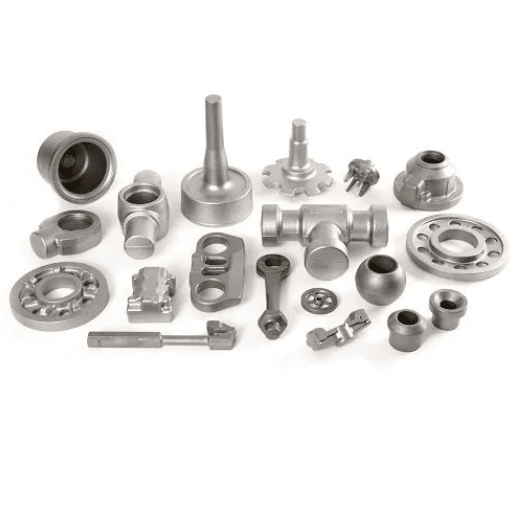
The primary requirements for alloy forgings demand that their manufacturing process produce high-quality, long-lasting, and accurately measured products. The process of handling technical standards, due to its intricate nature, can be challenging for most people. The organizations ASTM, AMS, and ISO establish material specification standards that engineers, manufacturers, and industry experts need to comprehend. The article examines alloy forging standards by analyzing the essential elements contained in ASTM, AMS, and ISO regulations. This guide enables both production practice improvements and compliance verification by explaining critical standards and their effects across various industry elements.
Introduction to Alloy Forging Standards
Across various industrial sectors forged components require alloy forging standards which guarantee uniform product quality and maintain operational safety. The standards developed by ASTM and AMS and ISO establish precise requirements which define material characteristics and production techniques and assessment procedures. The standard requires manufacturers to produce alloy products which meet both mechanical standards and chemical standards that apply to their specific uses. Through standard compliance manufacturers gain better product performance and international trade access and they achieve easier standard understanding which meets industry regulations.
Importance of Standardization in Alloy Forging
The alloy forging industry uses standardized procedures to protect worker safety while ensuring that products meet quality standards throughout their production stages. The standards provide manufacturers with specific instructions which enable them to create forged components that meet performance standards and maintain dependability. The standards help organizations control product variations while reducing manufacturing mistakes and establishing worldwide component interoperability. The following list presents five main advantages of standardization and explains its significance to alloy forging operations.
Improved Product Quality and Operational Efficiency
Standardization establishes essential mechanical requirements which alloys must fulfill through testing procedures that measure tensile strength hardness and ductility. The ASTM standards function as reliable testing benchmarks which validate components ability to withstand high temperature and pressure extreme operational environments.
Enhanced Safety
The implementation of standard testing methods enables critical industries such as aerospace and automotive to ensure their materials meet stringent safety standards which decreases the likelihood of material failures. The AMS requirements for aviation alloys establish mandatory performance standards that all materials must satisfy according to the defined criteria.
Facilitation of International Trade
The use of ISO standardized specifications enables international trade by establishing global product standards which all organizations can follow. The business partnerships between different countries benefit from reduced trade barriers which result from this process.
Cost Savings
Manufacturers achieve cost savings through standard compliance because it decreases manufacturing defects and scrap production which leads to reduced costs and higher profit margins. Standard compliance according to AMS requirements decreases the need for excessive rework and product recalls.
Regulatory Compliance
Standards provide organizations with an easier way to meet both international and regional regulatory requirements. ISO certification enables products to achieve multiple market certifications without additional testing which helps organizations save both time and resources.
The implementation of standards enables manufacturers to develop competitive advantages while they continue to produce highly dependable products.
Overview of ASTM, AMS, and ISO
The two organizations ASTM and ISO establish essential standards through their global standards and manufacturing certification programs which guarantee product safety and quality control.
By adopting ASTM, AMS, and ISO standards, businesses achieve greater operational efficiency, ensure product compliance across markets, and support sustainable development. These frameworks collectively build trust with customers and partners while driving innovation and expanding market opportunities.
Target Audience and Applications
ISO ASTM and AMS standards enable various industries to solve specific needs while they enhance their operating effectiveness. The following five primary audience groups will demonstrate their distinct practical uses through their respective applications.
| Industry | Applications | Data Insight |
|---|---|---|
| Manufacturing Industry | Quality management (e.g., ISO 9001), process optimization, materials testing. | More than 40% of global ISO certifications are awarded to the manufacturing sector. |
| Healthcare & Medical Devices | Ensuring patient safety, product efficacy (e.g., ISO 13485 for medical devices). | Global adoption rate of ISO 13485 has increased by 17.6% annually. |
| Aerospace and Defense | Meeting stringent safety and reliability standards with AMS specifications and ISO certifications. | More than 90% of defense contractors need certification. |
| Construction and Engineering | Sustainable development practices (e.g., ISO 14001), structural quality, and safety compliance. | Annual growth rate of environmental management system adoption is 23%. |
| Technology and IT Services | Data security and management (e.g., ISO 27001 for information security), software development compliance. | More than 40,000 IT sector organizations globally achieved certification. |
ASTM Standards for Alloy Forgings
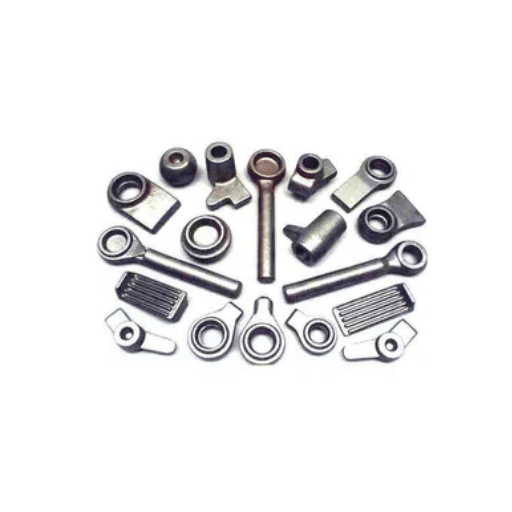
ASTM International establishes standards which manufacturers must follow to create alloy forgings that meet quality and uniformity and safety requirements. The standards define specific requirements which need to be followed for chemical composition and mechanical properties and heat treatment and testing methods which apply to various alloy forging types.
Key ASTM Standards for Alloy Forgings
Future Trends in Alloy Forging Compliance
The adoption of ASTM standards keeps expanding because scientists need dependable alloy materials for essential functions. The development of 3D printing and other forging technologies together with the manufacturing sector’s focus on sustainability, will lead to new ASTM standard requirements which need to be established. The process of staying current with international certification systems and compliance requirements becomes essential for businesses to sustain their product excellence and market competitiveness.
Key ASTM Specifications for Aluminum Alloys
Manufacturers must adhere to ASTM specifications which supply fundamental guidelines for product development and material testing and aluminum alloy distribution. The following ASTM standards serve as the most important standards which people use to test aluminum alloys:
-
1
ASTM B209 — Standard Specification for Aluminum and Aluminum-Alloy Sheet and Plate
This standard applies to all aluminum and aluminum-alloy products which manufacturers create as flat sheets and coiled sheets and plates for their industrial needs. The common alloys which ASTM B209 specifies include 1100 and 2024 and 3003 and 5052 and 6061 and 7075. The material finds applications in aerospace and transportation and structural and marine industries. The latest changes to the design now focus on developing better corrosion protection and lighter weight materials which will support eco-friendly production methods.
-
2
ASTM B221 — Standard Specification for Aluminum and Aluminum-Alloy Extruded Bars, Rods, Wire, Profiles, and Tubes
The standard describes all aluminum products which manufacturers create through extrusion methods for use in buildings and automotive structures and electrical systems. The standard permits the use of three different aluminum alloys which include 6063 and 6061 and 7075 for applications which require high strength. The latest updates show improvements in both product dimensions and energy-saving methods for the extrusion process.
-
3
ASTM B241/B241M — Standard Specification for Aluminum and Aluminum-Alloy Seamless Pipe and Tube
The standard requires manufacturers to meet specific standards which govern the production of seamless aluminum pipes and tubes that serve as essential components in pressure vessels and piping systems. The standard includes popular alloys 6061-T6 and 6063 because they offer both structural strength and thermal conductivity. The new regulations require weight reduction to help increase fuel efficiency for transportation systems.
-
4
ASTM B429/B429M — Standard Specification for Aluminum-Alloy Extruded Structural Pipe and Tube
The standard applies to pipes and tubes which manufacturers make through the extrusion process to satisfy mechanical property and load-bearing specifications. Architects and builders prefer using Alloy 6063 for their structural systems because of its strong welding properties and attractive surface appearance.
-
5
ASTM E155 — Standard Reference Radiographs for Inspection of Aluminum and Magnesium Castings
The standard provides visual reference standards which help inspectors find casting defects through radiographic examination. The aerospace and automotive industries require this technology to maintain safe and dependable performance of their most vital equipment. The company has added advanced imaging methods together with defect detection methods in its latest system updates.
-
6
ASTM B557 — Standard Test Methods for Tension Testing of Wrought and Cast Aluminum- and Magnesium-Alloy Products
The standard establishes testing methods which determine materials’ tensile strength through measuring ultimate tensile strength and yield strength together with elongation. The process serves as a crucial element which guarantees product excellence during the manufacturing of aluminum alloy materials. The diverse industries which use aluminum alloy products depend on the ASTM specifications to guarantee product performance together with product reliability. Manufacturers must stay current with the latest changes because current market requirements demand sustainable products and high-functioning solutions.
Applications of ASTM Standards in Aerospace
The testing procedures of ASTM standards provide essential support to the aerospace industry because they help determine whether materials will perform safely and reliably under various conditions. The standards establish requirements which manufacturers must follow to choose, examine, and handle materials that fulfill demanding aviation standards. The following list identifies five main uses of ASTM standards within the aerospace industry:
Material Selection for Aircraft Structures
The ASTM B209 standard establishes material characteristics for aluminum alloys which aircraft manufacturers use to build airframes because the metal provides both strength and lightweight characteristics.
Testing Fatigue Resistance
The ASTM E466 standard provides guidelines that assess how metallic materials will respond to repeated stress and strain during extended flight operations testing.
Propellant Materials for Rocket Engines
The liquid oxygen purity standards established by ASTM D3703 standards determine the safe operating limits needed for rocket propellant which ensures maximum safety and performance during launch operations.
Aviation Fuel Quality
The ASTM D1655 standard establishes specifications which aviation turbine fuels must meet to ensure their efficiency in energy production while minimizing the chances of equipment failures caused by fuel issues.
Corrosion Resistance in Aircraft Materials
The ASTM G85 standard includes testing procedures for accelerated corrosion testing which enables researchers to determine how materials withstand extreme corrosion conditions that occur during flight operations.
ASTM standards enable aerospace manufacturers to attain outstanding performance results while maintaining operational safety standards and developing new technologies.
Heat Treatment and Compliance with ASTM
The heat treatment process enhances the mechanical properties of aerospace materials while maintaining compliance with rigorous ASTM standards. The process uses controlled heating and cooling to change metal and alloy structures which results in increased hardness and improved performance characteristics that include enhanced strength ductility and wear resistance. The ASTM standards which determine heat treatment methods require steel and alloy castings to follow ASTM A991 and metal hardness testing methods to follow ASTM E18. The ASTM A991 standard requires manufacturers to use preheating procedures which help remove residual stresses that affect aerospace application accuracy. The standards ASTM E10 and ASTM E18 establish Brinell and Rockwell hardness testing procedures which ensure components achieve their designated safety and performance standards.
Research within the industry found that heat treatment of high-strength steel alloys enables engineers to achieve tensile strength which reaches 300% of its initial value while maintaining aircraft component weight.
The company achieves safety compliance for essential aerospace systems by following ASTM standards which protect against failures during extreme operational situations.
The development of advanced equipment for heat treatment processes results in increased energy efficiency through better system reliability. Automated control systems for temperature monitoring and quenching which meet ASTM specifications provide consistent results while reducing human error. The evolving standards that aerospace manufacturers adopt enable them to improve material performance while preserving structural integrity and staying compliant with current industry requirements.
AMS Standards: The Aerospace Material Specification

The Aerospace Material Specification AMS establishes necessary standards which define the material properties and manufacturing methods and material usage throughout the aerospace sector. The guidelines which AMS provides through its management by SAE International serve as essential requirements which protect the safety and operational dependability and functional capabilities of all aerospace systems and components. The specifications which define these materials include metals composites polymers and coatings together with their manufacturing and processing methods.
The AMS 5643 specification provides a commonly used standard for corrosion-resistant steel which engineers implement in jet engine parts because of its ability to withstand extreme operating conditions. The AMS standards require specific heat treatment processes which include AMS-H-6875 to provide precise material hardness and strength requirements. The specifications of AMS 2750 control thermocouple implementation and temperature calibration methods which create accurate and consistent heat treatment procedures.
The AMS standards undergo continuous updates because of their dedication to lightweight material solutions and cutting-edge manufacturing advancements and emerging technological discoveries. The AMS 7003 standard establishes rules for 3D printing with Titanium alloys which serves as a crucial specification for producing lightweight aerospace components with complex designs.
📊 Industry Survey (2023): Manufacturing defects decreased substantially when companies followed AMS standards. Companies which completely followed specifications achieved 25% fewer rejected components than businesses which did not follow these requirements.
Aerospace manufacturers achieve better operational results through AMS compliance which enables them to use new materials and processes while maintaining product quality throughout their operations.
Overview of AMS Standards and Their Importance
The process to develop AMS Standards for Aerospace Material Specifications uses established procedures to determine all necessary quality standards and performance requirements and testing methods needed to achieve aerospace industry standards. The standards show aerospace engineering requirements through their specifications which describe necessary materials and processing methods and testing procedures needed to create safe and reliable systems. The system establishes standardized processes which apply to testing methods and materials and composite materials and other areas to support consistent operations throughout international supply networks.
Key Benefits of AMS Standards
🔒 Safety & Performance: The AMS standards establish performance benchmarks which ensure that aerospace components will function properly throughout testing conditions which simulate extreme situations which results in improved operational safety and performance efficiency.
💰 Cost Efficiency: The defined specifications help manufacturers decrease operational errors which leads to more efficient resource use and lower operational expenses.
🌐 Global Collaboration: The implementation of standardized practices enables partners to work together with international agencies through easier treaty processes and better operational systems.
Examples of Key AMS Standards
| Standard | Description |
|---|---|
| AMS 4911 | Titanium Alloy Sheet, Strip, and Plate — used widely due to its high strength-to-weight ratio. |
| AMS 4037 | Aluminum Alloy Sheet and Plate — specified for its excellent corrosion resistance. |
| AMS 2750 | Pyrometry Standard for thermal processing equipment calibration and control. |
| AMS 5580 | Nickel Alloy Seamless Tube — noted for usage in high-temperature environments. |
| AMS 2404 | Electroplating, Nickel — essential in applications requiring wear-resistant coatings. |
Key AMS Specifications for Aluminum Alloy Forgings
Aluminum alloy forgings are frequently used in aerospace applications because they provide exceptional strength-to-weight ratio and excellent corrosion resistance and multiple usage options for different applications. The production and testing and application of these materials must follow various AMS standards for Aerospace Material Specifications to achieve required performance and reliability in extreme conditions. Here are important AMS specifications which relate to aluminum alloy forgings:
| Specification | Details |
|---|---|
| AMS 4140 | This specification covers 2024-T351 aluminum alloy forgings which engineers select for their high strength and fatigue resistance to design aerospace structural components that need lightweight materials. |
| AMS 4220 | The standard applies to forgings which use 7075-T73 aluminum alloy because the material provides both exceptional strength and superior protection against corrosion to aerospace engineers who need to build fuselage and wing components. |
| AMS 4335 | The standard specifies 7050-T7452 aluminum alloy forgings which engineers consider useful because the material protects against stress corrosion cracking. The materials deliver fundamental strength and fracture toughness needed for vital aerospace components. |
| AMS 2355 | The standard provides quality assurance guidelines for inspecting aluminum forgings which establish acceptance standards. The standard enables strict quality control procedures which use ultrasonic testing and radiographic testing methods. |
| AMS 2772 | The standard defines heat treatment methods for aluminum alloy components which use forgings through its specific temperature profile and quenching process requirements that must be followed to achieve optimal material properties. |
The aerospace standards require aluminum alloy forgings to meet strict performance requirements which enable reliable operation of landing gear components and aircraft frames and structural fittings. The shared design specifications between aerospace systems allow these systems to function more efficiently which enhances their safety and extends their operational lifetime.
By conforming to AMS standards, manufacturers maintain stringent quality assurance and stay aligned with evolving industry demands. The continued updates to these specifications reflect advancements in technology and the introduction of new materials, emphasizing the importance of staying current with the latest standards.
Benefits of Using AMS Standards in Aerospace
Safety & Reliability: The safety and reliability of aerospace components depend on AMS standards which serve as essential measurement criteria. The standards establish uniform material standards which help prevent material failures because they protect against substandard or inconsistent material usage during extreme condition tests.
Production Efficiency: Manufacturers achieve better production results through standardized materials and processes because they help decrease waste and decrease production errors while boosting operational efficiency. The production process benefits from this uniformity since it results in both decreased production expenses and quicker product delivery times.
Global Compatibility: The global manufacturing and supply chain sectors use AMS standards as their framework for establishing compatibility between parts and systems. The process enables companies to form partnerships with international partners while they manage their supply chain operations across different countries.
Technological Innovation: The organization updates AMS standards to reflect up-to-date technological and advanced material developments which include composites and high-performance alloy materials. The process allows aerospace designs to keep their advanced status because it guarantees compliance with the latest industry standards.
Regulatory Compliance: The aerospace industry requires AMS compliance as a fundamental requirement to obtain both regulatory approvals and industry certifications. Compliance with standards allows companies to meet regulatory requirements while they access new markets and build customer trust.
ISO Standards and Their Role in Alloy Forging
The ISO standards established by the International Organization for Standardization serve as essential benchmarks which guarantee that alloy forging operations achieve required standards of quality and production efficiency and operational safety. The standards establish common international standards which manufacturers can use to manage their production processes and deliver products which meet international standards. ISO standards enable businesses to enhance their operational efficiency while decreasing environmental waste and building customer confidence in their products. The following ISO standards serve as fundamental standards which apply to the process of alloy forging.
ISO 9001
Quality Management Systems
ISO 9001 establishes quality management principles which lead to the production of high-quality forged alloys through its implementation of effective quality control procedures. It emphasizes customer satisfaction and continuous improvement.
ISO 14001
Environmental Management Systems
The standard defines procedures which help decrease environmental harm from alloy forging operations. The standard addresses energy usage and waste reduction and compliance with environmental laws.
ISO 45001
Occupational Health and Safety Management Systems
ISO 45001 provides a comprehensive framework which organizations can use to create secure working environments inside their forging operations. The system establishes protective measures which reduce operational dangers to safeguard the well-being of employees.
ISO 50001
Energy Management Systems
ISO 50001 provides organizations with a framework which enables them to achieve better energy efficiency results while their energy expenditures decrease and their environmental pollution level decreases during the forging process.
ISO 26262
Functional Safety in Automotive Applications
The standard functions as a requirement for automotive production yet it establishes essential guidelines which manufacturers need to follow when they create forged components for applications with demanding functional safety standards. The implementation of ISO standards allows alloy forging organizations to boost their productivity while achieving compliance with government mandates which helps them establish a stronger position in international markets.
Understanding ISO Standards in Metal Forging
ISO standards exist to maintain quality control and safety measures while enhancing operational efficiency throughout the metal forging sector. The standards establish a framework which manufacturers use to fulfill international standards while establishing sustainable development and innovative manufacturing processes.
ISO 14001 — Environmental Impact
The ISO 14001 environmental management system standards have become more vital because businesses are now trying to create sustainable environmental solutions. Businesses that use ISO 14001 according to recent research results have successfully decreased their waste production by 20 percent and their energy consumption by 15 percent. The standard provides companies with a path to meet their compliance requirements which helps them to reduce carbon emissions needed to meet essential climate change objectives.
ISO 45001 — Workplace Safety
Global companies use ISO 45001 certification to create safe work environments. Organizations use ISO 45001 to develop standard procedures which manage their staff health and safety functions. More than 170,000 businesses worldwide achieved ISO 45001 certification according to reports published in 2023. The manufacturing sector can achieve cost reductions and productivity increases through hazard reduction practices which lead to better employee performance and safer work environments.
ISO 9001 — Production Efficiency
ISO 9001 compliance enables businesses to boost their production efficiency by more than 30%. The standard requires organizations to implement strict quality control systems which result in improved product quality and increased customer satisfaction through fewer product defects. The international market requires manufacturers to provide forged components which meet established quality standards throughout the entire production process.
ISO 26262 — Automotive Functional Safety
The global automotive industry produces over 90 million vehicles each year which creates an urgent need for safe automotive components. ISO 26262 establishes functional safety requirements for critical systems which include brakes and steering mechanisms. The standard requires forging manufacturers to operate their facilities according to established safety design control standards which help to maintain system security.
By integrating ISO standards into their operations, metal forging companies don’t just meet compliance requirements—they also drive innovation, reduce environmental impact, and build safer workplaces. Leveraging these certifications can secure a competitive advantage in the rapidly evolving global market.
Comparative Analysis: ISO vs. ASTM and AMS
| Parameter | ISO | ASTM | AMS |
|---|---|---|---|
| Scope | Global, multi-industry | Broad, multi-industry | Aerospace and defense-specific |
| Focus | General standardization | Material properties and testing | High-performance aerospace materials |
| Material Types | Metals, polymers, composites | Metals, polymers, ceramics, composites | Metals, alloys, composites |
| Application | General manufacturing | Construction, automotive, medical | Aircraft, spacecraft, defense systems |
| Examples | ISO 9001 (Quality Management) | ASTM A967 (Stainless Steel Passivation) | AMS 2700 (Steel Passivation) |
| Testing Methods | Broad, includes quality and safety | Chemical, mechanical, and dimensional | Performance under extreme conditions |
| Industry Adoption | Widely adopted across industries | Construction, automotive, consumer goods | Aerospace, defense, high-performance sectors |
| Update Frequency | Periodic | Regular | Frequent, aligned with aerospace needs |
| Global Recognition | High | High | High, but aerospace-focused |
ISO Compliance and Quality Control in Forging
+25% Operational Efficiency
The Quality Management Systems (QMS) standard ISO 9001 enables forging businesses to establish systematic procedures which will produce identical products that fulfill customer expectations and promote continuous improvement. Organizations need to set up quality benchmarks which they should assess through dedicated audits while they also need to create remedies for any operational shortcomings. Research findings indicate that ISO 9001 compliant organizations achieve operational efficiency enhancements reaching 25 percent because they use their resources more efficiently while producing less waste.
-20% Energy Consumption
ISO 14001 which focuses on Environmental Management Systems helps forging manufacturers to reduce their impact on the environment. By adopting sustainable resource management methods and decreasing their emissions, forging companies can achieve their international climate targets. According to industry data, companies compliant with ISO 14001 have reported a 20% decrease in energy consumption over five years which directly contributes to cost savings and increased market appeal.
-35% Work-Related Accidents
ISO 45001 protects employee safety at work while supporting their overall health. The standard mandates that forging plants which operate heavy machinery and handle high-temperature materials need to conduct assessments which will determine their dangerous environmental factors. ISO 45001 organizations achieve a 35 percent decrease in work-related accidents which results in safer work conditions that boost worker efficiency.
ISO certification together with advanced quality control systems enables forging businesses to compete in international markets that demand traceable sustainable products with dependable performance. The combination of real-time data monitoring systems with manufacturing processes enables manufacturers to track potential defects during the early stages which leads to a significant decrease in rejection rates when these systems operate together.
Technical Comparison of Standards
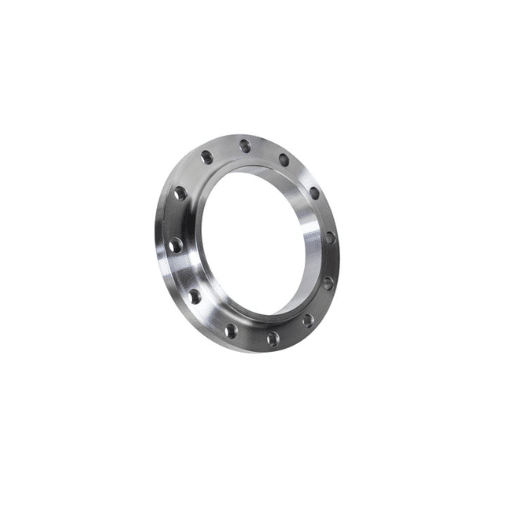
The evaluation of manufacturing technical standards requires assessment of four essential elements which include product quality and safety and environmental effects and performance standards. The forging and manufacturing industries commonly use ISO 9001 and ISO 14001 as their two most important standards. ISO 9001 establishes a framework which organizations use to create quality management systems that help them maintain product quality through their operational procedures. Organizations use ISO 14001 to manage their environmental impact while developing sustainable practices that reduce environmental damage and comply with environmental regulations.
The current statistics demonstrate that these standards possess worldwide significance. The ISO annual survey of 2022 reports that more than 1.3 million ISO 9001 certifications have been issued worldwide demonstrating its extensive use across different business sectors. More than 400,000 organizations have obtained ISO 14001 certification which indicates that organizations now understand the necessity of environmental commitment. Manufacturing-intensive areas such as Europe and East Asia demonstrate higher adoption rates because local regulations and customer requirements for sustainable goods have become more significant.
The technical assessment demonstrates how these standards work together with contemporary technological solutions. Manufacturing companies that hold ISO 9001 certification use AI-based quality assurance systems to perform real-time defect detection and prevention. Businesses that obtain ISO 14001 certification use Internet of Things solutions to track their resource use and emission rates in real time. The company achieves operational efficiency through these systems while maintaining regulatory standards which result in its status as an industry leader.
The process of evaluating business standards enables companies to link their operational requirements with their market needs which helps them find the best operational framework.
Decoding Which Standard to Use for Specific Applications
The selection between ISO 9001 and ISO 14001 requires organizations to conduct a complete evaluation of their specific business needs and future business goals. ISO 9001 establishes a quality management system which ensures that all products and services fulfill both customer expectations and legal standards. ISO 14001 creates an environmental management system which helps organizations to minimize their ecological impacts through compliance with environmental regulations and implementation of sustainable development initiatives.
Combined Implementation Benefits
Businesses can benefit from implementing both standards because they allow for continuous operational excellence together with environmental protection. The demand for Integrated Management Systems (IMS) that use ISO 9001 and ISO 14001 together is growing. The organization achieved three benefits through better documentation processes which cut down work duplication while meeting customer needs and environmental requirements.
📊 Data (2023): Approximately 25% of global certified organizations have adopted an Integrated Management System which demonstrates the increasing trend of businesses pursuing combined quality and sustainability results.
Making the Choice
The company objectives require that decision making process to follow their primary business objectives and their main customer segments and their requirements from stakeholders. Organizations that emphasize efficiency together with customer contentment will choose ISO 9001 while organizations that need to comply with regulations and practice sustainability will prefer ISO 14001. Organizations can achieve a competitive advantage through both standards because they establish essential market elements which drive sustainable development and high product standards.
Industry-Specific Applications: A Comparative Framework
ISO 9001 and ISO 14001 establish different requirements for various industrial applications which combine their respective functions to advance quality control with environmental sustainability in all business sectors. The recent research indicates that manufacturing construction and healthcare with technological industries have achieved significant benefits through standard implementation.
| Industry | ISO 9001 Application | ISO 14001 Application | Key Result |
|---|---|---|---|
| Manufacturing | Specific quality testing standards to ensure products meet customer requirements with minimal defects. | Energy-saving procedures and waste management systems. | More than 80% of ISO-certified manufacturing businesses experienced major improvements. |
| Construction | Systematic approach to project control from design to completion. | Methods that cut carbon emissions and sustain environmentally friendly material procurement. | 15% fewer project delays because of better project management. |
| Healthcare | Enhancing patient treatment methods and ensuring medical procedures follow safety protocols. | Handle hospital waste while decreasing environmental risks from chemical waste disposal. | Increased patient satisfaction and 25% drop in environmental rule violations. |
| Technology | Improving product development processes to create products and services that meet customer needs. | Developing sustainable environmental practices through managing environmental effects. | Demonstrated flexibility and alignment with organizational goals. |
The adoption of these standards in specific industries demonstrates their flexibility and capability to align with organizational goals. Businesses must analyze their unique priorities and challenges to ensure these certifications drive meaningful improvements in both quality and environmental stewardship.
Material Properties and Specifications Breakdown
Engineers need to examine material properties and specifications to select appropriate materials for their projects. The current research data from this section establishes essential material attributes which common materials display their fundamental characteristics.
Frequently Asked Questions (FAQ)
References
- 📄
INCONEL® Alloy 718 — Discusses SAE AMS 5950 and alloy properties. - 📄
TITANIUM ALLOY GUIDE — Covers ASTM grades and corrosion-resistant titanium alloys.