High Standard Stainless Steel With Strict Inspection



Titanium Wire vs. Stainless Steel Wire: Medical and Industrial Uses

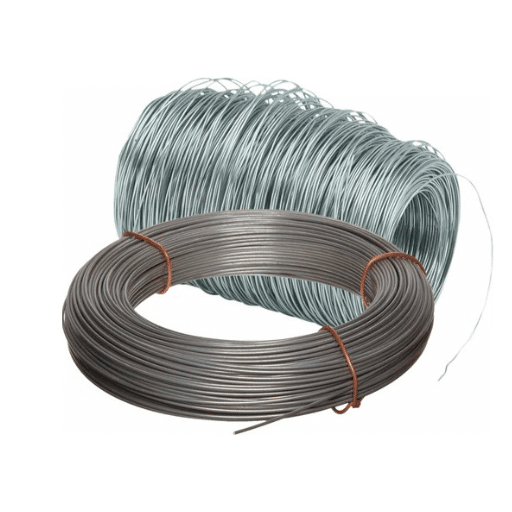
The selection process for medical and industrial applications material requires operators to choose between two competing materials titanium wire and stainless steel wire. The two materials possess different properties which enable them to function in various situations according to specific operational needs. The selection process for medical equipment needs and industrial equipment development needs requires engineers to understand the fundamental distinctions between titanium and stainless steel wires. The article will analyze the strengths and weaknesses of both materials to help you select the appropriate material for your particular requirements. The study will demonstrate which material performs better through its use in different professional domains based on its operational capabilities and strength and material properties.
Introduction
Titanium and stainless steel wires both exist in multiple applications because of their individual characteristics but each metal has specific functions. Titanium wires are celebrated for their lightweight nature, exceptional corrosion resistance, and biocompatibility, making them ideal for medical applications and aerospace use. Stainless steel wires provide industrial and construction and daily use advantages because they combine strength with low cost and broad usability. The selection of materials for your project requires you to evaluate all project requirements, which include weight restrictions and environmental requirements and financial constraints.
Importance of Material Selection in High-Stakes Environments
The selection of materials proves essential in critical environments because these settings demand optimal performance and safety and dependable operation of equipment. The correct material selection enables equipment and buildings and industrial equipment to operate properly when exposed to severe conditions. The material selection process requires assessment of multiple factors which include actual measurement data about different material properties.
- The materials must withstand mechanical stress while they maintain their original shape without any signs of damage. Engineers choose titanium alloys because these materials provide high strength-to-weight ratios which make them suitable for aircraft parts that must support substantial weight.
- The combination of moisture exposure and chemical exposure and salty environments needs materials such as stainless steel and nickel alloys which provide effective corrosion protection and extend the operational life of their components.
- Materials need to maintain their structural stability when exposed to high temperatures for use in high-temperature settings. Jet engines use ceramics and superalloys because these materials display high thermal resistance properties.
- The use of copper or silver as materials in electronic applications delivers high efficiency and dependable electrical conductivity which enables efficient power transmission.
- The aerospace and automotive industries depend on lightweight materials such as carbon fiber and aluminum for their ability to decrease structural weight which results in better fuel efficiency and performance.
- The evaluation of fundamental elements enables engineers and designers to create solutions which meet technical requirements and environmental standards and economic objectives of critical projects.
Core Comparison: Titanium vs. Stainless Steel
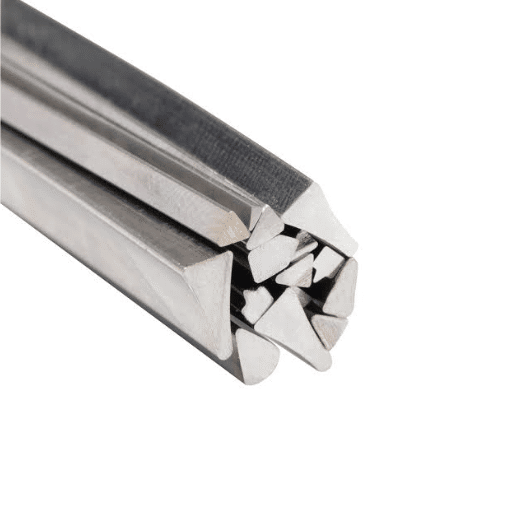
| Parameter | Titanium | Stainless Steel |
|---|---|---|
| Strength-to-Weight Ratio | High, lightweight | Lower, heavier |
| Corrosion Resistance | Excellent, even in harsh environments | Good, but less in extreme conditions |
| Biocompatibility | Superior, ideal for implants | Moderate, may cause allergic reactions |
| Thermal Performance | Stable at high temperatures | Less stable at elevated temperatures |
| Cost | Expensive | More affordable |
| Durability | Long-lasting, resistant to wear | Durable, but prone to pitting corrosion |
| Ease of Fabrication | Difficult to machine | Easier to machine and weld |
| Applications | Aerospace, medical, marine | Construction, automotive, medical tools |
| Magnetic Properties | Non-magnetic | May interfere with MRI imaging |
| Environmental Impact | Lower due to lightweight nature | Higher due to density and processing |
Physical Properties: Strength-to-Weight Ratio
Titanium wire has a density of 4.5 g/cm³ while stainless steel wire has a density that ranges from 7.7 to 8.1 g/cm³. The lower density of titanium makes it much lighter than stainless steel when both materials occupy the same space.
Tensile Strength
Titanium wire in its pure form demonstrates tensile strength which ranges between 400 MPa and 550 MPa while certain alloy types reach a maximum strength of 1100 MPa. The tensile strength of stainless steel wire depends on its alloy composition and ranges from 480 MPa to 620 MPa.
Strength-to-Weight Ratio
Titanium wire demonstrates a strength-to-weight ratio that surpasses stainless steel because it combines low density with high strength. The strength and lightness of titanium wire make it appropriate for aerospace and medical device applications.
Corrosion Resistance
Titanium wire maintains excellent corrosion resistance because it withstands extreme conditions found in saltwater and acidic environments. The stainless steel wire shows good corrosion resistance but its extended exposure to severe conditions will cause corrosion to occur.
Flexibility and Ductility
Titanium wire shows the capacity to bend without losing its original form. The stainless steel wire delivers strength but its ductility falls short when compared to other materials. The distinct characteristics of each material enable engineers to select the best option for their particular engineering needs.
Chemical Properties: Corrosion Resistance
The differences between titanium wire and stainless steel wire create distinct corrosion behavior between these two materials because their unique properties lead to different corrosion resistance outcomes.
Resistance to Oxidation
- The permanent oxide coating on titanium wire consists of titanium dioxide (TiO₂) which protects the wire from oxidation because the protective layer stays intact during all environmental conditions.
- The stainless steel wire requires a protective chromium oxide layer which becomes ineffective when the wire contacts highly acidic materials or chlorinated substances.
Performance in Saltwater Environments
- Titanium wire provides excellent protection against corrosion in both saline and marine environments which makes it appropriate for seawater applications.
- Higher pitting and crevice corrosion rates occur in stainless steel wire because lower-grade alloys in stainless steel wire develop these specific corrosion types.
Chemical Stability with Acids and Alkalis
- Titanium wire maintains its integrity through all acid types which includes both sulfuric acid and hydrochloric acid.
- Stainless steel wire exhibits moderate resistance against acids and bases yet its corrosion rate increases when it comes into contact with strong acids and bases that lack suitable alloying.
High-Temperature Corrosion Resistance
- Titanium wire keeps its protective oxide layer intact at high temperatures which allows it to endure extreme thermal stress conditions.
- The scaling problems and reduced corrosion resistance of stainless steel wire arise from its need to reach higher temperatures which varies according to its particular alloy composition.
Biomedical Applications Assessment
- Titanium wire shows biocompatible properties which protect it from corrosion by human body fluids making it an ideal material for medical implant applications.
- Stainless steel wire shows reduced resistance to long-term exposure in such environments while it releases ions which produce harmful body reactions.
Titanium wire shows superior corrosion resistance which makes it suitable for demanding applications whereas stainless steel wire serves as a strong and affordable solution for less demanding situations.
Biocompatibility and Medical Grade Standards
The comparison between titanium wire and stainless steel wire shows multiple distinct differences because both materials have different standards for biocompatibility and medical-grade requirements. The following five essential elements determine their effectiveness as medical materials:
1. Corrosion Resistance
- Titanium wire shows strong resistance against corrosion which occurs in body fluids and oxygen-saturated environments thus providing lasting protection for medical devices and implants.
- Stainless steel wire shows resistance to corrosion however it develops pitting and crevice corrosion after extended exposure to chloride-filled environments.
2. Ion Release
- The body experiences reduced inflammatory responses when titanium wire releases only small amounts of ions which the human body absorbs.
- Stainless steel wire releases nickel and chromium ions which can trigger allergic reactions and sensitivities in patients who come into contact with them.
3. Density and Weight
- Titanium wire possesses low density which makes it lightweight and perfect for medical implants and surgical instruments that require minimal weight.
- Stainless steel wire has higher density and increased weight which makes it unsuitable for uses that require materials with light weight.
4. Strength-to-Weight Ratio
- The strength-to-weight ratio of titanium wire allows it to provide exceptional strength while maintaining lightweight properties which medical professionals use for their most demanding requirements.
- Stainless steel wire delivers high strength but its strength-to-weight ratio falls short of titanium’s optimized performance.
5. Medical Grade Certification
- Titanium wire satisfies strict medical grade requirements which include ASTM F136 and ISO 5832-2 to obtain approval for critical uses in orthopedic surgical procedures and dental treatment.
- Stainless steel wire meets standard medical requirements through ASTM F138 yet it finds more common application in fields where biocompatibility remains less essential.
The medical industry selects titanium wire for demanding medical requirements because its attributes support high-performance applications while stainless steel wire serves budget-friendly applications which demand less critical performance.
Sector-Specific Analysis
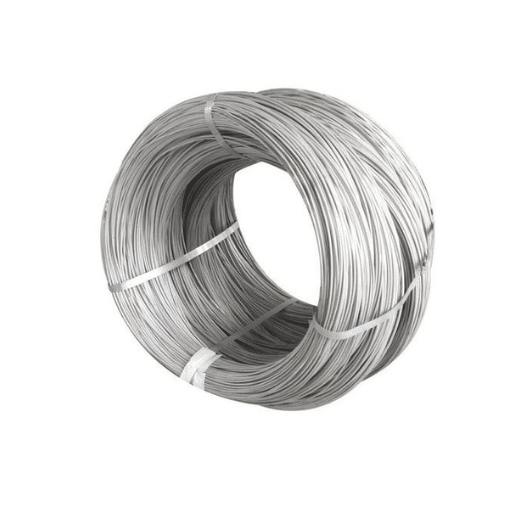
1. Orthopedic Implants
Orthopedic implants commonly use titanium wire because it provides superior strength and corrosion resistance and biocompatibility compared to other materials. The material meets both ASTM F136 and ISO 5832-2 standards which guarantee its safety and long-term effectiveness as an implant. The deployment of stainless steel wire in temporary fixation devices results from its ASTM F138 compatibility which delivers cost advantages that exceed its biocompatibility benefits.
2. Dental Devices
Dental devices which include braces and retainers and implants rely on titanium wire as their main material. The material creates a lightweight structure which maintains high strength to protect patients from oral diseases while reducing their discomfort. The cost-effectiveness of stainless steel wire makes it a viable option for orthodontic devices because its strength meets the requirements of brief usage periods.
3. Cardiovascular Stents
The manufacturers create cardiovascular stents with titanium wire because it meets the standards for medical-grade materials. The material has the ability to minimize tissue contact which results in lower risks of adverse effects during medical treatments. The medical industry is transitioning from using stainless steel stent materials which were standard in previous designs to newer materials that offer enhanced biocompatibility for vital situations.
4. Surgical Sutures
Surgeons use titanium wire to create surgical sutures which provide long-term support in cardiovascular and maxillofacial surgical procedures. Its non-reactive nature enhances patient outcomes. The surgical procedures require permanent sutures which use stainless steel wire as their main material while temporary procedures need less restrictive requirements.
5. Neurosurgical Applications
Neurosurgical operations use titanium wire to achieve cranial fixation and spinal stabilization because it provides non-ferromagnetic and corrosion-resistant attributes which emergency medical teams need for their work and medical imaging needs.
Medical Uses of Titanium and Stainless Steel
The physical characteristics and chemical properties of titanium and stainless steel make them vital materials for modern medical practices. The following section outlines the five most important medical uses of these materials:
- Orthopedic Implants: Titanium serves as the primary material for orthopedic implants which include hip replacements, knee prostheses, and bone plates. The material exhibits superior biocompatibility which enables successful osseointegration thus making it the most suitable option. Stainless steel serves as a temporary material for medical applications because it provides cost benefits despite its lower biocompatibility compared to titanium.
- Dental Implants: Dental implants require titanium as their main material because it delivers strength and resistance to corrosion while permitting permanent fusion with jawbone tissue. Dental professionals sometimes select stainless metal as the material for temporary orthodontic devices which include braces and molar bands.
- Surgical Instruments: Most surgical instruments which include scalpels forceps and clamps use stainless steel because it provides both strength and simple cleaning methods. Titanium serves as the preferred material for instruments used in precise surgical operations because it offers both lightweight design and reduced hand fatigue.
- Cranial and Spinal Fixation: Neurosurgeons use titanium as a crucial material because its non-magnetic properties allow cranial plates and spinal stabilization devices to work with MRI systems. Stainless steel, by contrast, is less commonly used in these areas due to potential interference with imaging equipment.
- Cardiovascular Devices: Titanium functions as a material for cardiovascular implants because it provides both biocompatibility and corrosion resistance in heart valve replacement frames and pacemaker casings. Stainless steel stents and guidewires require both flexibility and strength which the material provides.
The medical industry relies on both titanium and stainless steel for creating safe medical products because each material demonstrates unique strengths in particular use cases.
Industrial Uses of Titanium and Stainless Steel
Titanium and stainless steel serve critical functions in various industrial fields because of their distinct mechanical and chemical properties. The following list presents five critical industrial applications which use these metals:
These applications demonstrate the versatility and importance of titanium and stainless steel in advancing industrial technologies while ensuring durability and efficiency.
Key Selection Criteria
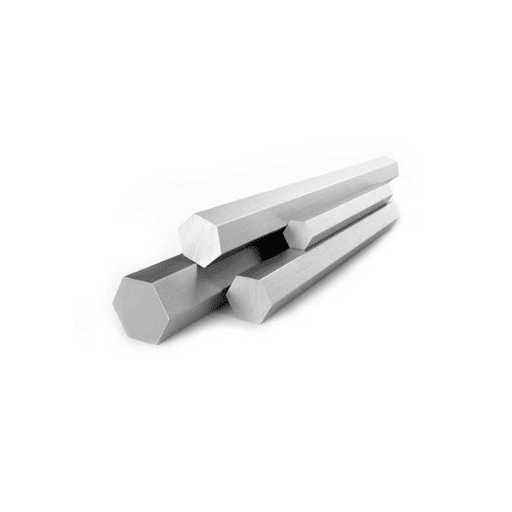
Engineers need to evaluate essential factors which include strength, weight, corrosion resistance, thermal performance and cost when they choose between titanium wire and stainless steel wire for specific applications. The following list presents a complete comparison that meets these standards:
- Strength-to-Weight Ratio: Titanium wire stands out because it offers exceptional strength-to-weight performance. The material weighs 45% less than stainless steel but maintains equal tensile strength. This makes titanium an ideal choice for aerospace, medical devices, and high-performance industries where weight reduction is critical. For example, aerospace applications often prioritize lightweight materials to enhance fuel efficiency.
- Corrosion Resistance: Titanium wire displays better corrosion protection than other materials especially in environments that contain seawater or chlorine or acidic solutions. This property makes titanium an excellent choice for marine and chemical processing and desalination applications. Stainless steel wire delivers decent corrosion protection in 316 and 304 grades but it becomes susceptible to pitting when exposed to chloride-rich environments or extreme conditions.
- Thermal Performance: Titanium has a lower thermal conductivity compared to stainless steel, making it less effective in heat transfer applications. Stainless steel demonstrates superior thermal conductivity, which benefits heat exchanger systems and cooking equipment that need to distribute heat effectively.
- Durability and Fatigue Resistance: Titanium wire provides exceptional fatigue resistance which enables it to withstand repeated stress for an extended duration. Although stainless steel wire possesses strong durability, it develops fatigue-related failure at a faster rate than titanium wire under challenging environmental conditions.
- Cost and Availability: The production of titanium wire requires expensive raw materials and energy-intensive manufacturing methods which lead to higher costs for titanium wire products. The combination of budget restrictions and material availability makes stainless steel wire the most suitable option for projects which require cost-effective solutions.
- Environmental Impact: The complete recyclability of titanium together with its extended performance life and durability results in minimal environmental impact throughout its entire lifecycle. The increasing focus on sustainability will drive industries to select titanium as their main material because it enables them to achieve their waste reduction and environmental protection objectives.
Summary Table
| Criteria | Titanium Wire | Stainless Steel Wire |
|---|---|---|
| Strength-to-Weight Ratio | Excellent (Light & Strong) | Good (Stronger but Heavier) |
| Corrosion Resistance | Superior (Ideal for Extreme Conditions) | Good (Reliable but Limited in Chlorides) |
| Thermal Conductivity | Lower (Limited Heat Transfer Usage) | Higher (Efficient Heat Distribution) |
| Fatigue Resistance | Outstanding | Moderate to Good |
| Cost | Higher (Premium Metal) | Lower (Budget-Friendly) |
| Environmental Impact | Highly Recyclable | Recyclable but Lower Longevity |
By carefully evaluating these criteria in relation to project requirements, selecting the appropriate material can enhance efficiency, longevity, and overall performance.
When to Choose Titanium
- Aerospace Applications: Engineers use titanium for aircraft design because its combination of high strength and low density enables them to reduce aircraft weight without losing structural strength. The airframe of modern jet aircraft contains around 15 percent titanium which enhances both fuel efficiency and operational performance of the aircraft.
- Medical Uses: Medical professionals prefer titanium for implant materials because it demonstrates good compatibility with human body tissues and strong resistance against bodily fluids. Research shows that titanium boasts a 95 percent success rate in dental implants over 10 years.
- Corrosive Environments: Titanium’s exceptional ability to resist corrosion under extreme conditions which include exposure to saltwater and chemicals represents a vital requirement for all marine operations and offshore structural designs. Studies reveal that titanium withstands seawater corrosion for over 10 years without significant degradation.
- Extreme Temperatures: Titanium serves as a material for applications that need temperature resistance between minus sub-zero temperatures and more than 1,100°F (593°C) because it maintains its thermal stability in both jet engine and industrial heat exchanger environments.
- Cost vs. Longevity: Although titanium requires higher initial investment than aluminum or steel products its long operational life and minimal maintenance requirements make financial sense. The titanium components used in chemical processing facilities maintain their functionality for more than 20 years which outlasts the durability of all other materials by two to three times.
Titanium emerges as the best material option for situations where products must withstand rigorous testing while maintaining their lightweight properties and their capacity to endure severe environmental conditions. The use of this material brings performance optimization which leads to cost savings during operation in demanding environments.
When to Choose Stainless Steel
The material that meets essential needs for both resistance to corrosion and material strength and cost efficiency becomes stainless steel. The material serves industrial applications in food processing and pharmaceuticals and construction because it can endure contact with water and air and numerous chemical substances. Common grade 304 stainless steel which people use extensively protects against corrosion from acidic and alkaline solutions, which enables its use in high-moisture environments. The current global stainless steel production reached 55 million metric tons during 2022, which demonstrates the material’s increasing demand in multiple industrial sectors. The material can be reused multiple times because it achieves 100 percent recyclability, which enables companies to reduce their waste production and support environmentally friendly practices. The material exhibits superior mechanical features through its high-performance grades that achieve tensile strengths of 1,500 MPa, which makes the material appropriate for structural components and high-pressure container applications.
The surface of stainless steel enables straightforward cleaning, which prevents bacteria from developing, making it the ideal material for situations that demand strict hygiene standards. The solution provides balanced performance capabilities together with affordable pricing, which makes it suitable for all common uses and industrial operations. The material serves as a dependable resource because it maintains its value throughout both traditional kitchen equipment and modern engineering technologies.
Checklist for Engineers and Procurement Specialists
Engineers and procurement professionals must assess essential factors that determine which stainless steel grade will provide the best operational results and financial value for their upcoming projects. The following checklist provides complete decision-making support:
✅ Step 1: Identify the Stainless Steel Grade
The application needs to define which grade should be selected. For example:
- 304 Stainless Steel functions as a general-purpose material which provides both excellent corrosion resistance and simple fabrication options.
- 316 Stainless Steel provides exceptional protection against corrosion in marine and chemical processing environments because of its resistance to chlorides and acidic substances.
- Duplex Grades (e.g., 2205) combine high strength and outstanding resistance to stress corrosion cracking.
- The ASTM Standards (e.g., ASTM A240 for sheet and plate specifications) provide resources for researchers to study alloy properties through standard testing methods.
✅ Step 2: Evaluate Corrosion Resistance Needs
Environmental conditions need to be analyzed for the following aspects:
- Presence of saltwater, humidity, or industrial pollutants.
- High-temperature exposure that may lead to oxidation or scaling.
- The use of surface treatments and coatings should be implemented as protective measures whenever necessary.
✅ Step 3: Consider Fabrication Requirements
- The project requires people to know its machining and welding and forming needs.
- Select materials that provide better machining performance (e.g., free-machining grades such as 303).
- The selected grade needs to enable correct welding methods which will prevent issues like carbide precipitation from occurring.
✅ Step 4: Cost and Longevity Measurement
- The study compares initial material expenditures with the testing results for material endurance and complete product lifecycle operation.
- Research shows that using grade 316 which delivers superior corrosion protection will lead to increased initial costs but will generate operational savings throughout the product’s life in extreme environments.
✅ Step 5: Standards and Certification Requirements
- The organization needs to evaluate its compliance with industrial standards which apply to its specific location and operational processes.
- Material quality assessments require ISO 9001 and ISO 15510 certifications.
- The NSF and FDA standards establish food-grade requirements which kitchenware products must meet.
- The company needs to create systems which will enable it to keep certification records that its suppliers provide.
✅ Step 6: Supplier Selection and Evaluation
- The organization needs to assess supplier reliability by examining their lead time performance and pricing practices and their ability to perform quality control procedures.
- The organization needs to establish whether suppliers provide material origin guarantees which include materials sourced from approved steel manufacturers such as Outokumpu or Thyssenkrupp or Aperam.
✅ Step 7: Sustainability Consideration
- The evaluation process assesses how your stainless steel purchase affects environmental sustainability. The complete recyclability of stainless steel enables manufacturers to decrease carbon emissions by using recycled materials for steel production.
- Life Cycle Analysis (LCA) data provides a reference point to evaluate the sustainability of steel products.
✅ Step 8: Design Standards and Load Capacity
- The organization needs to examine weight limits and load capacity calculations which apply to construction projects.
- The performance of stainless steel components under stress conditions can be assessed through Finite Element Analysis (FEA) software tools.
✅ Step 9: Surface Finish and Aesthetics
The application determines which finish works best for the project.
- Mirrored or polished finishes serve as decorative elements.
- Brushed or matte finishes serve their purpose in industrial settings.
- The choice of finish will impact how much dirt accumulates and how frequently maintenance needs to take place.
✅ Step 10: Maintenance and Cleaning Protocols
- The organization must establish a schedule for regular inspections and cleaning services which will use approved industry products including neutral pH detergents to ensure optimal product performance and visual appeal.
- The use of bleach and other strong chemicals must be avoided because they lead to pitting and other forms of material destruction.
- The organization requires adherence to all procedures.
The checklist enables both engineers and procurement specialists to make better decisions while achieving optimal results from their stainless steel projects. Reputable sources such as material guides and technical manuals from NACE International and ASM International provide the needed information and assistance for further inquiries.
Long-term Value and Performance of Each Material
The assessment of titanium wire and stainless steel wire requires a long-term evaluation of both materials which should be tested against multiple important criteria. The five critical aspects that require evaluation include the following factors:
| Criteria | Titanium Wire | Stainless Steel Wire |
|---|---|---|
| Corrosion Resistance | The material exhibits high corrosion resistance because titanium can endure severe environmental conditions which include seawater and acidic solutions and high chloride levels and thus needs to be used in marine and chemical and aerospace applications. | The chromium content of stainless steel provides corrosion resistance to the material yet it becomes damaged through extended exposure to extreme conditions and specific chemical substances. |
| Strength-to-Weight Ratio | The excellent strength-to-weight ratio of titanium enables the material to achieve much lighter weight than stainless steel while maintaining equal or better strength performance. The capacity to maintain lightweight properties exists at both aviation and space exploration industries. | The material possesses strength properties but its heavy weight renders it unfit for applications demanding materials with lightweight characteristics. |
| Temperature Resistance | The material maintains all of its mechanical properties throughout a wide temperature range which enables it to function properly during both extreme hot and extreme cold situations while protecting its structural components. | Stainless steel maintains its structural integrity at moderate temperatures but it loses this capacity when exposed to extreme heat when compared to titanium. |
| Cost-Effectiveness | The extraction and manufacturing of titanium lead to higher initial costs but its long-lasting durability and wear resistance capabilities create savings through reduced replacement needs which deliver valuable returns over time. | The stainless steel products require high initial costs but they provide budget-friendly options for customers who need to control their spending. |
| Application Versatility | The metal titanium functions well in medical implants and aerospace applications and chemical processing operations because it produces outstanding results under high-stress conditions. | People use stainless steel as a multifunctional material across construction and automotive manufacturing and home appliance production because it performs effectively in standard operational conditions. |
The selection of a material for use in particular applications requires assessment of both its benefits and its drawbacks according to the specific requirements and environmental factors that will be present during the planned application.
Conclusion
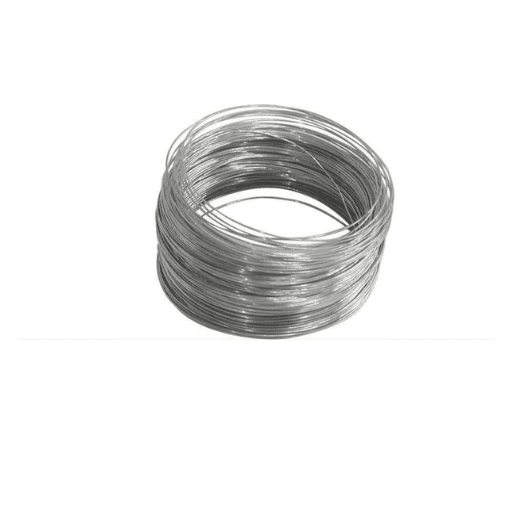
Stainless steel maintains its importance as a fundamental material in multiple industries because of its ability to resist corrosion and its strength and its different uses. According to the latest data, the global stainless steel market is expected to grow at a compound annual growth rate (CAGR) of 5.3% from 2023 to 2030, as reported by recent industry analyses. The construction industry and automotive industry and renewable energy industry drive this growth through their increasing demand for products. The manufacturing process for stainless steel now benefits from advanced techniques which include precise alloy formulation and environmentally safe production processes because they improve both performance and sustainable development.
The latest developments and best practices must be monitored continuously to achieve maximum material benefits. Engineers and procurement teams can make better project-specific choices through the use of existing resources which include guides and testing standards and material research from approved organizations. The combination of engineering expertise with contemporary market knowledge enables stainless steel to remain essential for achieving engineering success and operational productivity.
Frequently Asked Questions (FAQ)
References
- MEDICAL DEVICE INSTRUMENTATION – Discusses the use of stainless steel in medical applications.
- Fatigue Properties of Titanium Wires for Medical Applications – Explores the fatigue properties of titanium wires in medical contexts.
- Confirmation of Safety of Titanium Wire in Sternotomy Closure – Compares titanium and stainless steel wires in surgical applications.