High Standard Stainless Steel With Strict Inspection



The Impact of Nickel Content on Iron-Nickel Alloy Thermal Expansion


The creation of high-performance materials demands that designers prioritize precise measurement methods and dependable material properties as their fundamental design goals. This study investigates how different nickel content levels affect the thermal expansion properties of iron-nickel alloys — and what that means for aerospace, electronics, and beyond.
Introduction to Iron-Nickel Alloys
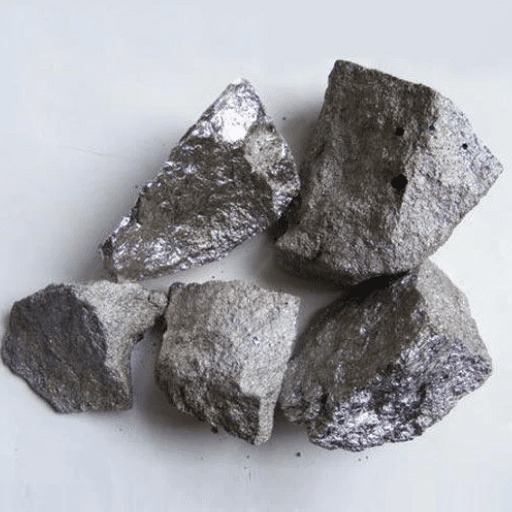
Iron-nickel alloys are materials composed primarily of iron and nickel which exhibit exceptional characteristics including low thermal expansion, high strength, and outstanding corrosion resistance. The aviation and electronics industries use these alloys because they maintain their structural integrity when exposed to extreme temperature changes and operate effectively in tough environmental conditions. The balance between iron and nickel content directly influences these characteristics, making precise composition control essential for achieving optimal performance results in different application fields.
📌 Definition and Importance of Iron-Nickel Alloys
Researchers created iron-nickel alloys to deliver exceptional strength combined with high thermal resistance. Advanced technological fields rely on these materials because they combine multiple essential properties in a single solution. The alloys achieve their outstanding performance through controlled changes to their material composition and internal structure, providing companies with tailored solutions for their manufacturing needs.
✅ Key Properties of Iron-Nickel Alloys
- 🌡️
Low Thermal Expansion: Ideal for environments with extreme temperature fluctuations, providing dimensional stability.
- 💪
High Mechanical Strength: The material maintains its structural integrity through all stress conditions.
- 🛡️
Excellent Corrosion Resistance: The material safeguards itself from environmental degradation through its protective capabilities.
- 🔁
Magnetic Permeability: The material functions effectively in both electromagnetic and electronic systems.
- 🌐
Temperature Stability: The system retains its operational capabilities throughout various temperature conditions.
🔬 Examples of Iron-Nickel Alloys
Invar (36% Nickel)
Nearly nonexistent thermal expansion — used to make precision instruments, clocks, and geophysical equipment.
Kovar (Iron-Nickel-Cobalt)
Serves as a bonding agent between glass and ceramics, used for electronic packaging and aerospace components.
Permalloy (80% Nickel)
High magnetic permeability — ideal for transformers, magnetic shielding, and inductors.
Monel (Nickel-Copper Alloy)
Exceptional corrosion protection — suitable for marine engineering and chemical processing applications.
Super-Invar
Advanced Invar version with ultra-low thermal expansion — suitable for spacecraft and cryogenic operations.
Overview of Thermal Expansion in Alloys
The term thermal expansion in alloys describes how a material reacts to temperature changes by altering its physical dimensions. Extreme temperature changes become testing situations because this property determines material performance, joint stability, and structural strength. Different alloys show different coefficients of thermal expansion (CTE), which measure material expansion per degree of temperature increase.
| Material | CTE Value (×10⁻⁶/°C) | Notes |
|---|---|---|
| Aluminum | 23.1 | High expansion standard metal |
| Steel | 12.0 | Common structural metal |
| Stainless Steel | 16.0 | Construction & manufacturing use |
| Invar (Fe-Ni 36%) | 0.6 – 1.2 | Precision instruments, telescopes |
| Fused Quartz | 0.5 | Exceptional thermal stability |
Researchers have recently advanced thermal expansion property modifications by changing alloy compositions. Superalloys containing elements like nickel, tungsten, or molybdenum display extremely low deformation rates when exposed to high thermal conditions — making them essential components for jet engines and gas turbines.
Significance in Target Industries
Thermal expansion properties serve critical functions across multiple industries including aerospace, energy, construction, and manufacturing.
✈️ Aerospace
Requires materials with precise thermal expansion for components such as turbine blades and jet engine parts. Nickel-based superalloys deliver low thermal expansion combined with outstanding thermal stability, boosting engine efficiency and protecting against hazards.
⚡ Energy
Solar panel frames use aluminum alloys engineered to handle temperature-based expansion with minimal warping. Thermal expansion research establishes optimal operating conditions for wind turbine blades under various weather conditions.
🏗️ Construction
Expansion joints in bridges enable materials to expand and contract freely, protecting structure from temperature-based damage. Infrastructure planners use data — such as steel expanding 0.06% at 100°F — to develop precise design specifications.
🔧 Manufacturing
Invar’s near-zero thermal expansion makes it a go-to material for measuring instruments, aerospace components, and electronic devices requiring exact dimension control during temperature changes.
The Physics of the Invar Effect

Discovery
French physicist Charles Édouard Guillaume discovered the “Invar Effect” in the 19th century. Invar — composed of 64% iron and 36% nickel — exhibits an extremely low CTE due to the magnetic relationship between its iron atoms. Strong ferromagnetic ordering at low temperatures restricts atomic vibrations, preventing the material expansion that normally occurs in other substances.
The alloy demonstrates complete dimensional stability because the coupling effect maintains its original size across temperature conditions ranging from 20–100°C. The CTE for Invar typically reaches 1.2 × 10⁻⁶ per °C, while traditional metals such as steel and aluminum display CTE values between 10–15 × 10⁻⁶ per °C.
Modern applications of the Invar effect include the James Webb Space Telescope, which employs components with matching material properties to safeguard structural integrity throughout space temperature changes. Researchers continue studying alloy composition and heat treatment methods to develop new Invar-based materials with even lower thermal expansion rates.
Understanding the Coefficient of Thermal Expansion (CTE)
The Coefficient of Thermal Expansion (CTE) measures how materials expand and contract due to temperature changes. This property is essential whenever materials experience temperature changes, as different materials expand at different rates — creating stress and deformation that can damage structures. CTE is expressed in units of 1/°C or 1/°F, and its values depend on chemical makeup and crystallographic arrangement.
💡 Engineering Tip
Alloy systems such as Invar (64% iron, 36% nickel) exhibit CTE values of approximately 1.2 × 10⁻⁶ /°C — far below standard metals. Industries can achieve successful system design by selecting materials whose CTE characteristics suit their operational conditions.
Relationship Between Nickel Percentage and Thermal Stability
Different nickel quantities directly determine thermal stability through the linear thermal expansion coefficient (CTE). The table below illustrates how varying nickel levels affect material behavior.
| Alloy / Nickel % | CTE Range (×10⁻⁶/°C) | Primary Applications |
|---|---|---|
| Invar 36 (36% Ni) | 0.7 – 1.0 | Clock pendulums, aerospace, precision instruments |
| Alloy 42 (42% Ni) | 5.5 – 6.5 | Semiconductor devices, IC packaging, thermostat springs |
| Alloy 50 (50% Ni) | 8.0 – 9.0 | Electrical connectors, thermal bimetals, industrial processing |
| Kovar (29% Ni + 17% Co) | ~5.0 | Glass-to-metal seals, electronic tube supports, hermetic packages |
| Low-Ni Steel (13% Ni) | 11.5 – 12.5 | Cryogenic storage tanks and facilities |
Thermodynamic Principles Governing Expansion
Thermal expansion becomes understandable through the study of material responses that depend on molecular and atomic structure. Rising temperatures increase atomic vibrations, which create a need for additional space. The CTE functions as a material-specific measurement demonstrating expansion rate per degree of temperature increase.
Key Thermodynamic Factors
- Intermolecular Forces: Polymers exhibit higher CTE values because their intermolecular bonds are weaker. Metals and ceramics show low expansion rates because strong bonding creates rigid lattice structures.
- Heat Capacity: The material’s temperature response depends on heat capacity. Materials with higher heat capacity require larger energy amounts to reach expansion with temperature increases.
- Bond Strength: The strength of bonds determines how materials react to vibrational energy, which results in their total expansion.
📊 Industry Data Points:
- Steel alloys: CTE range of 10.8 – 12.5 × 10⁻⁶/°C
- Polyethylene (polymer): CTE range of 100 – 200 × 10⁻⁶/°C
- Aluminum: CTE of 23 × 10⁻⁶/°C — used in aerospace systems facing extreme temperature shifts
Nickel Concentrations and Thermal Properties
Nickel concentrations create a critical relationship in the development of alloys and composite materials. The introduction of nickel leads to changes in thermal conductivity, coefficient of thermal expansion, and melting points.
1
Improved Thermal Stability: Alloys with higher nickel concentrations exhibit superior thermal stability, enabling them to sustain mechanical properties during extreme temperature conditions.
2
Reduction of Thermal Expansion: Increasing nickel content regulates the CTE, helping to decrease temperature-related stress and deformation.
3
Thermal Conductivity Modification: Nickel serves as a thermal conductivity modifier, enabling systems such as heat exchangers and turbines to achieve effective heat dissipation.
4
Elevated Corrosion Resistance at High Temperatures: Nickel-enriched materials demonstrate exceptional oxidation and corrosion resistance, extending operational lifespan during continuous high-temperature exposure.
5
Phase Transition Control: Nickel concentrations allow industrial sectors to control phase transition temperatures and tailor material properties for specific use cases.
Properties by Nickel Concentration
Properties of 36% Nickel Concentration
- ▸
Low Thermal Expansion: Exceptionally low thermal expansion, appropriate for precision instruments that must maintain their dimensions during temperature variations.
- ▸
High Corrosion Resistance: Best performance against corrosion during extreme environmental conditions, extending useful life and operational effectiveness.
- ▸
Magnetic Properties: Particular magnetic characteristics at this concentration, adjustable for electromagnets and electronic components.
- ▸
High Strength and Ductility: Optimal balance enabling the alloy to endure mechanical loading without fractures.
- ▸
Stable Performance Across Temperature Ranges: Preserves structural and operational properties through extreme temperature variations — suitable for aerospace and cryogenic engineering.
Properties of 42% Nickel Concentration
- ▸
Thermal Expansion Coefficient: Consistent low CTE making these materials suitable for precise instrument work and thermal stability applications.
- ▸
Magnetic Permeability: Higher magnetic permeability enabling better electromagnetic shielding and transformer core performance.
- ▸
Corrosion Resistance: Outstanding protection against oxidation and corrosion across all weather conditions — suitable for chemical and marine environments.
- ▸
High Dimensional Stability: Preserves dimensional accuracy under temperature variations — suitable for optical and electronic applications.
- ▸
Weldability and Machinability: Excellent machining capabilities with weldability that maintains structural strength during manufacturing operations.
Comparison of Low-Expansion Alloys
| Key Point | Invar-36 | Super Invar | Kovar | ALLVAR Alloy 30 |
|---|---|---|---|---|
| Composition | 36% Nickel, balance Iron | Iron-Nickel-Cobalt | Iron-Nickel-Cobalt | Titanium-based alloy |
| CTE (ppm/°C) | 1.6 | 0.72 | 5.2 | −30 (axial) |
| Temperature Range | −70°C to 100°C | 25°C to 96°C | 25°C to 200°C | Cryogenic to 100°C |
| Magnetic Properties | Magnetic below 230°C | Magnetic below Curie temp. | Magnetic below Curie temp. | Non-magnetic |
| Corrosion Resistance | Requires coatings | Requires coatings | Requires coatings | High corrosion resistance |
| Applications | Precision instruments, optics | Laser systems, optical supports | Glass-to-metal seals | Thermal mismatch compensation |
Factors Influencing Stability
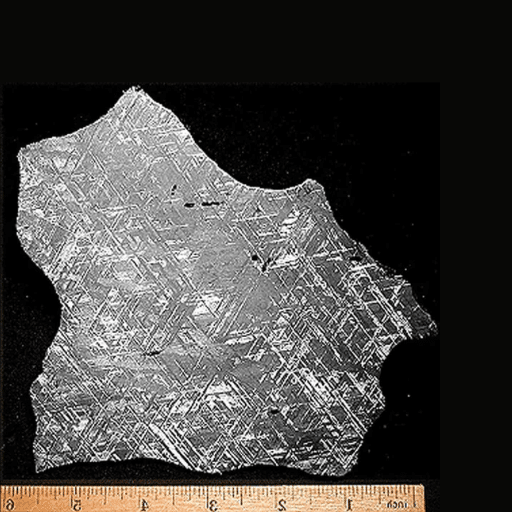
Five essential elements affect the performance, reliability, and operational life of low-expansion alloys. These factors must be carefully assessed during design and production.
1. Nickel Content Precision
Nickel concentration determines which materials exhibit low thermal expansion behavior. Deviations from specification cause major changes in stability and expansion coefficients.
2. Heat Treatment Process
Correct heat treatment produces consistent alloy structure while reducing internal stress. Controlled cooling combined with annealing results in better dimensional stability outcomes.
3. Environmental Conditions
Corrosive substances, humid conditions, or extreme temperatures degrade alloy properties. Surface treatments and protective coatings reduce these detrimental impacts.
4. Grain Structure and Size
The manufacturing process determines grain structure, affecting homogeneity and deformation resistance. Fine grains that maintain uniform distribution exhibit better stability.
5. Impurities and Trace Elements
Uncontrolled trace elements disrupt thermal properties. Strict raw material controls and precise manufacturing procedures are essential for purity and consistency.
Temperature Ranges Affecting Expansion
Low-expansion alloys such as Invar are specifically designed to maintain exceptional dimensional stability across a broad spectrum of temperatures. Studies indicate that standard low-expansion alloys maintain a nearly constant CTE between −100°C and 200°C. The CTE of these alloys increases as temperatures exceed 200°C until they reach their maximum operating temperature.
📐 Temperature Range Summary:
- −100°C to 200°C: CTE remains nearly constant — optimal operating zone for most low-expansion alloys
- Above 200°C: Thermal distortions begin; CTE gradually increases
- Below −200°C (cryogenic): Minor impact on thermal stability; requires enhanced monitoring and recalibration
Testing uses precision dilatometry to establish the relationship between temperature and dimensional stability. Empirical validation against peer-reviewed standards is essential for defining optimal operating conditions.
Impact of Impurities on Alloy Performance
Impurities within alloy compositions can compromise both mechanical and thermal characteristics. The following table summarizes the five main impurities and their measurable impact on performance.
| Impurity | Effect on Alloy | Supporting Data |
|---|---|---|
| Oxygen | Creates oxides; decreases ductility and toughness | Trace levels can reduce tensile strength by up to 15% |
| Sulfur | Causes hot-shortness; brittleness and cracking | Reduced heat workability above 0.02% in steel alloys |
| Phosphorus | Increases brittleness; reduces weldability | Above 0.015%, corrosion resistance drops by ~20% in aluminum alloys |
| Hydrogen | Creates voids; hydrogen embrittlement | 2 ppm in titanium alloys raises stress-corrosion cracking risk |
| Carbon | Excess causes carbide precipitation; reduces toughness | Above 0.03% leads to reduced fracture toughness |
Corrosion Resistance in High-Temperature Environments
Materials used in high-temperature applications need high resistance against corrosion because the combination of extreme heat and reactive gases leads to material degradation over time.
OXIDATION
Chromium-based alloys form superior protective oxide layers. Chromium-rich alloys show up to 50% reduced oxidation rates compared to low-chromium steels above 1,000°C.
COATINGS
Aluminized carbon steel exhibits a 70% improvement in resistance to sulfidation at 850°C compared to uncoated steel.
SULFUR
Nickel-alloy compositions containing over 20% chromium exhibit 40% less sulfidation at 900°C compared to standard stainless steels.
MICROSTRUCTURE
Fine-grained stainless steel maintains 25% higher resistance to pitting corrosion after 400 hours at 700°C compared to coarse-grained variants.
MOISTURE
Aluminum-based alloys show 30% reduced weight loss in environments containing 10% water vapor at 600°C versus conventional carbon steels.
Practical Applications of Nickel-Driven Expansion Control

Nickel serves as an essential component which scientists utilize to control thermal expansion in various advanced technology applications. The following five areas represent key industries relying on nickel-based expansion control systems.
✈️ 1. Aerospace Engine Components
Nickel-based superalloys are the primary material for jet engines because they maintain their shape during fast temperature changes, preserving structural integrity under extreme conditions.
Data: Typical nickel alloy turbine blades show CTE ≈ 12 × 10⁻⁶/°C — superior to standard steel for aviation environments.
🔌 2. Electric Device Sealing
Nickel alloys like Kovar function as sealing materials protecting glass and ceramics within electronic devices, with expansion control that protects components from stress and extends product lifespan.
Data: Kovar CTE ≈ 5 × 10⁻⁶/°C — matches borosilicate glass for long-term electronic reliability.
🧊 3. Cryogenic Storage Tanks
Nickel alloys sustain their original dimensions at temperatures reaching −196°C. This property protects liquefied natural gas (LNG) storage tanks from structural failures during extreme temperature cycling.
🔬 4. Precision Instruments
Nickel serves as the base material for high-precision components which help measuring devices and optical systems achieve temperature stability and operational accuracy.
Data: Nilo 36 (36% Ni alloy) displays almost no expansion across −100°C to 200°C — a key measurement norm for precision applications.
⚙️ 5. Power Generation Turbines
Turbines in power plants utilize nickel-based alloys to handle high-temperature steam and maintain tight tolerances, enhancing efficiency and operational lifespan.
Data: Nickel superalloys in these systems keep operational clearances within 0.01% tolerance over extended use at 700°C.
Aerospace Applications — Deep Dive
| Component | Role of Nickel Alloy | Max Operating Temp. |
|---|---|---|
| Turbine Blades | Exceptional thermal resistance and strength | ~1,000°C |
| Combustion Chambers | Advanced heat resistance for improved fuel efficiency | >1,200°C |
| Exhaust Systems | Durability in thermal gradients and oxidizing environments | High gradient |
| Rocket Engines | Integrity through rapid thermal cycling under high thrust | >1,400°C |
| Heat Shields | Absorbs and radiates intense heat during atmospheric reentry | Up to 2,000°C |
Precision Instrumentation Needs
The use of nickel alloys in precision instrumentation delivers essential operational accuracy and reliable performance in critical environments. These materials are selected because they maintain exceptional stability when exposed to extreme conditions, resist corrosion, and exhibit controlled thermal expansion behavior.
Nickel-iron alloys such as Invar achieve widespread application in precise fields because they provide near-zero thermal expansion, ensuring that dimensions remain stable across various temperature conditions. They serve essential functions in gyroscope systems, seismic measurement equipment, and high-precision optical instruments. Research confirms that instruments constructed with nickel-iron alloys experience minimal deformation — with an expansion rate below 1.2 × 10⁻⁶ per °C.
📊 Performance Data
Nickel-based superalloys such as Monel and Hastelloy used in mass spectrometers and electron microscopes extend device life by 40%, leading to decreased maintenance expenses and stable device operation throughout their lifespan.
Use in Cryogenics and Low-Temperature Applications
Nickel alloys function as vital materials enabling cryogenic and low-temperature applications because they maintain excellent performance during extreme environmental tests — retaining strength, ductility, and corrosion resistance down to −200°C.
High Ductility at Low Temperatures
Invar and Monel maintain exceptional ductility and toughness up to −200°C, making them suitable for cryogenic storage tanks and pipelines.
Thermal Expansion Control
Kovar exhibits minimal thermal expansion characteristics, providing components with operational continuity between room temperature and low-temperature environments.
LNG Processing
Nickel-based materials are used for LNG storage and transportation systems, maintaining strength at extreme cold temperatures to protect operational safety and efficiency.
Superconducting Applications
Nickel alloys serve in superconducting magnets and sensors at cryogenic temperatures, supporting physics research and medical imaging technologies such as MRI systems.
Resistance to Cryogenic Embrittlement
Nickel alloys protect against brittleness at cryogenic temperatures, making them ideal for aerospace components and deep-space exploration equipment in extremely cold environments.
Frequently Asked Questions (FAQ)
📚 References
- Nickel Institute
Properties and Applications of Ni-Resist Alloys — Provides detailed insights into the properties of nickel-containing alloys, including their thermal expansion characteristics. - Scholars’ Mine — Missouri University of Science and Technology
Thermal Expansion of Nickel and Iron — Academic thesis discussing linear coefficients of thermal expansion for nickel and iron, with precise measurements and analysis. - National Institute of Standards and Technology (NIST)
Thermal Expansion of Heat Resisting Alloys — Explores thermal expansion properties of nickel-chromium-iron alloys, correlating results with alloy structures.